
Reviewed · FOOD & DRINK
3-Hour Tasting Session in Rio with 33 Foods Brazilians Love
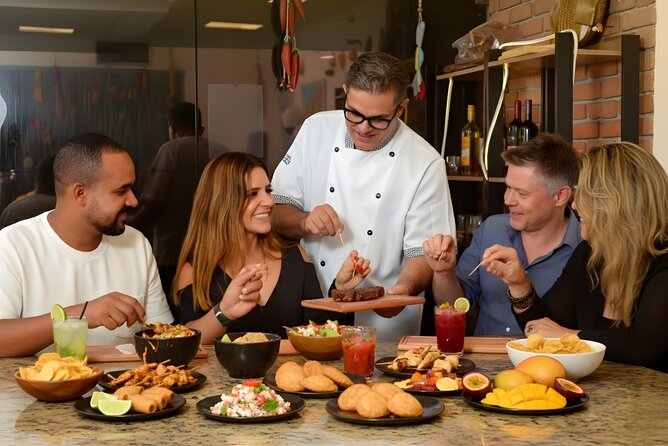
Brazil comes alive one bite at a time. This three-hour session in Ipanema is a fast, friendly introduction to Brazilian food, with 33 tasting portions covering fruit, cheeses, snacks, meats, drinks, sweets, and regional favorites. I like the way the guide explains not just what you are eating, but when Brazilians eat it and what it says about the country. I also like the small-group format, capped at 10 people, which leaves room for questions and conversation.
The main thing to consider is the portion size. You sample a very wide range, so most servings are small. I also would not book this expecting a traditional food walk from restaurant to restaurant. Much of the session takes place in a cooking studio or local home-style setting, with possible stops at a juice shop, bakery, and Brazilian bar afterward.
In This Review
- At a Glance: What Matters Most
- Why This Tasting Works as a Rio Introduction
- The Cook in Rio Studio Starts the Story
- Tropical Fruit, Juices, and Brazilian Refreshments
- Savory Snacks, Meats, and the Brazilian Bar Finish
- Sweets, Coffee, and the Last Bites
- The Guides Make or Break the Evening
- Is $85 a Fair Price?
- Timing, Meeting Point, and Group Size
- Who Should Book This Brazilian Food Experience?
- Final Verdict: A Useful First Taste of Brazil
- FAQ
- How long does the Brazilian food tasting last?
- Where does the experience begin?
- Where does the experience end?
- How many foods and drinks are included?
- Is a caipirinha included?
- Are additional alcoholic drinks included?
- What languages are offered?
- What is the maximum group size?
- What is the minimum age for alcohol?
- Can I cancel for a full refund?
At a Glance: What Matters Most
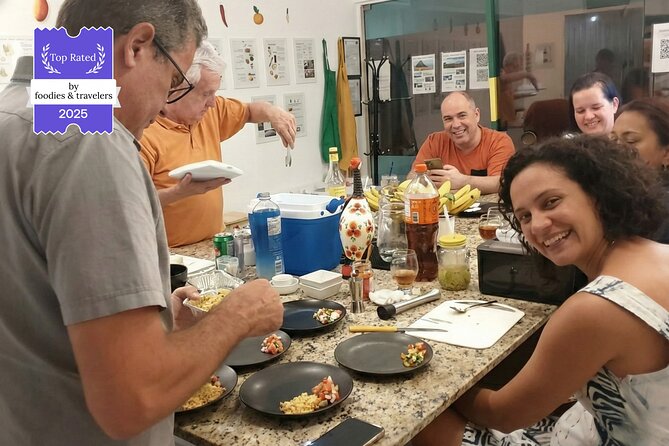
- 33 foods and drinks in one sitting: Try Brazilian fruits, cheeses, meats, fried snacks, sweets, juices, coffee, and a signature caipirinha without spending days tracking them down.
- A useful first-day activity: The tasting helps you recognize Brazilian ingredients and order with more confidence during the rest of your time in Rio.
- Small group, maximum 10 people: The size suits curious eaters who want to ask questions rather than trail behind a large crowd.
- Ipanema starting point: Meet at Cook in Rio, at R. Visc. de Pirajá, 281, sala or shop 213, near public transportation.
- The format mixes teaching and eating: Expect a presentation in the studio, followed by fresh juice and local snack stops that may include a bakery and botequim, the Brazilian neighborhood bar.
- Not an all-you-can-eat dinner: The variety is the attraction, but the small portions may not satisfy a very hungry diner on their own.
Why This Tasting Works as a Rio Introduction
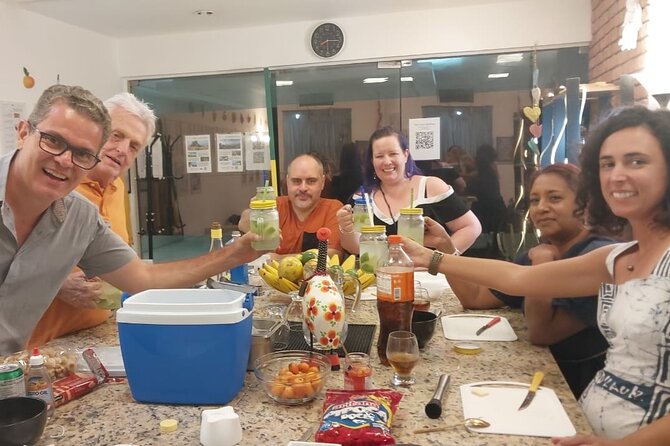
Brazilian food can be hard to summarize. The country is huge, and its cooking reflects Indigenous ingredients, African traditions, Portuguese influence, immigrant communities, regional farming, beach culture, and everyday street food.
A three-hour tasting cannot tell the whole story. It can, however, give you a practical map. You will hear the names of foods, taste several versions of Brazil’s favorite ingredients, and learn which items deserve a second look at a market, bakery, bar, or restaurant.
That matters in Rio, where menus may include unfamiliar words and where a plate can look simple but carry a strong regional identity. After this session, you should have a better sense of what you like. You may find yourself asking for more pão de queijo, hunting down new fruit juices, or recognizing the difference between a sweet treat and a bar snack.
I especially like this format for the first or second day of a trip. You get a broad survey before committing to full portions elsewhere. It is a little like opening the index of a Brazilian cookbook, except you get to eat the entries.
More food tours in Rio de Janeiro:
- Rio: Pub Crawl in Lapa with Cachaça Tasting and Live Samba
★ 4.7 · 881 reviews - Sunset Boat Tour with Beer, Water, Soda and Snacks included
★ 5.0 · 227 reviews - Rio Gastronomy: Culture & History Through The Art Of Food – Walking Group Tour
★ 5.0 · 164 reviews
The Cook in Rio Studio Starts the Story
The meeting point is Cook in Rio, a traditional Brazilian kitchen experience in Ipanema. The tasting begins here, and this is where the guide can present a large number of foods in an organized way.
The studio portion is important because many of the foods are not dishes you would naturally encounter on a standard walking route. You might try supermarket products, unusual fruits, cheeses, vegetables, candies, packaged snacks, fruit liqueurs, and ingredients used in home cooking.
The guide explains the food as it appears. You may learn about its region, preparation, pronunciation, or place in Brazilian daily life. Several guides have been praised for making this feel like a short class rather than a pile of samples. Flavio, Erica, Alex, Carina, and Luis have all received warm comments for their clear explanations, humor, and ability to make shy or picky eaters feel comfortable.
That personal teaching style is one of the strongest reasons to choose this activity. A plate of food tells you only so much. A guide who explains how it is prepared, when it is served, and why locals care about it gives the bite some context.
The studio setting does have a tradeoff. If you are looking for a classic street-food crawl, you may find the first half too stationary. One participant specifically wanted more bakeries and restaurants. The provider explains that the studio makes it possible to serve foods that are difficult to find in a single neighborhood circuit.
Tropical Fruit, Juices, and Brazilian Refreshments
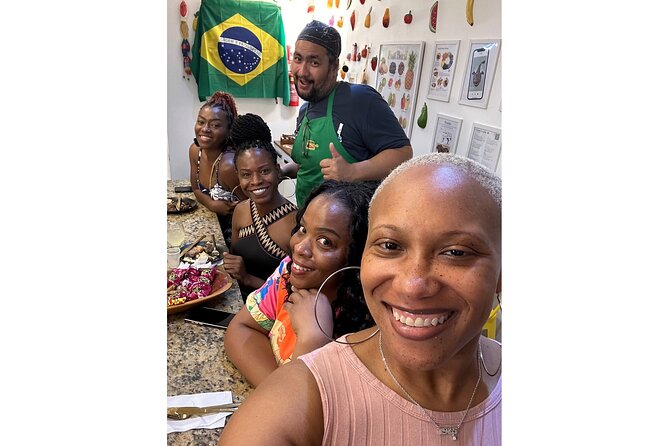
Fruit is a major part of the tasting, and this is likely to be one of the most enjoyable sections for anyone arriving from outside Brazil. Expect samples of tropical fruits and several kinds of fresh juice. The exact fruit selection can vary, but the point is to introduce you to ingredients that may be unfamiliar or difficult to find at home.
A juice stop adds a useful Rio detail. Brazilian juice bars are not simply places to grab orange juice. They offer blends made from local fruit, and the menu can introduce you to flavors you might overlook in a hotel breakfast room.
The tasting also includes a signature caipirinha, Brazil’s famous cachaça-based cocktail, along with tropical juices. Some sessions have included fruit liqueurs and other drinks. Beer, wine, spirits, or cocktails outside the planned selection are not included, but you can buy them separately.
Alcohol is available only to people aged 18 or older. If you do not drink, the juices and nonalcoholic samples still provide plenty to explore.
One practical note: fruit samples can be very small when the group is full. A papaya divided among a large group, for example, may leave each person with only a bite. That is normal for a tasting built around 33 items, but it is worth knowing before you arrive.
Savory Snacks, Meats, and the Brazilian Bar Finish
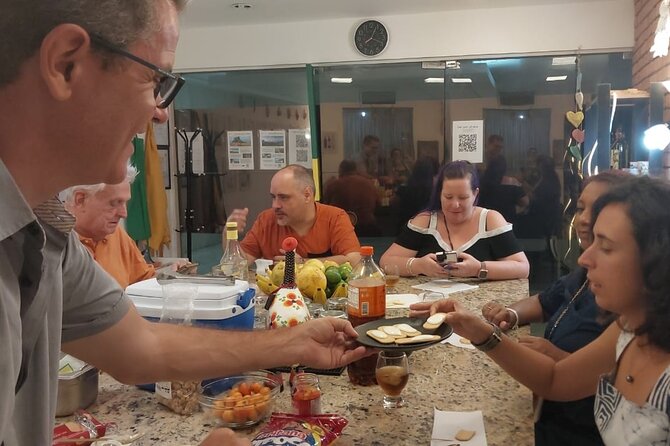
The savory side brings the familiar pleasures of Brazilian casual food: fried snacks, cheese, bread-based bites, meats, starches, and bar foods. The selection has included different cuts of meat, street snacks, cheeses, vegetables, and small items associated with a Brazilian boteco.
A boteco, or botequim, is a neighborhood bar where people gather over cold drinks and share simple food. Ending at one gives the evening a more social feel than a studio tasting alone. Depending on the session, the route may also include a Brazilian bakery and a juice bar.
This part of the evening helps explain why Brazilian food culture cannot be reduced to formal restaurant meals. Some of the most useful foods to recognize are the things locals eat casually, standing at a counter, sharing with friends, or ordering with a drink.
The provider has said that the full set of promised varieties may be split between the studio and the later bar stop. That explains why you might not see every bar item during the first presentation. It also means you should leave room for the final section instead of assuming the studio samples are the entire meal.
Portions remain the key issue. Some people finish feeling full, especially after the combined snacks, meats, desserts, and bar food. Others have found the servings too light to replace dinner. I would treat this as a broad tasting that may function as dinner for moderate eaters, not as a guaranteed full meal for someone arriving ravenous.
More things to do in Rio de Janeiro:
- Rio de Janeiro: 6-Stop Highlights of Rio with Lunch
★ 4.4 · 5,157 reviews - Christ the Redeemer Entry Ticket by Corcovado Train
★ 4.4 · 4,476 reviews - Rio’s City Tour – Tickets for Christ, Sugar Loaf & Lunch included
★ 5.0 · 4,389 reviews - Full Day: Christ Redeemer, Sugarloaf, City Tour & Barbecue Lunch
★ 4.5 · 3,142 reviews
Sweets, Coffee, and the Last Bites
Dessert and artisanal coffee close the session. Brazilian sweets can range from candies and homemade-style treats to rich bites made with condensed milk, coconut, fruit, or nuts. Again, the exact lineup may change, but the final course gives you a useful contrast to the salty snacks and grilled meats.
Coffee is an appropriate finish. Brazil is one of the world’s major coffee producers, and a small coffee tasting adds another everyday food story to the evening. It also gives the guide a natural chance to talk about how Brazilians drink coffee and how it fits into social life.
The sweet course is another place where expectations matter. You are likely to get a sample of several things rather than one large dessert. That is good for comparison, but not ideal if you want a generous slice of cake or a restaurant-size finale.
The Guides Make or Break the Evening
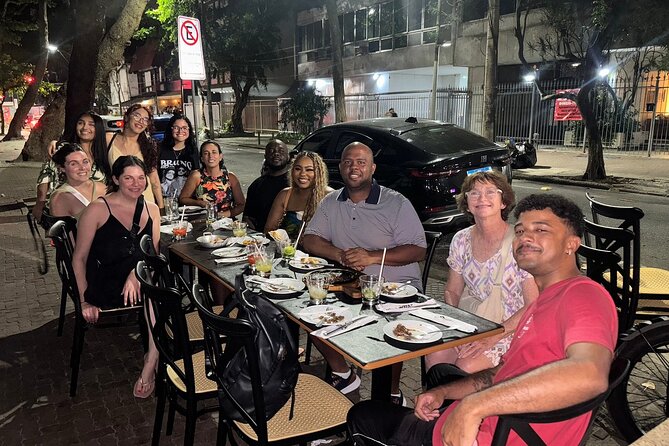
Food is only half of this activity. The guide controls the pace, the explanations, and much of the mood.
The most praised guides have been warm, lively, and good at connecting food to Brazilian culture. Luis was described as an excellent chef and bartender, while Alex received praise for his teaching and caipirinhas. Erica has been singled out for her kindness and clear explanations, and Carina has been appreciated for explaining when different foods are eaten.
This makes the experience especially appealing for families and mixed groups. Picky children and teenagers have tried many of the samples, and one family ranging from age 9 to 72 enjoyed the food, drinks, and conversation together.
There has been one serious food-safety complaint involving a former instructor. The provider responded that the guide was removed from the tasting sessions, that a strict cleanliness policy was reinforced, and that a refund was processed. That response is worth noting because hygiene is not a minor concern in a food experience. I would still pay attention to the condition of the kitchen and the handling of food on the day.
The experience is offered in English, Spanish, French, and Portuguese. The included guide description specifically highlights English and Spanish, so if you need French or Portuguese, confirm the language available for your chosen departure.
Is $85 a Fair Price?
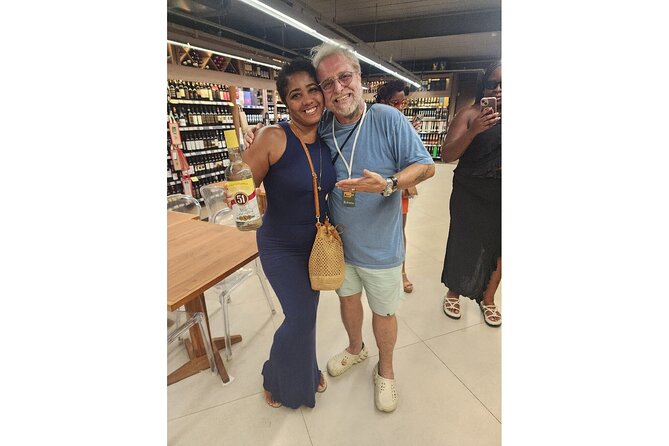
At $85 per person, this is not a cheap way to eat in Rio. You can certainly find a filling local meal for less.
The value comes from the range and the instruction. Trying 33 separate foods and drinks independently would require several meals, multiple stops, and a fair amount of guesswork. Here, you get an organized introduction, explanations from a local food expert, a caipirinha, juices, dessert, coffee, and possible visits to a juice shop, bakery, and boteco.
I think the price is reasonable for a food-curious person who wants a shortcut. It is less convincing for someone who measures value by portion size or wants a full steak dinner. The tasting is about breadth, not quantity.
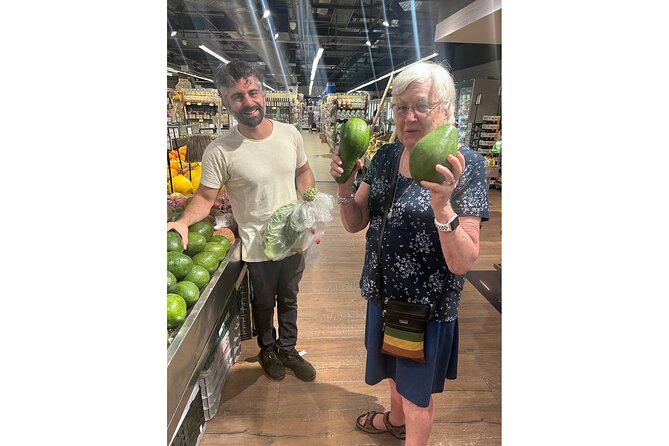
The supermarket upgrade can add another layer of value. A grocery visit shows you the packaged snacks, ingredients, fruits, and gift ideas you may want to take home. Flavio’s sessions have connected products seen in the store with foods later served in class, which makes the shopping stop more useful than a simple walk through aisles.
If you choose the supermarket option, ask how much extra time it adds and what is included. The main session itself lasts about three hours.
Timing, Meeting Point, and Group Size
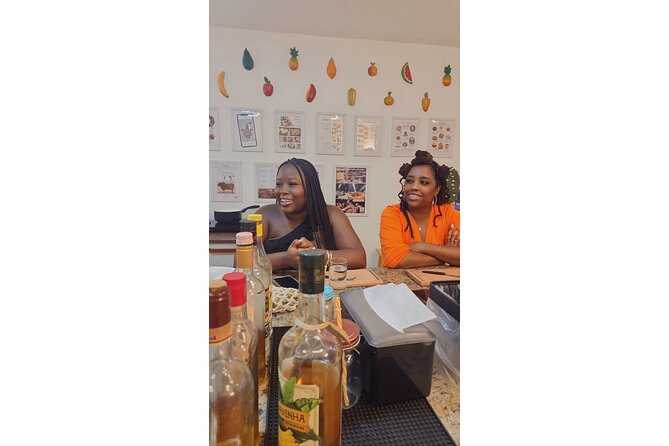
You meet at Cook in Rio in Ipanema and return to the same general meeting point at the end. The location is near public transportation, which makes it practical if you are staying around Ipanema or nearby neighborhoods.
The maximum group size is 10. That is small enough for direct conversation, though the number of samples may be divided among everyone. Arrive on time. One session began late because of a problem with a credit card machine during a supermarket visit, and the tasting itself started about 30 minutes behind schedule. The provider said it worked with the shop partner to address the equipment issue.
The experience normally takes about three hours, but the format can include short walks between the studio, juice shop, bakery, and bar. Wear comfortable shoes and avoid scheduling a tight event immediately afterward.
Free cancellation is available until 24 hours before the start time. Changes or cancellations inside that window are not refunded, and the activity requires a minimum number of participants. If the provider cancels because that minimum is not met, you receive another option or a full refund.
Who Should Book This Brazilian Food Experience?
I would choose this tasting if you:
- Want a quick introduction to Brazilian ingredients and casual food
- Prefer learning the story behind a dish rather than simply eating it
- Are visiting Rio for the first time
- Enjoy trying many small samples
- Are traveling with family members who have different tastes
- Want a guided start before exploring markets, restaurants, and bars alone
- Like meeting other people in a small group
I would think twice if you:
- Need a large dinner
- Want a continuous walking tour through restaurants
- Dislike fried foods, meat, or unfamiliar ingredients
- Prefer to choose every dish yourself
- Are mainly interested in premium cocktails or a long sit-down meal
Bring an open appetite, but not an empty stomach. A small snack beforehand may help if you tend to get hungry, while saving some space for the later bar stop is wise.
Final Verdict: A Useful First Taste of Brazil
This is a strong orientation to Brazilian food, especially when you book it early in your Rio stay. The best part is the guide-led explanation of 33 foods and drinks, followed by the chance to see how those flavors appear in juice bars, bakeries, and neighborhood bars.
The weak point is the same feature that makes the session ambitious. With so many items, portions must stay small, and the exact balance can vary by guide and day. You should book this for discovery, conversation, and context, not for the biggest dinner in Ipanema.
At a 4.9 rating from 220 reviews, with 98 percent recommending it, the overall record is excellent. For $85, I would recommend it to curious eaters who want to get their bearings fast and learn what to order next in Brazil. If you want a hearty meal above all else, spend the money at a churrascaria instead.
FAQ
How long does the Brazilian food tasting last?
The session lasts approximately three hours.
Where does the experience begin?
It begins at Cook in Rio, R. Visc. de Pirajá, 281, sala or shop 213, in Ipanema, Rio de Janeiro.
Where does the experience end?
The activity ends back at the meeting point.
How many foods and drinks are included?
The tasting includes 33 or more Brazilian foods and drinks, including savory snacks, meats, fruits, sweets, juices, dessert, coffee, and regional specialties.
Is a caipirinha included?
Yes. A signature caipirinha is included, along with refreshing tropical fruit juices.
Are additional alcoholic drinks included?
Only the drinks in the planned tasting selection are included. Beers, wines, spirits, or cocktails outside that selection can be purchased separately.
What languages are offered?
The experience is offered in English, Spanish, French, and Portuguese. The included guide description specifically identifies English and Spanish support, so confirm the language for your chosen session.
What is the maximum group size?
The activity allows a maximum of 10 participants.
What is the minimum age for alcohol?
The minimum age for alcohol consumption is 18.
Can I cancel for a full refund?
Yes. You can cancel at least 24 hours before the start time for a full refund. Cancellations or changes made less than 24 hours before the experience are not refunded.
Just added in Rio de Janeiro
- Full Day Tour in Rio de Janeiro★ 5.0 · 8 reviews
- Garganta do Ceu Cave Hiking Private Tour on Pedra da Gavea★ 4.5 · 3 reviews
- Gastronomic Tour at the Municipal Market in Rio de Janeiro★ 5.0 · 4 reviews
- GIG Airport Transfer x Rio de Janeiro Hotels★ 4.5 · 11 reviews
- Rio de Janeiro private Full day Custom Tours★ 5.0 · 35 reviews
- Christ the Redeemer – Complete Morning Tour with Ticket and Transport at the Hotel★ 3.5 · 4 reviews
- AquaRio, Museum, Boulevard Olimpico, Ferris Wheel, Transport and Tourism Guide.★ 4.0 · 6 reviews
- Personalized and Private Full-Day Tour in Rio de Janeiro★ 5.0 · 6 reviews
Food & Drink, compared.

Pub Crawl in Lapa with Cachaça Tasting and Live Samba
Read our review →
Guided Tour with Wine Tasting at Casa Seganfredo – Gramado
Read our review →
Sunset Boat Tour with Beer, Water, Soda and Snacks included
Read our review →
Rio Gastronomy: Culture & History Through The Art Of Food – Walking Group Tour
Read our review →
Personalized Tasting at Vale dos Vinhedos in Bento Gonçalves
Read our review →

São Paulo 5 Hour Private Tour With Fruit Tasting
Read our review →Browse the lists this tour appears in