
Reviewed · AMAZON JUNGLE TOURS
Amazon Jungle Experience with Overnight
The Amazon gets real fast here. This two-day, one-night trip packs jungle walking, river rides, wildlife encounters, village visits, and the Meeting of Waters into a tight schedule from Manaus. I like the mix of hands-on activities and local contact, especially the pink dolphin swim and piranha fishing.
I also like the small-group limit of 12 people, which should make boat rides and guide time more personal. The main caution is the long, hot jungle hike, plus basic overnight lodging and changing plans when rain or river levels interfere.
In This Review
- Key details before you book
- Why this Amazon trip works for a short visit
- Leaving Manaus for Castanho
- Lunch, swimming, and pink river dolphins
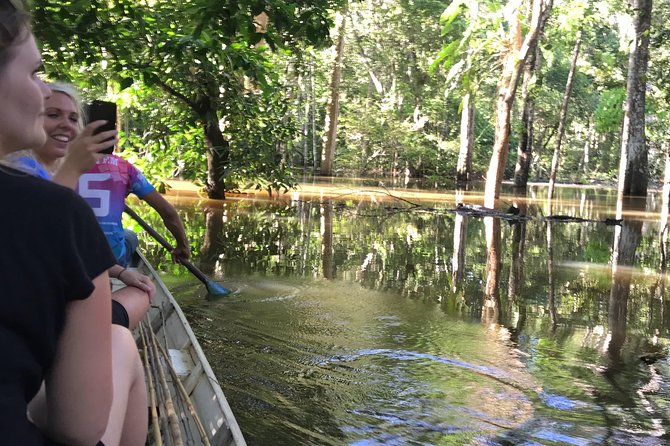
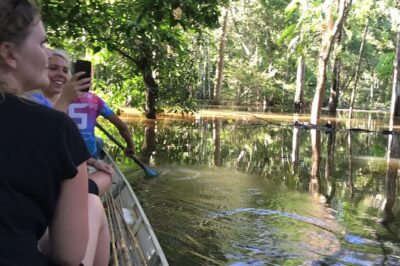
- Canoeing through flooded forest
- Piranhas, sunset, and night creatures
- What the overnight stay is really like
- Sunrise before the river journey
- Indigenous culture and seasonal beaches
- Janauary, water lilies, and floating homes
- The Meeting of Waters and return to Manaus
- The guides make a real difference
- Is $300 a fair price?
- Who should book it?
- FAQ
- What is included in the $300 price?
- Where does the tour start and end?
- What should I bring for the jungle hike?
- Do I need to bring a swimsuit and towel?
- Are vegetarian meals available?
- Can the itinerary change because of weather or water levels?
- Should you book this Amazon overnight?
Key details before you book
- Pink dolphins and piranha fishing: Day one gives you two memorable Amazon activities, with time to enter the water near the dolphin platform.
- A real overnight in the forest: Expect a simple guesthouse or cabin with mosquito nets, private bathroom, and, according to recent stays, often air-conditioning and Wi-Fi.
- Two very different river days: The first day explores the Castanho area and Rio Negro; the second reaches indigenous communities, floating homes, Janauary, and Manaus.
- Sunset, sunrise, and night wildlife: The schedule tries to catch the Amazon at its most active times, though rain can cancel the sunrise outing.
- Strong local guiding: Guides including Fabio, Fabinho, Denis, Daniel, Luguei, and Milton are frequently praised for kindness, English skills, and practical forest knowledge.
- Good value at $300: Transport, meals, lodging, boats, guides, and a long list of activities are included, making this a useful choice if you have limited time.
Why this Amazon trip works for a short visit
Many Amazon outings from Manaus are either short river excursions or multi-night jungle stays. This one aims for the middle ground. In roughly 48 hours, you get a taste of forest life, long stretches on the water, local food, river villages, and several classic Amazon sights.
That variety is the strongest reason to book it. You are not spending both days doing the same thing. One moment you are learning about medicinal plants beneath the trees. Later, you are fishing for piranhas, watching the sun drop over the Negro River, or feeding giant pirarucu fish from a floating village.
The pace is brisk. Day one alone includes a three-hour forest visit, lunch, dolphins, canoeing, fishing, sunset, night wildlife, dinner, and the overnight stay. Day two begins around 5:30 in the morning and ends back in Manaus at about 5 p.m.
I would choose this tour if you want a broad introduction and do not have time for a longer expedition. I would not choose it if you want slow mornings, long periods of quiet observation, or a luxury lodge experience.
More Amazon jungle trips:
- From Manaus: One-Day Amazon Jungle Experience
★ 4.8 · 408 reviews - Manaus: Full-Day Tour on the Amazon River
★ 4.2 · 362 reviews - Indian Village and Meeting of the Waters Tour
★ 4.5 · 241 reviews
Leaving Manaus for Castanho
The listed meeting point is Largo de São Sebastião, beside the Amazonas Theater, with an 8 a.m. start. Hotel pickup is also described, so confirm your exact pickup details before departure. The first road transfer takes about an hour west from Manaus.
At Balneario Cachoeira do Castanho, you transfer to a small motorized canoe. This is not a polished sightseeing boat. It is the sort of practical canoe used by local people for daily travel, which gives the ride a more grounded feel.
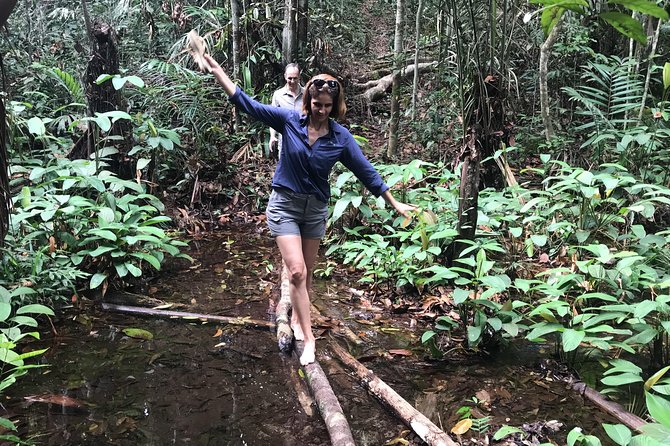
The first activity is a roughly two-and-a-half-hour forest hike. Your guide may point out medicinal plants, explain how local people build simple shelters, and discuss ways of using the forest. That practical focus is more valuable than simply walking under trees while hoping an animal appears.
You should set your expectations carefully. Wild animals are free to move, and sightings are never promised. A lucky walk might produce monkeys, birds, a sloth, or even a tarantula, but you may see little wildlife. One especially useful point from the reported experiences is that the hike can feel longer than advertised. One older visitor’s phone recorded more than five kilometers, despite the stated distance being closer to two or three kilometers.
Wear closed shoes and long pants. From October through July, rain can make the ground muddy, and mosquitoes can be heavy. This is the most physically demanding part of the trip, so take the moderate fitness requirement seriously.
Lunch, swimming, and pink river dolphins
After the hike, lunch is served at a floating house. The usual food may include fish or chicken, rice, beans, spaghetti, and manioc. Meals are local and filling rather than fancy, and the food receives some of the warmest praise in the feedback.
Vegetarian choices are limited on the first day. Rice, beans, and spaghetti may be enough, but the operator does not promise a separate vegetarian meal. If you have strict dietary needs, ask before booking.
After eating, you can rest, enjoy the river view, or swim. The next canoe ride takes you to a platform connected with research on pink river dolphins, known locally as botos. Here you can get close to the dolphins and, if you choose, enter the water.
This is the emotional high point for many people. The animals are large, pale pink, and wonderfully unusual. You will want a swimsuit and towel, both of which you must bring. Towels are not included.
The setup also deserves a thoughtful look. The activity brings people close to wild animals, so listen closely to the guide and follow local instructions. The description emphasizes how friendly the dolphins are, but they remain powerful river mammals, not aquarium performers.
Small purchases such as beer or coconut juice may be available, so carry some Brazilian cash. The second-day indigenous village also accepts cash only, preferably in small bills.
Canoeing through flooded forest
After the dolphin stop, you take another canoe ride along the Negro River. From March through August, high water can flood the forest, creating what local people call igapó.
This is one of the most distinctive parts of the trip. Instead of seeing the forest from a trail, you move between tree trunks by boat. The water reaches into areas that are dry at other times of year, changing how the forest feels and how people travel through it.
Water levels shape this whole experience. Some stops are possible only during certain parts of the wet or dry season. The operator may change the order or substitute another place when water conditions make a route impractical. That flexibility is sensible, but it means you should not treat every stop as guaranteed year-round.
More things to do in Manaus:
- A Whole Day in the Jungle
★ 5.0 · 155 reviews - From Manaus: Presidente Figueiredo Waterfalls Daytrip
★ 4.3 · 149 reviews - 3 Days Amazon Jungle Adventure Tour
★ 4.0 · 145 reviews - Amazing Waterfalls of the Amazon – Presidente Figueiredo
★ 4.5 · 141 reviews
Piranhas, sunset, and night creatures
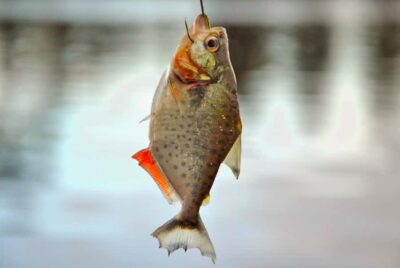
Piranha fishing follows the canoe ride. The guides provide the equipment, and you fish with bait from the river. Catching one is not automatic, which is part of the fun. If a fish is large enough, it may become part of dinner.
The guides should handle anything caught on the hook. Piranhas have sharp teeth, and the supplied instructions sensibly warn you not to remove them yourself.
Next comes sunset near Acutuba Beach. You paddle toward the middle of the river for wide views and photographs. The Negro is so broad that it can feel more like a lake than a river. Weather can change quickly, so a perfect sunset is never guaranteed. One recent account described clear conditions turning into thunder, lightning, and heavy rain within minutes.
After dark, you search for caimans. With luck, you may see one close to the boat while the guide uses a light to locate it. Night outings are less about guaranteed sightings than about hearing and watching the forest change after sunset.
This long final stretch of day can be tiring. You are likely to be hot, damp, and ready for a shower by the time you return to the guesthouse.
What the overnight stay is really like
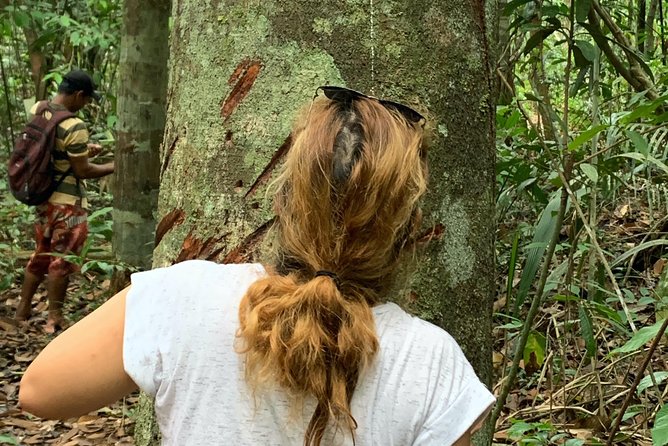
The overnight is intentionally simple. The official description presents an open guesthouse with beds, mosquito nets, and a private toilet. It also says that people seeking hotel comfort may prefer a day-only option.
In practice, the accommodation appears to vary by cabin or date. Several recent accounts describe clean private rooms with bathrooms, air-conditioning, and even Wi-Fi. Others describe it as basic but comfortable. I would treat air-conditioning and Wi-Fi as possible benefits, not promises.
The point is contact with local life, not a resort stay. You get a bed, shelter, dinner, breakfast, and a chance to hear the forest at night. Bring repellent, light sleepwear, and realistic expectations.
Dinner may include the day’s piranha catch if the guides land a suitable fish. Food is one of this experience’s reliable strengths, with local dishes such as fish, beans, chicken, manioc, and rice appearing often.
Sunrise before the river journey
The second day starts around 5:30 a.m. You leave while it is still dark to watch sunrise and look for birds or other active wildlife.
This early start has a purpose. Dawn and dusk are transition periods when the forest begins to stir, and the soft light over the water can be beautiful even without animal sightings. Still, rain is common, and the sunrise ride may be canceled if conditions are poor.
After breakfast, a faster speedboat takes you toward the second day’s sights. This change of boat matters because the route covers more distance. Expect a longer ride and potentially rougher water than on the small canoe used near Castanho.
Indigenous culture and seasonal beaches
The visit to Comunidade Indigena CIPIA introduces you to a community that moved from the Colombia border area closer to Manaus while maintaining its culture and dialect. You can learn about its history and see traditional music, dances, and rituals.
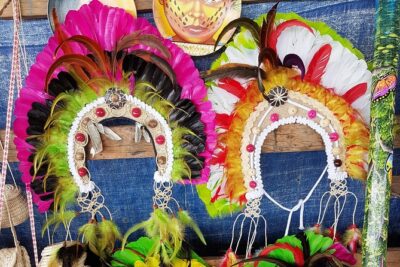
The visit is brief, about an hour. Approach it as a chance to listen and learn, not as a staged show that explains every part of indigenous life. Souvenirs may be available, but bring cash and small notes.
The itinerary may also include Praia do Tupé when river levels allow. During suitable periods, you can swim in warm water and walk on white sand. The beach visit is short, about 30 minutes, so it is more of a refreshing pause than a full beach outing.
Janauary, water lilies, and floating homes
At Parque Ecologico Janauary, the group has lunch at a floating restaurant. The food selection is broader here, and vegetarian options are available.
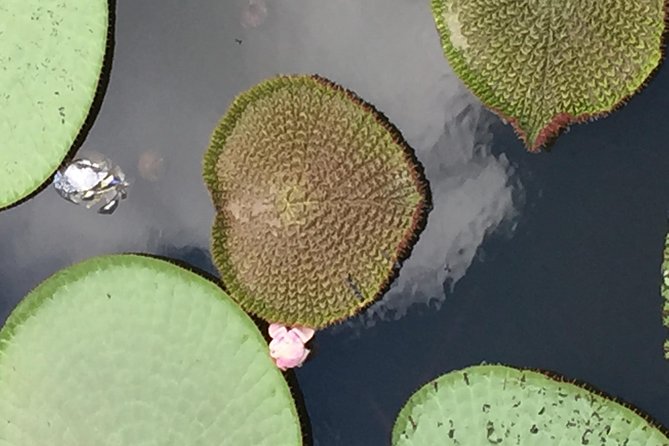
When water levels permit, a suspended walkway leads through flooded forest toward a lake where you may see giant water lilies. The route offers a different view of the forest from the first day’s hike and canoeing. If the water is too low for the park, lunch moves to another floating restaurant along the Negro River. Food quality is expected to remain similar, but the water lilies will not be part of the visit.
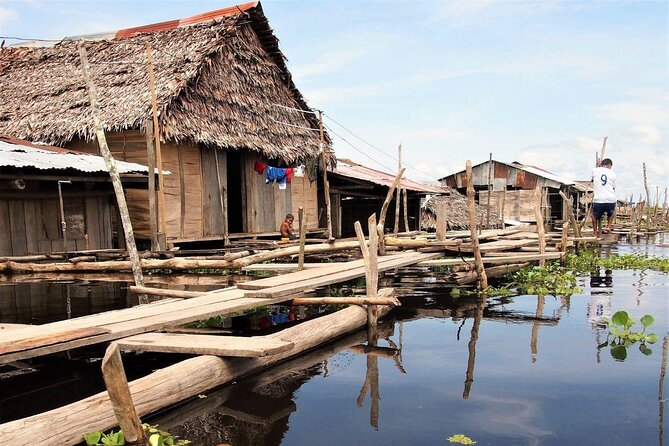
The next stop is a floating village in Lago do Catalão. More than 100 families live in houses built on large floating logs, alongside a school, church, shops, and restaurants. This is not just a photo stop. It shows how river communities adapt their homes, transport, and daily routines to dramatic changes in water level.
At a local fish farm, you feed pirarucu, also called arapaima. These are among the largest freshwater fish in the world. The rods have bait but no hooks, allowing you to feel the fish pull without catching them. It is simple, good fun, and especially appealing to children and families.
The Meeting of Waters and return to Manaus
The final major sight is the Meeting of Waters, where the dark Negro River runs alongside the muddy Solimões River without mixing right away. Differences in temperature, speed, density, and acidity create the boundary.
This is a short stop, but it is one of the most visually clear natural features near Manaus. You can see the two colors running side by side from the boat. It is worth understanding that the rivers do eventually mix downstream, but the sharp divide near Manaus is the reason this place is so famous.
The return route follows Manaus’s waterfront. You may see the industrial district, the large floating port, the fish port, and the main river port used for boats heading into northern Brazil. From the water, you can also spot the Amazonas Theater dome and buildings linked to the rubber boom.
Arrival at the meeting point is estimated around 5 p.m. The second day is long, and the speedboat ride can feel rough. Still, ending with the city’s ports and river trade helps connect the forest experience to modern Manaus.
The guides make a real difference
The strongest human element is the local guiding team. Fabio and Fabinho are praised for forest walks, dolphin encounters, piranha fishing, and night caiman searches. Denis and Daniel are associated with the second day, while Luguei and Milton also receive warm comments for patience, care, and English communication.
Good guiding matters here because the setting can be confusing. You change vehicles, move between land and water, and may be picked up by different drivers. Clear explanations about where you are going and what happens next make a big difference.
There have been occasional reports of unclear transfers or waits longer than expected, especially when moving from the first day’s activities to the lodge. Ask your guide to confirm the next step before leaving each stop. That small habit can prevent needless worry, especially if you are traveling alone.
Is $300 a fair price?
At $300 per person, the value is strong if you use the full program. The price covers transportation, boats, guides, breakfast, dinner, two lunches, activities, and one night of accommodation. Buying all those pieces separately would be difficult and likely more expensive.
You are also paying for access to a wide area and for local staff who handle the route, food, boat changes, and timing. The small maximum of 12 people adds value, though actual group size can vary below that limit.
The trade-off is comfort and pace. This is not a relaxed lodge holiday. You will spend many hours moving between stops, wake before dawn, and deal with heat, rain, mosquitoes, muddy trails, and simple facilities.
Who should book it?
I would recommend this tour to first-time Amazon visitors, solo travelers who want a structured trip, couples, families with older children, and anyone with only two free days in Manaus. It suits people who want to try many activities rather than specialize in birdwatching, fishing, or forest trekking.
It can also work for older visitors with reasonable mobility. One account describes a person in his late seventies completing the activities with assistance, though getting in and out of boats and walking several kilometers can be difficult.
I would think twice if you dislike rough boat rides, early mornings, insects, basic rooms, or uncertain wildlife sightings. If a two-and-a-half-hour hike sounds excessive, ask if a shorter route is possible before booking. The operator also offers shorter arrangements for people who want to return to a Manaus hotel instead of sleeping in the forest.
FAQ
What is included in the $300 price?
The experience includes breakfast, dinner, two lunches, accommodation for one night, transportation, boat rides, guides, and the listed activities.
Where does the tour start and end?
The listed meeting point is Amazonas Theater at Largo de São Sebastião in central Manaus. The activity ends back at the meeting point, with the return expected around 5 p.m. on the second day.
What should I bring for the jungle hike?
Bring closed shoes and long pants for the hike. You should also carry mosquito repellent because mosquitoes can be numerous, especially during the rainy season.
Do I need to bring a swimsuit and towel?
Yes. You may enter the water near the pink river dolphin platform, and swimming may also be possible at Praia do Tupé. Swimsuits and towels are not included.
Are vegetarian meals available?
The first-day lunch does not offer a dedicated vegetarian meal. Rice, beans, and spaghetti may be available. The floating restaurant at Janauary offers vegetarian options when that park is accessible.
Can the itinerary change because of weather or water levels?
Yes. Rain may cancel the sunrise activity, and seasonal water levels can affect visits to Janauary, Praia do Tupé, and flooded forest areas. If poor weather cancels the experience, you can receive a different date or a full refund under the stated policy.
Should you book this Amazon overnight?
Book it if you want a compact, active introduction to the Amazon near Manaus. The combination of a forest hike, pink dolphins, piranha fishing, sunset, caimans, an indigenous village, floating homes, pirarucu, and the Meeting of Waters gives you an unusually full picture in two days.
Go in ready for heat, insects, basic lodging, long boat rides, and a schedule that starts early and rarely slows down. Bring cash, repellent, a swimsuit, towel, long pants, and patience for nature’s timetable. If that sounds like a fair trade for a close look at river life, this is a very good buy.
Just added in Manaus
- Tree Climbing in the Amazon★ 4.5 · 6 reviews
- Tucandeira Ants Indigenous Ritual★ 4.5 · 4 reviews
- Walking Tours in Manaus★ 3.5 · 16 reviews
- 4-day Amazon River Boat Tour From Manaus★ 5.0 · 10 reviews
- Transfer service from Porto to Manaus Airport★ 5.0 · 2 reviews
- Amazon Safari Tour in Manaus (Shared)★ 5.0 · 3 reviews
- Transfer service from Iberostar (Port) to Manaus Airport★ 5.0 · 1 review
- Private Tour Waterfalls Iracema & Asframa President Figueiredo★ 5.0 · 3 reviews
Amazon Jungle Tours, compared.
Rio de Janeiro Tijuca Rainforest Hike with Waterfalls and Caves
Read our review →
Jungle Waterfalls and Cachaça Distillery Jeep Tour
Read our review →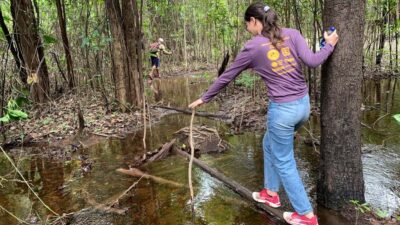

Browse the lists this tour appears in