
Reviewed · AMAZON JUNGLE TOURS
Amazon River Boat Adventure from Manaus
Two rivers meet in a remarkable way. This three-day Amazon boat adventure from Manaus combines the Meeting of the Waters, canoe trips, jungle walks, piranha fishing, village visits, and a night tour in one busy program. I like the small maximum group of six and the fact that hotel pickup, meals, water, fuel, and activities are included.
I also like the range of experiences. You are not simply riding a boat and looking at trees. You may see monkeys, sloths, water lilies, birds, and caimans, then learn about rubber production and spend a night camping in the forest. The main concern is the pace: early wake-ups, long days, basic camping, and several optional or culturally sensitive activities require a reasonable level of fitness and flexibility.
In This Review
- Key things to know before you book
- Why this Manaus Amazon tour is different
- Day one: the Meeting of the Waters and January Lake
- Canoeing through the Igapós
- Piranha fishing and the first night on the river
- Day two: rubber, swimming, and village life
- The Indigenous community visit
- Camping in the forest and an improvised barbecue
- Day three: Anavilhanas and the final river crossing
- Wildlife, dolphins, and responsible choices
- What the $900 price really covers
- Who should book this three-day adventure?
- Should you book it?
- FAQ
- How long does the Amazon River boat adventure last?
- What time does the tour start?
- Is hotel pickup included?
- What meals and drinks are included?
- Is the tour suitable for children?
- Do I need to be physically fit?
Key things to know before you book
- The Meeting of the Waters comes first: See the dark Rio Negro and muddy Solimões flow side by side before they form the Amazon River.
- This is a small-group trip: The maximum is six people, which can make guiding and transport easier than on a large excursion.
- The schedule is packed: Expect early mornings, canoe rides, jungle walks, fishing, village visits, camping, and long hours on the river.
- Meals are part of the package: Two breakfasts, three lunches, and two dinners are included, along with bottled water, coffee, and tea.
- Wildlife sightings are possible, not promised: Monkeys, sloths, birds, anacondas, piranhas, giant water lilies, and dolphins are all part of the plan, but nature sets the timetable.
- The price reflects more than a boat ride: At $900 per person, the cost covers three days of transport, guiding, food, accommodation or camping arrangements, and a broad collection of activities.
Why this Manaus Amazon tour is different
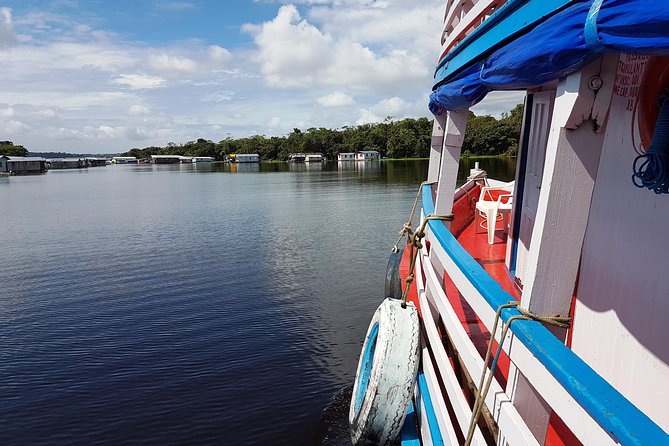
Many Amazon excursions from Manaus focus on one headline sight, usually the Meeting of the Waters or a short jungle canoe trip. This program tries to connect several sides of life along the river in three days.
You get natural sights, but also working communities and local customs. The visit to Paraiso village explains how latex is collected from rubber trees and how that material is prepared and sold. A local craft fair adds another look at the economy around the river.
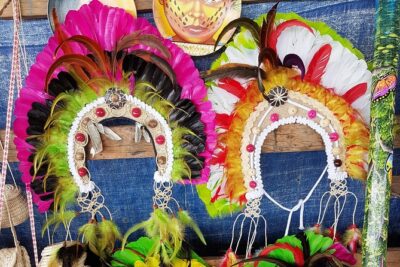
The program also includes time with an Indigenous community, folk dancing, and an optional ritual. That can be meaningful when handled with care, but I would approach it respectfully. You are entering a living community, not a stage set. One particularly good guide, Lucio Torres, was praised for making clear that handling wild animals for photographs should not be accepted. That is the right attitude.
The small group is a real advantage. With no more than six people, you should have a better chance to hear explanations, ask questions, and move through canoe channels without being part of a large flotilla. The listed 4.6 rating from 24 ratings and 92 percent recommendation suggest a strong overall record, although the small sample means I would still read the conditions carefully before paying.
More Boat Trips in Manaus
- Manaus to Belem 5-Day Local Boat Trip
★ 3.4 · 46 reviews - From Manaus: 3 or 4-Day Rio Negro & Anavilhanas River Cruise
★ 4.2 · 32 reviews - Full Day Amazon River Experience with Night Boat Tour
★ 5.0 · 28 reviews
Day one: the Meeting of the Waters and January Lake
The trip begins at about 9:30 in the morning, with hotel pickup offered. The first major stop is the Meeting of the Waters, where the black water of the Rio Negro meets the lighter, sediment-filled Solimões.
The two rivers run beside each other for a long stretch instead of blending at once. Differences in temperature, speed, acidity, and sediment help create the famous divided flow. It is one of those sights that works best when you pause and watch the water rather than rush through it for a photograph.
Next comes January Lake, an inundated area with floating homes during the river’s flood period. This stop gives you a useful view of how residents adapt to changing water levels. The houses are not simply scenery. They reflect a daily life shaped by the river’s seasonal rise and fall.
A fair selling local crafts follows. The schedule does not specify exactly what you will see or buy, so treat this as a chance to look rather than a guaranteed shopping stop. If you purchase something, ask about its origin and how the maker is paid.
Canoeing through the Igapós
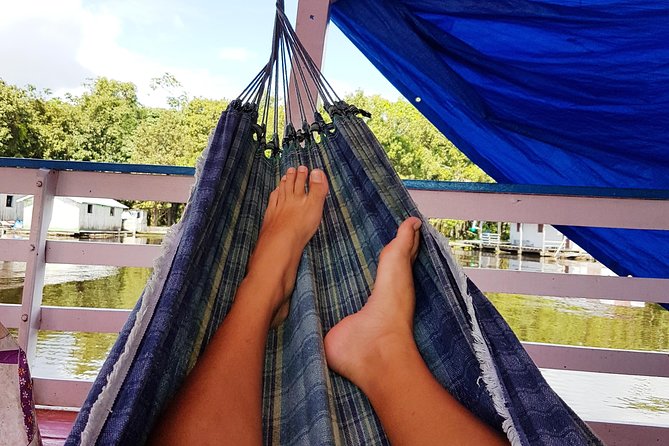
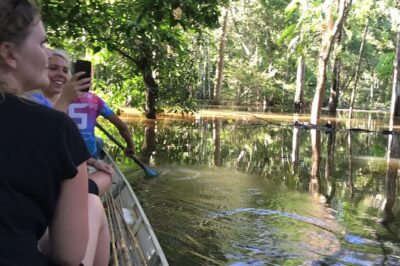
The canoe ride into the Igapós is one of the strongest parts of the first day. Igapó refers to forest that floods seasonally, creating narrow waterways among trees and floating vegetation.
This is where the trip shifts from large river views to close observation. You might spot monkeys, sloths, many kinds of birds, anacondas, and water lilies. The giant lilies are especially striking, though the exact wildlife sightings will depend on water level, weather, and luck.
You should bring patience. Wildlife watching in the Amazon is not a parade where every animal appears on schedule. The guide’s ability to point out movement and explain local species matters more than the number of animals on a checklist.
The canoe ride is also a physical activity. The supplied details call for moderate fitness, and you should take that seriously. You will be getting in and out of boats, walking on forest trails, and managing early starts. Anyone with mobility concerns should ask the operator for current details before booking.
Piranha fishing and the first night on the river
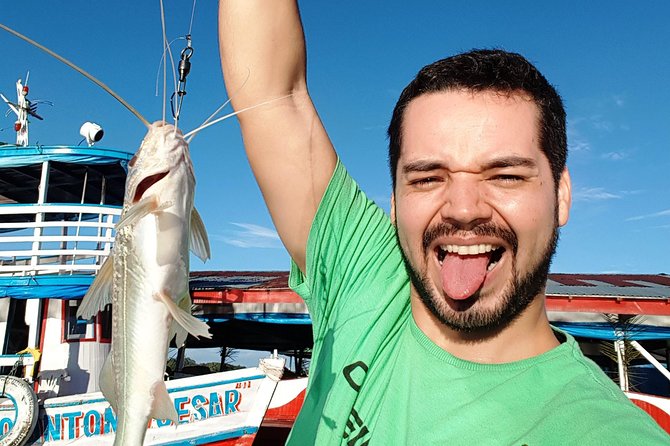
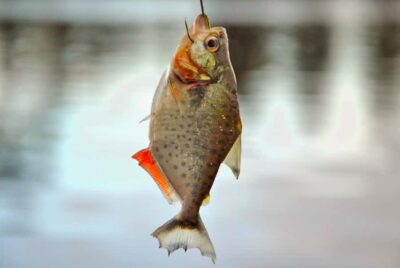
After the canoe trip, the group fishes for piranhas and other species. This is an interactive activity rather than a quiet sightseeing stop, and it adds a bit of fun to a day already full of nature and cultural visits.
Do not expect a guaranteed catch. Fishing success depends on conditions, technique, and time. The appeal is trying a traditional river activity and learning how people live with the species around them, not simply posing with a fish.
You return to the boat for sunset and prepare for the night tour. The night outing offers a different view of the forest, when sounds and movement take over from daytime color. The available description is cut off before explaining every part of the night tour, so ask what the current version includes. The experience may involve wildlife spotting, but no particular animal sighting should be assumed.
The first day is long. It starts in the morning and includes river travel, a lake, crafts, canoeing, fishing, sunset, and a night activity. Families can enjoy the variety, but young children may tire before the day is over.
More Amazon jungle trips:
- From Manaus: One-Day Amazon Jungle Experience
★ 4.8 · 408 reviews - Manaus: Full-Day Tour on the Amazon River
★ 4.2 · 362 reviews - Indian Village and Meeting of the Waters Tour
★ 4.5 · 241 reviews - A Whole Day in the Jungle
★ 5.0 · 155 reviews
Day two: rubber, swimming, and village life
Day two begins at 5:30 in the morning. That early start is meant for watching birds and local plant life as the forest wakes up. It is a fine time for nature observation, but it will feel very early after the previous night’s activities.
After breakfast, you visit Paraiso village to learn about rubber. The demonstration covers latex from the rubber tree, including its manufacture and marketing. This is valuable context because the Amazon is not only a wilderness destination. It is also a place where communities have built livelihoods around forest products for generations.
The program then stops at a beach for swimming before lunch. The word beach can sound misleading to anyone imagining the coast. Here, it is a river beach, and its presence depends on water levels and the season. Still, a swim offers a welcome break after several hours of sightseeing.
Lunch is included, as are all three lunches across the trip. Several people praised the food, including a substantial buffet lunch. The exact menu is not specified, so do not book this expecting a particular regional dish. The useful point is that you are not left arranging meals during a remote river journey.
The Indigenous community visit
After lunch, you visit an Indigenous community and may take part in a ritual and folk dancing. The activity is listed as optional, which gives you some choice about participation.
I would treat this stop with the same care you would bring to any cultural encounter. Listen first, ask before taking photographs, and do not assume that animals, ceremonies, or people are available for personal entertainment. A positive account of the trip specifically praised guide Lucio Torres for discouraging contact with wild animals at a village.
There is also a serious caution here. One account objected to animals being displayed for photographs at a tourist village and raised concerns about their condition. That criticism should not be brushed aside. Ask your guide how the current visit is managed, whether animal handling is prohibited, and what ethical rules apply.
This does not erase the value of meeting local people. It means you should pay attention to how the visit is organized. Cultural contact is strongest when it supports residents and allows them to decide how their community is presented.
Camping in the forest and an improvised barbecue
The second day continues to a property where the group camps in the jungle. You then take a forest trail, assemble a campfire, and prepare an improvised barbecue dinner.
This is the most rustic section of the trip. It gives you a first contact with the forest away from the boat, but it also means less comfort and more dependence on the guide and crew. The supplied information does not describe beds, tents, bathrooms, mosquito protection, or shower facilities. Ask those questions before booking, especially if you are used to hotel-style accommodation.
The campfire and barbecue are a practical way to learn how food and shelter are handled in the forest. You are participating, not just watching. That hands-on quality is one reason the trip appeals to families and active couples.
Still, the early schedule continues the next morning. The combination of a late campfire, a 5:30 start, and a trail walk may be tiring. If you want a soft, comfortable holiday, choose a shorter day trip instead. If you enjoy simple conditions and a full program, this section may be the part you remember best.
Day three: Anavilhanas and the final river crossing
The last morning starts at 6:00 with another jungle trail. Afterward, you return to the boat for breakfast and continue toward Anavilhanas National Park.
Anavilhanas is an immense archipelago in the Rio Negro, made up of many islands and channels. The program uses canoes to explore its Igapós, bringing you back into the flooded forest environment that made the first day special.
The repeated canoe outings are not wasted time. River conditions change from one area to another, and the Anavilhanas channels offer a different setting from January Lake. You get another chance to look for birds and forest animals at water level, when small details are easier to notice.
Lunch is served while the boat crosses the Rio Negro toward the dolphin activity. The tour lists interaction with Tucuxi dolphins as optional. This is an important distinction. The program does not guarantee a swim or close encounter, and you should ask what interaction means under the current operating rules.
The boat is scheduled to return to Manaus at about 6:00 in the evening. The final day is listed as lasting 18 hours, which does not fit neatly with a 6:00 arrival after a 6:00 start. The timing may refer to the full transport schedule or a data error. Confirm the exact return time and total duration before booking flights or other evening plans.
Wildlife, dolphins, and responsible choices
Wildlife is a major reason to consider this trip, but you need realistic expectations. The plan includes monkeys, sloths, birds, anacondas, water lilies, piranhas, and dolphins. None of these sightings can be guaranteed.
The best wildlife moments may be small: a sloth high in a tree, a bird hidden among flooded branches, or a flash of movement in dark water. A good guide helps you notice these details and explains what you are seeing.
The Tucuxi dolphin experience deserves extra care. It is optional, and the available details do not explain the exact rules. Before joining, ask whether touching, feeding, or handling the dolphins is allowed. I would avoid any activity that encourages people to crowd, chase, or hold wild animals for photographs.
The same advice applies at the Indigenous village. You can enjoy the music, dancing, and local welcome without treating people or wildlife as props. Responsible choices make the experience better for everyone involved.
What the $900 price really covers
At $900 per person, this is not a cheap Amazon excursion. It is also not fair to compare it with a two-hour boat ride from Manaus.
The price includes hotel pickup and drop-off, fuel surcharge, a professional guide, bottled water, coffee or tea, two breakfasts, three lunches, two dinners, and all listed activities. It also covers the boat journey, canoes, jungle walks, village visits, fishing, camping, and the return to Manaus.
That package can be good value if you want to combine many activities without arranging separate transport and meals. The small group of six adds value, especially for questions and coordination.
Alcohol costs extra, and the available information does not specify every comfort included at the camp. The price is easiest to justify if you want an active, all-in Amazon program and do not want to plan each component separately. It is harder to justify if your priority is a private cabin, long periods of rest, or a carefully controlled luxury experience.
Who should book this three-day adventure?
I would recommend it to families with older children, active couples, and first-time Amazon visitors who want variety. It suits people who would rather canoe, walk, fish, and meet local communities than spend most of the trip sitting on a boat.
The family-friendly label is reasonable, but the early mornings and long days matter. Children must be accompanied by an adult, and the child rate applies only when sharing with two paying adults.
You should also be comfortable with changing conditions. The trip involves water, forest trails, a night tour, and basic camping. Moderate fitness is required. People looking for quiet mornings, fixed schedules, or hotel comfort may find the program demanding.
Pickup is offered, the meeting time is listed as 9:30 in the morning, and the booking information also mentions a choice of morning or afternoon departure. Because those details do not fully match, confirm your exact pickup time and departure option directly with Amazing Tours Agency.
Free cancellation is available if you cancel at least 24 hours before the local start time. Within 24 hours, the payment is not refunded, and late changes are not accepted.
Should you book it?
Book this Amazon River boat adventure if you want a busy, varied introduction to the forest around Manaus. The Meeting of the Waters, Anavilhanas canoe trip, piranha fishing, rubber demonstration, jungle camp, and included meals give you a lot for three days.
I would book with two conditions. First, confirm the sleeping and bathroom arrangements at the jungle camp. Second, ask clear questions about dolphin contact and animal welfare at the village visit.
If the answers are satisfactory, the small group, broad program, and included transport make the $900 price reasonable for an active trip. If you prefer comfort or want wildlife encounters handled with strict distance and minimal staging, choose a simpler nature-focused option instead.
FAQ
How long does the Amazon River boat adventure last?
The experience is described as lasting approximately three days. The final day includes a return to Manaus at about 6:00 in the evening, although the itinerary also lists 18 hours for that day, so you should confirm the exact schedule before booking onward transport.
What time does the tour start?
The listed meeting time is 9:30 in the morning. The experience also mentions a choice of morning or afternoon departure, so confirm the departure option and hotel pickup time with the operator.
Is hotel pickup included?
Yes. Hotel pickup and drop-off are included in the tour price.
What meals and drinks are included?
The package includes two breakfasts, three lunches, two dinners, bottled water, coffee, and tea. Alcoholic drinks are not included but are available to purchase.
Is the tour suitable for children?
Yes, it is described as family-friendly. Children must be accompanied by an adult, and the child rate applies only when the child shares with two paying adults.
Do I need to be physically fit?
You should have a moderate level of physical fitness. The program includes canoe rides, jungle trails, early mornings, fishing, and camping in the forest.
Just added in Manaus
- Tree Climbing in the Amazon★ 4.5 · 6 reviews
- Tucandeira Ants Indigenous Ritual★ 4.5 · 4 reviews
- Walking Tours in Manaus★ 3.5 · 16 reviews
- 4-day Amazon River Boat Tour From Manaus★ 5.0 · 10 reviews
- Transfer service from Porto to Manaus Airport★ 5.0 · 2 reviews
- Amazon Safari Tour in Manaus (Shared)★ 5.0 · 3 reviews
- Transfer service from Iberostar (Port) to Manaus Airport★ 5.0 · 1 review
- Private Tour Waterfalls Iracema & Asframa President Figueiredo★ 5.0 · 3 reviews
Amazon Jungle Tours, compared.
Rio de Janeiro Tijuca Rainforest Hike with Waterfalls and Caves
Read our review →
Jungle Waterfalls and Cachaça Distillery Jeep Tour
Read our review →

Browse the lists this tour appears in