
Reviewed · COFFEE EXPERIENCES
From Rio de Janeiro: 1-Day Private Tour of Coffee Valley
Coffee country lies beyond Rio. This private day trip takes you from Copacabana to Vassouras and Barra do Piraí, where Brazil’s 19th-century coffee trade shaped towns, estates, and fortunes. I like the mix of museum time in Vassouras and a working farm visit, since you get both the public story and the family side of coffee production. I also like that hotel pickup, transport, and both admissions are included.
The main drawback is the long day. Ten hours in a car is a fair trade for reaching the Coffee Valley, but this is not a quick outing between Rio beaches. Food and drinks are not included, and the tour is not suitable for wheelchair users, so plan around those limits.
In This Review
- Key points at a glance
- Why the Coffee Valley is worth leaving Rio for
- Starting from Copacabana in a private car
- Three hours in Vassouras and the coffee economy
- Barra do Piraí and the farm’s family story
- From coffee plant to processed bean
- Is $295 per person good value?
- Languages, children, and physical limits
- Who will enjoy this day most?
- My booking advice
- FAQ
- Where does the tour begin and end?
- How long does the Coffee Valley tour last?
- How much does the tour cost?
- What places are visited?
- Is museum entry included?
- Is entry to the coffee farm included?
- Are food and drinks included?
- Which languages are available?
- Can children join the tour?
Key points at a glance
- Vassouras gives the day historical shape: Spend about three hours seeing its Neo-classical buildings, palm-lined streets, and museum.
- The coffee farm visit is personal: A member of the owner’s family explains how the estate developed and how coffee production changed.
- You see the full coffee chain: The farm tour covers crops and production facilities, from bean to processed coffee.
- Private transport keeps the day flexible: Pickup and drop-off at your Copacabana hotel are included, with no strangers sharing the group.
- The guide’s patience matters: Clear explanations and time to look around were especially praised in the available feedback.
- This is a full-day countryside trip: Expect 10 hours, including the drive between Rio and the Coffee Valley.
Why the Coffee Valley is worth leaving Rio for
Rio often steals the show with its beaches, mountains, and city views. Yet the Coffee Valley offers a different way to understand Brazil. During the 19th century, towns in this part of Rio de Janeiro became important economic centers because coffee production brought landowners, workers, trade, and political power.
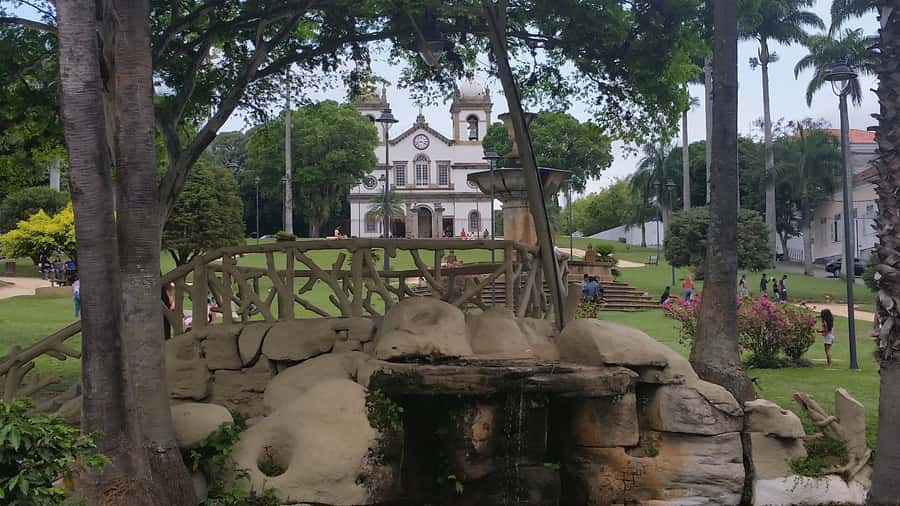
Vassouras was at the heart of that story. The town’s Neo-classical architecture reflects the money and influence created by coffee. Palm trees and formal buildings give the center a different feel from Rio’s dense urban streets, and the museum helps explain how coffee producers lived roughly two centuries ago.
I like this tour because coffee is not treated as just a drink. You see the crop as part of Brazil’s social and economic past, then visit a farm where the production process still has a place in local life. That connection gives the day more substance than a simple tasting stop.
The trip also works well for visitors who want a change of pace. You trade Rio’s traffic and high-rise views for forest, farmland, historic buildings, and a slower rural setting. The tour description does not promise a long tasting session or a meal, so you should book it for the farm and history rather than for a food-focused experience.
More coffee stops in Brazil:
- Visit to the King of Coffee
★ 5.0 · 212 reviews - 7-Hour Shared Group Santos Tour : Mont Serrat, Coffee Museum and Sightseeing
★ 5.0 · 68 reviews - Fortaleza: Mountain Tour and Coffee Route
★ 4.8 · 2 reviews
Starting from Copacabana in a private car
Your day begins with pickup at your hotel in Copacabana. You are asked to wait in the lobby 10 minutes before the scheduled time, a small but useful detail when a long drive is ahead.
The private car is one of the tour’s practical strengths. You are not following a large coach group, and the private format gives the guide room to adjust the pace within the planned stops. The group type is private, and hotel drop-off is included at the end.
The total duration is 10 hours. The listed visits account for about five hours, with around three hours in Vassouras and two hours in Barra do Piraí. The remaining time covers the road journey from Rio and the return to Copacabana, so you should keep the whole day free.
The drive is not a minor detail. You are going well beyond the city, and the value of the tour depends partly on how much you want to reach this rural part of the state without arranging a rental car or figuring out the route yourself. If you prefer short activities with lots of free time in Rio, this may feel too long. If you want one carefully arranged day outside the city, it makes sense.
Three hours in Vassouras and the coffee economy
The first major stop is Vassouras, where you spend about three hours. This is the town portion of the trip, and it gives you the clearest introduction to the region’s past.
Vassouras was once a major economic center of the Brazilian Empire. Coffee wealth shaped the town, and its Neo-classical buildings show how producers and local leaders wanted their public world to look. The architecture is not simply decoration. It points to the money, status, and formal social order tied to coffee production.
Palm trees around the town add to the visual character. You can expect a walking visit through the historic center, with time to look at the buildings and understand how the town grew around the coffee trade. The available details do not promise a fixed list of monuments or a particular walking route, so the exact order may depend on the guide and local conditions.
Museum entry is included. That matters because the museum provides context for daily life among coffee producers two centuries ago. Rather than only photographing grand façades, you get a chance to think about the people, work, and social structure behind them.
I would give Vassouras your full attention. It is easy to treat a historic town as a quick photo stop, but three hours suggests this part of the day is meant to be more than a passing look. The guide can connect the buildings to the coffee economy, and one available assessment specifically praised the guide’s clear explanations and patience.
The drawback is that visitors looking for a polished city attraction may find the experience more interpretive than entertaining. Its value comes from understanding the setting. You will get more from it if you care about how coffee shaped Brazil, not just how the town looks in photographs.
Barra do Piraí and the farm’s family story
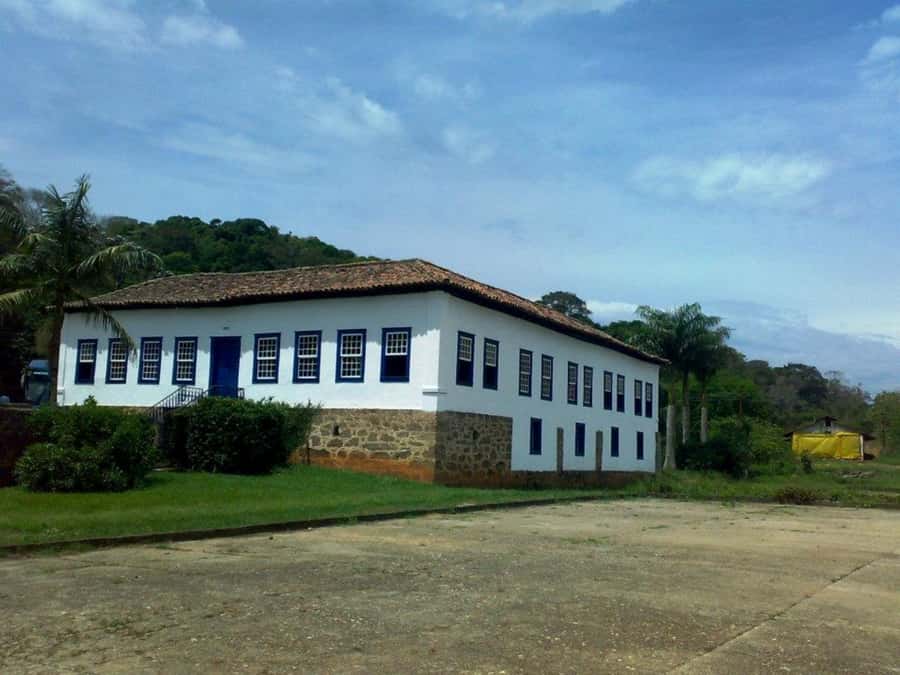
After Vassouras, the tour continues to Barra do Piraí for about two hours. Here, the focus shifts from the town’s public past to a traditional coffee farm in the nearby valley.
The farm is described as one of the oldest in the area, and the visit is guided by someone from the owner’s family. That detail gives the stop a personal angle. Instead of hearing only a general account of Brazilian coffee, you can learn how one family understands its property, its past, and the changes in cultivation over time.
You will hear about the evolution of coffee growing and how the farm’s story fits into the wider region. The information provided does not specify the family member’s name, the exact age of the farm, or the number of generations involved, so those details should not be assumed. Still, the family-led format is valuable because it links historical change to a real place.
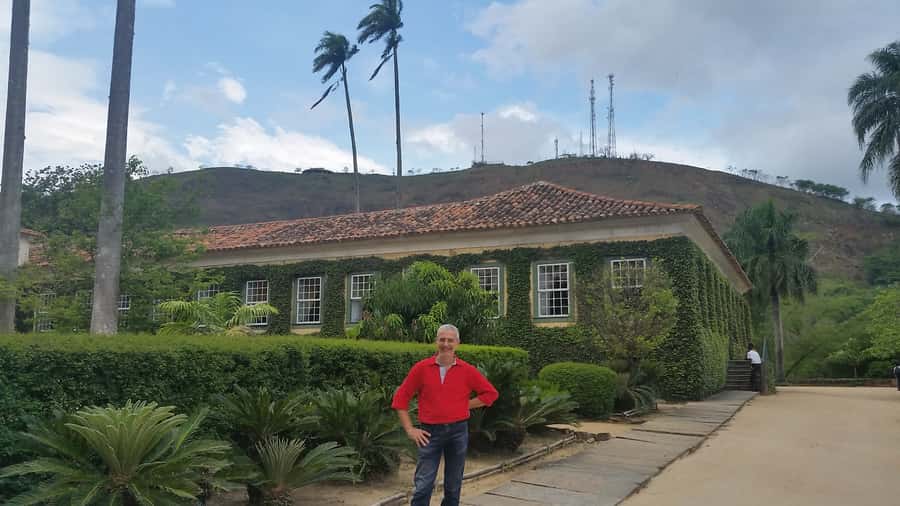
The setting is a traditional farm in a forested valley. You can expect a contrast with Vassouras: less formal architecture, more attention to crops, land, and production. The tour is not only about looking at a scenic farm. It is about understanding the work behind the coffee you drink.
The guide’s role remains important here. The strongest praise available focuses on patience, clear explanations, and allowing time to enjoy the visit without rushing. That is exactly what you want on a farm tour, where the quality of the experience depends on how well the guide explains details that may not be obvious at first glance.
A few more options to weigh up in Brazil
- Private Custom Full-Day Highlights in Rio: Only the Best Sights!
★ 5.0 · 720 reviews - 5-hour Private Tour Of São Paulo With Its Main Sights – Optional Airport Pickup
★ 5.0 · 643 reviews - 4×4 Private Transfer Service
★ 5.0 · 463 reviews - 6-Hour Classic Half-Day Private Tour of São Paulo – Optional Airport Pickup
★ 5.0 · 441 reviews
From coffee plant to processed bean
The farm visit follows the coffee journey from crop to finished product. You tour the planted areas and the production facilities, seeing how the so-called green gold is made today.
This is the part of the day that gives the tour its practical value. A museum can explain the power of coffee, and a historic town can show its effects, but the farm lets you follow the physical process. You see where the coffee grows, then learn how it moves through production.
The supplied information does not name each processing stage or promise a tasting. I would not book this expecting a detailed barista class, a large sample menu, or a full meal. The clear promise is access to the crops and facilities, plus an explanation of how coffee is produced.
That distinction helps set expectations. This is an educational farm visit, not necessarily a specialty-coffee workshop. You will likely appreciate it most if you enjoy seeing working systems and learning how a familiar product is made.
The farm entry and guided tour are included in the price. That saves you from paying separate admission once you arrive and makes the day easier to budget. Food and drinks are not included, however, so you should plan for that gap. No meal stop is specified, and it would be wise to ask the operator about food arrangements before departure if you need a full lunch during a 10-hour outing.
Is $295 per person good value?
At $295 per person, this is a premium day trip. The price is easier to justify for people who value private transport, hotel pickup, a multilingual guide, and access to two distinct sites without arranging the details alone.
You are paying for a full 10-hour experience, not just entrance to a farm. The package includes transportation from and back to Copacabana, entry to the Vassouras Museum, entry to the coffee farm, and the farm’s guided visit. A private group also means you are not sharing the day with a large busload of strangers.
The value becomes stronger when you consider the distance from Rio. Reaching Vassouras and Barra do Piraí independently would require planning transport and coordinating visits. The private format removes much of that work.
Still, the price will not suit every budget. Food and drinks cost extra, and the tour does not list a tasting or lunch as part of the package. If your main goal is simply to see a coffee plantation, you may find a shorter or less private outing more economical. If you want history, architecture, countryside, and production in one organized day, the cost is more defensible.
I would also compare the price with the size of your group. A private tour becomes better value when shared among several people, though the listed rate is per person. For a solo visitor, it is a more expensive way to reach the valley, but it offers the convenience of a dedicated private booking.
Languages, children, and physical limits
Live guiding is available in French, Italian, Portuguese, Spanish, and English. That wide language range is useful, but you should select your preferred language when booking rather than assume every departure will offer all five.
Children 6 years old and younger may join, with a limit of two children in that age group at one time. Children under 3 can join free. The tour’s long duration may still be tiring for very young children, so consider your family’s comfort with a full day in a car and several guided visits.
The tour is not suitable for wheelchair users. The information provided does not give a detailed mobility assessment for each stop, so anyone with limited walking ability should ask the operator for current conditions before booking.
Bring a passport or identity card. A copy is accepted, which is useful if you prefer to keep your original document secured at the hotel.
Who will enjoy this day most?
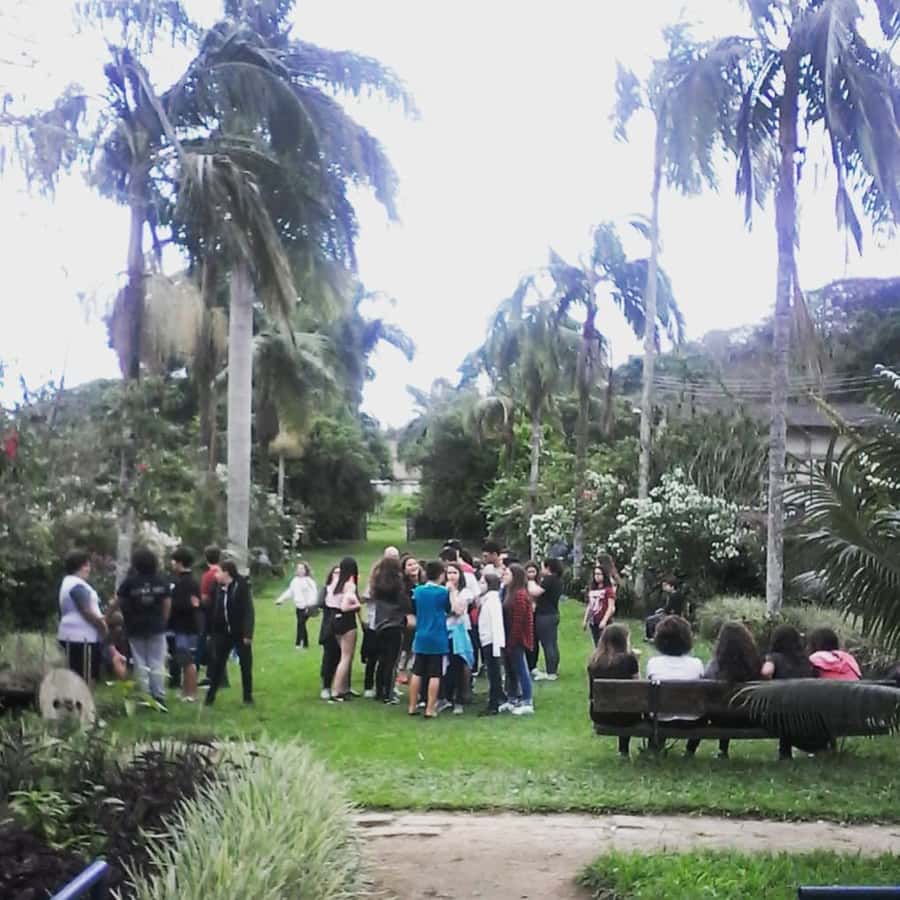
I would recommend this tour to you if you want to understand how coffee shaped Rio de Janeiro’s wider region. It suits people who enjoy historic towns, rural estates, guided interpretation, and a long day outside the city.
It is also a good match for coffee drinkers who want to see production rather than only visit a café. The farm’s crops and facilities give you a concrete look at the process, while the owner’s family connection adds a human element.
Families can join under the stated child limits, and a private car is more comfortable than a large group setting. The main question is endurance. Ten hours is a substantial commitment, and you need to be comfortable with the driving time between Copacabana and the valley.
I would skip it if you want a relaxed beach day, a short excursion, or a food-centered coffee tasting. I would also think twice if you need guaranteed wheelchair access or want a precisely scheduled list of attractions. The experience is strongest for curious visitors who are happy to let the guide connect the pieces.
My booking advice
Book this tour if you want a private, history-focused trip that explains coffee from several angles. You get Vassouras’s Neo-classical center, museum context, a traditional farm, family stories, and a look at modern production in one day.
Before booking, confirm the pickup time, preferred guide language, and food plan. Keep the full 10 hours open, bring your passport or an accepted copy, and wear practical clothing for the farm portion.
The clearest strength is the guide-led experience. Patience and clear explanations were singled out in the available feedback, and that matters more here than flashy extras. This is a long and relatively costly outing, but for the right visitor it offers a thoughtful look at a part of Rio state that most short city visits miss.
FAQ
Where does the tour begin and end?
Pickup and drop-off are provided at your hotel in Copacabana. You should wait in the hotel lobby 10 minutes before the scheduled pickup time.
How long does the Coffee Valley tour last?
The tour lasts 10 hours. It includes visits to Vassouras and Barra do Piraí, along with the travel time from Rio de Janeiro and back.
How much does the tour cost?
The listed price is $295 per person.
What places are visited?
The tour visits Vassouras and Barra do Piraí. In Vassouras, you visit the town and its museum. In Barra do Piraí, you visit a traditional coffee farm.
Is museum entry included?
Yes. Entry to the Vassouras Museum is included.
Is entry to the coffee farm included?
Yes. Coffee farm entry and the farm guided tour are included.
Are food and drinks included?
No. Food and drinks are not included in the tour price.
Which languages are available?
Live guiding is available in French, Italian, Portuguese, Spanish, and English.
Can children join the tour?
Yes. Up to two children aged 6 or younger may join at one time. Children under 3 can join free. The tour is not suitable for wheelchair users.
Just added in Brazil
- Full Day Tour in Rio de Janeiro★ 5.0 · 8 reviews
- Garganta do Ceu Cave Hiking Private Tour on Pedra da Gavea★ 4.5 · 3 reviews
- Gastronomic Tour at the Municipal Market in Rio de Janeiro★ 5.0 · 4 reviews
- GIG Airport Transfer x Rio de Janeiro Hotels★ 4.5 · 11 reviews
- Rio de Janeiro private Full day Custom Tours★ 5.0 · 35 reviews
- Christ the Redeemer – Complete Morning Tour with Ticket and Transport at the Hotel★ 3.5 · 4 reviews
- AquaRio, Museum, Boulevard Olimpico, Ferris Wheel, Transport and Tourism Guide.★ 4.0 · 6 reviews
- Personalized and Private Full-Day Tour in Rio de Janeiro★ 5.0 · 6 reviews
Coffee Experiences, compared.
7-Hour Shared Group Santos Tour : Mont Serrat, Coffee Museum and Sightseeing
Read our review →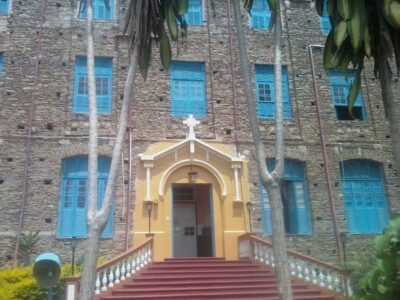
Browse the lists this tour appears in