
Reviewed · RIO DE JANEIRO TOURS
Full-Day Custom Private Tour of Rio
Rio rewards a smart plan. This eight-hour private tour lets you choose between icons such as Christ the Redeemer and Sugarloaf, historic churches and downtown sights, or beaches, forests, and local neighborhoods. I like the small four-person limit, and I like that your guide drives an air-conditioned car, saving you from piecing together Rio’s wide-spread sights yourself. The main catch is that attraction tickets and meals cost extra, and you cannot realistically visit every listed stop in one day.
The tour’s strongest feature is its flexibility. Luis Darin receives especially high praise for asking what you want to see, adjusting plans for a recent knee replacement, avoiding duplicate sights, and even extending the day slightly when possible. Still, flexibility is only half the bargain: you should tell the guide how much history, culture, food, nature, or photography you want before setting off, since one customer found the commentary too light and felt a taxi might have done much the same job.
In This Review
- Key points before you book
- Why this private Rio format works
- Start with your priorities, not the giant stop list
- Sugarloaf, Urca, and the best bay views
- Christ the Redeemer and the Corcovado side of Rio
- Santa Teresa, Lapa, and historic downtown
- Beaches, viewpoints, and the south side
- Tijuca Forest and local culture
- Port, museums, and the longer Rio menu
- Price, tickets, and what you really receive
- Who should book this Rio day?
- Should you book it?
- FAQ
- How long does the Full-Day Custom Private Tour of Rio last?
- How many people can join the private tour?
- What is included in the tour price?
- Are attraction tickets included?
- Are meals and drinks included?
- Can I request a vegetarian meal option?
- What is the cancellation policy?
Key points before you book

- A private day for up to four people: You get the car and guide to yourselves, making it easier to change the plan or spend longer at a favorite stop.
- Choose your Rio: The long menu includes Christ the Redeemer, Sugarloaf, Santa Teresa, the Botanical Garden, beaches, museums, churches, viewpoints, and food areas.
- Tickets are extra: Sugarloaf, Christ the Redeemer, Maracanã, AquaRio, the Botanical Garden, and several other paid sights are not included.
- Luis is the guide most often praised: His strengths are local knowledge, quick city navigation, flexibility, personal stories, and practical safety advice.
- Eight hours demands discipline: Pick a few priorities. Traffic, queues, walks, and photo stops can quickly eat into the day.
- Best as a first-day orientation: The private route can help you understand Rio’s neighborhoods and decide where to return later.
Why this private Rio format works

Rio de Janeiro is not a tidy collection of sights around one central square. Sugarloaf sits near Guanabara Bay, Christ the Redeemer rises above the city, the beaches stretch along the south side, and historic downtown is a separate world of churches, palaces, museums, and old commercial streets.
That geography makes a private car useful. You are not tied to a fixed bus route or a large group moving at one pace. You can combine a major monument with Santa Teresa street art, a beach viewpoint, or a local market. If you are tired, you can trim the walking. If a neighborhood catches your interest, you can give it more time.
The limit of four people matters too. A couple or family can discuss changes directly with the guide rather than waiting for a coach group. It also makes the day feel more personal, though the price needs careful checking because the advertised rate is $192 per person while the additional information also describes pricing as per group. Confirm the final total when booking.
The tour runs for about eight hours. That sounds generous, but Rio traffic and ticket lines are real time costs. A sensible day might include Christ the Redeemer, Santa Teresa, the Selarón Steps, the Botanical Garden, and a beach viewpoint. Trying to add Sugarloaf, Maracanã, downtown churches, Tijuca Forest, several beaches, and the west side would turn the day into a fast-moving checklist.
More things to do in Rio de Janeiro:
- Rio de Janeiro: 6-Stop Highlights of Rio with Lunch
★ 4.4 · 5,157 reviews - Christ the Redeemer Entry Ticket by Corcovado Train
★ 4.4 · 4,476 reviews - Rio’s City Tour – Tickets for Christ, Sugar Loaf & Lunch included
★ 5.0 · 4,389 reviews
Start with your priorities, not the giant stop list
The tour offers an unusually broad menu. Along with the main sights, you can request places such as the farmers market, Feira de São Cristóvão, Confeitaria Colombo, Parque Lage, the Museum of the Brazilian Football Team, or the historic churches of downtown.
That list is best treated as a planning tool, not a promise to see everything. Before the pickup, choose two or three must-sees and a few second choices. Tell the guide if you care most about colonial architecture, Brazilian art, football, gardens, food, beaches, viewpoints, or photography.
I would also explain your walking ability. One person used the flexibility of the tour to account for a recent knee replacement, while another day included a 20-minute uphill walk to Forte Duque de Caxias. The guide can adjust the route, but only if you give clear information at the start.
Luis is the name most strongly associated with the experience. His best qualities are responsiveness before the day, broad knowledge of Rio, personal stories, and an ability to change direction without fuss. He has also helped with onward arrangements after the tour, including a transfer to Angra, though those arrangements are separate from this experience.
Julio has also guided the tour and is described as friendly and pleasant. The important lesson is to ask for the kind of guiding you want. Say directly that you want historical explanation, cultural context, food advice, or mainly transport and photo stops. A private guide can tailor the day, but the conversation has to begin somewhere.
Sugarloaf, Urca, and the best bay views
Sugarloaf Mountain is one of Rio’s essential sights. The granite monolith rises more than 1,200 feet above sea level at the mouth of Guanabara Bay, and the usual route to the summit uses two cable cars, first to Morro da Urca and then to Sugarloaf.
The payoffs are broad views of the bay, mountains, beaches, and city. Morro da Urca is not merely a transfer point. It is the first mountain station and can be a worthwhile place for photographs before continuing upward.
The ticket is not included, so budget for admission. Ask the guide about the expected queue and the best use of your time. If the cable-car visit matters greatly to you, make it a priority rather than squeezing it between too many other stops.
Near the base, the flat Claudio Coutinho Trail offers a shorter nature walk with Sugarloaf and Red Beach in view. You may spot marmosets and tropical birds. The trail is a useful alternative when you want some greenery without committing to a long hike.
Urca itself is a small, attractive neighborhood at the foot of the mountain. Praia Vermelha, with red sand and mountains on both sides, gives you a calmer beach setting than Copacabana. These nearby stops pair well with Sugarloaf, since they reduce backtracking.
Christ the Redeemer and the Corcovado side of Rio
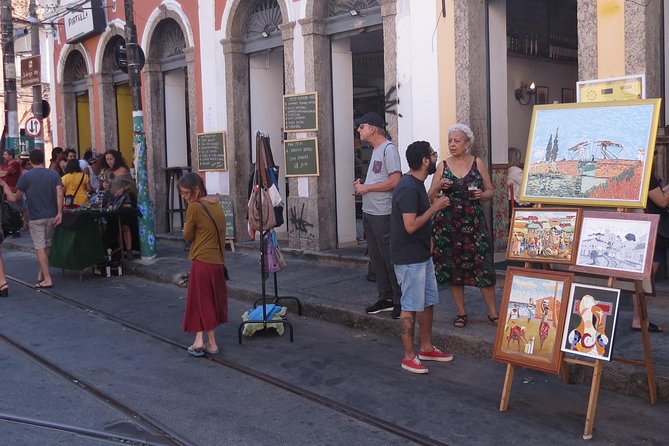
Christ the Redeemer is Rio’s signature monument, completed in 1931 and known for its Art Deco design. From the summit, the city spreads below in several directions, with the coast, mountains, and Guanabara Bay forming the great view.
Admission is extra. The route to the monument may involve a minibus connection from the Paineiras Visitor Center, which also has an environmental education center. Build in time for transport and crowds, especially if this is your one chance to see the statue.
Cosme Velho, at the foot of Corcovado, is a useful neighborhood to pass through on the way. The tour can also include Parque Lage, a former sugar-mill property with a romantic-style garden designed by John Tyndale. It sits near the Botanical Garden and makes a pleasant contrast to the monument’s crowds.
The Botanical Garden is one of the best choices for a slower part of the day. Founded in 1808 under Prince Dom João VI, it began as a place to acclimatize exotic plants brought by the Portuguese. The imperial palms, orchid house, and bromeliad greenhouses give the visit a clear structure.
The garden is also a good place to look for city wildlife. Capuchin and marmoset monkeys, toucans, and red-throated guans may appear among the trees. The entrance ticket is extra, so ask about current admission and allow enough time to walk rather than simply treating the garden as a quick photo stop.
A few more options to weigh up in Rio de Janeiro
- Private Custom Full-Day Highlights in Rio: Only the Best Sights!
★ 5.0 · 720 reviews - Rio de Janeiro Private City Tour: Christ, Sugarloaf & More
★ 5.0 · 363 reviews - Private Rio Tour: Christ the Redeemer & Sugar Loaf Essentials
★ 5.0 · 338 reviews - Private Walking and Cultural Tour Rocinha-Rio de Janeiro
★ 5.0 · 239 reviews
Santa Teresa, Lapa, and historic downtown
Santa Teresa is one of the most atmospheric neighborhoods on the route. Its cobbled streets, painted walls, small cafés, bars, restaurants, and local craft shops give you a side of Rio that is very different from the beach districts.
The neighborhood is a strong lunch option, especially if you want Brazilian food rather than a hotel-area restaurant. One well-planned day included an authentic lunch in Santa Teresa, plus a farmers market and several major sights. You can also ask for local specialties such as açaí or cheese bread.
The Selarón Steps connect Santa Teresa and Lapa. Chilean-born artist Jorge Selarón covered the 250 steps with more than 2,000 tiles collected from over 60 countries. The steps are free and visually memorable, but they can be crowded, so your guide’s timing and route advice matter.
Lapa adds the Arcos da Lapa, the old aqueduct now used by the tram linking downtown and Santa Teresa. The area also includes small colonial lanes, old commercial streets, street art, and cultural sites. The Municipal Cultural Center at Parque das Ruínas offers free entry and city views from the remains of Laurinda Santos Lobo’s former home.
Downtown brings a different set of stops. The Theatro Municipal, opened in 1909, is admired here from the outside rather than visited inside. Its architecture reflects the importance of opera, ballet, concerts, and performance in Brazilian public life, but do not expect an interior tour on this itinerary.
Paço Imperial served colonial governors and later became a royal residence for João VI. Praça Quinze de Novembro, Arco do Teles, the Church of Saint Francis of Penance, and the First Cathedral add more layers to the old center. The Centro Cultural Banco do Brasil occupies a neoclassical building with a former financial connection and free admission.
The Monastery of São Bento is especially rewarding if it is open during your visit. Its exterior is deliberately plain, while the interior features gilded Baroque carvings and Rococo details. Like many churches in Rio, it offers a sharp lesson in how modest street fronts can hide elaborate interiors.
Beaches, viewpoints, and the south side
Copacabana and Ipanema are the city’s best-known beaches, but they serve different purposes on this tour. Copacabana gives you the classic curved shoreline, Avenida Atlântica, hotel district, and broad urban energy. Leme at the far end is usually quieter and offers strong angles back toward Copacabana.
Ipanema is ideal for a relaxed walk and photographs. The tour can include the statue of composer Tom Jobim, views toward Dois Irmãos Hill, and Praia do Arpoador, a large rock at the end of the beach that is especially popular for summer sunsets.
Leblon adds another viewpoint at the end of the beach and a seaside granite mountain. São Conrado offers hang-gliding launch views and a different angle on Rio’s coast. Parque da Cidade is another strong lookout, with a high view over the skyline.
Some beach choices require more time than a quick stop. Perigoso Beach is secluded and reached by boat or hiking trail. Other beaches in the west, including Macumba and Prainha, are farther from the main hotel districts. They can give you a quieter coastal setting, but including them may mean sacrificing downtown or the major monuments.
Forte Duque de Caxias is a useful choice for active visitors. The fort sits at the end of Copacabana on an 800-meter cobbled road that climbs for about 20 minutes to the summit of a 183-meter hill. The walk passes through a preserved area where you might see marmosets, birds, and lizards.
From the top, you can look along Copacabana Beach toward Corcovado, Sugarloaf, and Guanabara Bay. The fort is free according to the tour details, but the walk is not suitable for everyone, and you should mention mobility limits before choosing it.
Tijuca Forest and local culture
Tijuca National Park gives you a break from city streets. Its forest covers about 10 percent of Rio and is described as the world’s largest reforested urban forest. You can see thick vegetation, wildlife, and waterfalls without leaving the city area.
The forest works best when you want nature, not when you are chasing every landmark. A visit might include a waterfall, a short trail, or a viewpoint, but the exact choice should fit your energy and weather.
For food and regional culture, Feira de São Cristóvão is a lively option. The Northeast Traditions Centre has about 700 permanent stalls offering Northeastern food, crafts, forró music, dance, singing, and folk literature. It is a better choice for tasting regional Brazil than simply eating near Copacabana.
A morning farmers market offers a simpler local experience. The location changes by day, and you can browse fruit, vegetables, and street food. Brazilian mangoes and other fruit can be a revelation, so this is a small stop with real value if you enjoy eating your way through a city.
Football fans can substitute the Brazilian Football Team Museum in Barra da Tijuca. The museum has uniforms, trophies, photographs, and interactive exhibits covering the national team’s story. Admission is extra.
Maracanã is another football option. The stadium opened in 1950 and once held 200,000 people. A stadium visit is not included in the price, and it may not fit comfortably with several major monuments, so choose it because you genuinely care about football.
Port, museums, and the longer Rio menu
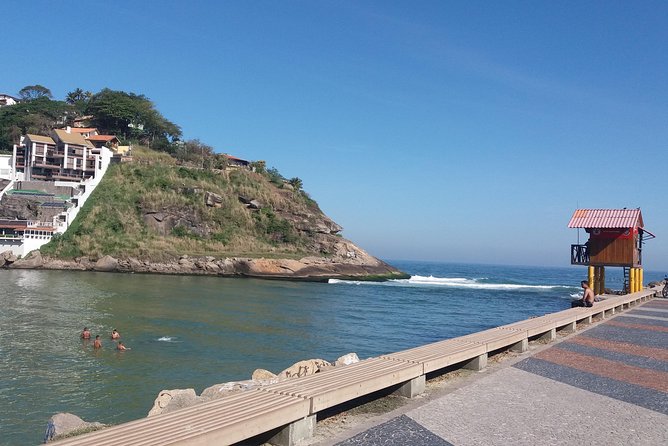
The Porto Maravilha area includes museums, cultural centers, graffiti, and Eduardo Kobra’s Etnias mural, inspired by the Olympic rings and the world’s peoples. AquaRio, also in this wider area, is South America’s largest aquarium, with about 3,000 sea animals in 28 tanks. Its ticket is extra.
The Museum connected with the Valongo Wharf area explains the African heritage of Brazil. Nearly one million captive Africans arrived at the port between 1811 and 1831, making this an important stop for anyone who wants the city’s story to include slavery and African culture rather than only palaces and beaches.
Igreja de São Francisco da Prainha, built in 1704, is another worthwhile port-area church and a strong example of Rio Baroque. Marina da Glória is useful if you plan a boat trip later, while Praça Mauá and the cruise terminal help orient you to the modern port district.
The menu even reaches beyond central Rio. Niterói offers an architectural route linked to Oscar Niemeyer. Serra dos Órgãos National Park, Guapimirim, waterfalls, and distant mountain viewpoints are possible only if you accept a much longer driving day. Confirm the route carefully before choosing these far-reaching additions.
Price, tickets, and what you really receive
At $192 per person, the tour is not a cheap sightseeing ride. Its value depends on how many people share the cost, how much you want to customize, and how much you value a private driver-guide who handles Rio’s complicated geography.
The price includes a local guide, private-car transport, fuel, tolls, parking, and landing and facility fees. It does not include meals, drinks, or admission to paid attractions. Tickets are paid directly at the sights, so a day centered on Sugarloaf, Christ the Redeemer, the Botanical Garden, AquaRio, Maracanã, and the Football Museum can cost considerably more.
For a group of two to four, the private format may compare well with buying several separate tours. For one person, the per-person rate feels harder to justify unless customization and personal guidance are your main priorities.
Free stops help keep the day manageable. Parque das Ruínas, Paço Imperial, CCBB, São Bento, the beaches, Selarón Steps, Tijuca Forest, and several viewpoints do not require an attraction ticket according to the supplied details. Still, free does not mean quick. Churches, viewpoints, walks, and photo stops all take time.
Who should book this Rio day?
I would choose this tour if you have limited time in Rio, want a private introduction, or dislike fixed group schedules. It is especially useful for couples, families, or friends who can agree on a shared list of priorities.
It also suits repeat visitors who want less obvious choices, such as markets, Santa Teresa, Tijuca Forest, local churches, or west-side beaches. The car and flexible plan are helpful if you want to avoid repeating sights booked with another company.
I would hesitate if you want a formal museum-style guide at every stop, need all entrance fees bundled into one price, or prefer a slow, single-neighborhood walk. One customer felt the explanations were too limited, so ask clearly for detailed history and cultural context.
Book at least 24 hours before the start if you need to cancel for a full refund. Children must be accompanied by an adult, and vegetarian or other dietary needs should be given at booking. Most people can participate, but tell the guide about mobility limits before selecting steep trails or long walks.
Should you book it?
Book this tour if you want Rio arranged around your interests rather than around a fixed bus route. Luis Darin is the major strength, with repeated praise for his planning, local knowledge, flexibility, safety advice, and warm personality.
The smartest approach is to reserve it for your first full day, choose three main goals, and ask for the depth of explanation you want. Let the guide build the route around those priorities instead of trying to conquer the entire list.
Skip it if your plan is simply to hire a taxi between monuments or if the extra ticket costs will strain your budget. For the right group, though, the private car, small size, and ability to change plans can turn a sprawling city into a place you can begin to understand.
FAQ
How long does the Full-Day Custom Private Tour of Rio last?
The tour lasts approximately eight hours.
How many people can join the private tour?
Each booking allows a maximum of four people, and only your group participates.
What is included in the tour price?
The price includes a local guide, private-car transportation, tolls, parking fees, fuel surcharge, and landing and facility fees.
Are attraction tickets included?
No. Admission fees for attractions such as Sugarloaf Mountain, Christ the Redeemer, the Botanical Garden, Maracanã, AquaRio, and other paid sites are paid directly at the attractions.
Are meals and drinks included?
No. Meals and drinks are not included.
Can I request a vegetarian meal option?
Yes. Vegetarian options are available, but you should advise the provider when booking. Specific dietary requirements should also be provided at that time.
What is the cancellation policy?
You can cancel at least 24 hours before the experience start time for a full refund. Cancellations or changes made less than 24 hours before the start are not accepted for a refund.
Just added in Rio de Janeiro
- Full Day Tour in Rio de Janeiro★ 5.0 · 8 reviews
- Garganta do Ceu Cave Hiking Private Tour on Pedra da Gavea★ 4.5 · 3 reviews
- Gastronomic Tour at the Municipal Market in Rio de Janeiro★ 5.0 · 4 reviews
- GIG Airport Transfer x Rio de Janeiro Hotels★ 4.5 · 11 reviews
- Rio de Janeiro private Full day Custom Tours★ 5.0 · 35 reviews
- Christ the Redeemer – Complete Morning Tour with Ticket and Transport at the Hotel★ 3.5 · 4 reviews
- AquaRio, Museum, Boulevard Olimpico, Ferris Wheel, Transport and Tourism Guide.★ 4.0 · 6 reviews
- Personalized and Private Full-Day Tour in Rio de Janeiro★ 5.0 · 6 reviews
Rio de Janeiro Tours, compared.


Christ the Redeemer Entry Ticket by Corcovado Train
Read our review →
Rio’s City Tour – Tickets for Christ, Sugar Loaf & Lunch included
Read our review →
Full Day: Christ Redeemer, Sugarloaf, City Tour & Barbecue Lunch
Read our review →

Rio’s Full Day: Selarón Steps, Christ & Sugarloaf – Tickets & Lunch Included
Read our review →
Christ the Redeemer, Sugarloaf, Selaron & BBQ Lunch
Read our review →