
Reviewed · FAVELA TOURS
Rio de Janeiro: Favela Santa Marta Top Tour with Local Guide
A different side of Rio comes alive here. Favela Top Tour takes you through Santa Marta with guides who were born and raised in the community, so you get more than a quick look at colorful buildings and city views. I like the direct connection with local life, especially the visit to a guide’s home and the chance to hear about daily routines, family history, and community challenges. I also like that part of the tour supports local artists, small businesses, and social projects.
The main consideration is that Santa Marta is steep, crowded in places, and reached by narrow alleys and stairways. This is not a polished sightseeing route, and the experience can feel intense or uncomfortable at times. Still, the fair $28 price and consistently strong service make this one of Rio’s better choices for a respectful introduction to favela life.
In This Review
- Key reasons to consider Favela Top Tour
- Why Santa Marta makes a worthwhile Rio outing
- Starting at Praça Corumbá and heading uphill
- Mirante Dona Marta and the first big view
- Michael Jackson Square and the Santa Marta connection
- Alleys, homes, and the most personal part of the visit
- Samba, football, and everyday community life
- Santa Horta and the work behind community tourism
- Residents’ Association and a wider view of local issues
- Shopping, snacks, and the return to Praça Corumbá
- What the guides do best
- Is $28 good value?
- Who should book this experience?
- Practical tips before you go
- Should you book Favela Top Tour?
- FAQ
- Where does the Favela Santa Marta tour start?
- How long does the tour last?
- What languages are available?
- Is the tram ticket included?
- Does the tour visit Michael Jackson Square?
- Can I visit a local guide’s home?
- Is the tour suitable for wheelchair users?
- What should I bring?
Key reasons to consider Favela Top Tour
- Local guides with real roots: Guides such as Mario, Marco, Luis, Luiz, and Raycca live in or come directly from Santa Marta and know its people and streets.
- Michael Jackson’s filming location: Visit Michael Jackson Square, where the music video for They Don’t Care About Us was filmed.
- A rare home visit: The tour can include a safe visit to the guide’s own home, giving you a personal view of life inside the community.
- Culture beyond sightseeing: Expect samba, possible football with local children, neighborhood stories, and stops connected with Fast & Furious 5.
- Community benefit: Your payment helps local guides, artists, businesses, and projects such as Santa Horta.
- Useful city views: The route includes Mirante Dona Marta and a viewpoint over Rio’s South Zone.
Why Santa Marta makes a worthwhile Rio outing
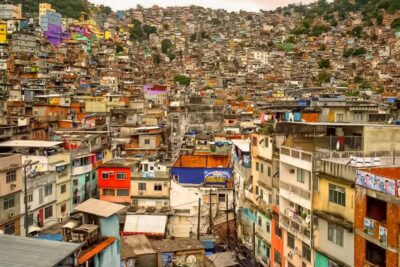
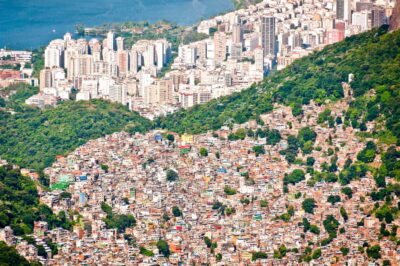
Rio is often presented through Sugarloaf Mountain, Christ the Redeemer, beaches, and polished coastal neighborhoods. Those places matter, but they do not explain the whole city. Santa Marta offers another piece of Rio: a dense hillside community with its own social networks, cultural life, problems, and pride.
The point is not to treat the favela as a stage set. A good visit should help you understand how people live there, while keeping the focus on residents rather than poverty as spectacle. Favela Top Tour is designed around that idea. The guides are not outsiders dropping in with a memorized speech. They introduce people they know, explain the area from personal experience, and connect the visit with local projects.
That distinction matters. You can ask direct questions about housing, work, public services, education, safety, and the rules of community life. Guides including Mario and Marco are praised for answering difficult questions openly, while Luis is known for making visitors feel welcome and explaining both the positive and hard parts of favela life.
The tour has earned a 4.9 rating from 488 reviews, which is unusually high for an experience that depends so much on personal guiding. The praise is not just about the scenery. The strongest points are the warmth of the guides, the feeling of safety, and the amount of local detail you receive.
More Favela Tours in Rio De Janeiro:
- Rio de Janeiro: Rocinha Favela Walking Tour with Local Guide
★ 4.8 · 3,052 reviews - Rio De Janeiro: Half-Day Rocinha Favela Walking Tour
★ 4.7 · 2,272 reviews - 3 Hour Rocinha Favela Walking Tour with a Local Guide
★ 5.0 · 833 reviews
Starting at Praça Corumbá and heading uphill
The meeting point is the Tourist Information Stand at Praça Corumbá. From there, allow roughly 25 minutes for the initial transfer before the main route unfolds. Your own transport to the meeting point is not included, so plan that part separately.
The route then moves into Santa Marta’s hills. The exact order may vary, but the experience lasts about two and a half hours to three hours, with some shorter versions listed at around 150 minutes. That is enough time for several stops without turning the visit into an exhausting full-day commitment.
Bring water, sunscreen, a hat, and shoes that handle uneven walking. The paths include hills, stairs, and narrow lanes. Wheelchair users cannot be accommodated, and the tour is not suitable for babies under one year.
The community is compact, but that does not mean you could easily explore it alone. One guide explained that signs are limited and Google Maps does not map the alleys well. A local guide also helps you understand where to walk, how to behave, and when to pause for people going about their daily business.
Mirante Dona Marta and the first big view
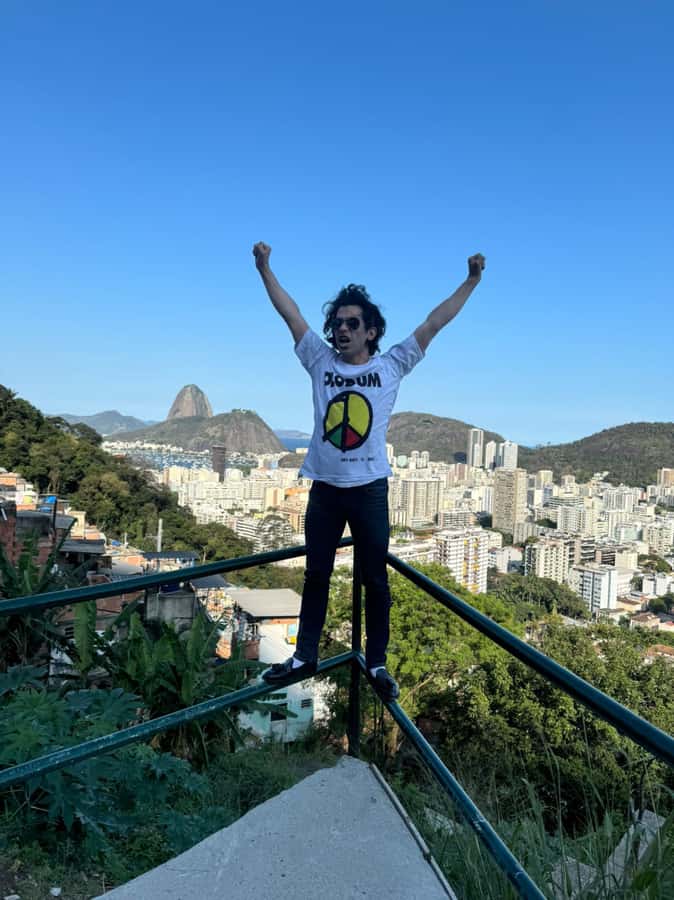
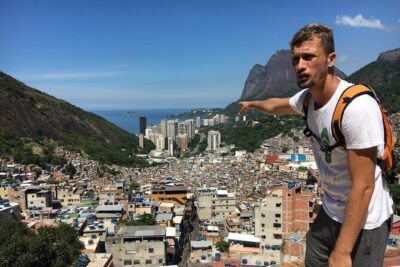
One of the early highlights is Mirante Dona Marta, a viewpoint with broad views over Rio’s South Zone. This gives you the classic photo moment, but it also helps place Santa Marta within the wider city.
From above, Rio can look beautifully organized: hills, buildings, coastline, and famous landmarks arranged in one sweeping scene. Down inside the community, the view becomes more complicated. You begin to see how homes climb the slopes and how close together daily life can be.
The stop is listed as both a visit to Mirante Dona Marta and a photo stop of about ten minutes. That is enough for pictures, but do not expect a long quiet lookout visit. Your guide’s explanation is what gives the view meaning, so pay attention before reaching for your camera.
Weather can change the feel of this stop. One visitor completed the tour in heavy rain and found that it revealed how water runs through dedicated channels in the community. Sunshine will give you clearer views, but wet weather may show you another practical side of hillside living. Pack accordingly.
Michael Jackson Square and the Santa Marta connection

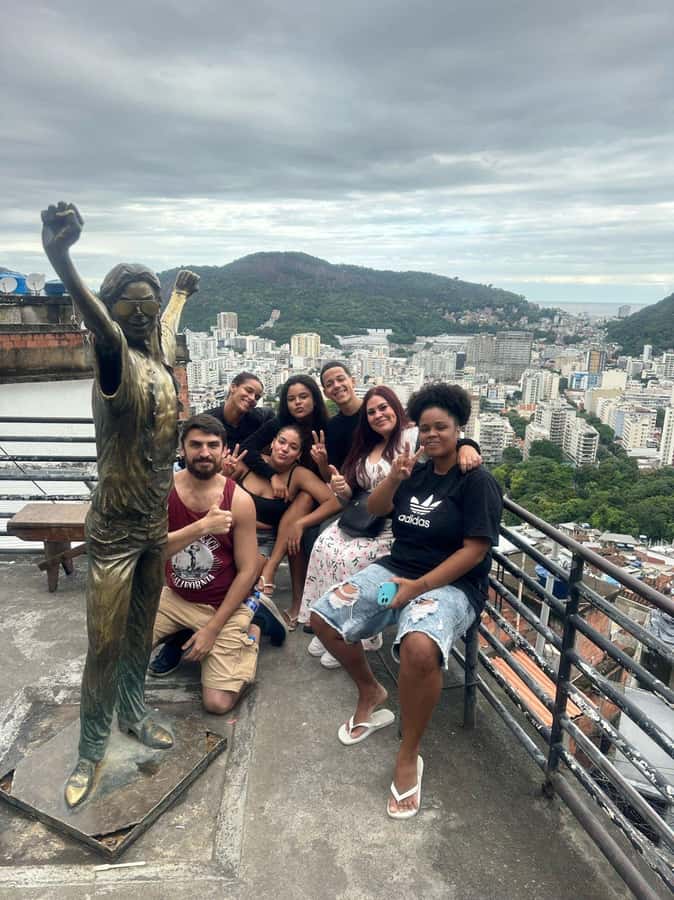
Michael Jackson Square is Santa Marta’s best-known tourist stop. The American singer filmed scenes for They Don’t Care About Us here, and a statue now marks the location.
The music video brought worldwide attention to Santa Marta, but the stop works best when your guide explains what the filming meant for the community. You are not simply standing beside a celebrity statue. You are seeing a place where local identity, international media, music, and public attention meet.
Expect around 15 minutes for the guided visit and photos. The square is a natural pause in the walk, and it often helps the group settle into the pace of the tour. You can ask about the video, the filming location, and how the community sees its connection with Michael Jackson.
This is also a good point to remember that Santa Marta is a lived-in neighborhood. Keep cameras respectful, ask before photographing people, and follow your guide’s lead. The tour encourages contact, not careless observation.
More things to do in Rio de Janeiro:
- Rio de Janeiro: 6-Stop Highlights of Rio with Lunch
★ 4.4 · 5,157 reviews - Christ the Redeemer Entry Ticket by Corcovado Train
★ 4.4 · 4,476 reviews - Rio’s City Tour – Tickets for Christ, Sugar Loaf & Lunch included
★ 5.0 · 4,389 reviews - Full Day: Christ Redeemer, Sugarloaf, City Tour & Barbecue Lunch
★ 4.5 · 3,142 reviews
Alleys, homes, and the most personal part of the visit
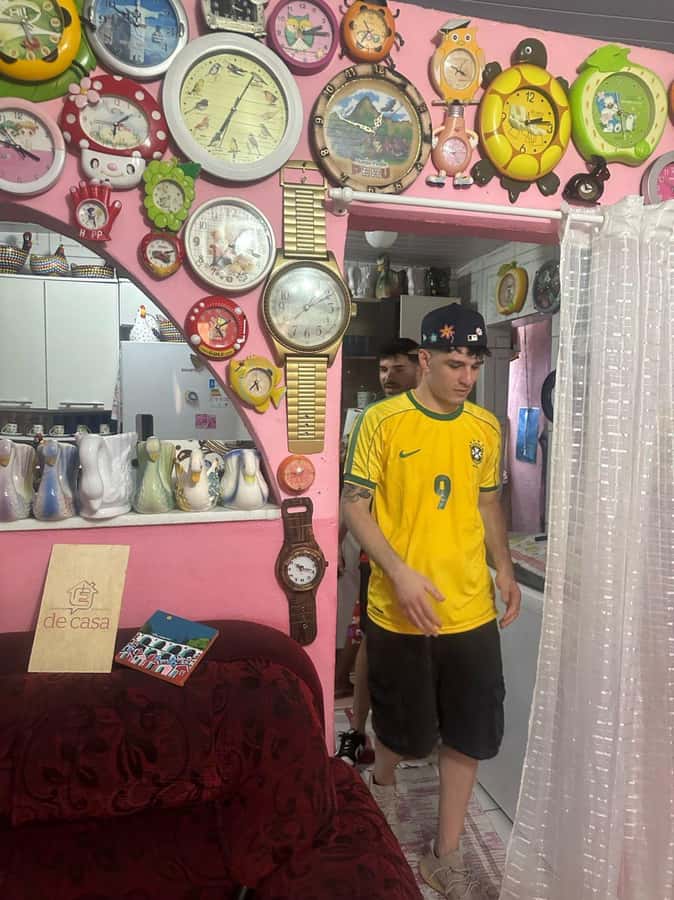
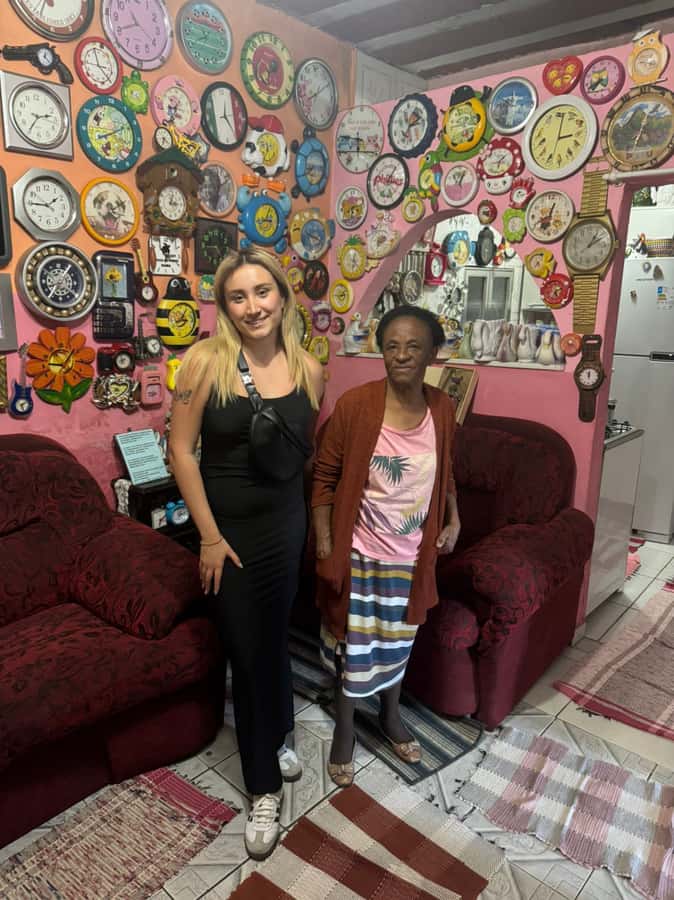
The most meaningful section is often the visit to a local guide’s home. Mario, Marco, and other guides have welcomed groups into their houses, offering a direct look at how a family home functions within Santa Marta.
This is not a staged museum display. It is a personal invitation, and that makes the stop special. You may learn more from a short conversation inside a home than from a long lecture about favela statistics. It gives you a human scale for the neighborhood.
The home visit also helps explain why a local guide changes the whole experience. Mario is described as someone who knows nearly everyone and is warmly greeted by adults and children. Luis is praised for making people feel safe and for sharing details connected with his family’s community work.
You should still treat the invitation with care. Listen more than you talk, ask questions politely, and avoid acting as if someone’s home is an attraction. That respectful attitude is part of what makes this kind of community tourism work.
Samba, football, and everyday community life
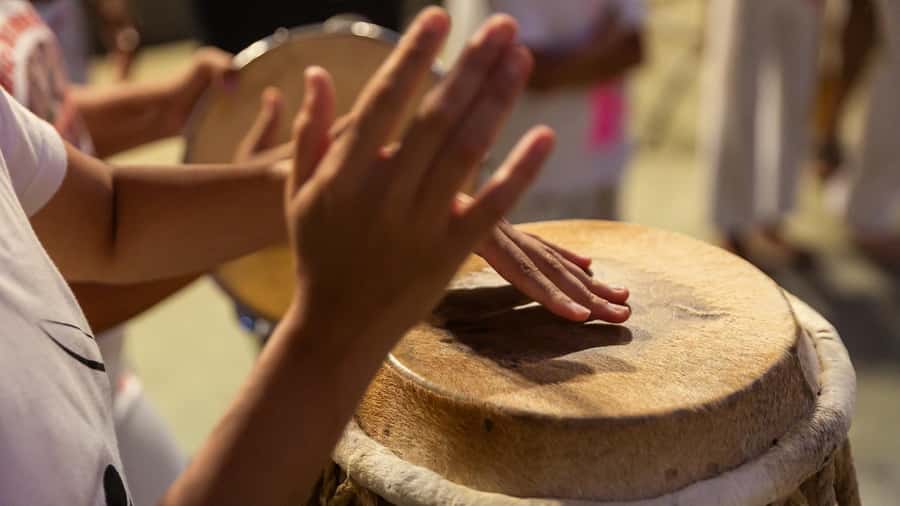
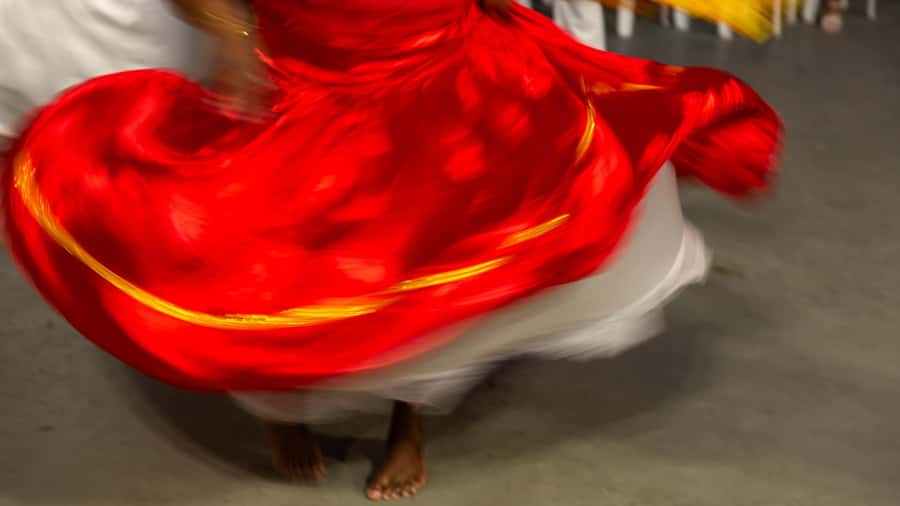
Favela Top Tour includes cultural moments that are more active than a normal walking tour. You may hear a roda de samba performed by local musicians, join a casual football match with children, or take part in a little drumming.
These activities are valuable because they show Santa Marta as a place of creativity and social life, not only as an area with limited resources. Samba is not a decorative add-on for tourists. It is part of Brazil’s living culture, and hearing it performed by local residents gives the visit a stronger sense of place.
Football can be especially memorable for families. One family found that their children enjoyed playing with local boys, while another visitor described joining a match as a highlight. The activity is casual rather than a formal sports session, so participation may depend on the day, the group, and what is happening in the neighborhood.
You should not arrive expecting a guaranteed performance or a scheduled match every time. The tour description includes these experiences, but community life does not always run like a theater program. That unpredictability is part of the point, though it also means the day may not match every detail in the same order.
Santa Horta and the work behind community tourism
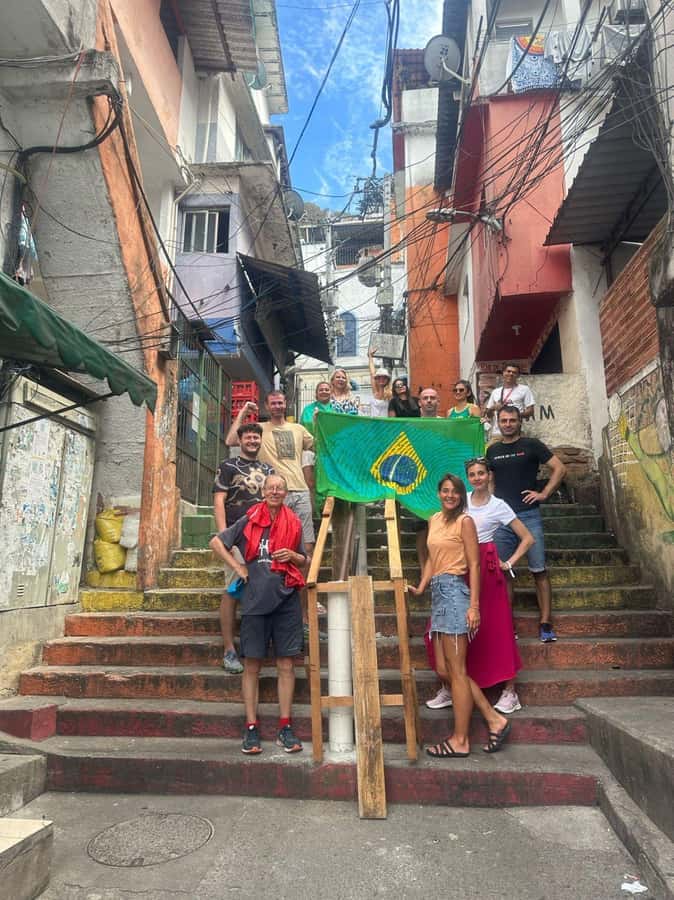
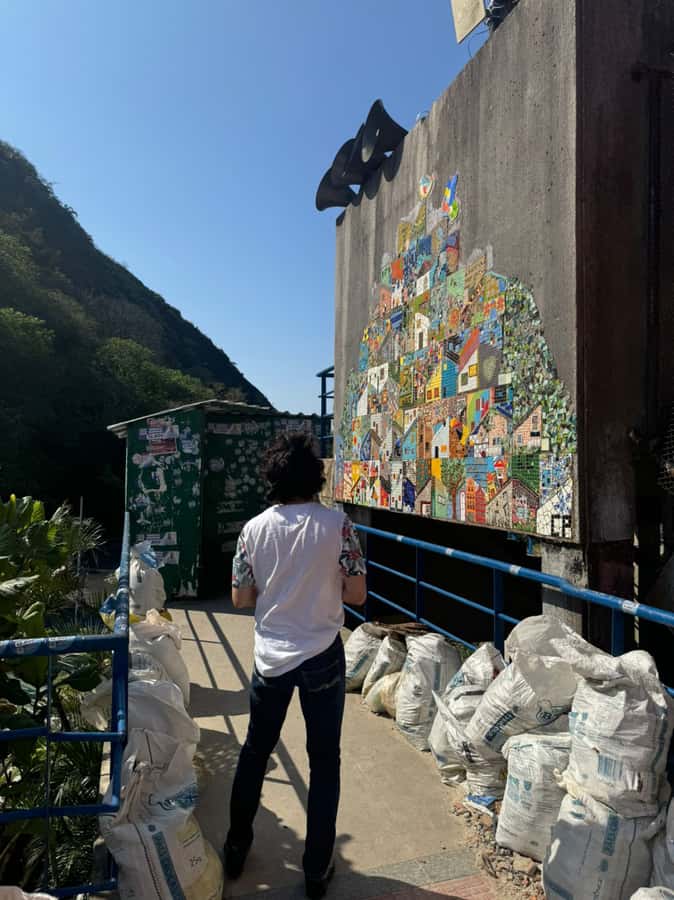
The tour also introduces Santa Horta, a project that turns former rubbish areas into organic community gardens. The project provides food, income, and environmental education for residents.
This stop adds needed context. Without it, a favela visit can focus too heavily on views, music, and famous filming sites. Santa Horta shows how residents are working on practical problems themselves, including waste, food access, and local employment.
The project also explains where your money can go. Favela Top Tour says its work supports social initiatives, local artists, and small businesses. That does not erase the area’s problems, and one visitor noted that rubbish management and public education still have a long way to go. But it does give you a way to support local work rather than paying an outside company with little connection to Santa Marta.
I appreciate that balance. The tour presents pride and difficulty together. You will see warmth, talent, and strong community ties, but you should not expect a cleaned-up version of favela life.
Residents’ Association and a wider view of local issues
A visit to the Residents’ Association adds another layer. This is where the tour can move beyond individual stories and explain how the community organizes itself.
The exact discussion can vary by guide and day, but the stop is included as part of the route. It may help you understand local leadership, social projects, and the relationship between residents and public authorities.
Several guides are praised for discussing difficult issues rather than presenting only cheerful anecdotes. That is important. Santa Marta is not a simple story of hardship overcome, nor is it only a colorful cultural stop. Your guide can help you consider the lack of government support, local rules, waste concerns, and the effort required to improve daily life.
The visit may feel more serious than the samba or football stops. That is a good thing. A few minutes of hard truth can make the lighter moments feel more honest.
Shopping, snacks, and the return to Praça Corumbá
The itinerary includes around ten minutes for shopping inside Santa Marta. This gives you a chance to support local sellers and small businesses directly.
You might also find time for a snack or drink. One visitor singled out the açaí as especially good, though food is not listed as included, so budget separately if you want to buy something. Keep purchases modest and practical, and remember that the purpose is to support local commerce rather than turn the neighborhood into a souvenir market.
The tour then makes additional short visits before returning to Praça Corumbá. A tram ticket is included, along with the visit to Mirante Dona Marta, Michael Jackson’s statue, social projects, and the Residents’ Association. The details of the transfer are less clear, so check the meeting instructions carefully and do not assume all transport to and from the start is covered.
What the guides do best
The guiding is the strongest part of this experience. Mario and Marco receive repeated praise for their warmth, local connections, and personal stories. Luis and Luiz are also praised for clear explanations, patience, and a calm manner. Raycca is described as an exceptional guide, while Caro and Raycca have led groups together.
Most English-speaking visitors appear to manage well, and English, Portuguese, and Spanish are offered. Still, one detailed account noted that Marco’s English was somewhat broken, while another praised a guide’s very good English. If precise language matters to you, confirm your preferred language when booking.
The guides also seem to vary in personality. Some are energetic and funny. Others focus more on history and social issues. That is normal for a community-run operation, and it can make each tour feel personal rather than standardized.
The key quality is local trust. Guides are greeted by residents, know the streets, and can explain where to go. That is why the tour feels safer than trying to wander through Santa Marta alone. It does not mean you should ignore normal city precautions, but it does mean you have someone who understands the setting.
Is $28 good value?
At $28 per person, this is a strong value for a tour lasting about 150 minutes to three hours. The price includes a local guide, the tram ticket, the Michael Jackson statue, Mirante Dona Marta, social projects, and the Residents’ Association.
The value is not mainly in the number of stops. It comes from access and interpretation. Without a guide, you would miss the stories behind the locations, have trouble finding the right alleys, and lack the local introductions that make the visit feel connected.
You may spend extra on food, drinks, or shopping, and transport to Praça Corumbá is not included. Even with those costs, the tour remains affordable compared with many guided Rio activities.
I would choose this over a more expensive outside-company tour if your priority is local leadership and direct community benefit. The route is simple, but the human access is what you are paying for.
Who should book this experience?
I recommend Favela Top Tour if you want to understand Rio beyond its postcard attractions. It suits adults, older children, curious first-time visitors, and anyone who prefers conversation and local stories to a polished sightseeing script.
It is a particularly good fit if you are nervous about visiting a favela. Multiple guides are praised for helping groups feel safe and welcome, and the route is led by people with strong ties to the area.
You may want to skip it if you dislike steep walking, narrow paths, informal community settings, or changing weather. It is also not suitable for wheelchair users or babies under one year.
Practical tips before you go
Wear comfortable shoes with a good grip. Bring water, sunscreen, a hat, and a camera, but ask before photographing residents.
Smoking is not allowed. Keep your belongings secure, follow the guide’s instructions, and let the guide manage introductions and route choices.
Allow flexibility in the schedule. The tour is listed at different lengths between 150 minutes and three hours, and activities such as football or samba may depend on what is happening that day.
Free cancellation is available up to 24 hours before the start for a full refund, and you can reserve now and pay later. Check available start times before committing, since the schedule changes by date.
Should you book Favela Top Tour?
Yes, if you want a respectful, affordable, locally led look at Santa Marta. The Michael Jackson Square stop and Rio views are worthwhile, but the real reason to book is the chance to meet residents, visit a guide’s home, hear honest stories, and see projects such as Santa Horta.
I would not choose it simply to collect dramatic photos. Choose it because you are ready to listen, ask thoughtful questions, and accept the community as a real neighborhood rather than a tourist attraction. At $28, with a 4.9 rating from 488 reviews and strong praise for guides including Mario, Marco, Luis, Luiz, and Raycca, it offers an unusually direct connection for the price.
FAQ
Where does the Favela Santa Marta tour start?
It starts at the Tourist Information Stand in Praça Corumbá.
How long does the tour last?
The experience lasts between 150 minutes and three hours, depending on the available departure and route timing.
What languages are available?
Live guiding is available in English, Portuguese, and Spanish.
Is the tram ticket included?
Yes, a tram ticket is included in the tour.
Does the tour visit Michael Jackson Square?
Yes. The route includes a guided visit to the statue and square where Michael Jackson filmed scenes for They Don’t Care About Us.
Can I visit a local guide’s home?
The experience includes a safe visit to a local guide’s home. This gives you a personal view of life in Santa Marta.
Is the tour suitable for wheelchair users?
No. The tour is not suitable for wheelchair users.
What should I bring?
Bring comfortable shoes, a hat, a camera, sunscreen, and water. Smoking is not allowed.
Just added in Rio De Janeiro
- Gastronomic Tour at the Municipal Market in Rio de Janeiro★ 5.0 · 4 reviews
- Full Day Tour in Rio de Janeiro★ 5.0 · 8 reviews
- Garganta do Ceu Cave Hiking Private Tour on Pedra da Gavea★ 4.5 · 3 reviews
- GIG Airport Transfer x Rio de Janeiro Hotels★ 4.5 · 11 reviews
- Rio de Janeiro private Full day Custom Tours★ 5.0 · 35 reviews
- Christ the Redeemer – Complete Morning Tour with Ticket and Transport at the Hotel★ 3.5 · 4 reviews
- AquaRio, Museum, Boulevard Olimpico, Ferris Wheel, Transport and Tourism Guide.★ 4.0 · 6 reviews
- Personalized and Private Full-Day Tour in Rio de Janeiro★ 5.0 · 6 reviews
Favela Tours, compared.
3 Hour Rocinha Favela Walking Tour with a Local Guide
Read our review →
Favela Tour Rio de Janeiro – Vidigal Walking Tour by Russo Guide
Read our review →

Private Walking and Cultural Tour Rocinha-Rio de Janeiro
Read our review →Browse the lists this tour appears in