Reviewed · RIO DE JANEIRO TOURS
Rio de Janeiro: Guided River Rafting Tour
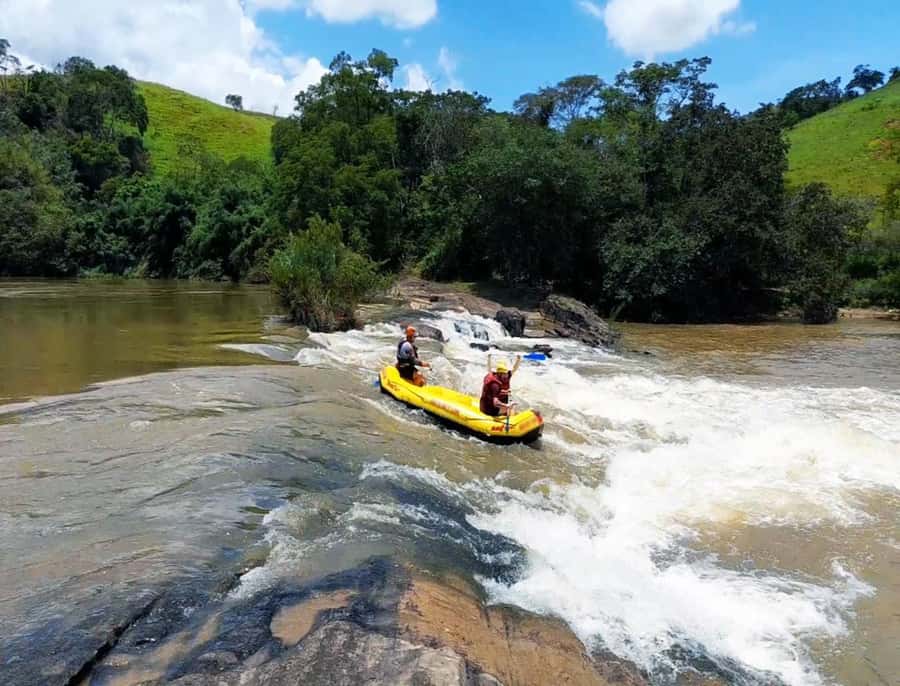
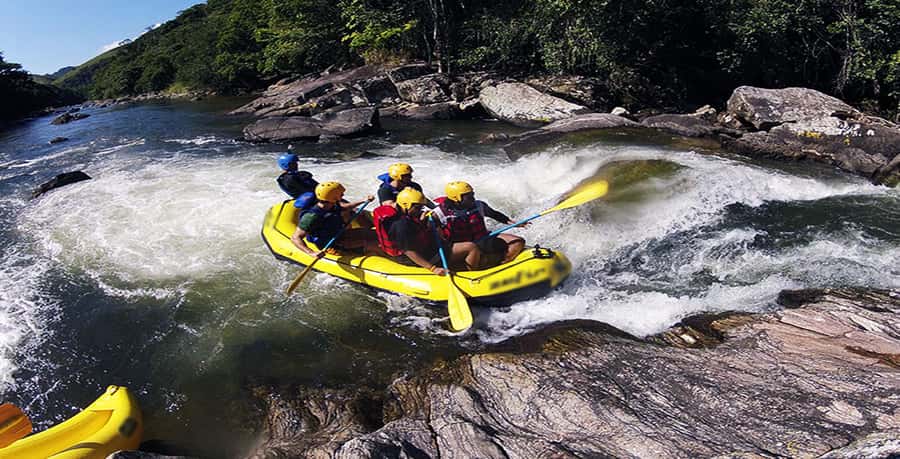
Leave Rio’s skyline behind for rushing water. This 10-hour trip carries you about 83 miles into Três Rios, where mountain forests, quiet river stretches, and rapids make a fine change from the city. I like the small group of up to six and the mix of energetic rafting with calm swimming stops.
I also like that the tour includes round-trip transport, equipment, an accredited guide, and a homemade Brazilian lunch. The main consideration is the long day and two-hour drive each way. The river has plenty of moving water, but not every minute is a white-knuckle ride, so visitors seeking nonstop rapids may find parts of the 12-kilometer route gentle.
In This Review
- Key points to know before booking
- Why this rafting trip is different from city tours
- The two-hour ride from Rio to Três Rios
- Safety briefing and the start of the 12-kilometer route
- Rapids, quiet water, and time to swim
- The triple delta at the end of the rafting
- Homemade Brazilian lunch after the river
- Is $206 a fair price?
- What to pack for a wet, active day
- Who will enjoy this day most?
- Languages, timing, and cancellation flexibility
- Should you book RioXtreme’s Três Rios rafting trip?
- FAQ
- How long does the rafting tour last?
- Where does the rafting take place?
- How difficult are the rapids?
- Is transportation from Rio included?
- Is lunch included?
- What languages are available?
- Can I cancel the booking?
Key points to know before booking
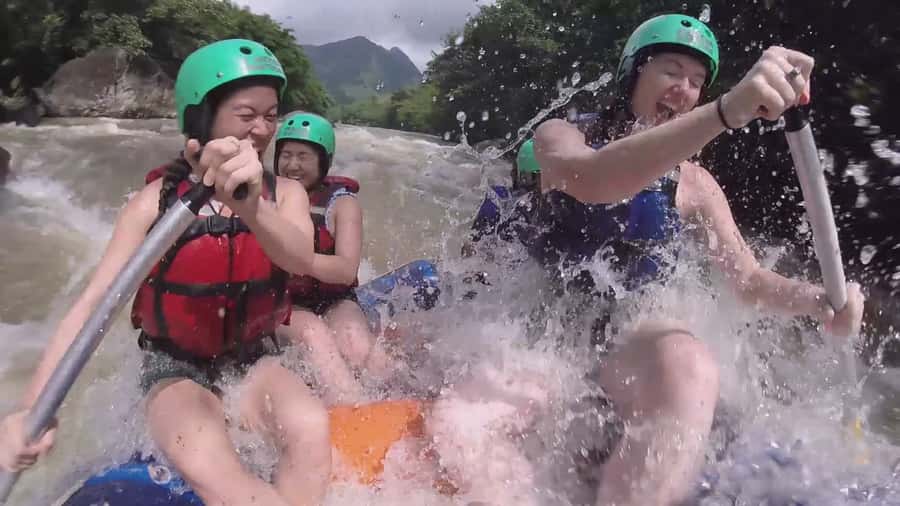
- Three hours on a 12-kilometer river route: You get Rio state’s longest and most intense advertised rafting trip, with rapids from Class 1 to Class 3+ depending on the season.
- A peaceful countryside setting: Três Rios brings mountain views, thick vegetation, wildlife, and the sound of running water instead of city traffic.
- The river junction is the grand finale: The route ends where the Paraibuna, Paraíba do Sul, and Piabanha rivers meet, creating Latin America’s only triple delta.
- Transport from Rio’s South Zone is included: Pickup is available in Copacabana, Ipanema, Leblon, Botafogo, Flamengo, and nearby areas.
- Lunch comes with the day: A stop at a Brazilian homemade-food restaurant is included, but drinks cost extra.
- Safety comes from experience: The operator has more than 40 years of local rafting experience, and instructors are certified by the International Rafting Federation.
Why this rafting trip is different from city tours
Rio de Janeiro is famous for beaches, granite peaks, and packed streets. This trip shows you another side of the state. After leaving the South Zone, you spend the day in the countryside around Três Rios, a rural and ecological tourism area about 135 kilometers from central Rio.
That change of pace matters. You are not simply adding another action activity to a busy sightseeing schedule. You are giving a full day to rivers, forest, mountain views, and open countryside. The setting is quiet enough that the sound of flowing water becomes part of the attraction.
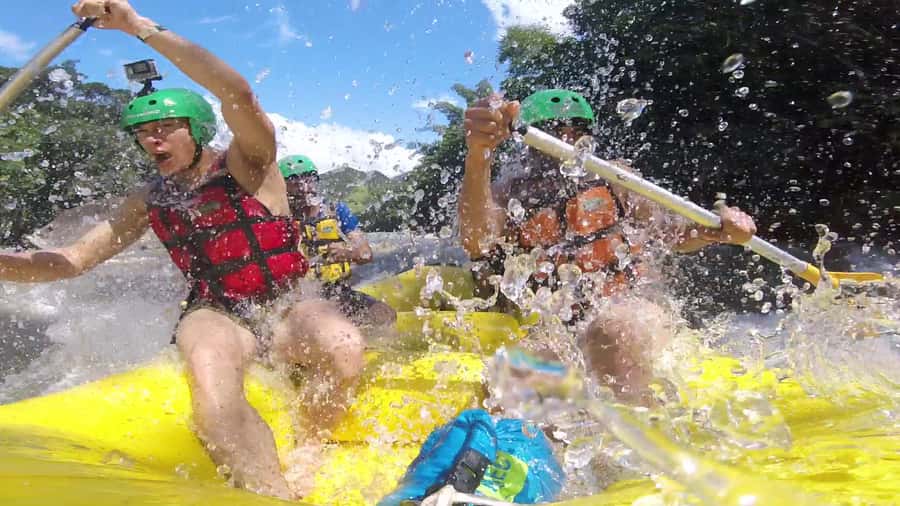
I like the balance here. The rafting provides genuine excitement, but the trip is not built around fear or extreme athletic performance. Rapids range from Class 1 to Class 3+ across the year, making the route active without presenting itself as an extreme expedition.
The tour operator, RioXtreme, has more than four decades of local rafting experience. Instructors are certified by the International Rafting Federation, which gives the safety side of the trip some useful weight. You still need to follow instructions, wear the supplied equipment, and be comfortable in moving water.
More things to do in Rio de Janeiro:
- Rio de Janeiro: 6-Stop Highlights of Rio with Lunch
★ 4.4 · 5,157 reviews - Christ the Redeemer Entry Ticket by Corcovado Train
★ 4.4 · 4,476 reviews - Rio’s City Tour – Tickets for Christ, Sugar Loaf & Lunch included
★ 5.0 · 4,389 reviews
The two-hour ride from Rio to Três Rios
Pickup is offered in Copacabana, Ipanema, Leblon, Botafogo, Flamengo, and surrounding parts of Rio’s South Zone. The exact pickup time varies by location and is sent a few days before the outing by WhatsApp or email.
The drive takes about two hours in each direction. That is the price of reaching a quieter river region, and it also explains why this is a full 10-hour outing rather than a quick morning activity. I suggest treating the road time as part of the day, not as an annoying gap between attractions.
The included round-trip transfer makes the outing easier than arranging a rental car or trying to reach the rafting base alone. If you are staying outside the South Zone, contact the operator before booking, since an extra pickup charge may apply.
The vehicle arrangement also means you should pack lightly. Large bags and luggage are not allowed. Bring only what you need for the river, lunch, and the ride home.
Safety briefing and the start of the 12-kilometer route
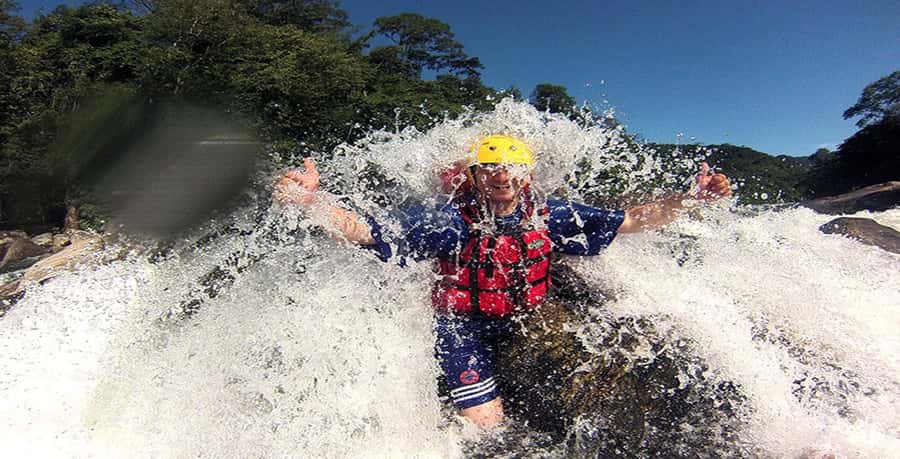
At the rafting base, you receive a short instruction session before entering the water. This is an important part of the day, not a formality. Listen closely to commands, ask questions if you are unsure, and pay attention to how the equipment fits.
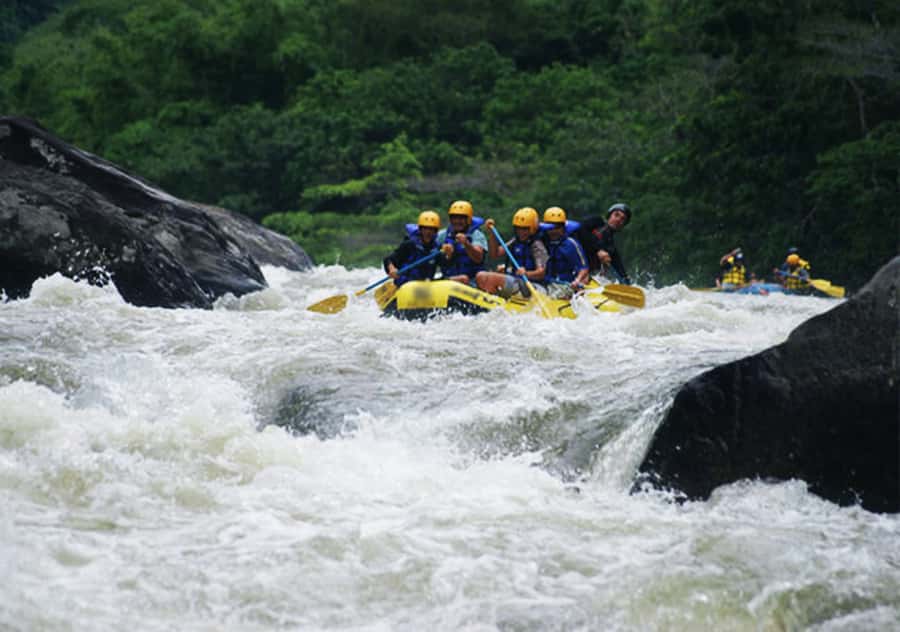
The full rafting circuit lasts about three hours and covers roughly 12 kilometers. That makes it a substantial river outing rather than a short introductory run. The route includes rapids, flat stretches, and places where the group can stop for swimming.
The current difficulty depends on the time of year:
- From October through April, rapids range from Class 2 to Class 3+.
- From May through September, rapids range from Class 1 to Class 3.
If you want the most forceful water available on this route, the October to April period is the stronger choice. If you prefer a milder river with less intensity, May through September may suit you better. Weather and river conditions can affect how the day feels, so you should not expect every rapid to have the same character.
The small group limit of six is a real advantage. A compact group makes it easier to hear the instructor and keeps the activity from feeling like a crowded assembly line. It also fits the peaceful character of the countryside better than a large commercial outing would.
Rapids, quiet water, and time to swim
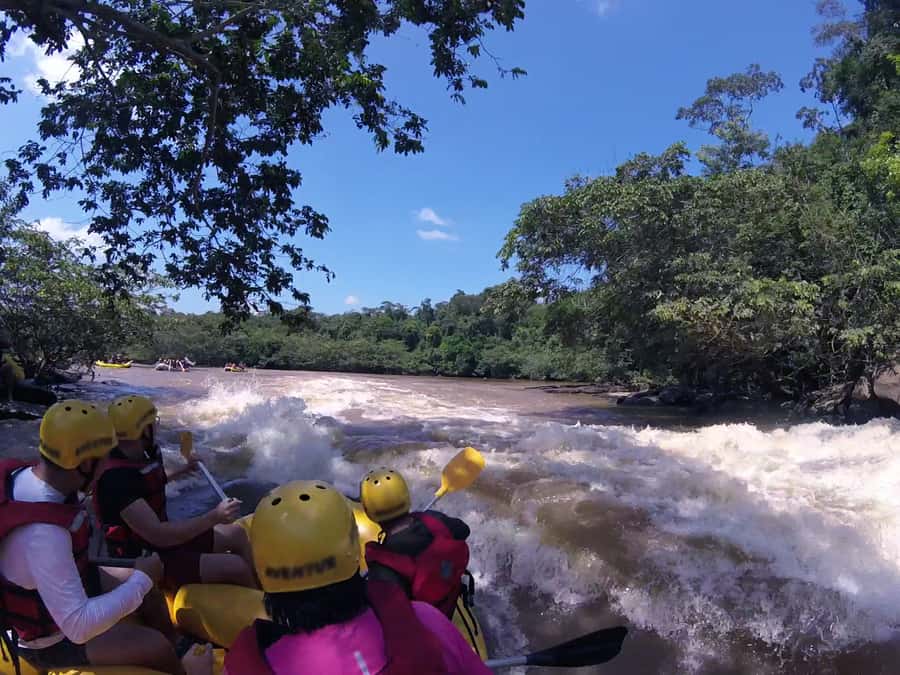
The rafting is the main event, but the quieter stretches are part of what makes this route appealing. After a faster section, the river settles down, giving you time to take in the surrounding vegetation and mountain views.
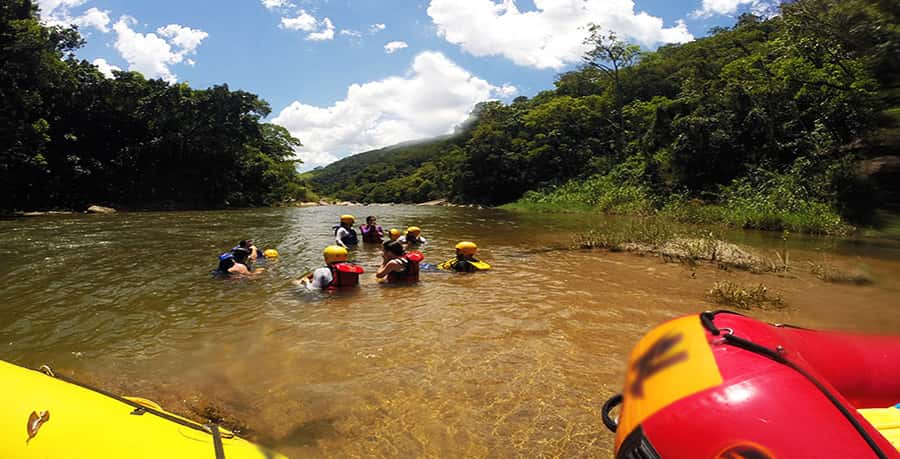
The calm sections may also allow swimming or floating in the river at pleasant spots. This creates a useful rhythm: paddle and concentrate through the rapids, then relax as the current carries you through a quieter stretch.
One point is worth making plainly. This is not three straight hours of intense white water. A participant from Denmark found the route enjoyable and friendly, but felt it was somewhat long compared with the number of places where the river moved quickly. That is fair advice.
If you define rafting as one rapid after another, you may find the calmer parts slow. If you like a river journey with time to appreciate the setting, those sections will probably be welcome. The tour works best for people who want both action and quiet, not just maximum adrenaline.
The natural setting is one of the strongest parts of the day. The river passes through an area known for forests, flowers, animals, and mountain scenery. You might not see wildlife on every outing, but the setting gives you a genuine chance to notice the countryside rather than simply race through it.
A few more options to weigh up in Rio De Janeiro
- Rio de Janeiro: Rocinha Favela Walking Tour with Local Guide
★ 4.8 · 3,052 reviews - 3 Hour Rocinha Favela Walking Tour with a Local Guide
★ 5.0 · 833 reviews - Rio de Janeiro: Guided Jeep Tour through Tijuca Rainforest
★ 4.3 · 740 reviews - Jeep Adventure: Guided Tour through Tijuca Rain Forest
★ 4.0 · 554 reviews
The triple delta at the end of the rafting
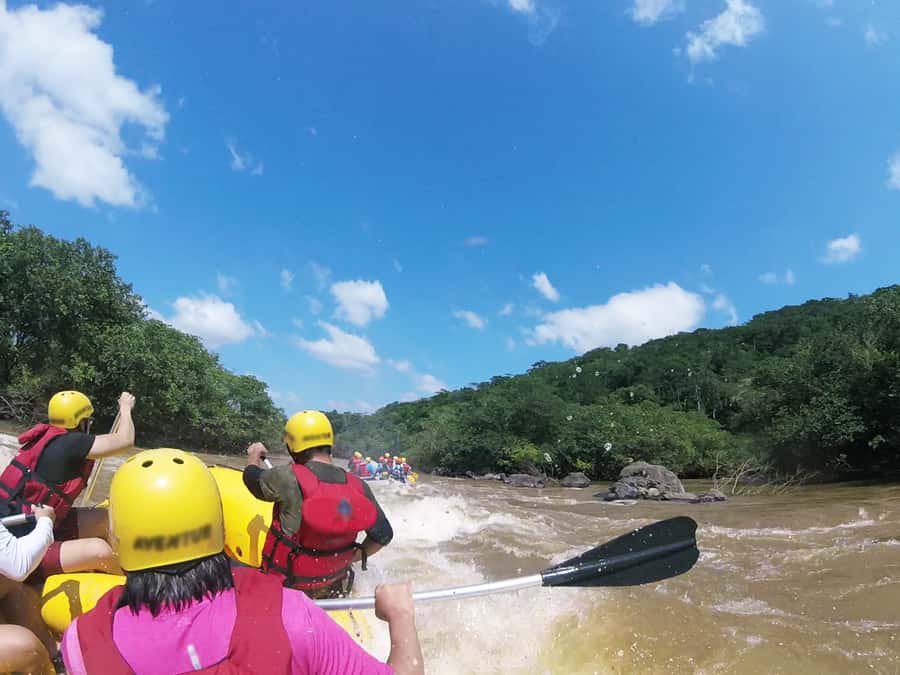
The finish has a special geographic detail. The route ends at the meeting point of the Paraibuna, Paraíba do Sul, and Piabanha rivers. This forms what is described as the only triple delta in Latin America.
That feature gives the rafting a clear sense of arrival. You are not simply pulled from the water at an arbitrary landing point. The final stretch leads to a place where three rivers come together, adding a memorable natural marker to the end of the activity.
This is also a good reason to keep your attention on the surroundings during the final part of the route. The rapids may not be the strongest at that moment, but the river junction is one of the most unusual details of the trip.
Homemade Brazilian lunch after the river
After changing out of your wet gear, the tour stops at a Brazilian homemade-food restaurant. Lunch is included, which makes the $206 price easier to assess. Drinks are not included, so bring cash for beverages and any other extras.
I like this part of the schedule because it keeps the day connected to the local area. You are not rushing back to Rio immediately after the rafting. Instead, you get a proper meal in the countryside, with time to settle down after three hours on the river.
The lunch stop lasts about one hour. It is practical as well as pleasant. A full meal is useful after physical activity, especially if you have packed only light snacks for the morning.
The food is described as homemade Brazilian cuisine, but the available information does not specify a fixed menu. If you have dietary needs, contact the operator in advance rather than assuming the restaurant can accommodate them.
Is $206 a fair price?
At $206 per person, this is not a bargain-priced activity. But the price includes several costs that can add up quickly if arranged separately: transport from Rio and back, a guide, a rafting instructor, all rafting equipment, three hours on the river, and lunch.
The 10-hour duration also matters. You are paying for a full day away from the city, not just the time spent paddling. The drive to Três Rios opens access to a river area that would be inconvenient to reach without organized transport.
The value is strongest if you are already interested in rafting and want a structured, safety-focused outing. It is also useful if you do not want to rent a car or manage rural transport on your own.
The value is weaker if you are mainly looking for a cheap way to see Rio’s countryside. In that case, a 10-hour activity with a long drive may feel costly. You also need to be comfortable paying extra for drinks and any personal purchases at lunch.
The maximum group size of six improves the equation. A small outing gives you more direct contact with the instructor and less waiting around for a large crowd. For an activity where clear instructions matter, that is more than a minor comfort.
What to pack for a wet, active day
Pack for changing conditions and expect to finish the rafting with wet clothing. You should bring:
- Swimwear and a full change of clothes
- A towel
- Water shoes and closed-toe shoes
- Sandals only for suitable dry moments, since open-toed footwear is not allowed during the rafting
- Breathable clothing
- A hat and sunscreen
- Insect repellent
- Water and snacks
- Cash for drinks and extras
- Any personal medication
- Your passport or ID card, with a copy accepted
Do not bring luggage or large bags. Keep your belongings compact and easy to manage during transfers.
Closed-toe footwear is especially important. The instructions list both water shoes and closed-toe shoes, while open-toed shoes are specifically prohibited. If you are unsure which pair to use, contact the operator before the outing.
Who will enjoy this day most?
This tour suits you if you want to combine physical activity with a slower countryside setting. It is a good fit for people who enjoy rivers, outdoor scenery, and a full-day break from Rio’s urban core.
It also suits first-time rafters who prefer a guided activity with safety instruction, supplied equipment, and a very small group. The range of rapids gives the day some punch without making every section extreme.
You should think twice if you dislike long vehicle rides, do not want to spend three hours in or around a river, or have limited mobility. The activity is not suitable for people with mobility impairments.
The route may also disappoint you if you need constant high-speed action. As one participant sensibly observed, some sections are more like a pleasant ride down the river than a series of hard rapids. That is not a flaw for everyone. It is simply the character of the outing.
Languages, timing, and cancellation flexibility
Guiding is available in English, Portuguese, and Spanish. This is useful during the safety briefing, where understanding paddle commands and river instructions is essential.
The tour lasts about 10 hours, but pickup times vary by neighborhood. You receive the exact time a few days before departure through WhatsApp or email, so keep your schedule open that morning.
You can cancel up to 24 hours ahead for a full refund. The reserve-now, pay-later option also helps if your Rio plans are still changing. These policies do not alter the cost or the physical demands, but they make it easier to fit the outing into a longer Brazil itinerary.
Should you book RioXtreme’s Três Rios rafting trip?
Book it if you want the countryside, not just the city, and if you like the idea of pairing Class 1 to Class 3+ rapids with peaceful river time. The scenery, small group, experienced instruction, and included lunch give the day more substance than a short adventure outing.
Skip it if you want nonstop white water, dislike long drives, or need an easy, low-effort excursion. My practical advice is to choose October through April for the livelier river conditions, or May through September if a gentler run sounds better.
For an active day that shows you a quieter side of Rio state, this is a strong choice. The triple-river meeting point, homemade lunch, and mountain setting make it feel like a real trip into the countryside, not merely a scheduled activity added to a beach holiday.
FAQ
How long does the rafting tour last?
The complete excursion lasts about 10 hours, including transport from Rio, approximately three hours of rafting, lunch, and the return journey.
Where does the rafting take place?
The rafting takes place near Três Rios in the countryside of Rio de Janeiro, about 135 kilometers, or 83 miles, from Rio.
How difficult are the rapids?
From October through April, the rapids range from Class 2 to Class 3+. From May through September, they range from Class 1 to Class 3.
Is transportation from Rio included?
Yes. Round-trip transport is included from Copacabana, Ipanema, Leblon, Botafogo, Flamengo, and surrounding areas in Rio’s South Zone. Pickup elsewhere may cost extra.
Is lunch included?
Yes. Lunch at a Brazilian homemade-food restaurant is included. Drinks are not included.
What languages are available?
The live guide service is available in English, Portuguese, and Spanish.
Can I cancel the booking?
Yes. You can cancel up to 24 hours before the activity for a full refund. You can also reserve now and pay later.
Just added in Rio De Janeiro
- Full Day Tour in Rio de Janeiro★ 5.0 · 8 reviews
- Garganta do Ceu Cave Hiking Private Tour on Pedra da Gavea★ 4.5 · 3 reviews
- Gastronomic Tour at the Municipal Market in Rio de Janeiro★ 5.0 · 4 reviews
- GIG Airport Transfer x Rio de Janeiro Hotels★ 4.5 · 11 reviews
- Rio de Janeiro private Full day Custom Tours★ 5.0 · 35 reviews
- Christ the Redeemer – Complete Morning Tour with Ticket and Transport at the Hotel★ 3.5 · 4 reviews
- AquaRio, Museum, Boulevard Olimpico, Ferris Wheel, Transport and Tourism Guide.★ 4.0 · 6 reviews
- Personalized and Private Full-Day Tour in Rio de Janeiro★ 5.0 · 6 reviews
Rio de Janeiro Tours, compared.


Christ the Redeemer Entry Ticket by Corcovado Train
Read our review →
Rio’s City Tour – Tickets for Christ, Sugar Loaf & Lunch included
Read our review →
Full Day: Christ Redeemer, Sugarloaf, City Tour & Barbecue Lunch
Read our review →

Rio’s Full Day: Selarón Steps, Christ & Sugarloaf – Tickets & Lunch Included
Read our review →
Christ the Redeemer, Sugarloaf, Selaron & BBQ Lunch
Read our review →