
Reviewed · SÃO PAULO CITY TOURS
São Paulo: Private 4-Hour Architecture Tour
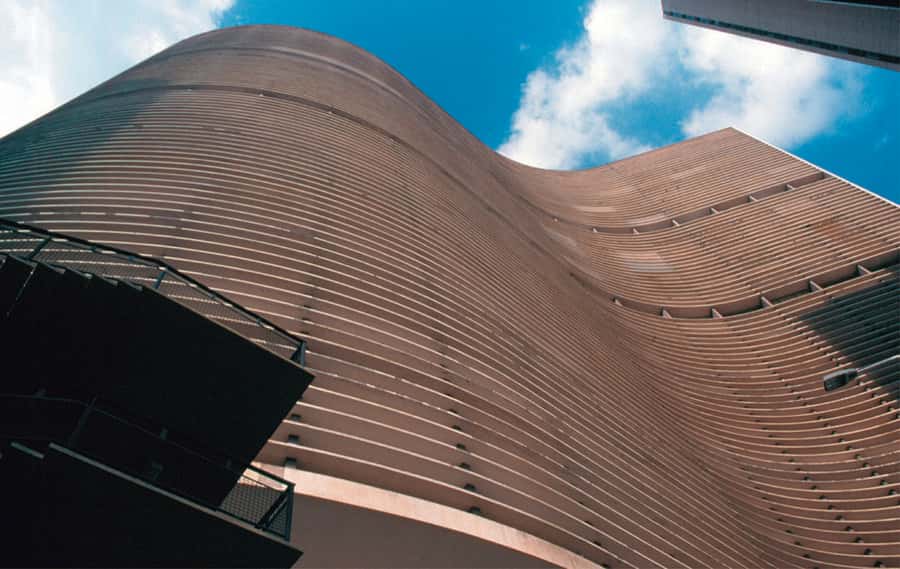
São Paulo turns architecture into a city lesson. This private four-hour outing brings together colonial buildings, European-influenced façades, modernist landmarks, brutalist concrete, and newer work in one neatly organized tour. I especially like the chronological approach and the chance to shape the route around your interests.
I also like having a private vehicle and hotel pickup, which matters in a huge city where architectural sights are spread across different areas. Guides such as Doris, Danilo, and Bruno have been praised for clear explanations, punctual service, and flexible routes. The main consideration is the price: $290 per group up to one person is a serious cost unless architecture is a main reason for your visit.
In This Review
- Key points at a glance
- Why São Paulo rewards an architecture tour
- Starting with colonial and early São Paulo
- Seeing European influence in Neoclassic and Eclectic buildings
- Art Nouveau, Art Deco, and Neocolonial contrasts
- Moving into Brazilian modernism
- Understanding brutalism through concrete and space
- Contemporary São Paulo and a route shaped around you
- What the private vehicle and four-hour length mean
- The guides: Doris, Danilo, and Bruno
- Who should book this São Paulo architecture tour?
- Should you book it?
- FAQ
- How long does the São Paulo architecture tour last?
- What languages are available?
- Is the tour private?
- Is hotel pickup included?
- What architectural styles are covered?
- Which architects may be discussed?
- Is the tour suitable for children?
Key points at a glance
- A timeline in buildings: The route can begin with São Paulo’s earliest construction and move forward through Neoclassic, Eclectic, Art Nouveau, Art Deco, Neocolonial, Modernist, Brutalist, and Contemporary work.
- A private route: You are not tied to a large group or a fixed public itinerary, and the guide can adjust the focus toward older buildings, modernism, urban planning, or current architecture.
- Important Brazilian architects: The tour introduces work connected with Ramos de Azevedo, Oscar Niemeyer, Paulo Mendes da Rocha, Vilanova Artigas, Lina Bo Bardi, Ruy Ohtake, Isay Weinfeld, and others.
- Comfortable city transport: A private vehicle, hotel pickup, and hotel drop-off save time and reduce the effort of crossing São Paulo between architectural areas.
- Strong guide feedback: Doris receives particular praise for her enthusiasm and personal route choices, while Danilo and Bruno are noted for punctuality, clear explanations, and adapting the tour to modern architecture.
- Useful language choice: Tours are available in English, Spanish, or Portuguese, with a professional bilingual guide.
Why São Paulo rewards an architecture tour
São Paulo can look visually confusing at first. A colonial structure may sit near a nineteenth-century European-style building, a sharply geometric Art Deco façade, or a large concrete modernist work. Without context, you may notice only that the city feels like a mix of different eras.
That mix is exactly what makes this tour worthwhile. Instead of treating São Paulo as a collection of isolated sights, the guide helps you read its buildings as stages in the city’s growth. You learn how materials, imported styles, local architects, and changing ideas about public space shaped the city.
The appeal is not limited to famous buildings. You also get a way to understand how São Paulo changed from an early settlement into a major urban center. The tour’s progression from original construction toward contemporary work gives the four hours a clear shape.
I would choose this experience if you enjoy looking up at façades, noticing construction details, or asking why a building looks the way it does. It is less suitable if you only want a quick checklist of famous sights. Architecture needs explanation here, and the guide is central to the experience.
More Sao Paulo city tours:
- Skydive Tandem – São Paulo – Brazil
★ 5.0 · 1,840 reviews - São Paulo’s Full Day City Tour: Main City Sights in 7 Hours – (Shared Group)
★ 5.0 · 1,691 reviews - 5-hour Private Tour Of São Paulo With Its Main Sights – Optional Airport Pickup
★ 5.0 · 643 reviews
Starting with colonial and early São Paulo
The opening section focuses on the city’s earliest construction and its colonial legacy. These buildings used organic materials and reflect a much earlier stage of São Paulo’s development than the monumental structures most people associate with the city.
This beginning is important because it gives you a reference point. Later buildings make more sense when you have first seen the modest materials and forms connected with early São Paulo. You can then follow the city’s shift toward more formal European styles from the middle of the nineteenth century onward.
The exact stops are not fixed in the information provided, so you should not expect a published list of named buildings before departure. That flexibility can be useful. A guide may spend more time on the early period if you are interested in origins, or move more quickly if your main interest is twentieth-century design.
This part may be the quietest section for visitors who came mainly to see bold modern structures. Still, skipping it would weaken the story. The tour works best when you treat the early buildings as the foundation for everything that follows.
Seeing European influence in Neoclassic and Eclectic buildings
The route then moves into architectural styles that developed strongly in Brazil from the nineteenth century. Neoclassic and Eclectic buildings show how São Paulo adopted and reshaped European ideas rather than simply copying one single model.
Eclectic architecture is especially useful to see with a guide because the style can seem inconsistent at first. Different decorative elements, proportions, and references may appear on the same building. A good explanation helps you understand that the mixture is the point.
The guide also connects these buildings with the city’s growth. Ramos de Azevedo is one of the key names included in the architectural story. His work helps explain the role of architecture in a city that was becoming more established and ambitious.
I would listen for practical details here: what materials were used, how façades were decorated, and how the building’s purpose affected its appearance. Those small observations can make a street feel much more readable for the rest of your stay.
Art Nouveau, Art Deco, and Neocolonial contrasts
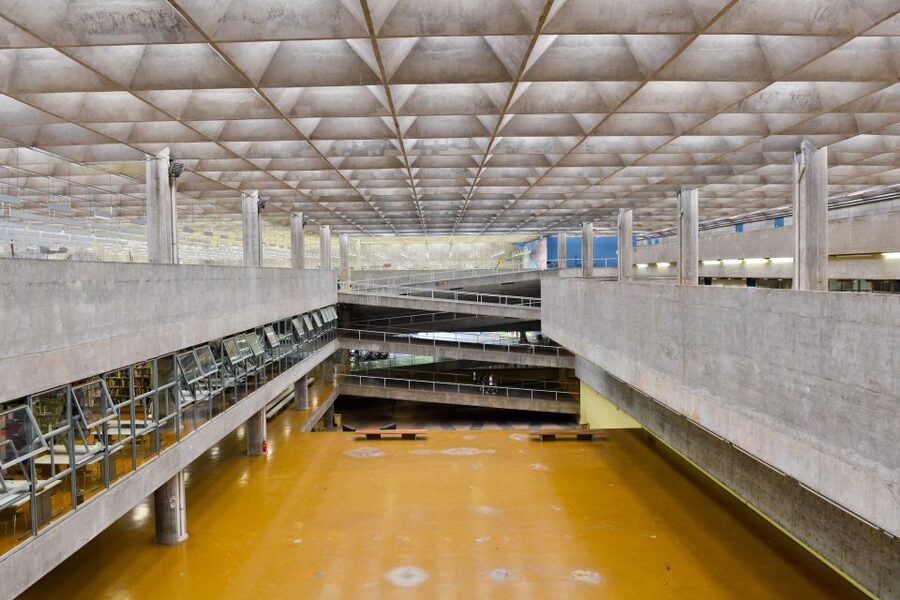
The tour includes Art Nouveau, Art Deco, and Neocolonial architecture, three styles that give São Paulo’s streets very different visual signals.
Art Nouveau tends toward flowing decoration and organic lines. Art Deco is more geometric and controlled, with a stronger sense of symmetry and streamlined ornament. Neocolonial design looks back to earlier local forms and uses the past as an architectural reference.
Seeing these styles together is one of the tour’s best teaching moments. You can compare how each period handled decoration, national identity, and the idea of modern life. The guide can also explain how Brazilian architecture absorbed outside influences while developing its own local character.
This section should appeal to anyone who likes façades and details rather than only large landmark buildings. Bring a camera, but do not rely on photographs alone. The value comes from knowing what to look for, and from placing each style in the city’s wider timeline.
More things to do in Sao Paulo:
- São Paulo: Main City Sights in 7 Hours – Shared Group Tour
★ 4.9 · 587 reviews - 6-Hour Classic Half-Day Private Tour of São Paulo – Optional Airport Pickup
★ 5.0 · 441 reviews - São Paulo: City Highlights Guided Tour
★ 4.5 · 307 reviews - Amazing São Paulo overview in 4 or 5 hours with a private guide
★ 5.0 · 290 reviews
Moving into Brazilian modernism
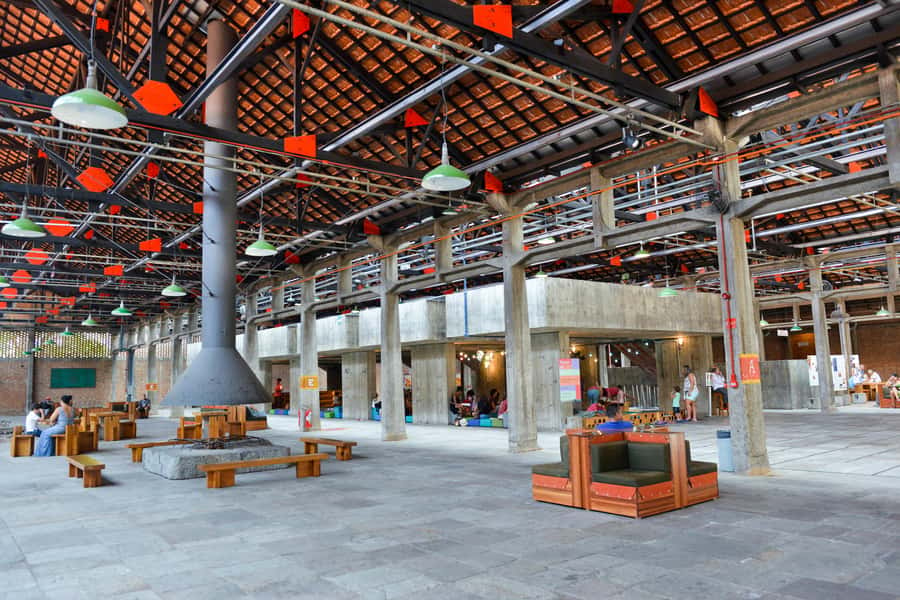
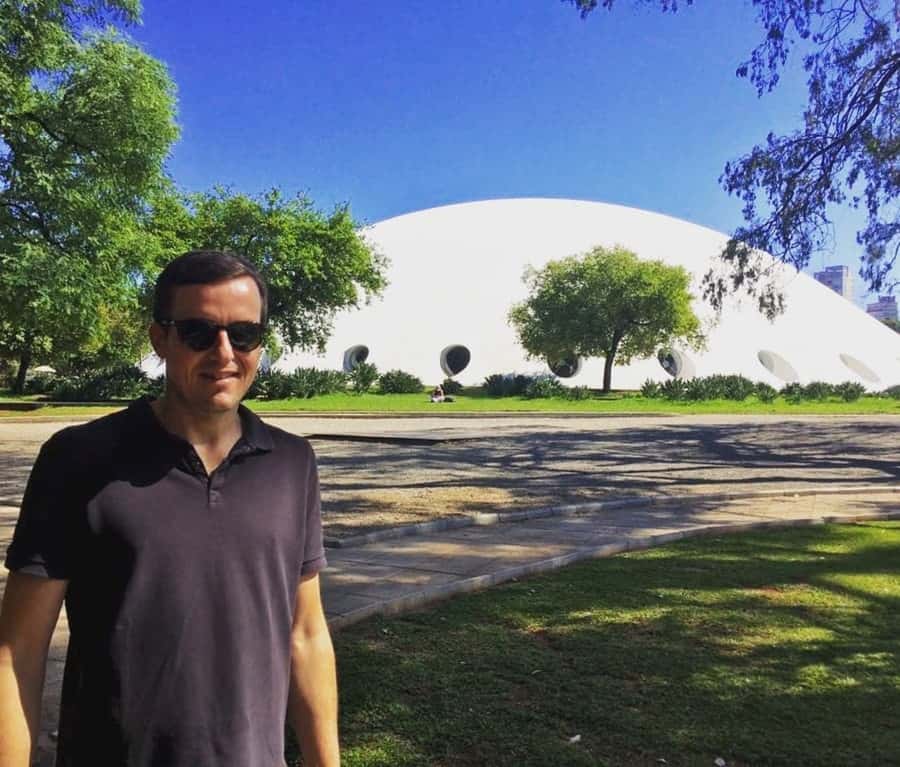
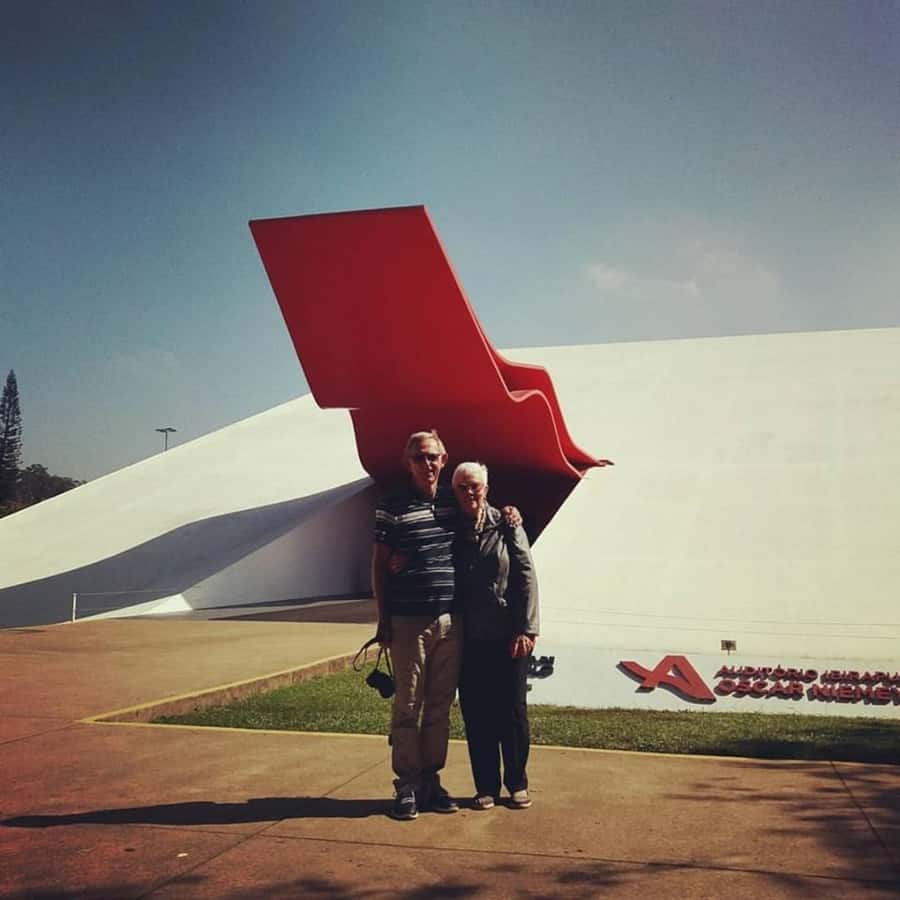
Modernist architecture is likely to be the main attraction for many people booking this tour. São Paulo has an important connection with Brazilian modernism, and the experience introduces major figures including Oscar Niemeyer, Vilanova Artigas, Lina Bo Bardi, and Paulo Mendes da Rocha.
The guide can help you see that modernism is not just about plain walls or unusual shapes. It involves ideas about structure, movement, public use, light, and the relationship between a building and the people around it.
Lina Bo Bardi is especially important for understanding architecture that aims to support public life. Paulo Mendes da Rocha and Vilanova Artigas offer other ways to think about concrete, open space, and large structural forms. Oscar Niemeyer brings another well-known voice to the story, with a different approach to curves and monumental design.
You may not see every project associated with every architect named in the tour description. The list indicates the range of designers the guide may discuss, not a guarantee that all of their buildings will be visited. If one architect matters most to you, tell the guide when booking or at pickup.
A private format makes this possible. Doris has been praised for taking people to favorite places they would not have found alone, while another visitor specifically valued a route focused on modern architecture. That is a useful clue: speak up early about what you want. Four hours is enough for a strong overview, but not enough to cover every major work in São Paulo.
Understanding brutalism through concrete and space
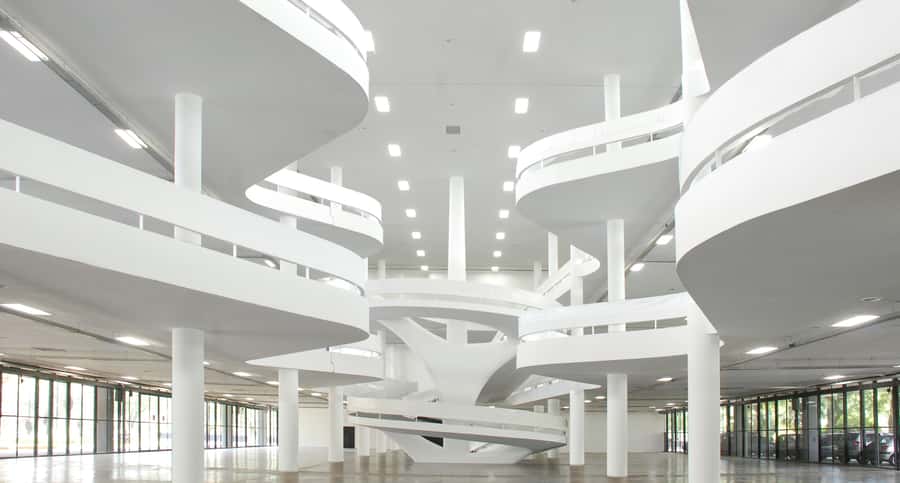
Brutalism has a strong place in São Paulo’s architectural identity, and the tour treats it as part of the city’s wider development rather than as a separate curiosity.
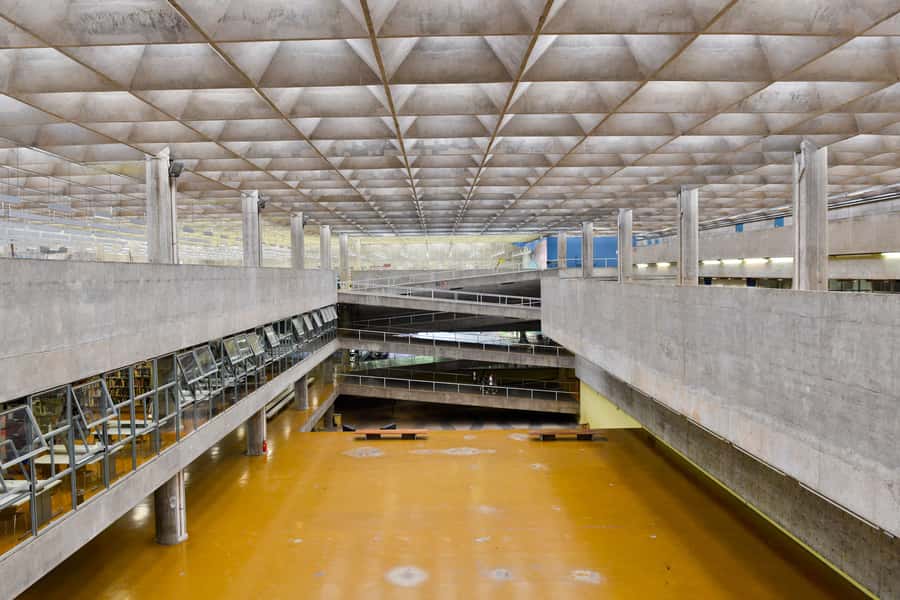
The style can be easy to misunderstand when seen from a car window. Large concrete forms may appear severe or unfinished. With a guide, you can pay attention to structure, scale, entrances, circulation, and the way people move through the space.
Paulo Mendes da Rocha and Vilanova Artigas are central names for this part of the discussion. The guide may also connect brutalist ideas with the social role of public buildings and with the practical demands of a large city.
This is where a private vehicle is especially helpful. You can cover more ground without spending your limited time changing transport or trying to locate buildings on your own. The tradeoff is that some of the experience may be viewed from the vehicle, depending on the route and the places selected. If you want more time outside at particular buildings, say so.
Contemporary São Paulo and a route shaped around you
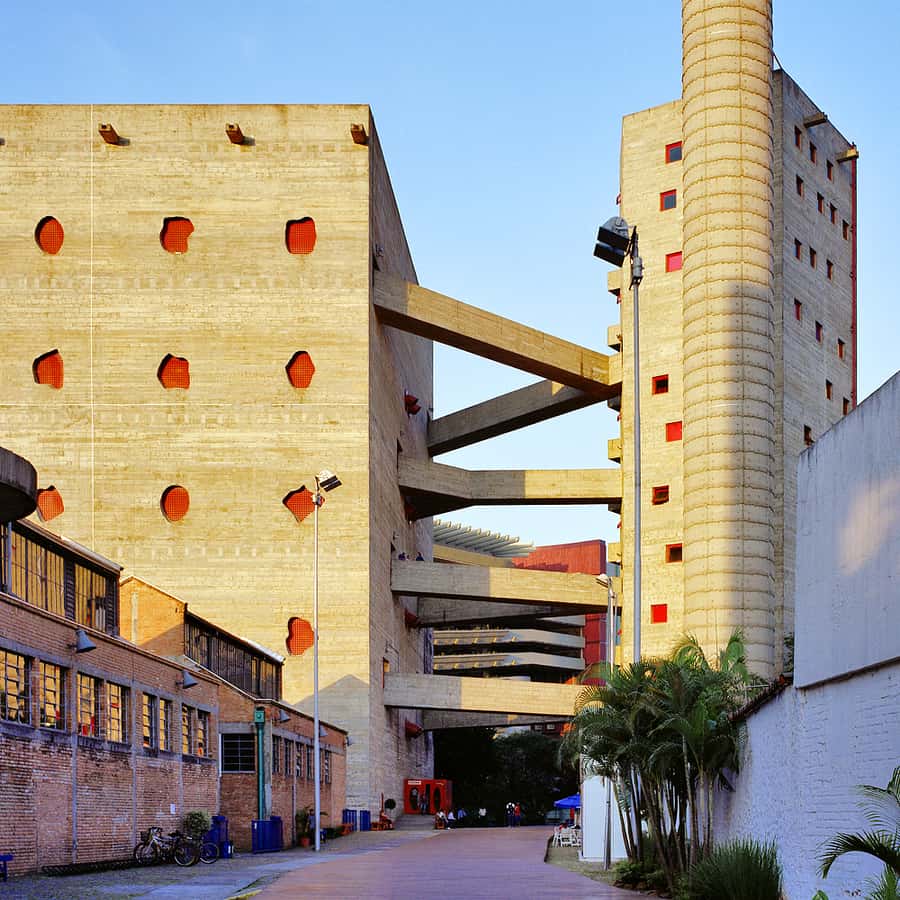
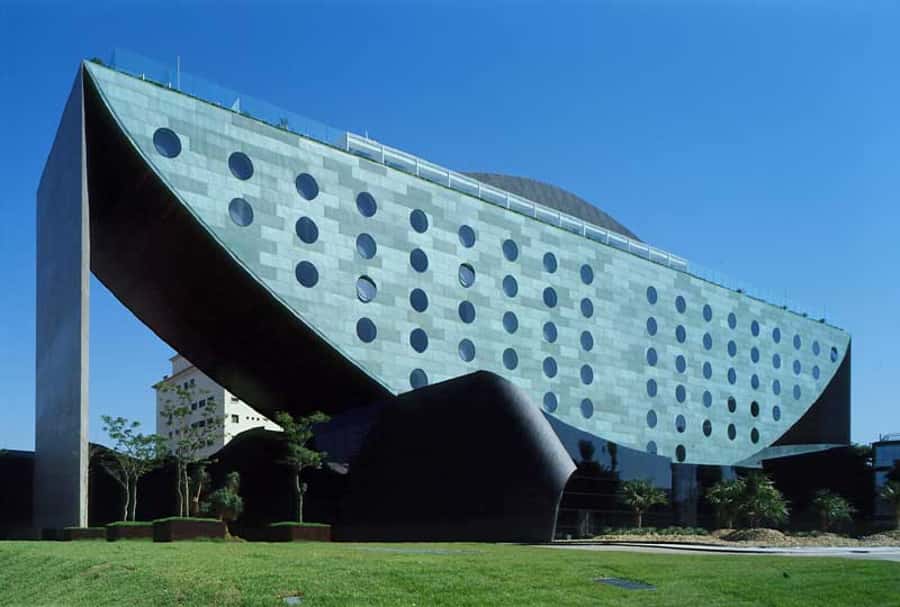
The final part can turn toward contemporary architecture, including work linked with Ruy Ohtake and Isay Weinfeld. This gives the tour a useful ending because you are not left thinking of São Paulo as a city frozen in its modernist period.
Contemporary buildings also provide a chance to discuss how architects respond to current needs, materials, private development, and changing ideas about city life. The tour description promises a range of newer work, but it does not provide a fixed list of contemporary stops. Your guide’s choices and your interests will shape this portion.
Danilo received particular praise for adapting a route toward current urban planning and contemporary architecture. That makes him a potentially good match if you are less interested in colonial buildings and more interested in what São Paulo is building now.
The private format is a real advantage here. One person may want a broad historical sequence, while another may prefer modern and contemporary work almost exclusively. The guide can adjust the balance instead of giving everyone the same standard route.
What the private vehicle and four-hour length mean
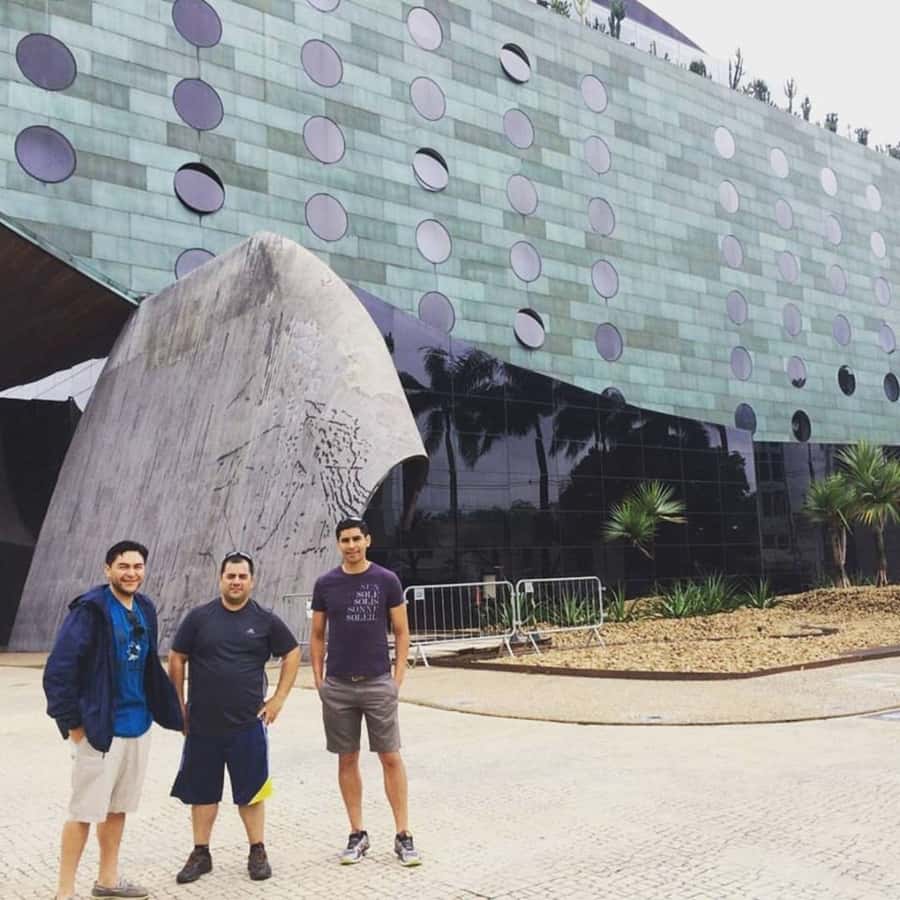
Four hours is a sensible length for an introduction. It gives you enough time to see several periods without turning the day into an exhausting architecture marathon.
The private vehicle also changes the pace. You receive hotel pickup and drop-off at hotels in central São Paulo, so you do not need to arrange your own way to a meeting point. That is helpful if you are new to the city, staying centrally, or dealing with heat and long distances.
You should wear comfortable shoes, even though transportation is included. The tour involves looking at buildings and urban spaces, and you may spend time getting out of the vehicle or walking short sections. Sunglasses, a sun hat, and a camera are also recommended.
Food and drinks are not included. Four hours is manageable without a scheduled meal, but bring water or plan around the start and finish time. The booking page does not describe a meal stop, so do not reserve the tour expecting lunch to be part of it.
The private group arrangement gives you more control, but the listed price is high. At $290 per group up to one person, I would compare the cost with your sightseeing budget and the importance of architecture to your trip. For a serious architecture fan, the private access and specialist focus may justify it. For a first-time visitor seeking a general city introduction, a less expensive shared tour may offer better value if available.
The guides: Doris, Danilo, and Bruno
The guide can make or break this experience. Architecture tours are not simply about being driven past buildings. You need someone who can explain why a structure matters without turning every stop into a lecture.
Doris receives the strongest pattern of praise. She is described as passionate, entertaining, well prepared, and willing to take people to personal favorite spots. She also adapted routes to individual interests, which is one of the clearest benefits of booking privately.
Danilo is a good name to request if your priority is contemporary architecture or urban planning. He was praised for detailed historical descriptions and for adjusting the focus toward newer work.
Bruno is noted for punctuality, helpfulness, and clear explanations of both the city and its buildings. He also handled the timing well, arriving on time and returning to the hotel as planned.
Guide assignments can change, so these names are not a promise. Still, the repeated praise for flexibility and clear explanations gives you a reasonable idea of the service style to expect.
Who should book this São Paulo architecture tour?
I would recommend it most strongly to:
- People with a serious interest in architecture or urban design
- Visitors who want Brazilian architects explained in context
- First-time visitors who prefer a private introduction to São Paulo
- Couples, solo visitors, or small private groups who value a flexible route
- People interested in modernist, brutalist, and contemporary buildings
- Anyone staying at a central hotel who wants pickup and drop-off
I would think twice if you dislike spending several hours looking at buildings or if you want a tour built around food, shopping, or major tourist attractions. The experience is specialized, and its value depends on your interest in the subject.
It is wheelchair accessible, which is useful, though the exact ease of each stop can depend on the route selected. Children under five are not suitable for the tour. Children up to age ten need special seats, and you must notify the provider in advance or the tour cannot be offered.
The activity is available in English, Spanish, and Portuguese. Pets, smoking, and unaccompanied minors are not allowed.
Should you book it?
Book this tour if you want São Paulo to make more sense through its buildings. The strongest reasons are the private vehicle, central hotel pickup, adaptable route, and the chance to connect colonial construction with the work of Lina Bo Bardi, Paulo Mendes da Rocha, Oscar Niemeyer, and other major architects.
I would make one request before setting off: tell the guide exactly which period matters most to you. Ask for a broad timeline if you want the full story, or request a modern and contemporary focus if concrete, urban planning, and newer buildings are your priority.
At $290 for the listed group size, this is not a casual bargain. It is a focused private service. If architecture is one of your main reasons for visiting São Paulo, the cost may be sensible because you are paying for time, transport, and tailored explanations rather than just a ride past façades. If it is only a passing interest, choose a cheaper general sightseeing option and spend your budget elsewhere.
FAQ
How long does the São Paulo architecture tour last?
The tour lasts four hours.
What languages are available?
The tour is available in English, Spanish, and Portuguese.
Is the tour private?
Yes. It is offered as a private group experience.
Is hotel pickup included?
Yes. Pickup and drop-off are included for hotels in central São Paulo.
What architectural styles are covered?
The experience can include Colonial, Neoclassic, Eclectic, Art Nouveau, Art Deco, Neocolonial, Modernist, Brutalist, and Contemporary architecture.
Which architects may be discussed?
The tour can discuss Ramos de Azevedo, Oscar Niemeyer, Paulo Mendes da Rocha, Vilanova Artigas, Lina Bo Bardi, Ruy Ohtake, Isay Weinfeld, and other important architects connected with São Paulo.
Is the tour suitable for children?
Children under five are not suitable. Children up to age ten require special transportation seats, and you must inform the provider in advance.
Just added in Sao Paulo
- Private Transfer: GRU Airport to Sao Paulo City up to 15 People★ 5.0 · 12 reviews
- Private Transportation to Campos do Jordão – Premium Experience★ 5.0 · 1 review
- São Paulo Layover Tour from GRU AIRPORT | 06 hours of private tour★ 5.0 · 1 review
- Translate Airports SP★ 5.0 · 1 review
- 5-hour tour in the main points of São Paulo.★ 5.0 · 12 reviews
- Private Transfer from Sao Paulo (GRU) Airport to Aparecida Do Norte★ 5.0 · 1 review
- Private Transfer from Sao Paulo (GRU) Airport to Campos do Jordão★ 5.0 · 1 review
- (Sedan VIP Class) Transfer GRU Airport • São Paulo★ 5.0 · 6 reviews
São Paulo City Tours, compared.

São Paulo’s Full Day City Tour: Main City Sights in 7 Hours – (Shared Group)
Read our review →
5-hour Private Tour Of São Paulo With Its Main Sights – Optional Airport Pickup
Read our review →
Main City Sights in 7 Hours – Shared Group Tour
Read our review →
6-Hour Classic Half-Day Private Tour of São Paulo – Optional Airport Pickup
Read our review →
Amazing São Paulo overview in 4 or 5 hours with a private guide
Read our review →
Browse the lists this tour appears in