
Reviewed · SÃO PAULO CITY TOURS
Secrets of Downtown São Paulo Bike Tour
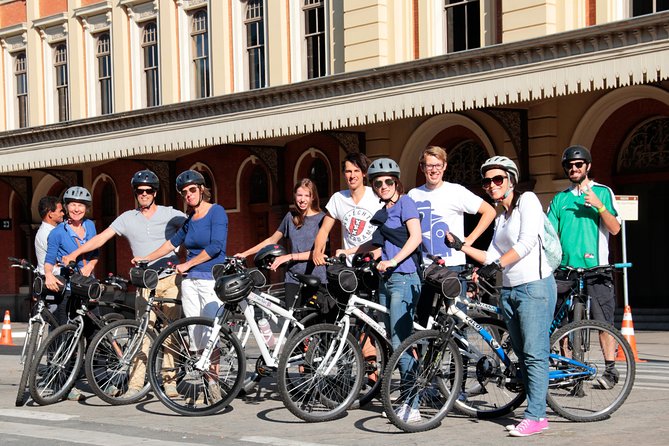
São Paulo makes you earn its shortcuts. This three-hour bike ride turns a huge, complicated city into a series of manageable neighborhoods, from coffee country in Vila Mariana to the Japanese district of Liberdade and the old downtown core. I like the way it combines city history with everyday street life, and I like that you see far more than you could on foot.
The route includes Paulista Avenue, the Cathedral, Pateo do Collegio, the Municipal Market, Praça Roosevelt, and several cultural centers. Guides such as Pedro, Juliana, Lucas, Arthur, and Renato have been praised for clear explanations and good judgment on busy streets. The main caution is simple: this is exercise, especially on a hot or humid day, and you should already feel comfortable riding a bike in traffic.
In This Review
- Key points at a glance
- Starting with coffee at Portinha 183
- Paulista Avenue connects business and culture
- Casa das Rosas recalls the coffee barons
- Downtown reveals the city’s many layers
- Cultural centers reward curiosity, not rushing
- The cathedral and market bring history and food together
- Luz and Liberdade show two different city stories
- Praça Roosevelt and Galeria do Rock finish the ride
- Is $85 a fair price?
- Fitness, safety, and weather matter
- Should you book the Secrets of Downtown São Paulo Bike Tour?
- FAQ
- Where does the São Paulo bike tour begin?
- Where does the tour end?
- How long does the bike tour last?
- How much does the tour cost?
- What is the minimum age?
- How many people can join the tour?
- Is food included?
- Do I need to be fit to join?
- What happens if the weather is poor?
Key points at a glance
- A long city route in only about three hours: Cover major sights across Paulista Avenue and downtown without spending the whole day walking.
- A useful mix of famous and local places: Ride past MASP and the cathedral, then pause in quieter squares, street-art areas, markets, and cultural spaces.
- Liberdade brings more than Japanese culture: The district also carries important Black history connected to slavery and abolitionist movements.
- Most riding uses bike lanes or calmer routes: Guides help with crossings and busy streets, though São Paulo traffic still demands attention.
- Portinha 183 adds a local food start: Coffee, pão de queijo, tapioca, brigadeiros, and sandwiches are available before the ride, but food is extra.
- Good for first-day orientation: You get history, architecture, food, neighborhoods, and practical insight into how São Paulo works.
Starting with coffee at Portinha 183
The tour begins at Portinha 183, a small café in Vila Mariana at R. França Pinto, 183. This is more than a place to collect a bicycle. It sets up one of the central themes of São Paulo: coffee helped shape the city’s money, architecture, and social order.
You can order specialty coffee along with Brazilian breakfast favorites. Warm pão de queijo, freshly made tapioca, brigadeiros, and sandwiches with local ingredients give you a useful introduction to São Paulo before you ride through it. The café stop lasts about 30 minutes, but admission to the tour does not include food or drinks.
I would arrive ready to eat if you have not had breakfast, but I would not count on a full meal being included in the $85 price. This opening stop works best as a relaxed start rather than a formal food tour.
More Sao Paulo city tours:
- Skydive Tandem – São Paulo – Brazil
★ 5.0 · 1,840 reviews - São Paulo’s Full Day City Tour: Main City Sights in 7 Hours – (Shared Group)
★ 5.0 · 1,691 reviews - 5-hour Private Tour Of São Paulo With Its Main Sights – Optional Airport Pickup
★ 5.0 · 643 reviews
Paulista Avenue connects business and culture
From Vila Mariana, the route reaches Avenida Paulista, São Paulo’s famous main artery. Banks and office towers share space with MASP, theaters, restaurants, museums, and public spaces. The avenue shows the city’s habit of putting serious business and street culture right next to each other.
The stop here is brief, about 10 minutes, so you should think of it as an orientation point rather than a museum visit. You can take photographs and get a sense of the avenue’s scale before moving on.
The timing of your ride matters. On Sundays, Paulista Avenue closes to cars, giving cyclists and pedestrians a much easier run. Street performers, small markets, and people simply enjoying the road add another layer to the experience. A Saturday ride can also be rewarding because Parque Minhocão, the elevated former highway, closes to cars during certain periods on weekends and evenings.
MASP and Japan House are important sights along Paulista Avenue, although the tour does not list admission to either as part of the timed stops. MASP is famous for its bold modernist building and collection of more than 10,000 works, covering European and Brazilian art from the Renaissance to the present. If you want to go inside, plan a separate visit.
Japan House offers a different view of São Paulo’s Japanese connection. Designed by Kengo Kuma, it uses hinoki wood and washi paper on its façade and presents exhibitions, events, a library, shop, and Aizomê restaurant. Admission is free, but your bike tour pause may not leave enough time to explore it properly.
Casa das Rosas recalls the coffee barons
Casa das Rosas is one of Paulista Avenue’s few surviving mansions from the period when coffee wealth shaped São Paulo society. Its name, House of Roses, suits the more domestic setting, which feels very different from the towers and traffic outside.
The stop lasts about 10 minutes and admission is included. That makes it one of the more useful short pauses on the route because you get a glimpse of the old elite world without committing to a long museum visit.
It also helps explain why São Paulo grew so quickly. Coffee money funded grand homes, railways, banks, and cultural institutions. The city’s modern financial power did not appear from nowhere. You see the older foundations beneath it.
Downtown reveals the city’s many layers
The ride then moves into the historic center, where the scenery changes quickly. Praça da República mixes early twentieth-century buildings with newer towers, and its weekend arts and crafts fair can add food, handmade goods, and local activity.
Farol Santander occupies a historic skyscraper completed in 1947. The former bank headquarters now houses exhibitions, workshops, interactive displays, and city views. The scheduled route does not give you enough time for a full visit, but the building helps show how banking and commerce shaped the center.
Praça Dom José Gaspar offers a calmer pause. Trees, cafés, and the Biblioteca Mário de Andrade give it a more local feel, with readers and students taking a break from the roads. The scheduled stop is only about five minutes, but that short pause matters on a bike tour. It lets you catch your breath without losing the rhythm of the day.
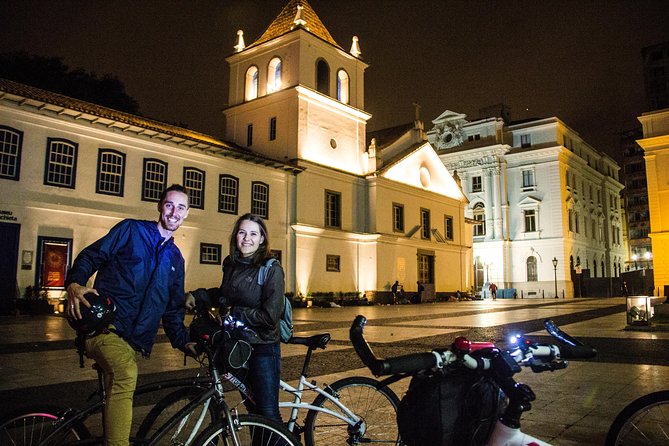
Pateo do Collegio is the historical anchor of the city center. Jesuit priests founded São Paulo here in 1554 with help from Indigenous people. The church, museum, and archaeological remains offer a direct link to the city’s earliest chapter.
The nearby buildings, old overpasses, and modern murals help your guide explain how a small settlement became one of the world’s largest cities. This is where a good guide adds real value. Pedro, Lucas, Juliana, Arthur, and the other guides have been praised for explaining not just monuments, but also present-day life and the difficult parts of São Paulo’s past.
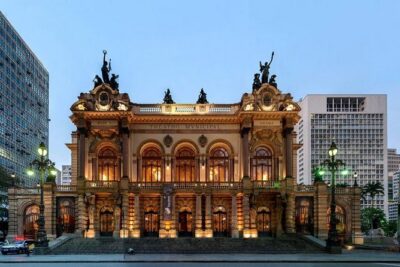
Theatro Municipal, opened in 1911, adds a grand European note. Its architecture recalls opera houses abroad, while its concerts, ballet, and opera connect the building to Brazil’s own cultural life. The stop is about five minutes, so you will see the exterior rather than attend a performance.
More bike tours in Sao Paulo:
- São Paulo: Downtown Historical Bike Tour
★ 4.9 · 191 reviews - Street Art and Park Bike Tour
★ 5.0 · 56 reviews - Sao Paulo: The Coolest Urban Scenes Bike Tour
★ 5.0 · 22 reviews - São Paulo: Street Art Bike Tour
★ 5.0 · 19 reviews
Cultural centers reward curiosity, not rushing
Centro Cultural Banco do Brasil occupies a restored historic building and offers exhibitions, films, theater, and lectures, often free or inexpensive. The tour allows about 10 minutes here, enough to see the setting and decide if you want to return later.
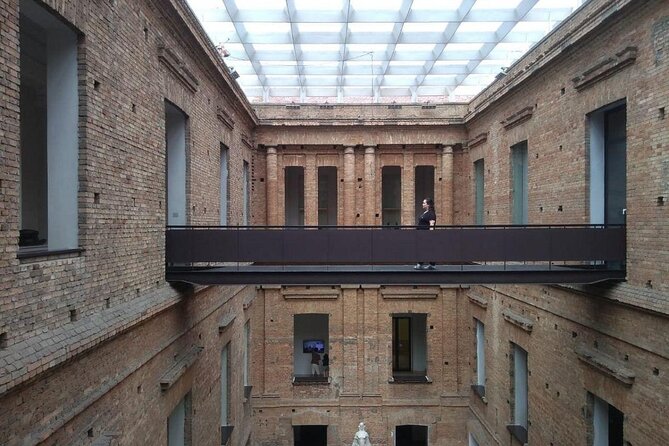
The route also points toward Pinacoteca de São Paulo, one of Brazil’s oldest major art museums. Its collection covers Brazilian art from classical work through contemporary pieces, and the museum occupies a restored nineteenth-century building. As with MASP and Farol Santander, a quick outside look cannot replace a proper visit.
Museu das Favelas adds a needed change in focus. Its exhibitions, educational work, and library explore the culture and identity of Brazil’s favelas, including the creativity and resilience of communities often pushed to the edge of official city stories. This stop can be especially valuable if you want more than a postcard view of São Paulo.
Parque Minhocão offers another look at ordinary urban life. The elevated route was built for cars but closes during certain evenings and weekends, allowing people to walk, cycle, skate, and relax above the streets. Its murals, apartment buildings, and rough-edged city views make it a strong place for photographs.
The route changes with traffic, weather, and the day of the week. One guide helped a group reach the subway with their bikes when heavy rain arrived near the end. That kind of practical decision matters more than a memorized speech.
The cathedral and market bring history and food together
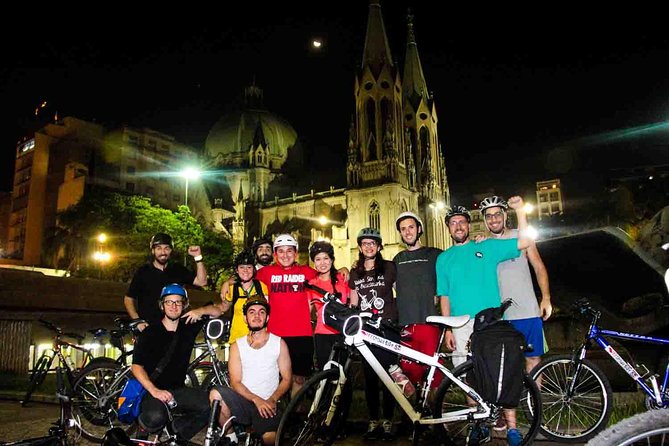
Catedral da Sé sits in the city’s main square and is one of Brazil’s largest churches. Its neo-Gothic design, stained glass, and crypt make it a major landmark, while Praça da Sé places the building in the middle of the historic center’s daily activity.
The stop lasts about 10 minutes and admission is free. You will have time for photographs and a quick look inside, but not necessarily a long, quiet examination of the crypt or interior.
Mercado Municipal de São Paulo is one of the tour’s most useful stops for food. The market is known for fresh produce, meat, Brazilian snacks, colorful stained glass, and the famous mortadella sandwich. The 20-minute pause gives you a chance to look around or buy something, but food is not included.
I would treat the market as a tasting opportunity, not lunch. A large sandwich can be awkward to eat before getting back on a bicycle, and the price of market food varies. Still, the stop gives you a direct sense of what São Paulo eats and sells, which is more memorable than another hurried photo of a building.
Luz and Liberdade show two different city stories
Parque da Luz is the oldest public park in São Paulo. Gardens, sculptures, and walking paths offer a break from the center’s hard surfaces, while nearby Estação da Luz adds an impressive piece of railway history.
The station opened in 1901 with Victorian architecture inspired by London’s St Pancras. It once served the coffee export economy and now remains an important transport hub, with the Museum of the Portuguese Language inside. You may not have time for the museum, but the station itself is worth looking up at.
Liberdade is famous for red lanterns, Asian markets, Japanese restaurants, and the largest Japanese community outside Japan. Its festivals and storefronts give the neighborhood a distinct visual identity, but the district’s story is broader than its Japanese image.
The name Liberdade means freedom, and the area also carries painful Black history. A pelourinho, or whipping post, once marked a place where enslaved Africans were punished and sold. The neighborhood later served as a gathering area for the Black community and abolitionist movements.
That contrast makes Liberdade one of the most important parts of the tour. You get food, architecture, and popular culture, but also a reminder that city districts collect many stories over time.
Praça Roosevelt and Galeria do Rock finish the ride
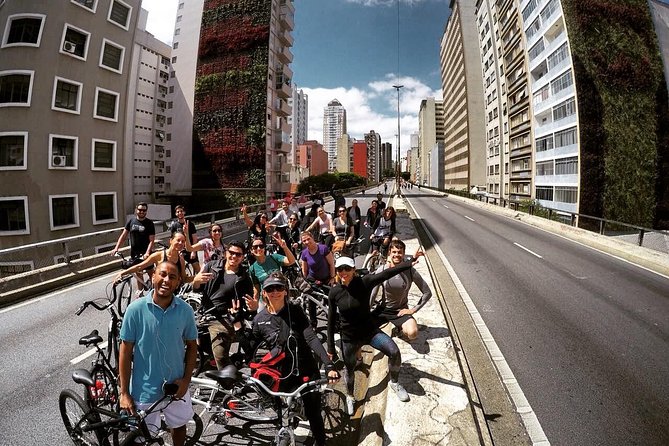
Praça Franklin Roosevelt brings you into São Paulo’s creative side. Skaters, artists, theaters, bars, and independent spaces give the square a different mood from the formal avenues and historic churches. The 10-minute stop is a chance to watch local life rather than simply check off a monument.
Galeria do Rock continues that theme. Opened in 1963, it began as Shopping Center Grandes Galerias and later became associated with rock, punk, hip-hop, skate culture, tattoos, records, and streetwear. You may find this more interesting than a standard shopping center because it reflects how young people shaped São Paulo’s alternative culture.
The tour returns to the original meeting point in Vila Mariana. In practice, the ride can feel longer than the advertised three hours and five minutes. One person described a ride of roughly four hours, while another called it a perfect three-hour tour, so allow some flexibility if you have a tight onward booking.
Is $85 a fair price?
At $85 per person, this is not the cheapest way to see São Paulo. You are paying for a bicycle, a guide, route planning, and the ability to cover a wide area without arranging several taxis or transit connections.
The value improves if you have limited time in the city. Walking between Paulista Avenue, Pateo do Collegio, Sé, the Municipal Market, Luz, Liberdade, and Praça Roosevelt would take far longer and leave you tired before seeing much. A car would cover the distance, but it would remove much of the street-level experience.
The price is less attractive if you want long museum visits, a substantial food tour, or a private guide with plenty of time at each landmark. The route offers many short stops, so you should think of it as a guided overview and orientation rather than a series of full admissions.
The group limit is 15 people. Some rides may be smaller, including private arrangements when only one person books, but the experience can vary depending on the group. The strongest value comes from a guide who adjusts the pace and explains the city well. Pedro, Juliana, Lucas, Arthur, Renato, Jefferson, and other guides have been praised for their warmth, flexibility, safety awareness, and ability to adapt explanations to individual interests.
Fitness, safety, and weather matter
You need to be a reasonably confident cyclist. The route often uses bike lanes, and guides have helped groups through busy crossings, but São Paulo is a huge city with real traffic and demanding streets.
Expect physical effort in heat and humidity. One parent found the ride suitable for a 17-year-old but noted that the conditions could be demanding. A bell would also be useful around pedestrians, so check the bicycle before leaving.
Rain can change the plan. The tour requires good weather, and poor conditions may lead to a new date or full refund. If rain begins during the ride, the guide may continue with rain gear or change the route, but you should not book this as a weather-proof activity.
The minimum age is 13, and most people can participate. I would choose it for active teenagers, couples, solo visitors, and friends who enjoy learning while moving. I would not choose it for anyone who dislikes city cycling, needs frequent long breaks, or wants a slow museum day.
Should you book the Secrets of Downtown São Paulo Bike Tour?
Book it if you want a fast, active introduction to São Paulo and can handle several hours on a bicycle. The route covers enough ground to help you understand how Paulista Avenue, the old center, Liberdade, Luz, markets, cultural buildings, and everyday neighborhoods fit together.
Choose a weekday for a more ordinary city rhythm, or a Sunday if riding on car-free Paulista Avenue appeals to you. Leave room afterward for a museum or meal because the short stops are meant to point you toward places worth returning to.
I would book this tour early, especially since it is often reserved more than two weeks ahead. Cancel at least 24 hours before departure for a full refund, and remember that cancellations inside that window are not refunded. If you want to see a large amount of São Paulo in limited time, this is a strong choice. If you want a quiet, deeply detailed visit to fewer sites, use the bike ride as an orientation and explore the best stops on your own afterward.
FAQ
Where does the São Paulo bike tour begin?
It begins at Portinha 183, located at R. França Pinto, 183, in Vila Mariana, São Paulo.
Where does the tour end?
The activity ends back at the meeting point in Vila Mariana.
How long does the bike tour last?
The advertised duration is approximately 3 hours and 5 minutes. Some rides may take longer depending on the route, group, weather, and stops.
How much does the tour cost?
The listed price is $85 per person.
What is the minimum age?
The minimum age is 13 years.
How many people can join the tour?
The maximum group size is 15 people.
Is food included?
No. Food and drinks at Portinha 183 and the Municipal Market are not included. You can buy coffee, Brazilian snacks, or market food separately.
Do I need to be fit to join?
Most people can participate, but you should be comfortable and competent on a bicycle. The ride can feel demanding in hot or humid conditions.
What happens if the weather is poor?
The experience requires good weather. If it is canceled because of poor conditions, you will be offered another date or a full refund. You can cancel for a full refund up to 24 hours before the start time.
Just added in Sao Paulo
- Private Transfer: GRU Airport to Sao Paulo City up to 15 People★ 5.0 · 12 reviews
- Private Transportation to Campos do Jordão – Premium Experience★ 5.0 · 1 review
- São Paulo Layover Tour from GRU AIRPORT | 06 hours of private tour★ 5.0 · 1 review
- Translate Airports SP★ 5.0 · 1 review
- 5-hour tour in the main points of São Paulo.★ 5.0 · 12 reviews
- Private Transfer from Sao Paulo (GRU) Airport to Aparecida Do Norte★ 5.0 · 1 review
- Private Transfer from Sao Paulo (GRU) Airport to Campos do Jordão★ 5.0 · 1 review
- (Sedan VIP Class) Transfer GRU Airport • São Paulo★ 5.0 · 6 reviews
São Paulo City Tours, compared.

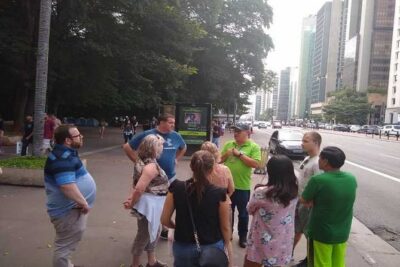
São Paulo’s Full Day City Tour: Main City Sights in 7 Hours – (Shared Group)
Read our review →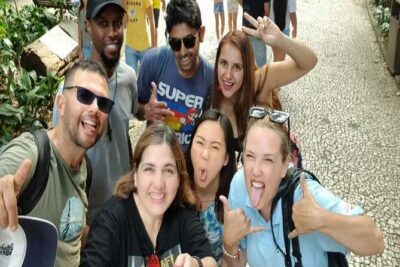
5-hour Private Tour Of São Paulo With Its Main Sights – Optional Airport Pickup
Read our review →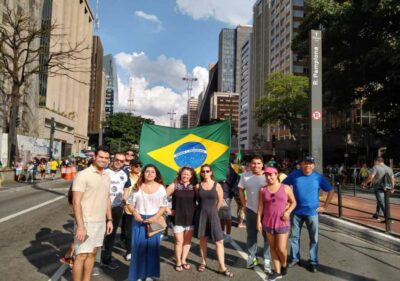
Main City Sights in 7 Hours – Shared Group Tour
Read our review →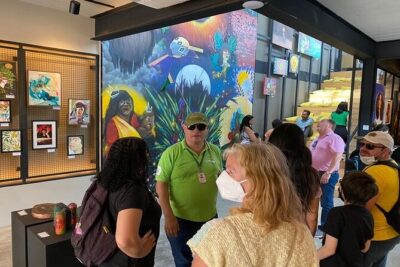
6-Hour Classic Half-Day Private Tour of São Paulo – Optional Airport Pickup
Read our review →
Amazing São Paulo overview in 4 or 5 hours with a private guide
Read our review →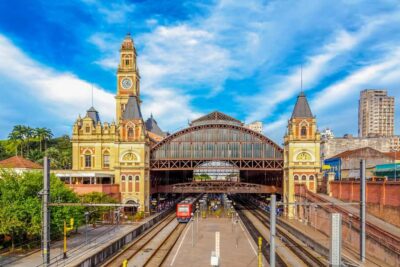
Browse the lists this tour appears in