
Reviewed · IGUAZU FALLS TOURS
Visit to Itaipu: Special Circuit
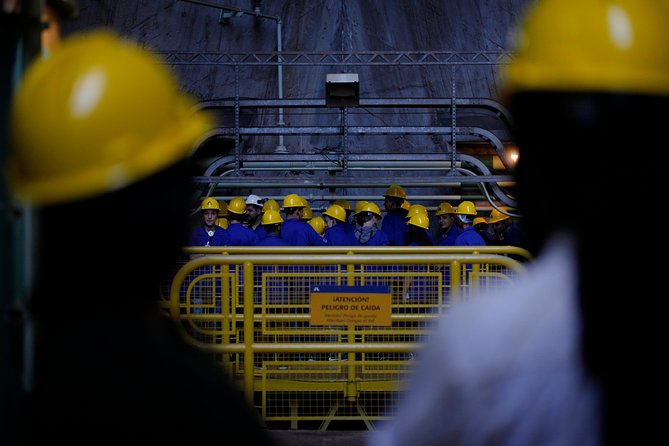
Itaipu is far more than a photo stop. This Special Circuit takes you inside one of the world’s great engineering projects, pairing broad dam views with working areas most visitors never see. I like the opening bilingual documentary because it gives the complex a clear frame, and I like the access to the Central Control Room and generating-unit gallery. The main drawback is that the tour costs $66.70 and does not include transport or food.
You’ll spend about two to three hours moving through seven stages by a water-supplied bus. The tour is a strong choice for anyone curious about power, construction, and the people who keep a huge facility running. It is less suitable if you want a quick scenic outing, since the focus here is technical and practical.
In This Review
- Key points to know before you book
- Why Itaipu deserves a full technical tour
- The bilingual documentary sets the scene
- Stop one: the spillway viewpoint
- Stop two: the Central Viewpoint
- Stop three: the concrete dam
- Stop four: the production building and its cathedrals
- Stop five: the Central Control Room
- Stop six: the water outlet channel
- Stop seven: the gallery of generating units
- What the bus adds to the visit
- Is $66.70 a fair price?
- Who should book the Special Circuit?
- Final call: choose the inside story
- FAQ
- Where does the Itaipu Special Circuit take place?
- How long does the Special Circuit last?
- What stops are included?
- Is admission included in the price?
- Is transportation to Itaipu included?
- Is food included?
- Can I cancel for a full refund?
Key points to know before you book
- Seven stops go beyond the usual dam viewpoint: You see the spillway, concrete structure, control room, water outlet channel, and more.
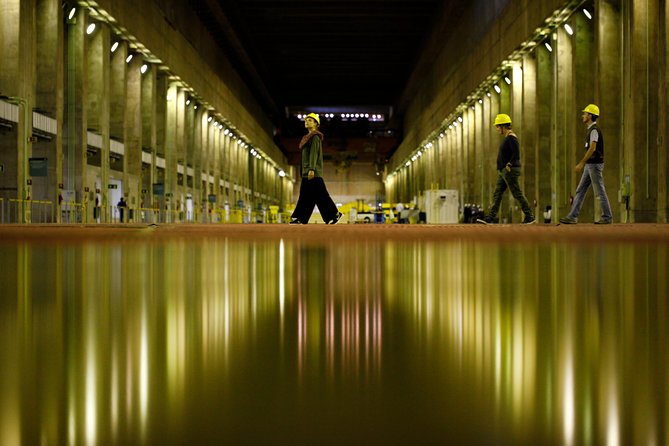
- The tour goes inside Itaipu: The generating-unit gallery and Central Control Room make this more than a standard bus circuit.
- A bilingual documentary comes first: It helps explain the project before you see its working parts.
- Water is provided on the bus: This is useful during a tour that keeps you moving around a large industrial site.
- Book ahead if the visit matters to you: The tour is booked about 11 days in advance on average, and one scheduled visit was canceled at the last moment.
- Transport and meals are extra: You need to arrange your own way to Itaipu and plan for food separately.
Why Itaipu deserves a full technical tour
Itaipu is the kind of place that can be hard to understand from a single overlook. You see an enormous concrete structure, a spillway, and a wide body of water, but the scale only begins to make sense when you learn how the parts connect.
This visit is designed to answer that question. It starts with a bilingual documentary, then uses a bus to carry you between seven points across the complex. That structure matters. Instead of treating Itaipu as one giant object, the tour breaks it into working sections and shows how each part fits into the whole.
I like this approach because it gives you both the human story and the machinery. The documentary provides the background, while the stops show the physical results. You are not simply looking at a dam from outside. You are seeing the places connected with water flow, power production, control, and construction.
The focus is technical, but it is not limited to engineers. The trip is open to most people, and the organization is built around a clear sequence. If you enjoy understanding how big public works operate, this is one of the more useful things to do in Foz do Iguacu.
More Iguazu Falls trips:
- Iguazu Falls: Full-Day Tour of Brazil & Argentina Sides
★ 4.9 · 1,542 reviews - Guided Expedition with Canoeing and Waterfalls in Iguaçu
★ 5.0 · 393 reviews - From Foz do Iguazu: Brazil Iguazu Falls & Macuco Safari Boat
★ 4.7 · 358 reviews
The bilingual documentary sets the scene
The first stage is a bilingual documentary about Itaipu. This is an important opening because the dam’s size can otherwise overwhelm the story.
The film gives you a basic introduction before the bus begins its route. You can use this time to learn the broad purpose of the complex and get a sense of the project’s development from construction to its current operation. A direct account of Itaipu’s past and present adds meaning to the concrete and machinery you see later.
I would pay attention here rather than treating the film as a formality. The later stops move quickly enough that having the basic context in mind will help you understand what you are seeing.
Since the documentary is bilingual, it also makes the opening more accessible to an international audience. The rest of the visit is presented as a guided technical tour, but the supplied details do not specify every language used by the guides. If language support is important to you, confirm that point before booking.
Stop one: the spillway viewpoint
The spillway viewpoint is your first major look at Itaipu’s water-management system. From here, you get a broad sense of the dam’s size and the role of the spillway in the larger complex.
This is the scenic moment of the tour, but it still serves a technical purpose. The viewpoint lets you connect the documentary’s explanation with the physical structure in front of you. You can see how the dam is not just a wall holding back water, but a carefully arranged system with separate functions.
Take in the full view before focusing on details. Itaipu’s scale is difficult to judge from close range, so this stop helps establish the big picture.
The limitation is simple: a viewpoint gives you a visual overview, not a close look at the machinery. That is why the next stops matter. The Special Circuit works best as a complete route, not as a collection of isolated photo opportunities.
Stop two: the Central Viewpoint
The Central Viewpoint offers another broad perspective, likely with a different angle on the complex and its major structures. The tour’s two viewpoints are useful because large industrial sites can look confusing when seen from only one direction.
I like having both a spillway view and a central view in the same visit. Together, they help you read the layout of Itaipu rather than simply admire its mass. You can compare the main sections and begin to see how water, concrete, and power production are linked.
The visit does not promise long, leisurely stops at each stage, so keep your expectations practical. This is an organized technical circuit, not a private photography tour. You will see a lot in a short period, but you may not have unlimited time at every viewpoint.
More things to do in Foz do Iguacu:
- Full Day Iguassu Falls Both Sides – Brazil and Argentina
★ 5.0 · 494 reviews - Full Day Iguassu Falls Both Sides -Argentina and Brazil
★ 5.0 · 358 reviews - Iguassu Waterfalls: 1 Day Tour Brazil and Argentina’s sides
★ 4.9 · 353 reviews - Hike through Secret Waterfalls in Foz do Iguaçu (Part-time – Morning)
★ 5.0 · 345 reviews
Stop three: the concrete dam
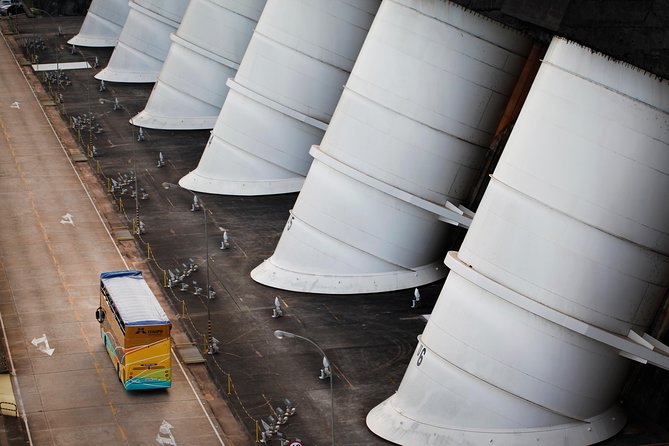
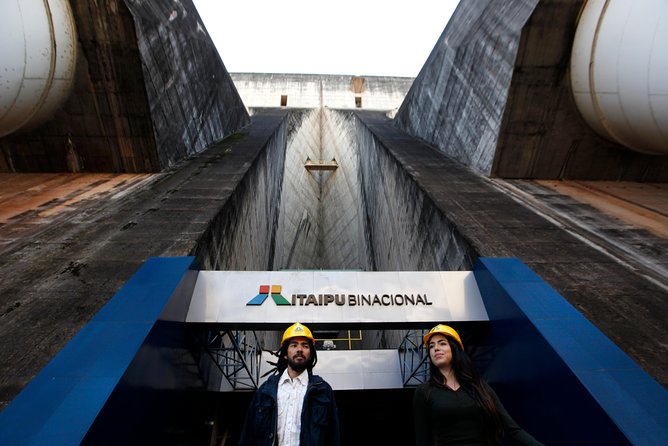
The concrete dam is where Itaipu’s construction becomes especially tangible. From a distance, concrete can look like an abstract part of the structure. Up close, it represents the physical labor, planning, and engineering required to build a project on this scale.
This stop gives the documentary a solid reference point. You can think back to the construction story while looking at the actual dam rather than a screen. The appeal is not only the size. It is the chance to understand that every section has a purpose in the operation of the complex.
Itaipu is often described in terms of grand numbers, but the concrete dam brings the visit back to material reality. You are looking at the built surface that contains and directs the force of the water.
Stop four: the production building and its cathedrals
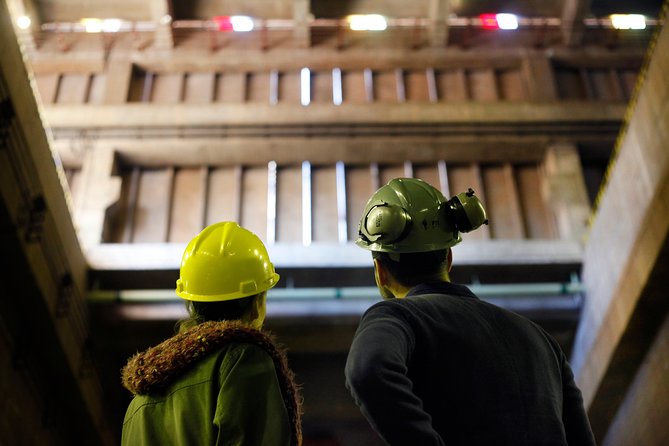
The production building is one of the most memorable parts of the circuit. It includes observation of the cathedrals, a description that captures the tall, cavernous feel associated with Itaipu’s generating spaces without turning the visit into a simple sightseeing ride.
This is where the industrial character of the tour becomes most striking. Instead of seeing only the outside of the dam, you are brought into the production side of the operation. The building shows how the project shifts from water management to power generation.
The word cathedrals is useful because it hints at the scale of the interior spaces. Still, do not expect a religious site or a decorative attraction. The interest comes from the height, structure, and purpose of the production building.
One of the strongest reasons to choose the Special Circuit is that you get to go inside. A standard exterior visit may show you the impressive shell of Itaipu, but the production building reveals the working heart behind it.
Stop five: the Central Control Room
The Central Control Room adds a human layer to the machinery. This is where the technical tour connects the dam’s physical structures with the people who monitor and manage its operation.
I particularly like this stop because it keeps Itaipu from feeling like an empty monument. Huge concrete forms and power systems need people, procedures, and constant attention. Seeing the control room helps you understand that the complex is an operating workplace, not merely a finished construction project.
The information provided does not promise a meeting with individual employees or a chance to ask staff questions, so keep that expectation in check. The tour does, however, bring you close to the working side of Itaipu and is described as a way to get close to the people who work there.
If you are interested in infrastructure, this may be the stop that justifies the higher ticket price. Views are available elsewhere in Foz do Iguacu. Access to a control room is much less ordinary.
Stop six: the water outlet channel
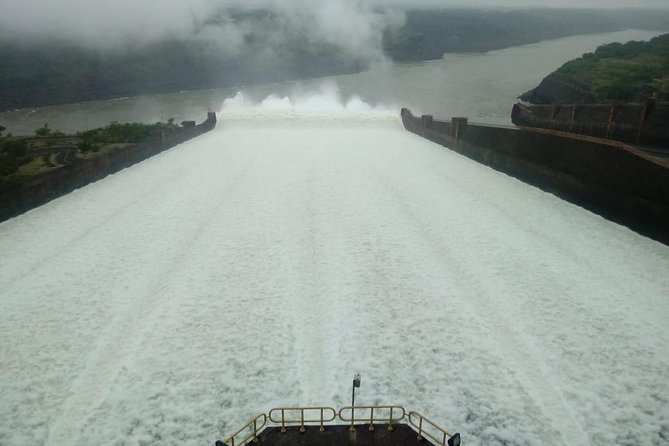
The water outlet channel shows another part of the journey taken by water through the Itaipu system. After learning about the dam and power production, this stage helps complete the route by showing where water goes after passing through the generating process.
It is a useful stop for anyone who wants to follow the system from beginning to end. The tour is not asking you to admire isolated structures. It is showing you a chain: water enters, the dam contains and directs it, the generating units use its force, and the outlet channel carries it onward.
This part may feel less dramatic than the viewpoints or interior production spaces. Its value is explanatory. If you want the clearest picture of how Itaipu works as a complete system, do not skip the quieter technical stops.
Stop seven: the gallery of generating units
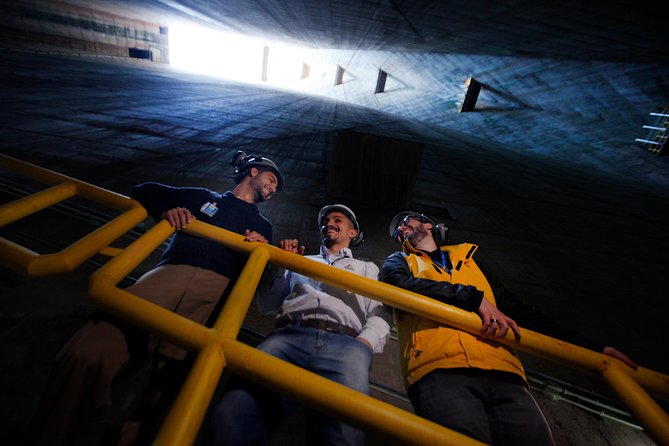
The gallery of generating units is the final major highlight. It brings you closest to the equipment at the center of Itaipu’s power-producing role.
The supplied details do not specify how many units you see or how long you remain in the gallery. Even so, the inclusion of this area makes the Special Circuit distinctly different from an exterior bus ride. You are moving from the public face of the dam toward the machinery that gives the project its purpose.
This stop also ties together nearly everything that came before. The viewpoints showed the scale. The concrete dam showed the structure. The production building and control room showed the working spaces. The gallery brings you to the units themselves.
For me, this is the kind of access that makes the visit feel worthwhile. You leave with a clearer sense of how Itaipu changes from a massive construction project into a functioning power facility.
What the bus adds to the visit
The tour bus is not just a ride between attractions. Itaipu is too large for a compact walking route, so the bus makes it possible to cover the seven stages within roughly two to three hours.
Bottled water is provided on the bus, which is a small but useful inclusion. You do not need to purchase water during the circuit, although the tour does not include brunch or any other meal.
The bus also gives the visit a steady rhythm. You move from a broad view to an interior space, then to another technical point, rather than spending the whole time in one area. For most people, that makes the scale easier to absorb.
The trade-off is limited independence. You follow the planned sequence and timing, so this is not the right choice if you want to linger wherever you like. The structure is efficient, but it is not flexible.
Is $66.70 a fair price?
At $66.70 per person, this is not the cheapest way to see Itaipu. The value depends on what you want from the visit.
If your goal is simply to photograph the dam from outside, the Special Circuit may feel like too much. You are paying for the technical route, interior access, organized transport around the site, the bilingual documentary, and the chance to see areas such as the Central Control Room and generating-unit gallery.
I think the price is easier to justify if Itaipu is one of your main reasons for visiting Foz do Iguacu. The extra access changes the character of the outing. You are not just looking at an impressive building. You are following its systems and seeing the inside of a major working facility.
Remember to add the cost and time of getting to Itaipu yourself. Transportation to the location is not included, and no meal is provided. Bottled water on the bus is included, but you should plan food separately if the tour fits across a meal period.
Who should book the Special Circuit?
I would recommend this tour to you if you enjoy engineering, public works, energy, construction, or industrial design. It also suits anyone who wants more than the standard exterior view and is willing to spend two to three hours on a structured visit.
Families can also find it interesting, especially if children respond well to large machines and practical explanations. Most people can participate, according to the available details, but the tour information does not provide a full mobility description. If you have specific access needs, ask the operator before booking.
This is less ideal for you if you want a relaxed meal, a short stop, or a purely scenic outing. The route has a technical purpose, and some stages may appeal more to curious minds than to people seeking only dramatic photographs.
I would also avoid leaving this booking until the last minute. The average booking point is about 11 days ahead, and one scheduled visit was canceled the day before and replaced with a bus tour that did not include the expected interior access. That situation appears to have been unusual, but it shows why you should confirm the exact circuit before setting your plans around it.
Free cancellation is available up to 24 hours before the start time for a full refund. Less than 24 hours before departure, refunds and changes are not accepted. Poor weather or failure to reach the minimum number of participants can lead to a new date, another experience, or a full refund.
Final call: choose the inside story
Book the Special Circuit if you want to understand Itaipu rather than simply see it. The seven-stage route, interior access, documentary, and working areas give you a fuller picture of the dam’s purpose and daily operation.
Skip it if your schedule is tight or you only want an exterior view. But if you have room for two to three hours and can arrange your own transport, $66.70 is a reasonable price for a closer look at one of Foz do Iguacu’s most important sights.
FAQ
Where does the Itaipu Special Circuit take place?
The tour takes place at Itaipu Dam in Foz do Iguacu, Brazil.
How long does the Special Circuit last?
The visit lasts approximately two to three hours.
What stops are included?
The route includes the Spillway Viewpoint, Central Viewpoint, Concrete Dam, Production Building for observation of the cathedrals, Central Control Room, Water Outlet Channel, and Gallery of Generating Units.
Is admission included in the price?
Yes. The Special Circuit ticket for Itaipu is included.
Is transportation to Itaipu included?
No. Transportation to the location is not included, so you need to arrange your own way to the meeting point.
Is food included?
No meals or brunch are included. Bottled water is provided on the bus.
Can I cancel for a full refund?
You can cancel for a full refund if you do so at least 24 hours before the experience start time. Cancellations or changes made less than 24 hours before the start time are not accepted for a refund.
Just added in Foz do Iguacu
- Visit to the historical Landmark of the Three Frontiers with beautiful sunset★ 4.5 · 7 reviews
- Iguazu Falls: Private Half-Day Tour Brasilian side★ 5.0 · 29 reviews
- Yoga & Mindfulness★ 5.0 · 14 reviews
- Private transport with guide to the Falls on the Argentinean side.★ 5.0 · 35 reviews
- Iguazu Falls TwoDaytour(Brazil+Argentina(Private Solo/Group Solo)★ 5.0 · 8 reviews
- Complete Adventure through Iguaçu Park, Bird Park and Boat Tour★ 5.0 · 1 review
- Dreams Park Show – Combo of all attractions! Amazing!★ 4.0 · 17 reviews
- Transfer from Foz de Iguazu Airport to Hotels on the Argentine side★ 5.0 · 3 reviews
Iguazu Falls Tours, compared.

Iguazu Falls: Full-Day Tour of Brazil & Argentina Sides
Read our review →
Guided Expedition with Canoeing and Waterfalls in Iguaçu
Read our review →
Hike through Secret Waterfalls in Foz do Iguaçu (Part-time – Morning)
Read our review →
Full Day Hike through Secret Waterfalls in Foz do Iguaçu
Read our review →
Day Trip to the Argentinian Side of Iguassu Falls from Foz do Iguaçu
Read our review →
Private Tour: 2Day to Both Sides of Iguazu Falls
Read our review →
Itaipu Dam Tour with Admission Ticket from Foz do Iguaçu
Read our review →Browse the lists this tour appears in