
Reviewed · HISTORICAL TOURS
A Self-Guided Black History Audio Tour of Rio de Janeiro’s Little Africa
History speaks here. This self-guided walk introduces you to Rio de Janeiro’s Little Africa through the VoiceMap app, linking Praça Mauá with Pedra do Sal, the old port area, and Eduardo Kobra’s Etnias murals. I like the freedom to pause whenever you wish, and I like that offline maps and audio are included. The main drawback is that the advertised 40 minutes may not be enough if you stop for photos, drinks, or extra time at the sites.
You begin outside the Museu de Arte do Rio and finish at the colorful Kobra murals near the waterfront. I also appreciate the modest $11.99 price, especially for a private experience that gives you lifetime access instead of tying you to a fixed departure time. Still, you need your own smartphone and headphones, and the tour is available in English only.
In This Review
- Key points at a glance
- Why Little Africa gives this walk its purpose
- Beginning outside the Museu de Arte do Rio
- A square that connects Rio to the history of slavery
- Pedra do Sal, a cultural stop with a different mood
- The Old Port and the physical memory of slavery
- Ending with Eduardo Kobra’s Etnias murals
- What the VoiceMap format does well
- Is $11.99 a fair price?
- Who should choose this Little Africa audio walk?
- Final verdict: a useful, low-cost introduction
- FAQ
- Where does the audio tour start?
- Where does the tour end?
- How long does the tour take?
- What language is available?
- What does the price include?
- Do I need to bring my own phone and headphones?
- Are museum tickets and transportation included?
Key points at a glance
- Start at Praça Mauá: The tour opens with Rio’s wider story and an introduction to the Museu de Arte do Rio.
- Focus on the history of slavery: Stops in the square and by the Old Port connect the modern waterfront with the forced migration of enslaved people.
- Pause at Pedra do Sal: This important cultural gathering place gives the walk a strong connection to Afro-Brazilian culture.
- Use the route at your own speed: VoiceMap supplies audio, maps, and geodata for offline use.
- Allow more than 40 minutes: A stop at Da Pedro, photo breaks, or interest in the nightlife can stretch the outing.
- Finish at Etnias: Eduardo Kobra’s large murals provide a memorable final stop and an easy place to end the walk.
Why Little Africa gives this walk its purpose
Rio’s Little Africa is not just a collection of old streets and photo stops. The route places you in an area shaped by the arrival, enslavement, labor, and cultural influence of Africans in Brazil. That makes the audio more useful than a simple sightseeing loop.
You are not being rushed from one attraction to the next. Instead, the tour uses a handful of locations to explain how Rio developed and how the port area became linked to the history of slavery. The format suits you if you prefer context while looking at the place itself, rather than reading a long article later.
The experience is self-guided, so the quality of your visit depends partly on how you use it. Keep the audio running as you walk, but pause when a site deserves more time. You can also stop for a drink at Da Pedro. One practical warning: the 40-minute estimate is best treated as a minimum for a focused walk, not a strict appointment.
More History Tours in Rio de Janeiro
- Rio de Janeiro Historical Center Walking Tour
★ 4.5 · 336 reviews - Private Walking and Cultural Tour Rocinha-Rio de Janeiro
★ 5.0 · 239 reviews - Discover Rio Little Africa: A Cultural and Historical Journey
★ 5.0 · 238 reviews
Beginning outside the Museu de Arte do Rio
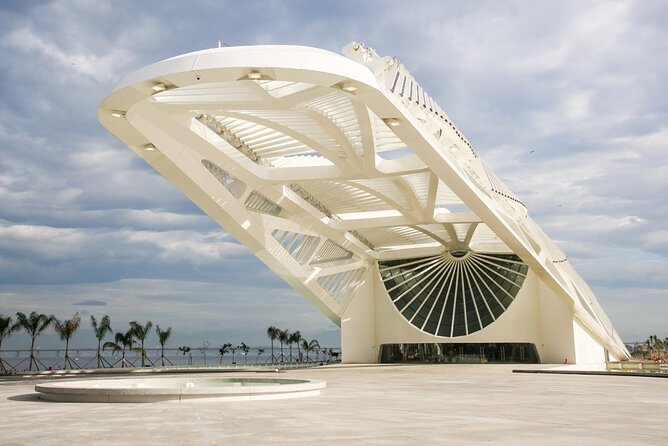
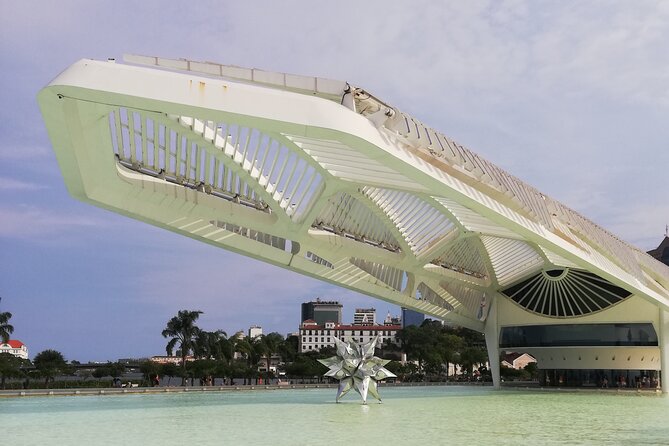
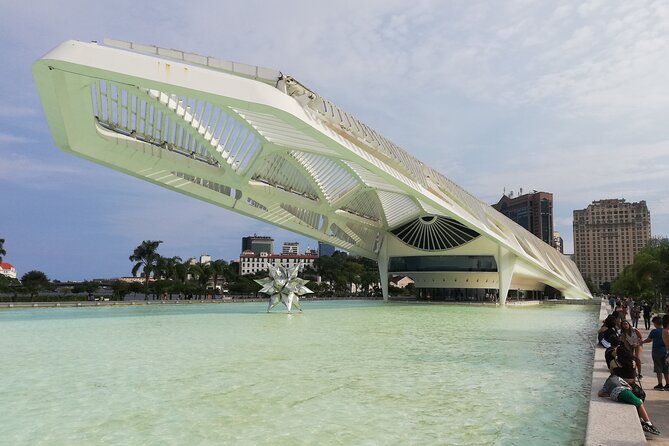
The tour starts at Praça Mauá, outside the Museu de Arte do Rio. This gives you a clear public meeting point and a useful first landmark. The opening audio explains the history of Rio and introduces the museum before sending you onward.
That opening matters because it gives the rest of the route a frame. You are not simply hearing isolated facts about a square, a rock, and some murals. You first get a broad sense of the city, then move into the specific story of Little Africa and the port.
You do not need to enter the museum for the audio tour. Any museum admission or attraction ticket is separate, so you can keep the cost at $11.99 if you only want the outdoor route. If you already plan to visit the Museu de Arte do Rio, you can treat the tour as a useful companion rather than a replacement for the museum.
Praça Mauá is also a sensible place to check your phone, connect to the route, and make sure your headphones are working. Since your device and headphones are not supplied, handle that before you begin. Downloading the audio, map, and geodata in advance is wise, even though offline access is included.
A square that connects Rio to the history of slavery
The next stop is a brief pause in a square where the audio discusses the history of enslaved people. The stop is short, but its subject gives the route much of its weight.
This is where you should listen carefully instead of treating the tour as background sound. The point is not only what you can see in the square today. The narration helps you consider the people and systems connected to Rio’s port, and it links the ordinary public space around you with a painful part of Brazil’s past.
Because the tour is self-guided, you can replay the section if you want more time with the subject. That is one of the better reasons to choose an audio format. A live guide may need to keep the group moving, while you can pause, reflect, or continue when ready.
The limitation is equally clear. A short audio stop cannot provide the same depth as a museum visit, a longer lecture, or a specialist walking tour. You get an accessible introduction, not an entire course on slavery in Brazil. For many people, that is the right balance during a city visit, but history-focused visitors may want to add another source.
Pedra do Sal, a cultural stop with a different mood
The route then reaches Pedra do Sal square. The audio explains why this place became an important cultural hub before guiding you onward.
This stop helps widen the story beyond suffering and port history. Little Africa is also connected to community, music, gathering, and cultural life. Pedra do Sal gives the walk a more social dimension, showing how a place can carry historical meaning while remaining part of present-day Rio.
I would give yourself extra time here if the setting catches your interest. The tour is designed to move on after a short stop, but the whole point of a self-guided route is that you do not have to obey that pace. The supplied experience includes no food or drink, yet the route can accommodate a refreshment break. Da Pedro is specifically useful if you want to stop for drinks, and it may lead you to return later for the nightlife.
That detail also explains why the complete outing may take longer than 40 minutes. The stated duration is about 40 minutes to one hour, but a drink, photographs, repeated audio, or a slower pace can extend it. You should not book this expecting a tightly timed transfer to another activity.
A completely different kind of day:
- Rio de Janeiro: 6-Stop Highlights of Rio with Lunch
★ 4.4 · 5,157 reviews - Christ the Redeemer Entry Ticket by Corcovado Train
★ 4.4 · 4,476 reviews - Rio’s City Tour – Tickets for Christ, Sugar Loaf & Lunch included
★ 5.0 · 4,389 reviews - Full Day: Christ Redeemer, Sugarloaf, City Tour & Barbecue Lunch
★ 4.5 · 3,142 reviews
The Old Port and the physical memory of slavery
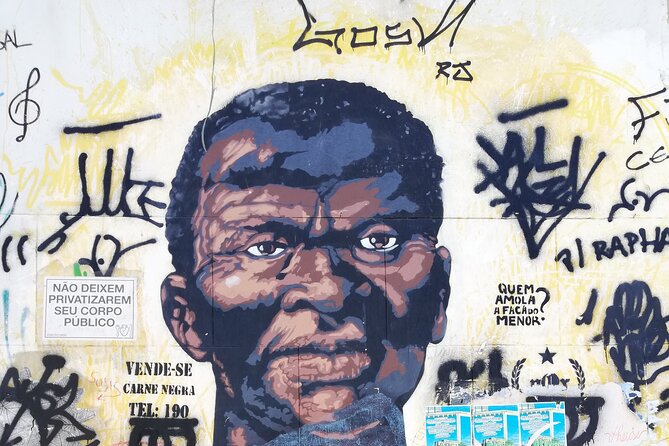
A short stop in front of the remains of the Old Port brings the subject of slavery back into direct focus. Here, the narration discusses the history of enslaved people in relation to the port.
This is one of the route’s most important connections. The earlier square introduces the subject, Pedra do Sal adds cultural context, and the old port points to the infrastructure through which people and goods moved. You hear the story while standing near the remains rather than encountering it as an abstract chapter in a guidebook.
The stop is brief, so use the pause well. Look at the remains, listen to the full audio, and avoid rushing ahead just because the next point is nearby. The route works best when you let each location do its job.
You should also keep your expectations realistic. The provided details do not promise museum interiors, displays, or a long presentation at the Old Port. This is an outdoor audio stop, and its value comes from the setting and narration working together.
Ending with Eduardo Kobra’s Etnias murals
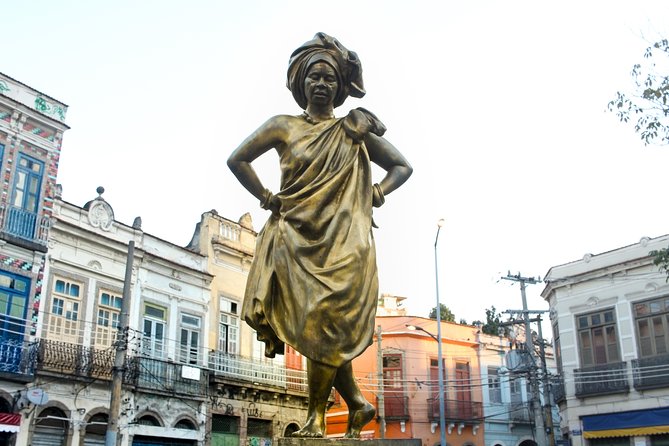
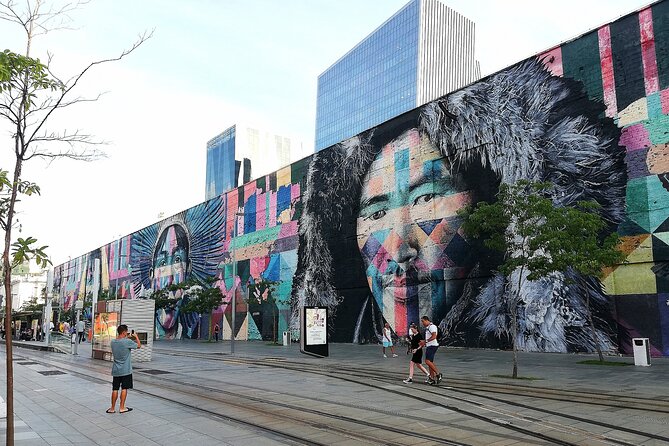
The walk finishes in front of the Etnias murals by Eduardo Kobra, along Orla Prefeito Luiz Paulo Conde. These large murals give the experience a strong visual ending after several stops focused on history and memory.
The final location changes the tone without breaking the route’s connection to culture. After listening to accounts of Rio, slavery, and Little Africa, you end with contemporary public art. The murals are an easy place to recognize as the finish, and they give you a natural reason to stop, take photographs, and consider the route as a whole.
The murals are outside, so you do not need an attraction ticket simply to reach the ending point. The listed access hours run from midnight to midnight, Monday through Sunday, which makes the end location flexible. The tour itself is not tied to a guide’s schedule, so you can begin and finish when it suits your day.
Still, you should not assume every stop has unlimited time or that the audio will keep playing automatically if you wander far from the route. Follow the map and geodata in the app, and keep your phone charged. Offline access helps with signal problems, but it does not replace a working device.
What the VoiceMap format does well
The VoiceMap app is the main tool for the experience. It works on Android and iOS and provides the audio, map, and geodata offline. That combination is valuable in practical terms: you can follow the route without depending on a live guide, a group meeting time, or a strong mobile connection.
I like the way this format gives you control. You can pause to look around, replay a passage, stop for a drink, or move at a quicker pace if you are short on time. The private setup also means only your group participates, rather than a larger crowd with mixed interests.
The trade-off is that you are responsible for navigation and equipment. You need to bring a smartphone and headphones, and you need to make sure the tour is ready before setting out. If you prefer asking questions as you walk, a live guide may suit you better.
The tour is offered in English. That is helpful for English-speaking visitors, but there is no language choice listed beyond English. Confirmation arrives at booking, and the purchase includes lifetime access, so you can return to the audio later if you want to review a section or repeat the walk.
Is $11.99 a fair price?
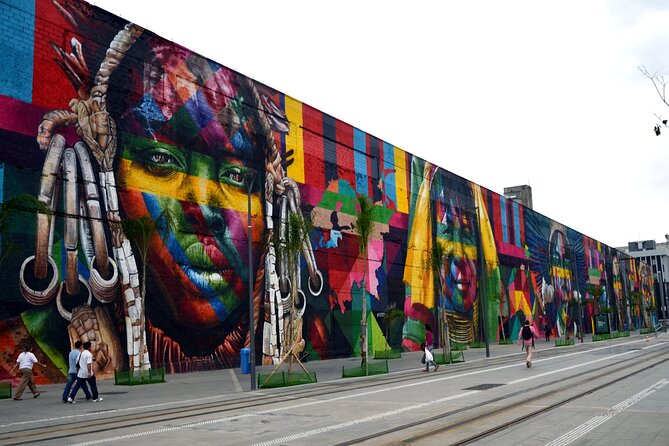
At $11.99 per person, this is a low-cost way to add structure and historical context to a visit around the waterfront. You receive lifetime access, an app for two major phone systems, and offline audio, maps, and geodata. You are also paying for a private experience, since no other group joins you.
The value is strongest if you want an independent walk and would otherwise explore the area with only general guidebook information. It is less compelling if you already have a guide, plan to spend hours inside museums, or want detailed answers about every historical site.
Remember that the $11.99 does not include museum admission, other attraction fees, transportation, food, or drinks. Those exclusions are reasonable for an outdoor route, but they affect your total budget if you add stops along the way.
The non-refundable booking terms also call for care. Once purchased, the experience cannot be changed or refunded if you cancel or request an amendment. Check your schedule, phone compatibility, and interest in the route before paying.
Who should choose this Little Africa audio walk?
I would recommend it to you if you want a short introduction to Rio’s African heritage without committing to a half-day tour. It suits independent visitors, couples, families, and small private groups who prefer to set their own pace.
It is particularly useful if you enjoy walking through a city while listening to a story tied to the places around you. The route has enough variety to hold attention: a museum exterior, a public square, Pedra do Sal, old port remains, and contemporary murals.
You may want something else if you need a guide who can answer questions, if you do not use smartphone apps comfortably, or if you want extensive time at indoor attractions. This is a focused audio experience, not a full city tour.
Plan on roughly one hour for the core route, then add time for photos or a drink at Da Pedro. If you are curious about the nightlife around Pedra do Sal, you may prefer to return later rather than force that part into the daytime walk.
Final verdict: a useful, low-cost introduction
This Little Africa audio tour offers a clear route through a significant part of Rio, with slavery, port history, Afro-Brazilian culture, and public art all linked in one outing. Its best features are freedom of pace, offline access, and a low price that includes lifetime use.
I would book it if you want historical context but do not need a live guide. Bring charged phones and headphones, download the material before starting, and allow more time than the shortest estimate. Skip it if you want a long, detailed lecture or guaranteed personal answers at each stop.
FAQ
Where does the audio tour start?
It starts at Praça Mauá, outside the Museu de Arte do Rio in Rio de Janeiro.
Where does the tour end?
It ends in front of the Etnias murals by Eduardo Kobra, along Orla Prefeito Luiz Paulo Conde in central Rio.
How long does the tour take?
The approximate duration is 40 minutes to one hour. You may need longer if you stop for drinks, photos, or extra time at the sites.
What language is available?
The tour is offered in English.
What does the price include?
The $11.99 price includes lifetime access in English, the VoiceMap app for Android and iOS, and offline access to the audio, maps, and geodata.
Do I need to bring my own phone and headphones?
Yes. A smartphone and headphones are not included.
Are museum tickets and transportation included?
No. Museum or attraction admission, transportation, food, and drinks are separate.
More Self-guided Walks in Rio de Janeiro
- Belo Horizonte Scavenger Hunt and Sights Self-Guided Tour
★ 5.0 · 1 review
Just added in Rio de Janeiro
- Garganta do Ceu Cave Hiking Private Tour on Pedra da Gavea★ 4.5 · 3 reviews
- Gastronomic Tour at the Municipal Market in Rio de Janeiro★ 5.0 · 4 reviews
- Full Day Tour in Rio de Janeiro★ 5.0 · 8 reviews
- GIG Airport Transfer x Rio de Janeiro Hotels★ 4.5 · 11 reviews
- Rio de Janeiro private Full day Custom Tours★ 5.0 · 35 reviews
- Christ the Redeemer – Complete Morning Tour with Ticket and Transport at the Hotel★ 3.5 · 4 reviews
- AquaRio, Museum, Boulevard Olimpico, Ferris Wheel, Transport and Tourism Guide.★ 4.0 · 6 reviews
- Personalized and Private Full-Day Tour in Rio de Janeiro★ 5.0 · 6 reviews
Historical Tours, compared.



Private Walking and Cultural Tour Rocinha-Rio de Janeiro
Read our review →
Discover Rio Little Africa: A Cultural and Historical Journey
Read our review →


Scenic Train ride to historical cities of Morretes and Antonina
Read our review →
Browse the lists this tour appears in