
Reviewed · FAVELA TOURS
Favela Tour The Original, Rocinha & Vila Canoas since 1992
Rio has another story to tell. The Favela Tour connects you with Rocinha and Vila Canoas through local streets, community projects, and clear explanations of Brazil’s social divisions. I like the friendly, non-voyeuristic approach and the way tour fees support a community school and other local work. I also like the sweeping views over Rio, which give you a sharp sense of how the favelas fit into the city.
The main caution is that language arrangements and access to Rocinha need confirming before you go. A recent Italian-language booking had to be moved, and one scheduled visit did not enter Rocinha because of a disagreement over a local fee. Confirm the route and language directly with the operator by phone, email, or WhatsApp.
In This Review
- Key points about the three-hour favela visit
- Why this Rio tour is worth your time
- Pickup from Rio’s South Zone
- Rocinha, Brazil’s largest favela
- Vila Canoas and the smaller-scale contrast
- The school, handicrafts, and local projects
- Guides, language, and the quality of the explanation
- Safety, respect, and the right attitude
- Rio’s panoramic views from the hills
- Is $33 a fair price?
- Who should book this experience?
- Final call on Favela Tour
- FAQ
- How long does the Favela Tour last?
- Which favelas does the tour visit?
- Is transportation included?
- Where can I be picked up and dropped off?
- Which languages are available?
- What places are included during the walking portion?
- Should I visit a favela independently?
- What should I bring?
Key points about the three-hour favela visit

- Two very different communities: Visit Rocinha, Brazil’s largest favela, and Vila Canoas in one compact tour.
- Community-minded format: See a school financed by Favela Tour, a handicraft center, local projects, homes, shops, and a local bar.
- A walking tour from the moment pickup begins: Transportation is included, but much of the experience takes place on foot in narrow streets and alleyways.
- Strong guides are central to the experience: English, French, Spanish, Italian, and Portuguese tours are available, with guides such as Mateo and Francesco praised for clear explanations.
- Fine views come with useful context: Hillside overlooks help you understand Rio’s physical and social contrasts.
- Good value at $33: The price includes transport, a three-hour guided visit, and support for educational work, though you should bring money for drinks, snacks, and crafts.
Why this Rio tour is worth your time
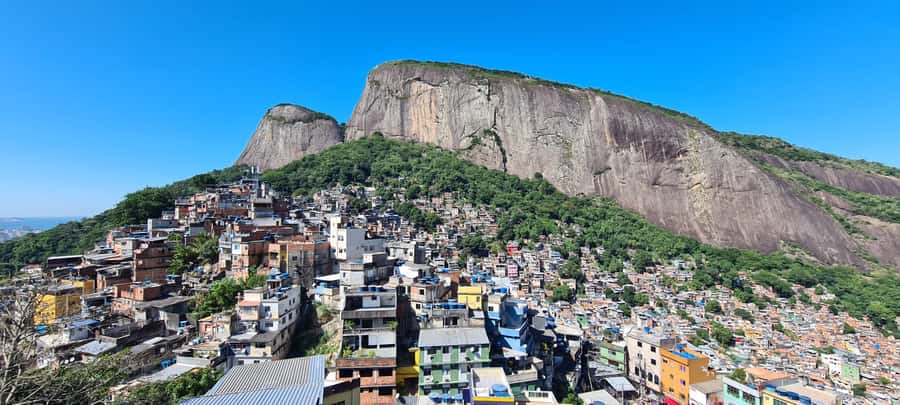
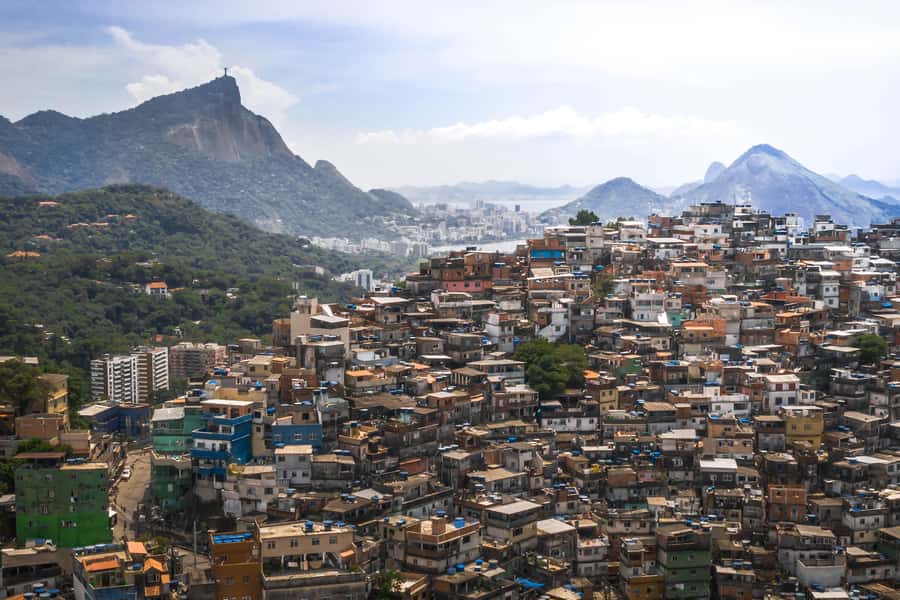
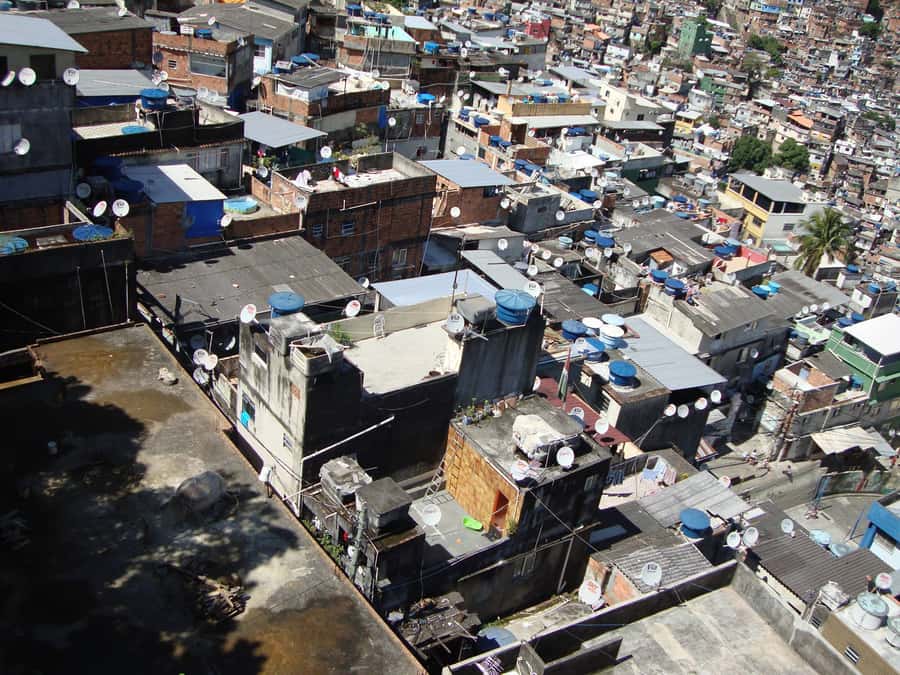
Many visitors see Rio’s favelas from a distance, often as clusters of houses climbing the hills behind the famous beaches. From afar, they can look like a single block of buildings. Up close, Rocinha and Vila Canoas reveal a much more complex picture, with homes, stores, workshops, schools, footpaths, and active community life.
That change in viewpoint is the real purpose of this tour. You are not simply being taken somewhere unusual to take pictures. You are given background on how favelas developed, why so many sit on hillsides or former public land, and how they fit into Brazil’s economic and political structure.
Rio has close to 1,000 favelas, and they are home to about 20 percent of the city’s population. Those figures matter because they show that favelas are not a small side issue. They are a major part of Rio, yet many people who live elsewhere in the city rarely enter them.
I like that the tour tries to replace fear and guesswork with direct contact and explanation. It does not pretend that life is easy or that every problem has been solved. Instead, it presents both the positive sides and the serious challenges.
More Favela Tours in Rio De Janeiro:
- Rio de Janeiro: Rocinha Favela Walking Tour with Local Guide
★ 4.8 · 3,052 reviews - Rio De Janeiro: Half-Day Rocinha Favela Walking Tour
★ 4.7 · 2,272 reviews - 3 Hour Rocinha Favela Walking Tour with a Local Guide
★ 5.0 · 833 reviews
Pickup from Rio’s South Zone
The tour includes transportation from most hotels in the South Zone, with pickup points serving Leme, Copacabana, Ipanema, Leblon, and São Conrado. In practice, you may be asked to meet at a particular hotel, often near the beachfront, rather than receive a pickup at your exact accommodation.
This is a small but important planning detail. The pickup area contains many hotels, and the operator uses regular meeting points to keep the route workable. Confirm your meeting place before the day of the tour instead of assuming the vehicle will find you automatically.
The drive is part of the introduction. The tour does not begin only when you enter Rocinha. Information starts as soon as you board the vehicle, so pay attention during the ride. You will get context about the communities, Rio’s contrasts, and the social issues that shape what you are about to see.
The tour lasts about three hours from pickup to drop-off. That makes it easy to fit into a day that also includes beaches, Sugarloaf Mountain, Christ the Redeemer, or other major sights. Drop-off is available around São Conrado, Ipanema, Leblon, and Copacabana Beach.
Rocinha, Brazil’s largest favela
Rocinha is the main stop and the largest favela in Brazil. Its size gives you a sense of scale that a quick drive past a hillside settlement cannot provide.
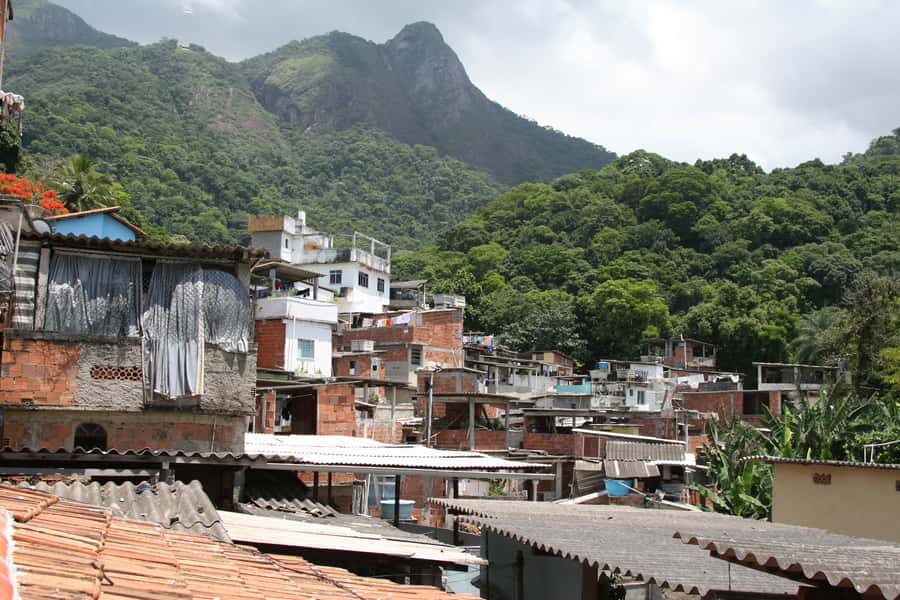
You will walk through alleyways and see both residential and commercial areas. This is where the tour becomes more useful than a scenic overlook. You can observe how daily business and home life share limited space, and how the built environment has developed in a dense hillside setting.
The architecture is one of the most striking parts. Houses and additions appear in layers, with narrow routes connecting different levels. From one viewpoint, the area may look disorderly. With a guide explaining its growth and social setting, you begin to see adaptation rather than just clutter.
The commercial activity also matters. Shops and services are part of normal daily life, not a stage arranged for an outside audience. The tour’s stated aim is to bring you through local residential and commercial areas while treating residents as participants in the visit, not scenery.
That distinction is important. You should behave as you would in any neighborhood. Listen first, avoid turning people into subjects without permission, and follow the guide’s directions about photography. The tour promises a respectful setting, but your conduct still shapes the experience.
Vila Canoas and the smaller-scale contrast
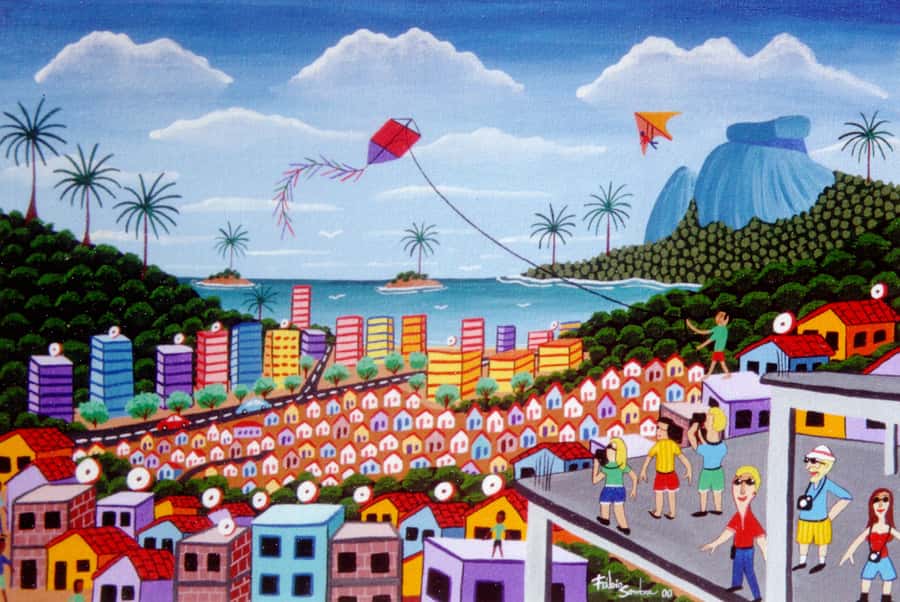
The visit to Vila Canoas adds a second point of comparison. Seeing two communities in one outing helps you avoid treating all favelas as identical.
Rocinha is known for its size. Vila Canoas offers a different look at community organization and local life. The tour uses both places to explain how favelas differ while sharing some broader issues, including limited space, uneven public services, and strong neighborhood networks.
I find this two-community structure especially useful for first-time visitors to Rio. One location alone can leave you with a narrow impression. Two stops make it easier to notice differences in scale, layout, and atmosphere.
The tour also includes a visit to a local bar. That stop adds a simple social setting to the walking route. It gives you a chance to pause, take in the surroundings, and see a community business as part of ordinary life rather than as a tourist attraction.
Bring extra money if you want a drink, snack, or handicraft. Those purchases are not included in the $33 price, but they can give you a direct way to support local businesses. Keep your spending modest and follow your guide’s advice about what is appropriate.
More things to do in Rio de Janeiro:
- Rio de Janeiro: 6-Stop Highlights of Rio with Lunch
★ 4.4 · 5,157 reviews - Christ the Redeemer Entry Ticket by Corcovado Train
★ 4.4 · 4,476 reviews - Rio’s City Tour – Tickets for Christ, Sugar Loaf & Lunch included
★ 5.0 · 4,389 reviews - Full Day: Christ Redeemer, Sugarloaf, City Tour & Barbecue Lunch
★ 4.5 · 3,142 reviews
The school, handicrafts, and local projects
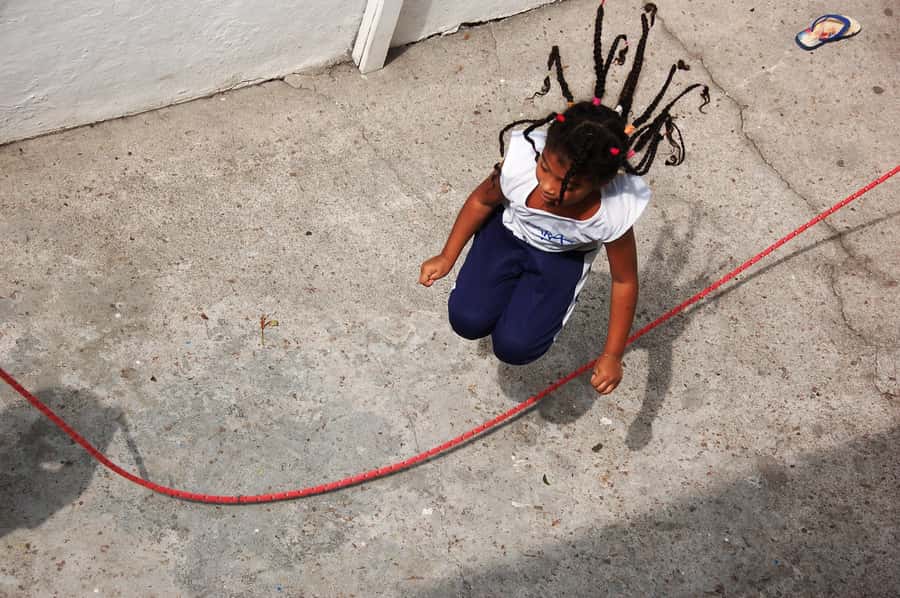
The visit to the community school is one of the most meaningful parts of the route. Favela Tour finances the school, so your booking helps connect tourism with an educational project inside the community.
You will not simply hear an abstract lecture about poverty or public investment. You will see a local project that gives the social discussion a physical focus. The school helps show why community initiatives matter in places where residents have often had to organize their own support systems.
A handicraft center is also included. This provides a chance to see local creative work and, if you choose to buy something, put money directly into the neighborhood economy.
These stops give the tour a practical edge. A visit can easily become uncomfortable if it only displays hardship. The school and handicraft center offer a broader view, showing effort, enterprise, and community priorities alongside the difficulties.
The balance is not perfect for every group. One visitor felt there could have been more information about the favelas, while the guide was translating into several languages. That is a fair concern. A multilingual tour can make the experience accessible to more people, but translation takes time and may reduce the amount of detail delivered in each language.
Guides, language, and the quality of the explanation
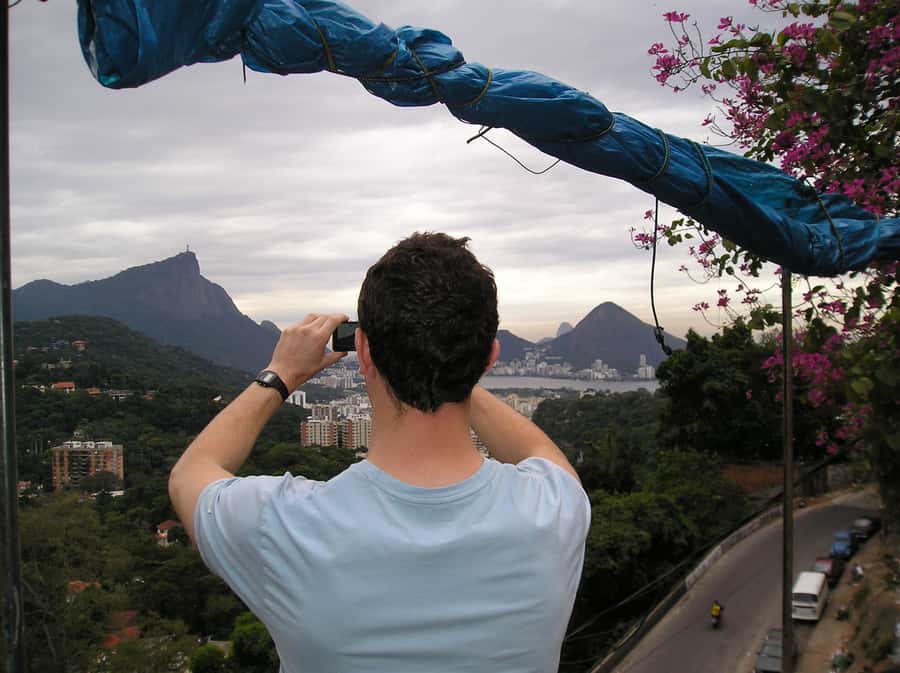
The guide makes a major difference here. Tours are offered in English, French, Spanish, Italian, and Portuguese. English-language experiences have received especially strong praise for clear explanations and friendly delivery.
Mateo has been singled out for giving useful perspective on Brazilian culture. Francesco has also been praised for explaining the history of the favelas and the wider social setting. Those details suggest that the best part of the tour is not just the route. It is the interpretation you receive along the way.
You should confirm your preferred language before arrival. Specific language departures may depend on demand, and an Italian booking had to be changed because no place remained for the requested time. The operator advises confirming by phone, email, or WhatsApp.
Do not ask a hotel employee or an unofficial intermediary to confirm the reservation for you. The operator specifically warns against middlemen, since they can cause confusion or extra charges.
If your group is combined across several languages, expect some pauses for translation. One English-language visitor found the guide excellent but wanted more information, possibly because the explanation had to be repeated in multiple languages. That is not a flaw in the idea of multilingual guiding, but it is a practical limit.
Safety, respect, and the right attitude
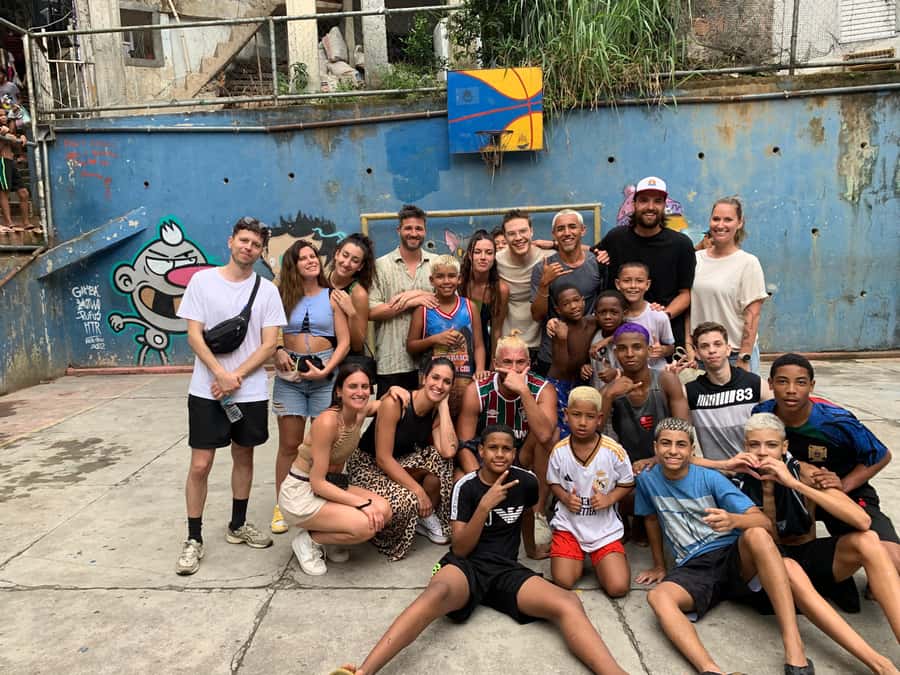
The tour presents favelas as safer than many outsiders assume, but it also gives sensible advice: visit with an organized tour. This is not the place for independent wandering, especially if you do not know the neighborhoods or speak Portuguese.
A guide provides more than historical background. The guide knows how to move through the area, where the route is appropriate, and how to introduce visitors to local people. That makes the experience more respectful and less awkward for everyone.
You should arrive ready to walk. The tour uses vehicles for transportation between areas, but the main visit is on foot. Wear practical shoes, carry only what you need, and keep drinks, snacks, and small purchases in mind when planning your day.
Photography deserves care. The supplied information does not specify a formal photo policy, so ask your guide before photographing residents, homes, children, or community projects. A respectful visit depends on seeing people as neighbors, not as subjects.
The tone is friendly and socially inclusive, but that does not mean the tour is free of difficult subjects. You may hear about inequality, exclusion, limited opportunities, and the contrasts between Rio’s wealthy coastal districts and hillside communities. If you want a polished sightseeing loop with no uncomfortable questions, choose another activity.
Rio’s panoramic views from the hills
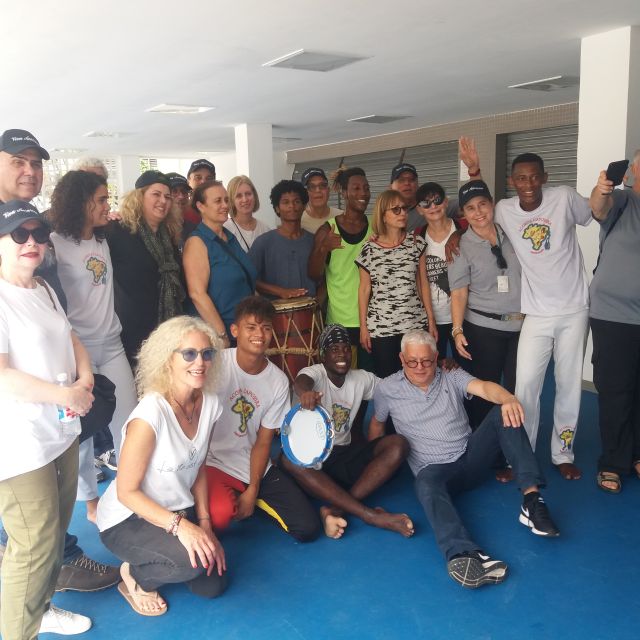
The views are a welcome part of the experience. From the hills, you can look across Rio and see how beaches, wealthy neighborhoods, roads, and informal settlements occupy the same city.
These are not just postcard views. They help explain the geography behind Rio’s social contrasts. The city’s hills and limited flat land shaped where communities developed, while the nearby coast became associated with expensive property and international tourism.
I like the way the scenery works with the tour’s main subject. You get beautiful overlooks, but the guide connects them to the people and neighborhoods below. That makes the view more useful than a quick photo stop.
Still, the scenery should not be your only reason to book. If your main goal is a classic Rio panorama, other city attractions may offer a more straightforward visit. This tour is strongest when you want the view and the social context together.
Is $33 a fair price?
At $33 per person, the tour is reasonably priced for three hours with transportation from the South Zone, a multilingual guide, visits to two communities, and a school project funded by the operator.
The value is strongest if you would not feel comfortable entering a favela independently. You are paying for local access, route planning, interpretation, and a structure that aims to benefit the community. The cost also saves you from trying to arrange transport between neighborhoods.
The price does not include drinks, snacks, or handicrafts, so bring some extra cash if you want to take part in those parts of the visit. The tour also does not promise an individual hotel pickup in every case. You may need to reach a designated hotel meeting point.
Free cancellation is available up to 24 hours before the tour, and you can reserve now and pay later. Those terms are useful if your Rio schedule is still shifting, but they do not remove the need to confirm the meeting place and language.
Who should book this experience?
I would recommend this tour to you if you want a more realistic understanding of Rio than the usual beach and landmark circuit provides. It suits curious visitors who are comfortable walking, listening, and facing complicated social subjects without expecting simple answers.
It is also a good choice if you want your sightseeing money to support a local educational project. The school visit and handicraft center give the community benefit a concrete form.
Families with older children may find the social themes useful, though the supplied information does not give a recommended minimum age. Ask the operator if age suitability matters for your group.
I would hesitate to recommend it if you dislike walking, need a tightly controlled sightseeing environment, or expect every promised location to be guaranteed without reconfirmation. The Italian-language problem involving a changed date and a missed Rocinha entry shows why you should check the details before setting out.
Final call on Favela Tour
Book this tour if you want Rio explained from inside two communities, not just viewed from a cable car or beach road. The best reasons are the strong guides, the school project, the local encounters, and the chance to see Rocinha and Vila Canoas side by side.
Confirm your language, pickup hotel, date, and planned access to Rocinha before paying or traveling. With those details settled, $33 buys a thoughtful three-hour introduction to a part of Rio that many visitors never understand beyond a distant hillside view.
FAQ
How long does the Favela Tour last?
The tour lasts three hours, including transportation from the pickup area and return to the drop-off area.
Which favelas does the tour visit?
The tour visits Rocinha, described as the largest favela in Brazil, and Vila Canoas.
Is transportation included?
Yes. Transportation is included from most hotels in Rio’s South Zone, including areas around Leme, Copacabana, Ipanema, Leblon, and São Conrado. You may need to meet at a specific hotel.
Where can I be picked up and dropped off?
Pickup and drop-off locations include São Conrado, Ipanema, Leblon, and Copacabana Beach. The operator may assign a regular hotel meeting point.
Which languages are available?
Tours are available in English, French, Spanish, Italian, and Portuguese. Languages other than English may depend on wider demand, so confirm your preferred language in advance.
What places are included during the walking portion?
The route includes residential and commercial areas, a local bar, a handicraft center, the community school financed by Favela Tour, and other local projects.
Should I visit a favela independently?
The tour information advises visiting with an organized tour. A guide helps you move through the area appropriately and provides context about local life and social conditions.
What should I bring?
Come ready to walk and bring extra money for drinks, snacks, or local handicrafts. Confirm your meeting point and language before the tour.
Just added in Rio De Janeiro
- Garganta do Ceu Cave Hiking Private Tour on Pedra da Gavea★ 4.5 · 3 reviews
- Gastronomic Tour at the Municipal Market in Rio de Janeiro★ 5.0 · 4 reviews
- Full Day Tour in Rio de Janeiro★ 5.0 · 8 reviews
- GIG Airport Transfer x Rio de Janeiro Hotels★ 4.5 · 11 reviews
- Rio de Janeiro private Full day Custom Tours★ 5.0 · 35 reviews
- Christ the Redeemer – Complete Morning Tour with Ticket and Transport at the Hotel★ 3.5 · 4 reviews
- AquaRio, Museum, Boulevard Olimpico, Ferris Wheel, Transport and Tourism Guide.★ 4.0 · 6 reviews
- Personalized and Private Full-Day Tour in Rio de Janeiro★ 5.0 · 6 reviews
Favela Tours, compared.

3 Hour Rocinha Favela Walking Tour with a Local Guide
Read our review →
Favela Tour Rio de Janeiro – Vidigal Walking Tour by Russo Guide
Read our review →
Browse the lists this tour appears in