

Reviewed · FAVELA TOURS
Guided Tour to Favela Santa Marta
See Rio from a different angle. This three-hour visit to Favela Santa Marta offers a personal look at daily life, local art, community projects, and the neighborhood made famous by Michael Jackson’s music video. I especially like that the guide lives in the favela and that the tour includes more than a quick photo stop: you visit the neighborhood association, learn about social projects, and see how the community works.
The visit also includes the Michael Jackson statue, a tram ride, and a caipirinha workshop, all for about $35 per person. The main caution is physical effort. Santa Marta is steep, and when the tram is not running, you may face many steps, slick surfaces, and uneven paths.
In This Review
- Key things to know before you go
- Why Santa Marta makes a worthwhile Rio visit
- Meeting your local guide in Botafogo
- Walking through Santa Marta’s narrow lanes
- Michael Jackson Square and the famous music video
- The tram ride and the climb you should expect
- Community projects and neighborhood organization
- A look inside a guide’s home
- The caipirinha workshop and the tour’s lighter moments
- Safety, respect, and the value of a resident guide
- Is $35 a fair price?
- Who should book this Santa Marta experience?
- Practical details before booking
- Should you book Guided Tour to Favela Santa Marta?
- FAQ
- How long is the Favela Santa Marta tour?
- How much does the tour cost?
- Where does the tour begin?
- Where does the tour end?
- Is the tour private?
- Is the tram ride included?
- Does the tour visit the Michael Jackson statue?
- Is dinner included?
- Can I cancel the tour for a full refund?
Key things to know before you go

- Your guide is a Santa Marta resident: Guides such as Mario, Marco, and Luis have personal ties to the neighborhood and can explain local life from direct experience.
- Michael Jackson Square is part of the story: The statue marks the place where the singer filmed scenes for his famous music video in the favela.
- The tram may not cover the full route: A free ride is included, but service can be limited, leaving you to climb or descend stairs.
- Community life is the main subject: You learn about art, local services, social projects, utilities, security, and the neighborhood association.
- The tour is private: Only your group participates, which allows more room for questions and a calmer pace.
- Wear practical shoes: Narrow alleys, steep stairs, and slippery surfaces make firm footing more important than fashionable footwear.
Why Santa Marta makes a worthwhile Rio visit
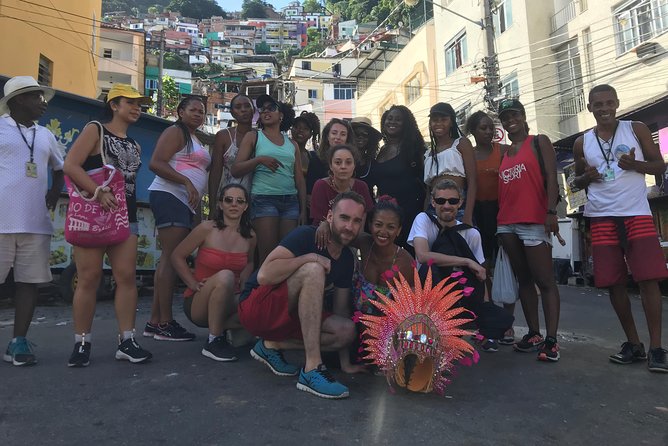
Rio is often presented through beaches, mountains, and postcard views. Santa Marta adds another part of the city’s story. The tour does not treat the favela as a stage set or reduce it to crime and poverty. Instead, it presents a functioning neighborhood with homes, shops, bars, food businesses, local projects, and its own systems of organization.
That change in perspective is the heart of the experience. You hear how residents manage parts of community life and how local groups work to improve the area. Guides explain the social projects that support the neighborhood, including environmental work and community gardening.
Marco, one of the guides associated with this experience, has worked on projects involving trash removal, tree planting, and a community garden nonprofit. Mario has shown visitors his home and explained the daily systems of Santa Marta, including transport, utilities, security, and the residential association.
These details give the visit substance. You are not simply walking through colorful stairways for photographs. You are being asked to understand how people live in a dense hillside community and how residents help shape their own surroundings.
More Favela Tours in Rio de Janeiro:
- Rio de Janeiro: Rocinha Favela Walking Tour with Local Guide
★ 4.8 · 3,052 reviews - Rio De Janeiro: Half-Day Rocinha Favela Walking Tour
★ 4.7 · 2,272 reviews - 3 Hour Rocinha Favela Walking Tour with a Local Guide
★ 5.0 · 833 reviews
Meeting your local guide in Botafogo
The tour begins at R. São Clemente, 320, in Botafogo. This location is near public transportation and gives you a straightforward meeting point before entering Santa Marta.
The tour is private, so your group is not combined with a large crowd. That matters here. Santa Marta has narrow lanes and tight stairways, and a smaller group makes it easier to hear the guide, stop without blocking passageways, and ask direct questions.
A guide who lives in the favela is a major advantage. Mario, for example, has been described as a multilingual guide who knows the neighborhood well and can answer questions about both history and present-day life. Marco is also known for his community work and for showing visitors his home and its views toward Christ the Redeemer and Sugarloaf Mountain.
The exact guide may vary. What matters is the local connection. A resident guide can introduce you to the area with context and can help you behave respectfully around homes, shops, and public spaces.
Walking through Santa Marta’s narrow lanes
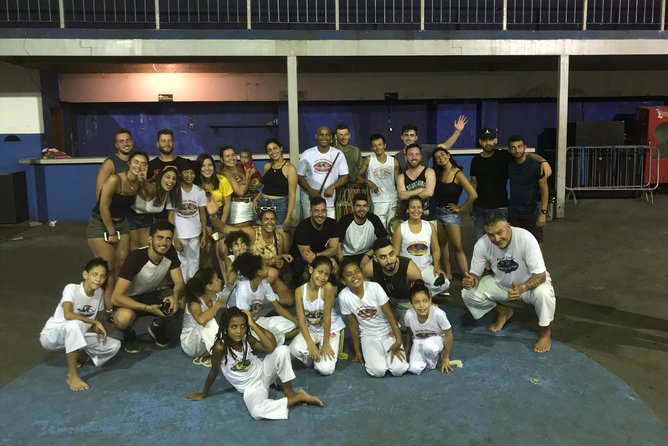
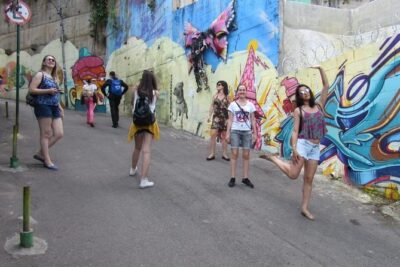
The walking portion is the most revealing part of the outing. Santa Marta is built on a steep hillside, so the route uses steps, tight passageways, and sloping surfaces. You may see homes close together, local shops, bars, food businesses, and public spaces decorated with art.
The setting can feel maze-like. One visitor compared the narrow stairways and alleys to Kowloon Walled City, a useful image for understanding the density, though Santa Marta has its own identity and character. This is exactly why going with a guide matters. A local escort can lead you through the routes and explain what you are seeing instead of leaving you to guess.
You should also remember that this is a residential area. People live here, work here, and go about ordinary routines while the tour passes through. Ask before photographing people or private property, and follow your guide’s advice about where to stop.
The best approach is curious but restrained. Look at the art, ask about neighborhood life, and listen. Avoid treating residents as part of the attraction. The tour is strongest when it helps you see the community as a real place rather than as a backdrop.
Michael Jackson Square and the famous music video
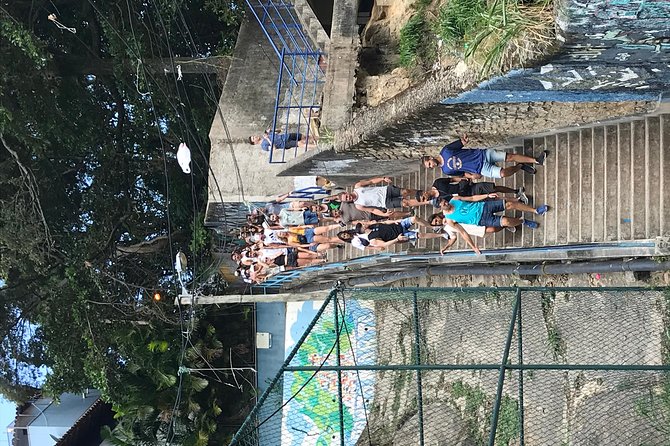
The Michael Jackson statue is the tour’s best-known stop. The pop star visited Santa Marta to film scenes for his music video, and the location later became a Rio attraction.
At the square, the guide can connect the statue and nearby steps with the filming. You may also hear the story behind the music video and see the setting where those scenes were made. For fans, this is the obvious highlight. Even if you are not especially interested in Michael Jackson, the stop shows how a global celebrity helped put Santa Marta on Rio’s tourist map.
Music and local culture are also part of the visit. One account describes enjoying local rhythms at Michael Jackson Square, which adds energy without turning the stop into a simple celebrity photo opportunity.
The statue itself will not take hours to see. Its value comes from the explanation around it and from its place in the neighborhood. The guide helps connect pop culture with local identity, tourism, and the community’s relationship with outside attention.
More things to do in Rio de Janeiro:
- Rio de Janeiro: 6-Stop Highlights of Rio with Lunch
★ 4.4 · 5,157 reviews - Christ the Redeemer Entry Ticket by Corcovado Train
★ 4.4 · 4,476 reviews - Rio’s City Tour – Tickets for Christ, Sugar Loaf & Lunch included
★ 5.0 · 4,389 reviews - Full Day: Christ Redeemer, Sugarloaf, City Tour & Barbecue Lunch
★ 4.5 · 3,142 reviews
The tram ride and the climb you should expect
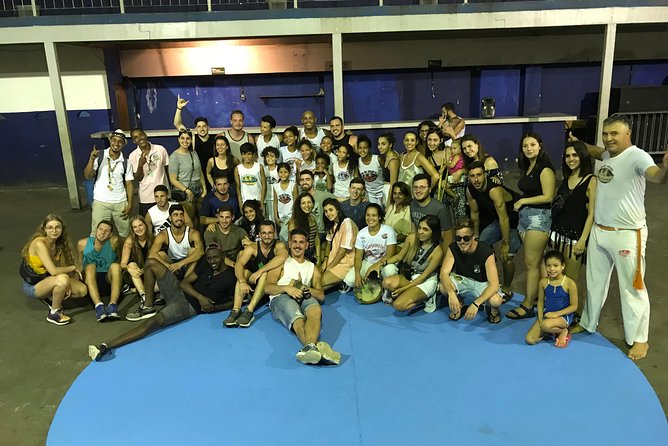
The tour includes a free tram ride, an appealing way to move through part of the steep hillside. But you should not assume the tram will carry you all the way up or down.
Tram service can be affected by operating conditions. On one visit, the tram was not working for much of the uphill route, leaving the group to climb many steps. On the way down, the tram covered only the final section, followed by more stairs and slippery surfaces.
This is the most important practical warning in the entire experience. The tour is listed at roughly three hours, but your comfort will depend on your fitness and the tram’s condition. A 75-year-old participant with a 76-year-old spouse, a 68-year-old friend, and a 55-year-old daughter found the tour rewarding but physically demanding, with sore leg muscles afterward.
You do not need to be an athlete, but you should be steady on your feet. Wear shoes with good grip, take your time, and tell the guide if you need a slower pace. If stairs are difficult for you, this may not be the right Rio outing.
Community projects and neighborhood organization
The social-project portion gives the tour its purpose. You learn about efforts that support Santa Marta’s well-being and about the groups that help organize local life.
The neighborhood association is included, and guides explain how residents work together. The tour can cover subjects such as utilities, security, transport, and local decision-making. One guide has described the community as self-governed, while another has discussed how the neighborhood association operates.
You may also hear about environmental programs. Marco’s work to remove trash, plant trees, and create a community garden shows how local improvement can come from residents themselves. These projects help correct the shallow picture of favelas often created by sensational news coverage.
The visit is not a formal lecture. It is a walk-and-talk experience, shaped by the guide’s personal knowledge and your questions. That makes the private format especially useful. You can ask about subjects that interest you, from public services to family life, rather than following a fixed script for a large group.
A look inside a guide’s home
Some guides may invite you to see their home or a small balcony area connected with their property. Mario has shown visitors his house, while Marco has shared a community balcony with views toward Christ the Redeemer and Sugarloaf Mountain.
This is a memorable part of the tour because it shifts the focus from public paths to personal life. You get a sense of how homes fit into the steep setting and how residents see the city around them.
This stop should be treated as a privilege, not an entitlement. Follow the guide’s instructions, ask before taking photographs, and do not expect every guide or visit to include exactly the same access. The inclusion of a home visit can depend on the guide, the day, and the comfort of the household.
A few side visits may feel unexpected. One route included a stop with a local woman who collects clocks. It may seem random if you are expecting only major attractions, but small personal details are part of what makes a neighborhood tour feel less scripted.
The caipirinha workshop and the tour’s lighter moments
The experience includes a caipirinha workshop, giving the tour a social and cultural finish. Caipirinha is Brazil’s best-known cocktail, and a short workshop offers a simple way to connect food and drink with local culture.
The activity is not a dinner. Dinner is not included, so plan your evening meal separately. The workshop should be viewed as a tasting or demonstration within the tour, not as a full food experience.
The balance works well. Santa Marta’s social realities are serious, but the community is not defined only by hardship. A drink workshop, music in the square, local businesses, and friendly conversations show the ordinary pleasures of neighborhood life.
The tour may also include a visit to a pizzeria, sushi shop, bar, or local store as the guide explains how businesses serve residents. These places are useful reminders that Santa Marta is a lived-in community with varied tastes and working routines.
Safety, respect, and the value of a resident guide
Safety is a common concern for anyone considering a favela visit. The experience is led by an accredited local resident, and the guides are described as well known and respected within Santa Marta. That local standing helps groups move through the area with confidence.
I would still follow normal city precautions. Keep your belongings secure, stay with the guide, and do not wander away from the route. A guide is not just an optional convenience here. The layout is confusing, and local knowledge helps you understand where to walk and how to behave.
Respect is just as important as safety. Ask before photographing homes or people. Avoid loud commentary about poverty or danger. Listen when the guide explains local customs and community concerns.
The strongest part of this experience is the human connection. Visitors have described guides as warm, patient, and willing to answer detailed questions. Mario has been praised for speaking several languages, and the family connection behind some tours suggests a long relationship with the community.
Is $35 a fair price?
At about $35 per person, this is a good-value private tour if you want context rather than a quick sightseeing stop. The price includes the guide, train or tram transport, the Michael Jackson statue, a social-project visit, and the neighborhood association.
You are also paying for local access and orientation. A resident guide can explain details that would be hard to understand on a self-guided walk. The private format adds value because your group can ask questions and adjust the conversation to your interests.
The value is less clear if your main goal is only to photograph the Michael Jackson statue. That stop is part of the tour, but the experience spends much of its time on community life, local projects, and walking through the neighborhood.
The three-hour duration fits well into a short Rio stay. If you have only a day or two in the city, the tour offers a focused way to add a different side of Rio without taking an entire day.
Who should book this Santa Marta experience?
I would recommend it to curious visitors who want to understand Rio beyond beaches and famous viewpoints. It suits solo visitors, couples, families, and anyone interested in urban culture, local projects, Brazilian music, or the story behind Michael Jackson’s video.
It is also a good choice if you prefer small, personal tours. The private format and resident guide create room for conversation, and several guides associated with the experience speak multiple languages.
I would hesitate to recommend it to anyone with serious difficulty walking on stairs or slippery ground. The route can be strenuous, and tram service may not cover the full climb. Contact the operator before booking if you need specific mobility arrangements, since the supplied details do not promise an accessible route.
You should also skip it if you want a polished sightseeing circuit with fixed stops and little discussion. Santa Marta is a working neighborhood. The experience may include unexpected details, changing tram conditions, and personal stories rather than a perfectly predictable schedule.
Practical details before booking
The activity begins at R. São Clemente, 320, in Botafogo, Rio de Janeiro, and returns to the same meeting point. It is near public transportation, and confirmation is provided when you book.
Most people can participate, but the stairs are the key issue. Use shoes with a firm sole, carry water, and leave room in your schedule for a slower climb if the tram is not operating fully.
The tour is often booked about nine days ahead, so reserve early if your Rio dates are fixed. You can cancel for a full refund up to 24 hours before the start time. Changes or cancellations made less than 24 hours ahead are not accepted for a refund.
Should you book Guided Tour to Favela Santa Marta?
Book it if you want a personal, respectful look at one of Rio’s hillside communities, especially if Michael Jackson Square is only the starting point rather than your entire reason for going. The resident guide, community projects, local organization, tram ride, and caipirinha workshop make this much broader than a celebrity stop.
Go prepared for stairs, uneven ground, and a tour that may show you ordinary life rather than a carefully polished attraction. If you can manage the physical demands and approach the neighborhood with respect, this is one of the better ways to add social and cultural context to a short visit in Rio.
FAQ
How long is the Favela Santa Marta tour?
The tour lasts approximately three hours.
How much does the tour cost?
The listed price is $35 per person.
Where does the tour begin?
It starts at R. São Clemente, 320, in Botafogo, Rio de Janeiro, Brazil.
Where does the tour end?
The activity ends back at the meeting point in Botafogo.
Is the tour private?
Yes. Only your group participates in the activity.
Is the tram ride included?
Yes. A free tram ride is included, although tram service may not cover the entire route.
Does the tour visit the Michael Jackson statue?
Yes. Visiting the Michael Jackson statue and the related square is part of the tour.
Is dinner included?
No. Dinner is not included.
Can I cancel the tour for a full refund?
Yes. You can cancel at least 24 hours before the start time for a full refund. Cancellations or changes made less than 24 hours before the start time are not accepted for a refund.
Just added in Rio de Janeiro
- Gastronomic Tour at the Municipal Market in Rio de Janeiro★ 5.0 · 4 reviews
- Full Day Tour in Rio de Janeiro★ 5.0 · 8 reviews
- Garganta do Ceu Cave Hiking Private Tour on Pedra da Gavea★ 4.5 · 3 reviews
- GIG Airport Transfer x Rio de Janeiro Hotels★ 4.5 · 11 reviews
- Rio de Janeiro private Full day Custom Tours★ 5.0 · 35 reviews
- Christ the Redeemer – Complete Morning Tour with Ticket and Transport at the Hotel★ 3.5 · 4 reviews
- AquaRio, Museum, Boulevard Olimpico, Ferris Wheel, Transport and Tourism Guide.★ 4.0 · 6 reviews
- Personalized and Private Full-Day Tour in Rio de Janeiro★ 5.0 · 6 reviews
Favela Tours, compared.


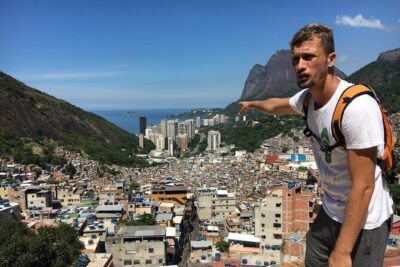
3 Hour Rocinha Favela Walking Tour with a Local Guide
Read our review →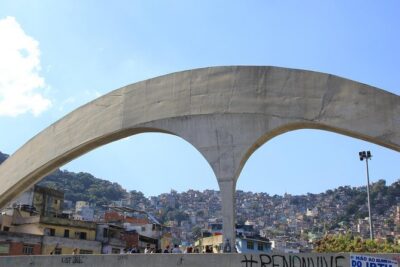
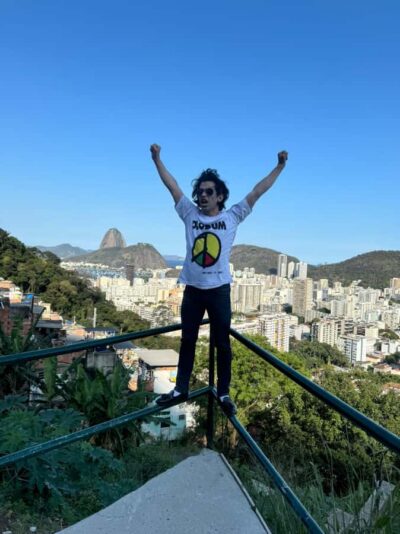
Favela Tour Rio de Janeiro – Vidigal Walking Tour by Russo Guide
Read our review →
Browse the lists this tour appears in