
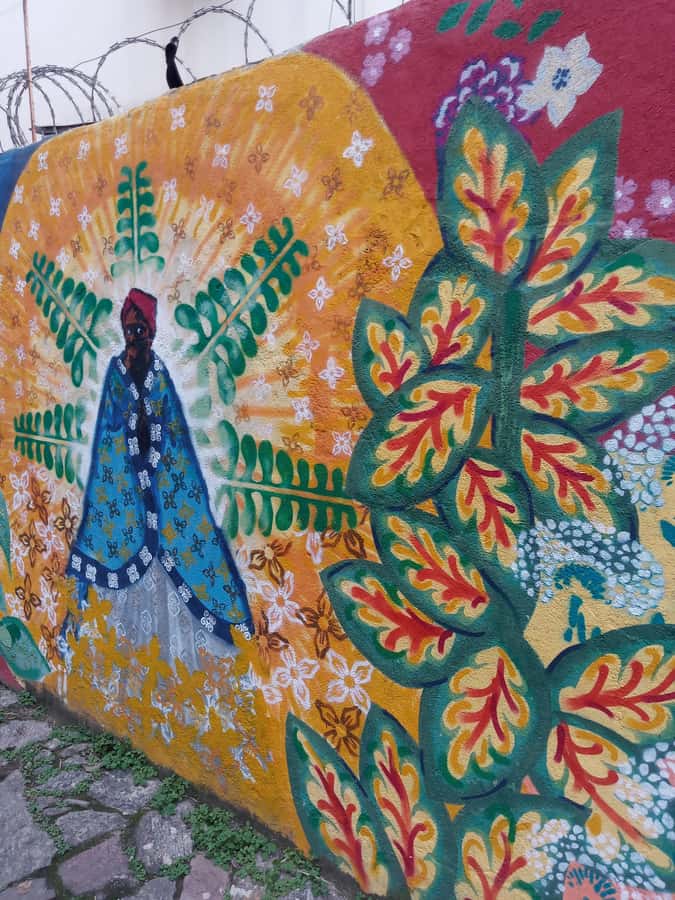
Reviewed · WALKING TOURS
Little Africa – Walking tour from the passed to the future
Rio’s past is waiting underfoot. This three-hour walk through Little Africa connects African heritage, painful history, art, and the future of Brazilian culture in a way that a standard city tour cannot.
I like the tour’s focus on places rather than a classroom lecture, and I like the chance to hear the story from guides such as Larissa, Gabriela, Luana, and Rafael. The main thing to consider is language quality: English was excellent with some guides, but two guests found their English-speaking guides difficult to understand.
In This Review
- Key points at a glance
- Why Little Africa matters in Rio
- The walking route through Little Africa
- Guides make or break this experience
- Museums, exhibits, and possible extra costs
- Is three hours enough?
- What the price delivers
- How to behave respectfully
- Who should book this walk?
- Should you book Little Africa?
- FAQ
- Where does the Little Africa walking tour meet?
- How long does the tour last?
- What languages are available?
- What is the stated total price?
- Is anything else charged during the tour?
- Are children allowed to join?
- Is transportation included?
- Can I cancel the reservation?
Key points at a glance
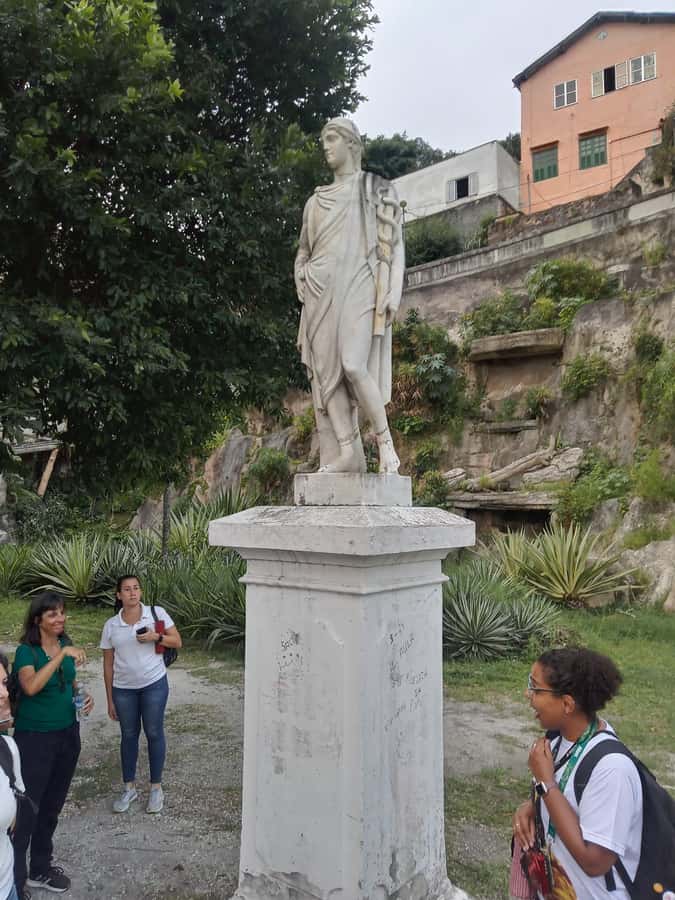
- Three hours in central Rio: The tour begins in downtown Rio and explores Little Africa on foot, so you spend your time with the sites rather than sitting in a vehicle.
- A serious look at Brazil’s past: The area once contained a slave market, shops, homes, and burial grounds connected to Africans brought to Brazil.
- Strong guide-led storytelling: Larissa received special praise for bringing events to life, while Gabriela, Luana, and Rafael were also described as warm and helpful.
- A moving cultural experience: This is not a light sightseeing stroll. The subject can be emotional, and respectful behavior matters.
- Languages and payment need attention: Tours are offered in English, Portuguese, and Spanish, but language ability can vary. The total stated cost is R$310 per passenger, split between the online reservation and an additional payment.
- Best for history-minded visitors: You will get the most from this walk if you want context, conversation, and difficult truths rather than a quick photo stop.
Why Little Africa matters in Rio

Little Africa was once the entry point for many men, women, and children brought from Africa to Brazil. The district held an open slave market, homes, shops, and graveyards. Those facts can sound dry on a page. Walking through the area gives them physical weight.
I like the way this tour treats the neighborhood as more than a collection of old sites. The guide’s job is to connect alleys, remains, and landmarks to the people who passed through them. You are asked to notice the surroundings and listen to the explanation at each stop, rather than simply follow a route for photographs.
That approach matters in Rio, a city often sold through beaches, mountains, music, and nightlife. Little Africa adds a necessary part of the picture. It shows how African people shaped Brazil while also facing terrible violence and forced displacement.
The tour is titled From the Past to the Future, and that wording points to its wider purpose. You begin with the remains of an important period in Brazilian history, then consider African heritage as a living part of Brazilian art and culture today. The supplied details do not promise a fixed lecture on modern politics or a specific future-focused attraction, so you should think of the future element as a theme rather than a guaranteed final exhibit.
More Walking Tours in Rio de Janeiro
- Rio de Janeiro: Rocinha Favela Walking Tour with Local Guide
★ 4.8 · 3,052 reviews - Rio De Janeiro: Half-Day Rocinha Favela Walking Tour
★ 4.7 · 2,272 reviews - 3 Hour Rocinha Favela Walking Tour with a Local Guide
★ 5.0 · 833 reviews
The walking route through Little Africa
The exact stop-by-stop order can vary, but the experience is built around walking through the old district and visiting historical places. This is useful because the setting does part of the teaching. Streets and alleys help you understand that this was a working zone with trade, housing, movement, and burial sites, not an isolated museum display.
At the former slave-market area, the guide places the forced arrival of Africans in its Brazilian setting. This is likely to be one of the most difficult sections of the walk. You may find the explanation emotional, especially when the guide moves from broad numbers and events to the human reality of men, women, and children being treated as cargo.
The remains connected with the old graveyards add another layer. They show how the district held the dead as well as the living. I would not rush this part. Give yourself time to listen, and avoid treating the location as a dramatic photo backdrop.
The tour also takes in the area’s former stores and houses. These details help widen the story beyond the slave market. Little Africa was a large zone, and its history includes daily life, commerce, family life, faith, work, and cultural exchange. The guide’s remarks are important here because the buildings and street pattern alone may not explain what you are seeing.
The route is on foot for about three hours. That length is long enough for a serious introduction without becoming an all-day commitment. You will want comfortable shoes and water, since food, drinks, and transportation are not included. The meeting point is in downtown Rio, so plan your route to the starting point before the day begins.
Guides make or break this experience
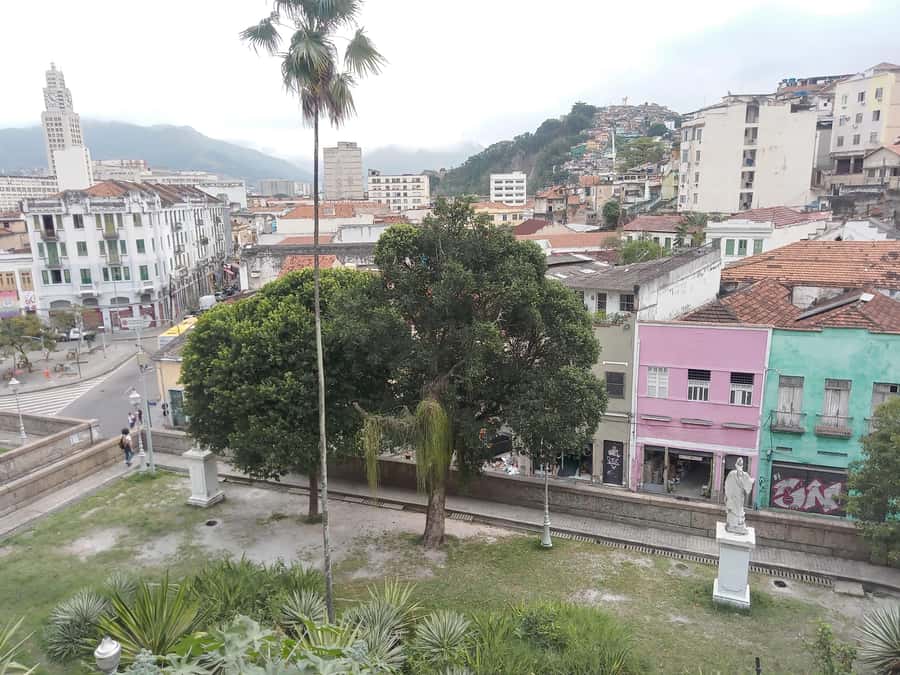
The strongest part of this tour is the guide. History this heavy needs clear explanation, care, and a sense of proportion. A good guide can help you picture the district without turning suffering into theater.
Larissa earned especially warm praise for her passion and ability to tell the story so clearly that the past felt present. That kind of storytelling is exactly what this tour needs. Gabriela was also described as personable and well informed, while Luana received praise for her information, kindness, and thoughtfulness.
Rafael’s flexibility was another practical strength. When a flight delay caused a missed tour time, the company arranged another day. That does not guarantee the same solution in every case, but it suggests that communication with the operator can help when plans go wrong.
Language is the main caution. The activity is offered in English, Portuguese, and Spanish, but guide ability may differ. Two English-speaking guests found their guides hard to understand, even though one felt the guide knew the subject well. If you need English, contact the provider before booking and ask which guide is expected for your date.
That small step could make a major difference. A three-hour history walk is poor value if you cannot follow the explanation. Portuguese or Spanish speakers may find the language issue less concerning, but clear communication remains important for any group.
Museums, exhibits, and possible extra costs
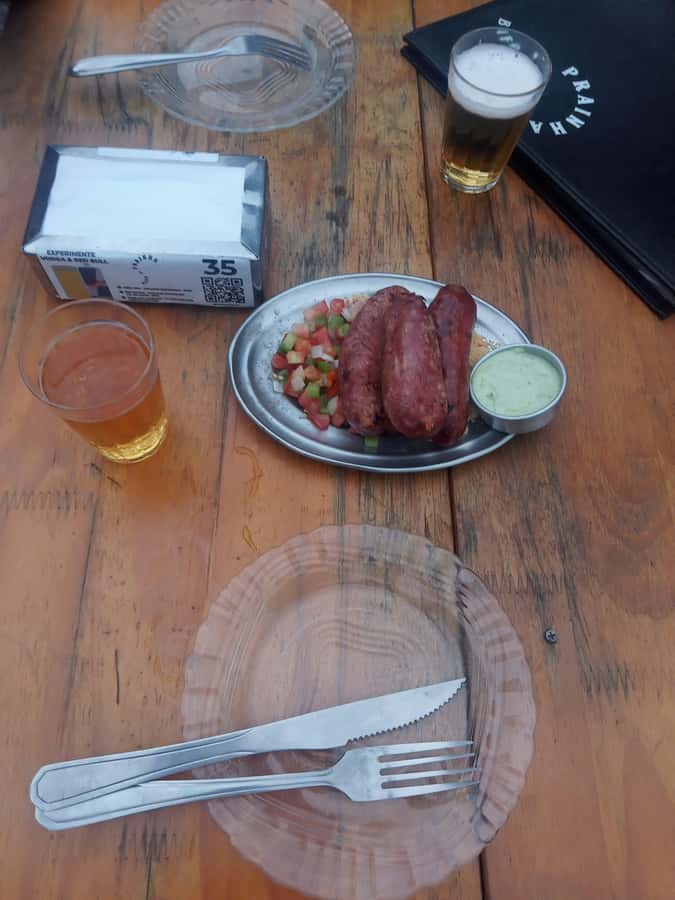
The supplied details include a museum visit as part of the experience, but they do not name every museum or promise every exhibition. One guest had to pay an extra entry fee at a museum, so you should ask before booking exactly which admissions are covered.
This is a practical point, not a minor technicality. The advertised online reservation is US$32 per person, but the full stated cost is R$310 per passenger. The information breaks that into the US$32 reservation payment through the booking platform and an additional R$160 paid directly to the guide. It also says card payments for the additional amount carry a 5 percent tax.
Because exchange rates change, the final dollar value will vary. Still, you should treat R$310 as the stated total, not assume the US$32 is the complete price. Ask about museum entry before the walk, too. A surprise fee can change how you judge the value.
There is also a useful warning about an art museum exhibit. One guest felt an exhibition would have been worthwhile but was not part of the tour. That means you should not assume every display at a museum stop is included. If a particular exhibit matters to you, confirm its status in advance.
A completely different kind of day:
- Rio de Janeiro: 6-Stop Highlights of Rio with Lunch
★ 4.4 · 5,157 reviews - Christ the Redeemer Entry Ticket by Corcovado Train
★ 4.4 · 4,476 reviews - Rio’s City Tour – Tickets for Christ, Sugar Loaf & Lunch included
★ 5.0 · 4,389 reviews - Full Day: Christ Redeemer, Sugarloaf, City Tour & Barbecue Lunch
★ 4.5 · 3,142 reviews
Is three hours enough?

Three hours gives the tour room to explain the district instead of racing from one marker to the next. You can hear the history at each place, walk through the alleys, and pause to understand how the sites connect.
At the same time, three hours cannot cover every part of African Brazilian culture or all of Rio’s history. Think of this as a focused introduction to Little Africa, not a complete study of Brazil’s African heritage.
The walk may also feel intense. Several people found the experience emotional, which is understandable given the subject. I would schedule it at a time when you have space to think afterward, rather than squeezing it between a rushed lunch and another major attraction.
You should also arrive ready to listen. The value comes from the guide’s remarks and historical framing. If you prefer a quick route with little commentary, this may feel too serious. If you want to understand why a place matters, three hours is a sensible length.
What the price delivers
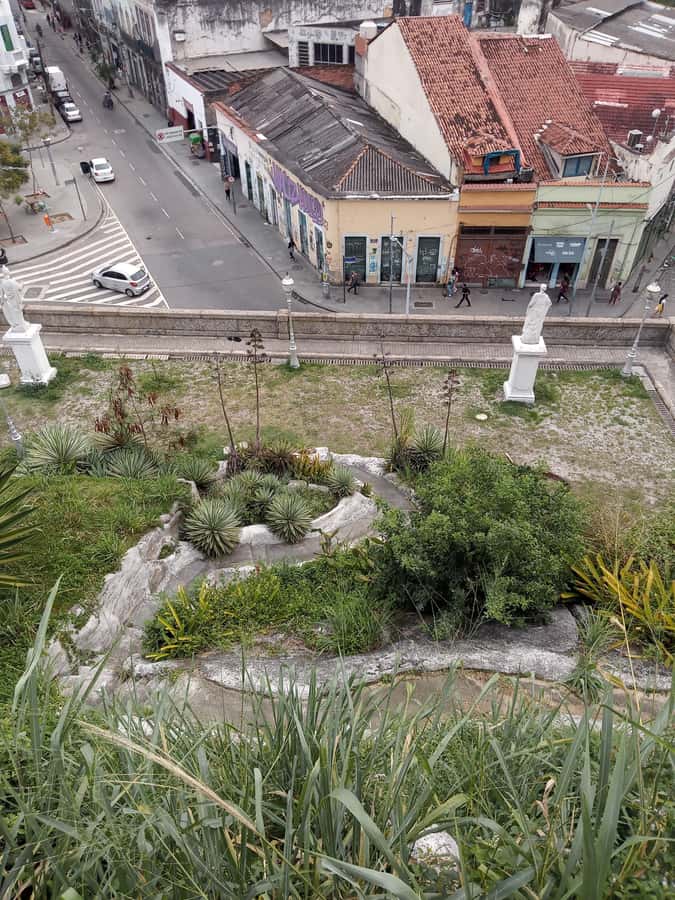
At the stated total of R$310 per person, the price is not simply paying for a stroll. It covers the online service and live guide service, with a guide speaking English, Portuguese, or Spanish. You are paying for interpretation, organization, and access to a story that is easy to miss if you explore downtown alone.
The value depends heavily on the quality of your guide and the clarity of the final price. With a strong guide such as Larissa, Gabriela, Luana, or Rafael, the personal storytelling can make the cost worthwhile. The overall rating is 4.6 from eight ratings, with six five-star scores and two two-star scores. That pattern suggests the tour can be excellent, but the experience is not perfectly consistent.
The two low scores point to clear risks: poor English communication and unexpected museum costs. Those are fixable concerns if you confirm the language and inclusions before paying. I would not book this tour based only on the US$32 headline figure. Budget for the full stated total and possible museum admission unless the provider confirms otherwise.
Children aged 5 to 10 receive a 50 percent discount, and children from birth through age 4 can ride on a parent’s lap free of charge. The information also refers to children aged 3 to 10 for the half-price additional payment, so families should confirm the age rule when booking to avoid a mismatch.
A minimum of two customers is required. If you are alone, contact the provider before reserving. That is especially important for a small, guide-dependent walking tour.
How to behave respectfully
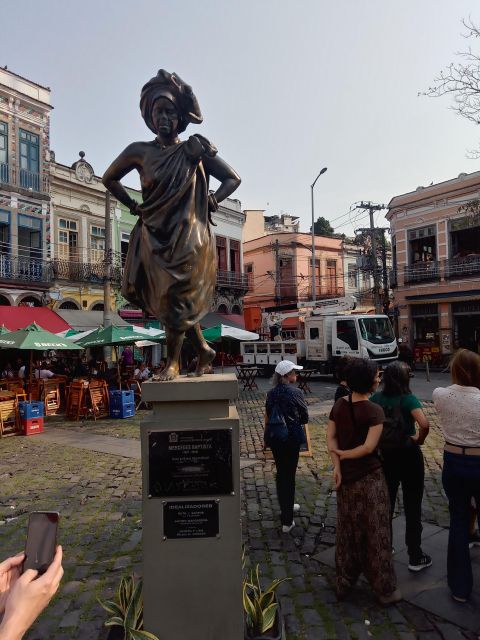
This is a place connected to forced migration, slavery, death, and cultural survival. Your attitude matters. Listen when the guide is speaking, avoid joking around sensitive sites, and ask questions with care.
Photography should never become the main purpose of the visit. The remains and historic locations are meaningful because of the people connected with them, not because they make unusual backgrounds for social media.
I like that the tour description openly warns you that many people become emotional. It prepares you for a serious experience rather than selling the district as a simple attraction. You do not need to perform a reaction, but you should give the subject your attention.
The walk also offers a chance to think about culture beyond tragedy. African heritage in Brazil is not frozen in the past. The art and cultural focus shows that the story continues in the country’s identity and creative life. That balance helps the tour avoid presenting African Brazilians only through suffering.
Who should book this walk?
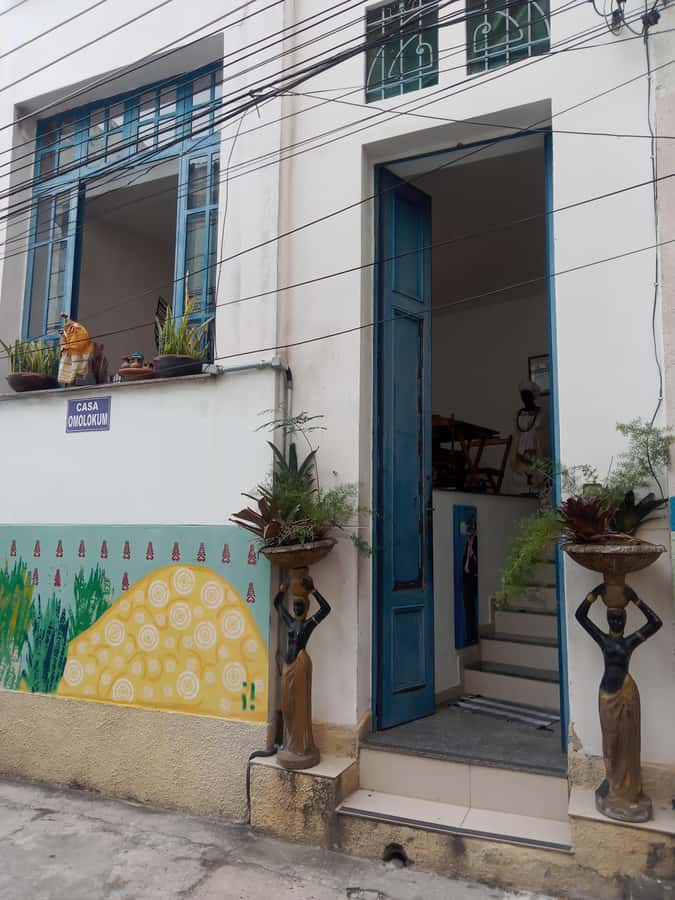
I would choose this experience if you want historical context for Rio and are willing to spend three hours on foot with a serious subject. It suits adults, students, families with older children, and anyone interested in African diaspora history, Brazilian culture, or social history.
It may also be a good first cultural activity in Rio. The tour can give you a foundation for understanding other museums, neighborhoods, art, and traditions you encounter later in Brazil. One guest specifically found it a strong base for experiencing Brazilian culture.
Families should judge the topic carefully. Young children can attend under the stated age rules, but the subject is not softened. Older children who can listen respectfully may gain a great deal from it. Very young children may not get much from a three-hour history walk, even though children aged 0 to 4 can attend free on a parent’s lap.
I would hesitate if you need guaranteed polished English, dislike walking, or want a relaxed sightseeing outing. I would also hesitate if your budget cannot stretch beyond the online payment, since the full cost includes an additional amount in Brazilian reais.
Should you book Little Africa?
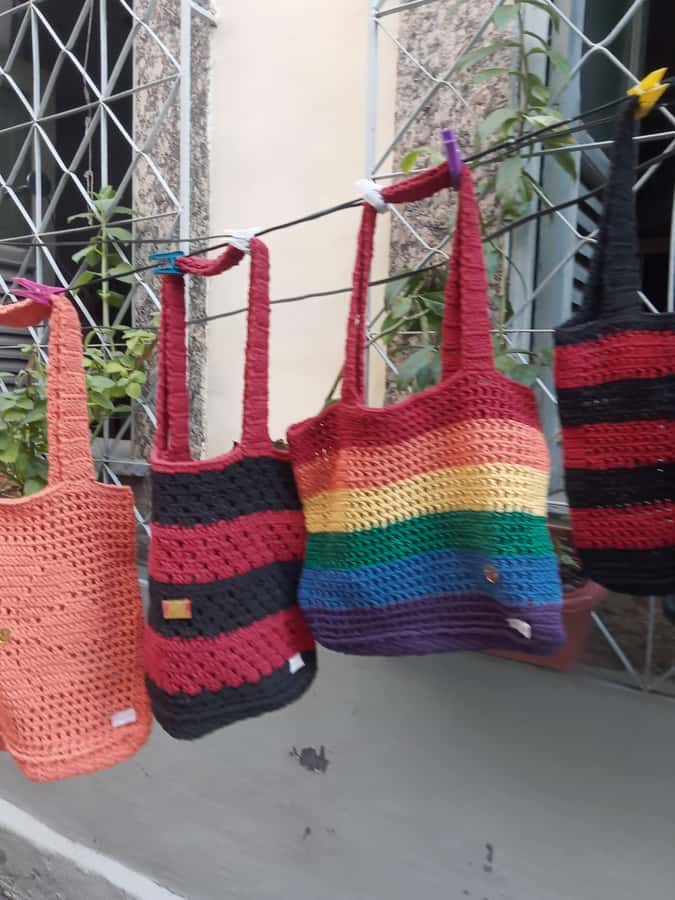
Book it if you want to understand a part of Rio that demands more attention than a quick photograph. The best guides turn the walk into a clear, human account of African heritage in Brazil, and the setting gives the story a force that an indoor lecture may lack.
Before you reserve, confirm three things: the guide’s language ability, the full R$310 price, and any museum admission or special exhibit costs. If those details are clear, this is a worthwhile three-hour introduction to Little Africa and to the African foundations of Brazilian culture.
FAQ
Where does the Little Africa walking tour meet?
The meeting point is in downtown Rio de Janeiro.
How long does the tour last?
The walking tour lasts three hours.
What languages are available?
The live tour guide service is available in English, Portuguese, and Spanish.
What is the stated total price?
The stated total is R$310 per passenger. This includes the US$32 reservation payment through the booking platform and an additional R$160 paid directly to the guide.
Is anything else charged during the tour?
A museum entry fee may be charged separately. Confirm the admission details before booking. A 5 percent tax is also stated for payment of the additional amount by credit or debit card.
Are children allowed to join?
Yes. Children aged 5 to 10 receive a 50 percent discount, and children aged 0 to 4 are free when sitting on a parent’s lap. The age rule for the additional payment should be confirmed because the information also refers to ages 3 to 10.
Is transportation included?
No. Transportation, food, beverages, and souvenirs are not included.
Can I cancel the reservation?
You can cancel up to 24 hours in advance for a full refund. The reserve-now, pay-later option allows you to hold your plans without paying at the time of reservation.
Just added in Rio De Janeiro
- Full Day Tour in Rio de Janeiro★ 5.0 · 8 reviews
- Garganta do Ceu Cave Hiking Private Tour on Pedra da Gavea★ 4.5 · 3 reviews
- Gastronomic Tour at the Municipal Market in Rio de Janeiro★ 5.0 · 4 reviews
- GIG Airport Transfer x Rio de Janeiro Hotels★ 4.5 · 11 reviews
- Rio de Janeiro private Full day Custom Tours★ 5.0 · 35 reviews
- Christ the Redeemer – Complete Morning Tour with Ticket and Transport at the Hotel★ 3.5 · 4 reviews
- AquaRio, Museum, Boulevard Olimpico, Ferris Wheel, Transport and Tourism Guide.★ 4.0 · 6 reviews
- Personalized and Private Full-Day Tour in Rio de Janeiro★ 5.0 · 6 reviews
Walking Tours, compared.



3 Hour Rocinha Favela Walking Tour with a Local Guide
Read our review →
Favela Tour Rio de Janeiro – Vidigal Walking Tour by Russo Guide
Read our review →

Private Walking and Cultural Tour Rocinha-Rio de Janeiro
Read our review →
Browse the lists this tour appears in