
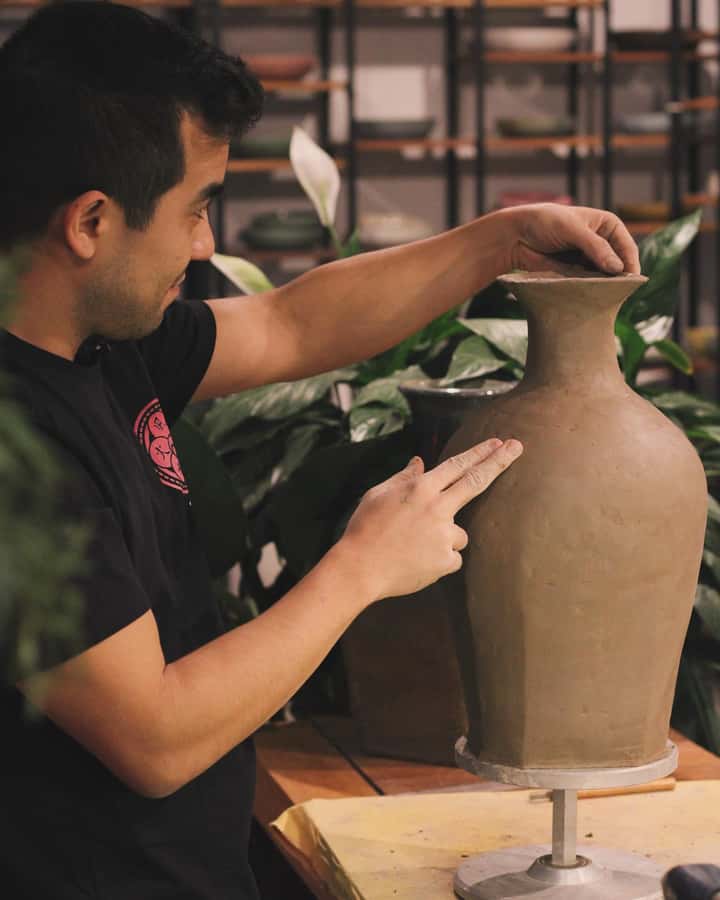
Reviewed · WORKSHOPS
Pottery Class with Wheel Throwing and Hand Building
Clay turns a short lesson into a lasting souvenir. This private pottery class in Southeast Brazil gives you two very different ways to work with clay: the demanding potter’s wheel and the more approachable hand-building method. I like the mix of demonstration and practice, and I love that you finish with a handmade plate to ship home. The main consideration is the $112 price, which is reasonable for private instruction but high if you only want a quick craft activity.
The class lasts 150 minutes, long enough to learn the basics without taking up an entire day. You will work with a professional instructor in English or Portuguese, with all ceramic materials included. The wheel requires patience and coordination, so do not expect a perfect bowl on your first try.
You meet at Escola Cerâmica Ninsei, in front of the roundabout. Bring clothes that can get dirty, arrive five minutes early, and plan your own transport and refreshments. The setting is a private group experience, which should give you more direct help than a large workshop, though the activity is not suitable for children under 10 or for people with significant mobility, back, or fitness limitations.
In This Review
- Key points at a glance
- What this pottery class is really offering
- Starting with clay at Escola Cerâmica Ninsei
- Watching the wheel demonstration
- Trying wheel throwing without chasing perfection
- Hand building a plate you can keep
- The value of a $112 private class
- Who will enjoy the session most
- Practical advice before you book
- Should you book this Brazilian pottery class?
- FAQ
- How long does the pottery class last?
- Where is the meeting point?
- Is transportation included?
- Which languages does the instructor speak?
- What will I make during the class?
- What should I wear?
Key points at a glance
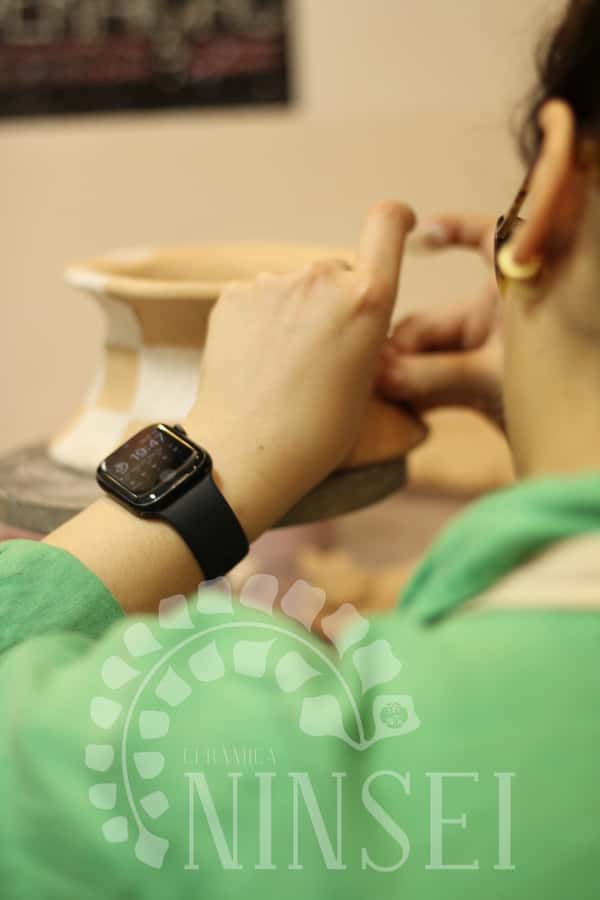
- Two pottery methods in 150 minutes: Learn wheel throwing first, then use hand building to make a plate.
- A practical introduction to clay: The instructor explains clay’s main characteristics and the basic steps behind a finished Brazilian ceramic piece.
- Private group format: Your group receives professional guidance in English or Portuguese rather than joining a large shared class.
- A useful souvenir: Your handmade ceramic piece can be shipped home, so you do not need to carry it through the rest of your trip.
- The wheel is the harder part: It takes training and steady hand control, but it gives you a rewarding taste of a potter’s work.
- Dress for mess: Comfortable clothes that you do not mind staining are essential, and five minutes early gives you time to prepare.
What this pottery class is really offering
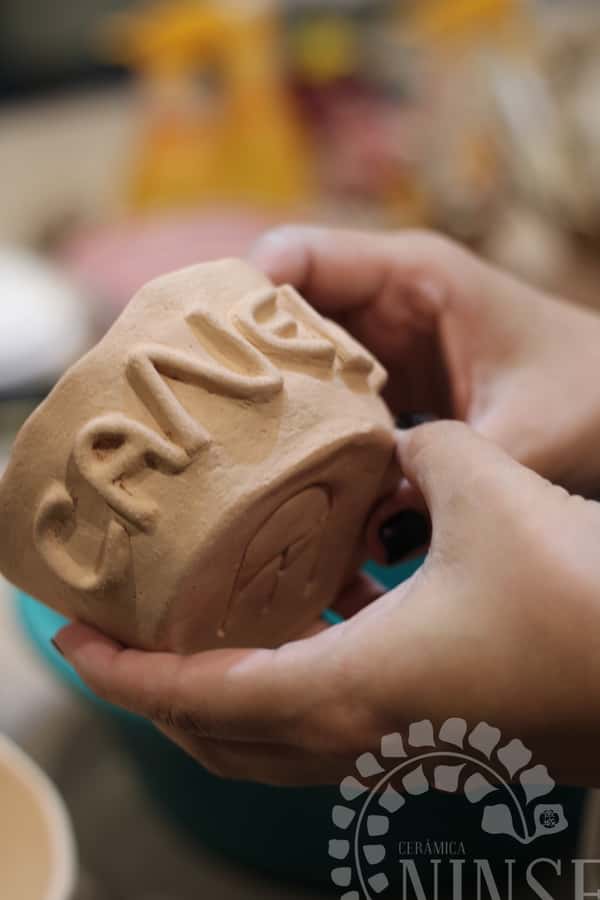
This is not a quick stop where you paint a ready-made mug. You begin with the raw material itself and learn how clay behaves before shaping it. That matters because pottery is less about forcing clay into a form and more about responding to its texture, moisture, and balance.
The class combines instruction with hands-on work. First, you hear about the characteristics of clay and the general process used to create a ceramic piece. Then you watch a demonstration before trying the techniques yourself.
I like this order. A short explanation gives you a useful framework, while the demonstration lets you see the hand movements before you attempt them. Pottery can look simple from across a room. Once your hands touch spinning clay, the need for careful pressure becomes clear.
The class is held as a private group activity, which is a real advantage for beginners. You can ask questions without competing with a large crowd for the instructor’s attention. The exact size of the private group is not specified, so you should not assume it means one-on-one teaching, but it does mean your booking is not part of a general public group.
Other trips worth a look in Brazil:
- Rio de Janeiro: 6-Stop Highlights of Rio with Lunch
★ 4.4 · 5,157 reviews - Christ the Redeemer Entry Ticket by Corcovado Train
★ 4.4 · 4,476 reviews - Rio’s City Tour – Tickets for Christ, Sugar Loaf & Lunch included
★ 5.0 · 4,389 reviews
Starting with clay at Escola Cerâmica Ninsei
Your meeting point is Escola Cerâmica Ninsei, in front of the roundabout. Since transportation is not included, you need to arrange your own way there. The directions are short, but arriving five minutes early is still smart, especially if you are unfamiliar with the area.
The opening section focuses on clay’s main qualities and the stages involved in making a finished Brazilian ceramic piece. This part may sound basic, but it helps you understand why the material needs careful handling. Clay has limits, and the instructor’s explanation gives you a better sense of what your hands should be trying to do.
You should arrive ready to get dirty. Wear comfortable clothing that can handle clay, and avoid anything you would be upset to stain. The activity does not include food or drinks, so have those before or after class if you need them.
This is also a good moment to set your expectations. You are learning a craft in a single 150-minute session, not completing a professional ceramics course. The value comes from trying the process, receiving guidance, and leaving with something you helped make.
Watching the wheel demonstration
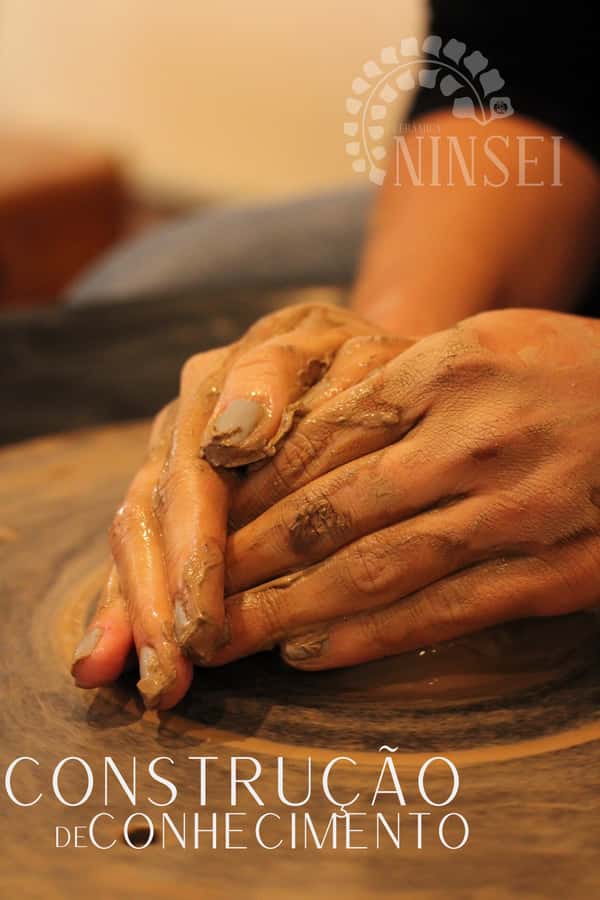
The instructor then shows you how to operate the potter’s wheel and mold a piece step by step. This demonstration is important because wheel throwing depends on small movements that are hard to understand from written instructions alone.
The wheel spins continuously, while your hands need to apply even pressure. Centering the clay and keeping its shape under control require practice. The class makes this challenge clear rather than pretending that a first attempt will produce studio-quality pottery.
I appreciate that the experience treats wheel throwing honestly. It is described as the more difficult activity, and that is useful information before you begin. You may manage only a rough form, or you may produce something that changes shape several times under your hands. Either result is part of learning.
The instructor’s presence is especially useful here. Guidance in English or Portuguese means you can receive explanations in one of the two advertised languages. Because the group is private, you should have a better chance to ask for help as you work, although the available information does not promise a specific instructor-to-student ratio.
Trying wheel throwing without chasing perfection
After the demonstration, you try wheel throwing yourself. This is likely to be the most memorable part of the class, but also the part most likely to test your patience.
The goal is not simply to make a professional-looking pot. You are learning how clay responds to movement, pressure, water, and the wheel’s rotation. Your hands need to work together, and your attention has to stay on the shape as it changes.
For many people, this is the most rewarding portion because the material feels active rather than passive. A small adjustment can alter the whole form. The process gives you a direct understanding of why pottery takes training.
You should also accept that the result may not be polished. The class information makes clear that professional results require practice. That is not a flaw in the experience. It is a fair warning that keeps the session enjoyable instead of turning it into a test.
If your main goal is a perfect decorative object, this class may frustrate you. If you want to try a traditional studio technique and understand the work behind a thrown vessel, the wheel section offers good value.
A completely different kind of day:
- Rafting – Brotas – Rio Jacaré Pepira
★ 5.0 · 3,814 reviews - Full Day: Christ Redeemer, Sugarloaf, City Tour & Barbecue Lunch
★ 4.5 · 3,142 reviews - Rio de Janeiro: Rocinha Favela Walking Tour with Local Guide
★ 4.8 · 3,052 reviews - Rio de Janeiro: Sugarloaf Cable Car Official Ticket
★ 4.6 · 2,873 reviews
Hand building a plate you can keep
The final creative task uses manual modeling to make a plate. Compared with the wheel, hand building gives you more direct control and usually feels less intimidating for a first-time participant.
This is the strongest souvenir feature of the class. Instead of taking home only memories or photographs, you create a ceramic plate using your own hands. The finished piece is intended to be shipped home, so you do not have to protect fragile pottery in your luggage.
The hand-building technique also balances the wheel lesson. You get to sample the difficult, equipment-based side of pottery, then work with a method that lets you shape the clay manually. That contrast makes the class feel more complete than an activity focused on only one technique.
The wording does not specify the plate’s final firing time, glaze, decoration, or delivery schedule. Do not assume you will leave with a fully finished, fired plate in hand. The included benefit is your handmade ceramic piece shipped home, but you should confirm any timing or delivery details when booking if they matter to your plans.
For a short creative session, the plate gives the class a clear purpose. You are not simply practicing with clay and abandoning the result. You are making an object connected to the place and to your own time in the studio.
The value of a $112 private class
At $112 per person, this is not the cheapest way to spend two and a half hours in Brazil. The price makes more sense if you value private instruction, included materials, and a ceramic piece sent home.
A basic craft activity might cost less, but it may not include both wheel throwing and hand building. Here, you receive an introduction to clay, a professional demonstration, guided practice, and a handmade plate. Those elements make the price easier to justify for someone who wants more than a casual souvenir.
The private group format is another part of the value. You are paying for a more personal session rather than a large workshop where the instructor must divide attention among many participants. Still, because group size is not given, I would ask how many people are included in your private booking before you commit.
Transportation, food, and drinks are not included. Those costs are easy to manage, but they should be part of your day’s budget. If you are comparing this class with a cheaper activity, make sure you compare what each one actually provides.
The cancellation terms reduce some booking risk. You can cancel up to 24 hours in advance for a full refund, and the reserve-now, pay-later option lets you hold a place without paying immediately. Those are useful for a trip with a changeable schedule.
Who will enjoy the session most
I would recommend this class to adults, couples, families with older children, and small private groups who want a creative break from sightseeing. It suits people who enjoy making things with their hands and do not need every result to look perfect.
It is particularly good for you if you want a souvenir with a personal connection. A purchased ceramic item can be lovely, but making your own plate gives you a story to carry home with it.
The activity may also suit first-time potters because it includes basic explanations and a demonstration before you work. You do not need to arrive with pottery experience. You do need patience, a willingness to make mistakes, and enough comfort with seated or hands-on work for the full session.
This is not suitable for children under 10. It is also not suitable for people with back problems, mobility impairments, a low level of fitness, or people over 95 years old. Those limits are worth taking seriously because clay work can involve sustained attention and physical handling.
Smokers should note that smoking is not allowed. The venue also prohibits making noise and using speakers, so this is a quiet, focused activity rather than a loud social workshop.
Practical advice before you book
Wear old, comfortable clothes. Clay can be messy, and the instructions specifically advise clothing that can get dirty. Choose footwear and clothing that let you move comfortably rather than dressing for a formal outing.
Arrive five minutes early at Escola Cerâmica Ninsei, in front of the roundabout. That small buffer gives you time to find the meeting point and prepare without cutting into your class.
Plan transportation in advance. The activity does not provide transfers, and the meeting point alone may not give you enough information to navigate there if you do not know the area. Food and drinks are also your responsibility.
If language matters, the instructor can teach in English or Portuguese. If you have a preferred language, say so when arranging the experience rather than waiting until the class begins.
Finally, allow room for imperfection. The wheel is described as challenging, and professional results require training. Your best outcome may be a slightly uneven form, followed by a plate that feels more controlled. That is still a successful introduction to pottery.
Should you book this Brazilian pottery class?
Book it if you want a private, hands-on activity with a real take-home piece and you are happy to treat the wheel as practice rather than a performance. The combination of wheel throwing, clay instruction, and hand-built plate gives you a fuller introduction than a simple make-and-take workshop.
Skip it if you want a polished ceramic object immediately, need included transportation, or dislike messy activities. At $112, the class earns its price through personal guidance and the included handmade piece, not through length alone.
For the right person, this is a thoughtful way to spend 150 minutes in Southeast Brazil. You learn how clay behaves, try a technique that takes genuine skill, and create a plate that can reach home after the trip. That is a more lasting souvenir than another item bought from a shop.
FAQ
How long does the pottery class last?
The class lasts 150 minutes, or two and a half hours. Starting times vary, so check availability when booking.
Where is the meeting point?
Meet at Escola Cerâmica Ninsei, in front of the roundabout.
Is transportation included?
No. You are responsible for getting to the venue. Food and drinks are also not included.
Which languages does the instructor speak?
Instruction is available in English and Portuguese.
What will I make during the class?
You will try wheel throwing and then use hand building to make a ceramic plate. Your handmade ceramic piece is included for shipment home.
What should I wear?
Wear comfortable clothes that you do not mind getting dirty. Arrive five minutes early to prepare for the class.
Just added in Brazil
- Full Day Tour in Rio de Janeiro★ 5.0 · 8 reviews
- Garganta do Ceu Cave Hiking Private Tour on Pedra da Gavea★ 4.5 · 3 reviews
- Gastronomic Tour at the Municipal Market in Rio de Janeiro★ 5.0 · 4 reviews
- GIG Airport Transfer x Rio de Janeiro Hotels★ 4.5 · 11 reviews
- Rio de Janeiro private Full day Custom Tours★ 5.0 · 35 reviews
- Christ the Redeemer – Complete Morning Tour with Ticket and Transport at the Hotel★ 3.5 · 4 reviews
- AquaRio, Museum, Boulevard Olimpico, Ferris Wheel, Transport and Tourism Guide.★ 4.0 · 6 reviews
- Personalized and Private Full-Day Tour in Rio de Janeiro★ 5.0 · 6 reviews
Workshops, compared.




Cooking class in Salvador, an authentic dinning experience
Read our review →
Brazilian BBQ Class in Rio (3.5h): 10 Recipes & Bottomless Drinks
Read our review →

Browse the lists this tour appears in