
Reviewed · SALVADOR AND BAHIA TOURS
Cooking class in Salvador, an authentic dinning experience
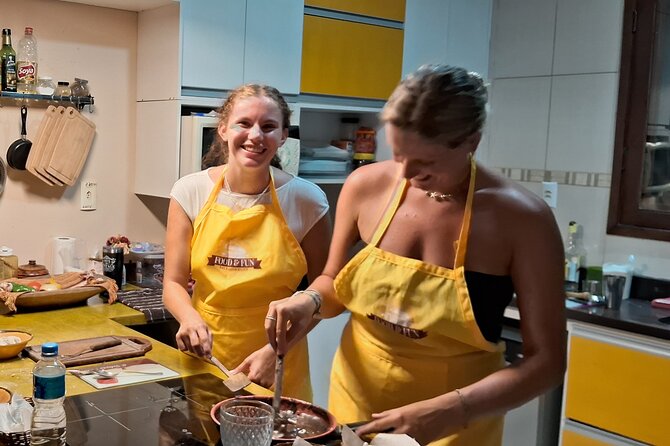
Come hungry, leave with recipes. This four-hour Salvador cooking class offers a warm way to meet Bahian food at its source: in a home kitchen, around a table, with drinks in hand. I like the hands-on format, since you prepare eight recipes rather than simply watch a chef work. I also like the personal touch from host Karla, who shares food advice, Salvador tips, and local context as she cooks with you.
The main catch is location. The class takes place in Stella Maris, not in Salvador’s historic center, and private transportation is not included. You also need to cancel at least 24 hours ahead for a full refund. For a visitor who wants a polished restaurant meal, this may feel too active. For anyone who likes cooking, conversation, and a generous dinner, it is a strong choice.
In This Review
- Key points to know before booking
- Why this Salvador cooking class feels personal
- Starting with caipirinhas and pão de queijo
- Brazilian ingredients beyond the usual tourist menu
- Making brigadeiro before the main course
- Moqueca, rice, pirão, and farofa
- Ending with Bahia coffee and liqueur
- The home setting and what it means for you
- Private format, timing, and getting there
- Is $68.67 a fair price?
- Who will enjoy the class most?
- Dietary needs and practical booking advice
- Should you book this Salvador cooking experience?
- FAQ
- How long does the cooking class last?
- Where does the class begin and end?
- What food will I prepare?
- Are drinks included?
- Can the menu accommodate dietary restrictions?
- Is transportation included?
- What is the cancellation policy?
Key points to know before booking
- You prepare eight Bahian recipes, including pão de queijo, brigadeiro, moqueca, pirão, and farofa.
- Karla hosts the class in her home, creating a relaxed setting rather than a formal culinary school.
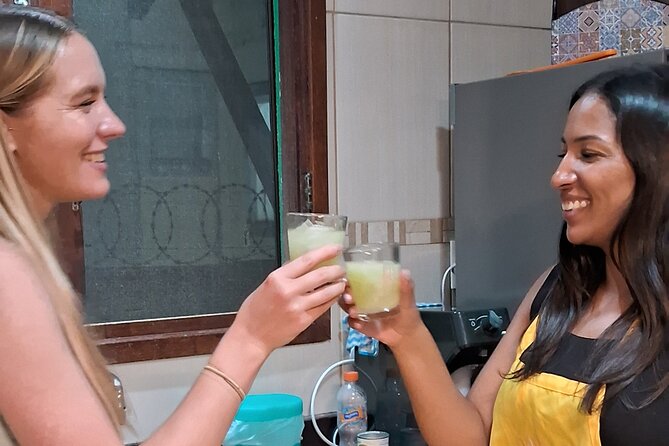
- Caipirinhas are part of the activity, with unlimited drinks while you cook. Nonalcoholic versions are available.
- The class costs $68.67 per person, including dinner, drinks, coffee, tea, and the guided instruction.
- Dietary needs can be accommodated, including vegetarian, vegan, and gluten-free requests if you provide them when booking.
- The experience is private, so only your own group participates.
Why this Salvador cooking class feels personal
A cooking lesson can easily become a demonstration where you stand back and watch. This one takes a different route. You chop, mix, marinate, fry, stir, and assemble the food yourself, with Karla guiding the process and explaining why each ingredient matters.
That matters in Bahia, where food tells a story of place. The class introduces you to ingredients and simple vegetable preparations tied to Brazilian cooking traditions. You are not just handed a finished plate. You get a sense of how the meal comes together and how the parts fit on a Bahian table.
Karla’s hosting style is one of the strongest reasons to book. She is described as welcoming and easy to talk with, and her excellent English helps if you want more than a recipe card. The class also becomes a chance to ask about Salvador, places to eat, and food in other Brazilian cities, including São Paulo.
The atmosphere is informal. You make a drink, nibble on appetizers, and talk while the food takes shape. If you enjoy learning through conversation, this is more appealing than a strict lesson with a clock running every minute.
More of Salvador and Bahia:
- Round trip transfer, Salvador, Bahia, Brazil
★ 5.0 · 228 reviews - Salvador City Tour – Discover Brazil’s First Capital En, It, Es
★ 5.0 · 217 reviews - Tour to the Frades Islands and Itaparica, from Salvador – Ba
★ 4.0 · 130 reviews
Starting with caipirinhas and pão de queijo
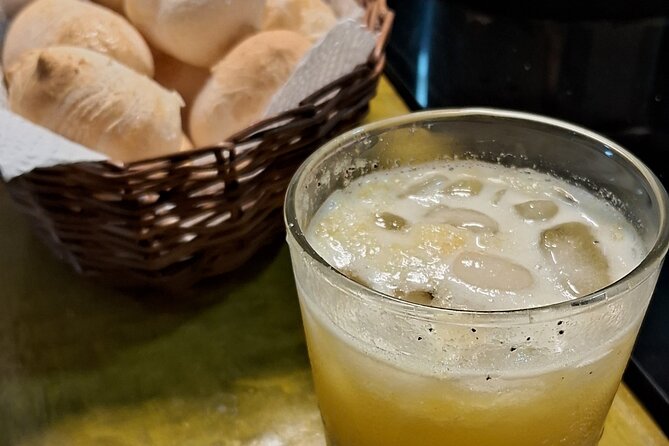
The class begins with Brazil’s famous caipirinha. You choose a fruit, then make and drink the cocktail while the cooking starts. Unlimited caipirinhas are included, which makes the drink more than a welcome toast. It becomes part of the social rhythm of the afternoon or evening.
You can also request a nonalcoholic fruit cocktail. Brazilian tea, guarana, sparkling water, and regional coffee are included as well, so you are not limited to alcohol. Still, use a little judgment with the caipirinhas. This is a four-hour activity with plenty of food, but the drinks arrive early and continue during the cooking.
Next comes pão de queijo, the small Brazilian cheese bread that appears in cafes and homes across the country. You learn about the ingredients and prepare the bread yourself. It is a useful first recipe because it gets your hands working without requiring the timing or attention of the main course.
The opening section sets the tone well. You taste, ask questions, and learn by doing. It is also a good point to tell Karla about food restrictions or dislikes if you have not already done so.
Brazilian ingredients beyond the usual tourist menu
One valuable part of the class is the attention paid to ingredients that may not be familiar to you. Karla explains where they come from and how they fit into Brazilian food traditions. You also try vegetables cooked in a simple style, showing that the meal is not built only around dramatic sauces or seafood.
That simple preparation is worth noting. A cooking class does not need to turn every ingredient into a complicated project. Here, the point is to understand the food’s roots and see how everyday cooking can bring out the character of the ingredients.
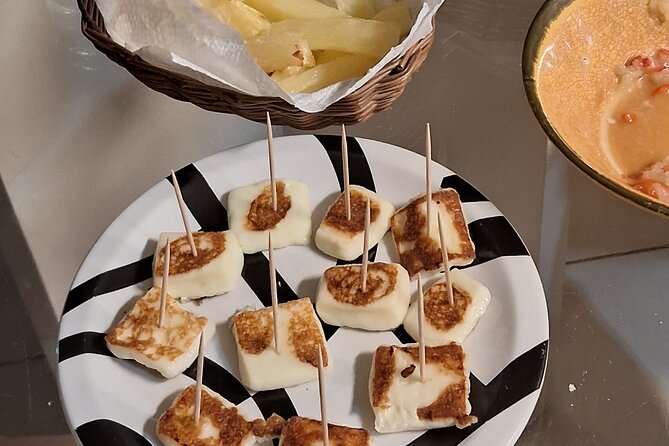
The class also includes queijo coalho, a firm Brazilian cheese often associated with northeastern Brazil. You pair it with a pineapple pepper jelly, a sweet and spicy combination that gives the cheese more punch without burying its flavor.
Another starter is camarão na tapioca, deep-fried shrimp served with tapioca. This is one of the more distinctly regional bites on the menu, and it gives you a taste of the textures that make Brazilian snacks so appealing: crisp outside, soft filling, and plenty of contrast.
If you do not care for seafood, do not assume the class cannot work for you. Karla has adjusted the menu for participants who told her in advance that they were not seafood lovers. That makes early communication important. The menu can be personalized for vegetarian, vegan, and gluten-free diets, but you need to state your needs when booking.
Making brigadeiro before the main course
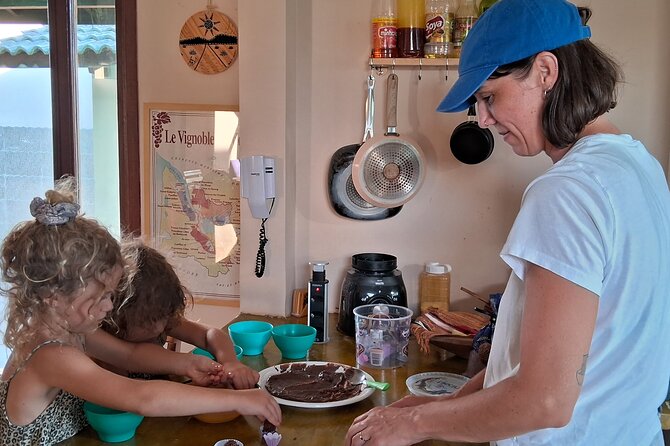
Dessert comes early in the cooking order because brigadeiro needs time to cool. This is a smart kitchen decision, and it gives you a chance to make one of Brazil’s most familiar sweets before moving to the main dish.
Brigadeiro is made from a short list of ingredients and is common in Brazilian cafes and celebrations. The recipe is approachable, making it a good choice for cooks of different skill levels. You do not need to arrive with advanced kitchen experience.
The practical lesson here is as useful as the sweet itself. Good cooking often depends on timing, not just technique. By preparing the brigadeiro first, you avoid finishing dinner and then waiting around for dessert to become ready.
More cooking classes in Salvador:
- 4h Cooking Class in Salvador with 9 Recipes & Bottomless Drinks
★ 5.0 · 73 reviews - Family Cooking Class in Rio Make 9 Brazilian Dishes Together
★ 5.0 · 32 reviews - 3-Hour Brazilian Cooking Class in Rio de Janeiro
★ 5.0 · 30 reviews - Hands-On Cooking Class in Rio: Iconic Street Foods & Caipirinhas
★ 5.0 · 11 reviews
Moqueca, rice, pirão, and farofa
The main course is moqueca, one of Bahia’s best-known dishes. You marinate fish, prawns, or other seafood, depending on the menu selected for your group, and then prepare the dish with Karla’s guidance.
Moqueca is a fitting centerpiece for a Salvador food class because it brings several flavors and techniques together in one pot. You learn how the seafood is prepared, then build the dish while also making the accompaniments.
The side dishes are not filler. Brazilian-style rice gives you a familiar base, while pirão adds a softer, more distinctive element. Farofa provides texture and is a classic Brazilian side made with toasted manioc flour. Together, these dishes help you understand how a full Brazilian meal is balanced.
This is also where the class becomes more substantial than a snack workshop. You are not simply making one dish and going home. You prepare a complete meal with starters, a main course, sides, dessert, and drinks.
If seafood is your favorite, the moqueca is likely to be the highlight. If it is not, communicate early. The experience has already been adapted for people who wanted a different menu, but that flexibility depends on planning.
Ending with Bahia coffee and liqueur
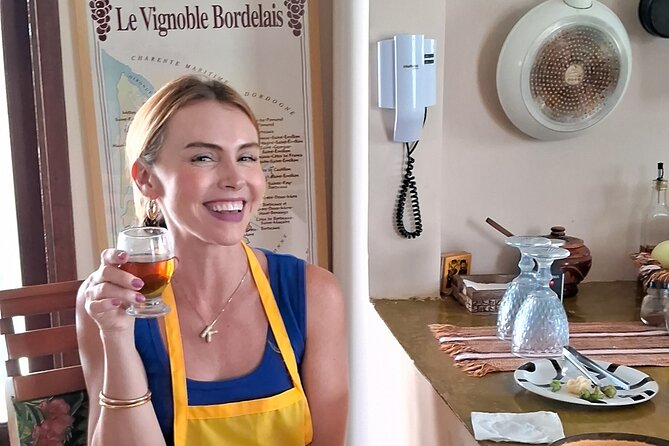
After the meal, the class finishes with coffee from the Bahia region, followed by liqueur. It is a small closing detail, but it helps the experience feel like a full hosted dinner rather than a lesson that ends as soon as the last pan is washed.
Coffee also gives you time to keep talking with Karla. This is when her suggestions about Salvador restaurants and local food can be especially useful. Bring a few questions. You might want to ask where to try dishes you did not cook, what foods to look for in cafes, or how Bahian cooking differs from food in São Paulo.
The relaxed pacing is part of the appeal. You are not rushed from station to station. The tradeoff is that the total time can feel long if you want a quick activity. Four hours is a serious block in your Salvador schedule, especially if you have limited time in the city.
The home setting and what it means for you
The class takes place at R. Eng. Adozindo Magalhães, 255, in Stella Maris, Salvador. If you book only the cooking class, that is where the activity starts and ends.
A home setting gives the experience its strongest character. You see food prepared in a real domestic kitchen, and the meal is shared in a more personal atmosphere. Past participants have described Karla’s home as relaxing and welcoming, which fits the nature of the activity.
The setting also means you should not expect the equipment, layout, or presentation of a professional cooking school. That is not a problem for most people, but it is worth understanding before you book. The value comes from access to a host and a local kitchen, not from sleek facilities.
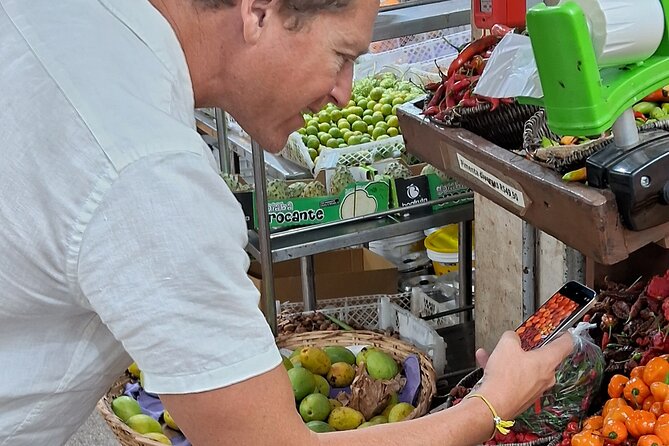
Some arrangements have included a market visit before going to the home, with time to look at local foods, taste fruits and sweets, and even try cachaca. The core description for a cooking-class-only booking begins at the home, so confirm the exact plan if a market visit matters to you. Do not assume it is part of every reservation.
Private format, timing, and getting there
This is a private activity, meaning only your own group participates. That is useful for couples, families, and friends who want to ask questions freely or request menu changes without worrying about strangers in the room.
One unusual point is that a description of meeting other people appears in the feedback, but the current activity details identify the class as private. I would rely on the private-tour information when planning and confirm the group setup if this matters to you.
The meeting point is near public transportation, but private transportation is not included. Stella Maris is a practical location for some Salvador visitors, especially if you are staying nearby. If your hotel is elsewhere, allow extra time for reaching the address and confirm the best route before the class begins.
The class lasts about four hours. That includes the drinks, preparation, meal, coffee, and conversation. I would avoid scheduling another fixed activity immediately afterward. Cooking rarely follows a strict museum timetable, and the social part is a major reason to be there.
Is $68.67 a fair price?
At $68.67 per person, the price is not just paying for a single meal. It includes a guided private class, eight recipes, dinner, unlimited caipirinhas, nonalcoholic drinks, Brazilian coffee, and tea.
That is good value if you would otherwise pay for a restaurant dinner and a separate food activity. You also leave with techniques and recipes you can repeat at home. The private format adds value for a couple or small group that wants personal attention.
The price is less compelling if you mainly want to eat moqueca without cooking. A restaurant will be easier and probably quicker. This is an activity built around participation, so the value depends on whether you enjoy the work as much as the meal.
There is also no private transportation. Include the cost and time of reaching Stella Maris when comparing this with a class closer to your accommodation. The activity remains reasonably priced for what it includes, but it is not an all-inclusive city tour.
Who will enjoy the class most?
I would recommend this experience to you if you:
- Like cooking or want a practical introduction to Brazilian food.
- Prefer a home meal to a formal restaurant.
- Enjoy conversation with a local host.
- Want to taste several dishes in one sitting.
- Are curious about ingredients, food customs, and where to eat in Salvador.
- Are comfortable setting aside about four hours.
- Have dietary restrictions and are willing to share them when booking.
Families may enjoy the mix of simple recipes, sweets, drinks, and hands-on work, though the available details do not specify a minimum age. Couples and friends will appreciate the private format. Solo visitors can also benefit from the personal attention, but should confirm how the private booking applies to a single participant.
This may not be your best choice if you dislike cooking, avoid seafood and do not want to request a menu change, or have only a short stop in Salvador. It is also not ideal if your priority is a central location near the historic sights.
The class is especially useful early in your stay. Karla’s Salvador food suggestions can help guide later meals, and learning the names of local dishes makes restaurant menus less mysterious.
Dietary needs and practical booking advice
Vegetarian, vegan, and gluten-free diets can be accommodated. State your needs clearly when booking rather than waiting until you arrive. The same applies to seafood preferences, since the moqueca and shrimp dishes are central to the standard menu.
Confirmation is provided at the time of booking. Service animals are allowed, and the location is near public transportation. These details are helpful, but they do not replace asking direct questions about your own needs if you have allergies or mobility concerns.
The cancellation policy is simple: cancel at least 24 hours before the start time for a full refund. Cancellations or changes made inside that window are not accepted for a refund. Since the class involves food preparation and advance planning, make sure your schedule is settled before the deadline.
Should you book this Salvador cooking experience?
Book it if you want more than a plate of Bahian food. The strongest parts are the personal hosting from Karla, the private home setting, the eight-recipe meal, and the chance to make caipirinhas while you work.
I would book this early in a Salvador visit, especially if you enjoy food recommendations and want a friendly introduction to regional cooking. Just plan your route to Stella Maris, allow the full four hours, and communicate dietary requests in advance.
Skip it if you want a fast, passive meal or if the location is inconvenient. For everyone else, the combination of cooking, eating, local advice, and easy conversation makes this a well-priced and genuinely personal Salvador experience.
FAQ
How long does the cooking class last?
The experience lasts approximately four hours, including cooking, dinner, drinks, coffee, and conversation.
Where does the class begin and end?
The class begins at R. Eng. Adozindo Magalhães, 255, in Stella Maris, Salvador, and ends back at the same meeting point.
What food will I prepare?
The standard menu includes eight recipes such as pão de queijo, queijo coalho with pineapple pepper jelly, camarão na tapioca, brigadeiro, moqueca, Brazilian-style rice, pirão, and farofa.
Are drinks included?
Yes. The price includes unlimited caipirinhas while you cook, along with Brazilian tea, guarana, sparkling water, regional Brazilian coffee, and a nonalcoholic fruit cocktail option.
Can the menu accommodate dietary restrictions?
Yes. Vegetarian, vegan, and gluten-free requests can be accommodated. You should indicate your dietary needs when booking.
Is transportation included?
No. Private transportation is not included. The meeting point is near public transportation.
What is the cancellation policy?
You can cancel at least 24 hours before the start time for a full refund. Cancellations or changes made less than 24 hours before the experience are not accepted for a refund.
Just added in Salvador
- Mãe Tereza Ecological Park | A peaceful paradise, perfect for relaxing!★ 4.5 · 19 reviews
- Full Day Tour in Trancoso with Chocolate Factory★ 4.5 · 35 reviews
- Horse back riding and Eco tourism food and fun.★ 5.0 · 1 review
- Salvador: Schooner Cruise with Pickup and Itaparica Stop★ 3.8 · 5 reviews
- Salvador: Traditional Drumming and Percussion Workshop★ 4.4 · 10 reviews
- PROMO Salvador: Interactive Art and Culture Private Tour★ 5.0 · 2 reviews
- Salvador: 3-Hour Percussion Class★ 4.9 · 10 reviews
- Salvador: Cultural Treasure – Samba de Roda.★ 4.9 · 51 reviews
Salvador and Bahia Tours, compared.

Salvador City Tour – Discover Brazil’s First Capital En, It, Es
Read our review →
Tour to the Frades Islands and Itaparica, from Salvador – Ba
Read our review →


Tour Praia do Forte and Guarajuba, Leaving Salvador-Bahia.
Read our review →
Transfer to Iberostar Selection Praia do Forte or Waves Bahia
Read our review →
Transfer Iberostar Waves Bahia / Praia do Forte – Private
Read our review →
Afro-Brazilian Roots Private City Tour in Salvador
Read our review →Browse the lists this tour appears in