
Reviewed · SALVADOR AND BAHIA TOURS
PROMO Salvador: Interactive Art and Culture Private Tour
Salvador tells its story through music, faith, art, and street life. This six-hour Wednesday tour brings those threads together, moving from Mercado Modelo through several of the city’s key cultural museums and into Pelourinho. I like the private format, which gives you room to ask questions, and I like the mix of formal museums with a short stop at O Cravinho.
The main caution is time. You visit four cultural institutions in roughly five to six hours, so this works best as a broad introduction rather than a slow museum day. If you like examining every label and gallery, you may want to return to your favorite museum later. The guide, Bia, earned especially warm praise for her clear explanations, kindness, and thoughtful discussions of history, philosophy, and religion.
In This Review
- Key points to know before booking
- Why this six-hour Salvador tour works
- Starting at Mercado Modelo
- Casa das Histórias de Salvador
- Cidade da Música da Bahia and Salvador’s sound
- Walking through Pelourinho
- Casa do Carnaval da Bahia
- O Cravinho, a 15-minute Bahian pause
- Cultural Afro-Brazilian Museum
- The guide makes the difference
- Timing, transport, and accessibility
- Who gets the best value?
- Is the private price worth it?
- Should you book this Salvador culture tour?
- FAQ
- How long does the Salvador cultural tour last?
- Where does the tour begin?
- Is the tour private?
- Which languages are available for the live guide?
- Is the experience wheelchair accessible?
- Does the tour include Pelourinho?
- Can I cancel for a full refund?
Key points to know before booking
- Wednesday focus: The tour is built around Salvador’s Casa das Histórias, Cidade da Música da Bahia, Casa do Carnaval, and the Cultural Afro-Brazilian Museum.
- Mercado Modelo start: You begin with one of Salvador’s best-known meeting points before heading into the historic center.
- Pelourinho on foot: The route includes a visit and walk through Salvador’s famous old district, not just museum interiors.
- O Cravinho tasting: A 15-minute aperitif stop adds a small but memorable taste of local social life.
- Private and multilingual: You can book a private group with a live guide in English, Portuguese, Spanish, French, German, Italian, Chinese, or Japanese.
- Good orientation, limited depth: The tour covers a lot of ground and helps you choose which museums deserve a longer return visit.
Why this six-hour Salvador tour works
Salvador can feel like several cities at once. Its Portuguese colonial past, African cultural roots, Catholic traditions, music, carnival, and everyday Bahian life all overlap. A visit focused on only one theme can leave you with an incomplete picture.
This tour takes a museum-centered approach, which is useful when you want context rather than a quick photo stop. You are not simply shown a church, a square, or a colorful street. You are given several ways to understand why those places matter.
I especially like the balance between institutions and outdoor time. You move through museums, walk in Pelourinho, and pause for an aperitif. That variety matters in Salvador, where sitting indoors for six straight hours would miss part of the city’s character.
The private setup also changes the pace. You can ask about a religious symbol, a carnival tradition, or a historical figure without worrying about holding up a large group. The guide’s role is important here. Bia was praised for answering questions and moving into wider conversations about philosophy and religions, not just reciting dates.
More of Salvador and Bahia:
- Round trip transfer, Salvador, Bahia, Brazil
★ 5.0 · 228 reviews - Salvador City Tour – Discover Brazil’s First Capital En, It, Es
★ 5.0 · 217 reviews - Cooking class in Salvador, an authentic dinning experience
★ 5.0 · 132 reviews
Starting at Mercado Modelo
Mercado Modelo is the meeting point and opening stop. The plan allows about 30 minutes for a photo stop, a visit, and a guided look around.
This is a sensible place to begin because it connects Salvador’s tourist center with local craft, food, and public life. You get your bearings before the tour turns toward the museums and Pelourinho. The stop is short, so think of it as an introduction rather than a full market shopping session.
That time limit can be helpful. Mercado Modelo can easily swallow an hour if you browse every stall, but the main purpose here is to establish the setting and begin the cultural conversation. If you are hoping to shop, ask your guide how much time you can spare without affecting the rest of the day.
Casa das Histórias de Salvador
Casa das Histórias de Salvador receives about an hour, making it one of the more substantial stops.
The museum is a natural fit for anyone who wants to understand Salvador through the people and events that shaped it. The value of a guided visit is not simply seeing objects. It is learning how separate pieces fit together, especially when the subject reaches across colonial rule, African influence, religion, and the city’s daily life.
This is also where your questions can make the biggest difference. A private guide can adapt the conversation to your interests, and Bia’s reported ability to discuss philosophy and religion suggests that the visit can move beyond a basic historical outline.
Still, one hour passes quickly. If a particular display catches your attention, make a note of it. The tour is designed to give you a strong first look, not unlimited reading time.
Cidade da Música da Bahia and Salvador’s sound
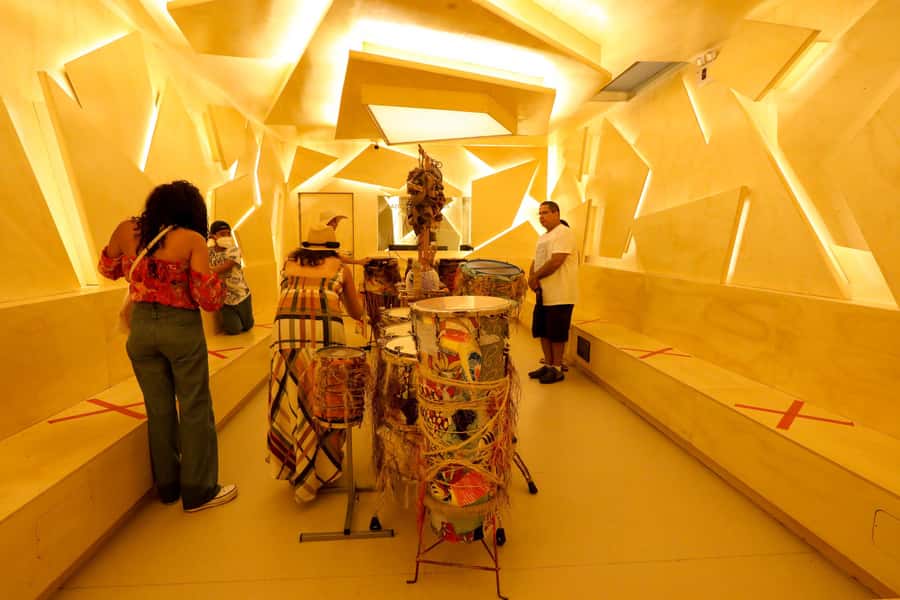
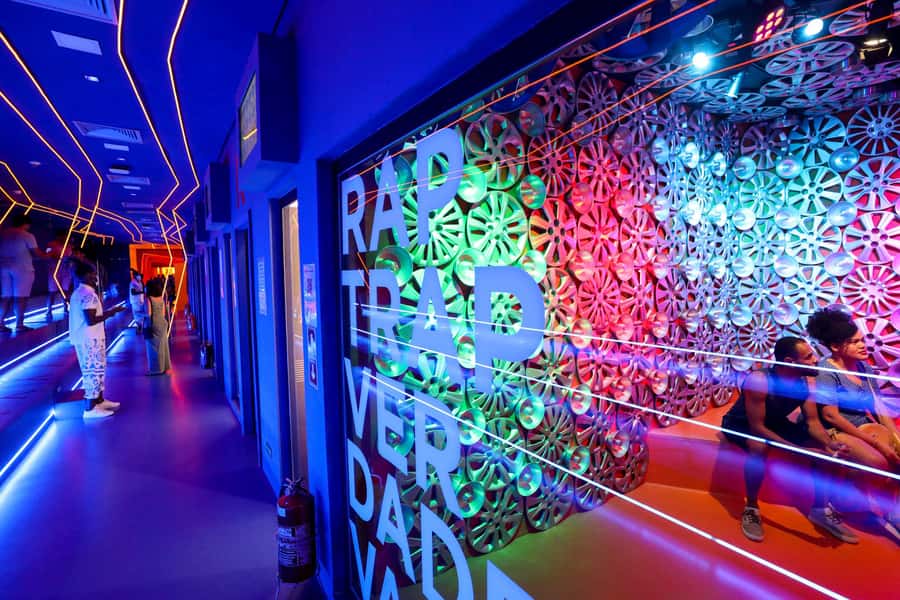
The next museum turns from written history to sound and performance. Cidade da Música da Bahia explores Salvador as a city shaped by music, an idea that reaches far beyond a background soundtrack.
This stop helps explain why music is so closely tied to public celebrations, identity, and social life in Bahia. It gives the tour a different rhythm after the more general historical material at Casa das Histórias.
The exact amount of time here is not specified, so the private guide becomes useful. You can ask for a focus on the parts that interest you most, though the full day still has several stops to cover.
I like this inclusion because it keeps the experience from becoming a museum sequence with the same tone throughout. Salvador’s culture is heard as much as it is seen, and this museum gives that idea a proper place in the day.
More things to do in Salvador:
- Tour to the Frades Islands and Itaparica, from Salvador – Ba
★ 4.0 · 130 reviews - Transfer Salvador Airport / Hotel Litoral Norte
★ 5.0 · 111 reviews - Private City Tour in Salvador
★ 5.0 · 110 reviews - From Salvador: Schooner Tour to Frades Islands and Itaparica
★ 3.9 · 98 reviews
Walking through Pelourinho
Pelourinho is not just a pass-by photo backdrop. The experience includes a visit and walk through the district, linking the museums with the historic streets outside.
This is one of the moments when you can let the city speak for itself. Look around as you walk, notice the old façades, and pay attention to how public spaces connect with music, religion, commerce, and tourism. The guide can provide the context that a quick solo stroll may miss.
The practical point is footwear and stamina. The tour lasts six hours and includes several visits plus walking, so comfortable shoes are sensible. No exact walking distance is given, but Pelourinho is an active part of the day rather than a single viewpoint.
Because the tour is private, you may be able to ask for a short pause if you need one. Do not assume the schedule can expand, though. Four museums and a historic district leave little spare time.
Casa do Carnaval da Bahia
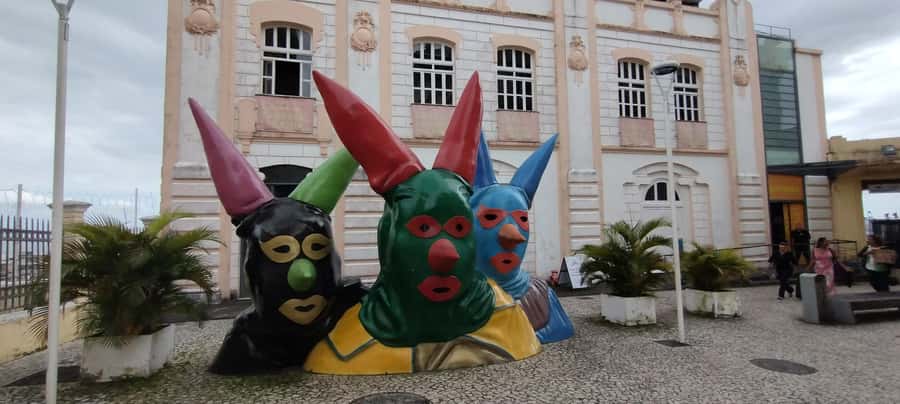
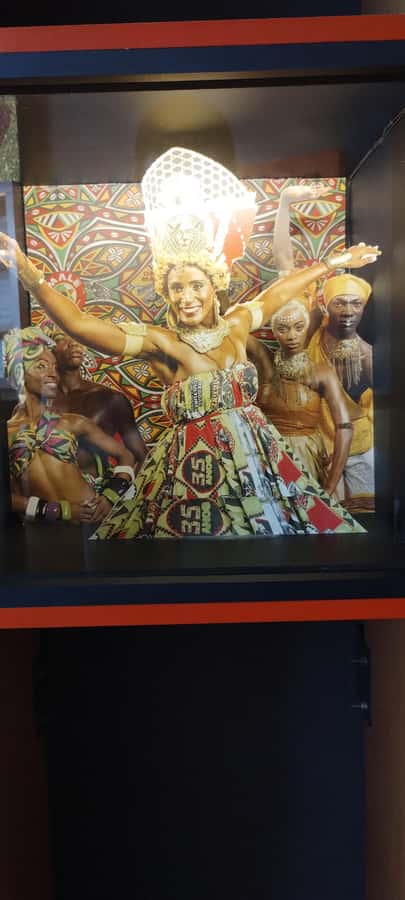
Casa do Carnaval is where Salvador’s biggest public celebration gets its own chapter. The guided visit looks at the ideas, objects, and traditions behind carnival, helping you see it as more than a party.
That distinction is useful. Carnival in Salvador is tied to music, movement, community, costume, and public space. A museum visit can give structure to something that otherwise seems fast, loud, and impossible to explain in a short holiday.
The guide-led format should help you connect the displays to the streets you have already seen and the music explored at Cidade da Música. The three stops work best together: one gives broad city context, one explains sound, and one examines celebration.
Again, you should manage your expectations. This is not a full carnival workshop or a performance experience. It is a cultural visit with guided interpretation.
O Cravinho, a 15-minute Bahian pause
The 15-minute stop at O Cravinho is brief, but it adds welcome texture to the day. You have an aperitif and a chance to pause between museums.
I like this kind of stop because it breaks up the formal program. A drink in a local setting can tell you something about how a city relaxes and socializes, even when there is not time for a full meal.
The timing matters. Fifteen minutes is enough for a taste, not a long bar visit. If you do not drink alcohol, confirm what alternatives are available before booking, since the supplied details mention an aperitif but do not specify nonalcoholic choices.
Treat O Cravinho as a small cultural interlude, not one of the main educational stops. Its purpose is to refresh the pace and add a sensory moment.
Cultural Afro-Brazilian Museum
The final listed stop is the Cultural Afro-Brazilian Museum. Its place in the route is important because Salvador cannot be understood through European colonial history alone.
This visit brings African cultural influence to the foreground. It gives you another lens on art, belief, identity, and the development of Bahian culture. Along with the music and carnival museums, it helps create a fuller picture of the forces that shape Salvador.
The main limitation is time. With several museums on one day, you may not have the chance to study every object or exhibit at length. I would treat the tour as a guide to the city’s major cultural themes, then return independently to the museum that speaks to you most.
That approach matches the practical advice I would give anyone who loves museums: use this day to choose your priorities. A first visit can help you decide where a second, slower visit will be worthwhile.
The guide makes the difference
A private cultural tour succeeds or fails on the person leading it. Here, the strongest praise goes to Bia, who was described as kind, well informed, and able to make the day both instructive and enjoyable.
The most useful detail is her willingness to engage with questions about philosophy, religions, and history. That suggests a conversation rather than a fixed speech. If you want that kind of experience, bring questions of your own.
The tour offers live guiding in nine languages: Chinese, English, French, German, Italian, Japanese, Portuguese, and Spanish. That range is a practical advantage, particularly for a subject where small differences in translation can affect the meaning of religious and cultural terms.
The group is private, so you are not sharing the guide with a large crowd. The details do not state the maximum group size, so you should confirm the size of your own party when booking.
Timing, transport, and accessibility
The advertised duration is six hours, with starting times based on availability. The supplied experience does not spell out every transfer between stops, but the day includes a driver, and the driver was praised for making the route smooth and safe.
That matters because the stops are spread across central Salvador rather than sitting inside one compact museum complex. You should expect a combination of short transfers and walking, though the exact transport plan is worth confirming when you reserve.
The experience is listed as wheelchair accessible. That is helpful, but accessibility can depend on the precise route, vehicle, museum entrance, and conditions in Pelourinho. If you use a wheelchair, confirm these details in advance so the private arrangement fits your needs.
The schedule is labeled as a Wednesday tour. Make sure Wednesday works for your plans before choosing it, especially if you have only a short stay in Salvador.
Who gets the best value?
This tour suits you if you want a guided introduction to Salvador’s culture and prefer questions to a hurried group lecture. It is also a good match if you want several museums in one day but do not yet know which ones deserve extra time.
Families, couples, and small private groups can benefit from the flexible conversation. The broad language selection also makes it easier to follow complex subjects in a language you are comfortable using.
Museum specialists may find the schedule too tight. Four institutions in one day means sampling rather than full study. If your idea of a good museum visit is two quiet hours in one collection, book this only if you are willing to return on another day.
This is also not the right choice if your priority is a beach, a schooner trip, nightlife, capoeira, or a cooking class. Salvador offers all of those experiences, but this tour is firmly centered on history, art, music, carnival, and Afro-Brazilian culture.
Is the private price worth it?
No price is provided in the available details, so I cannot judge the exact cost. The right question is what the private format adds compared with visiting the museums on your own.
You are paying for a guide who can connect separate museums, answer personal questions, and help you understand Salvador as one cultural story. You also gain a planned route, a driver, and the convenience of seeing several major sites in one day.
The value is strongest when your time in Salvador is short or when you want an informed overview before making your own return visits. It is weaker if you already know the museums well or prefer to set your own pace.
Before paying, check what is included in the quoted price, especially museum admission, transportation, food, and the aperitif. Those details are not specified here, and they can change the total value.
Should you book this Salvador culture tour?
Book it if you want a private, guide-led introduction to Salvador through museums, music, carnival, Pelourinho, and Afro-Brazilian culture. The mix is thoughtful, and the chance to talk with a guide such as Bia adds real value.
Do not book it expecting a slow museum study. You will cover a lot in six hours, and the smartest plan is to use the tour as your cultural map of Salvador. Then return to the one museum that deserves more of your time.
FAQ
How long does the Salvador cultural tour last?
The tour lasts six hours.
Where does the tour begin?
The starting location is Mercado Modelo in Salvador.
Is the tour private?
Yes. It is offered for a private group.
Which languages are available for the live guide?
Guiding is available in Chinese, English, French, German, Italian, Japanese, Portuguese, and Spanish.
Is the experience wheelchair accessible?
Yes, the experience is listed as wheelchair accessible.
Does the tour include Pelourinho?
Yes. The program includes a visit and walk through Pelourinho, as well as passing through the district.
Can I cancel for a full refund?
Yes. You can cancel up to 24 hours before the experience for a full refund.
Just added in Salvador
- Mãe Tereza Ecological Park | A peaceful paradise, perfect for relaxing!★ 4.5 · 19 reviews
- Full Day Tour in Trancoso with Chocolate Factory★ 4.5 · 35 reviews
- Horse back riding and Eco tourism food and fun.★ 5.0 · 1 review
- Salvador: Schooner Cruise with Pickup and Itaparica Stop★ 3.8 · 5 reviews
- Salvador: Traditional Drumming and Percussion Workshop★ 4.4 · 10 reviews
- Salvador: 3-Hour Percussion Class★ 4.9 · 10 reviews
- Salvador: Cultural Treasure – Samba de Roda.★ 4.9 · 51 reviews
- Salvador by Night: Cultural Show and Dinner.★ 4.4 · 17 reviews
Salvador and Bahia Tours, compared.
Salvador City Tour – Discover Brazil’s First Capital En, It, Es
Read our review →
Cooking class in Salvador, an authentic dinning experience
Read our review →
Tour to the Frades Islands and Itaparica, from Salvador – Ba
Read our review →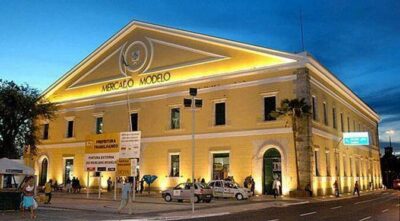


Tour Praia do Forte and Guarajuba, Leaving Salvador-Bahia.
Read our review →
Transfer to Iberostar Selection Praia do Forte or Waves Bahia
Read our review →
Transfer Iberostar Waves Bahia / Praia do Forte – Private
Read our review →Browse the lists this tour appears in