
Reviewed · BRAZIL FOOD AND SAMBA NIGHTS
Salvador: Cultural Treasure – Samba de Roda.
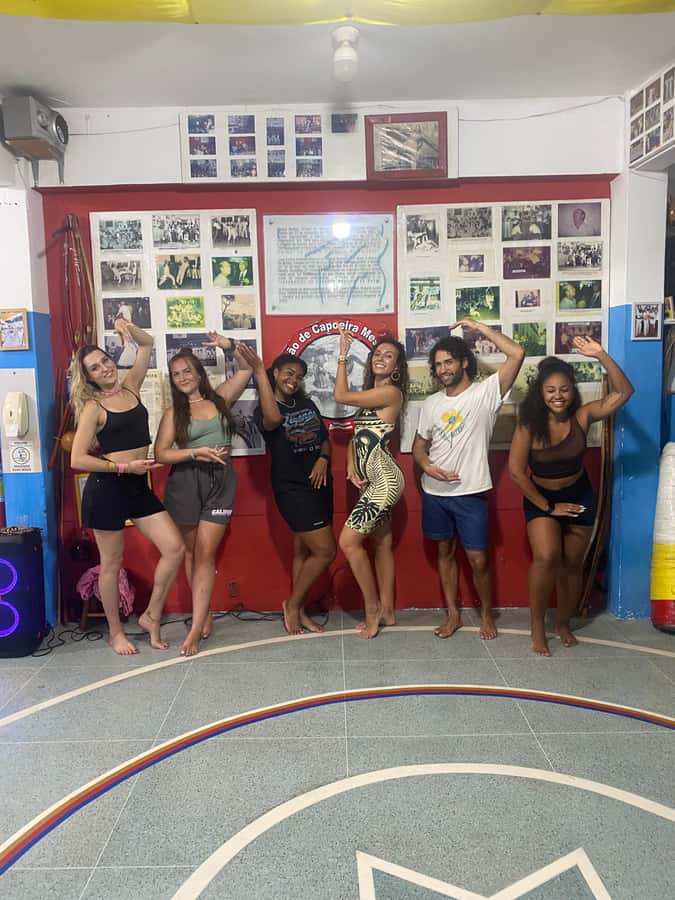
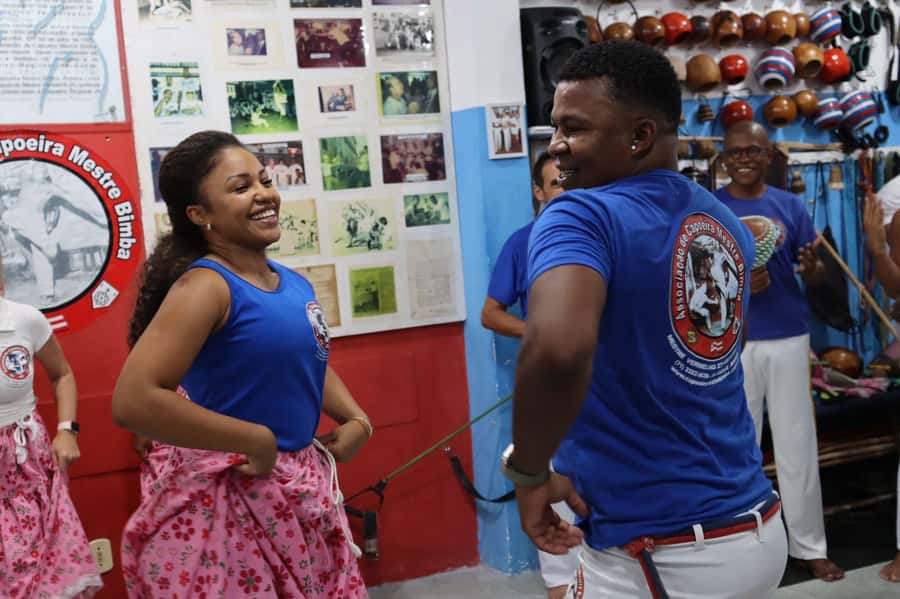
Start with the beat, not a bus. I like the English-speaking instruction and the chance to learn inside Associação de Capoeira Mestre Bimba, a place tied directly to Salvador’s cultural story. The class is also friendly to complete beginners, though one hour goes quickly if you want both a full dance lesson and a long history talk.
This is more than a few dance steps in a studio. You learn how samba grew from Afro-Brazilian communities in Bahia, meet the basic rhythm through movement, and hear why capoeira and other African traditions once faced criminalization. I also like that you do not need a partner, and that the central meeting point makes it easy to fit into a day in the historic center.
In This Review
- Key points at a glance
- Why this one-hour class matters in Salvador
- Entering Mestre Bimba’s 1937 capoeira school
- What happens during the samba lesson
- Yasmin and the value of a patient instructor
- Samba, capoeira, and Salvador’s cultural story
- Getting to Largo do Terreiro de Jesus
- Is $43 a fair price?
- Who will enjoy this class most?
- Practical tips before you book
- Should you book Salvador’s Samba de Roda class?
- FAQ
- Do I need previous dance experience?
- Do I need to bring a partner?
- How long does the samba class last?
- What languages are available?
- Where does the class meet?
- Is hotel pickup included?
- What landmarks are near the meeting point?
- Can I cancel for a refund?
Key points at a glance
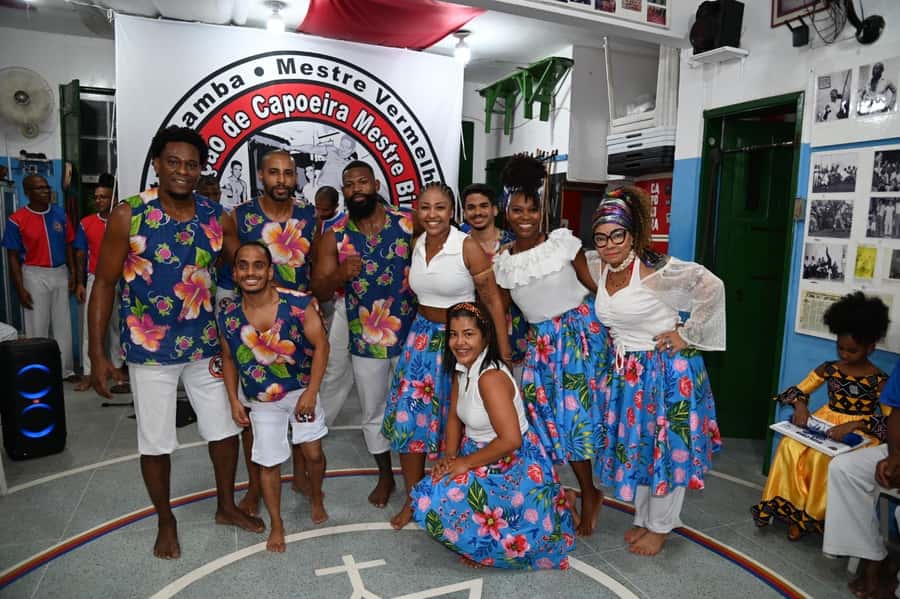
- Learn samba without a partner: The class is made for beginners, solo participants, couples, and families.
- Dance at a historic capoeira school: The lesson takes place at the first Capoeira School in Brazil, founded in 1937 by Mestre Bimba.
- Hear the story behind the music: Your instructor explains samba’s Afro-Brazilian roots, its difficult past, and its place in modern Brazilian culture.
- Expect a lively workout: You will learn basic steps, move to music, and may work up a sweat even during this short introduction.
- Meet at Largo do Terreiro de Jesus: The Associação is near Ó Pai Ó Restaurante and São Domingos Gusmão Church, useful landmarks when finding the venue.
- Budget about $43: The price includes the samba lesson, an English-speaking instructor, school access, and cultural background.
Why this one-hour class matters in Salvador
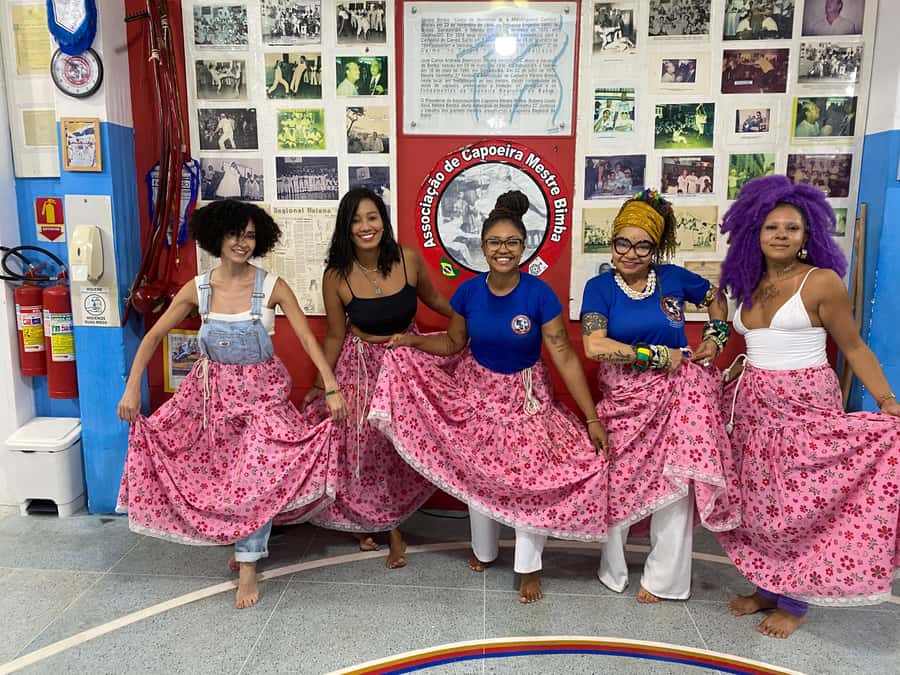
Samba is often treated as a party sound from Rio de Janeiro, but its story reaches deep into Bahia. The experience explains that samba grew from Afro-Brazilian communities in the region during the late 19th century. That connection gives the dance more weight than its cheerful surface suggests.
African cultural practices in Brazil were once viewed with suspicion and, in some cases, criminalized. Capoeira, Candomblé, and samba all had to survive pressure from authorities and prejudice from wider society. The class puts that past beside samba’s present status as a symbol of Brazil and a UNESCO-recognized Intangible Cultural Heritage of Humanity.
I find that context useful because it changes the way you hear the rhythm. You are not simply copying a sequence of footwork. You are learning a small physical link to a culture that protected its music, movement, and identity through difficult times.
The lesson does not promise advanced choreography. That is a good thing for most people. In one hour, you get a clear introduction rather than an ambitious routine that leaves you lost by the second song.
More of Salvador and Bahia:
- Round trip transfer, Salvador, Bahia, Brazil
★ 5.0 · 228 reviews - Salvador City Tour – Discover Brazil’s First Capital En, It, Es
★ 5.0 · 217 reviews - Cooking class in Salvador, an authentic dinning experience
★ 5.0 · 132 reviews
Entering Mestre Bimba’s 1937 capoeira school
The setting is one of the strongest parts of the experience. Associação de Capoeira Mestre Bimba is connected to Mestre Bimba, the creator of Capoeira Regional, and was founded in 1937 as the first Capoeira School in Brazil.
The school is described as a quilombo of resistance, a place that helped protect and carry forward cultural practices in Salvador. You do not need to be an expert in capoeira to appreciate why the room matters. A samba lesson here links dance with a living place of cultural preservation.
The venue also gives this activity a useful sense of place. A standard dance studio could teach the steps, but it would not carry the same connection to Salvador’s Afro-Brazilian traditions. Here, the building and its story form part of the lesson.
Some class participants have also combined samba with capoeira or drum instruction. If you are considering more than one class, expect a more physical outing. One person who combined capoeira and samba described it as a great workout, so plan your clothes and energy accordingly.
You meet at the Associação, with no pickup service. Use Ó Pai Ó Restaurante or São Domingos Gusmão Church in Largo do Terreiro de Jesus as nearby landmarks. This is a practical detail worth taking seriously, especially if you are unfamiliar with Salvador’s historic center or arriving after dark.
What happens during the samba lesson
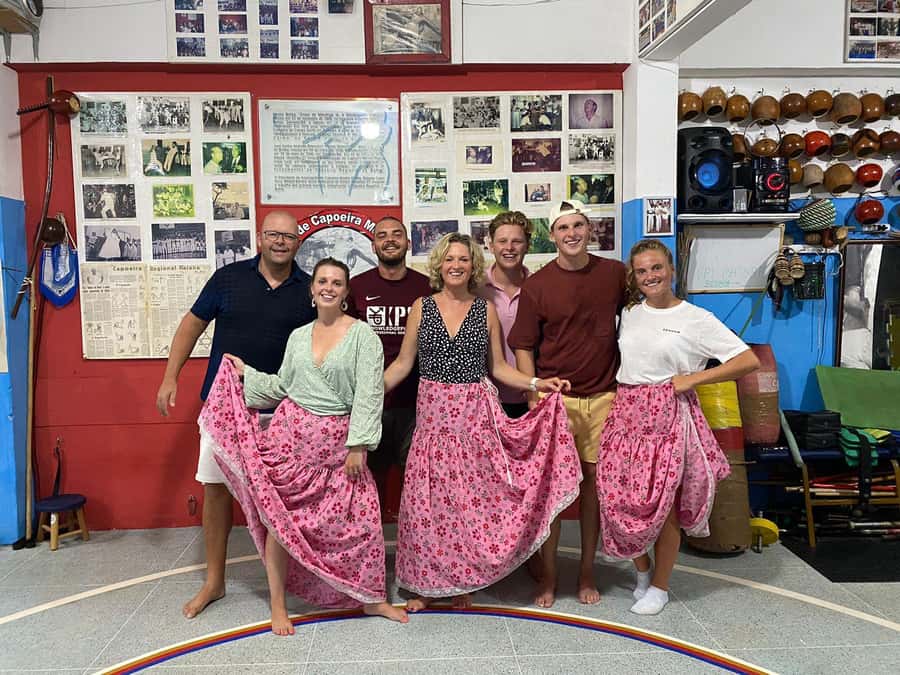
The class begins with instruction in the basic steps. You are guided through the movement at a beginner-friendly pace, then encouraged to connect the steps to the music. No previous dance experience is required, and no partner is needed.
That makes the format flexible. You can come alone, attend with a spouse, or bring an older child. A 15-year-old joined one class with a parent and enjoyed it, while another pair of participants arrived as friends with no samba background.
Expect to work on rhythm, foot placement, body movement, and the feel of samba rather than a polished performance. The point is to get comfortable enough to move with the music. Several participants found that one hour gave them enough basic moves to participate with more confidence.
The class is interactive, so you should not expect to sit quietly through a lecture. The instructor demonstrates, you follow, and the movements are adjusted as you go. That active approach makes the history easier to remember because you connect the ideas to your own body.
You may also sweat. This is not an intense fitness class, but samba uses constant movement, and the music encourages you to keep going. Wear clothing that lets you move freely and shoes that feel secure. The supplied information does not specify a dress code, so simple, comfortable clothing is the sensible choice.
Yasmin and the value of a patient instructor
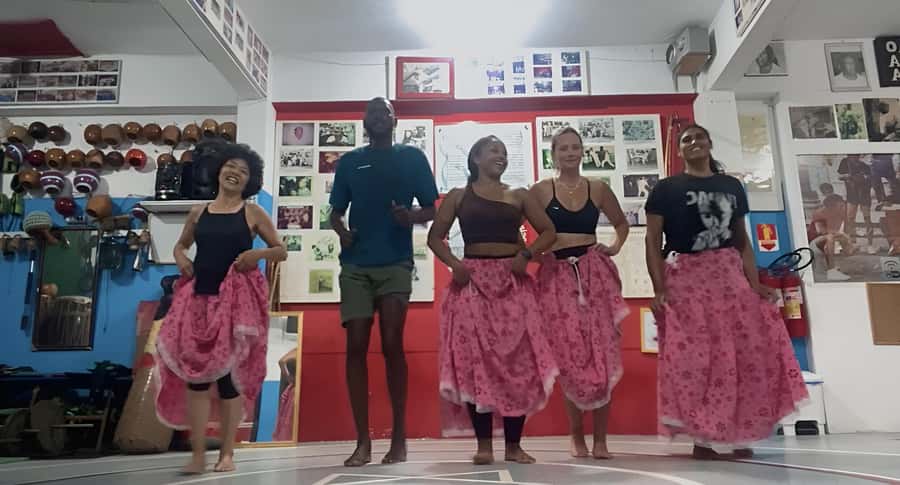
Yasmin, also spelled Yasmine in some class feedback, receives especially warm praise for her calm manner, clear teaching, and friendly energy. That combination matters when you are learning a dance that may feel unfamiliar at first.
A good beginner class depends less on flashy movement than on how well the instructor breaks it down. Yasmin is described as patient and encouraging, with a teaching style that helped first-time dancers follow the steps without feeling self-conscious.
English is available, along with Portuguese. The English instruction is important because the class includes cultural and historical explanations, not just demonstrations. You can ask questions, understand the connection between samba and capoeira, and get practical guidance about reaching the venue.
The instructor’s role also shapes the mood. The class is meant to be fun, but it is not empty entertainment. You are learning from someone who presents Salvador’s culture with personal pride and care.
That said, the experience can vary slightly depending on the instructor scheduled for your time. Yasmin is the name most often connected with the class feedback, but the activity lists English and Portuguese instructors rather than guaranteeing one specific teacher. If having Yasmin matters to you, ask when booking.
More Food and Samba Nights in Salvador:
- Salvador: Cultural Night of Capoeira, Samba, and Drumming
★ 4.9 · 17 reviews - Salvador: Caipirinha Masterclass with Unlimited Drinks
★ 4.2 · 4 reviews - Rio de Janeiro: Beginner Samba Lesson in Ipanema
★ 4.9 · 1,071 reviews - Rio: Pub Crawl in Lapa with Cachaça Tasting and Live Samba
★ 4.7 · 881 reviews
Samba, capoeira, and Salvador’s cultural story
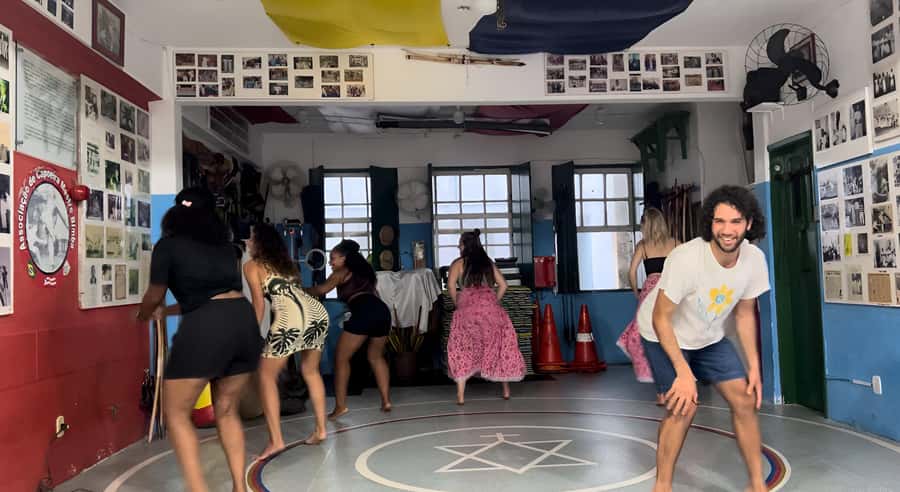
The lesson explains how samba relates to capoeira and other Afro-Brazilian practices. These are not identical traditions, but they share a broader story of survival, adaptation, and public acceptance.
Capoeira was once treated as a threat rather than a respected art. Mestre Bimba helped develop Capoeira Regional and created a school that gave the practice structure, recognition, and a place to continue. Learning samba inside this school lets you see how music, movement, community, and resistance can overlap.
The cultural explanation is one of the best reasons to choose this activity over a generic dance class. If you only want a night of music, you may find a separate performance more suitable. If you want to understand why the music matters, this class gives you a useful foundation.
The history is presented in a compact format because the class lasts one hour. You should not expect a full academic lecture on Bahia or a detailed study of every samba style. Instead, you get key background that makes the dance more meaningful without taking over the practical lesson.
One participant even added a culture night after the class. That option is not listed as part of the standard one-hour activity, so do not assume it is included. Still, the class can be a good first step if you want to seek out more music, dance, capoeira, or cultural events during your stay.
Getting to Largo do Terreiro de Jesus
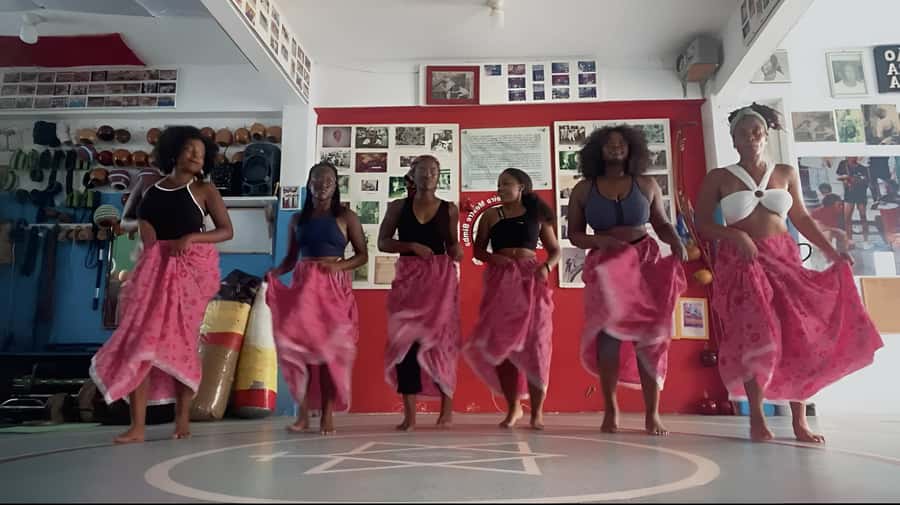
The meeting point sits in a central part of Salvador, at Associação de Capoeira Mestre Bimba. Pickup is not offered, so you are responsible for reaching the school.
The nearby landmarks make the location easier to identify. Ó Pai Ó Restaurante and São Domingos Gusmão Church in Largo do Terreiro de Jesus are specifically suggested reference points. Save the meeting details before leaving your accommodation, and allow enough time to locate the entrance.
One useful point from the class feedback is that the instructor has provided clear arrival information through WhatsApp. Yasmin has also been attentive to safety concerns around evening arrival. The supplied information does not promise an escort or transport, so treat this as helpful communication rather than a pickup arrangement.
The central location works well with a day exploring Salvador’s historic center. You can pair the lesson with churches, squares, restaurants, and other cultural sights nearby. Since the class itself lasts only one hour, it is easy to place before or after another activity.
Check the available starting times when you book. The schedule is not stated here, and the timing could affect how comfortably you reach the venue and return afterward.
Is $43 a fair price?
At $43 per person, this is not the cheapest way to spend an hour in Salvador. The value depends on what you want from the activity.
If you are paying only for basic dance instruction, the price may feel high compared with an informal local class. But the fee includes an English-speaking teacher, access to a historically important capoeira school, and an explanation of samba’s cultural background. You are paying for the setting and interpretation as well as the movement.
The short duration also cuts both ways. One hour is convenient and easy to fit into a busy itinerary. It is long enough to learn the foundations, get moving, and understand the main cultural points. It is not long enough for a deep technical course or a full performance-level routine.
I think the price makes the most sense for first-time visitors who want an accessible introduction to Salvador’s Afro-Brazilian culture. It is also a good choice for anyone who values a small, participatory activity over sitting in the audience at a show.
Reserve now and pay later is available, which helps if your schedule is still changing. You can cancel up to 24 hours ahead for a full refund. Those terms make the activity easier to fit into a packed Salvador itinerary.
Who will enjoy this class most?
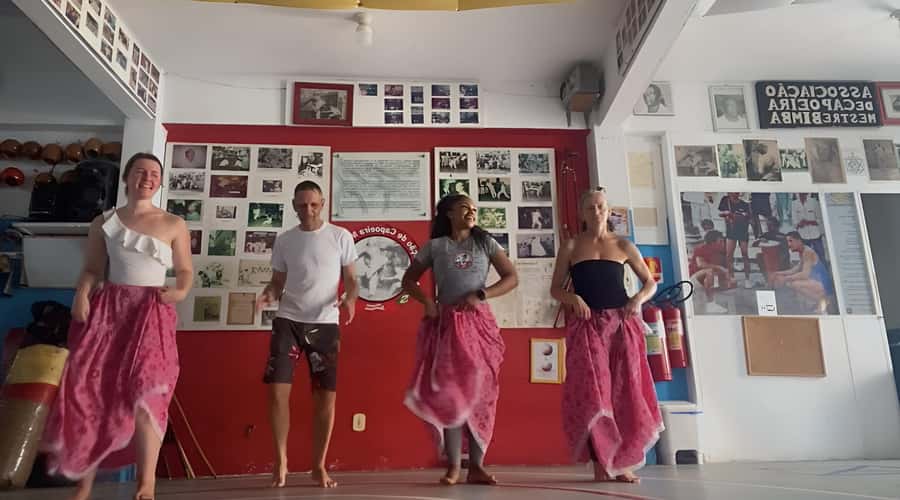
This is a strong choice for beginners, especially if you feel nervous about dancing. You do not need experience, a partner, or special knowledge of Brazilian music.
Couples can learn together, but the class is not limited to pairs. Solo participants can join without being assigned a partner, and families with teenagers can take part. The class may suit you particularly well if you want an activity that gets everyone involved rather than sending one person to watch from the side.
It also suits culture-focused visitors. The lesson connects movement to Bahia’s past and to the work of Mestre Bimba. You get a more grounded introduction than a short photo stop or a passive performance.
You may want to choose something else if you dislike physical activity, have very limited time for reaching the meeting point, or want an advanced dance session. The class is introductory, and the one-hour format favors a fun first taste over detailed technique.
Practical tips before you book
- Arrive with the location saved: There is no pickup. Keep the Associação address and nearby landmarks ready.
- Use comfortable clothes: The class involves movement and may make you sweat.
- Do not wait for a partner: You can attend alone.
- Ask about the instructor: English and Portuguese are offered. Yasmin is praised for her calm, patient teaching, but a specific instructor is not guaranteed in the activity details.
- Allow time for the story: The history of samba and capoeira is a major part of the value.
- Consider adding another class: Capoeira and drum lessons may be available through the same association, but they are not included in the standard samba booking.
- Think about timing: If your class is in the evening, use the instructor’s arrival guidance and plan your route carefully.
Should you book Salvador’s Samba de Roda class?
Book it if you want a short, friendly way to connect with Salvador’s culture through movement. The best features are the historic setting, the clear English instruction, and the link between basic samba steps and the wider story of Afro-Brazilian traditions.
I would especially recommend it for first-time dancers, solo participants, couples, and families with teenagers. You will not leave as a professional samba dancer after one hour, but you can leave with enough movement to enjoy the music more, along with a better understanding of why it matters.
Skip it if you want a long dance workshop, advanced choreography, or a fully arranged door-to-door outing. For everyone else, $43 is reasonable when you count the lesson, the cultural explanation, and the chance to enter a place connected to Mestre Bimba’s work.
With a 4.9 rating from 51 bookings, the activity has earned unusually strong marks for both fun and cultural value. The clearest reason to choose it is simple: you learn the steps, but you also learn why Salvador protects them.
FAQ
Do I need previous dance experience?
No. The class is designed for beginners, and no dance experience is necessary.
Do I need to bring a partner?
No. A partner is not required, so you can attend alone.
How long does the samba class last?
The class lasts one hour.
What languages are available?
Instruction is available in English and Portuguese.
Where does the class meet?
The meeting point is Associação de Capoeira Mestre Bimba.
Is hotel pickup included?
No. Pickup service is not offered, so you need to make your own way to the association.
What landmarks are near the meeting point?
Ó Pai Ó Restaurante and São Domingos Gusmão Church in Largo do Terreiro de Jesus are suggested nearby landmarks.
Can I cancel for a refund?
Yes. You can cancel up to 24 hours in advance for a full refund.
Just added in Salvador
- Full Day Tour in Trancoso with Chocolate Factory★ 4.5 · 35 reviews
- Mãe Tereza Ecological Park | A peaceful paradise, perfect for relaxing!★ 4.5 · 19 reviews
- Horse back riding and Eco tourism food and fun.★ 5.0 · 1 review
- Salvador: Schooner Cruise with Pickup and Itaparica Stop★ 3.8 · 5 reviews
- Salvador: Traditional Drumming and Percussion Workshop★ 4.4 · 10 reviews
- PROMO Salvador: Interactive Art and Culture Private Tour★ 5.0 · 2 reviews
- Salvador: 3-Hour Percussion Class★ 4.9 · 10 reviews
- Salvador by Night: Cultural Show and Dinner.★ 4.4 · 17 reviews
Brazil Food and Samba Nights, compared.
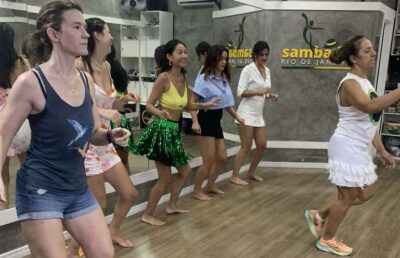
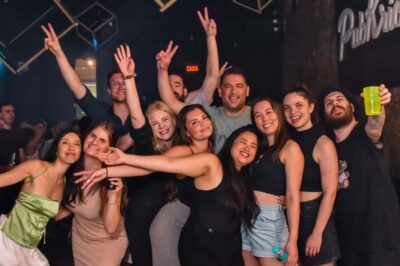
Pub Crawl in Lapa with Cachaça Tasting and Live Samba
Read our review →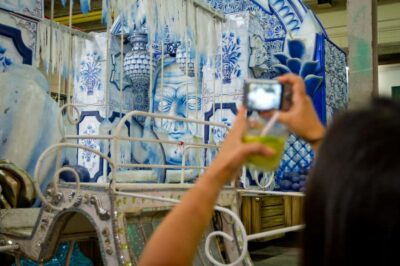
Carnival Backstage Tour at Samba City with Cocktail
Read our review →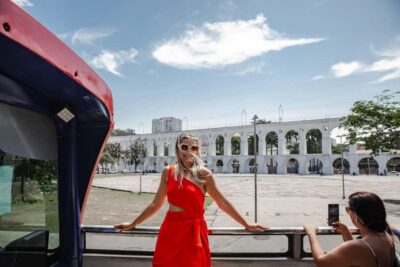
Hop-ON Hop-OFF Sightseeing Bus in Rio de Janeiro – Rio Samba Bus
Read our review →
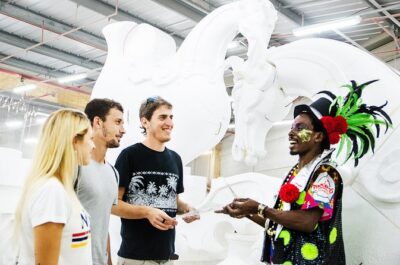
Carnaval Experience: Backstage Tour at Samba City with Cocktail
Read our review →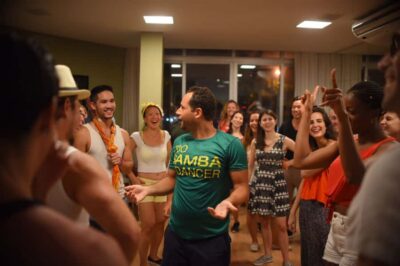
Browse the lists this tour appears in