
Reviewed · BRAZIL FOOD AND SAMBA NIGHTS
Rio: Carnival Backstage Tour at Samba City with Cocktail
Rio’s Carnival begins long before parade night. This backstage tour at Samba City shows you the people, planning, costumes, and giant floats behind the spectacle. I especially like the chance to try on real parade costumes and the short samba session with a professional dancer. The main drawback is finding the meeting point, since the warehouse complex can feel confusing at first.
For $27, you get much more than a quick look at decorations. You receive a guided visit to the Grande Rio samba school factory, a Carnival history display, costume time, dancing, water, and a caipirinha or nonalcoholic drink. I also like that the tour gives you a better understanding of Carnival as a serious competition, not just a party.
Plan on 90 to 150 minutes, and leave extra time to reach the entrance. The tour does not include transportation, photography is not allowed inside, and the activity is non-refundable. Still, the friendly guides, colorful costumes, and clear explanations make this one of Rio’s best-value cultural activities, especially before you attend a Sambadrome parade.
In This Review
- Key things to know before you go
- Why Samba City explains Rio Carnival so well
- Finding the City of Samba entrance
- Entering the Grande Rio factory
- The Carnival exhibition and its backstory
- Trying on the parade costumes
- Meeting a samba dancer and learning the basic steps
- The caipirinha and the value of the $27 price
- How this tour fits into a Rio itinerary
- Who will enjoy the Samba City experience
- My verdict: book it before or after a parade
- FAQ
- Where does the Rio Carnival backstage tour meet?
- How do I identify the tour staff?
- How long does the tour last?
- Is transportation included?
- Is a drink included?
- Can I try on Carnival costumes?
- Is photography allowed inside?
- What languages are available?
- Is the booking refundable?
Key things to know before you go
- The backstage setting is real: You visit the City of Samba complex, where samba schools prepare floats, props, and costumes for the parade.
- Grande Rio is part of the story: The tour takes place at the factory of Grande Rio, the 2022 Carnival champion samba school.
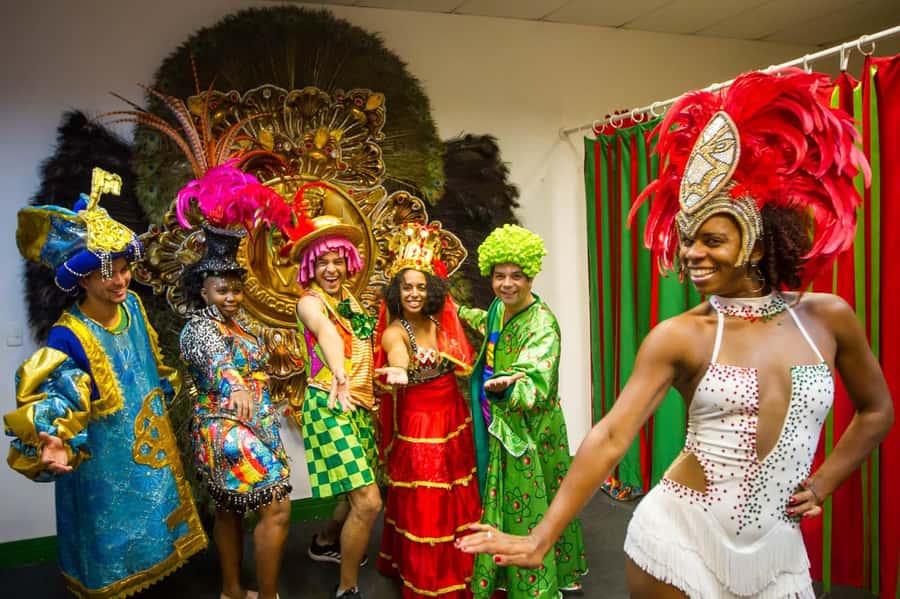
- Costume try-ons are included: You can put on elaborate parade outfits and take pictures when the guide allows it.
- Samba is practical here: A professional dancer leads a short lesson, so you do more than watch.
- The caipirinha finishes the visit: An alcoholic drink is included, with a nonalcoholic option available.
- The entrance takes planning: Look for the Carnaval Experience team in colorful shirts at the City of Samba entrance or near the Grande Rio warehouse.
Why Samba City explains Rio Carnival so well
Rio Carnival can look effortless from the stands: feathers, drums, dancers, lights, and enormous moving sculptures flowing down the Sambadrome. The backstage reality is far less simple. A samba school must create a theme, write and rehearse music, design costumes, build floats, organize thousands of participants, and compete for points.
This tour gives you a useful way to connect those pieces. Instead of seeing only the finished parade, you learn how the show is planned and why so many people are involved. The production cycle begins almost as soon as the previous Carnival ends, which helps explain the scale of the work.
I find that context especially useful if you plan to attend a parade. Once you understand that every float, costume, color, and dance group supports a theme, you watch the procession with sharper eyes. You begin to notice the design choices rather than seeing only a blur of glitter and motion.
The focus is on samba culture and Carnival production, not on general sightseeing around Rio. That makes the visit a good choice for anyone who wants a closer look at one of Brazil’s most important cultural events.
More Rio city tours:
- Rio’s City Tour – Tickets for Christ, Sugar Loaf & Lunch included
★ 5.0 · 4,389 reviews - Full Day: Christ Redeemer, Sugarloaf, City Tour & Barbecue Lunch
★ 4.5 · 3,142 reviews - Rio: Christ the Redeemer, Sugarloaf, Selaron & BBQ Lunch
★ 4.5 · 2,428 reviews
Finding the City of Samba entrance
The City of Samba is in Rio’s port district, about 200 meters from AquaRio. It is a large complex of light brown warehouses, so it may not look like a normal tourist attraction from the street. The main entrance is on Binário do Porto Avenue, near the Rio Star Ferris wheel and the Cidade do Samba VLT station.
If you use the VLT tram, get off at Cidade do Samba. That is the simplest public transport option given for the tour. By car, taxi, Uber, Waze, or Google Maps, search for Carnaval Experience or Cidade do Samba main entrance.
At the entrance, look for the Carnaval Experience team. Staff may be in the square or in front of the Grande Rio warehouse, and their colorful shirts make them easier to spot. This detail matters because several people have found the meeting area hard to identify, especially when arriving in the middle of the warehouse complex.
Give yourself extra time. If you are driving, paid street parking is available at 60 Rivadávia Corrêa. Pickup can be added if offered for your booking, but you must provide the exact meeting place in advance. The driver arrives 15 minutes before the scheduled pickup time, and hotel pickup requires you to wait in the lobby entrance.
Entering the Grande Rio factory
The tour begins with a walk through the production area connected with Grande Rio. The samba school won the 2022 Carnival competition, so the visit has a direct link to a major name in Rio’s parade world.
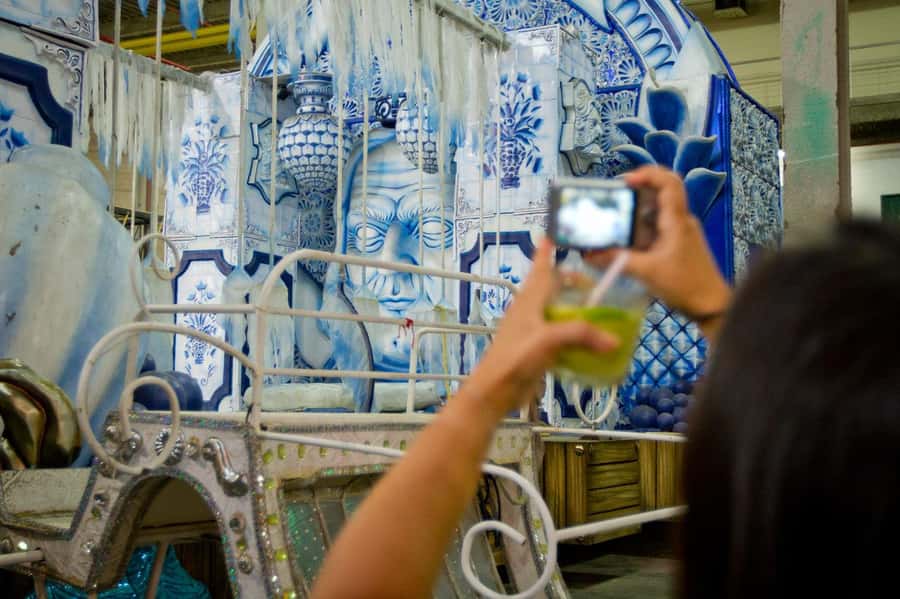
The factory is not presented as a polished museum. That is part of its appeal. You are seeing a working space tied to the making of the parade, with floats, props, and costumes close at hand. The large scale helps you understand why Carnival demands so many workers and so much advance planning.
You can expect the guide to explain how the parade is organized and how a samba school turns an idea into a competition entry. The emphasis is on preparation: the construction of floats, the production of costumes, and the many stages between the first design and the final parade.
The tour description says the factory produces more than 3,000 costumes for the show. That number is hard to picture until you see the scale of the clothing and props in person. Even a small costume detail takes on new weight when you realize it may need to be repeated across hundreds or thousands of outfits.
One limitation is that you should not assume you will watch every part of costume production in action. One person who enjoyed the tour still wished there had been more opportunity to see costumes being made. The visit is strongest as an explanation and close-up look at the finished work and preparation areas.
The Carnival exhibition and its backstory
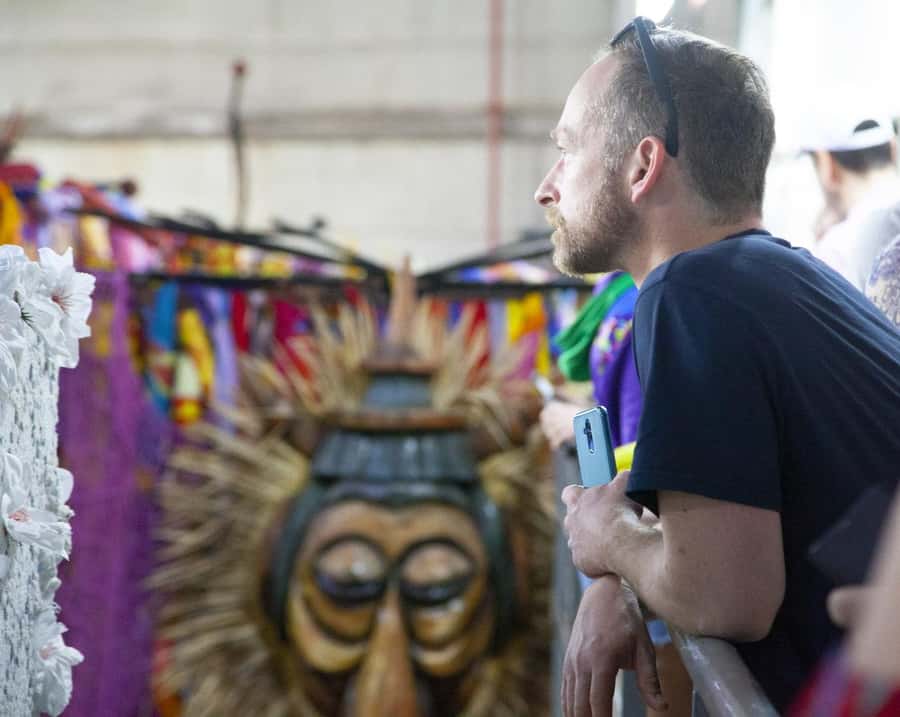
The exhibition section gives you the basic history of samba and Rio Carnival. It helps explain why samba schools matter and how the parade developed into a major public competition.
Your guide is important here. The strongest tours depend on a guide who can turn facts into a story, and the feedback points to several guides who did that well. Sol was praised for creating a happy atmosphere, while Ton was singled out for sharing interesting information with enthusiasm. Lea, Lias, Jaquel, and other guides have also been warmly received.
The guide language list is unusually broad: English, Portuguese, Spanish, French, German, Hebrew, Italian, and more. Check the available language when you book rather than assuming every departure includes every language.
The explanation also adds social and artistic meaning to the parade. You learn that Carnival is not simply a night of dancing. It is a year-round project, a community effort, and a judged competition in which samba schools fight for a high ranking.
That makes the exhibition useful even if you know little about Brazil before arriving. You do not need to study samba terms in advance. The guide fills in the main pieces and gives you enough background to recognize the work behind the spectacle.
More Food and Samba Nights in Rio De Janeiro:
- Rio de Janeiro: Beginner Samba Lesson in Ipanema
★ 4.9 · 1,071 reviews - Rio: Pub Crawl in Lapa with Cachaça Tasting and Live Samba
★ 4.7 · 881 reviews - Hop-ON Hop-OFF Sightseeing Bus in Rio de Janeiro – Rio Samba Bus
★ 3.5 · 457 reviews - Carnaval Experience: Backstage Tour at Samba City with Cocktail
★ 4.5 · 268 reviews
Trying on the parade costumes
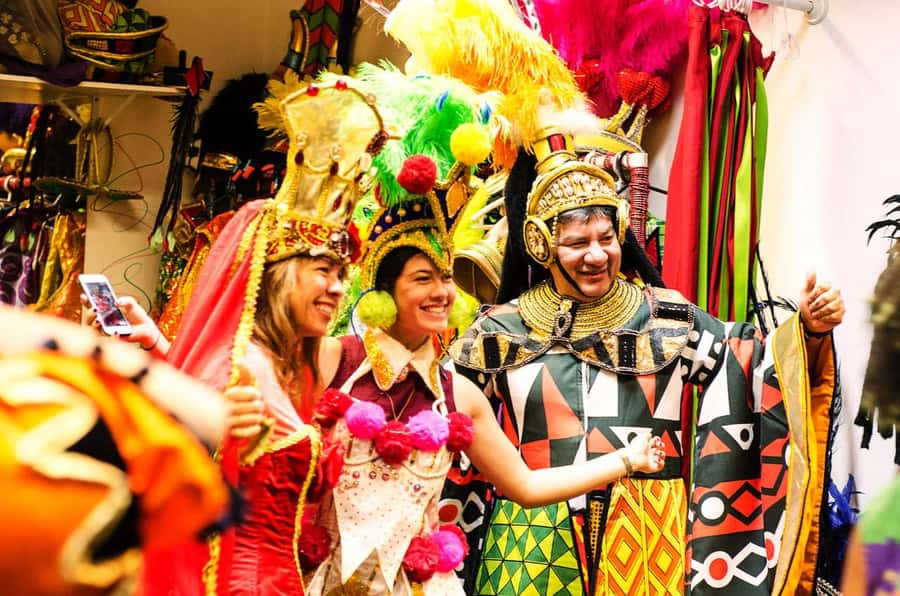
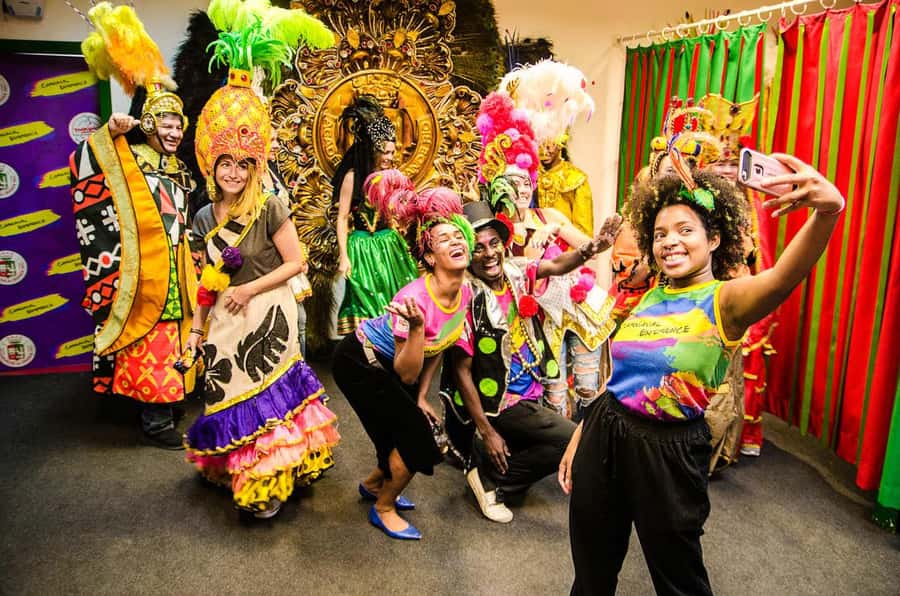
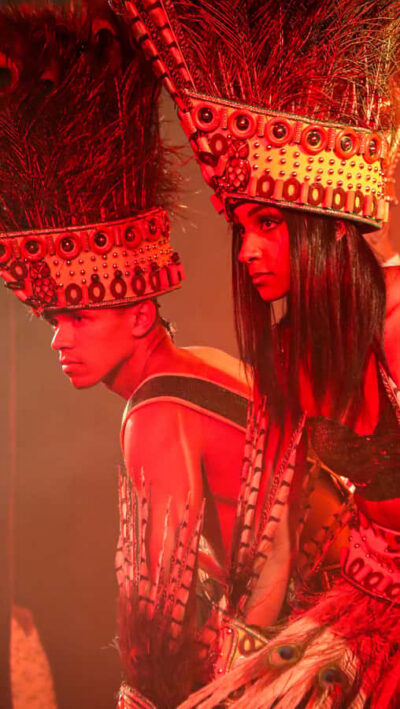
Costume time is one of the tour’s most popular parts, and it changes the mood from classroom to playroom. You can try on authentic Carnival costumes and take pictures while wearing them, subject to the site’s photography rules.
Expect flamboyant colors, feathers, decoration, and plenty of visual drama. The costumes help you understand how Carnival performers become part of a larger design. A costume is not just clothing for the night. It has to fit a theme, work with the parade group, and look strong from a distance.
This is also a good activity for mixed-age groups. Children, adults, and people who would never normally join a dance activity can take part without needing special skill. Several guides add humor and encouragement, which keeps the costume session from feeling stiff.
You should note the photography restriction. The information for the activity says photography is not allowed inside, while pictures may be taken during approved costume moments. Follow the guide’s instructions rather than photographing freely in the factory. Carnival costumes can reveal design ideas connected with future parades, so the rule is practical as well as protective.
The costume segment is fun, but it is not the main educational point. If you dislike dressing up, you can still get value from the factory walk and explanations. If you enjoy photos and theatrical clothing, this may become the highlight.
Meeting a samba dancer and learning the basic steps
The dance portion brings the subject to life. A professional samba dancer leads a short workshop, and some tours also include a performance or a surprise appearance by dancers preparing for Carnival.
You are not expected to become a parade performer in a few minutes. The lesson is meant to get you moving, laughing, and feeling the rhythm. The instruction remains accessible, even if you have never danced samba before.
Some feedback uses the word salsa for the lesson, but the activity itself is described as a samba workshop. Keep that distinction in mind. This is a taste of Brazilian Carnival dance, not a full dance class.
The performance element can be a pleasant surprise. It shows that samba is not only a costume or a soundtrack. It is physical, practiced, and highly skilled. Watching a professional dancer after hearing about the planning process gives the tour a strong finish before the drink service.
If you prefer quiet museum visits, this part may feel lively. For most people, it is a welcome change after the historical explanation and factory walk. You get a small, friendly chance to take part rather than standing on the sidelines.
The caipirinha and the value of the $27 price
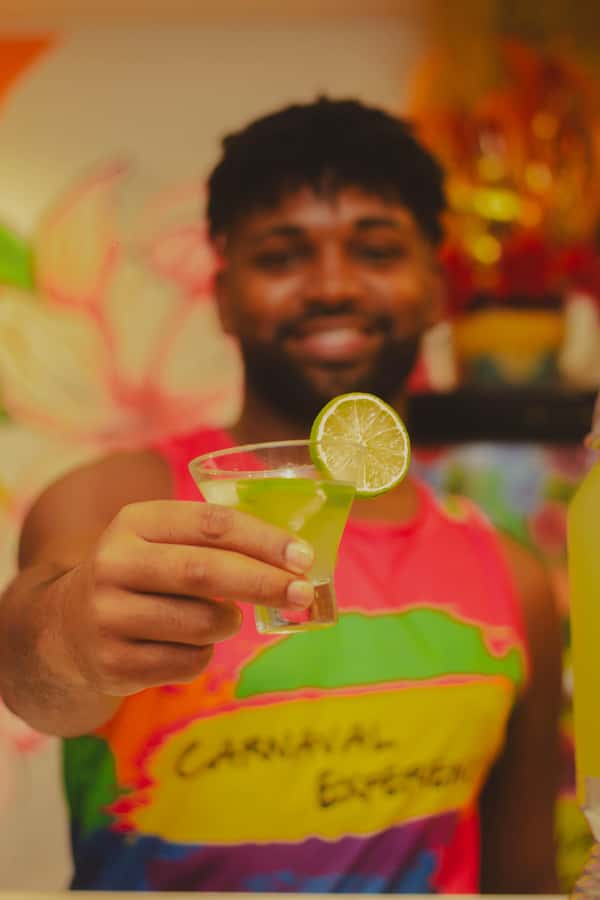
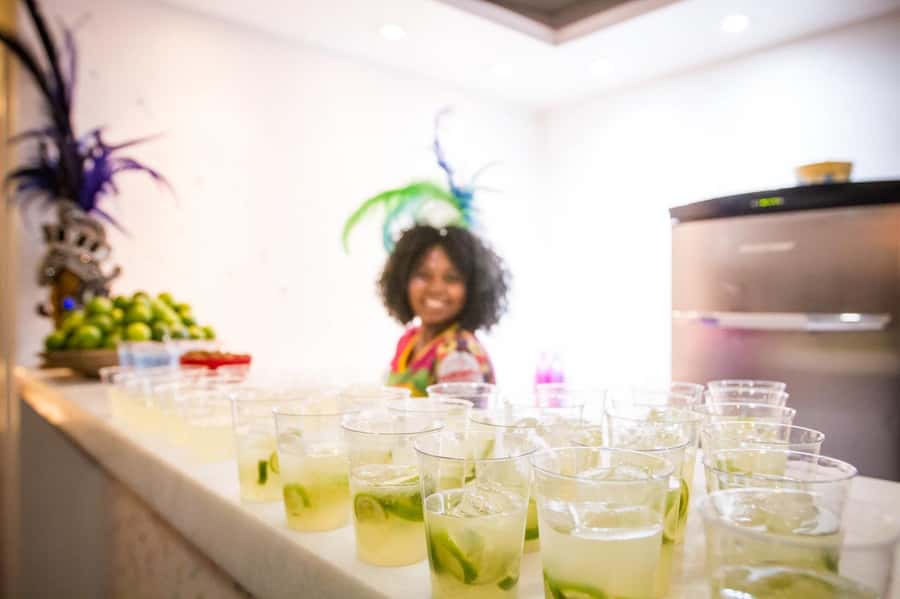
The tour ends with a caipirinha, Brazil’s famous lime-based cocktail. Water is also included, and a nonalcoholic version is available, so you do not have to drink alcohol to enjoy the final break.
At $27 per person, the package offers solid value. You are paying for the backstage setting, a bilingual guide, the walk through the factory, the exhibition, costume access, the dance session, and the drink. Transportation is not included, but that keeps the basic price low and lets you choose the best way to reach the port district.
The experience lasts between 90 and 150 minutes. That broad time range means the exact visit may depend on the group, guide, and activities taking place at the factory. I would allow two hours in your schedule, plus travel time.
The strongest value comes from the combination of elements. A museum visit alone might explain Carnival. A dance class alone might teach a few steps. A costume photo alone might be entertaining. Here, those pieces are tied to the real production site, so each one supports the others.
The non-refundable policy deserves attention. Only book once you are confident about your schedule, particularly if your Rio plans depend on weather, flight timing, or changing Carnival events.
How this tour fits into a Rio itinerary
I would place the tour before a Sambadrome parade if possible. The factory visit gives you a better sense of what to watch for later: the float design, the repeated costumes, the scale of the groups, and the effort behind each section of the performance.
It also works outside Carnival season. The factory and exhibition still provide a look at the work behind the event, and the costume and dance sections keep the visit active. One visitor described the experience as especially useful even when Carnival was not taking place, because the preparation itself is the subject.
The port district makes it easy to combine this with nearby sights. The City of Samba is close to AquaRio and the Rio Star Ferris wheel. The Museum of Tomorrow is also within walking distance according to the directions provided for the site, although you should plan that as a separate visit rather than rushing through the tour.
The area can feel industrial, and the warehouse entrance does not offer the instant charm of Ipanema or Santa Teresa. That is not a flaw in the attraction. It simply means you should arrive ready for a working production complex, not a decorated theater.
Who will enjoy the Samba City experience
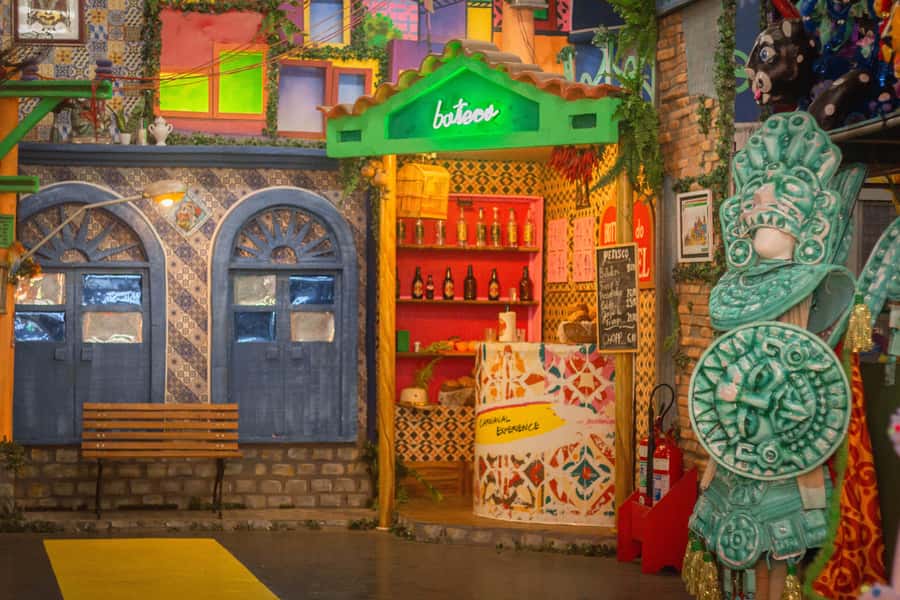
I would recommend this tour to you if you want cultural context with some hands-on fun. It suits first-time visitors to Rio, people attending Carnival for the first time, families, couples, and anyone curious about design, dance, or large-scale events.
It is also a strong choice if you do not have tickets for a parade. You will not experience the full noise and scale of the Sambadrome, but you will learn what makes the event work and see the materials at close range.
You may want to skip it if you have very little time in Rio and prefer the city’s major outdoor sights. The tour takes up most of an afternoon or morning once transport is added, and the factory setting may not appeal to someone looking only for postcard views.
It is less suitable for anyone expecting a long, technical workshop on construction. The tour explains the process and shows the results, but one of the fair criticisms is that you may not see much hands-on costume making.
The small-group option is worth considering if you like asking questions. Guide quality can shape the visit, and an engaged guide makes the history and production details much more enjoyable. The listed languages also make this a practical option for international visitors.
My verdict: book it before or after a parade
I would book this tour if you want to understand Rio Carnival rather than simply watch it. The best parts are the genuine production setting, the costume try-on, the professional samba lesson, and the clear sense of how much work goes into a single parade night.
The main cautions are simple: find the warehouse entrance carefully, respect the indoor photography rule, and remember that transport and refunds are not part of the basic deal. Those points are manageable if you plan ahead.
For $27, the tour gives you a useful mix of culture, explanation, movement, and fun. Book it before your Sambadrome visit if you can. You will arrive at the parade with a much better eye for the costumes, floats, dancers, and competition unfolding in front of you.
FAQ
Where does the Rio Carnival backstage tour meet?
It meets at the main entrance to the City of Samba in Rio’s port district. The entrance is on Binário do Porto Avenue, near the Rio Star Ferris wheel and the Cidade do Samba VLT station.
How do I identify the tour staff?
Look for the Carnaval Experience team in colorful shirts. Staff may be in the square or in front of the Grande Rio warehouse.
How long does the tour last?
The activity lasts between 90 and 150 minutes. Check the available start times when booking.
Is transportation included?
Transportation is not included in the standard activity. Optional pickup may be available, but you must provide the exact pickup location in advance.
Is a drink included?
Yes. The tour includes water and an alcoholic beverage, described as a caipirinha. A nonalcoholic version is available.
Can I try on Carnival costumes?
Yes. You can try on authentic parade costumes and take pictures during the approved costume portion of the tour.
Is photography allowed inside?
Photography is not allowed inside the facility. Follow the staff’s instructions about when pictures may be taken during the costume activity.
What languages are available?
The listed guide languages are French, Portuguese, English, Spanish, German, Hebrew, and Italian. Check the selected departure for the language offered.
Is the booking refundable?
No. The activity has a non-refundable cancellation policy.
Just added in Rio De Janeiro
- Full Day Tour in Rio de Janeiro★ 5.0 · 8 reviews
- Garganta do Ceu Cave Hiking Private Tour on Pedra da Gavea★ 4.5 · 3 reviews
- Gastronomic Tour at the Municipal Market in Rio de Janeiro★ 5.0 · 4 reviews
- GIG Airport Transfer x Rio de Janeiro Hotels★ 4.5 · 11 reviews
- Rio de Janeiro private Full day Custom Tours★ 5.0 · 35 reviews
- Christ the Redeemer – Complete Morning Tour with Ticket and Transport at the Hotel★ 3.5 · 4 reviews
- AquaRio, Museum, Boulevard Olimpico, Ferris Wheel, Transport and Tourism Guide.★ 4.0 · 6 reviews
- Personalized and Private Full-Day Tour in Rio de Janeiro★ 5.0 · 6 reviews
Brazil Food and Samba Nights, compared.
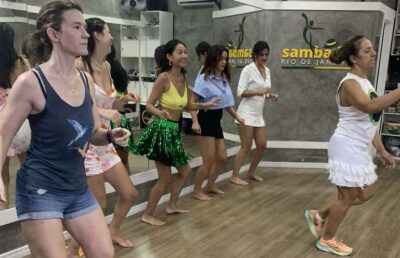

Pub Crawl in Lapa with Cachaça Tasting and Live Samba
Read our review →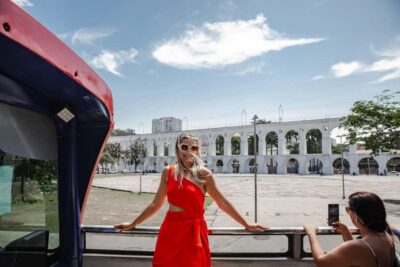
Hop-ON Hop-OFF Sightseeing Bus in Rio de Janeiro – Rio Samba Bus
Read our review →
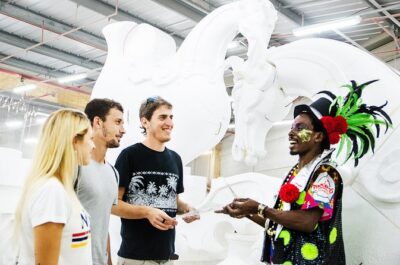
Carnaval Experience: Backstage Tour at Samba City with Cocktail
Read our review →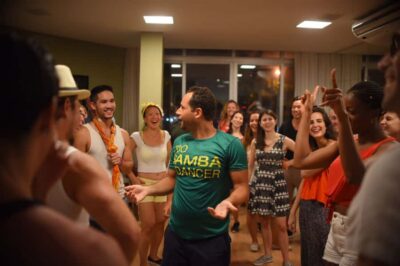

Ginga Tropical – Brazilian Samba and Folklore Show
Read our review →Browse the lists this tour appears in