
Reviewed · COOKING CLASSES
3-Hour Brazilian Cooking Class in Rio de Janeiro
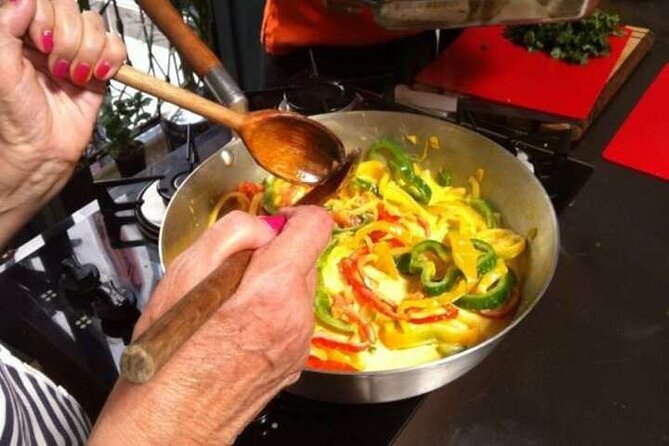
Rio comes to the table here. This three-hour class gives you hands-on time with Brazilian recipes, five dishes to taste, and two drinks, rather than a quick demonstration where you only watch. I like the small size, capped at seven people, and I especially like the way Chef Simone connects food with Brazilian history and culture. The main drawback is the $195 price per person, which is a serious spend for an evening meal, even with ingredients, instruction, drinks, and taxes included.
The class begins at 5:00 pm at Rua Belfort Roxo, 161, in Copacabana, and ends at the same meeting point. Moqueca is scheduled on Mondays, Wednesdays, and Fridays, while Saturday focuses on feijoada, so your choice of day affects the centerpiece of the meal. Hotel pickup and drop-off may be available if you select that option, but you should check the exact booking choice before assuming transport is included.
In This Review
- Key points to know before booking
- Why a cooking class belongs in a Rio itinerary
- Arriving in Copacabana at 5:00 pm
- The class format: part demonstration, part participation
- Choosing between moqueca and feijoada
- Five dishes make this more than a single-recipe lesson
- Two drinks, including a caipirinha
- Chef Simone’s stories are part of the meal
- What the $195 price really covers
- Who will enjoy this class most
- Booking timing and cancellation details
- Should you book the Brazilian cooking class?
- FAQ
- Where does the cooking class begin?
- What time does the class start?
- How long does the experience last?
- Which dish is prepared on Saturday?
- Which days feature moqueca?
- How many people can participate?
- Are drinks and ingredients included?
Key points to know before booking
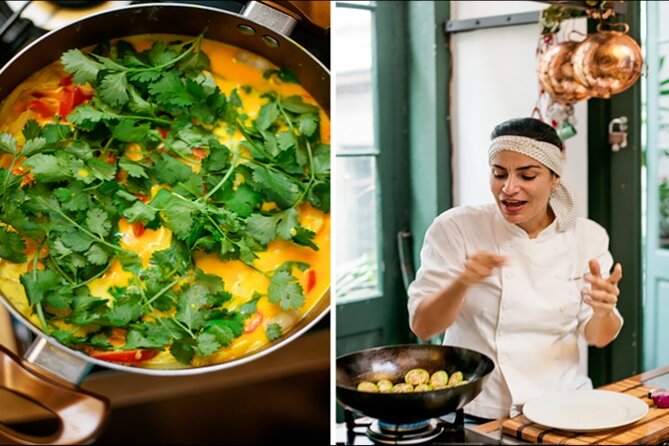
- Chef Simone leads a personal, story-filled class: Her teaching style combines cooking guidance with stories about Brazilian food, culture, and history.
- Your cooking day changes the main dish: Mondays, Wednesdays, and Fridays feature moqueca, while Saturdays feature black bean feijoada.
- You eat five Brazilian dishes: The meal can include sides such as cassava sticks, starters, and a coconut dessert, depending on the class menu.
- Two alcoholic drinks are included: Caipirinha is one example mentioned in the experience, and the class also includes the ingredients and equipment for the drinks.
- The class is small: The maximum is seven people, and the activity is listed as private, meaning only your own group participates.
- The evening lasts about three hours: It is long enough for instruction, cooking, conversation, and a sit-down meal without taking up an entire day in Rio.
Why a cooking class belongs in a Rio itinerary
Rio is easy to experience through beaches, viewpoints, and nightlife. Food gives you a different way into the city. Instead of simply ordering feijoada or moqueca in a restaurant, you spend time learning what goes into the dish and why it matters.
That makes this class a good choice if you want more than a meal. You get to handle ingredients, follow a recipe, ask questions, and sit down to eat what you helped prepare. For me, that connection between the kitchen and the plate is the main reason to consider it.
The ingredients are described as widely available around the world. That matters if you want to recreate the meal after returning home. You are not learning recipes that depend entirely on obscure Brazilian products or specialist equipment.
The experience also has a social side. Cooking creates natural conversation, and Chef Simone’s energy appears to be a major part of the evening. Several descriptions of the class highlight her humor, warmth, enthusiasm, and ability to make even a reluctant cook take part.
More cooking classes in Rio de Janeiro:
- Family Cooking Class in Rio Make 9 Brazilian Dishes Together
★ 5.0 · 32 reviews - Hands-On Cooking Class in Rio: Iconic Street Foods & Caipirinhas
★ 5.0 · 11 reviews - Brazilian Cooking Class in Copacabana with Hotel Pickup
★ 5.0 · 8 reviews
Arriving in Copacabana at 5:00 pm
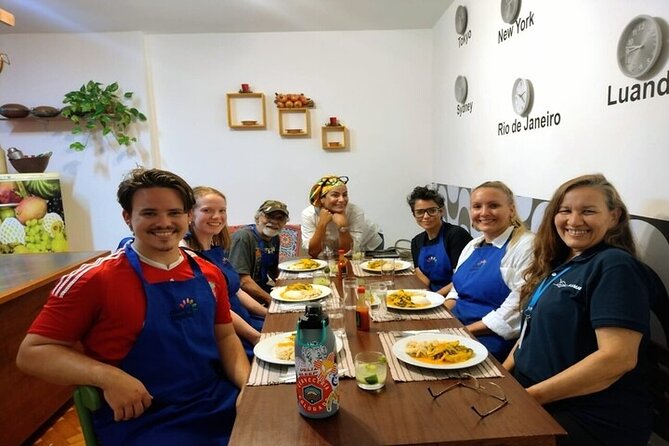
The fixed meeting point is Rua Belfort Roxo, 161, in Copacabana. The class starts at 5:00 pm and returns you to that same location at the end.
That timing works well for an evening activity. You can spend the earlier part of the day sightseeing, then head to the class without giving up a full day. Since the class lasts about three hours, you should expect the cooking and meal to finish around 8:00 pm, though the precise ending can vary with the pace of the group.
If you choose a hotel pickup and drop-off option, the activity is designed to remove some of the evening transport hassle. Do not assume that all bookings include this service. The meeting point is the standard arrangement, and pickup depends on the option selected.
I would plan to arrive with enough time to find Rua Belfort Roxo without rushing. The class is private or limited to your own group, so arriving late could affect a small session more than it would affect a large commercial tour.
The class format: part demonstration, part participation
This is not presented as a lecture followed by a meal. You take part in preparing the recipes, with the chef guiding you through the process and answering questions.
That balance suits a wide range of cooking ability. If you cook often, you can ask about technique, ingredients, and the cultural background of each dish. If you rarely cook, the class is meant to make the process easy and enjoyable rather than intimidating.
The teaching style is one of the experience’s strongest features. Chef Simone has been praised for explaining each step clearly, keeping the mood light, and involving people who do not normally cook at home. One particularly useful detail is that even a reluctant participant was brought into the preparation instead of being left to watch.
You should expect a mix of demonstration, hands-on work, conversation, and tasting. It is not a formal professional kitchen course, and you should not book it expecting advanced culinary certification. Its value is in learning approachable Brazilian recipes while spending a relaxed evening with a local instructor.
Choosing between moqueca and feijoada
Your booking day shapes the central dish.
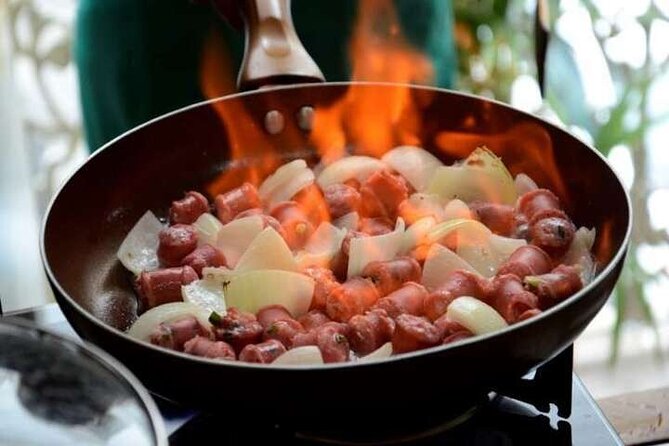
On Mondays, Wednesdays, and Fridays, the featured recipe is moqueca, a Brazilian seafood dish. On Saturdays, the main recipe is black bean feijoada. If one of these dishes is a priority, select your date carefully.
Moqueca gives you a chance to work with a seafood-based Brazilian classic. Feijoada offers a different experience, with black beans at the center and a preparation that is closely associated with Brazilian home cooking and national food culture.
The class also includes cassava sticks with the featured dish. Cassava is an important ingredient in Brazilian cooking, and learning how it appears as a side helps you understand the meal as a whole rather than treating the main course as an isolated recipe.
The information supplied only specifies the featured dishes for Monday, Wednesday, Friday, and Saturday. If you are considering another day, ask the provider which menu applies before paying. That is a small but important step for anyone with a strong preference for seafood or feijoada.
More things to do in Rio de Janeiro:
- Rio de Janeiro: 6-Stop Highlights of Rio with Lunch
★ 4.4 · 5,157 reviews - Christ the Redeemer Entry Ticket by Corcovado Train
★ 4.4 · 4,476 reviews - Rio’s City Tour – Tickets for Christ, Sugar Loaf & Lunch included
★ 5.0 · 4,389 reviews - Full Day: Christ Redeemer, Sugarloaf, City Tour & Barbecue Lunch
★ 4.5 · 3,142 reviews
Five dishes make this more than a single-recipe lesson
Although one main dish receives the most attention, the class includes five dishes in total. That gives the evening more variety than a basic one-recipe workshop.
The exact five-item menu is not fully laid out in the available details. However, the experience includes cassava sticks, and the meal descriptions also refer to starters and a coconut dessert. That suggests a broader Brazilian meal with different textures and courses, rather than only a bowl of the main dish.
You also eat what you prepare. This is an important part of the format. The meal is not a separate restaurant service brought in at the end, but the result of the work done during the class.
I like that setup because it gives you a clear reward for participating. You can see how the ingredients come together, then judge the finished food yourself. It also makes the recipes easier to remember when you try them at home.
Two drinks, including a caipirinha
Two alcoholic drinks are included, along with the ingredients and equipment needed to prepare the drinks. The caipirinha appears as one of the featured beverages, and it fits naturally with a Brazilian food lesson.
The drink component adds to the sense that this is a full evening rather than a short cooking tutorial. You are learning not only how to prepare food but also how Brazilian flavors work alongside a classic local drink.
Because alcohol is included, this activity may not be the best match for someone avoiding alcoholic beverages. The supplied information identifies the included drinks as alcoholic, so you should ask about alternatives if that matters to you.
The class has also included different juices in the broader tasting experience. Still, the clear inclusion is two alcoholic drinks, so I would not book this expecting a nonalcoholic beverage program unless the provider confirms it.
Chef Simone’s stories are part of the meal
Food instruction is only half the appeal. Chef Simone is described as bringing stories about Brazilian history, culture, and the connection between people and food into the class.
That context can change the way you understand the recipes. Feijoada is not simply a bean dish, and moqueca is not simply seafood in a sauce. Hearing how food fits into Brazilian life gives the cooking a sense of place that a recipe card alone cannot provide.
Her personality also seems central to the experience. The class has been described as energetic, funny, personal, and full of conversation. If you prefer a quiet, highly structured lesson, this style may feel more relaxed than expected. If you enjoy learning through stories and conversation, it is a strong match.
I would book this especially for couples, families, and small groups who want an activity that encourages participation. One family found the class useful even for a Brazilian family member who already knew the cuisine, which suggests the class can offer more than basic tourist information.
What the $195 price really covers
At $195 per person, this is not a budget meal. You can eat Brazilian food for far less in Rio, so the value depends on how much you want the instruction and private setting.
The price includes the cooking class, five dishes, two drinks, all ingredients, cooking equipment, drink equipment, VAT, taxes, and handling charges. Tips are optional and not included.
That package removes many small extra costs. You are not paying separately for the ingredients, renting equipment, or adding tax at the end. If hotel pickup and drop-off is part of your selected option, that may add further convenience, but confirm the exact rate and inclusions when booking.
I see the price as reasonable for someone who values a private, guided cultural activity and plans to recreate the recipes later. I see it as less appealing if your main goal is simply to eat dinner. In that case, a local restaurant will almost certainly cost less.
The small group matters here. A class capped at seven people allows more direct help from the chef than a large workshop. The activity is also described as private, with only your group participating. That makes the price easier to justify for a family or group splitting the experience across several people, but it remains a premium evening activity.
Who will enjoy this class most
I would recommend it to people who enjoy food, conversation, and cultural context. You do not need serious kitchen skills. The teaching is intended to work for beginners, and the emphasis is on participation and fun.
It is a particularly good fit for:
- Couples looking for a relaxed evening activity in Rio
- Families who want a shared experience instead of another sightseeing stop
- Food lovers interested in moqueca, feijoada, cassava, and caipirinhas
- Visitors who want recipes they can try at home
- Small groups who value a private setting
- Anyone who wants to learn from a local chef rather than follow a generic demonstration
I would think twice if you dislike seafood and are considering a Monday, Wednesday, or Friday booking. I would also reconsider if you do not drink alcohol, unless the provider confirms suitable alternatives.
The class may not suit someone who wants a fast, inexpensive dinner or a highly advanced culinary course. It is best understood as a cultural evening built around cooking, not as a restaurant substitute or professional qualification.
Booking timing and cancellation details
This experience is often booked around 50 days in advance. That does not guarantee that every date sells out, but it is a useful sign that you should not leave a preferred Saturday or a private group booking until the last minute.
Confirmation is provided when you book. Since the main dish depends on the day, I would check the date and menu before finalizing your plans.
You can cancel for a full refund up to 24 hours before the start time. Cancellations or changes made less than 24 hours before the 5:00 pm start are not accepted for a refund. The cut-off uses Rio’s local time, so keep that in mind if you are booking from another country.
Should you book the Brazilian cooking class?
Book it if you want an evening that combines a meal with participation, local stories, and practical recipes. Chef Simone’s personal teaching style, the seven-person maximum, five dishes, and two drinks give the class more substance than a simple tasting.
I would choose Saturday if feijoada is your priority, or Monday, Wednesday, or Friday for moqueca. Confirm the menu for any other day, and check whether hotel transport is part of your selected option.
Skip it if $195 feels too high for dinner, if you want a nonalcoholic activity, or if you prefer restaurant dining without kitchen work. For everyone else, this is a strong way to spend an evening in Rio, especially if you want to carry a taste of Brazil home with you.
FAQ
Where does the cooking class begin?
The class begins at Rua Belfort Roxo, 161, Copacabana, Rio de Janeiro, RJ, 22020-010, Brazil.
What time does the class start?
The start time is 5:00 pm.
How long does the experience last?
The cooking class lasts approximately three hours.
Which dish is prepared on Saturday?
Saturday is scheduled for black bean feijoada.
Which days feature moqueca?
Moqueca is scheduled on Mondays, Wednesdays, and Fridays.
How many people can participate?
The class has a maximum of seven participants. It is also described as a private activity, meaning only your own group participates.
Are drinks and ingredients included?
Yes. The price includes two alcoholic drinks, all cooking and drink ingredients, equipment, five dishes, taxes, VAT, and handling charges. Tips are optional.
Just added in Rio de Janeiro
- Full Day Tour in Rio de Janeiro★ 5.0 · 8 reviews
- Garganta do Ceu Cave Hiking Private Tour on Pedra da Gavea★ 4.5 · 3 reviews
- Gastronomic Tour at the Municipal Market in Rio de Janeiro★ 5.0 · 4 reviews
- GIG Airport Transfer x Rio de Janeiro Hotels★ 4.5 · 11 reviews
- Rio de Janeiro private Full day Custom Tours★ 5.0 · 35 reviews
- Christ the Redeemer – Complete Morning Tour with Ticket and Transport at the Hotel★ 3.5 · 4 reviews
- AquaRio, Museum, Boulevard Olimpico, Ferris Wheel, Transport and Tourism Guide.★ 4.0 · 6 reviews
- Personalized and Private Full-Day Tour in Rio de Janeiro★ 5.0 · 6 reviews
Cooking Classes, compared.
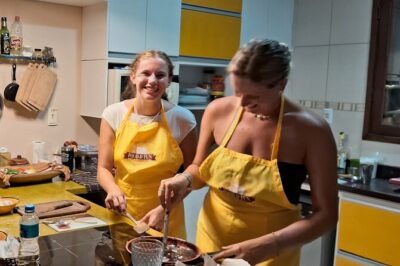
Cooking class in Salvador, an authentic dinning experience
Read our review →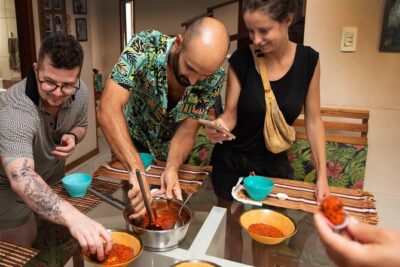
4h Cooking Class in Salvador with 9 Recipes & Bottomless Drinks
Read our review →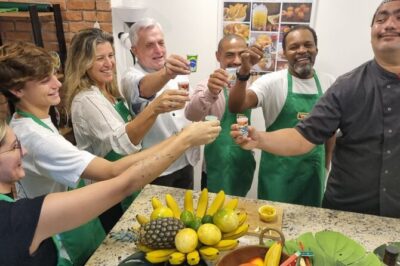
Family Cooking Class in Rio Make 9 Brazilian Dishes Together
Read our review →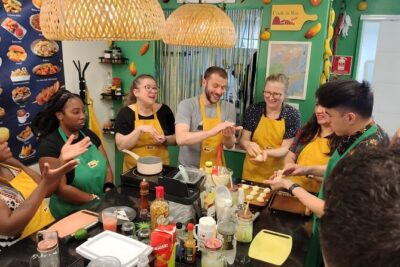
Hands-On Cooking Class in Rio: Iconic Street Foods & Caipirinhas
Read our review →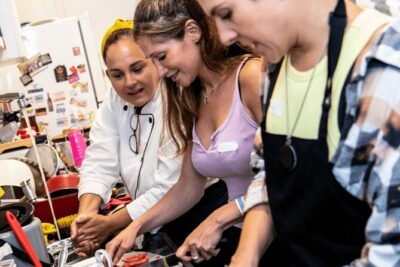
4h Cooking Class in Florianópolis: 8 Recipes & Bottomless Drinks
Read our review →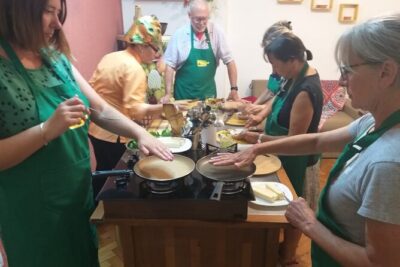
Brazilian Cooking Class in Copacabana with Hotel Pickup
Read our review →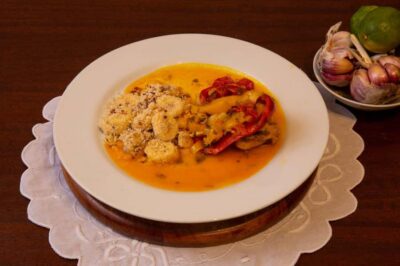

Brazilian Breakfast Cooking Class in Rio: Bake and Blend
Read our review →Browse the lists this tour appears in