

Reviewed · COOKING CLASSES
Brazilian Breakfast Cooking Class in Rio: Bake and Blend
Breakfast in Rio starts with cheese bread. This three-hour class gives you a tasty way to meet Brazilian morning food, from fresh pão de queijo and rustic broa to tropical fruit, local coffee, and a mango mimosa. I like the small group of up to eight people, which should make the cooking more personal, and I like the chance to taste three single-origin Brazilian coffees instead of settling for one generic cup.
I also like the location in Ipanema’s South Zone, near public transportation. The main thing to watch is the conflicting start time: the experience description says 8:00 AM, while the meeting details list 9:00 AM. Confirm the correct time before you go, especially if you are planning other morning activities.
The class costs $75 per person and lasts about three hours. That is not bargain-breakfast pricing, but it includes hands-on cooking, breakfast, coffee, fruit, juices, and a cocktail in a small setting. For food lovers, the value comes from learning how several Brazilian staples are made, not just eating a plate at a café.
In This Review
- Key Things to Know Before You Book
- What This Brazilian Breakfast Class Actually Offers
- Starting With a Fresh Brazilian Smoothie
- Baking Pão de Queijo With Cassava Flour
- Making Broa, a Corn Cake From Home Kitchens
- Comparing Three Single-Origin Brazilian Coffees
- Finishing With Fruit and a Mango Mimosa
- How the Schedule Fits a Rio Morning
- Is $75 a Fair Price?
- Who Will Enjoy This Class Most
- Practical Tips for Booking the Morning
- Should You Book Bake and Blend?
- FAQ
- Where does the Brazilian breakfast cooking class meet?
- What time does the class start?
- How long does the experience last?
- What food do I prepare?
- What is included in the price?
- How many people can join the class?
- Can I cancel for a full refund?
Key Things to Know Before You Book
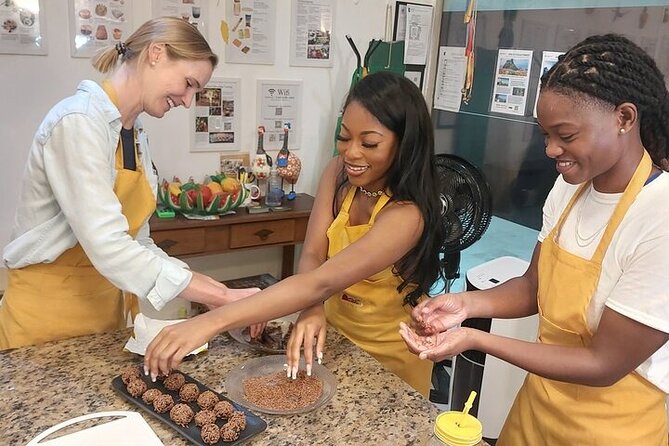
- Three Brazilian breakfast dishes: You prepare pão de queijo, broa, and a banana, papaya, and mango smoothie.
- Three single-origin coffees: The tasting compares Arabica coffees from different Brazilian regions, including Cerrado and Minas Gerais.
- A small Rio kitchen studio: The group is limited to eight people, giving the class a more relaxed feel than a large cooking demonstration.
- A local instructor named Roberto: One highly positive review specifically praises Roberto as personable and skilled, with food that made the experience memorable.
- A sweet and sparkling finish: The mango mimosa combines brut sparkling wine with fresh mango pulp.
- Flexible cancellation: You can cancel for a full refund up to 24 hours before the scheduled start time.
What This Brazilian Breakfast Class Actually Offers
Many Rio food activities focus on lunch, dinner, or street snacks. This one begins with the food Brazilians often reach for early in the day. That makes it a useful choice if you want a taste of everyday Brazil rather than a long restaurant meal built around famous regional dishes.
The setting is a cozy kitchen studio in Rio’s South Zone. You meet at R. Visc. de Pirajá, 281, in Ipanema, and the class returns to that same point at the end. Since it is near public transportation, you can fit it into a morning in Ipanema without arranging a private transfer.
The group size matters. With a maximum of eight people, you should have a better chance to take part instead of watching someone else do all the work. Small classes also leave more room for questions about ingredients, methods, and Brazilian food customs.
The description presents the class as friendly and informal, much like breakfast at a friend’s home. That tone will appeal to you if you prefer conversation and participation over a formal culinary school lesson. If you want advanced chef training or a detailed professional kitchen setup, this may feel too light.
More cooking classes in Rio de Janeiro:
- Family Cooking Class in Rio Make 9 Brazilian Dishes Together
★ 5.0 · 32 reviews - 3-Hour Brazilian Cooking Class in Rio de Janeiro
★ 5.0 · 30 reviews - Hands-On Cooking Class in Rio: Iconic Street Foods & Caipirinhas
★ 5.0 · 11 reviews
Starting With a Fresh Brazilian Smoothie
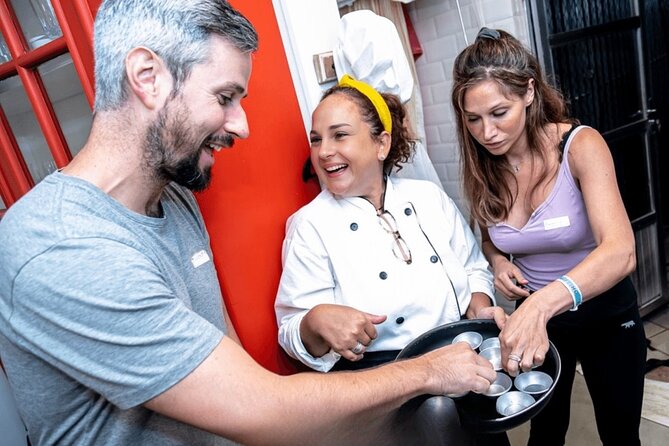
The first dish is a creamy fruit smoothie known locally as vitamina. You make it with banana, papaya, mango, and cold milk. The ingredients give you a quick introduction to the fruit that appears throughout Brazilian breakfasts and juice bars.
This is a simple recipe, but that is part of its appeal. You can see how familiar fruit becomes a filling morning drink without complicated equipment or hard-to-find ingredients. The class makes it fresh, so the smoothie is part of the meal rather than a pre-poured welcome drink.
I would think of this as an easy opening task. It gives you something to taste early, while the baked dishes take more time. The drawback is that anyone expecting a more unusual preparation may find the smoothie familiar. Its value is cultural and practical rather than technical.
You also get fresh tropical fruits and juices as part of the morning spread. The provided details do not specify every fruit or juice served beyond the smoothie ingredients, so you should expect a colorful selection rather than a fixed list.
Baking Pão de Queijo With Cassava Flour
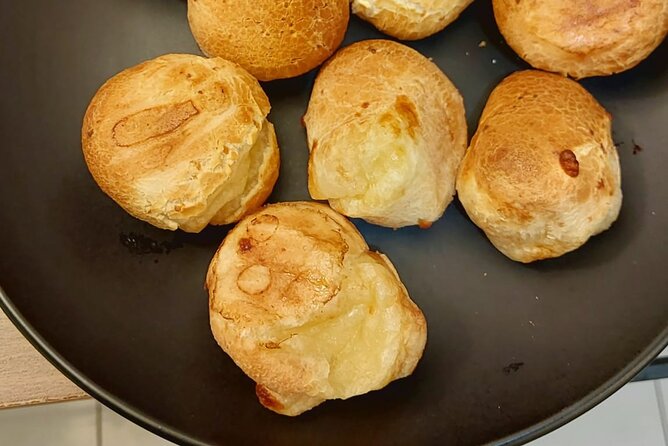
Pão de queijo is the class’s main attraction for many people. These small Brazilian cheese breads are made with cassava flour and aged Minas cheese, then baked fresh during the session.
Cassava flour gives the bread a texture that differs from ordinary wheat rolls. The aged Minas cheese brings a distinctly Brazilian touch, linking the recipe to the state of Minas Gerais, one of the country’s best-known food regions. You are not merely sampling a finished snack. You are handling the ingredients and seeing how this famous breakfast food comes together.
Fresh baking also changes the experience. Warm cheese bread has a different character from the packaged version you may find in a shop. The smell fills the kitchen while you work on the other dishes, making the class feel like a real breakfast rather than a sequence of cold samples.
I like this part because it offers the clearest takeaway. You leave with a better sense of what makes Brazilian cheese bread different, and the recipe should be more useful than a dish you only encounter in a restaurant.
The food review provided for this class gives the pão de queijo a strong boost. The meal was called fantastic, and Roberto was praised for making the experience personal and enjoyable. That is especially important in a cooking class, where the instructor can make a basic recipe either interesting or dull.
Making Broa, a Corn Cake From Home Kitchens
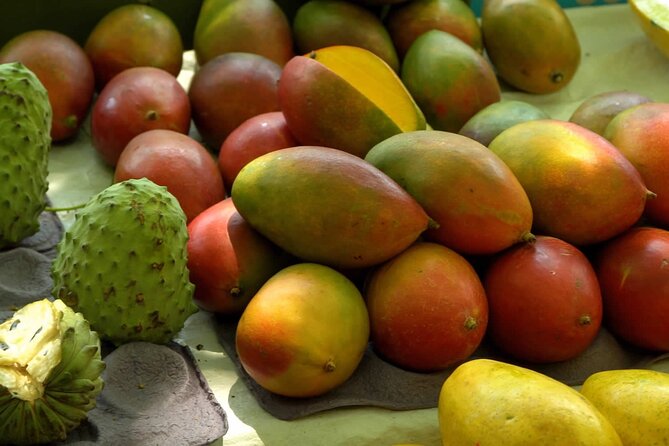
The second baked item is broa, a rustic corn cake made with yellow cornmeal, shredded coconut, and a touch of fennel. It is a different experience from pão de queijo, with a more crumbly, homespun character.
The ingredient list gives this cake its personality. Cornmeal supplies the main flavor, coconut adds sweetness and texture, and fennel brings a light aromatic note. The recipe is described as coming from a grandmother’s kitchen, which points to the home-style side of Brazilian cooking rather than restaurant food.
Broa also helps balance the class. Pão de queijo is savory and cheese-heavy, while broa moves toward the sweet side without becoming a dessert course. You get two baked foods that show how much range can fit into a Brazilian breakfast.
I would not book this experience expecting a pastry workshop with many separate techniques. The class centers on a few approachable recipes. That makes it suitable for a first cooking class, families, couples, and food-focused visitors who want a relaxed morning. It may not satisfy you if you are seeking advanced baking instruction.
More things to do in Rio de Janeiro:
- Rio de Janeiro: 6-Stop Highlights of Rio with Lunch
★ 4.4 · 5,157 reviews - Christ the Redeemer Entry Ticket by Corcovado Train
★ 4.4 · 4,476 reviews - Rio’s City Tour – Tickets for Christ, Sugar Loaf & Lunch included
★ 5.0 · 4,389 reviews - Full Day: Christ Redeemer, Sugarloaf, City Tour & Barbecue Lunch
★ 4.5 · 3,142 reviews
Comparing Three Single-Origin Brazilian Coffees
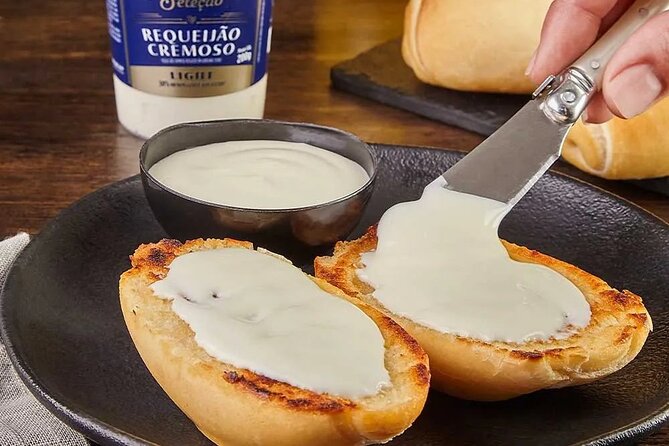
Coffee receives more attention here than it does in many breakfast classes. You taste three single-origin Arabica coffees from distinct Brazilian regions, with examples described as fruity Cerrado coffee and nutty, chocolatey roasts from Minas Gerais.
A guided comparison helps you notice differences that disappear when coffee is served simply as a hot drink. You can compare aroma, body, sweetness, and finish from one cup to the next. The regional focus also gives you a better sense of Brazil’s importance as a coffee-producing country.
This portion is valuable even if you already drink specialty coffee. You are tasting several coffees in the same setting, alongside foods made with Brazilian ingredients. That makes the coffee feel connected to the country rather than treated as a separate tasting exercise.
If you prefer milk coffee, sugar, or a quick cup with breakfast, the tasting may feel more formal than necessary. The available information does not say how the coffees are brewed or how much time the tasting takes, so you should expect a guided introduction rather than a full coffee certification course.
Still, three distinct coffees add real value to the $75 price. You are receiving more than coffee as a basic inclusion. The tasting gives the morning a clear theme and adds something you may not get from an ordinary Rio café breakfast.
Finishing With Fruit and a Mango Mimosa

The class closes with a mango mimosa made from brut sparkling wine and fresh mango pulp. It is a festive finish, but still tied to the tropical fruit used elsewhere in the meal.
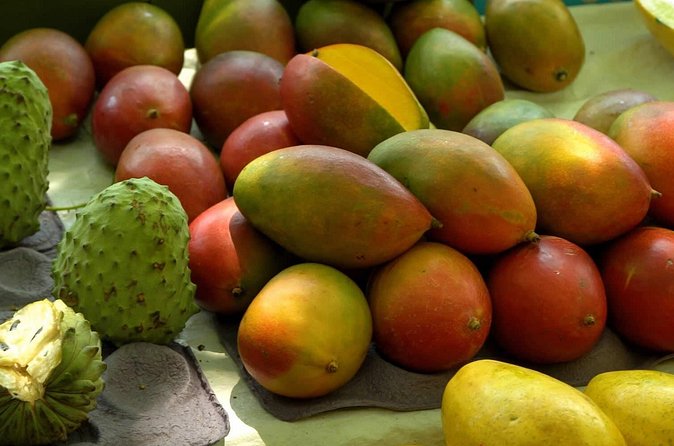
The drink works well as a closing toast after the baking and tasting. The mango should give the sparkling wine a soft, fruity edge, while the brut wine keeps it from becoming a thick fruit punch. You also receive fresh fruits and juices, so the final spread should feel colorful and generous.
There is one practical point to consider. The activity is scheduled in the morning, and the mimosa contains alcohol. If you have a full day of sightseeing ahead, keep that in mind. The class does not appear to be built around heavy drinking, but the cocktail is part of the planned menu.
The mix of food and drink makes the session feel more like brunch than a strict cooking lesson. I see that as a strength for most people. You get time to cook, taste, talk, and enjoy the finished breakfast instead of rushing through recipes.
How the Schedule Fits a Rio Morning
The experience lasts approximately three hours. The overview describes an early start at 8:00 AM, but the meeting details list 9:00 AM. That one-hour difference is important, so I would confirm the start time directly before booking or again before the activity date.
If the class starts at 8:00 AM, it takes up most of the early morning and should finish around 11:00 AM. If it starts at 9:00 AM, you would likely finish around noon. Either version leaves the rest of the day open, but the later start could affect a beach visit, museum reservation, or other timed plan.
The class ends back at the meeting point in Ipanema. There is no hotel pickup or drop-off, so you need to make your own way there and back. That is not a serious problem if you are staying nearby or using public transportation, but it reduces convenience for anyone based far from the South Zone.
The mobile ticket is useful for keeping your booking on your phone. Confirmation is provided when you book. The small group and central meeting point make this fairly straightforward, provided you resolve the time discrepancy.
Is $75 a Fair Price?
At $75 per person, this is priced above a simple Brazilian café breakfast. You are paying for the instructor, the kitchen setting, the hands-on work, several tasting components, and a three-hour experience.
The included food is substantial: smoothie, cheese bread, corn cake, coffee tasting, fresh fruit, juices, and a mango mimosa. Coffee and tea are included as well. You are not paying $75 for one dish and a short explanation.
I think the price makes sense if you care about food, want a small group, or enjoy learning by doing. It also works well as a special morning activity during a longer stay in Rio. You receive several recipes and regional flavors in one sitting, with enough time to understand the ingredients.
The value is weaker if you only want a quick breakfast or are traveling on a tight budget. Rio offers many less expensive ways to eat pão de queijo, fruit, and coffee. The class earns its price through the instruction and social setting, not through the raw cost of the ingredients.
The full money-back guarantee also lowers the financial risk, according to the experience details. That is a generous promise, though you should still read the exact terms and remember that the standard cancellation rule requires at least 24 hours’ notice.
Who Will Enjoy This Class Most
I would recommend this class to food-focused visitors who want a gentle introduction to Brazilian cooking. It is a good fit if you like small groups, simple recipes, coffee, and a relaxed morning with a local instructor.
It should also suit couples and families looking for an activity that does not require a full day. The recipes are familiar enough to be approachable, but the cassava flour, Minas cheese, fennel, and regional coffees give the menu a clear Brazilian identity.
Coffee fans will find extra value in the three single-origin tasting. Anyone interested in recreating Brazilian breakfast at home should also appreciate the practical recipes, especially pão de queijo and broa.
I would be more cautious if you need hotel transportation, avoid alcohol, or want a highly technical cooking lesson. The class also may not be ideal for someone who wants a large menu of savory dishes, since the listed food leans toward baked items, fruit, coffee, and one cocktail.
Practical Tips for Booking the Morning
Confirm whether your start time is 8:00 AM or 9:00 AM. The two times appear in the supplied details, and this is the one point most likely to cause a real problem.
Arrive hungry, since the class is built around preparing and eating breakfast. Because the activity takes place in a kitchen studio, wear comfortable clothing suitable for cooking, though no special equipment is listed.
Use the meeting address in Ipanema rather than expecting a hotel transfer. The activity ends where it begins, making it easy to continue your day from the South Zone.
If you need to cancel, do so at least 24 hours before the local start time for a full refund. Changes or cancellations made inside that window are not accepted for a refund.
The class has only five published ratings, all with a perfect overall score. That is a small sample, so I would treat the result as encouraging rather than final proof. The strongest specific praise goes to the food and to Roberto’s friendly, personal instruction.
Should You Book Bake and Blend?
Book it if you want a relaxed, food-centered Rio morning with real participation. The small group, fresh baking, regional coffee tasting, and tropical fruit menu give you more substance than a standard breakfast stop.
I especially like the balance between familiar food and local detail. You get a smoothie you can understand at once, then pão de queijo made with cassava flour and Minas cheese, broa with cornmeal and fennel, and coffees that show regional differences.
Skip it if $75 feels high for breakfast, if you need hotel pickup, or if the morning timing does not fit your plans. Before paying, confirm the start time and any food or drink needs directly with the provider.
For the right visitor, this is a warm, compact introduction to Brazilian breakfast culture, with enough cooking to make the meal memorable and enough tasting to keep the morning varied.
FAQ
Where does the Brazilian breakfast cooking class meet?
The meeting point is R. Visc. de Pirajá, 281, Ipanema, Rio de Janeiro, Brazil.
What time does the class start?
The experience description says 8:00 AM, while the meeting details list 9:00 AM. Confirm the exact start time before attending.
How long does the experience last?
The class lasts approximately three hours.
What food do I prepare?
You prepare pão de queijo made with cassava flour and aged Minas cheese, broa made with cornmeal, coconut, and fennel, and a fruit smoothie with banana, papaya, mango, and cold milk.
What is included in the price?
Breakfast and coffee or tea are included. The menu also includes a guided tasting of three Brazilian coffees, fresh fruit and juices, and a mango mimosa.
How many people can join the class?
The activity has a maximum of eight people.
Can I cancel for a full refund?
Yes. You can cancel at least 24 hours before the local start time for a full refund. Cancellations or changes made less than 24 hours before the start are not accepted for a refund.
Just added in Rio de Janeiro
- Full Day Tour in Rio de Janeiro★ 5.0 · 8 reviews
- Garganta do Ceu Cave Hiking Private Tour on Pedra da Gavea★ 4.5 · 3 reviews
- Gastronomic Tour at the Municipal Market in Rio de Janeiro★ 5.0 · 4 reviews
- GIG Airport Transfer x Rio de Janeiro Hotels★ 4.5 · 11 reviews
- Rio de Janeiro private Full day Custom Tours★ 5.0 · 35 reviews
- Christ the Redeemer – Complete Morning Tour with Ticket and Transport at the Hotel★ 3.5 · 4 reviews
- AquaRio, Museum, Boulevard Olimpico, Ferris Wheel, Transport and Tourism Guide.★ 4.0 · 6 reviews
- Personalized and Private Full-Day Tour in Rio de Janeiro★ 5.0 · 6 reviews
Cooking Classes, compared.
Cooking class in Salvador, an authentic dinning experience
Read our review →
4h Cooking Class in Salvador with 9 Recipes & Bottomless Drinks
Read our review →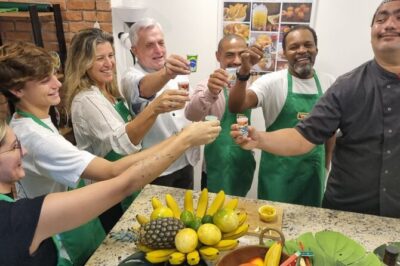
Family Cooking Class in Rio Make 9 Brazilian Dishes Together
Read our review →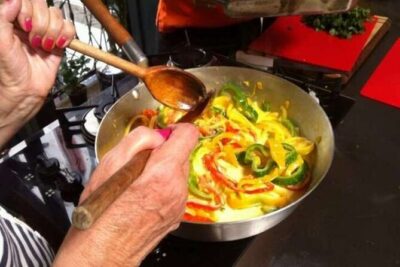
3-Hour Brazilian Cooking Class in Rio de Janeiro
Read our review →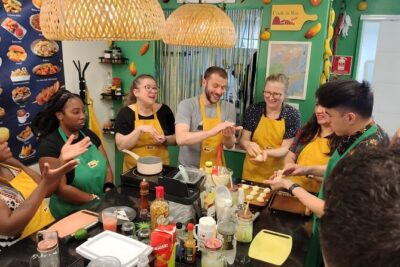
Hands-On Cooking Class in Rio: Iconic Street Foods & Caipirinhas
Read our review →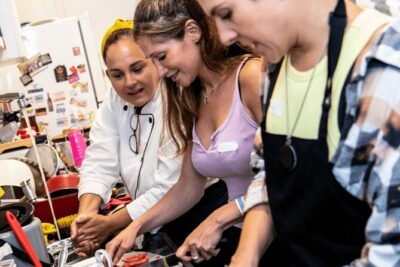
4h Cooking Class in Florianópolis: 8 Recipes & Bottomless Drinks
Read our review →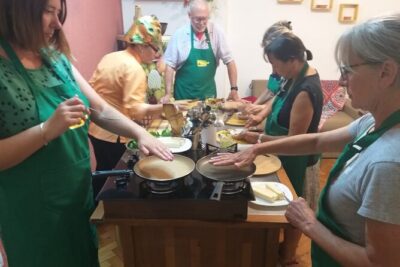
Brazilian Cooking Class in Copacabana with Hotel Pickup
Read our review →
Browse the lists this tour appears in