
Reviewed · RIO DE JANEIRO CITY TOURS
Afro-Brazilian Roots Private City Tour in Salvador
Salvador tells its story through faith, food, and music. This private six-hour tour moves beyond the usual historic center to show how African traditions shape daily life in Bahia, from the fishing community of Rio Vermelho to a Candomblé temple, São Joaquim Fair, and a seaside favela. Guides such as Wilson, Mônia, Vagner, and Ronaldo bring strong academic and personal insight to the subject.
I especially like the private car, which keeps the day comfortable and makes pickup at your hotel easy. I also like the chance to eat acarajé, visit a working market, and share lunch near the sea rather than simply look at monuments. The main consideration is that this is a serious cultural tour, not a light sightseeing loop. Some stops are in favela communities where photography is not allowed, and the tour is not suitable for wheelchair users.
In This Review
- Key points at a glance
- Why this tour gives Salvador more meaning
- Rio Vermelho and the altar of Yemayá
- Dique do Tororó and the city’s African symbols
- São Joaquim Fair, where food becomes history
- A Candomblé temple and a respectful conversation about faith
- Lunch beside the sea in a local community
- The guides make the difference
- Comfort, timing, and practical value
- Who will enjoy this tour most?
- Should you book the Afro-Brazilian Roots tour?
- FAQ
- Where does the Afro-Brazilian Roots tour take place?
- How long does the tour last?
- Is hotel pickup included?
- Is this a private tour?
- Which languages are available?
- Is lunch included?
- Is acarajé included?
- Can I take photographs during the tour?
- Is the tour suitable for wheelchair users?
- What should I wear?
- What is the cancellation policy?
Key points at a glance
- Six hours with a private guide and car: Pickup and return in Salvador make this an easy way to reach neighborhoods beyond the standard visitor route.
- A clear focus on African heritage: The day connects Yoruba and Ewe Fon traditions, Candomblé, food, markets, and Salvador’s Black communities.
- Real local settings: Rio Vermelho, Dique do Tororó, São Joaquim Fair, a Candomblé temple, and a seaside favela replace a checklist of famous sights.
- Food is part of the lesson: You taste acarajé and finish with lunch, with drinks paid separately.
- Strong guide choice: Guides including Wilson, Mônia, Vagner, Ronaldo, Fernando, and Leandro have been praised for their English, warmth, and command of Bahian culture.
- Come prepared: Wear comfortable shoes, arrive in your hotel lobby 10 minutes early, and follow local rules about photography.
Why this tour gives Salvador more meaning
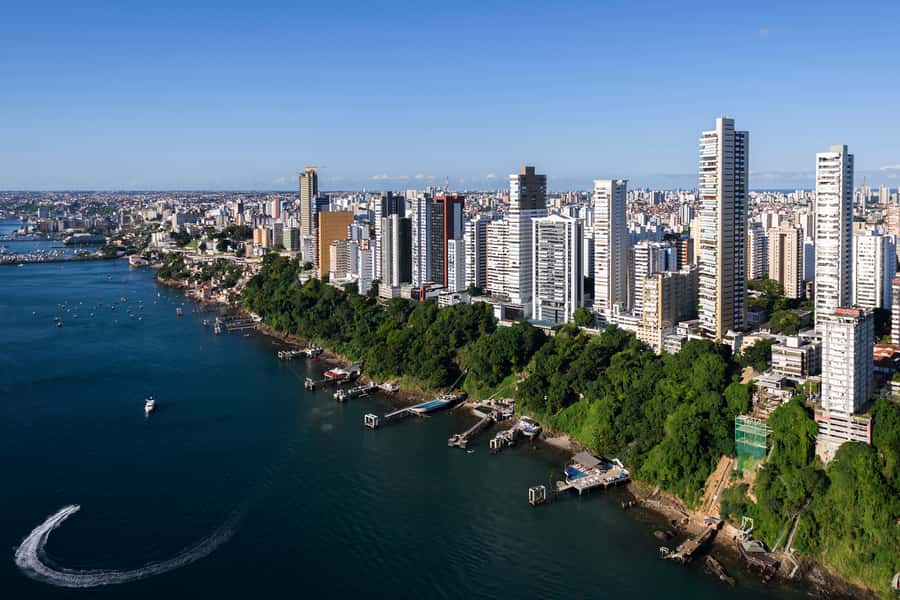
Salvador can be easy to misunderstand if you only visit its colorful colonial streets and churches. Those places matter, but they show only one layer of the city. This tour asks you to look at Salvador through African religious practice, food traditions, local neighborhoods, and the long effort to preserve identity under colonial rule.
That makes the day especially useful if you want context rather than a string of photo stops. Guides explain how beliefs and customs changed over time and how they continue in present-day Bahia. The focus is not limited to the past. You also see ordinary neighborhoods and hear how people and communities have adapted across generations.
I would choose this tour early in a Salvador visit if Afro-Brazilian culture is one of your main interests. It can give later visits to markets, music performances, churches, and historic streets a clearer frame.
The private format matters here. You do not have to fit your questions into a large group or wait for strangers at every stop. The guide can spend more time on subjects that interest you, from Yoruba connections to the role of Candomblé. The supplied languages are Portuguese, Spanish, English, and French, so check that your preferred language is available when booking.
More Rio city tours:
- Salvador City Tour – Discover Brazil’s First Capital En, It, Es
★ 5.0 · 217 reviews - Private City Tour in Salvador
★ 5.0 · 110 reviews - Historical African oriented City Tour
★ 5.0 · 52 reviews
Rio Vermelho and the altar of Yemayá
The tour begins with pickup in Salvador and heads toward Rio Vermelho, a lively waterfront area with strong ties to fishing and local religious practice. One important stop is the altar dedicated to Yemayá, the African deity associated with the sea.
The altar is maintained by local fishermen, which gives the visit a more grounded meaning than a decorative monument. You are seeing a living expression of faith tied to the people who work along the water. Your guide can help explain the place respectfully and put the tradition into a Bahian context.
This is also a good first stop because it introduces a central idea of the day: African beliefs in Salvador are not locked away in museums. They appear in public spaces, family customs, food, dress, and neighborhood life.
You should expect a guided visit and photo opportunity, but not a long formal ceremony. The point is understanding what the site means and how it connects to the local community. As with every stop, listen carefully to your guide before taking pictures.
Dique do Tororó and the city’s African symbols
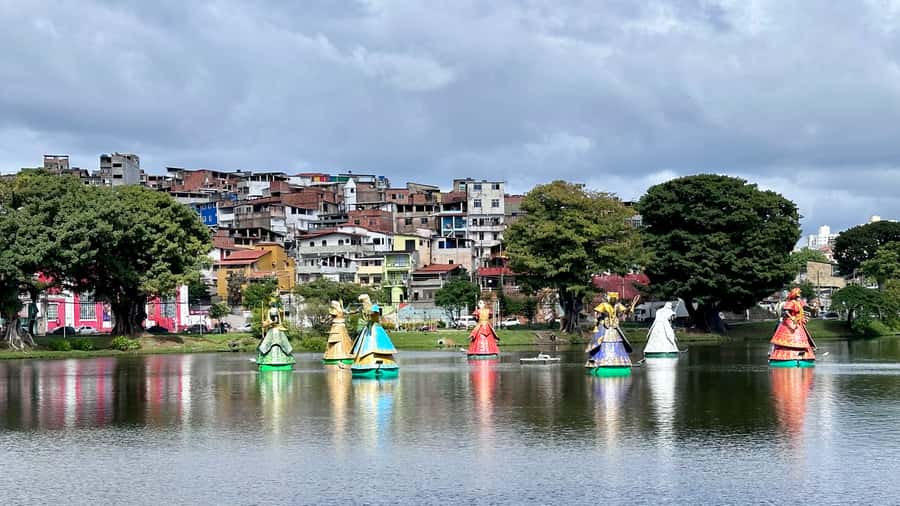
Next comes Dique do Tororó, a lagoon and public space known for its imposing African figures. The stop lasts about 30 minutes, giving you time to see the sculptures and take photographs.
These figures provide a visual introduction to African religious imagery in Salvador. After the more intimate setting at the Yemayá altar, Dique do Tororó offers a larger public display. It helps you see how African identity is represented in the city, not only within private religious spaces.
Your guide’s explanation is the key part. Without context, you might simply photograph the statues and move on. With a guide such as Wilson or Mônia, the symbols become part of a wider discussion about belief, resistance, adaptation, and the history of Black communities in Bahia.
The short visit also keeps the day moving. This is a six-hour tour with several stops, so you will not spend hours at any one attraction. If you prefer long independent visits with lots of time for photography, the schedule may feel brisk. If you like a well-paced day with frequent changes of scene, it works well.
São Joaquim Fair, where food becomes history
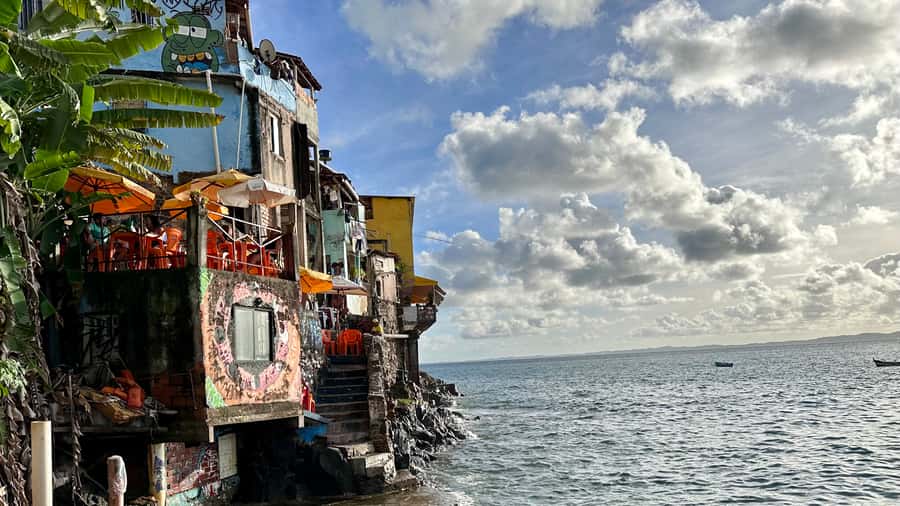
São Joaquim Fair is one of the strongest parts of the experience. The market is treated as an important part of Salvador’s cultural life, and you get time to walk through stalls filled with fruit, vegetables, spices, and ingredients used in Bahian cooking.
This is not just a shopping stop. Markets show what people cook, what they value, and how culinary traditions continue. Your guide can point out foods and objects connected to African customs that you might miss if you wandered through on your own.
Expect strong smells, bold colors, and a busy public setting. The fair may feel less polished than a market designed for tourism, which is precisely its value. You are seeing a working place rather than a staged attraction.
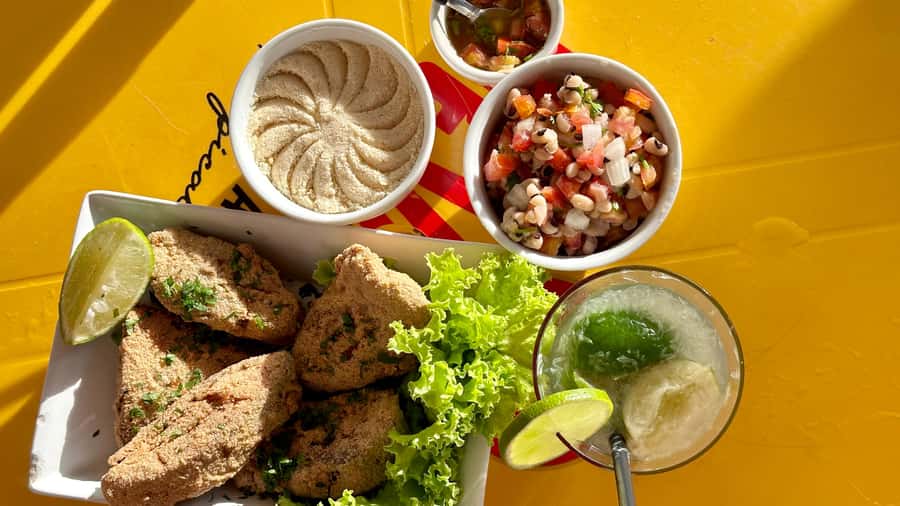
The visit also prepares you for the acarajé tasting. Acarajé is a famous Bahian food made from black-eyed pea dough and fried in dendê oil. It is linked to Afro-Brazilian foodways and religious traditions, so tasting it here is more than a quick snack. Ask your guide about its cultural meaning, ingredients, and place in Salvador’s daily life.
Food allergies and dietary needs are not addressed in the available information, so you should raise those concerns before booking or at pickup. Drinks are not included, so carry money for beverages.
More of Salvador and Bahia:
- Round trip transfer, Salvador, Bahia, Brazil
★ 5.0 · 228 reviews - Cooking class in Salvador, an authentic dinning experience
★ 5.0 · 132 reviews - Tour to the Frades Islands and Itaparica, from Salvador – Ba
★ 4.0 · 130 reviews - Transfer Salvador Airport / Hotel Litoral Norte
★ 5.0 · 111 reviews
A Candomblé temple and a respectful conversation about faith
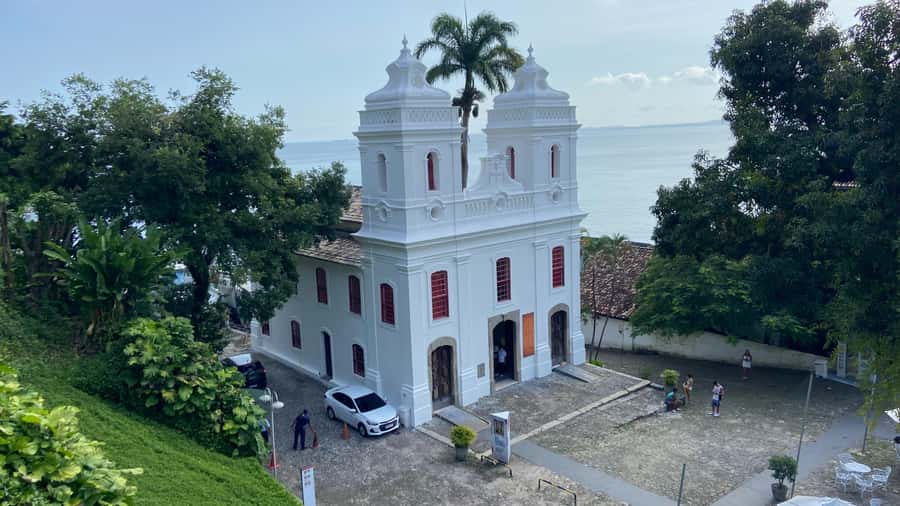
The Candomblé visit is likely to be the most meaningful part of the day for readers interested in religion and African culture. The tour includes time at a sacred temple connected with the Ewe Fon tradition, where you learn about the beliefs and customs that shape Candomblé.
This is not a quick exterior stop. The scheduled visit lasts about 40 minutes, and the guide explains the tradition in detail. Some tours have also included a conversation with a member of the temple or the family connected with the place. That kind of welcome can make the visit memorable, but it also means you must treat the space as sacred rather than as a photo set.
Candomblé has often been misunderstood by outsiders. A thoughtful guide can explain its origins, its relationship to African traditions, and the way practitioners have maintained and adapted their faith in Brazil. Chris, who has Yoruba family connections, found the subject especially detailed and appreciated the guide’s command of Yoruba culture. That points to the tour’s academic side.
I would not book this experience if you want only entertainment or casual sightseeing. One direct assessment described it as more intellectual than playful. That is useful advice. The tour is friendly and food-centered, but its real purpose is education and cultural understanding.
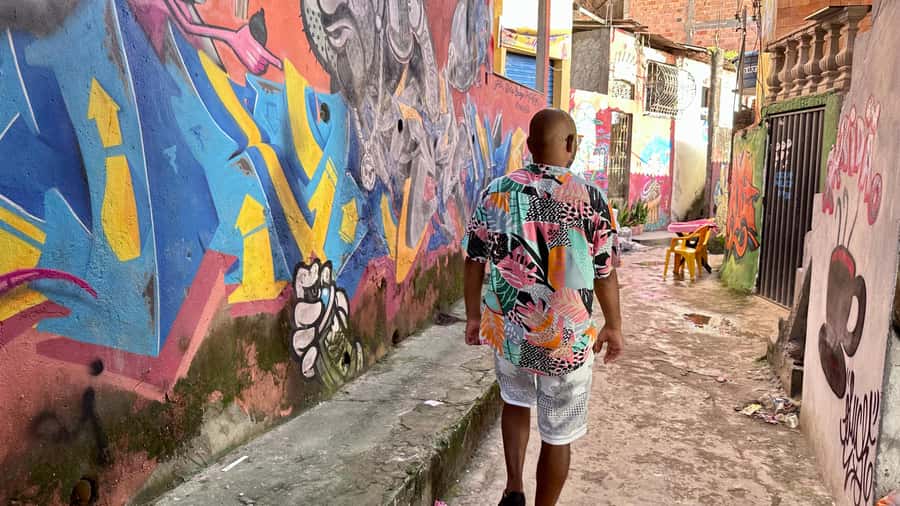
Photography rules matter. The tour information says that photography is not authorized in the favela communities, and you should assume that sacred spaces also require care unless your guide gives permission. Put your phone away when asked. That small act shows respect and helps protect the trust that makes this kind of visit possible.
Lunch beside the sea in a local community
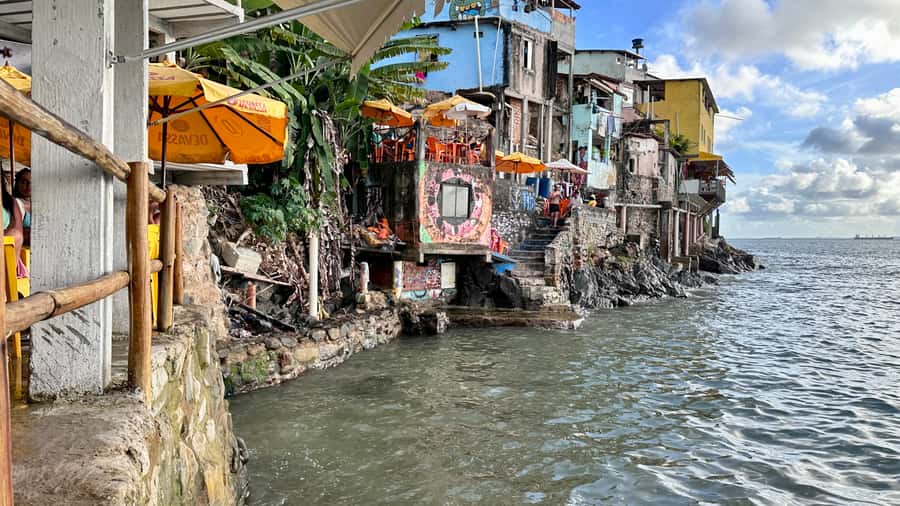
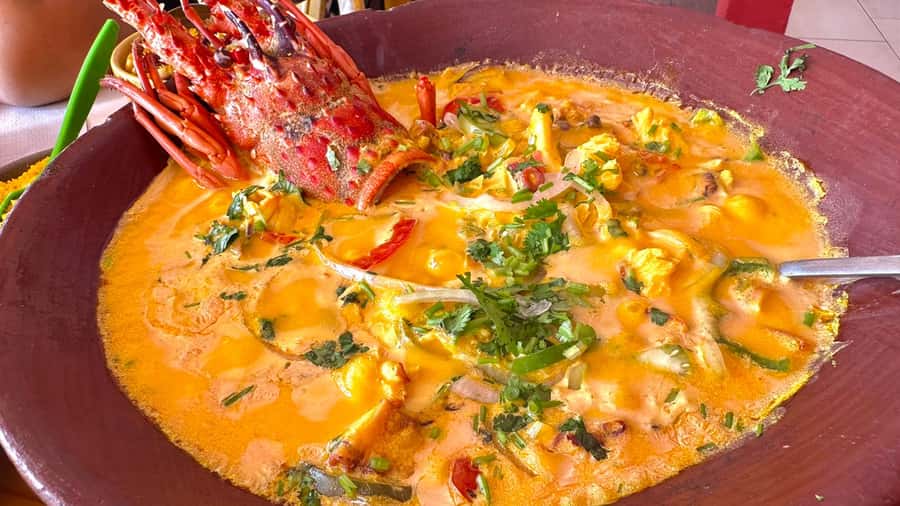
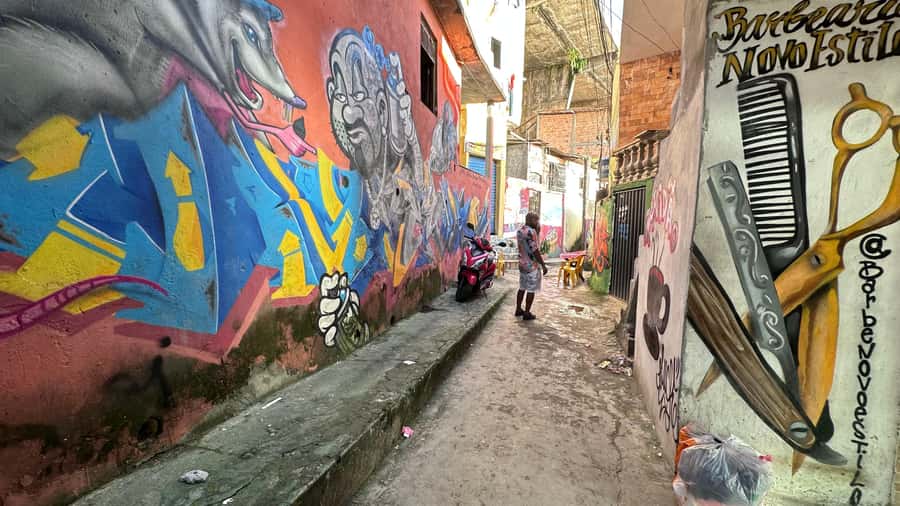
The final major stop takes you to a seaside favela, where you have up to two hours for lunch, free time, photographs where permitted, and further conversation. The setting offers broad views of the sea and a chance to slow down after the market and temple visits.
The lunch is included, but drinks are not. Past meals have included Bahian dishes at small local restaurants, with Zanzibar restaurant specifically praised for its food and sea view. The exact restaurant may vary, so think of the meal as part of the neighborhood visit rather than a fixed dining reservation.
This ending works because it shifts the pace. You have spent the earlier part of the day listening, looking, and moving between sites. Here you can sit down, eat, and ask follow-up questions. You also get a chance to connect the morning’s subjects to everyday life.
The phrase seaside favela can sound dramatic, but it is important to keep the setting in perspective. This is a residential community, not a theme park. Follow your guide’s instructions, do not photograph people or homes without permission, and avoid treating the area as a backdrop.
The two-hour block is generous compared with the shorter earlier stops. It leaves room for a relaxed meal and conversation, though traffic and local conditions can affect the exact timing.
The guides make the difference
The strongest feature of this experience is the guide. The company assigns different guides, so you may meet Wilson, Mônia, Vagner, Ronaldo, Fernando, Leandro, or another member of the team. The consistent strengths are clear: strong language skills, warmth, historical understanding, and a willingness to answer questions.
Wilson is described as a PhD historian who can connect Salvador’s story with wider questions about Brazil and African heritage. Mônia is praised for her enthusiasm, care, and ability to explain social issues as well as historical events. Vagner has been noted for sophisticated English and careful explanations of African culture in Brazil.
Ronaldo is a strong fit if you want a guide who brings energy and personal connection to the subject. Fernando has been praised for adapting the day to help keep visitors cool. Drivers also receive good marks, with names such as Adriano, Victor, and Fabio mentioned for safe and calm driving.
Because this is a private group, you can tell your guide what matters most to you. If you have family connections to West Africa, an academic interest in religion, or questions about modern Salvador, say so early. The best use of this tour is an active conversation, not passive listening.
Comfort, timing, and practical value
The price is $150 per person. That is not a bargain-basement city tour, but the value is stronger if you are traveling with one or more companions because the price includes a private car, guide, lunch, acarajé tasting, and a donation. You are paying for access, transport, interpretation, and a full day beyond the standard route.
The six-hour duration includes hotel pickup and return, driving between neighborhoods, guided visits, food, and lunch. The listed stop times add up to roughly four hours and 10 minutes, leaving the rest for traffic, transfers, and the flexible pace of the final meal. Salvador traffic can be demanding, so private transport is a real advantage.
Wear comfortable shoes. You will be walking through a market and local neighborhoods, and the tour information specifically recommends practical footwear. Wait in your hotel lobby 10 minutes before pickup.
The tour offers free cancellation up to 24 hours before departure and a reserve-now, pay-later option. Starting times depend on availability. A separate entrance is listed for applicable stops, which may reduce waiting.
This experience is not suitable for wheelchair users. The available information does not promise a fully accessible vehicle or route, so anyone with mobility concerns should contact the provider before reserving.
Who will enjoy this tour most?
I would recommend it to you if you:
- Want to understand Afro-Brazilian culture rather than simply photograph Salvador.
- Enjoy history, religion, food, and social context.
- Prefer a private day with room for questions.
- Are comfortable visiting working-class communities with respect.
- Want a guide who can speak in depth about Candomblé and African traditions.
- Appreciate local meals more than formal tourist restaurants.
It may not suit you if you want a carefree sightseeing day with constant entertainment. The subject matter can be serious, and some visits require quiet attention. It is also less suitable if photography is your main goal, since some community areas prohibit cameras.
The tour has earned a 4.7 rating from 88 reviews, with especially strong praise for guides, food, cultural depth, and safe driving. That pattern matters because those are the parts you cannot easily arrange on your own in one morning and afternoon.
Should you book the Afro-Brazilian Roots tour?
Book it if you want Salvador to make sense beyond its postcard views. The combination of Rio Vermelho, Yemayá, Dique do Tororó, São Joaquim Fair, acarajé, Candomblé, and a seaside lunch gives you several ways to understand the city at once.
I would be most likely to recommend it to a history-minded solo visitor, a couple, or a small private group with a real interest in African heritage. It is also a strong choice for anyone with Yoruba or wider West African family connections, since the guides can help connect Brazil’s traditions to personal history.
Skip it if you want a purely playful excursion or a tour built around famous monuments. For the right visitor, though, $150 buys more than transport and lunch. It buys a patient introduction to the people, faiths, foods, and neighborhoods that make Salvador distinct.
FAQ
Where does the Afro-Brazilian Roots tour take place?
The tour takes place in Salvador, in Brazil’s Northeast Region. Stops include Rio Vermelho, Dique do Tororó, São Joaquim Fair, a Candomblé temple, and a seaside favela community.
How long does the tour last?
The experience lasts six hours, including pickup and return to your accommodation in Salvador.
Is hotel pickup included?
Yes. Pickup is included, and you should wait in your hotel lobby 10 minutes before the scheduled pickup time.
Is this a private tour?
Yes. It is offered for a private group with a private car.
Which languages are available?
The live guide can provide the tour in Portuguese, Spanish, English, or French.
Is lunch included?
Yes. Lunch is included in the tour price. Drinks are not included.
Is acarajé included?
Yes. An acarajé tasting is included.
Can I take photographs during the tour?
Photography is not authorized in the favela communities. Follow your guide’s instructions at each location, especially at sacred sites.
Is the tour suitable for wheelchair users?
No. The tour is not suitable for wheelchair users.
What should I wear?
Wear comfortable shoes, since the day includes visits to a market and local neighborhoods.
What is the cancellation policy?
You can cancel up to 24 hours in advance for a full refund. A reserve-now, pay-later option is also available.
Just added in Salvador
- Mãe Tereza Ecological Park | A peaceful paradise, perfect for relaxing!★ 4.5 · 19 reviews
- Full Day Tour in Trancoso with Chocolate Factory★ 4.5 · 35 reviews
- Horse back riding and Eco tourism food and fun.★ 5.0 · 1 review
- Salvador: Schooner Cruise with Pickup and Itaparica Stop★ 3.8 · 5 reviews
- Salvador: Traditional Drumming and Percussion Workshop★ 4.4 · 10 reviews
- PROMO Salvador: Interactive Art and Culture Private Tour★ 5.0 · 2 reviews
- Salvador: 3-Hour Percussion Class★ 4.9 · 10 reviews
- Salvador: Cultural Treasure – Samba de Roda.★ 4.9 · 51 reviews
Rio de Janeiro City Tours, compared.
Rio’s City Tour – Tickets for Christ, Sugar Loaf & Lunch included
Read our review →
Full Day: Christ Redeemer, Sugarloaf, City Tour & Barbecue Lunch
Read our review →
Christ the Redeemer, Sugarloaf, Selaron & BBQ Lunch
Read our review →
São Paulo’s Full Day City Tour: Main City Sights in 7 Hours – (Shared Group)
Read our review →
Pub Crawl in Lapa with Cachaça Tasting and Live Samba
Read our review →
Rio’s Best_Corcovado, Sugar Loaf, Selaron, Cathedral and more
Read our review →Browse the lists this tour appears in