
Reviewed · RIO DE JANEIRO CITY TOURS
Historical African oriented City Tour
Salvador’s past is impossible to miss. This private, half-day tour connects the city’s African heritage with its churches, religious traditions, public art, and colonial streets, giving you a stronger sense of place than a quick walk through Pelourinho alone. I especially like the private vehicle, which makes it easy to link Salvador’s upper and lower areas, and the focus on Afro-Brazilian history, a central part of the city that deserves more than a passing mention. One practical concern is that the Afro Brasileiro Museum can close with little notice because it is controlled by the Federal University of Bahia.
The tour costs $190 per person and lasts about five to six hours. That is not a bargain for a single guest, but the price includes a private guide, air-conditioned transportation, admissions, and lunch. Guides Josuel, Vagner, Andres, and Kayuri have all been praised for their warmth, organization, and ability to explain Salvador’s past in a clear, lively way.
In This Review
- Key points to know before booking
- Why Salvador’s African heritage deserves a full morning
- The Black People’s Rosary Church, a powerful opening stop
- Afro Brasileiro Museum and the limits of a short visit
- Dique de Tororó and Tati Moreno’s Orixá sculptures
- Elevator Lacerda marks the shift to walking
- Two hours through Pelourinho’s colonial streets
- Lunch adds a taste of Bahia
- Private touring, pacing, and practical comfort
- Is $190 per person a fair price?
- Who will enjoy this tour most?
- My recommendation
- FAQ
- How long does the Historical African Oriented City Tour last?
- What time does the tour start?
- Is this a private tour?
- What is included in the price?
- Are alcoholic beverages included?
- Is the Afro Brasileiro Museum always open during the tour?
- Is lunch included?
- Are baby seats available?
- Can service animals participate?
- What is the cancellation policy?
Key points to know before booking
- The Church of Our Lady of the Rosary of the Black People was built by enslaved people for their own community, making it one of the most meaningful stops.
- The Afro Brasileiro Museum introduces Afro-Brazilian religious traditions in a short, focused visit.
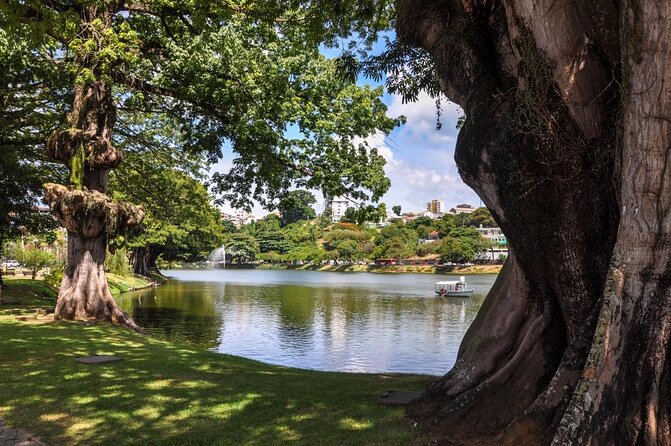
- Dique de Tororó offers a quick look at Tati Moreno’s Orixá sculptures, with time for photographs and an explanation of their meaning.
- The tour saves the longest time for Pelourinho, where you walk through Salvador’s colonial district for about two hours.
- Lunch, admissions, and air-conditioned transport are included, but alcoholic drinks are not.
- This is a private tour, so the pace and questions belong to your group rather than a large crowd.
Why Salvador’s African heritage deserves a full morning
Salvador is one of the best places in Brazil to understand the continuing influence of African peoples on language, religion, music, food, art, and daily life. A standard city tour can show you handsome buildings and colorful streets, but it may leave out the people and traditions that shaped the city.
This experience puts that story first. You move between religious sites, museum displays, public sculpture, and the colonial center. The result is not just a collection of sightseeing stops. Your guide helps connect them, explaining how African traditions survived slavery and continued to shape Bahia.
I like that the tour treats Afro-Brazilian religion as a serious subject rather than a decorative detail. The museum and Orixá sculptures give you a starting point for understanding beliefs that may be unfamiliar, while the church shows how Black communities created their own religious space within a difficult colonial system.
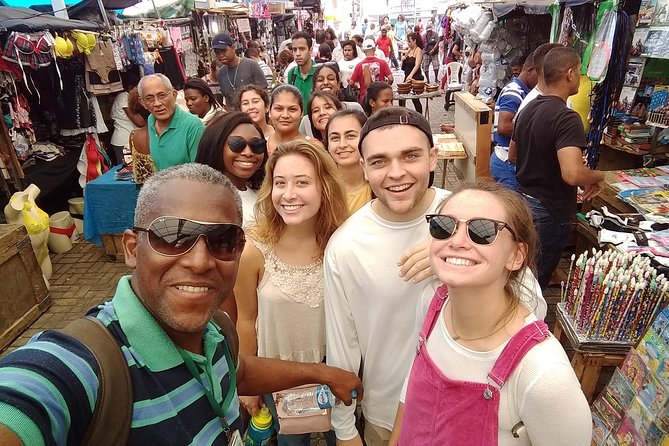
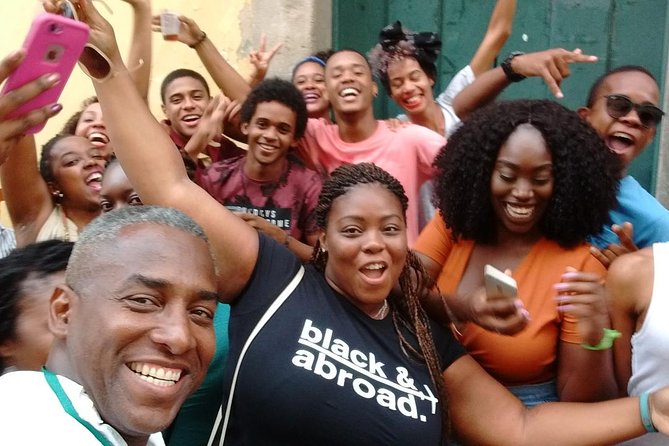
The strongest part of the experience will depend on your guide. Josuel is repeatedly described as warm, energetic, and generous with his time. Vagner has been praised for his calm pace and strong grasp of Afro-Brazilian religion. Andres is noted for bringing the city’s stories to life, and Kayuri has also received warm praise. If a particular guide matters to you, ask whether Josuel, Vagner, Andres, or Vagner is available when you book.
More History Tours in Salvador
- Salvador Historic Walking Tour – Pelourinho
★ 4.8 · 62 reviews - Full-Day Historic Private City Tour of Salvador with Lunch
★ 5.0 · 50 reviews - Full City Tour Historic and Panoramic
★ 5.0 · 24 reviews
The Black People’s Rosary Church, a powerful opening stop
The Church of Our Lady of the Rosary of the Black People is the first stop, with about 30 minutes set aside. It was built by enslaved people and for enslaved people, which gives the visit a weight that goes beyond its architecture.
Your guide’s explanation is especially important here. On your own, you might see an old church and move on. With context, you can consider why a Black brotherhood would build and maintain its own church, how religious life worked under slavery, and how Catholic practice existed alongside African traditions.
Thirty minutes is enough for an introduction, though not enough for every historical detail. This is a place to listen closely and ask questions. If you are interested in the relationship between Christianity and African religious traditions in Bahia, this stop may be one of the most valuable parts of the morning.
The church also prepares you for the rest of the tour. You begin with a physical reminder of Black agency and community, then move into the religious and artistic expressions that grew from that history.
Afro Brasileiro Museum and the limits of a short visit
The Afro Brasileiro Museum receives about 30 minutes. The stated focus is Afro-Brazilian religion, so you should expect a brief educational stop rather than a long museum visit.
That short time can work well if you want a clear introduction. Your guide can explain terms, symbols, and traditions that may otherwise seem difficult to interpret. The museum gives structure to the tour’s religious theme and helps you look at later sites with more understanding.
There is one important warning. The museum is controlled by the Federal University of Bahia, and its opening schedule may be uncertain, especially around holidays. The operator has acknowledged that it may not know about a closure until shortly before the booking date. I would contact the company before your tour and ask specifically if the museum is expected to open that day.
If it is closed, the experience can still be worthwhile, but you should not assume the museum portion is guaranteed. This is the clearest weakness in an otherwise carefully arranged route.
Dique de Tororó and Tati Moreno’s Orixá sculptures
The stop at Dique de Tororó lasts about 20 minutes and is mainly for photographs and explanation. The focus is a group of Orixá sculptures created by Bahian artist Tati Moreno.
This is a quick stop, but it adds an important visual layer to the tour. The sculptures bring Afro-Brazilian religious figures into a public setting, allowing you to see how these traditions appear in Salvador’s shared civic space.
Do not expect a long walk around the lake or a detailed art tour. The schedule allows time to see the sculptures, take photographs, and hear their significance before continuing. That limited timing is reasonable because the main walking portion comes later in Pelourinho.
I appreciate the order of these stops. The church introduces Black religious community, the museum offers explanation, and the sculptures show how African-derived religious imagery appears in modern Bahia. Each piece supports the next.
More Rio city tours:
- Salvador City Tour – Discover Brazil’s First Capital En, It, Es
★ 5.0 · 217 reviews - Private City Tour in Salvador
★ 5.0 · 110 reviews - Afro-Brazilian Roots Private City Tour in Salvador
★ 4.7 · 88 reviews - Combo Arraial da Ajuda / Trancoso / Espelho / City tour – by Coconut Experience
★ 4.5 · 29 reviews
Elevator Lacerda marks the shift to walking
The Lacerda Elevator is listed as a 15-minute stop and serves as the starting point for the walking tour. It links Salvador’s lower and upper cities and is one of the city’s most recognizable landmarks.
Here, the tour shifts from vehicle-based sightseeing to walking through the historic center. That change matters. The vehicle helps you cover ground efficiently, but Pelourinho is best understood at street level, where the buildings, slopes, squares, and public life come together.
The exact use of the elevator may depend on the day’s conditions and the guide’s plan, so ask whether your group will ride it or simply meet nearby. Either way, this is the point where you should be ready for two hours on foot.
Comfortable shoes are a sensible choice. The tour information does not promise a completely flat route, and Salvador’s historic center includes streets and changes in level. You should also bring water and sun protection, though lunch and the air-conditioned vehicle provide welcome breaks.
Two hours through Pelourinho’s colonial streets
Pelourinho is the longest stop, with about two hours of walking through Salvador’s colonial district. This is where the tour’s earlier lessons come together with the city’s built setting.
The district is known for its old colonial architecture, but the buildings are only part of the story. Your guide can connect the streets to Salvador’s history, the upper and lower city, and the African heritage that remains central to Bahia’s identity.
This is also the section where guide quality matters most. A guide who simply points at façades will give you a shallow visit. Josuel has been praised for connecting historical events with Salvador’s present reality, while other guides have been valued for answering questions and adapting the pace to the group.
Families may find this especially helpful. One account describes children staying engaged while hearing about Salvador’s African background. That suggests the tour can work well for mixed-age groups when the guide tells stories rather than reciting dates.
Two hours is generous enough to avoid a rushed march, but you should still expect the walking portion to be the heart of the experience. If you prefer a quick overview with little walking, this may feel long. If you enjoy history, public spaces, and guided conversation, it gives you time to look around properly.
Lunch adds a taste of Bahia
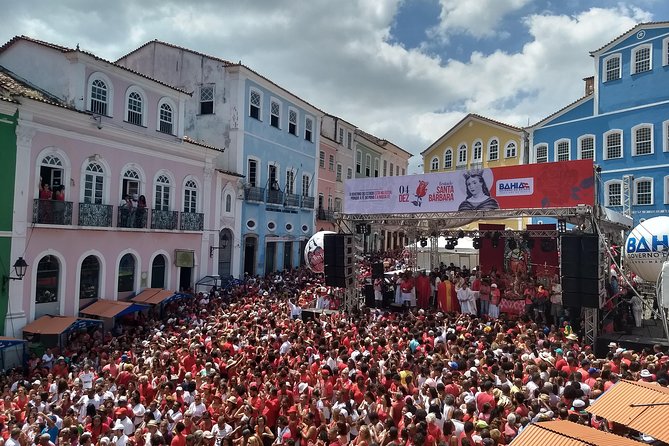
Lunch is included, which improves the value of the $190 price. One account specifically describes stopping at a local restaurant near the end of the tour to try distinctive Bahian food.
The exact restaurant and menu are not specified, so you should ask about any dietary needs before departure. Alcoholic beverages are not included, and the tour price does not cover them.
Lunch also gives the schedule a useful pause. After several historical stops and a long walk, sitting down for food lets you continue the conversation with your guide and ask about restaurants or events for the rest of your stay. Guides have provided local suggestions for places to eat and things to do, which can make this tour useful beyond its formal route.
Private touring, pacing, and practical comfort
Because only your group participates, you avoid the stop-and-go rhythm of a large coach tour. You can ask more questions, request clarification, and potentially spend a little more time on a subject that interests you, although the listed timing still shapes the day.
The air-conditioned vehicle is a real benefit in Salvador. It connects the separate parts of the route without asking you to walk between every stop, and it gives you a cool break before or after Pelourinho.
The tour begins at 9:00 a.m. Confirmation is provided when you book. Baby seats are available only if requested in advance, so families should make that request early. Service animals are allowed, and most people can participate, but the two-hour walking section is worth considering if mobility is a concern.
Past bookings have included pickup and drop-off service, but the supplied meeting information does not specify a universal pickup location. Confirm the exact meeting arrangement before the day of the tour.
Is $190 per person a fair price?
At $190 per person, this is a premium half-day outing. The value improves if you are traveling with family or friends and want a private experience with transportation, lunch, and admissions bundled together.
You are paying for more than entrance tickets. The main value is the guide’s interpretation. A museum visit, church, sculpture stop, and walk through Pelourinho can feel disconnected without someone explaining how slavery, African religious traditions, colonial society, and present-day Salvador relate to one another.
The price is harder to justify if you are a solo visitor focused only on seeing the main sights. You could spend less with a group tour or visit parts of Pelourinho independently. The private format becomes worthwhile when you want personal attention, flexible questions, a comfortable vehicle, and a guide who can explain the city’s African heritage in depth.
The 4.9 rating from 52 reviews and 98 percent recommendation rate point to consistently strong service, especially in guiding, organization, friendliness, and historical interpretation. Still, the museum closure issue means you should confirm that stop in advance rather than assume every listed element will operate exactly as planned.
Who will enjoy this tour most?
I would choose this tour if you want Salvador explained through Black history and Afro-Brazilian religion, not just photographed from the outside. It suits first-time visitors who want a useful orientation to the city, as well as returning visitors who want a more focused cultural subject.
Families can benefit from the private setup and the guides’ ability to keep younger participants involved. Couples, solo visitors willing to pay for personal service, and small groups with a strong interest in history should also find the format appealing.
You may want another option if you dislike guided conversation, prefer a very loose schedule, or want a tour centered mainly on food, beaches, shopping, or nightlife. This experience is built around explanation and context.
The tour also suits visitors staying in Salvador for several days. The restaurant and event suggestions can help you plan what to do afterward, and the upper and lower city explanation gives you a better sense of how Salvador is arranged.
My recommendation
Book this tour if you want a serious, friendly introduction to Salvador’s African heritage and prefer having transport and lunch arranged. Its strongest points are the Black People’s Rosary Church, the religious and artistic context, the long Pelourinho walk, and the guides’ personal approach.
Before paying, ask two questions: Is the Afro Brasileiro Museum expected to be open on your date, and which guide is assigned? If the museum is closed, the tour still has solid alternatives, but knowing in advance will help you set fair expectations.
I would be most likely to book it for a family or small group that values history and wants a private day with a strong local guide. For a solo visitor on a tight budget, the price deserves more thought. For anyone wanting to understand why Salvador feels so closely tied to African culture, this is a worthwhile choice.
FAQ
How long does the Historical African Oriented City Tour last?
The tour lasts approximately five to six hours.
What time does the tour start?
The listed start time is 9:00 a.m.
Is this a private tour?
Yes. Only your group participates in the activity.
What is included in the price?
The price includes an air-conditioned vehicle, lunch, and admission tickets for the listed stops.
Are alcoholic beverages included?
No. Alcoholic beverages are not included.
Is the Afro Brasileiro Museum always open during the tour?
The museum may close without much advance notice because it is controlled by the Federal University of Bahia. Contact the operator before your booking date to confirm its status.
Is lunch included?
Yes. Lunch is included in the tour price.
Are baby seats available?
Yes, but baby seats are available only when requested in advance.
Can service animals participate?
Yes. Service animals are allowed.
What is the cancellation policy?
You can cancel at least 24 hours before the local start time for a full refund. Cancellations or changes made less than 24 hours before the start time are not accepted for a refund.
Just added in Salvador
- Mãe Tereza Ecological Park | A peaceful paradise, perfect for relaxing!★ 4.5 · 19 reviews
- Full Day Tour in Trancoso with Chocolate Factory★ 4.5 · 35 reviews
- Horse back riding and Eco tourism food and fun.★ 5.0 · 1 review
- Salvador: Schooner Cruise with Pickup and Itaparica Stop★ 3.8 · 5 reviews
- Salvador: Traditional Drumming and Percussion Workshop★ 4.4 · 10 reviews
- PROMO Salvador: Interactive Art and Culture Private Tour★ 5.0 · 2 reviews
- Salvador: 3-Hour Percussion Class★ 4.9 · 10 reviews
- Salvador: Cultural Treasure – Samba de Roda.★ 4.9 · 51 reviews
Rio de Janeiro City Tours, compared.
Rio’s City Tour – Tickets for Christ, Sugar Loaf & Lunch included
Read our review →
Full Day: Christ Redeemer, Sugarloaf, City Tour & Barbecue Lunch
Read our review →
Christ the Redeemer, Sugarloaf, Selaron & BBQ Lunch
Read our review →
São Paulo’s Full Day City Tour: Main City Sights in 7 Hours – (Shared Group)
Read our review →

Pub Crawl in Lapa with Cachaça Tasting and Live Samba
Read our review →
Rio’s Best_Corcovado, Sugar Loaf, Selaron, Cathedral and more
Read our review →Browse the lists this tour appears in