
Reviewed · SALVADOR AND BAHIA TOURS
Salvador Historic Walking Tour – Pelourinho
Salvador begins with a story at every corner. This 2.5-hour walking tour links the lower city’s grand landmarks with Pelourinho’s old streets, giving you a useful first look at Salvador’s past, culture, faiths, and daily life. I especially like the small group size, limited to 10 people, and the chance to taste local food and drinks along the way. The main thing to consider is value: a few people felt the route covered too little ground for the price.
The guides are another strong point. Maria has adjusted the walk to personal interests, waited for a delayed cruise arrival, and helped one participant again the next day. Eduardo, Aldison, Lara, and Edval also received warm praise for clear explanations, friendly service, and practical advice. Still, this is a leisurely walk, not a rapid checklist of every major sight, so you should book it for context and conversation rather than maximum coverage.
In This Review
- Key points at a glance
- Why this Salvador walk works as a first introduction
- Meeting at Praça Castro Alves and Cine Metha
- Rio Branco Palace and the Lacerda Elevator
- Praça da Cruz Caída and the ocean outlook
- Entering Pelourinho’s 17th and 18th-century streets
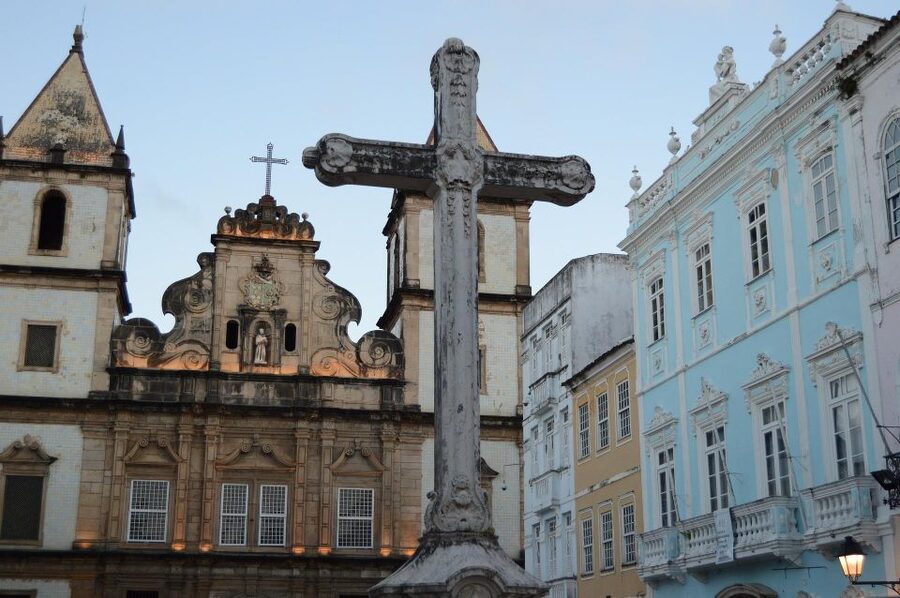
- Largo do Pelourinho and São Francisco Church
- Food, drinks, and Salvador’s cultural mix
- The guide makes the difference
- Group size, pace, and what you actually see
- Is the price fair for two and a half hours?
- Who should book this Pelourinho walk?
- Practical details before you reserve
- FAQ
- How long does the Salvador Historic Walking Tour last?
- Where does the tour meet?
- Which languages are available?
- How large is the group?
- Which sights are included?
- Can I cancel the booking?
- Should you book it?
Key points at a glance
- Starts at Praça Castro Alves: Meet in front of Cine Metha, at the square named for one of Brazil’s major poets.
- Connects two sides of Salvador: The route begins with Rio Branco Palace and the Lacerda Elevator before moving into Pelourinho.
- Includes ocean views: Praça da Cruz Caída offers a wide outlook toward the water.
- Explains Pelourinho’s layered culture: Expect discussion of Afro-Brazilian traditions, religion, colonial architecture, and Salvador’s ethnic mix.
- Small groups matter: With no more than 10 participants, the guide can answer questions and adjust the pace more easily.
- Languages are flexible: Tours are offered in English, Spanish, and Portuguese.
Why this Salvador walk works as a first introduction
Salvador can feel hard to read at first. Its historic center is compact in places but full of slopes, squares, churches, colonial buildings, street life, and reminders of Brazil’s complicated past. A guide helps you connect these pieces instead of seeing them as a string of attractive facades.
This walk follows a sensible route. You begin at Praça Castro Alves, pass through the central historic area, and then enter Pelourinho. That order matters because it lets you see how Salvador’s public spaces, government buildings, views, and residential quarters fit together.
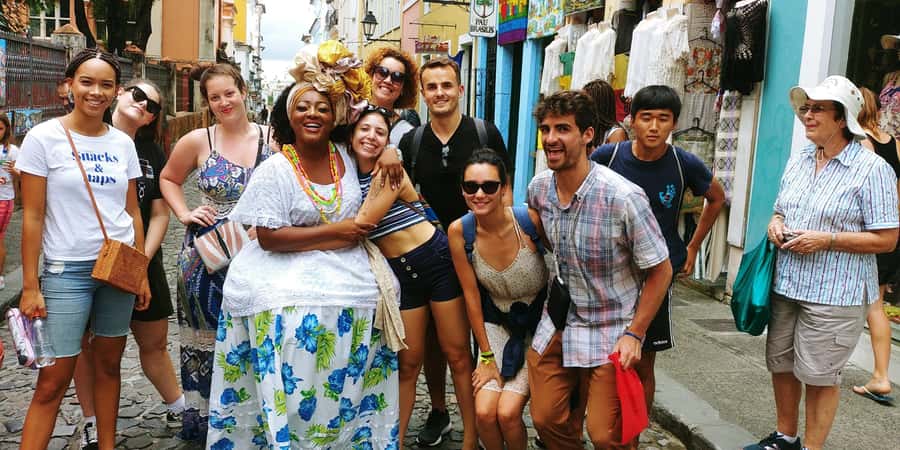
I like that the tour is not limited to architecture. The focus includes culture, beliefs, food, and the ethnic mix that shaped Bahia. For you, that means the churches and plazas are not treated as museum pieces. They become part of a larger explanation of how Salvador developed.
The 4.8 rating from 62 reviews suggests a consistently strong experience, but you should keep expectations realistic. The walk lasts only two and a half hours, and at least one participant felt the number of sights was modest. You are paying for the guide’s explanation and local orientation as much as for the number of buildings you enter or pass.
More History Tours in Salvador
- Historical African oriented City Tour
★ 5.0 · 52 reviews - Full-Day Historic Private City Tour of Salvador with Lunch
★ 5.0 · 50 reviews - Full City Tour Historic and Panoramic
★ 5.0 · 24 reviews
Meeting at Praça Castro Alves and Cine Metha
The meeting point is in front of Cine Metha at Praça Castro Alves. The listed coordinates are -12.977218627929688, -38.51432800292969, which can help if your map app struggles with the name of the cinema or square.
Starting here gives the tour a useful sense of place. Praça Castro Alves is not simply a pickup point. It is a major public square tied to Castro Alves, a celebrated Brazilian poet associated with abolitionist writing. The tour’s opening setting therefore fits the wider themes of history, identity, and social change.
You should arrive with the meeting point saved in your phone and allow time to find the cinema. The available information does not specify a hotel pickup, so plan to reach the square on your own. That is normal for a walking tour, but it is worth checking the exact start time when you reserve.
Some guides make contact before the outing. One person specifically appreciated receiving a message the day before because it made the meeting feel more secure and organized. That sort of small communication is useful in a busy city, especially if you are arriving by cruise ship.
Rio Branco Palace and the Lacerda Elevator
The first part of the route introduces Salvador through two major landmarks: Rio Branco Palace and the Lacerda Elevator. Together, they show the city’s political importance and its unusual two-level geography.
Rio Branco Palace is presented as a grand civic building. The value here is not just the exterior. Your guide can place the palace within Salvador’s role in Brazilian government and explain why this part of the city became a center of authority.
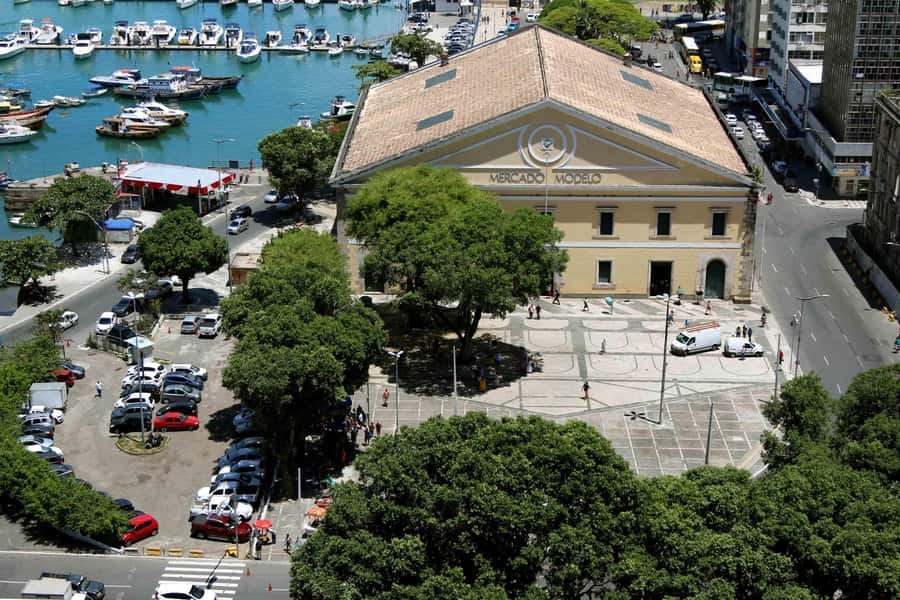
The Lacerda Elevator is one of Salvador’s most recognizable structures. It links the Cidade Alta, or Upper City, with the lower waterfront area. Even if you have seen photographs before, standing beside it helps you understand the city’s layout. Salvador is not a flat old town where every sight follows one easy street. The elevator is a practical piece of urban infrastructure as well as a famous landmark.
This opening stretch may be the part you would be least likely to cover alone. One person especially valued the section before Pelourinho because it showed how the area is changing. That is a useful reason to keep the full route rather than treating the first landmarks as filler.
Do not expect a long museum visit at either stop. The available description points to an outdoor walking experience centered on explanation, views, and the connection between sites. If you want detailed interior access to every landmark, a private city tour may suit you better.
Praça da Cruz Caída and the ocean outlook
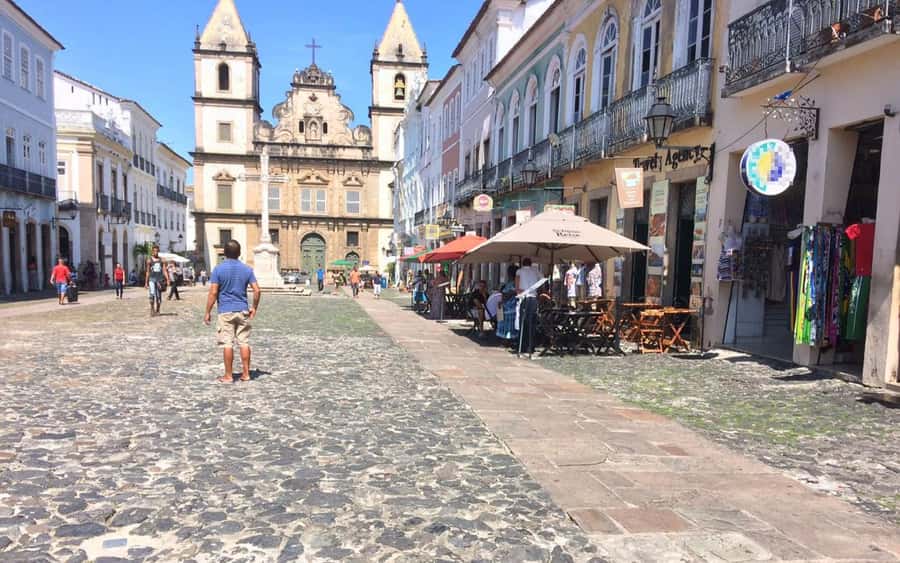
The tour pauses at Praça da Cruz Caída, a square with broad views toward the ocean. After the streets and buildings of the upper historic center, this is a welcome change of pace.
The view also helps explain Salvador’s setting. You can look outward toward the coast and gain a clearer sense of why this city became such an important port and meeting point. Your guide may connect the view to the city’s past, but the key benefit is simple: you get a physical break and a chance to orient yourself.
Bring water and sensible shoes. The tour is only two and a half hours, yet Salvador’s old center includes uneven streets and changes in elevation. The description does not promise a hard hike, and the feedback characterizes the pace as leisurely, but comfortable footwear still makes sense.
This stop may also appeal to photographers. The square offers a different angle from the tighter streets of Pelourinho, with room to pause and look outward. Since the tour does not promise a long list of viewpoints, enjoy this one rather than rushing through it.
More Walking Tours in Salvador
- Private Walking Tour of Salvador Pelourinho
★ 5.0 · 70 reviews - Salvador: Walking Tour Through Pelourinho
★ 5.0 · 49 reviews - Salvador Walking Tour Through Pelourinho
★ 5.0 · 35 reviews - Salvador, Bahia: A amazing Walking Tour!
★ 5.0 · 14 reviews
Entering Pelourinho’s 17th and 18th-century streets
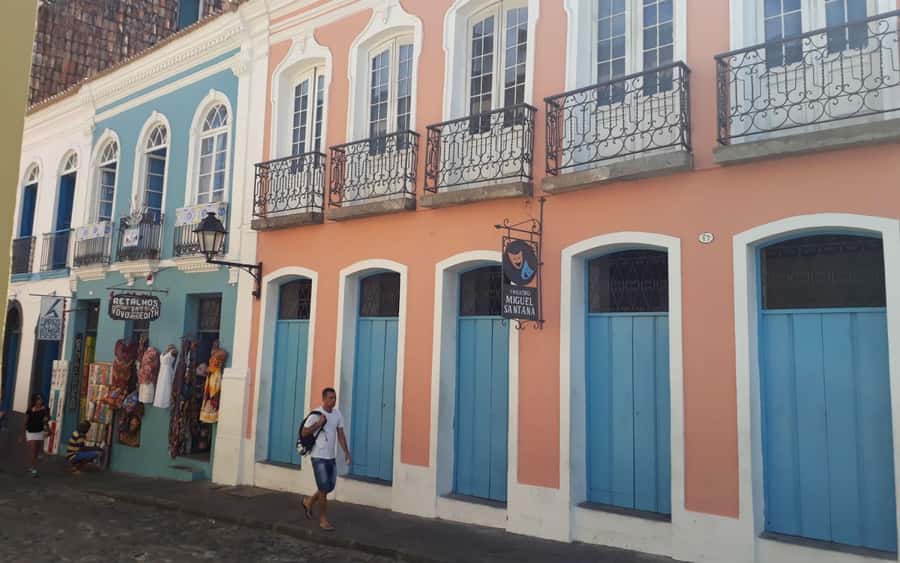
Pelourinho is the heart of the walk. The neighborhood is known for its 17th and 18th-century mansions, colorful old streets, and dense collection of historic buildings. Here, the guide’s explanation becomes especially important because the beauty of the setting can easily hide the difficult history behind it.
The name Pelourinho refers to a pillory, a public punishment post used during Brazil’s colonial period. That history gives the neighborhood a heavier meaning than its picturesque appearance suggests. The route is designed to help you see both sides: the preserved architecture and the painful social history connected with Salvador.
I like the way this part of the tour brings together architecture, religion, and Afro-Brazilian culture. Salvador’s identity was shaped by an extensive mix of peoples and beliefs, and Pelourinho is one of the clearest places to see those influences meet. The explanations are intended to cover not only the colonial period but also more recent changes in the neighborhood.
A German-speaking participant described the tour as helpful for understanding Salvador’s history, culture, and religions. That is exactly the role this walk can play. You may leave with fewer isolated facts but a clearer picture of how the city’s past still shapes its public spaces and traditions.
The streets have also appeared in popular culture. You may recognize parts of Pelourinho from Michael Jackson’s video for They Don’t Care About Us. That connection is a fun visual detail, but the neighborhood should not be reduced to a music-video backdrop. The guide’s historical context gives the setting more weight.
Largo do Pelourinho and São Francisco Church
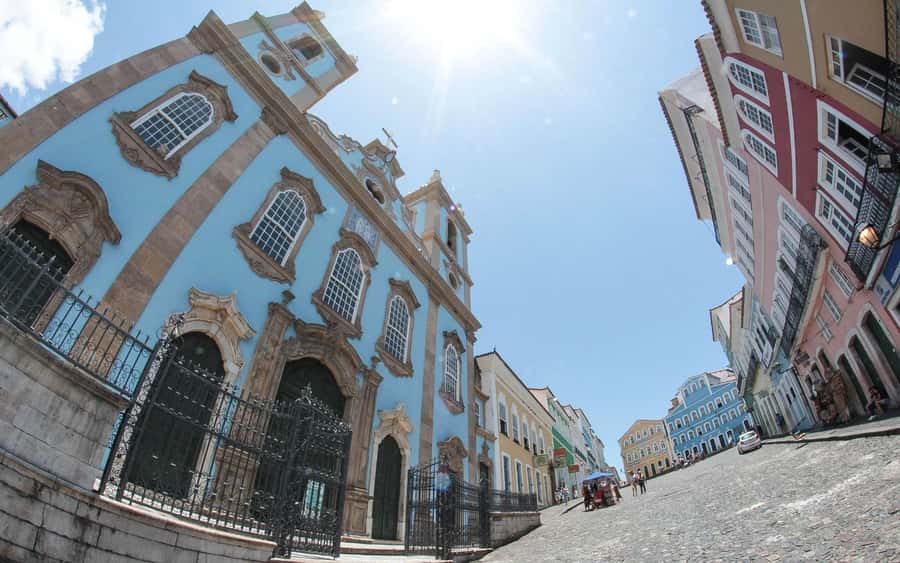
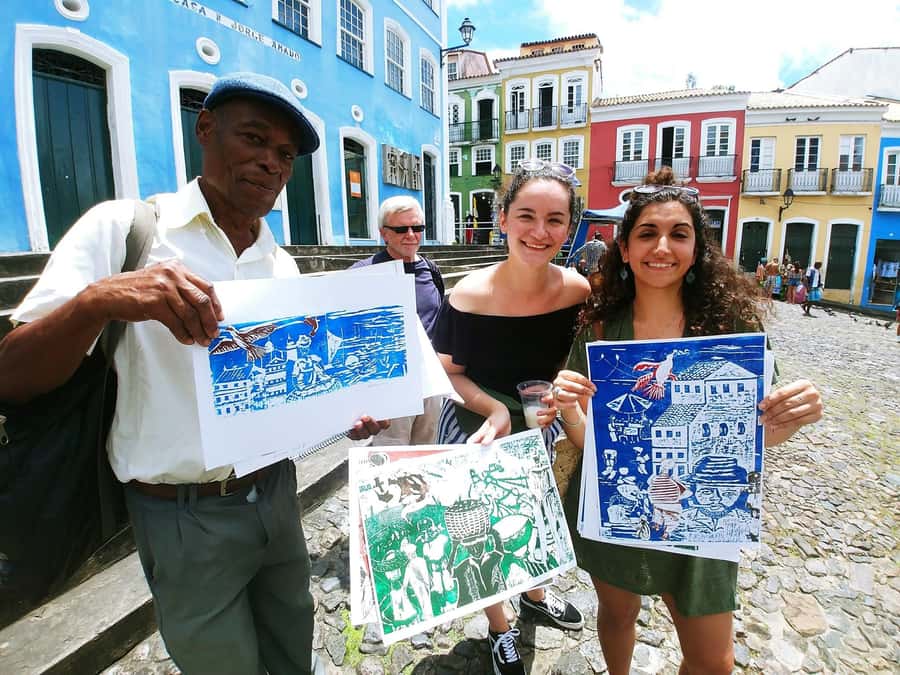
At Largo do Pelourinho, the route reaches one of Salvador’s most memorable squares. The space is framed by old buildings and is closely associated with the image many people carry of the historic center.
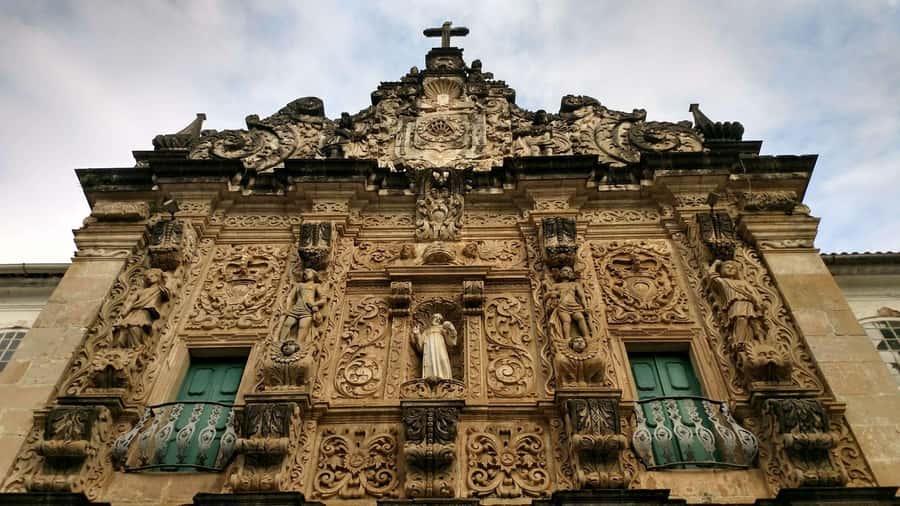
The nearby São Francisco Church is a major highlight. Its Baroque design reflects the wealth and religious power of colonial Salvador, while its decoration shows how European Catholic forms took shape in Brazil. The tour description calls attention to the church’s beauty, but the best explanation should also help you think about who built these places and who paid the human cost of the colonial system.
The information does not confirm whether the tour includes entry inside São Francisco Church. You should treat it as a stop for viewing and interpretation unless the guide confirms interior access on the day. If you want to spend a long time examining church details, you may need to return independently after the walk.
This is also where the tour’s leisurely style can work in its favor. A guide can pause for questions and point out details you might miss while moving quickly. The group limit of 10 is helpful here, since it is easier to hear and stay together on narrow historic streets.
Food, drinks, and Salvador’s cultural mix
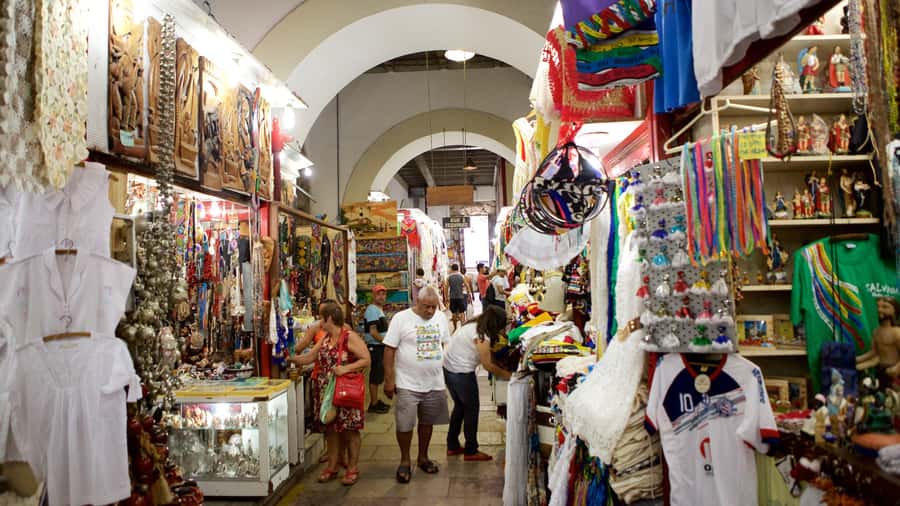
One of the most appealing details is the possibility of tasting local meals and drinks. Maria received particular praise for including several samples during one outing. The description does not list the specific dishes, so you should not book this as a full food tour, but the tastings add a welcome sensory side to the history.
Food can explain culture in a way that dates and building styles cannot. In Bahia, African, Indigenous, Portuguese, and other influences meet in cooking, music, faith, and festival traditions. A small taste, paired with a guide’s explanation, can make those connections easier to understand.
The tour also presents Salvador’s ethnic mix and beliefs as central themes. That is valuable because Pelourinho can otherwise become a quick architecture stop. You want to hear how Catholic traditions, Afro-Brazilian practices, and local customs exist alongside one another, not just photograph a beautiful church.
The quality of this part may vary with the guide and the day. Eduardo has been praised for tailoring the tour to individual interests, while Maria has been praised for her attention and flexibility. If food or religion is especially important to you, say so early. The guides appear willing to shape the conversation around your questions.
The guide makes the difference
A walking route through Pelourinho is only as useful as the person explaining it. The strongest feedback centers on the guides’ warmth, clear communication, and ability to adapt.
Maria is praised for waiting when a cruise ship arrived late, sharing food and drinks, and helping again after the tour. Eduardo is described as easygoing and helpful with suggestions for making the most of a short stay. Aldison received praise for his English and explanations of Salvador’s past, culture, and religions. Lara was thanked for a detailed, information-filled visit, and Edval was singled out as excellent.
The tours operate in English, Spanish, and Portuguese. That is a real advantage in Salvador, where subtle points about history and belief can be hard to grasp through a rushed translation app. Still, individual guide assignments can change, so book in the language you need and confirm it when arranging your place.
A good guide can also help with your next day in the city. One person said the guide offered useful help beyond the scheduled walk. You should view that as a bonus rather than a guaranteed extra service, but it shows why a first-day walking tour can be practical as well as interesting.
Group size, pace, and what you actually see
The group is limited to 10 participants, which is small enough for questions without the expense of a private tour. You are more likely to hear the guide, stay connected through the old streets, and ask for advice suited to your interests.
The pace is described as leisurely. That will please you if you want time for explanations, photographs, and a calm look at the neighborhood. It may frustrate you if your priority is to cover every major landmark in central Salvador during one outing.
The route focuses on the area around Praça Castro Alves, Rio Branco Palace, the Lacerda Elevator, Praça da Cruz Caída, and Pelourinho. São Francisco Church and the old mansions are key parts of the historic-center section. It is a focused route, not a complete city tour.
I would plan another half-day for sights not included here. The available information does not promise beaches, museums, a schooner trip, or a wider tour of Salvador’s modern districts. That is not a flaw if you want Pelourinho, but it matters when comparing this walk with a broader private city tour.
Is the price fair for two and a half hours?
The exact price is not provided in the available details, so check the current amount before booking. The most useful way to judge it is to ask what you want from the outing.
The price makes better sense if you value a small group, a live guide in your language, cultural explanation, food and drink samples, and advice for the rest of your stay. It makes less sense if you mainly want photographs of Pelourinho’s buildings and are happy to walk between them on your own.
Two people felt the cost was high for the number of sights covered. That criticism deserves attention. The route is not packed with paid admissions or a long list of stops, so the value depends heavily on the guide’s skill and the depth of the conversation.
Flexible booking helps reduce the risk. You can cancel up to 24 hours in advance for a full refund, and the reserve-now, pay-later option lets you keep plans open. Those policies do not change the price, but they are useful if your Salvador schedule depends on a cruise arrival or shifting plans.
Who should book this Pelourinho walk?
I would choose this tour early in a Salvador visit if you want cultural background before exploring alone. It suits first-time visitors, solo visitors who like company, and anyone who wants a compact introduction without committing to a full-day excursion.
It is also a good match for people who prefer conversation over a rigid sightseeing checklist. The guide can respond to personal interests, and the small group makes questions easier.
I would look elsewhere if you want a private itinerary, extensive interior visits, or a broad survey of the whole city. A private city tour may offer more control, while an Afro-Brazilian heritage tour may go further into one part of Salvador’s identity.
Practical details before you reserve
The tour lasts 2.5 hours and has starting times based on availability. Check the schedule carefully, especially if you are arriving by ship or trying to fit the walk around another activity.
The meeting point is in front of Cine Metha at Praça Castro Alves. The listed languages are English, Spanish, and Portuguese, and the group size is capped at 10.
Wear comfortable shoes, carry water, and leave room in your schedule for the walk to run at a relaxed pace. The route includes historic streets and viewpoints, but the description does not provide a detailed accessibility assessment, so ask the operator if you have specific mobility needs.
FAQ
How long does the Salvador Historic Walking Tour last?
The tour lasts 2.5 hours.
Where does the tour meet?
It meets in front of Cine Metha at Praça Castro Alves. The listed coordinates are -12.977218627929688, -38.51432800292969.
Which languages are available?
The live guide service is offered in English, Spanish, and Portuguese.
How large is the group?
The tour is described as a small-group experience limited to 10 participants.
Which sights are included?
The route includes Rio Branco Palace, the Lacerda Elevator, Praça da Cruz Caída, the Pelourinho neighborhood, Largo do Pelourinho, and the São Francisco Church area.
Can I cancel the booking?
Yes. You can cancel up to 24 hours in advance for a full refund.
Should you book it?
Book this walk if you want Salvador explained, not simply photographed. The strongest reasons are the small group, the cultural focus, the ocean view at Praça da Cruz Caída, and guides who have shown care with personal questions, cruise delays, food, and follow-up advice.
Go in knowing that it is a calm, focused introduction to the historic center. You may see fewer sights than expected for the price, and the value depends greatly on the guide you receive. For a first morning in Salvador, that tradeoff can be worthwhile. You will gain the historical footing to explore Pelourinho with more understanding, and that is something a map alone cannot provide.
More of Salvador and Bahia
- Round trip transfer, Salvador, Bahia, Brazil
★ 5.0 · 228 reviews - Salvador City Tour – Discover Brazil’s First Capital En, It, Es
★ 5.0 · 217 reviews - Cooking class in Salvador, an authentic dinning experience
★ 5.0 · 132 reviews - Tour to the Frades Islands and Itaparica, from Salvador – Ba
★ 4.0 · 130 reviews
Just added in Salvador
- Mãe Tereza Ecological Park | A peaceful paradise, perfect for relaxing!★ 4.5 · 19 reviews
- Full Day Tour in Trancoso with Chocolate Factory★ 4.5 · 35 reviews
- Horse back riding and Eco tourism food and fun.★ 5.0 · 1 review
- Salvador: Schooner Cruise with Pickup and Itaparica Stop★ 3.8 · 5 reviews
- Salvador: Traditional Drumming and Percussion Workshop★ 4.4 · 10 reviews
- PROMO Salvador: Interactive Art and Culture Private Tour★ 5.0 · 2 reviews
- Salvador: 3-Hour Percussion Class★ 4.9 · 10 reviews
- Salvador: Cultural Treasure – Samba de Roda.★ 4.9 · 51 reviews
Salvador and Bahia Tours, compared.
Salvador City Tour – Discover Brazil’s First Capital En, It, Es
Read our review →
Cooking class in Salvador, an authentic dinning experience
Read our review →
Tour to the Frades Islands and Itaparica, from Salvador – Ba
Read our review →

Tour Praia do Forte and Guarajuba, Leaving Salvador-Bahia.
Read our review →
Transfer to Iberostar Selection Praia do Forte or Waves Bahia
Read our review →
Transfer Iberostar Waves Bahia / Praia do Forte – Private
Read our review →Browse the lists this tour appears in