
Reviewed · SALVADOR AND BAHIA TOURS
Salvador: Walking Tour Through Pelourinho
Salvador’s past is written into its streets. This 90-minute walk links Pelourinho’s major landmarks with stories about Brazil’s colonial era, slavery, religion, and resistance. I like the compact route and the chance to see the upper and lower parts of the city from Praça Castro Alves, Pau da Bandeira Street, and the Lacerda Elevator.
I also like the small group, limited to seven people, and the personal guidance offered by Adriano, whose clear English, warm manner, and practical restaurant and nightlife tips earn repeated praise. The main drawback is the price: at $80 per person, it is costly for a 90-minute walk, especially since entrance fees, food, drinks, and hotel transport are not included.
In This Review
- Key points to know before you go
- Starting with Salvador’s best bay view
- Rua Chile and the view from Pau da Bandeira
- Praça Thomé de Souza and the city’s two levels
- Rua Chile, the Misericórdia Museum, and Praça da Sé
- Terreiro de Jesus and Brazil’s first Faculty of Medicine
- The Igreja de Ouro and the weight of religious history
- Olodum, the Ladeira do Pelô, and Black Salvador
- What the guide adds to a short 90-minute walk
- Is $80 a fair price?
- Who should book this walk?
- Practical details for a smoother walk
- Should you book the Pelourinho walking tour?
- FAQ
- How long does the Salvador Pelourinho walking tour last?
- How much does the tour cost?
- Where does the tour meet?
- Is the tour offered in English?
- What sights are included on the walking route?
- Are entrance fees, food, or hotel transport included?
- Is the tour suitable for wheelchair users?
Key points to know before you go
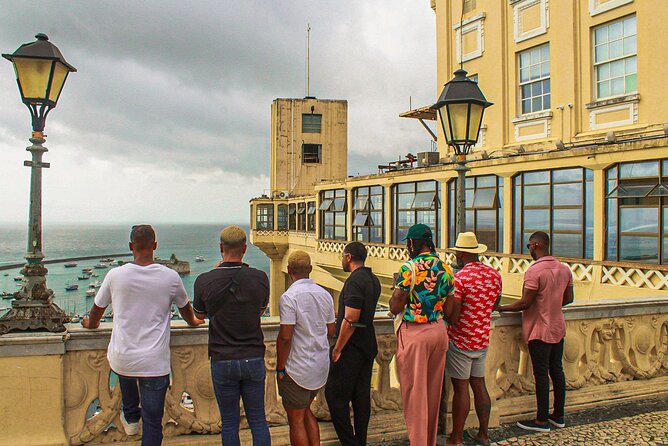
- The route begins at Praça Castro Alves, with broad views over Baía de Todos os Santos and its islands.
- You walk through Salvador’s upper city, following Rua Chile, Praça Thomé de Souza, Praça da Sé, Terreiro de Jesus, and the lanes of Pelourinho.
- The Lacerda Elevator is seen as part of the city’s structure, connecting Cidade Alta and Cidade Baixa.
- The tour treats difficult subjects directly, including slavery, the demolition of Igreja da Sé, and the history of Black brotherhoods.
- Adriano receives especially strong praise for fluent English, clear speaking, patience, humor, and useful local suggestions.
- Comfort matters: expect sun, slopes, uneven walking conditions, and no accommodation for wheelchair users or people with mobility impairments.
Starting with Salvador’s best bay view
Meet your guide at the credentialed meeting point in Praça Castro Alves. This location gives you an immediate sense of Salvador’s unusual shape. From the upper city, Baía de Todos os Santos opens below, dotted with islands and framed by the broad sweep of the coast.
I like beginning here because the view gives meaning to the rest of the walk. Salvador is not simply a collection of old squares and colorful buildings. It is a city divided between Cidade Alta and Cidade Baixa, with the historic center perched above the harbor.
The meeting point is also practical for a short tour. You do not spend the first part waiting for hotel transport or riding through traffic. The 90 minutes are used on foot, with the guide explaining the setting as you move.
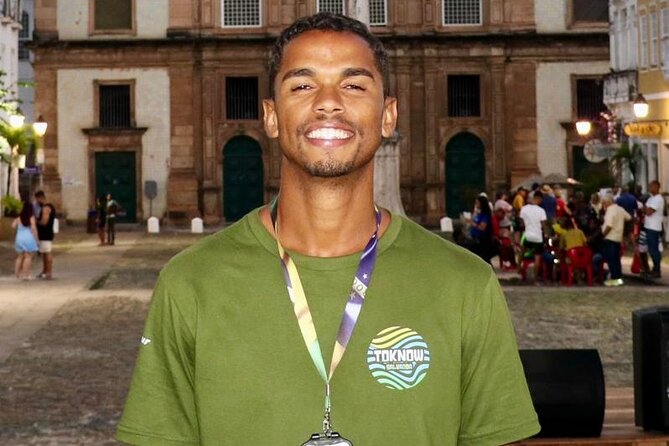
Your guide carries a credential, which helps you identify the right person in a public square. If Adriano leads your walk, expect a guide who speaks English clearly and loudly enough for a small group to follow. Several comments about his tours praise his friendly tone and his effort to answer questions rather than deliver a stiff speech.
More Walking Tours in Salvador
- Private Walking Tour of Salvador Pelourinho
★ 5.0 · 70 reviews - Salvador Historic Walking Tour – Pelourinho
★ 4.8 · 62 reviews - Salvador Walking Tour Through Pelourinho
★ 5.0 · 35 reviews
Rua Chile and the view from Pau da Bandeira
From Praça Castro Alves, the group continues along Rua Chile, described as the first street in Brazil. The point is not just to walk along an old road. This stretch introduces Salvador as a place where national political history, colonial buildings, commerce, and daily city life overlap.
I would pay attention here to the guide’s explanation rather than treat Rua Chile as a quick passage. A good walking tour turns a street name into a clue. You begin to understand how this part of Salvador served as a center of government and public life.
The route then reaches Pau da Bandeira Street for a photo stop. The bay view is one of the tour’s strongest visual moments, and it gives you another angle on the city’s height and geography.
Bring water, sunscreen, and a hat. The route is outdoors, and the combination of sun, stone streets, and uphill or downhill walking can make a short tour feel more demanding than its clock time suggests. Light clothing and comfortable shoes are sensible choices.
Praça Thomé de Souza and the city’s two levels
Next comes Praça Thomé de Souza, named for Brazil’s first General Governor. This square gathers several important pieces of Salvador’s early government in one place.
You see the Palácio do Primeiro Governo, a building associated with Brazil’s first government and later used as the country’s first prison. That detail changes the mood of the square. Government buildings in colonial cities can look stately, but their stories often include control, punishment, and unequal power.
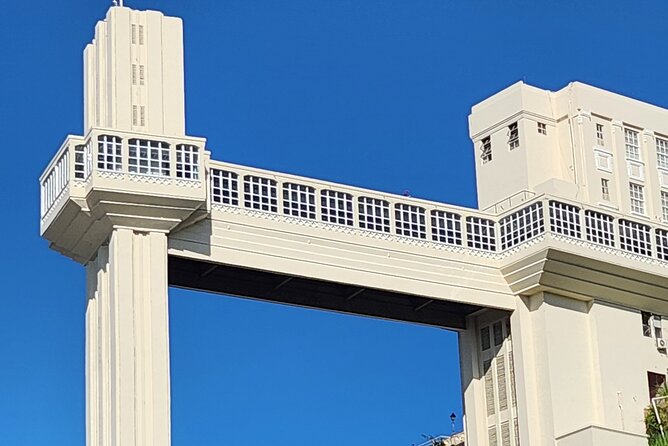
The Lacerda Elevator is the other major sight here. It connects Cidade Alta with Cidade Baixa, making it both a landmark and a working piece of Salvador’s urban design. From the outside, it is an impressive vertical link between two levels of the city. The tour does not include a separate elevator ride as part of the stated inclusions, so you should not assume that riding it is part of the experience.
I like this stop because it helps you read Salvador physically. The city’s history is easier to understand once you see how the upper center sits above the harbor and lower district. It also gives the guide a natural opening to explain how people, goods, and institutions moved between the two areas.
Rua Chile, the Misericórdia Museum, and Praça da Sé
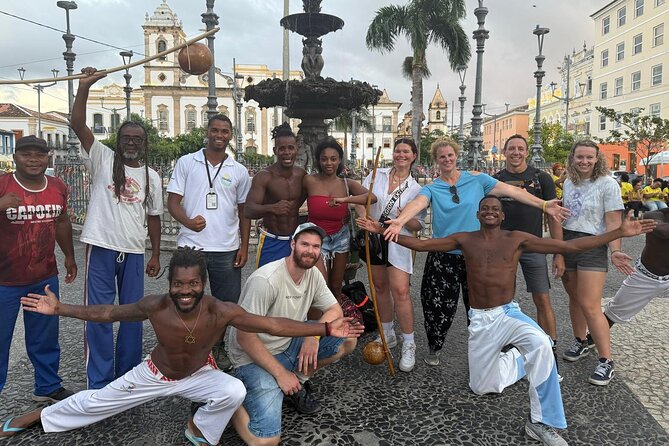
The walk continues along Rua Chile past the Museu da Misericórdia. The museum is viewed from the route, but entrance fees are not included. If you want to go inside, plan for that as a separate activity and do not expect the 90-minute schedule to include an extended visit.
The group then reaches Praça da Sé, one of the most meaningful sections of the tour. Here you see the Monument to the Fallen Cross, erected in protest after the demolition of Igreja da Sé. The monument is more than a photo stop. It represents a dispute over what a city chooses to preserve, remove, or replace.
The guide also discusses the statue of the first Bishop of Brazil and the tragic end associated with him. This is one of the places where the tour moves beyond architecture. You are asked to connect religious authority, colonial rule, and the human cost of Salvador’s early history.
A second stop focuses on Zumbi dos Palmares, the leader of resistance against slavery. His presence gives the route an important shift in emphasis. Salvador’s story cannot be told only through governors, bishops, churches, and grand squares. It also requires attention to resistance and the people who challenged slavery.
I value this balance. The tour is not designed as a museum lecture, but it gives enough context to keep the pretty façades from becoming disconnected scenery. Adriano is particularly praised for discussing difficult parts of the past openly and for explaining them in a way that remains approachable.
More of Salvador and Bahia:
- Round trip transfer, Salvador, Bahia, Brazil
★ 5.0 · 228 reviews - Salvador City Tour – Discover Brazil’s First Capital En, It, Es
★ 5.0 · 217 reviews - Cooking class in Salvador, an authentic dinning experience
★ 5.0 · 132 reviews - Tour to the Frades Islands and Itaparica, from Salvador – Ba
★ 4.0 · 130 reviews
Terreiro de Jesus and Brazil’s first Faculty of Medicine
Leaving Praça da Sé, you walk to Largo Terreiro de Jesus. The square is framed by a group of churches and the first Faculty of Medicine in Brazil.
This is a useful stop for anyone interested in the country’s education and institutions, not just its colonial buildings. The faculty connects Salvador to Brazil’s wider intellectual and professional development. You get a sense of how the city served as a center of learning as well as administration and religion.
The square also shows how several major buildings can sit close together in the historic center. That density is one reason a walking tour works well here. You can cover a lot without repeatedly entering vehicles or losing the thread between sites.
The route includes impressive churches, but entrance fees are excluded. That matters at $80. If you want a longer look inside a church or museum, you may need extra time and money after the tour. The guide’s role is mainly to explain the buildings and their place in Salvador, not to provide admission to every attraction.
The Igreja de Ouro and the weight of religious history
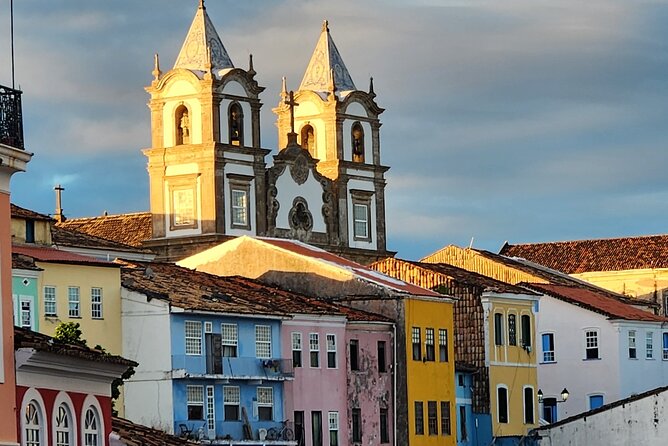
At Largo do Cruzeiro de São Francisco, the Igreja de Ouro becomes the visual highlight. Its richly decorated interior is famous, and even a short stop outside gives the guide a chance to explain the church complex and the role of religious institutions in colonial Salvador.
The tour does not include church admission, so check your expectations. You will see the site and hear about it, but an interior visit is not guaranteed by the basic booking. If ornate church interiors are a priority, leave room in your schedule to return independently.
This part of Pelourinho also makes clear that beauty and painful history can occupy the same space. Decorative churches were linked to wealth, status, faith, and the social order of the period. The guide’s historical framing is valuable because it keeps the gold from being treated as decoration alone.
I would listen closely to the explanation of the church complex rather than rush toward photographs. The architecture is easy to admire, but the social story gives it weight.
Olodum, the Ladeira do Pelô, and Black Salvador
The route passes by Olodum’s house, connecting the historic center with Salvador’s modern cultural identity. It then reaches the famous Ladeira do Pelô, where Michael Jackson filmed the music video for They Don’t Care About Us.
This is likely to be the most familiar pop-culture moment of the walk. The location gives you a recognizable image of Pelourinho, but the tour does not stop there. It also points toward the history of Black communities, music, public expression, and cultural identity in Salvador.
You will see the church of Black people and learn about the brotherhood of Black men in Brazil. This is an important part of the route because it presents Afro-Brazilian life as central to Salvador, not as a side note added after the colonial story.
I like the way these final stops connect the old center to living culture. You move from governors and bishops to Olodum, Zumbi dos Palmares, Black religious brotherhoods, and a globally known music video location. The result is a broader picture of the city than a standard architecture walk would provide.
What the guide adds to a short 90-minute walk
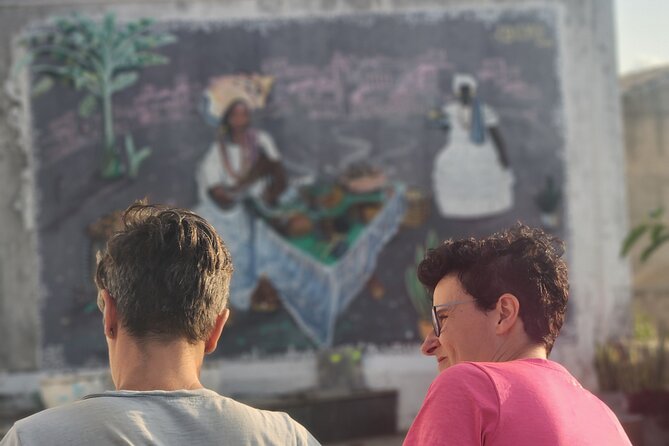
Ninety minutes is enough for an introduction, but not enough for a full study of Pelourinho. The success of this format depends heavily on the guide’s ability to keep the pace moving while giving useful context.
Adriano’s strongest qualities are repeatedly described as clear English, local knowledge, patience, and an engaging personality. He is also praised for speaking at a good volume, including everyone in the group, and adjusting explanations to personal interests.
That matters in a group limited to seven people. A small party makes it easier to ask questions and stay close to the guide. It also gives the experience a more personal feel than a large group assembled around a flag or microphone.
The practical advice may be just as useful as the history. Adriano is praised for suggestions about food, bars, things to see, and areas to avoid. If you are taking this walk early in your stay, you can use those recommendations to shape the rest of your time in Salvador.
The tradeoff is that a personal guide cannot make 90 minutes cover everything. One person specifically wished the tour were longer, and I understand why. You may finish wanting more time at Praça da Sé, the churches, or the streets around Pelourinho.
Is $80 a fair price?
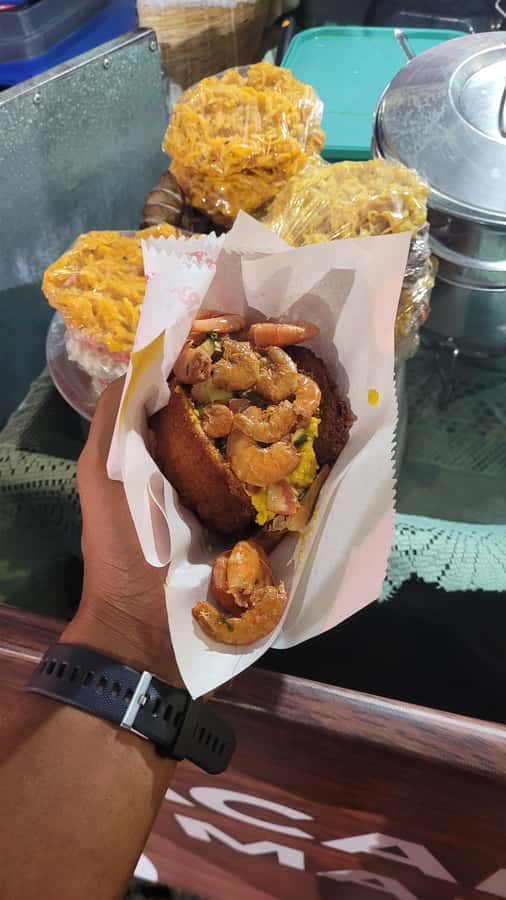
At $80 per person, this is not a budget walking tour. The price covers the guide and the walk, but not hotel pickup, food, drinks, or entrance fees. You are paying mainly for a small group and a guide-led interpretation of the historic center.
I see the value if you want a focused introduction in English and appreciate direct access to a local guide. The small maximum of seven can make the experience feel more like a private conversation than a standard group outing.
I see less value if you only want to identify buildings and take photographs. You can walk through public squares independently, and the tour does not bundle admission to museums or churches. The price makes the most sense for someone who wants context, questions answered, and local suggestions.
The option to reserve now and pay later helps if your schedule is still changing. You can also cancel up to 24 hours in advance for a full refund. Those policies reduce the risk, but they do not change the basic calculation: this is a guide-focused experience, not an admission package.
Who should book this walk?
I would recommend it to a first-time visitor who wants to understand Salvador’s center before exploring alone. It suits you if you enjoy history, architecture, Afro-Brazilian culture, city geography, and local stories delivered in clear English.
It is also a good fit if you prefer a small group and want restaurant or nightlife suggestions for later. The repeated praise for Adriano’s warmth and personal attention suggests that the guide can make the experience comfortable for people who like to ask questions.
I would be cautious if you have mobility impairments or use a wheelchair. The tour is specifically not suitable for wheelchair users or people with mobility impairments, and you should expect walking in sun with changing weather conditions.
It may also disappoint you if you expect a long church or museum visit. The route is a fast-moving overview, with outdoor explanations and photo stops rather than included interior tours.
Practical details for a smoother walk
Wear comfortable walking shoes and light clothing. Bring water, sunscreen, a sun hat, and a camera. Smoking is not allowed during the activity.
The meeting point is Praça Castro Alves, where the guide will be identifiable by a credential. Hotel pickup and drop-off are not included, so arrange your own way to and from the square.
The tour is offered in English with a live guide. Check the available starting times when booking, since the stated duration is 90 minutes and start times can vary.
I would avoid packing the rest of your day too tightly. The scheduled walk is short, but you may want to stop for a church, museum, meal, or additional time in Pelourinho afterward.
Should you book the Pelourinho walking tour?
Book it if you want a well-paced, small-group introduction to Salvador’s historic heart, especially with a guide such as Adriano. The route covers the bay views, Lacerda Elevator, Praça da Sé, Terreiro de Jesus, the Igreja de Ouro, Olodum, and the Ladeira do Pelô while giving proper attention to slavery, resistance, religion, and Black Salvador.
Skip it if $80 feels high for a 90-minute walk or if included admissions are important to you. For the right reader, the value lies in the guide’s stories and advice, not in the number of attractions bundled into the price. I would book this early in a Salvador stay, wear sensible shoes, and treat it as a strong orientation rather than a complete tour of every site.
FAQ
How long does the Salvador Pelourinho walking tour last?
The tour lasts 90 minutes.
How much does the tour cost?
The listed price is $80 per person.
Where does the tour meet?
The meeting point is Praça Castro Alves. The guide will be standing there with a credential.
Is the tour offered in English?
Yes. The activity includes a live English-speaking guide.
What sights are included on the walking route?
The route includes Praça Castro Alves, Rua Chile, Pau da Bandeira Street, Praça Thomé de Souza, the Lacerda Elevator, Museu da Misericórdia, Praça da Sé, the Monument to the Fallen Cross, Terreiro de Jesus, the first Faculty of Medicine in Brazil, Largo do Cruzeiro de São Francisco, Igreja de Ouro, Olodum’s house, and Ladeira do Pelô.
Are entrance fees, food, or hotel transport included?
No. Food, drinks, attraction entrance fees, and hotel pickup and drop-off are not included.
Is the tour suitable for wheelchair users?
No. The activity is not suitable for wheelchair users or people with mobility impairments.
Just added in Salvador
- Mãe Tereza Ecological Park | A peaceful paradise, perfect for relaxing!★ 4.5 · 19 reviews
- Full Day Tour in Trancoso with Chocolate Factory★ 4.5 · 35 reviews
- Horse back riding and Eco tourism food and fun.★ 5.0 · 1 review
- Salvador: Schooner Cruise with Pickup and Itaparica Stop★ 3.8 · 5 reviews
- Salvador: Traditional Drumming and Percussion Workshop★ 4.4 · 10 reviews
- PROMO Salvador: Interactive Art and Culture Private Tour★ 5.0 · 2 reviews
- Salvador: 3-Hour Percussion Class★ 4.9 · 10 reviews
- Salvador: Cultural Treasure – Samba de Roda.★ 4.9 · 51 reviews
Salvador and Bahia Tours, compared.
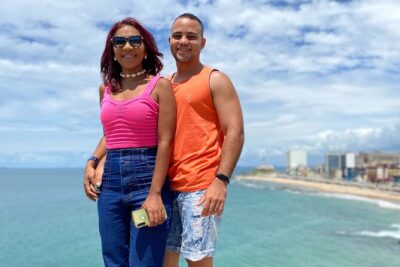
Salvador City Tour – Discover Brazil’s First Capital En, It, Es
Read our review →
Cooking class in Salvador, an authentic dinning experience
Read our review →
Tour to the Frades Islands and Itaparica, from Salvador – Ba
Read our review →

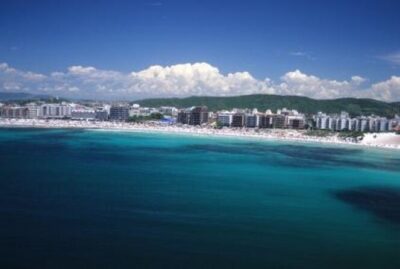
Tour Praia do Forte and Guarajuba, Leaving Salvador-Bahia.
Read our review →
Transfer to Iberostar Selection Praia do Forte or Waves Bahia
Read our review →
Transfer Iberostar Waves Bahia / Praia do Forte – Private
Read our review →Browse the lists this tour appears in