
Reviewed · SALVADOR AND BAHIA TOURS
Salvador, Bahia: A amazing Walking Tour!
Salvador tells its story in color. This private three-hour walk brings you into the Historic Center, where colonial buildings, music, churches, local drinks, and Afro-Brazilian culture all meet. I like the private format, which lets the guide adjust the pace and explain the city in a personal way. I also like the broad language choice, with guides available in English, Portuguese, Spanish, French, German, Italian, and Dutch.
The main consideration is the price: $141 per person is a serious spend for a three-hour city walk. It makes the most sense if you value a private guide, need a language other than Portuguese, or want a focused introduction to Salvador rather than a large-group outing. The walking also deserves attention, since the activity is marked as wheelchair accessible but is separately described as unsuitable for people with mobility impairments.
In This Review
- Key Details Before You Book
- Starting at the Lacerda Elevator
- Rua Chile and Salvador’s Colonial Core
- The Cathedral Basilica and Its Baroque Interior
- O Cravinho and a Taste of Bahian Life
- Pelourinho, Music, and Afro-Brazilian Culture
- Jorge Amado Foundation and Cultural Spaces
- Santo Antônio Além do Carmo and the Final Walk
- What the Private Format Really Buys You
- Is $141 Per Person Good Value?
- Heat, Walking, and Mobility Notes
- Who Should Choose This Salvador Walk?
- FAQ
- Where does the tour begin?
- Where does the tour end?
- How long does the walking tour last?
- Is the tour private?
- Which languages are available?
- Are tickets included?
- Are museum and cultural-space tickets included?
- Is a drink tasting part of the tour?
- What should I bring?
- Can I cancel for a full refund?
- Should You Book It?
Key Details Before You Book
- Begin at Elevador Lacerda: The tour starts and ends at one of Salvador’s best-known landmarks, making it easy to locate.
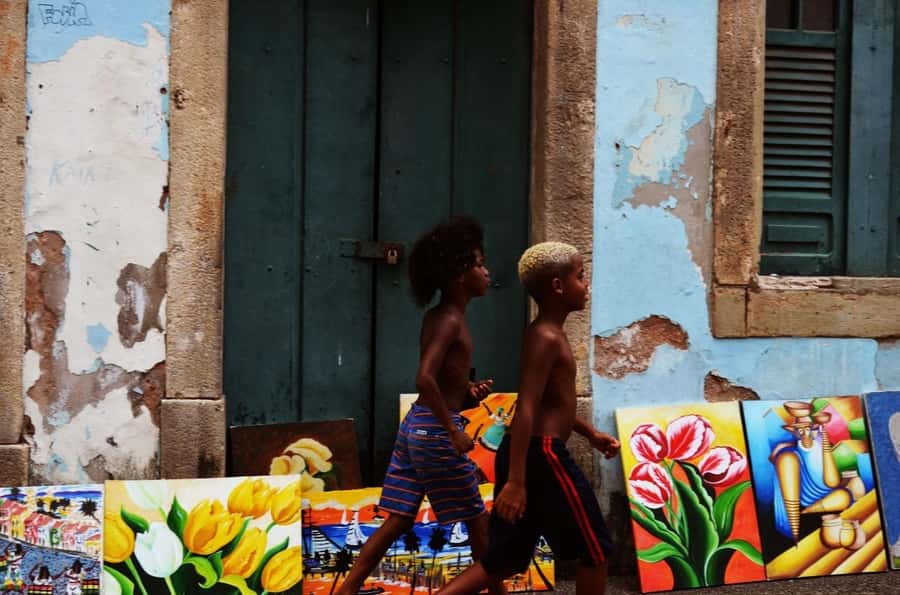
- See Pelourinho with context: The colorful historic district is tied to music, churches, colonial buildings, and Afro-Brazilian culture.
- Private multilingual service: You get a guide for your own group, with seven language options listed.
- Taste Bahian drinks: A stop at O Cravinho includes alcoholic and non-alcoholic local drink tasting.
- Visit major landmarks: The ticket includes the Lacerda Elevator and Cathedral Basilica of Salvador.
- Plan for a walking-heavy outing: Sunglasses, a hat, and sunscreen are specifically recommended.
Starting at the Lacerda Elevator
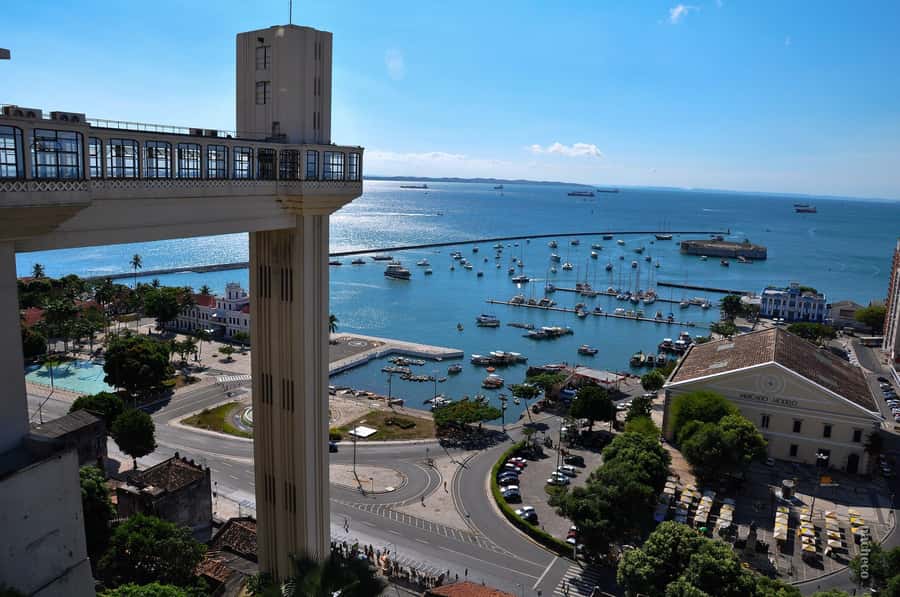
The tour begins at Elevador Lacerda, a practical meeting point in the center of Salvador. It is not simply a place to gather. The elevator connects the lower and upper parts of the city, and its location gives you an immediate sense of Salvador’s unusual layout.
Your guide introduces the city here before the walk continues toward the Historic Center. The planned introduction and sightseeing time around the elevator are each listed at about 30 minutes, so you should get more than a quick photo stop.
Tickets to the elevator are included. That matters because you do not need to sort out a separate entry during the tour, and the guide can explain why this structure matters to movement through Salvador. If you want a clear first look at the city, this is a sensible starting point.
The activity returns to the same location at the end. That simplifies the day, especially if you are arranging another activity afterward. Still, ask the provider where exactly the guide will meet you near the elevator, since a busy city landmark can have several possible meeting spots.
More Walking Tours in Salvador
- Private Walking Tour of Salvador Pelourinho
★ 5.0 · 70 reviews - Salvador Historic Walking Tour – Pelourinho
★ 4.8 · 62 reviews - Salvador: Walking Tour Through Pelourinho
★ 5.0 · 49 reviews
Rua Chile and Salvador’s Colonial Core
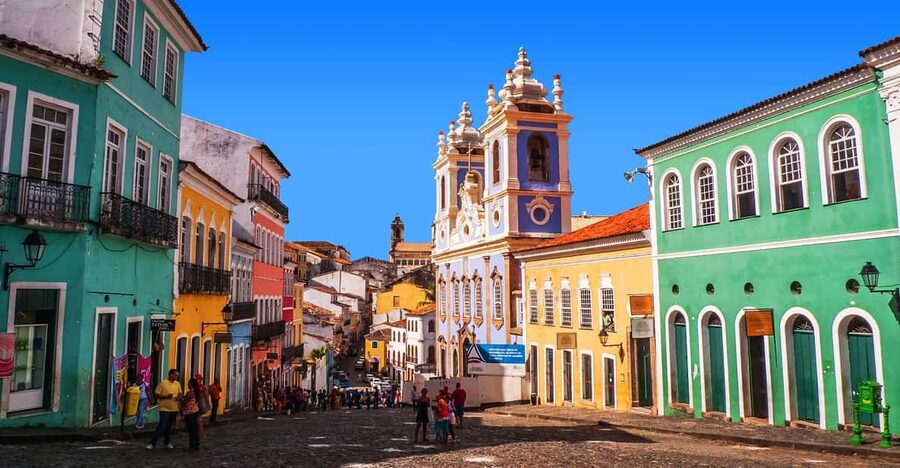
From the elevator, the route moves into the older center, including Rua Chile. The street is described as the first street in Brazil, and it carries an unusual mix of civic, colonial, and commercial importance.
The Rio Branco Palace is one of the important buildings along this part of the route. Your guide can help you read the buildings rather than simply pass them. That is where a private tour earns its keep. You can ask why a structure matters, what period it represents, and how Salvador developed when it served as Brazil’s capital.
The narrow streets and colorful mansions are part of the visual appeal, but the real value comes from the explanation. Without context, the old center can look like a string of attractive façades. With a guide, you can connect the buildings to government, religion, trade, and the social divisions that shaped colonial Brazil.
The tour is also a good fit if you want a first orientation before exploring alone. You will hear the names of key places, learn how the center is arranged, and have a chance to ask about museums or cultural spaces for later.
The Cathedral Basilica and Its Baroque Interior
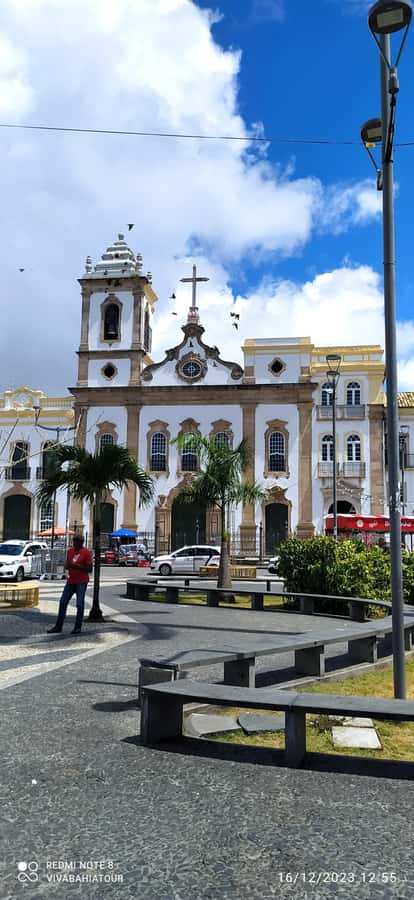
The Cathedral Basilica of Salvador receives about 30 minutes, including a guided visit. Entry is included, so this is one of the tour’s concrete advantages over a walk that only points out churches from the street.
The cathedral gives the tour a quieter counterpoint to the music and color of Pelourinho. It also helps explain the strong role of Catholic institutions in Salvador’s colonial period. Expect the guide to focus on the church’s architecture, decoration, and place in the old city rather than rush through for a single photograph.
Thirty minutes is enough for a useful introduction, but not for a slow study of every feature. If you care about religious art or architecture, tell your guide early. The private format should make it easier to spend a little more time on the details that interest you, provided the rest of the route allows it.
The itinerary includes several short walking and visiting segments, followed by the cathedral. The supplied timing appears to add up to more than three hours if every block is treated as separate. That may simply mean some times overlap, but I would confirm the exact order and pace when booking.
O Cravinho and a Taste of Bahian Life
O Cravinho is listed as a 20-minute stop for local spirits and drinks. This is a small but useful change of pace. Instead of only looking at buildings, you get a taste of everyday Bahian drinking culture in a traditional pub setting.
The tasting includes alcoholic and non-alcoholic options. That makes the stop workable for people who do not drink, though you should tell the guide about your preference. The tour description calls O Cravinho famous and traditional, so it is treated as part of the cultural experience, not merely a refreshment break.
A tasting can also help you understand how a place is used. Pelourinho is not just a preserved district for photographs. It is connected to music, social life, food, drinks, and local traditions. O Cravinho gives the route a more relaxed human touch.
The stop is brief, so do not expect a full meal or a long pub visit. If you have dietary or alcohol-related concerns, ask what the non-alcoholic tasting includes before setting out.
More of Salvador and Bahia:
- Round trip transfer, Salvador, Bahia, Brazil
★ 5.0 · 228 reviews - Salvador City Tour – Discover Brazil’s First Capital En, It, Es
★ 5.0 · 217 reviews - Cooking class in Salvador, an authentic dinning experience
★ 5.0 · 132 reviews - Tour to the Frades Islands and Itaparica, from Salvador – Ba
★ 4.0 · 130 reviews
Pelourinho, Music, and Afro-Brazilian Culture
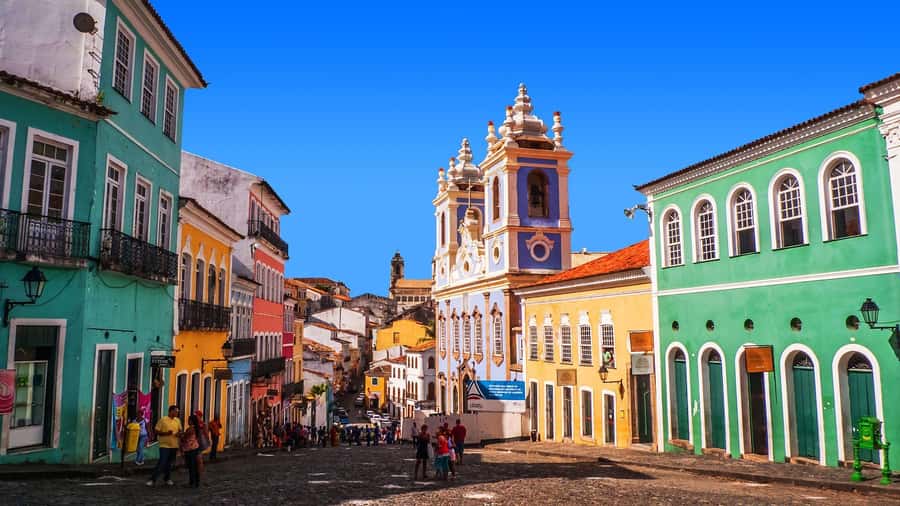
Pelourinho is the heart of the walk. Its narrow lanes, bright façades, churches, and public spaces create the visual center of Salvador’s Historic Center. Music is central here, and the tour connects the district with performers and groups known far beyond Bahia.
The route calls attention to Michael Jackson, Paul Simon, and Olodum. Michael Jackson filmed scenes in Salvador, Paul Simon helped bring Bahian percussion to a wider audience, and Olodum is described here as the world’s largest percussion group. These references are not random celebrity trivia. They show how Salvador’s local sound and street culture have reached an international audience.
Olodum is especially important to the feel of the district. Its percussion tradition helps explain why music is not just something staged for visitors. It is part of how Salvador presents identity, celebration, and Afro-Brazilian culture.
The tour also includes the Church of Nossa Senhora do Rosário dos Pretos, a major cultural and religious stop. The church is especially relevant to understanding the role of Black communities in Salvador’s history and religious life. A guide can provide the context that a quick exterior visit cannot.
The planned Pelourinho portion lasts about 40 minutes, though the full experience may blend with nearby stops. I would use this time to ask questions. Which buildings are still used by local organizations? Which spaces are museums? Where does music usually take place? A private guide can shape the conversation around what you care about most.
Jorge Amado Foundation and Cultural Spaces
The Jorge Amado Foundation is included among the possible cultural spaces along the route, along with Casa do Carnaval and other museums. These places are not included in the tour price, so entrance fees may be extra.
That distinction is important. The tour gives you a guided walk through the area and includes tickets for the Lacerda Elevator and Cathedral Basilica, but it does not cover every museum or cultural venue. If you want to enter the Jorge Amado Foundation or Casa do Carnaval, budget separately and ask whether the three-hour route allows enough time.
Jorge Amado is closely associated with Bahia’s people, neighborhoods, food, and social life. Casa do Carnaval points toward another major part of Salvador’s identity. Even if you do not enter, hearing about these places can help you decide where to return later.
I like this setup because it keeps the base price from including places you may not want to visit. The tradeoff is that you need to make choices. A short private walk cannot cover every church, museum, and cultural center in depth.
Santo Antônio Além do Carmo and the Final Walk
After Pelourinho, the route continues toward Santo Antônio Além do Carmo, with about 30 minutes listed for the walk. This gives you a chance to see another part of the old center instead of staying only on the best-known streets.
The district is included as a walking segment rather than a long formal visit. That means the guide’s commentary will matter. You might find the area most useful as a comparison with Pelourinho, especially if you want to see how Salvador’s historic streets change from one section to another.
The tour then returns to Elevador Lacerda. Since the route is private, you can ask for practical advice at the end, including places to visit next. One of the strongest comments about guide Gustavo praised his recommendations, cafés, neighborhoods, and small corners of the city that are easy to miss. Those suggestions can be as useful as the formal sightseeing.
The tour has received a perfect five-star score from 14 reviews. The praise is very consistent: guides are described as warm, informed, multilingual, and able to explain Salvador beyond the headline sights. Beatrice specifically praised Wanderley’s language ability and his explanations of Afro-Brazilian history. Mathieu highlighted the detail given about buildings, the cathedral, and Salvador’s period as Brazil’s capital. Those are exactly the areas where a private guide should add value.
What the Private Format Really Buys You
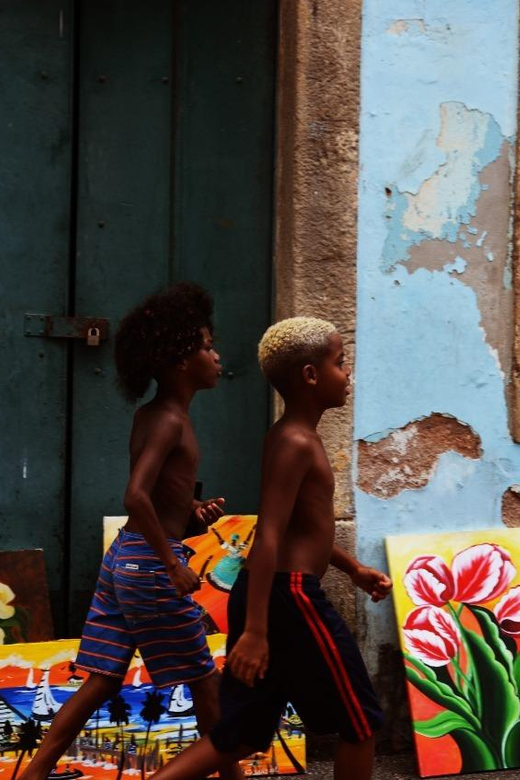
A private group changes the rhythm. You are not waiting for a large party to take photographs or limiting every question to a fixed script. If your group is interested in architecture, Afro-Brazilian culture, music, religion, or colonial government, you can ask the guide to give those subjects more attention.
The guide list includes seven languages: Dutch, French, English, Portuguese, Spanish, German, and Italian. That is a strong advantage for international visitors who want to discuss complicated historical subjects in a language they handle comfortably.
The guide quality appears to be the main strength of the experience. Gustavo is praised for bringing Salvador to life through stories, culture, daily life, cafés, neighborhoods, and personal recommendations. Wanderley is praised for speaking several languages and explaining Afro-Brazilian history. Other feedback describes Gustavo as friendly, cultivated, and able to set a good pace.
You should still confirm the guide’s name and language when booking. The service lists several guides, and the individual guide can shape the tour more than any landmark on the route.
Is $141 Per Person Good Value?
At $141 per person, this is not a budget city walk. The price includes a private guide, the Lacerda Elevator ticket, the Cathedral Basilica ticket, and a tasting of alcoholic and non-alcoholic local drinks.
The value improves if you are traveling as a small group that wants personal attention. It also improves if you need a specific language or want a guide who can discuss Salvador’s history and Afro-Brazilian culture in detail. The price is harder to justify if you only want a quick look at Pelourinho and are comfortable exploring without help.
You should also remember that cultural spaces and museums are not included. The experience is best viewed as a guided introduction to the Historic Center, not an all-inclusive museum tour.
For a first morning or afternoon in Salvador, I can see the logic. You receive an overview, learn the layout, visit two included sites, taste local drinks, and finish with ideas for further exploration. If you prefer slow museum visits, shopping, or long meals, three hours may feel tight.
Heat, Walking, and Mobility Notes
Bring sunglasses, a sun hat, and sunscreen. The route is outdoors for much of its length, and Salvador’s light and heat can make a city walk tiring even when the distance looks modest.
Wear comfortable shoes. The tour includes narrow streets, several walking sections, and movement between historic sites. The provided information says the tour is wheelchair accessible, but it also says it is not suitable for people with mobility impairments. Those statements do not fully agree.
If you use a wheelchair, walk slowly, or need step-free access, contact VivaBahiaTour before paying. Ask about the exact streets, entrances, elevator access, rest opportunities, and whether the guide can shorten or change the route. Do not assume that an accessible booking label means every section will be easy.
The tour is also listed as unsuitable for people with motion sickness. That note may relate to the elevator or movement through the city, but no precise reason is given. Ask the provider if this is a concern for you.
Who Should Choose This Salvador Walk?
I would recommend this experience to you if you want a private introduction to Salvador and care about the meaning behind the sights. It fits couples, families, and small groups who prefer questions and conversation over a fixed large-group script.
It is also a strong choice for anyone interested in Afro-Brazilian culture, colonial architecture, Catholic churches, Brazilian music, and the stories connected to Pelourinho. The multilingual guide service makes it especially useful for visitors who do not speak Portuguese.
I would hesitate if your budget is tight, you dislike walking in the sun, or you want extensive museum time. I would also check the mobility details carefully before booking.
The cancellation policy allows a full refund when you cancel at least 24 hours ahead, and you can reserve now and pay later. Those terms give you some flexibility, but they do not change the need to confirm the meeting point, guide language, route timing, and accessibility details.
FAQ
Where does the tour begin?
The tour begins at Elevador Lacerda in Salvador’s Historic Center.
Where does the tour end?
The route returns to Elevador Lacerda.
How long does the walking tour last?
The tour lasts three hours.
Is the tour private?
Yes. It is offered as a private group experience.
Which languages are available?
Live guides are listed for Dutch, French, English, Portuguese, Spanish, German, and Italian.
Are tickets included?
Tickets for Elevador Lacerda and the Cathedral Basilica of Salvador are included.
Are museum and cultural-space tickets included?
No. Tickets to cultural spaces and museums are not included.
Is a drink tasting part of the tour?
Yes. The experience includes local drink tasting with alcoholic and non-alcoholic options.
What should I bring?
Bring sunglasses, a sun hat, and sunscreen.
Can I cancel for a full refund?
Yes. You can cancel up to 24 hours in advance for a full refund.
Should You Book It?
Book this tour if you want Salvador explained by a private, multilingual guide rather than viewed as a series of pretty streets. The strongest reason to choose it is the guide service, especially if you are matched with someone like Gustavo or Wanderley, whose strengths include language skills, Afro-Brazilian history, local stories, and useful recommendations.
At $141 per person, I would not book it casually. I would book it for the personal attention, included landmark tickets, cultural drink tasting, and the chance to ask thoughtful questions while walking through Pelourinho and the wider Historic Center. Confirm the guide language, exact meeting point, timing, and accessibility first. If those details fit your needs, this is a lively and well-focused way to get your bearings in Salvador.
Just added in Salvador
- Mãe Tereza Ecological Park | A peaceful paradise, perfect for relaxing!★ 4.5 · 19 reviews
- Full Day Tour in Trancoso with Chocolate Factory★ 4.5 · 35 reviews
- Horse back riding and Eco tourism food and fun.★ 5.0 · 1 review
- Salvador: Schooner Cruise with Pickup and Itaparica Stop★ 3.8 · 5 reviews
- Salvador: Traditional Drumming and Percussion Workshop★ 4.4 · 10 reviews
- PROMO Salvador: Interactive Art and Culture Private Tour★ 5.0 · 2 reviews
- Salvador: 3-Hour Percussion Class★ 4.9 · 10 reviews
- Salvador: Cultural Treasure – Samba de Roda.★ 4.9 · 51 reviews
Salvador and Bahia Tours, compared.
Salvador City Tour – Discover Brazil’s First Capital En, It, Es
Read our review →
Cooking class in Salvador, an authentic dinning experience
Read our review →
Tour to the Frades Islands and Itaparica, from Salvador – Ba
Read our review →

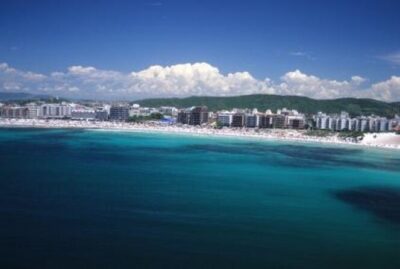
Tour Praia do Forte and Guarajuba, Leaving Salvador-Bahia.
Read our review →
Transfer to Iberostar Selection Praia do Forte or Waves Bahia
Read our review →
Transfer Iberostar Waves Bahia / Praia do Forte – Private
Read our review →Browse the lists this tour appears in