
Reviewed · WALKING TOURS
Rio: African Culture Walking Tour
Rio has more than beaches and samba. This three-hour tour traces Afro-Brazilian culture through Little Africa and Pedra do Sal, then takes you behind the scenes at the City of Samba. I like the focus on black resistance and abolition, and I like that the guide does more than point out monuments, explaining how the past still shapes Rio today. The small-group format, with a maximum of 15 people, should also keep the conversation personal.
The main drawback is that the final carnival visit is less intimate than the walking portion. You enter a large samba-school warehouse built for parade production, which is exciting and visually impressive, but one past participant found this part less authentic than the street history. At $100 per person, the value depends on how much you want context and discussion rather than a quick sightseeing walk.
In This Review
- Key points to know before booking
- Why Rio’s Afro-Brazilian story matters
- Walking through Little Africa
- Pedra do Sal and the living history of samba
- How the guide shapes the experience
- Entering the City of Samba
- The value of the $100 price
- What the feedback tells you about flexibility
- Who should book this Rio tour?
- Practical details before you go
- Should you book the African Culture Walking Tour?
- FAQ
- How long does the African Culture Walking Tour last?
- What areas does the walking portion cover?
- Is entrance to the City of Samba included?
- What will I learn at the City of Samba?
- Which languages are available?
- Is the tour wheelchair accessible?
- Are food and drinks included?
- Can I cancel for a refund?
Key points to know before booking
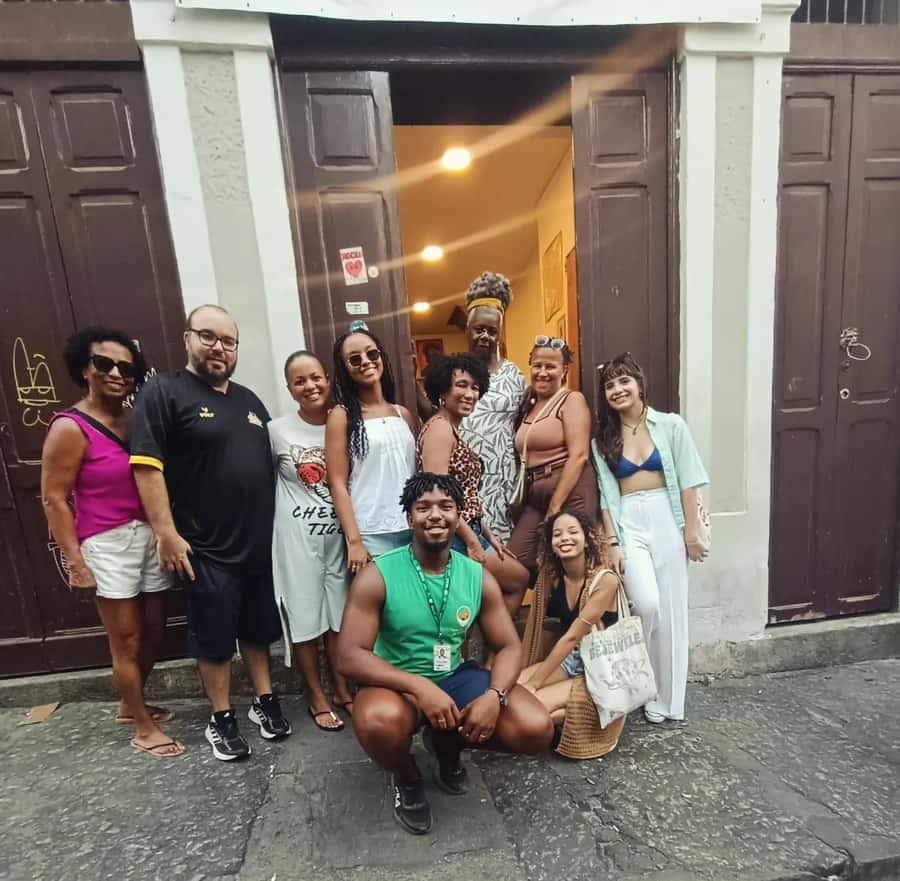
- Little Africa and Pedra do Sal: The walk focuses on places linked to Afro-Brazilian heritage, slavery, resistance, and abolition in Rio.
- A history-led experience: Your guide explains difficult subjects in a clear, conversational way and welcomes questions.
- City of Samba access: The tour ends with a behind-the-scenes visit to a carnival production warehouse.
- Small group, private format: The experience is listed as a private group and also notes a maximum of 15 people, so confirm the exact arrangement when booking.
- Three languages available: You can take the tour in English, Spanish, or Portuguese.
- Flexible booking terms: You can cancel up to 24 hours before the start for a full refund and reserve without paying immediately.
Why Rio’s Afro-Brazilian story matters
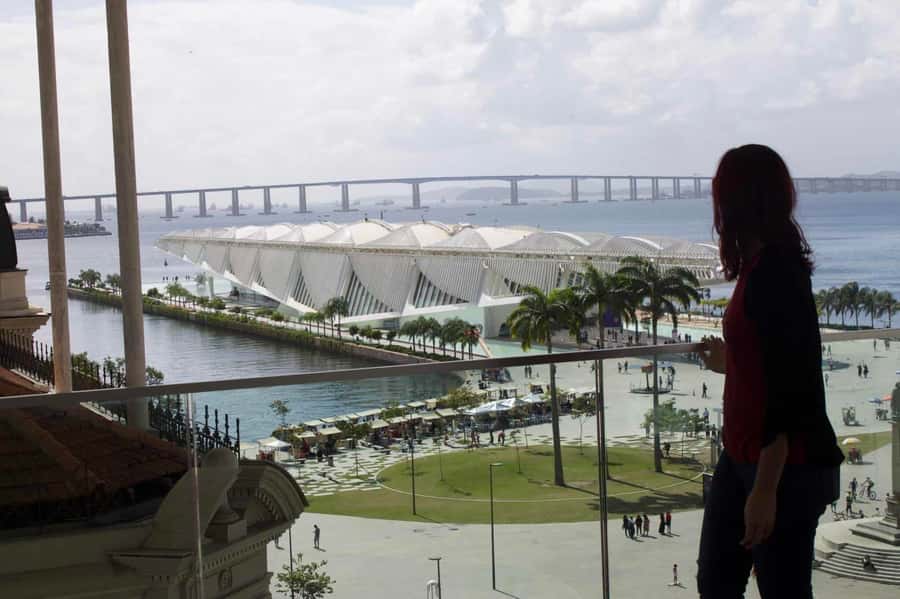
Rio is often sold through its coastline, viewpoints, and nightlife. Those are real parts of the city, but they tell only one chapter. This tour shifts attention inland and toward the communities, traditions, and struggles that helped shape modern Rio.
The central theme is the history of black resistance and the long fight to abolish slavery in Brazil. That gives the walk a clear purpose. You are not simply passing old buildings or taking photographs at landmarks. You are being asked to consider who lived in these areas, what they endured, and how African traditions survived and changed under brutal conditions.
I especially value the chance to compare Brazil’s history with other countries. One participant from the United States found clear parallels between racial oppression in Brazil and the United States, along with important differences. That kind of comparison can make the subject easier to understand, but the guide still keeps the focus on Brazil rather than turning the walk into a general lesson about race.
This is a serious topic, yet the tone does not need to be heavy every minute. The guide’s role is important here. Feedback about Rafael describes him as attentive, flexible, and clear in his explanations. A Spanish-speaking participant also praised the guide for presenting Afro-Brazilian history in a simple, educational way. Those details suggest that the quality of the conversation is one of the tour’s main strengths.
More Walking Tours in Rio de Janeiro
- Rio de Janeiro: Rocinha Favela Walking Tour with Local Guide
★ 4.8 · 3,052 reviews - Rio De Janeiro: Half-Day Rocinha Favela Walking Tour
★ 4.7 · 2,272 reviews - 3 Hour Rocinha Favela Walking Tour with a Local Guide
★ 5.0 · 833 reviews
Walking through Little Africa
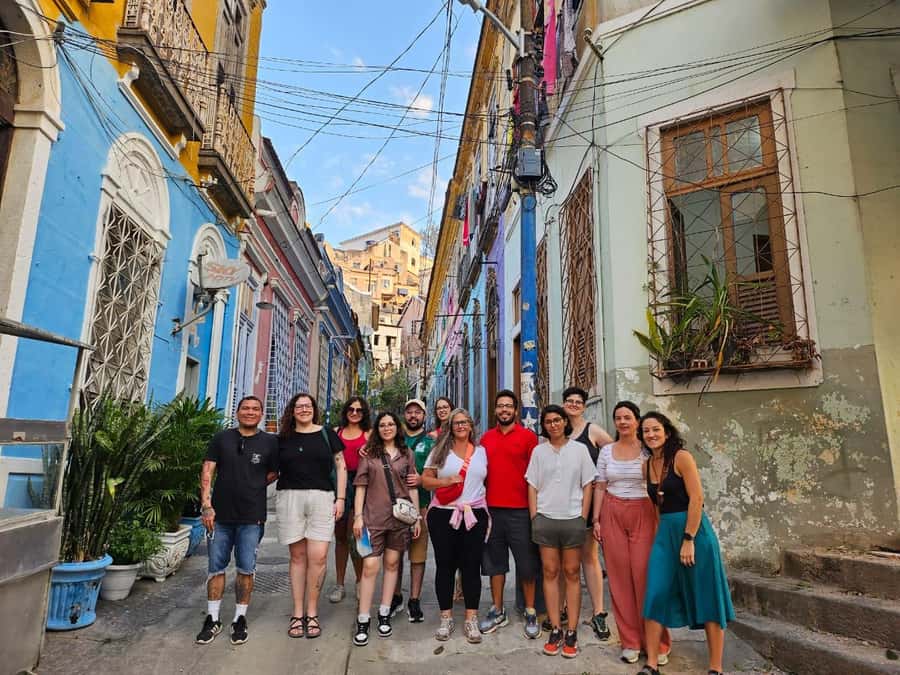
The tour begins in Little Africa, an area tied closely to Rio’s African heritage. The supplied description does not list every street or monument included, so you should not expect a fixed checklist of named stops. Instead, think of this part as a guided history walk through a district where the city’s past is read through its places and traditions.
Your guide explains the local story of slavery, resistance, and abolition as you move through the area. That format has an advantage over a museum visit: the history is connected to the actual setting around you. Streets and public spaces become part of the lesson, and you have room to ask how the past relates to present-day Rio.
The walk also introduces Afro-Brazilian culture and traditions. The value here is not just learning that African influence exists in Brazilian music, food, religion, and dance. You get a chance to understand that these traditions developed through survival, adaptation, and community life.
I would approach this section with an open schedule and a willingness to listen. The tour is only three hours, but the subject is broad. A guide who pauses for questions may spend more time on one theme than another. That is a good trade for a thoughtful tour, though it means the pace may not suit anyone looking for a fast parade of photo stops.
Pedra do Sal and the living history of samba
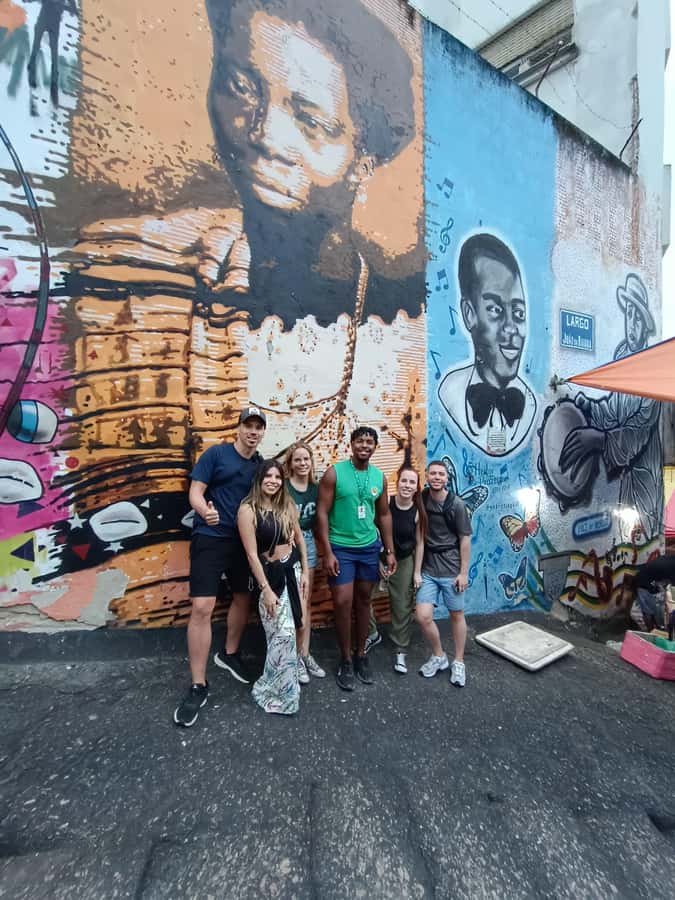
The walk continues through the Pedra do Sal region, another important part of Rio’s Afro-Brazilian story. The area links cultural heritage with the development of samba, making it a natural bridge between the historical walk and the carnival visit later in the day.
You will learn about the place of black communities in Rio’s cultural life and how music and tradition helped preserve identity. The guide’s explanation matters more here than any single view. Without context, Pedra do Sal can be just another stop on a city tour. With a good guide, it becomes part of a wider story about displacement, survival, celebration, and cultural influence.
The walking section is also designed to show places missed by many visitors. That does not mean every stop will feel hidden or untouched. It means the route moves away from Rio’s best-known postcard sights and toward a part of the city that many short visits leave out.
A useful point from the available feedback is that you should not expect an exhausting hike. One participant said the group saw and learned a lot without having to walk too much. That makes the tour appealing if you want a serious cultural outing but do not want a long trek through Rio.
How the guide shapes the experience
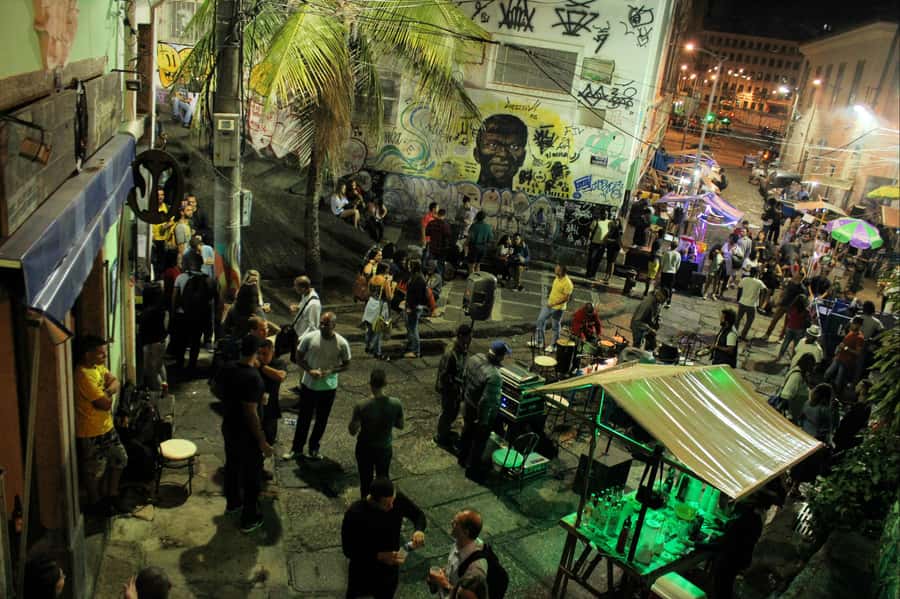
This is a guide-led tour, and the guide’s skill will shape your day more than any printed route. You are dealing with slavery, racism, resistance, and cultural survival. A guide who can explain those subjects clearly, answer questions, and avoid turning the past into a collection of slogans is essential.
The strongest feedback focuses on clear explanations, friendliness, and flexibility. Rafael is singled out as attentive, and another guide is described as both well prepared and fun. A participant who arrived with many questions appreciated being able to discuss them openly. That is a useful clue for you: bring questions of your own.
The language choices are English, Spanish, and Portuguese. If you have a preference, select it when booking or confirm it in advance. You are also asked to provide a WhatsApp contact, which likely helps the operator coordinate meeting details, but you should make sure your number is current.
The tour is described as private, while the main details also give a maximum of 15 people. Those descriptions can mean different things in practice, so it is worth confirming whether your booking is entirely private or simply limited to a small group. Either way, a group capped at 15 is much better for questions than a large coach tour.
A completely different kind of day:
- Rio de Janeiro: 6-Stop Highlights of Rio with Lunch
★ 4.4 · 5,157 reviews - Christ the Redeemer Entry Ticket by Corcovado Train
★ 4.4 · 4,476 reviews - Rio’s City Tour – Tickets for Christ, Sugar Loaf & Lunch included
★ 5.0 · 4,389 reviews - Full Day: Christ Redeemer, Sugarloaf, City Tour & Barbecue Lunch
★ 4.5 · 3,142 reviews
Entering the City of Samba
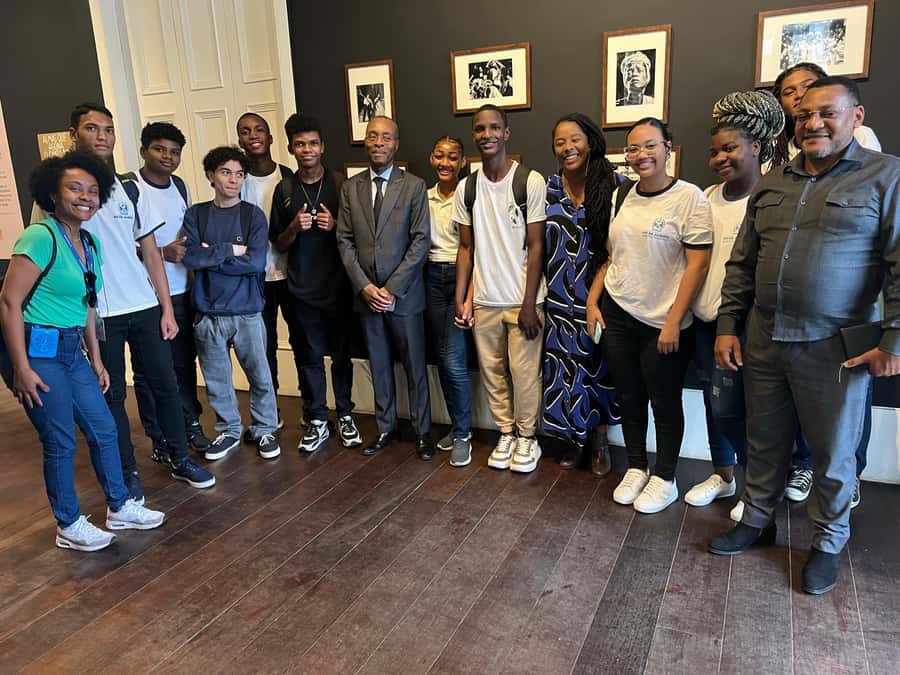
The walking tour concludes at Cidade do Samba, also called the City of Samba. This is where the historical discussion turns toward the making of Rio’s carnival parades.
You receive entrance to the City of Samba and the Carnaval Experience. The focus is on the origins of samba-school parades and the work that happens behind the public show. You may see the production side of carnival, including the warehouse setting where parade elements are created, although the supplied details do not promise a specific costume, float, or workshop demonstration.
This is a useful addition because carnival is often treated as pure spectacle. The visit helps explain that the parade depends on organized samba schools, large-scale creative work, and months of preparation. You get a glimpse behind the curtains rather than seeing only the finished procession on television or during carnival season.
The mood also changes here. The first part asks you to think about oppression, resistance, and cultural identity. The second part shows how that culture appears in a major public celebration. The connection is not explained as a simple story of suffering followed by joy. Instead, the samba-school visit shows how cultural traditions can become a source of pride, creativity, and public expression.
One important qualification: the warehouse visit may feel more staged or institutional than the street walk. One participant found the carnival portion slightly less authentic, even while calling the samba-school space amazing. I agree that this is best understood as a behind-the-scenes attraction, not as an ordinary neighborhood gathering or a live carnival parade.
The value of the $100 price

At $100 per person, this is not a bargain walking tour. The fee covers three hours, a live guide, the Little Africa and Pedra do Sal walk, entrance to the City of Samba, and the Carnaval Experience. Taxes, fees, and handling charges are included, while food and drinks are not.
The price makes more sense if you plan to use the tour as a cultural introduction to Rio. You are paying for interpretation, not just movement from one place to another. The guide connects the sites, explains the political and social history, and helps you understand why samba and carnival matter.
It is less convincing if you mainly want free time in the neighborhoods or a basic look at a samba-school warehouse. You could find cheaper walking activities, but they may not include the City of Samba entrance or a guide focused on Afro-Brazilian history.
I would also consider the value of the small-group or private format. A maximum of 15 people gives the guide a better chance to answer questions and adjust the conversation. If your group is interested in Brazilian history, the price is easier to justify. If you are only mildly curious and mainly want photographs, it may feel expensive.
The tour does not include food or drinks, so plan around that. The duration is three hours, which is long enough for a focused cultural outing but short enough to fit into a busy Rio schedule.
What the feedback tells you about flexibility
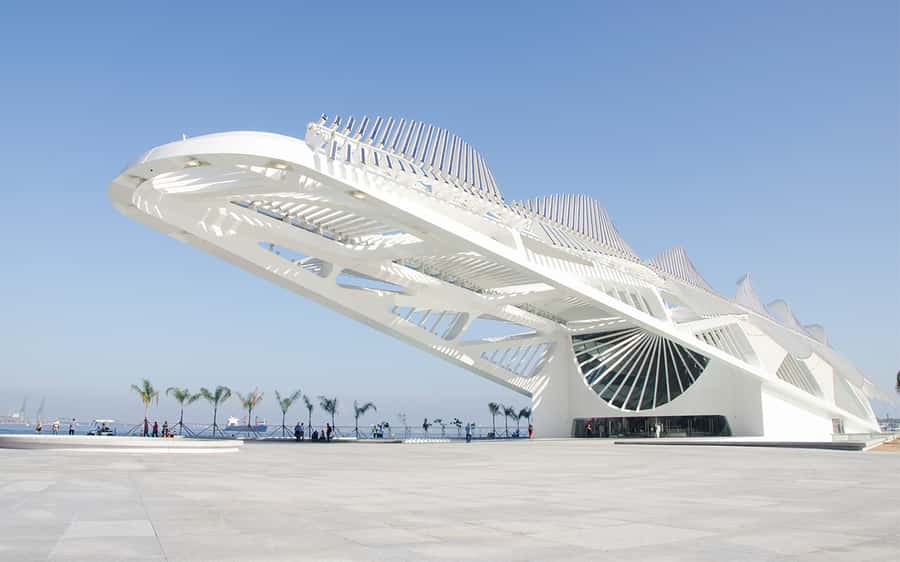
The clearest praise centers on the guide’s communication. The strongest comments describe an informative and enjoyable experience, with explanations that were easy to follow. One participant also appreciated help arranging an extra graffiti stop while organizing an Uber back to the hotel.
That extra help should not be treated as a promised feature. It shows that the guide may be willing to offer practical suggestions when time allows, but the official inclusions are the walking tour and City of Samba visit. You should book the tour for those stated elements, not for an additional graffiti stop or transport arrangement.
Another useful point is that the tour can work for people who arrive with different levels of background knowledge. You do not need to be an expert in Brazilian history to follow the guide, and you can still ask detailed questions if you already know something about slavery, diaspora, or samba.
The five available ratings are all positive, but the sample is small. I would treat that as encouraging rather than conclusive. The comments are consistent about the guide, the history, and the samba-school visit, which gives you a fairly clear picture of the tour’s strengths. Still, your enjoyment will depend on your interest in the subject and on the guide assigned to your departure.
Who should book this Rio tour?

I would recommend it most strongly to you if you want to understand Rio beyond its famous scenery. It suits people interested in:
- Afro-Brazilian culture and history
- The abolition of slavery in Brazil
- Black resistance and cultural survival
- Samba and carnival production
- Guided discussion rather than independent sightseeing
- A moderate three-hour outing with limited walking
It is also a good choice if you want to connect historical themes with present-day culture. The tour does not leave the subject in the past. It links the history of African communities in Rio with traditions that remain visible in music, samba schools, and carnival.
Families with older children may find the format useful, though the subject matter is serious. The tour is also listed as wheelchair accessible, which may help some visitors, but the exact route and surfaces are not described. If accessibility is important for you, confirm the route details before booking.
You may want a different activity if your priority is architecture, beaches, scenic overlooks, food, or a full carnival performance. This is not a general introduction to every side of Rio. It has a specific purpose and spends its time on Afro-Brazilian history and samba culture.
Practical details before you go
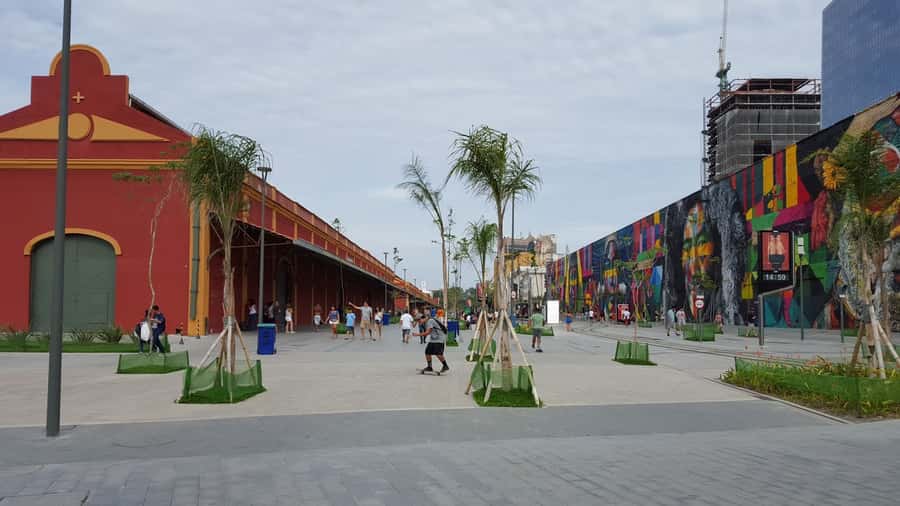
The activity lasts three hours, and you need to check availability for the starting time. Since the tour combines walking with an indoor or warehouse-style visit, ask about the meeting point and route when you receive the final details.
Wear comfortable shoes, even though the walk is not described as strenuous. Bring water, since drinks are not included. You may also want sun protection, but the supplied information does not specify how much of the route is outdoors.
The tour is offered in English, Spanish, and Portuguese. Send the requested WhatsApp contact promptly so the operator can reach you with practical information.
Booking is flexible: you can reserve now and pay later, and cancellation up to 24 hours in advance qualifies for a full refund. Those terms are useful if your Rio plans are still shifting.
Should you book the African Culture Walking Tour?
Book it if you want a focused, guide-led look at the people and traditions behind Rio’s samba image. The best part is the combination of Little Africa, Pedra do Sal, and careful discussion of slavery, resistance, and Afro-Brazilian heritage. The City of Samba adds a lively visual finish and shows how carnival is built.
Skip it if you want a cheap, casual walk or a fully spontaneous neighborhood experience. The $100 price is reasonable for a private or small-group cultural tour with City of Samba admission, but it is too high for anyone who has little interest in history.
For the best fit, bring questions, choose your preferred language, and confirm the private-group arrangement. If those details suit you, this tour offers a thoughtful way to see a side of Rio that the beach itinerary leaves out.
FAQ
How long does the African Culture Walking Tour last?
The tour lasts three hours.
What areas does the walking portion cover?
The walking portion covers Little Africa and the Pedra do Sal region in Rio de Janeiro.
Is entrance to the City of Samba included?
Yes. Entrance to Cidade do Samba and the Carnaval Experience is included.
What will I learn at the City of Samba?
You will learn about the origins of samba-school parades and see behind the scenes of Rio’s carnival production.
Which languages are available?
The live guide is available in English, Spanish, and Portuguese.
Is the tour wheelchair accessible?
Yes, the activity is listed as wheelchair accessible.
Are food and drinks included?
No. Food and drinks are not included.
Can I cancel for a refund?
Yes. You can cancel up to 24 hours in advance for a full refund.
Just added in Rio De Janeiro
- Full Day Tour in Rio de Janeiro★ 5.0 · 8 reviews
- Garganta do Ceu Cave Hiking Private Tour on Pedra da Gavea★ 4.5 · 3 reviews
- Gastronomic Tour at the Municipal Market in Rio de Janeiro★ 5.0 · 4 reviews
- GIG Airport Transfer x Rio de Janeiro Hotels★ 4.5 · 11 reviews
- Rio de Janeiro private Full day Custom Tours★ 5.0 · 35 reviews
- Christ the Redeemer – Complete Morning Tour with Ticket and Transport at the Hotel★ 3.5 · 4 reviews
- AquaRio, Museum, Boulevard Olimpico, Ferris Wheel, Transport and Tourism Guide.★ 4.0 · 6 reviews
- Personalized and Private Full-Day Tour in Rio de Janeiro★ 5.0 · 6 reviews
Walking Tours, compared.



3 Hour Rocinha Favela Walking Tour with a Local Guide
Read our review →
Favela Tour Rio de Janeiro – Vidigal Walking Tour by Russo Guide
Read our review →

Private Walking and Cultural Tour Rocinha-Rio de Janeiro
Read our review →
Browse the lists this tour appears in