
Reviewed · WALKING TOURS
Rio de Janeiro: 4-Hour Afternoon Walking Tour
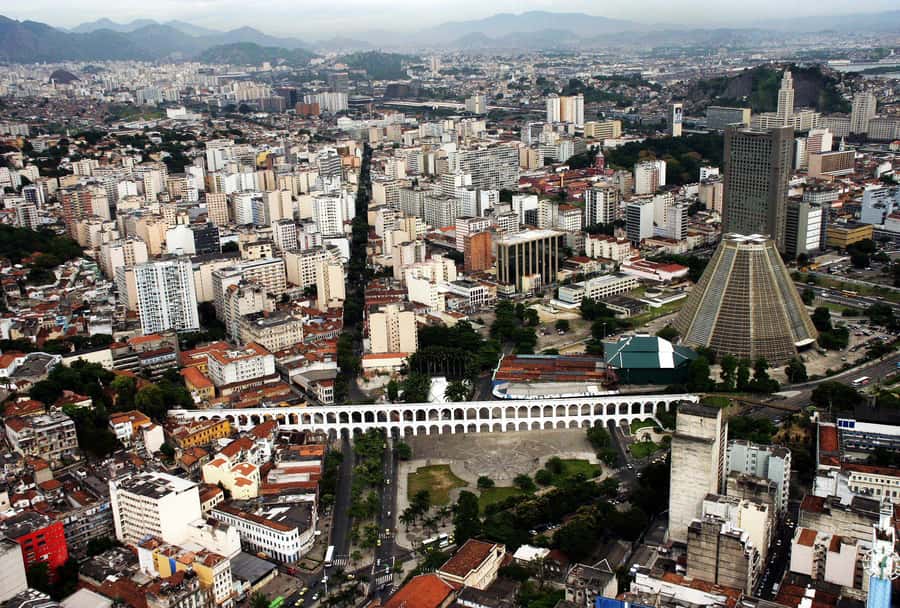
Rio’s past is written into its streets. This four-hour tour makes downtown easier to understand by linking colonial churches, royal buildings, republican monuments, and the renewed waterfront in one well-planned walk. I like the clear historical timeline, which runs from Brazil’s discovery through the arrival of the Portuguese royal family, independence, and the republic. I also like the mix of walking and hotel transfer, a useful arrangement when you are staying in Copacabana, Ipanema, Leblon, or São Conrado.
The main point to consider is pace. You cover several major areas in four hours, with about 30 minutes at each listed stop, so this is a guided overview rather than a slow museum visit. Food and drinks are not included, and the tour returns you to your hotel rather than leaving you free to continue exploring downtown.
- Mauá Square begins the story with Rio’s new waterfront, the Olympic Boulevard, two museums, and the famous Cobra murals.
- São Bento Monastery offers some of the tour’s strongest architecture, with roots reaching back to 1590.
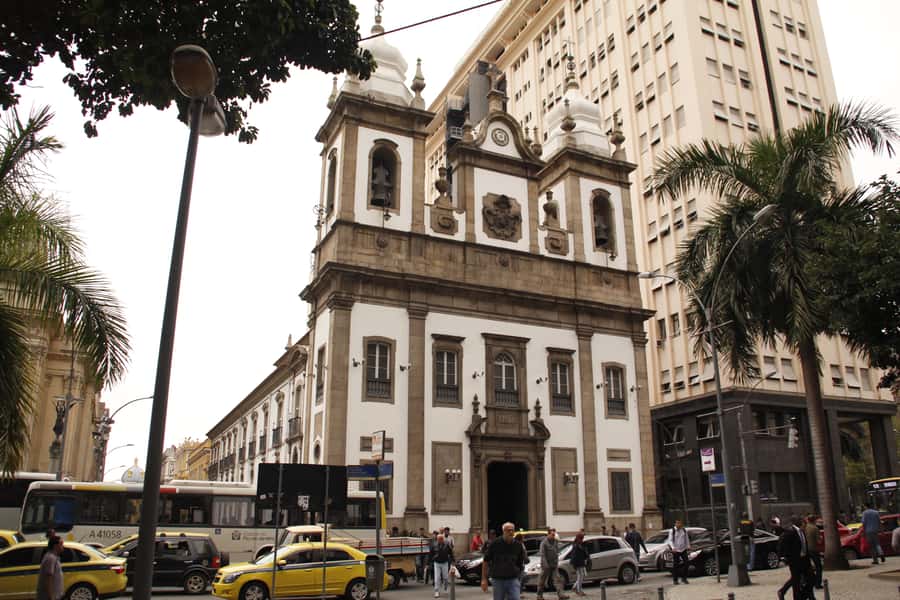
- Candelária Church connects Rio’s religious and colonial past with the long growth of the city.
- Praça XV brings the Portuguese royal family into focus, along with the Imperial Palace and Tiradentes Palace.
- Cinelândia ends the walk with grand republican buildings, including the Municipal Theater and National Library.
- Guides speak five listed languages, and Roberto and Ziggy received especially strong praise for clear explanations and friendly answers.
In This Review
- Why this downtown walk is worth your afternoon
- Starting at Mauá Square and the Olympic Boulevard
- São Bento Monastery, a 1590 foundation
- Candelária Church and Rio’s long colonial timeline
- Primeiro de Março Street and the buildings between eras
- Praça XV and the Portuguese royal family
- Cinelândia and the grand republican finish
- The guide can make or break the experience
- Walking pace, transport, and practical planning
- Who will get the most from this tour
- Should you book the Rio afternoon walking tour?
- FAQ
- How long does the Rio de Janeiro walking tour last?
- What is the price?
- Which areas have hotel pickup?
- Is hotel drop-off included?
- Which languages are available?
- Is food included?
- What places does the tour visit?
- Can I cancel for a full refund?
- Can I reserve now and pay later?
Why this downtown walk is worth your afternoon
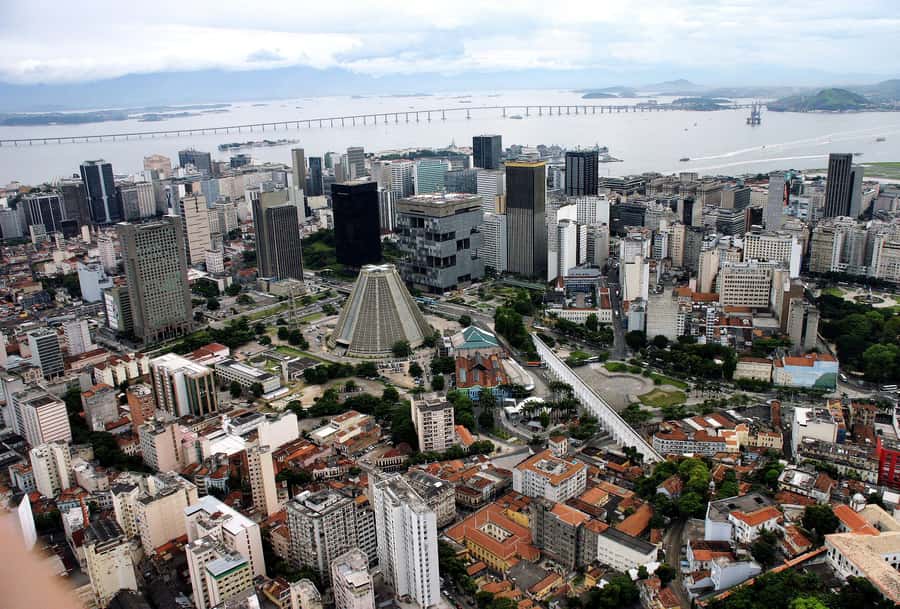
Rio is famous for its beaches and mountain views, but downtown explains how the city became Brazil’s political and cultural center. For almost two centuries, Rio served as Brazil’s capital. This tour gives you a useful framework for reading the city’s buildings instead of seeing them as a blur of old façades.
I like the way the route shows three different periods in a compact area. Colonial design appears in the older religious buildings and streets. Imperial history comes alive around Praça XV. Republican Rio takes shape at Cinelândia, where the city’s major civic and cultural buildings gather around a grand public square.
That structure matters. You are not simply stopping for photographs. You are moving through the changes that shaped Rio: Portuguese settlement, royal rule, independence, and the formation of the republic. A good guide can turn a decorative façade into a clue, and this tour is built around that idea.
The experience costs $62 per person. That is not the cheapest way to walk downtown, since you could visit some exterior sights on your own. The price makes more sense if you value a guide, hotel pickup and return, and a connected explanation of the city. It is also helpful if you are staying in one of the listed beach neighborhoods and would rather not arrange your own transport into the center.
Starting at Mauá Square and the Olympic Boulevard
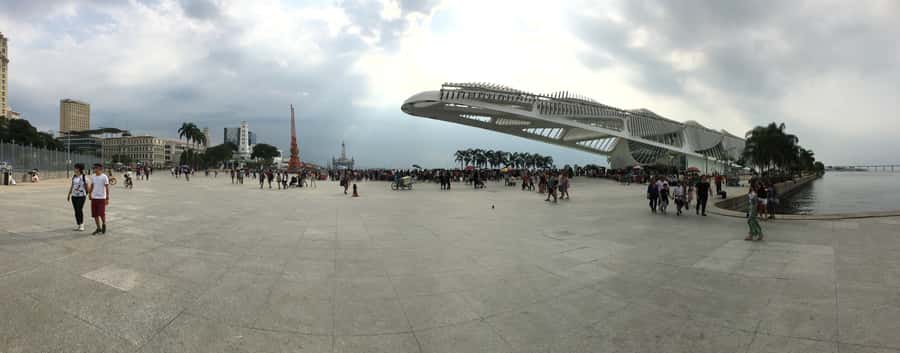
The tour begins near the Museum of Tomorrow and the Rio Art Museum, beside the renewed Mauá Square. This is a smart opening point because the setting immediately shows modern Rio beside old Rio.
Mauá Square was renovated as part of the Olympic legacy and became a new center for culture and entertainment. From here, you get a wide view along the Olympic Boulevard. The area includes the Museum of Tomorrow, the Rio Art Museum, and the large Cobra murals, which give the waterfront a bold contemporary face.
Your guide begins the historical explanation here before the walking route moves inland. That contrast is useful. You first see the new public waterfront, then trace the older layers of the city through churches, palaces, cultural buildings, and government architecture.
The stop is listed at roughly 30 minutes. That should give you time for an introduction, photographs, and a look at the setting, but not a full visit to either museum. If you want to tour the Museum of Tomorrow or the Rio Art Museum inside, plan that for another time. The tour uses them as landmarks and orientation points, not as extended indoor visits.
More Walking Tours in Rio de Janeiro
- Rio de Janeiro: Rocinha Favela Walking Tour with Local Guide
★ 4.8 · 3,052 reviews - Rio De Janeiro: Half-Day Rocinha Favela Walking Tour
★ 4.7 · 2,272 reviews - 3 Hour Rocinha Favela Walking Tour with a Local Guide
★ 5.0 · 833 reviews
São Bento Monastery, a 1590 foundation
From Mauá Square, the route continues to São Bento Monastery, one of the most important heritage buildings in Brazilian architecture. Its story begins in 1590, when two monks from Bahia founded the monastery.
This is one of the places where a guide adds real value. A short stop can explain why the monastery matters, how early religious institutions helped shape the city, and how its age fits into Rio’s wider story. The building also gives you a strong example of the older architectural period that the tour asks you to notice.
The stop is planned for about 30 minutes, including a visit, guided commentary, sightseeing, and time to walk. You should expect an overview rather than a long examination of every interior detail. If architecture interests you, listen closely to the guide’s explanation and allow time for photographs.
The route’s steady rhythm is helpful here. You are not spending the whole afternoon inside one site, so you keep moving through the city’s history. The tradeoff is that anyone wanting a slow, detailed architectural study may feel hurried.
Candelária Church and Rio’s long colonial timeline
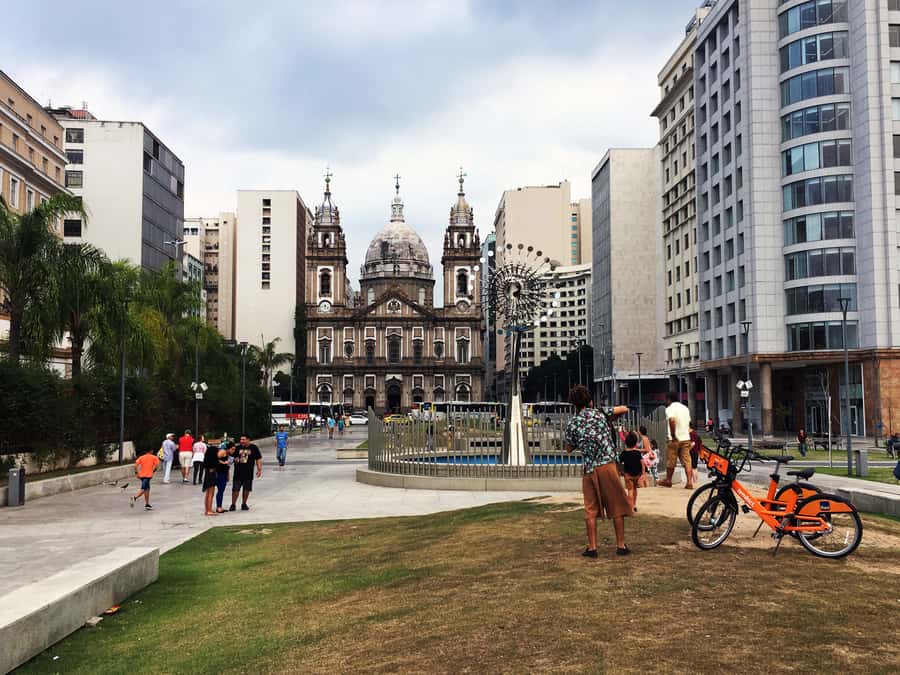
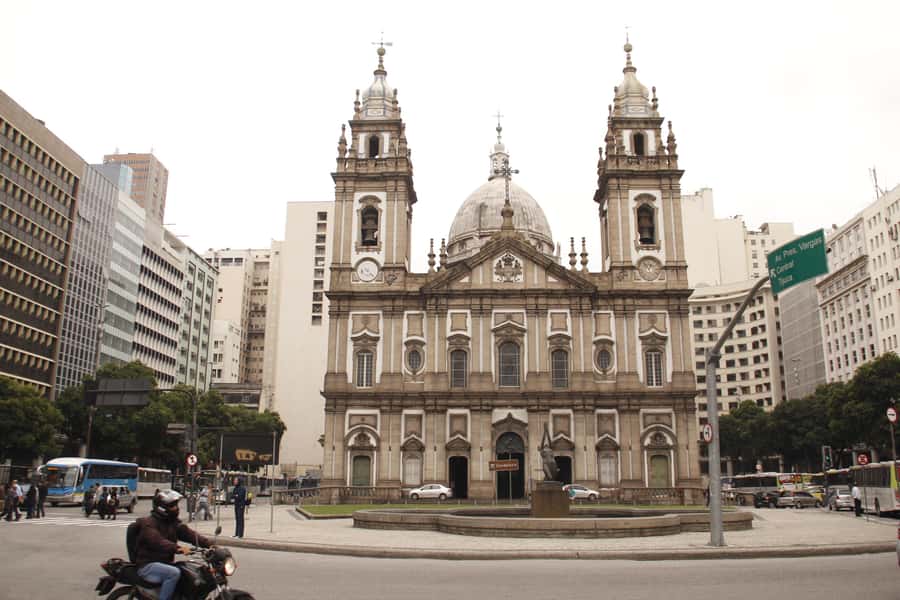
Candelária Church adds another major religious landmark. Construction began in 1630 and was completed in 1775, a timeline that alone shows how slowly large buildings could take shape in colonial Rio.
The church was built in neoclassical style, giving you another opportunity to compare the city’s architecture. Your guide can help connect the building’s dates and style to the broader periods covered during the walk. This is exactly the kind of context that can be easy to miss when you explore downtown without background information.
The stop is also about 30 minutes. It includes guided sightseeing and photographs, with the visit focused on the church and its place in the city rather than on food, shopping, or free time.
I would pay attention to how the route changes around you as you leave the church and continue along Primeiro de Março Street. The tour shifts from religious landmarks to commercial, cultural, and political buildings. That change helps show how Rio’s center developed beyond its earliest institutions.
Primeiro de Março Street and the buildings between eras
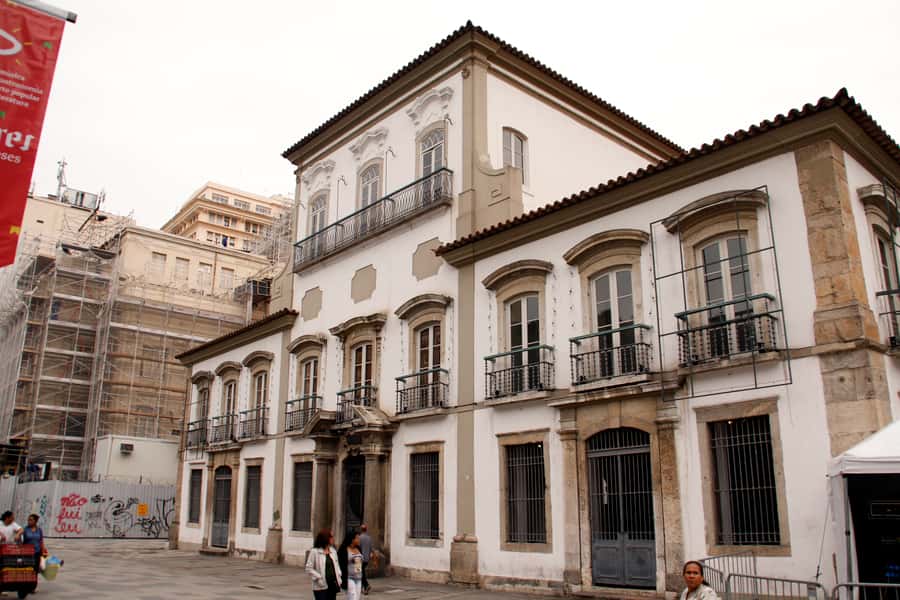
The walk along Primeiro de Março Street is one of the most useful connecting sections. Instead of treating each landmark as a separate stop, it lets you see a sequence of important façades in the city center.
You pass Casa Franca, also called the France-Brazil House, the Banco do Brasil Cultural Center, and the post office building. These stops broaden the story beyond churches and royal residences. They show the role of trade, finance, communication, and cultural institutions in Rio’s growth.
This part of the tour is especially good for anyone who likes architecture but does not want a lecture detached from the streets. You can look around and identify different periods through the buildings themselves. The guide’s job is to explain what you are seeing and why the structures matter.
The supplied route also highlights Travessa do Mercado, another historic detail among the downtown streets. It is the sort of smaller urban feature that can disappear if you only visit the famous squares. Keep your camera ready, but listen as well. The value here is in the links between the sites.
A completely different kind of day:
- Rio de Janeiro: 6-Stop Highlights of Rio with Lunch
★ 4.4 · 5,157 reviews - Christ the Redeemer Entry Ticket by Corcovado Train
★ 4.4 · 4,476 reviews - Rio’s City Tour – Tickets for Christ, Sugar Loaf & Lunch included
★ 5.0 · 4,389 reviews - Full Day: Christ Redeemer, Sugarloaf, City Tour & Barbecue Lunch
★ 4.5 · 3,142 reviews
Praça XV and the Portuguese royal family
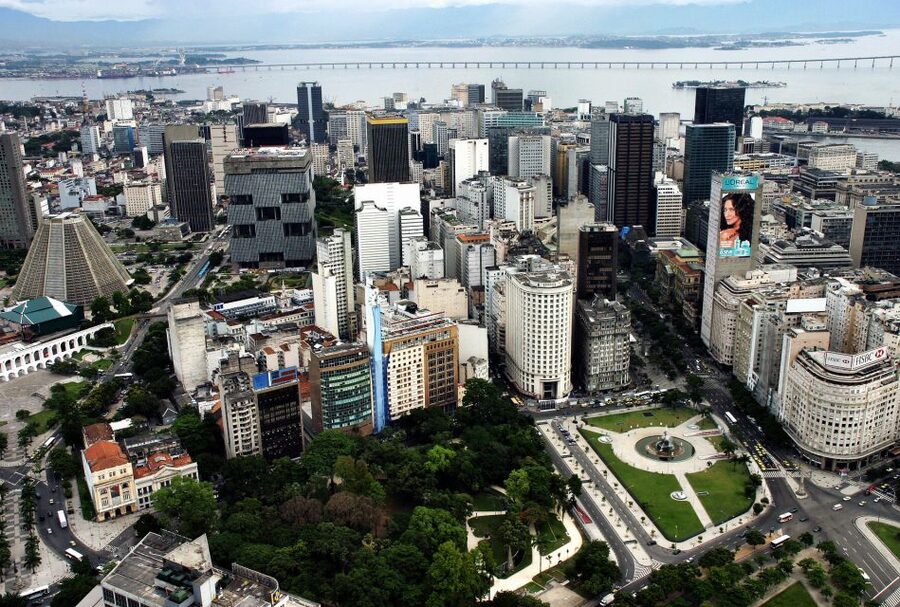
The route then reaches Praça Quinze de Novembro, usually called Praça XV. This is where the royal story becomes central.
The Imperial Palace was built as a residence for the governors of the captaincy. Later, it became the residence of the Portuguese royal family when it arrived in Brazil. That change gave Rio a major political role and helped transform the city’s place in the Portuguese world.
The square is listed as a 30-minute visit with guided sightseeing and photographs. The time should be enough to understand the main buildings and hear the key history, but you should not expect a full palace tour as part of this four-hour experience.
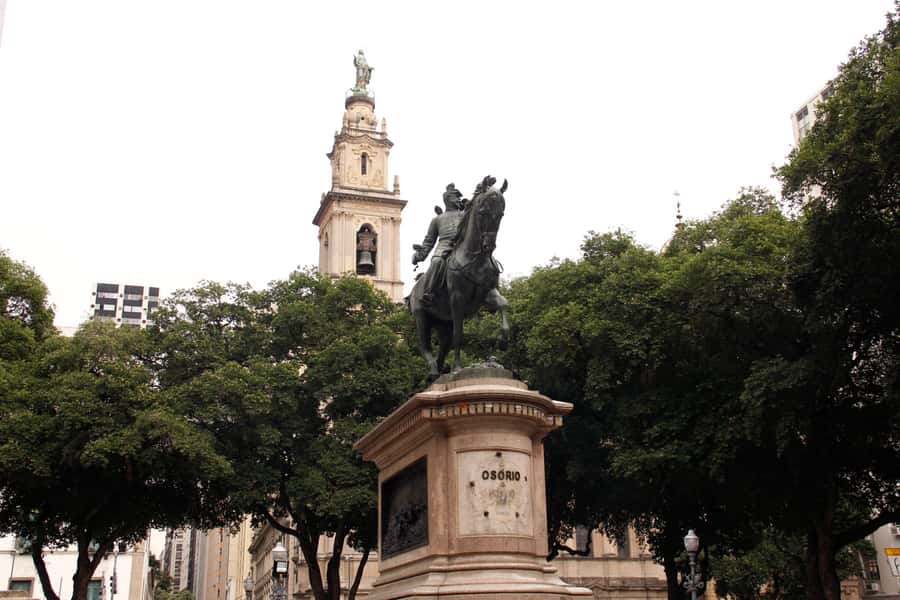
The route also passes Tiradentes Palace. Together, these buildings show the changing political life of the city. You are not looking at one isolated royal monument. You are seeing a public area shaped by government, monarchy, and later national politics.
This is where the timeline from the opening talk pays off. The earlier explanation of Brazil’s discovery and royal arrival now has a physical setting. The city’s political past becomes easier to picture because you are standing among the buildings connected to it.
Cinelândia and the grand republican finish
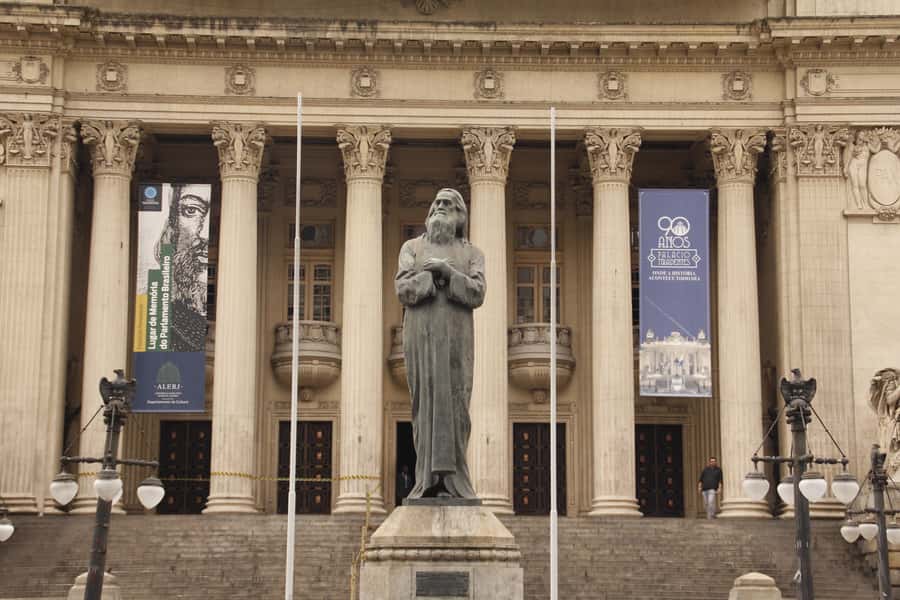
Cinelândia is the final point of the walking route. It is a fitting finish because the square gathers some of Rio’s most impressive republican-era public buildings.
Here you see the Municipal Theater, the Legislative Assembly, the National Library, and the Museum of Fine Arts. The buildings create a formal civic center and give the final section of the tour a different mood from the older churches and imperial sites.
I like this ending because it shows that Rio’s story did not stop with the royal family. The city continued to change as Brazil moved into the republican period. The buildings at Cinelândia make that shift visible through their scale, design, and public purpose.
The tour ends here before your return to the hotel. The listed plan allows about 30 minutes for the visit and sightseeing. You should have time to enjoy the architecture and take photographs, but the schedule is still guided and structured. If you want to linger at one building or explore nearby streets on your own, you may need to return another day.
The guide can make or break the experience
The strongest part of this tour is likely to be the guide’s storytelling. The route contains plenty of dates and political changes, and a flat recitation would make the afternoon feel heavy. The available feedback points to guides who kept the experience clear, friendly, and open to questions.
Roberto received particular praise for being informative, answering questions happily, and keeping a good walking pace. That last point matters. You have time to stop for photographs without losing the shape of the tour.
Ziggy was also singled out for making the experience insightful and fun while giving a full account of the Portuguese colonial architecture and settlement. The two names suggest that the operator has delivered strong guiding on different departures, though your own guide will depend on the date and language selected.
Guiding is available in English, Portuguese, Spanish, German, and French. If the history of Rio is a major reason for booking, choose the language in which you can follow dates, names, and political changes most easily.
Walking pace, transport, and practical planning
This is a four-hour afternoon experience, with pickup and return available from most hotels in São Conrado, Leblon, Ipanema, and Copacabana. Your exact pickup place and time are confirmed after the tour is reconfirmed, so do not assume the vehicle will collect you at a fixed hour shown elsewhere during planning.
The listed pickup and drop-off points include addresses on Avenida Bartolomeu Mitre, Estrada da Canoa, Rua Teixeira de Melo, and Rua Barata Ribeiro. The important point is that the service is aimed at hotels in the four named areas, not every part of Rio.
Hotel transfer adds value because the historic center is separate from the beach districts where many people stay. You can begin the afternoon without arranging your own route into downtown, then return to your hotel after Cinelândia.
Food and drinks are not included. Since the schedule focuses on walking and sightseeing, eat before pickup or plan another meal afterward. No group size is provided, so you should not book this expecting either a private tour or a guaranteed small group.
Comfortable walking shoes are a sensible choice, since the itinerary links several central areas on foot. Allow time for photographs, but keep the group’s pace. The route is designed to cover ground, not to provide long stretches of independent wandering.
The cancellation policy is practical: you can cancel up to 24 hours in advance for a full refund. You can also reserve now and pay later, which helps if your Rio schedule is still changing.
Who will get the most from this tour
I would recommend this experience to a first-time Rio visitor who wants more than beaches and postcard views. It gives you an efficient introduction to the city center and helps you understand why the older buildings matter.
It also suits anyone interested in Portuguese colonial architecture, the Brazilian monarchy, civic buildings, or the transition to the republic. The guide’s historical explanation is central, so people who enjoy context will get more from it than those who only want quick photo stops.
Families and mixed-interest groups may like the structure. You move from one landmark to another, hear the story, and keep the afternoon active. The four-hour length is long enough to feel substantial without taking the entire day.
I would be more cautious if you want extensive interior access, unstructured exploration, or a slow museum visit. The route includes visits and guided sightseeing, but its purpose is to connect major places across downtown. It is a city overview with a strong history focus, not a specialist architecture seminar.
Should you book the Rio afternoon walking tour?
Book it if you want a guided introduction to Rio’s historic center, especially if hotel pickup from Copacabana, Ipanema, Leblon, or São Conrado makes your day easier. The combination of Mauá Square, São Bento Monastery, Candelária Church, Praça XV, and Cinelândia gives you a well-shaped story of the city in four hours.
The $62 price is reasonable when you count the professional guide and round-trip transfer. It is less compelling if you are comfortable arranging transport and following a self-guided route on your own.
My practical advice is to choose this early in your Rio visit. The historical framework will help you understand the city for the rest of your stay. Pick the language that feels most natural, confirm the hotel pickup details, and keep the afternoon free of another tight appointment. Roberto’s praised pace and Ziggy’s engaging history lesson show what the tour can offer when the guide brings the route to life.
FAQ
How long does the Rio de Janeiro walking tour last?
The tour lasts four hours, including hotel pickup, the guided downtown route, and return transportation.
What is the price?
The price is $62 per person.
Which areas have hotel pickup?
Pickup is available from most hotels in São Conrado, Leblon, Ipanema, and Copacabana.
Is hotel drop-off included?
Yes. Return transfer to the listed hotel areas is included after the tour ends at Cinelândia.
Which languages are available?
The live tour guide is available in English, Portuguese, Spanish, German, and French.
Is food included?
No. Food and beverages are not included in the price.
What places does the tour visit?
The route includes Mauá Square, São Bento Monastery, Candelária Church, Praça Quinze de Novembro, and Cinelândia. It also passes sites such as Casa Franca, the Banco do Brasil Cultural Center, the post office building, Travessa do Mercado, and Tiradentes Palace.
Can I cancel for a full refund?
Yes. You can cancel up to 24 hours in advance for a full refund.
Can I reserve now and pay later?
Yes. The reserve-now, pay-later option lets you book without paying at the time of reservation.
Just added in Rio De Janeiro
- Full Day Tour in Rio de Janeiro★ 5.0 · 8 reviews
- Garganta do Ceu Cave Hiking Private Tour on Pedra da Gavea★ 4.5 · 3 reviews
- Gastronomic Tour at the Municipal Market in Rio de Janeiro★ 5.0 · 4 reviews
- GIG Airport Transfer x Rio de Janeiro Hotels★ 4.5 · 11 reviews
- Rio de Janeiro private Full day Custom Tours★ 5.0 · 35 reviews
- Christ the Redeemer – Complete Morning Tour with Ticket and Transport at the Hotel★ 3.5 · 4 reviews
- AquaRio, Museum, Boulevard Olimpico, Ferris Wheel, Transport and Tourism Guide.★ 4.0 · 6 reviews
- Personalized and Private Full-Day Tour in Rio de Janeiro★ 5.0 · 6 reviews
Walking Tours, compared.


3 Hour Rocinha Favela Walking Tour with a Local Guide
Read our review →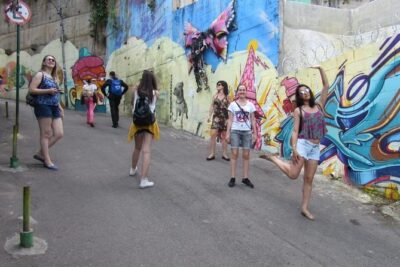
Favela Tour Rio de Janeiro – Vidigal Walking Tour by Russo Guide
Read our review →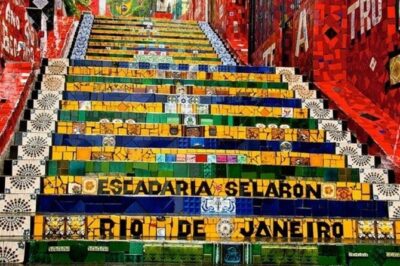

Private Walking and Cultural Tour Rocinha-Rio de Janeiro
Read our review →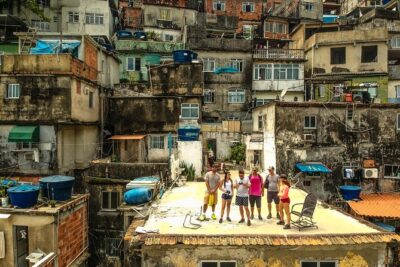
Browse the lists this tour appears in