
Reviewed · FAVELA TOURS
Rio de Janeiro: Favela Tour with Hotel Transfers
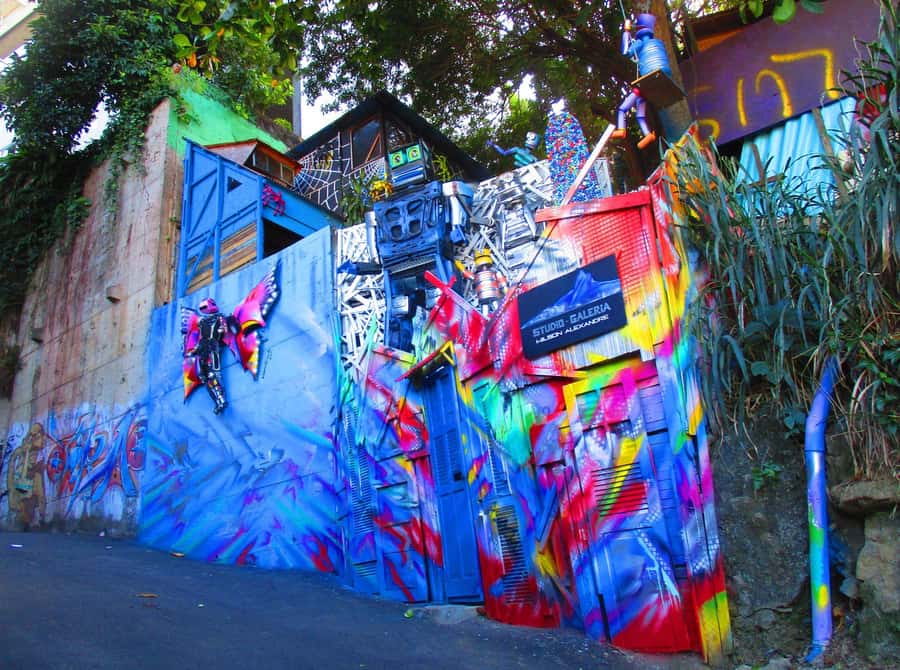
Rio’s hills tell a different story. This four-hour favela tour takes you into either Rocinha or Vidigal, where a local guide explains daily life, community work, and the social forces that shaped these hillside neighborhoods. I like the hotel pickup and the chance to walk beyond Rio’s postcard views. I also like the tour’s focus on people and place rather than quick photo stops.
The main caution is consistency. One guide may offer warm, personal stories and strong safety guidance, while another may give less explanation. Pickup problems have also occurred, so confirm your meeting time and location carefully before you leave your hotel.
In This Review
- Key points at a glance
- Why a Favela Tour Adds Another Side to Rio
- Hotel Pickup Makes the Morning Easier
- Choosing Between Rocinha and Vidigal
- Walking the Narrow Alleys
- The Guide Shapes the Experience
- What the Social Context Can Teach You
- Family Suitability and Physical Demands
- Is $47 a Fair Price?
- Who Should Book This Favela Tour?
- FAQ
- Which favela does the tour visit?
- How long does the tour last?
- Is hotel pickup included?
- Is there an extra pickup fee?
- What languages are available?
- What should I bring?
Key points at a glance

- Choose between Rocinha and Vidigal: The exact community depends on the day, so you should not book this expecting one fixed route.
- Ride and walk through the hills: The tour includes narrow alleyways and, on some outings, a motorcycle ride toward the top of the favela.
- Hear the social story: Your guide explains how people live, work, and build community in places often reduced to headlines.
- Hotel transfers cover central Rio: Pickup is offered in Leblon, Ipanema, Copacabana, Flamengo, Centro, and at the cruise port.
- Plan for sun and uneven walking: Comfortable shoes, a hat, sunscreen, and light clothes will make the outing easier.
- Guide quality matters: Hélio has earned praise for personal storytelling, safety, and creating respectful local encounters.
Why a Favela Tour Adds Another Side to Rio

Rio is easy to admire from Sugarloaf Mountain or Copacabana Beach. Those views are wonderful, but they show only one part of the city. A visit to a favela shifts your attention from beaches and monuments to housing, work, family life, local commerce, and the daily choices people make on steep urban hillsides.
This tour is designed as a social and cultural visit, not a thrill ride. You walk through tight lanes, pass local shops and community spaces, and listen as your guide explains the area’s background and present-day challenges. The value is in connecting the physical setting with the people who live there.
That distinction matters. A favela should not be treated as a strange backdrop for photographs. You are entering a residential community. The best experience comes when you listen, follow your guide’s instructions, keep your camera under control, and treat the neighborhood as a place where ordinary life is taking place.
At $47 per person, the tour is reasonably priced for Rio. The fee includes a guide and transportation to and from your hotel, which can save you the trouble of arranging taxis or working out how to reach the meeting point. It does not include food or drinks, so eat before departure or carry what you need.
More Favela Tours in Rio De Janeiro:
- Rio de Janeiro: Rocinha Favela Walking Tour with Local Guide
★ 4.8 · 3,052 reviews - Rio De Janeiro: Half-Day Rocinha Favela Walking Tour
★ 4.7 · 2,272 reviews - 3 Hour Rocinha Favela Walking Tour with a Local Guide
★ 5.0 · 833 reviews
Hotel Pickup Makes the Morning Easier
Pickup is available from most hotels in Leblon, Ipanema, Copacabana, Flamengo, and Centro. You can also arrange pickup at the cruise port. The listed meeting point is the Rio Othon Palace on Avenida Atlantica in Copacabana, which gives you a clear fallback if hotel pickup needs to be adjusted.
You should contact the operator in advance to confirm the pickup time. The supplied information specifically asks visitors to get in touch if they need to adjust it. That is sensible in Rio, where hotel entrances can be busy and traffic can quickly change a schedule.
A pickup from Barra da Tijuca or Recreio dos Bandeirantes costs an additional $10, or 40 BRL, per person. This extra charge is worth factoring into the total before you book. If you are staying in the central beach districts, the included transfer improves the value considerably.
The tour lasts almost four hours, but high-season traffic can make the outing longer. Rio traffic is not a minor detail here. Leave room afterward if you have a flight, a timed attraction, or a cruise departure. A relaxed schedule will help you enjoy the visit rather than watch the clock.
One serious practical warning: a missed pickup can ruin the experience. Confirm the hotel name, lobby or entrance location, pickup time, and a working phone or email contact before the day begins. If you are staying in a large hotel, ask reception where tour vehicles normally stop.
Choosing Between Rocinha and Vidigal

The tour visits either Favela da Rocinha or Favela do Vidigal, depending on the day. You do not appear to choose between them when booking, so treat the destination as part of the day’s operating plan rather than a guaranteed feature.
Rocinha is one of Rio’s best-known hillside communities. Vidigal is also closely tied to the city’s southern neighborhoods and the hills above them. The important point for you is not to compare them as sightseeing products, but to understand that each community has its own streets, routines, and local character.
Your guide will lead you through narrow alleys and explain what you are seeing. That may include local markets, community centers, work areas, and homes. The compact streets make walking feel very different from strolling along the wide sidewalks of Copacabana.
The route is not described as fully accessible. If you have reduced mobility or use a wheelchair, notify the operator before booking. Access is subject to availability, and the narrow, hilly setting may affect what can be included.
Walking the Narrow Alleys
Walking is the heart of the outing. The streets and passages give you a close view of how people move through the community, shop for necessities, and organize daily life. You may see a local market or community center, and you might meet residents who choose to speak with the group.
The terrain deserves more attention than the basic four-hour duration suggests. One booking specifically called for a better description of the walking distance. That is useful advice: ask how far you will walk and how steep the route will be, especially if you have children, knee problems, or limited stamina.
Wear shoes with a secure sole. Flip-flops are a poor choice for narrow, uneven streets, even in warm weather. Comfortable clothes, sunscreen, and a hat are also practical because much of the route is outdoors and Rio’s sun can be strong.
The tour may also include a motorcycle ride toward the top of the favela. This was singled out as a memorable part of one outing. It can make the climb easier and add a distinctly local form of transport, but the details may vary by day. Ask your guide what is planned before setting off.
Do not expect a polished museum route. The appeal is the ordinary setting: stairs, alleys, small businesses, and community spaces. That also means the route may feel close, busy, and physically demanding at times.
More things to do in Rio de Janeiro:
- Rio de Janeiro: 6-Stop Highlights of Rio with Lunch
★ 4.4 · 5,157 reviews - Christ the Redeemer Entry Ticket by Corcovado Train
★ 4.4 · 4,476 reviews - Rio’s City Tour – Tickets for Christ, Sugar Loaf & Lunch included
★ 5.0 · 4,389 reviews - Full Day: Christ Redeemer, Sugarloaf, City Tour & Barbecue Lunch
★ 4.5 · 3,142 reviews
The Guide Shapes the Experience

A good guide is essential on this tour. The guide must do more than point out streets. You need clear context, careful handling of sensitive topics, and good judgment about where to stop and how to interact with residents.
Hélio receives especially strong praise for being involved, safety-conscious, and willing to share touching stories and personal encounters. That kind of guiding can turn a simple walk into a thoughtful conversation about resilience and community life.
The experience is not perfectly uniform. One outing was described as having limited explanation from the guide, even though the motorcycle ride was enjoyable. This is the main weakness to keep in mind. The tour’s subject deserves more than a quick route with occasional comments.
You can help by asking questions. How did the community develop? What kinds of work are common here? Which services are organized locally? How do residents move around the hills? A guide who responds carefully can give you a clearer picture than a fixed speech.
Safety is another area where the guide matters. A family with an eight-year-old child appreciated that the guide adjusted the outing and paid attention to safety. Another visitor also felt secure because of the guide. You should still follow instructions, remain with the group, and avoid wandering off for photographs.
The available guiding languages are Portuguese, English, French, Spanish, German, and Italian. When booking, check that your preferred language is available at the time you want. The quality of translation and explanation can affect how much you take from the visit.
What the Social Context Can Teach You

The tour’s strongest purpose is educational. Rio’s favelas are not simply poor neighborhoods on hillsides. They are places where people have created homes, businesses, social networks, and cultural traditions under difficult conditions.
Your guide discusses both hardship and achievement. You may hear about limited services, crowded housing, or economic pressure, but you should also notice the ways residents organize life and support one another. That balance keeps the tour from becoming either a grim spectacle or an overly cheerful sales pitch.
The setting makes the discussion concrete. A community center is not just an item on a route. It can help you understand how local needs are addressed. A market is not merely a place to pass through. It shows how commerce fits into a neighborhood where space and transport work differently from the rest of Rio.
The visit also asks you to think about your own role. You are not there to inspect people’s homes or collect dramatic images. Ask before taking close-up photographs, listen when your guide requests discretion, and remember that residents have the right to go about their day without becoming part of your holiday album.
That respectful approach improves the experience for everyone. It also gives you a better chance of seeing the community as a living place rather than a simplified symbol of inequality.
Family Suitability and Physical Demands
This can work for families, but it is not a relaxed sightseeing ride. A guide adjusted the experience for an eight-year-old child and paid attention to safety, which suggests that older children may manage it well with the right expectations.
Explain the purpose of the visit before you go. Children should understand that this is a residential neighborhood, not an amusement attraction. They should also be ready for walking, hills, narrow lanes, and topics involving poverty and social inequality.
Adults should consider their own mobility too. The route may include substantial walking, and the available information does not promise wheelchair access. Tell the operator about mobility needs in advance so they can explain what is possible.
For everyone, bring water even though meals and drinks are not included. The official packing advice lists comfortable shoes, a hat, sunscreen, and comfortable clothing. Those simple items are more useful here than anything fancy.
Is $47 a Fair Price?
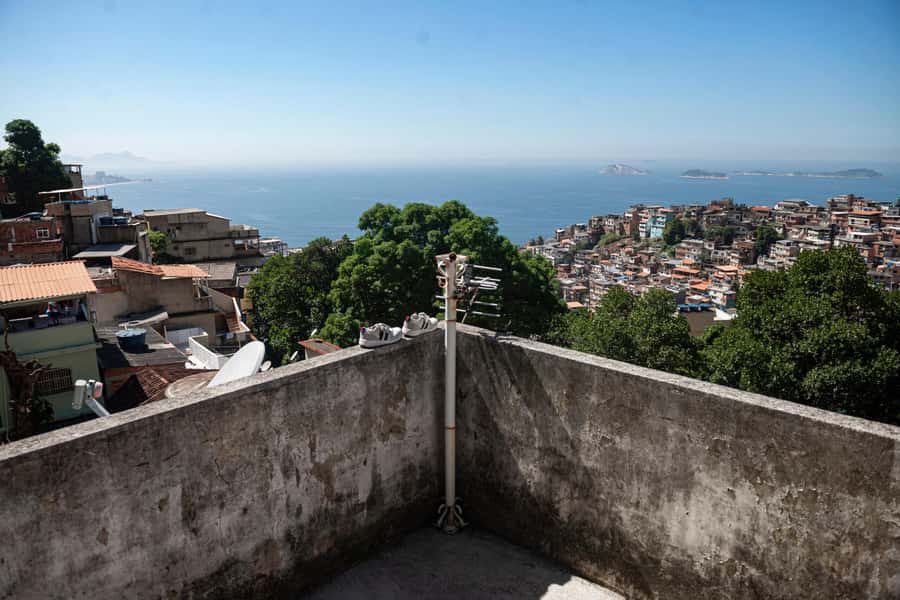
The $47 price includes the two elements that are most useful in this setting: a guide and round-trip transport. If you are staying in Copacabana, Ipanema, Leblon, Flamengo, or Centro, you avoid arranging a separate ride to the community and back. That makes the cost easier to justify.
The value depends on the guide’s performance. A strong guide who explains the social setting and manages respectful encounters can make the tour worth far more than a basic transfer. A guide who gives little explanation leaves you paying mainly for transportation and access.
The additional $10 fee from Barra da Tijuca or Recreio dos Bandeirantes changes the calculation slightly. You are paying for extra vehicle time, but you should compare the final price with a tour departing nearer to your hotel.
The four-hour length is also a good middle ground. It gives you enough time to walk and talk without taking an entire day from Rio’s other sights. Allow extra time in high season, when traffic and larger crowds can stretch the schedule.
Cancellation is flexible: you can cancel up to 24 hours ahead for a full refund. You can also reserve now and pay later, which helps if your Rio schedule is still shifting.
Who Should Book This Favela Tour?
I would recommend it to you if you want social context, local daily life, and a guided walk away from Rio’s familiar tourist centers. It is especially useful early in your stay, since it can change how you understand the city’s hills and neighborhoods for the rest of your visit.
It suits visitors who are comfortable walking, listening, and taking photographs with care. Families with older children may enjoy it if everyone understands the subject and the physical demands.
I would hesitate if you want a polished attraction, a fixed destination, or a guaranteed high-energy guide. The community visited can change between Rocinha and Vidigal, and the amount of explanation may depend on the person leading your group.
My advice is to book if the social purpose matters to you, then confirm the pickup details and ask about the walking distance. At $47, it is a good-value way to see a less familiar side of Rio, provided you approach it as a respectful community visit rather than a spectacle.
FAQ
Which favela does the tour visit?
The tour visits either Favela da Rocinha or Favela do Vidigal, depending on the day. The destination is not fixed in the provided details.
How long does the tour last?
The tour lasts almost four hours. High-season traffic and the large number of people in Rio can make it take longer.
Is hotel pickup included?
Pickup and return transfers are included from most hotels in Leblon, Ipanema, Copacabana, Flamengo, and Centro, as well as from the cruise port. The listed meeting point is Rio Othon Palace in Copacabana.
Is there an extra pickup fee?
Yes. Pickup from Barra da Tijuca or Recreio dos Bandeirantes costs an additional $10, or 40 BRL, per person.
What languages are available?
Live guiding is available in Portuguese, English, French, Spanish, German, and Italian.
What should I bring?
Bring comfortable shoes, a hat, sunscreen, and comfortable clothing. Meals and beverages are not included.
Just added in Rio De Janeiro
- Garganta do Ceu Cave Hiking Private Tour on Pedra da Gavea★ 4.5 · 3 reviews
- Gastronomic Tour at the Municipal Market in Rio de Janeiro★ 5.0 · 4 reviews
- Full Day Tour in Rio de Janeiro★ 5.0 · 8 reviews
- GIG Airport Transfer x Rio de Janeiro Hotels★ 4.5 · 11 reviews
- Rio de Janeiro private Full day Custom Tours★ 5.0 · 35 reviews
- Christ the Redeemer – Complete Morning Tour with Ticket and Transport at the Hotel★ 3.5 · 4 reviews
- AquaRio, Museum, Boulevard Olimpico, Ferris Wheel, Transport and Tourism Guide.★ 4.0 · 6 reviews
- Personalized and Private Full-Day Tour in Rio de Janeiro★ 5.0 · 6 reviews
Favela Tours, compared.



3 Hour Rocinha Favela Walking Tour with a Local Guide
Read our review →

Favela Tour Rio de Janeiro – Vidigal Walking Tour by Russo Guide
Read our review →
Browse the lists this tour appears in