
Reviewed · HISTORICAL TOURS
Rio: Historical Walking Tour
Rio’s past is written in stone. This four-hour tour pairs a subway ride with a guided walk through downtown, where French-influenced theaters, imperial buildings, churches, fountains, and cultural centers fill in the story of Brazil’s former capital. I like the small-group format and the chance to move through the city as locals do, rather than viewing downtown from a tour bus.
I also like the range of stops, from the 1894 Confeitaria Colombo to Praça XV, Teles Arch, and Candelaria Church. Guides such as Mathilda, Monique, Lucien, and Ernani have earned praise for thoughtful explanations and flexibility. The main drawback is simple: this is a walking tour with subway travel, so it is not a good fit for anyone with mobility difficulties or anyone using a wheelchair.
In This Review
- Key points before you book
- Why this walking tour helps you understand central Rio
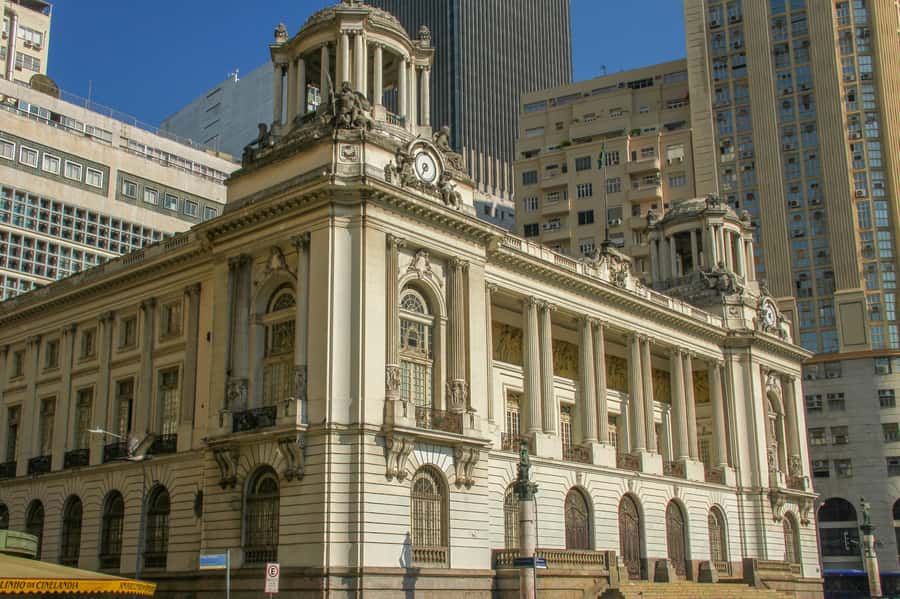
- Cinelândia and the French influence on Rio
- Confeitaria Colombo: a 1894 stop with real atmosphere
- Praça XV and the marks of imperial Rio
- Teles Arch and Travessa do Comercio
- Churches, cultural centers, and the final stretch
- How the subway changes the feel of the tour
- The guides make the largest difference
- Is $79 a fair price?
- Who should book this Rio tour?
- Should you book the Rio Historical Walking Tour?
- FAQ
- How long does the Rio Historical Walking Tour last?
- Where does the tour start?
- Where does the tour finish?
- Is subway transportation included?
- Which languages are available?
- Is the tour conducted in a small group?
- Are entrance fees included?
- Are meals and drinks included?
- Is the tour suitable for wheelchair users?
- Can I cancel for a full refund?
Key points before you book
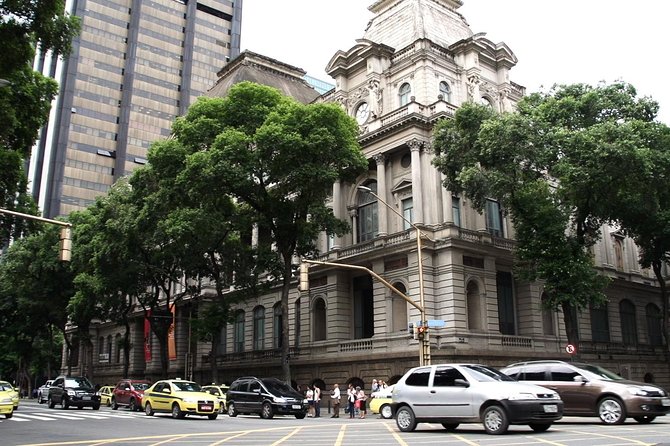
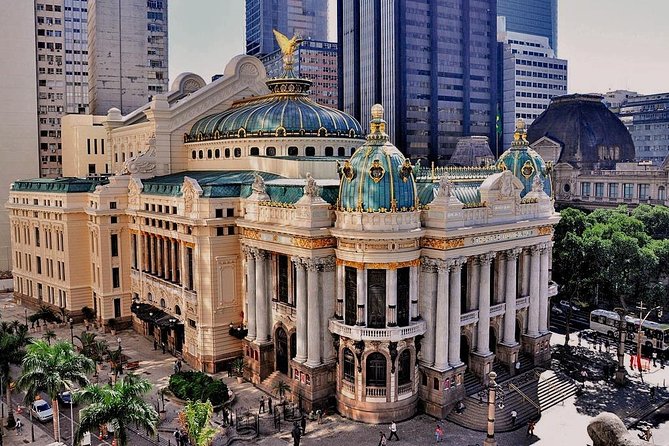
- Cinelândia sets the scene: Begin among grand buildings shaped by French architectural ideas.
- The subway is part of the experience: You travel to downtown by public transport, then return by subway.
- Confeitaria Colombo dates to 1894: Its historic interior and long connection to Rio’s public life make it a worthwhile pause.
- Praça XV brings imperial Rio into focus: The square links the former Imperial Palace with statues, a fountain, and old commercial streets.
- Cultural centers add indoor interest: France-Brazil House and Bank of Brasil Cultural Center are included when open.
- Guides are the tour’s strongest asset: The best feedback highlights clear history, politics, economics, and flexible pacing.
Why this walking tour helps you understand central Rio
Rio’s famous beaches can make downtown easy to overlook. That would be a mistake. The center holds the city’s political, religious, commercial, and architectural story in a compact area, and walking lets you notice the smaller details that disappear from a vehicle.
This experience begins at the Copacabana Palace, A Belmond Hotel, unless your booked option gives you another meeting point. From there, you travel by subway to Cinelândia. The subway ride matters because it turns the tour into more than a sightseeing circuit. You get a practical taste of Rio’s transport system before stepping into the older city.
The tour lasts four hours and uses a professional guide in English, Spanish, or Portuguese. A small group should make it easier to hear explanations and ask questions. That mattered to people who praised the detailed cultural and historical commentary, as well as the ability of guides to adjust the experience to the group.
I would choose this tour early in a Rio visit. The walk gives you names, dates, buildings, and public spaces that can make later independent exploring easier. You also get a useful introduction to central Rio without having to plan the route yourself.
More History Tours in Rio de Janeiro
- Rio de Janeiro Historical Center Walking Tour
★ 4.5 · 336 reviews - Private Walking and Cultural Tour Rocinha-Rio de Janeiro
★ 5.0 · 239 reviews - Discover Rio Little Africa: A Cultural and Historical Journey
★ 5.0 · 238 reviews
Cinelândia and the French influence on Rio
Arriving at Cinelândia Station gives the tour a strong opening. This part of central Rio contains reminders of the French influence that shaped the city’s public architecture. The setting feels formal and civic, a contrast to the relaxed beach districts most visitors associate with Rio.
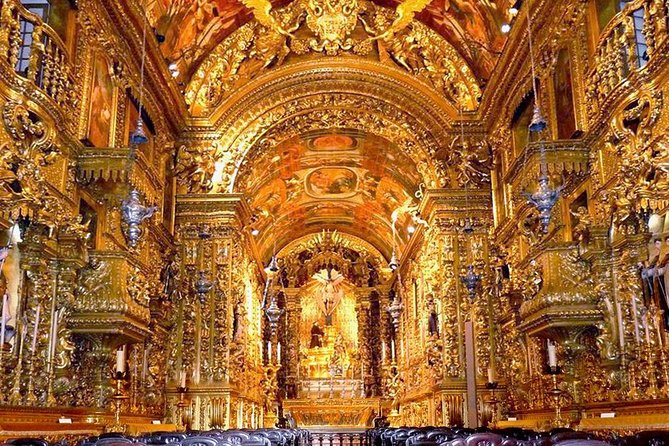
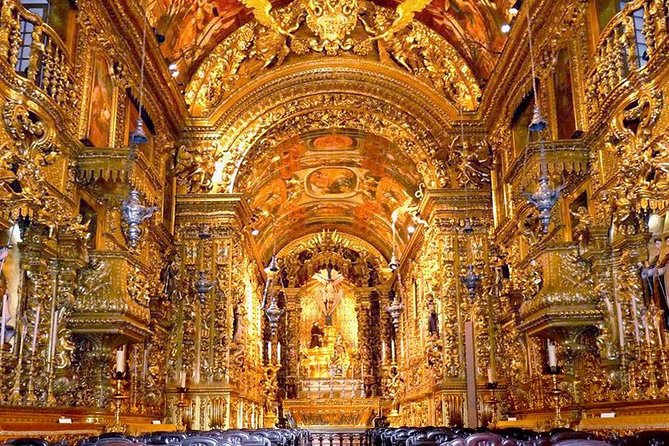
From Cinelândia, the route moves toward Carioca Square. Along the way, you pass the Naval Club, the Monastery Church of Santo Antônio, and the Ordem Terceira de São Francisco da Penitência. These stops show how much variety can fit into a short walk: military tradition, monastic life, and the ornate religious architecture of a third order church.
The value here is the guide’s explanation. On your own, you might see impressive façades and take photographs without understanding their place in the city. A strong guide can connect the buildings to Rio’s changing role as a colonial city, imperial capital, and national capital.
The walk also requires attention to the ground beneath you. Central Rio includes cobblestoned streets and a steady amount of walking, so comfortable shoes are essential. The tour is not recommended for people with walking difficulties, and wheelchair users should choose another way to see the center.
Confeitaria Colombo: a 1894 stop with real atmosphere
One of the route’s most appealing stops is Confeitaria Colombo, founded in 1894. Its age alone makes it notable, but the value is greater than simply saying you visited an old café. Confeitaria Colombo reflects Rio’s social and cultural life during a period when the city was changing quickly and looking toward European models.
You may have time to appreciate the building and its decorative character, though the supplied details do not promise a meal or a scheduled break. Food and drinks are not included in the tour price, so bring that in mind if you hope to order something. I would treat any purchase here as optional, not as part of the tour’s core cost.
This stop works well because it breaks up the churches and civic buildings with a place connected to everyday social life. It gives the history a human scale. Instead of only seeing palaces and institutions, you also see where people gathered, met, and took part in the city’s public culture.
Praça XV and the marks of imperial Rio
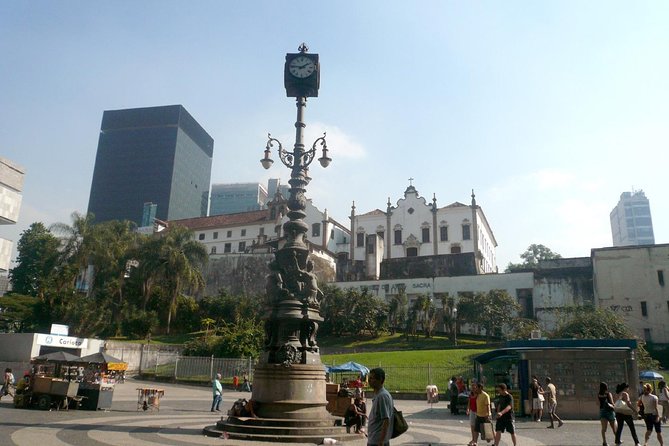
The route continues to Praça XV, one of the most useful places for understanding Rio’s political past. The square includes the Imperial Palace, now associated with the city’s former imperial period, and helps explain why this area once held such importance.
You also see the statue of General Osório and Mestre Valentim’s Fountain. These are not just objects to pass quickly. They give the guide a chance to explain military figures, public art, and the way Rio marked important people and events in its public spaces.
The former Imperial Palace adds a different tone from the religious buildings earlier in the walk. Here, power and administration take center stage. I like this part of the route because it gives the tour a clear thread: faith, government, commerce, and public memory all appear within a few blocks.
The amount of information can be substantial. One person praised a guide for covering history, politics, and the country’s economy, while another described the commentary as detailed and cultural. That is good news if you like context, but it may feel like a lot if you prefer a light walk with only a few facts.
More Walking Tours in Rio de Janeiro
- Rio de Janeiro: Rocinha Favela Walking Tour with Local Guide
★ 4.8 · 3,052 reviews - Rio De Janeiro: Half-Day Rocinha Favela Walking Tour
★ 4.7 · 2,272 reviews - 3 Hour Rocinha Favela Walking Tour with a Local Guide
★ 5.0 · 833 reviews - Favela Tour Rio de Janeiro – Vidigal Walking Tour by Russo Guide
★ 5.0 · 377 reviews
Teles Arch and Travessa do Comercio
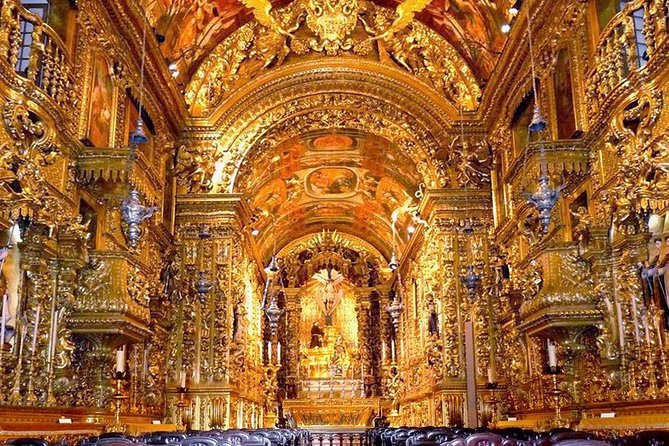
From Praça XV, the route reaches Teles Arch and the cobblestoned Travessa do Comercio. These narrower spaces offer a change from the broad formal square and monumental buildings. The old street pattern helps you picture downtown Rio as a working urban district rather than a collection of isolated landmarks.
The former residence of Carmen Miranda is also part of this section. Her connection to Brazilian popular culture adds a personal and artistic note to a route otherwise filled with churches, government buildings, and cultural institutions.
This is the kind of stop where a guide adds real value. The address alone may not mean much, but its connection to Carmen Miranda gives the street a memorable story. You are not just ticking off another building. You are seeing how famous people, commerce, and ordinary city life shared the same compact center.
The cobblestones may be attractive, but they reinforce the mobility warning. If uneven surfaces, long walks, or standing for extended periods are difficult for you, this route will be tiring.
Churches, cultural centers, and the final stretch
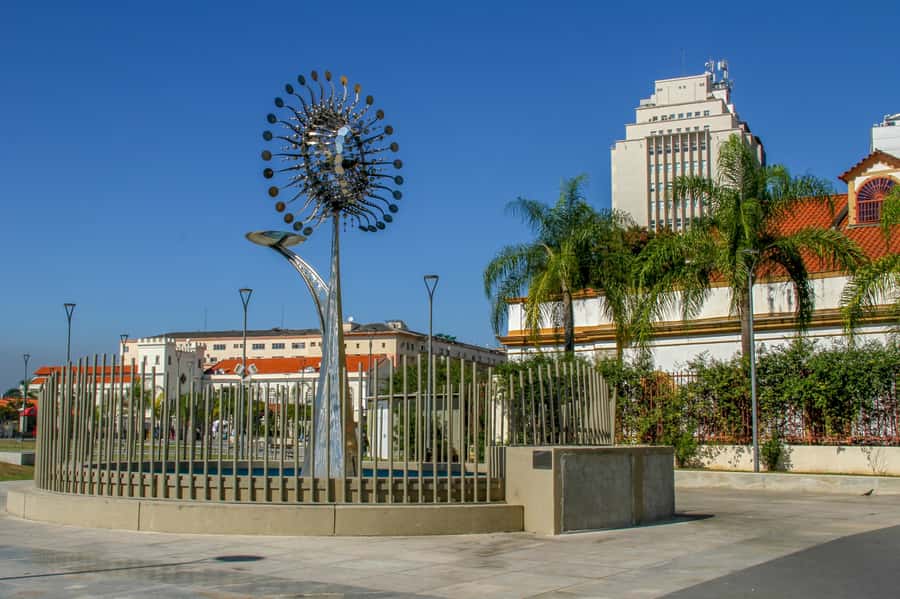
The later part of the walk includes the Church of Our Lady of the Merchants, the Post Office Cultural Center, France-Brazil House, Bank of Brasil Cultural Center, and Candelaria Church. This is a generous collection of sites for a four-hour tour.
The Church of Our Lady of the Merchants connects religious life with the city’s commercial world. Its inclusion helps show that downtown churches were not separate from business and public life. They were part of the daily rhythm of the city.
The Post Office Cultural Center, France-Brazil House, and Bank of Brasil Cultural Center add an art and civic dimension. The tour includes France-Brazil House and Bank of Brasil Cultural Center when open, so do not assume every interior will be available on every departure. The same applies to Candelaria Church, which is included when open.
That qualification is worth taking seriously. This is primarily a guided walk through central Rio, not a guaranteed series of long interior visits. Opening hours or access can shape the day. Even when a building is closed, the exterior architecture and the guide’s explanation still form part of the experience, but you should not book it expecting a museum-heavy schedule.
Candelaria Church provides a strong closing landmark. Its presence near Largo da Candelaria brings the route back to the city’s religious and civic identity. The area gives the tour a final chance to connect architecture with the wider story of Rio’s center.
How the subway changes the feel of the tour
The subway is not merely a way to get from Copacabana to downtown. It makes the experience more grounded. You begin in one of Rio’s best-known beach districts, travel underground, and emerge in a district shaped by a very different period of the city’s development.
Transport by subway is included, as is the return journey to the Copacabana Palace. That is useful value, especially if you would rather not work out the route yourself. It also keeps the tour focused on walking once you reach the historic center.
The exact meeting point may vary according to the option you book, so check that detail before setting out. The listed starting point is Av. Atlântica, 1702, at Copacabana Palace, A Belmond Hotel, and the stated finish is the same hotel.
The guides make the largest difference
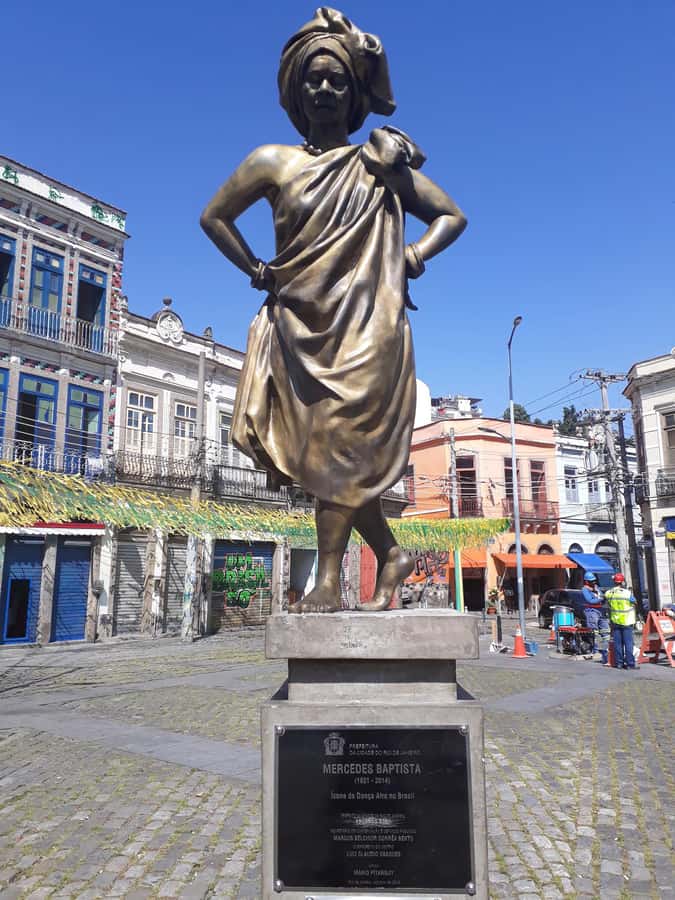
The strongest praise goes to the guides. Lucien was called excellent, Monique was described as a pleasure to spend time with, and Ernani was praised as a prepared guide. Mathilda received especially warm feedback for adapting the route to the couple’s interests and taking them to special places they would not have found alone.
That flexibility is important in a small group. It can mean more time for questions, a better explanation of a building that catches your eye, or a slightly different emphasis based on your interests. The available languages are English, Spanish, and Portuguese.
You should still understand the nature of the experience. A guide can shape the pace and commentary, but the tour remains a four-hour walk with a set group schedule. If you want to spend a long time inside one cultural center or café, an independent visit may suit you better.
The rating is 4.7 from 32 ratings, with repeated praise for historical and cultural explanations. I would book this primarily for the guide-led interpretation, not simply for the number of sites. The buildings are worthwhile, but the stories linking them together are what make the route useful.
Is $79 a fair price?
At $79 per person, this is not the cheapest way to walk around downtown Rio. You are paying for a professional guide, a small group, entrance fees, and subway transport, rather than for transportation alone.
The value depends on how confidently you could cover this route by yourself. You would need to identify the buildings, understand their importance, manage the subway journey, and decide which cultural centers are open. If you want historical context and a prepared route, the price is reasonable for a half-day experience.
Food and drinks are not included. That keeps the base price clear, but you should budget separately if you want something at Confeitaria Colombo or need refreshments along the way. Since the duration is four hours, plan around it rather than assuming the tour includes a full meal break.
Free cancellation up to 24 hours before the start and reserve-now, pay-later booking give you some useful flexibility. These terms are helpful if your Rio schedule is still changing, though you should confirm the exact conditions during booking.
Who should book this Rio tour?
I would recommend it to first-time visitors who want a structured introduction to central Rio. It also suits people who enjoy architecture, public squares, religious art, Brazilian political history, and cultural institutions.
The tour is a good match if you want to:
- Use public transport with a guide
- Ask questions in English, Spanish, or Portuguese
- See several important downtown sites in one morning or afternoon
- Learn about history, politics, culture, and economics
- Avoid planning a complicated walking route yourself
- Travel with a small group rather than a large coach party
I would hesitate if you dislike long walks, uneven cobblestones, or substantial commentary. It is also not suitable for wheelchair users or people with mobility impairments. And if your main goal is sitting down for a leisurely meal, this is not the right format.
Should you book the Rio Historical Walking Tour?
Book it if you want downtown Rio explained rather than simply photographed. The route covers an impressive range of places, and the subway connection makes the transition from Copacabana to the old center part of the experience.
The best reason to choose it is the guide. Mathilda’s flexibility, Lucien’s excellent rating, and the praise for detailed cultural commentary suggest that a good departure can turn a basic sightseeing walk into a useful lesson in Brazilian life and history.
Skip it if walking is a problem or if you want guaranteed interior access at every cultural site. For most visitors who can comfortably manage four hours on foot, the combination of architecture, imperial landmarks, churches, public art, and local transport makes the $79 price defensible.
FAQ
How long does the Rio Historical Walking Tour last?
The tour lasts four hours.
Where does the tour start?
The listed starting location is Av. Atlântica, 1702, at Copacabana Palace, A Belmond Hotel. The meeting point may vary depending on the option booked.
Where does the tour finish?
The stated finish is Copacabana Palace, A Belmond Hotel.
Is subway transportation included?
Yes. The tour includes subway transportation to downtown Rio and the return journey by subway.
Which languages are available?
The live guide is available in English, Spanish, and Portuguese.
Is the tour conducted in a small group?
Yes. A small-group tour is included.
Are entrance fees included?
Yes. Entrance fees are included, though access to France-Brazil House, Bank of Brasil Cultural Center, and Candelaria Church depends on whether they are open.
Are meals and drinks included?
No. Meals and drinks are not included.
Is the tour suitable for wheelchair users?
No. The experience is not suitable for wheelchair users or people with mobility impairments.
Can I cancel for a full refund?
Yes. You can cancel up to 24 hours in advance for a full refund.
Just added in Rio De Janeiro
- Full Day Tour in Rio de Janeiro★ 5.0 · 8 reviews
- Garganta do Ceu Cave Hiking Private Tour on Pedra da Gavea★ 4.5 · 3 reviews
- Gastronomic Tour at the Municipal Market in Rio de Janeiro★ 5.0 · 4 reviews
- GIG Airport Transfer x Rio de Janeiro Hotels★ 4.5 · 11 reviews
- Rio de Janeiro private Full day Custom Tours★ 5.0 · 35 reviews
- Christ the Redeemer – Complete Morning Tour with Ticket and Transport at the Hotel★ 3.5 · 4 reviews
- AquaRio, Museum, Boulevard Olimpico, Ferris Wheel, Transport and Tourism Guide.★ 4.0 · 6 reviews
- Personalized and Private Full-Day Tour in Rio de Janeiro★ 5.0 · 6 reviews
Historical Tours, compared.


Private Walking and Cultural Tour Rocinha-Rio de Janeiro
Read our review →
Discover Rio Little Africa: A Cultural and Historical Journey
Read our review →


Scenic Train ride to historical cities of Morretes and Antonina
Read our review →
Browse the lists this tour appears in