
Reviewed · TIJUCA AND PEDRA HIKING TOURS
Rio: Tijuca Forest Small Group Hike to Caves and Waterfalls
Rio’s rainforest is closer than you think. This six-hour outing takes you into Tijuca National Park for a moderate 6.2 km hike through waterfalls, caves, old plantation sites and historic paths, all within reach of the city. I like the mix of nature and Brazilian history, and I like that the small groups make it easier to ask questions and keep a steady pace.
The guides are the real strength. Pietro, Vini, Riccardo, Tito, Luiza, Renata and others are praised for explaining plants, geology, Rio’s growth and Brazil’s past in clear, lively English. My one caution is the climb: 448 meters of gain over rough rainforest trails is not a stroll, and the van can feel cramped for taller passengers.
In This Review
- Five things to know before you go
- Why Tijuca Forest is worth your morning
- Hotel pickup and the ride into the park
- Cascatinha Taunay and the first forest history
- Mayrink Chapel and the old plantation routes
- Suspension bridge, eucalyptus trees and a slave cemetery
- The cave section and Morcego’s Grotto
- Baronesa Cascade and the waterfall shower
- Former residences, fountains and views
- How hard is the 6.2 km hike?
- Wildlife, weather and what you may actually see
- Guide quality and group size
- Is $69 good value?
- Who should book this Tijuca Forest hike?
- FAQ
- How long is the hike?
- How much elevation gain is involved?
- Is the hike difficult?
- Is hotel pickup included?
- Which areas have pickup service?
- What happens if my hotel is not covered?
- Is the tour offered in English?
- Are food and drinks included?
- Can I swim or shower at a waterfall?
- Is wildlife guaranteed?
- What should I wear?
- Is the tour suitable for wheelchair users?
- Should you book it?
Five things to know before you go
- The route covers 6.2 km and gains 448 meters, with uphill and downhill sections on uneven ground.
- Cascatinha Taunay is the park’s largest waterfall, while Baronesa Cascade offers the best chance for a cooling waterfall shower.
- Morcego’s Grotto is described as Brazil’s largest gneiss cave, adding a dramatic underground stop to the forest walk.
- The trail follows 19th-century routes, passing a chapel, coffee plantation remains and an old slave cemetery.
- Pickup is offered from designated hotels and hostels in Copacabana, Ipanema, Leblon, Leme, Flamengo, Santa Teresa, Gloria, Catete, Urca and Praia de Botafogo.
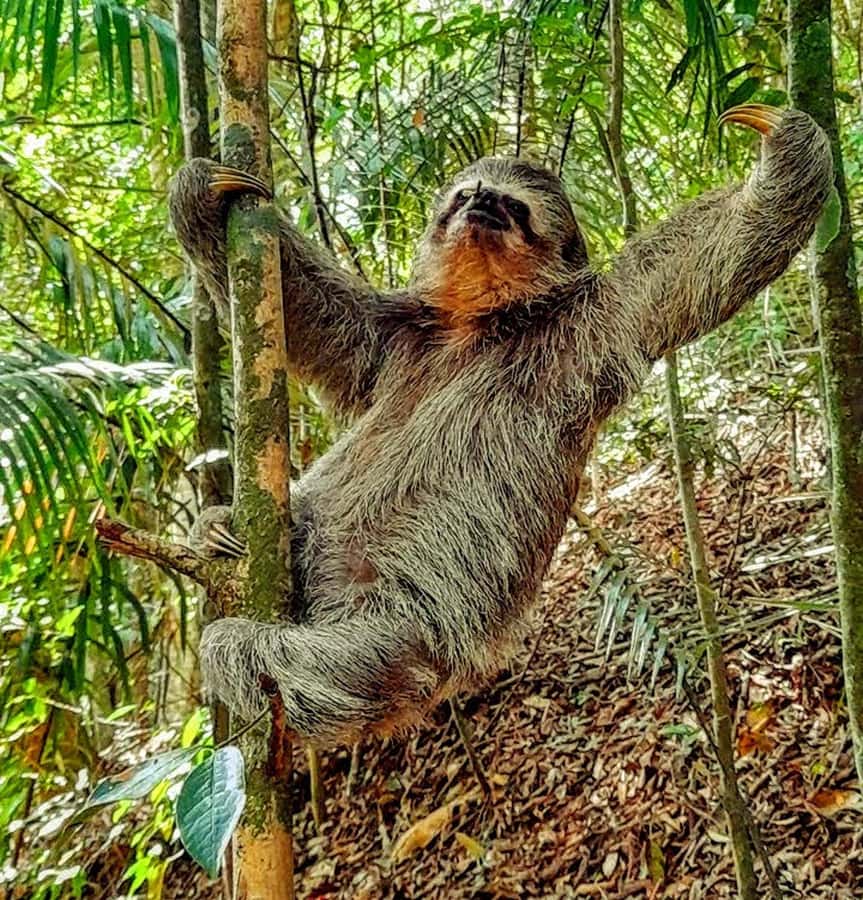
- Animal sightings are never promised. Some outings see capuchin monkeys, coatis or even a sloth, while others see no wildlife at all.
Why Tijuca Forest is worth your morning
Tijuca is not a remote wilderness reached after a long journey. It is a replanted rainforest inside Rio’s urban area, which gives this tour unusual value. You can spend the morning among thick vegetation, streams and steep forest slopes, then return to the city before the day is over.
The park’s story matters. In the 19th century, much of this area was used for coffee plantations. Later, it was replanted to help protect Rio’s water supply. The result is a forest with both natural attractions and visible traces of human use.
I especially like that the guide does not treat the trees as background decoration. The tour is also a lesson in how the forest connects with Brazil’s geography, politics, culture and city planning. Luiza, who has a botany background, received especially strong praise for explaining the ecosystem. Vini is also noted for covering Brazilian history, geology, geography and social life with unusual enthusiasm.
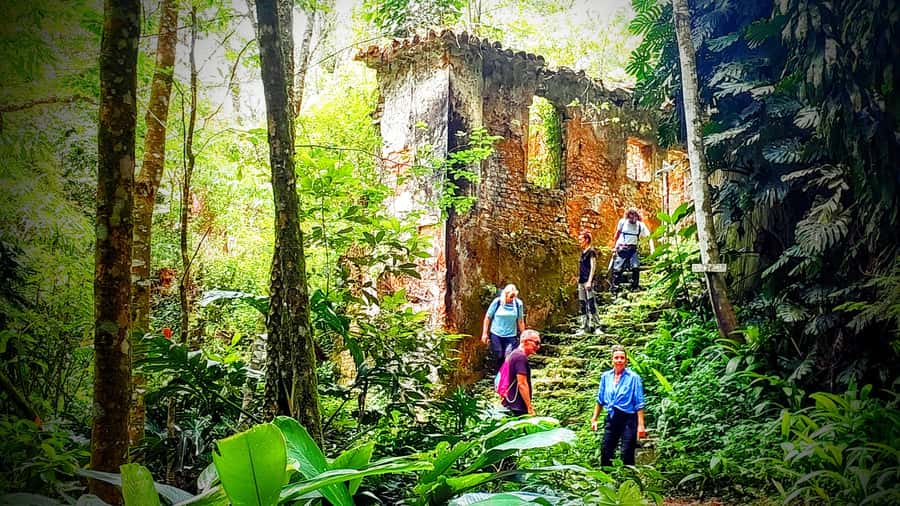
That personal guidance changes the experience. Without a guide, a ruined wall is just a ruined wall. With one, it becomes a clue to coffee production, land ownership and the way Rio’s forest was reshaped over time.
More Hiking Tours in Rio de Janeiro
- Rio de Janeiro Tijuca Rainforest Hike with Waterfalls and Caves
★ 5.0 · 1,082 reviews - Explore the Best of Tijuca Forest – Hike to Peaks, Caves & Falls
★ 5.0 · 713 reviews - Pedra da Gávea hike, your best experience in Rio
★ 5.0 · 476 reviews
Hotel pickup and the ride into the park
Pickup is included from selected hotels and hostels in Rio’s South Zone. The long list includes places in Copacabana, Ipanema, Leblon, Leme, Botafogo, Flamengo and Santa Teresa, but you should confirm your exact address before booking. If your accommodation is not covered, the operator provides a nearby meeting point when possible.
This is useful in Rio, where getting from the beach neighborhoods to a trailhead can involve several transport changes. The included transfer also means you do not need to arrange a taxi for the return after a sweaty hike.
Allow some flexibility around the pickup time. The service collects people from several locations, and one report noted a vehicle arriving almost on time rather than exactly on schedule. Communication appears to be good, including updates when weather affects the plan.
The vehicle is generally described as comfortable, although one passenger found the seating tight, particularly for taller men. The drive is fairly short, so this is a minor issue, but do not expect a spacious sightseeing coach.
Cascatinha Taunay and the first forest history
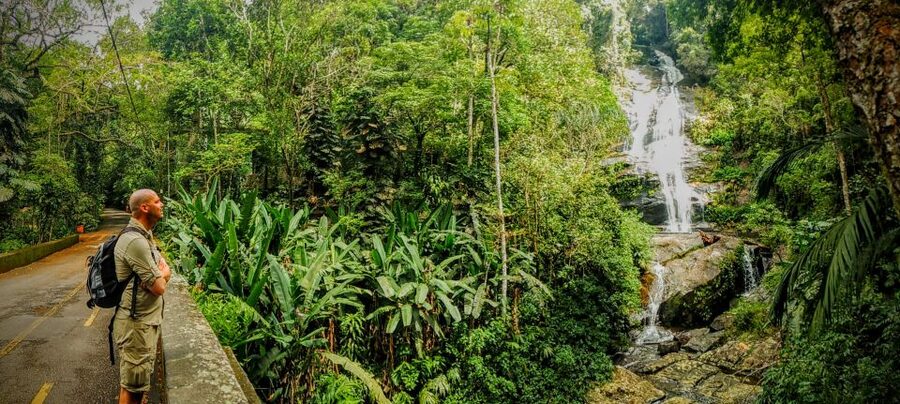
The first major stop is Cascatinha Taunay, the highest waterfall in the park and its largest waterfall by the tour description. The visit lasts about 15 minutes, giving you time for photographs and an introduction to Tijuca National Park.
This is a good opening stop because it shows the scale of the forest before you begin the longer walk. You are still close to the access roads here, so do not expect solitude every moment. Waterfalls in Tijuca can attract other people, especially on pleasant days.
The guide then spends about 20 minutes setting the scene for the park. This is where the wider story of replanting, coffee cultivation and Rio’s water needs begins to make sense. I would pay attention here, since the later ruins and historic buildings mean more once you understand why the forest exists in its present form.
Mayrink Chapel and the old plantation routes
The Mayrink Chapel dates from 1850 and makes a quick, worthwhile stop. It is mainly a photo and sightseeing visit, not a long interior tour, but the building gives the forest a distinctly human scale.
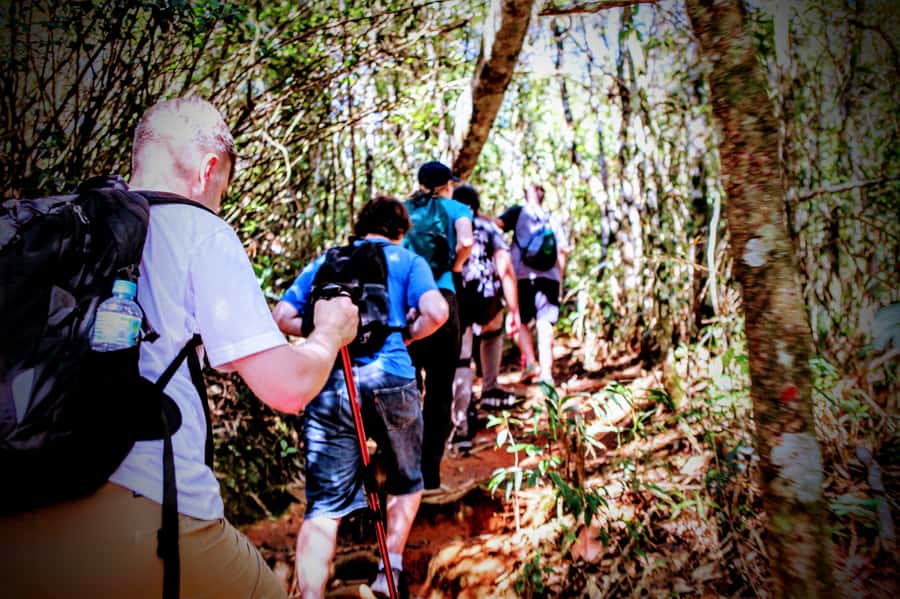
From here, the route follows trails created in the 19th century. Expect a mixture of shaded walking, rough ground and gradual changes in elevation. The forest usually provides plenty of cover from direct sun, though you still need sunscreen and water.
The old coffee plantation connection is one of the most interesting parts of the route. You are not simply walking through untouched rainforest. You are walking through an area shaped by farming, later abandoned and replanted. That blend of nature and memory gives the hike more substance than a basic waterfall walk.
A completely different kind of day:
- Rio de Janeiro: 6-Stop Highlights of Rio with Lunch
★ 4.4 · 5,157 reviews - Christ the Redeemer Entry Ticket by Corcovado Train
★ 4.4 · 4,476 reviews - Rio’s City Tour – Tickets for Christ, Sugar Loaf & Lunch included
★ 5.0 · 4,389 reviews - Full Day: Christ Redeemer, Sugarloaf, City Tour & Barbecue Lunch
★ 4.5 · 3,142 reviews
Suspension bridge, eucalyptus trees and a slave cemetery
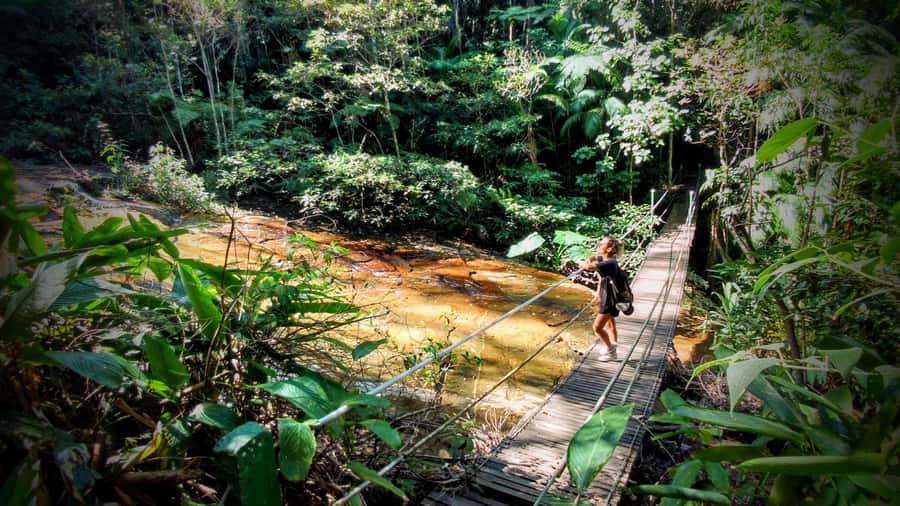
Cova da Onça Suspension Bridge is a brief hiking stop with time for photographs. A suspension bridge adds a little fun without turning the trip into an adventure course, though people who dislike heights may want to take it slowly.
The route also reaches the Eucalyptus Forest, where an old slave cemetery is located. This is a sober reminder that the park’s plantation past involved forced labor. The tour’s historical value is strongest when it deals with these less comfortable parts of Brazil’s past rather than only presenting pretty scenery.
The stops are fairly short, often five to 15 minutes. That helps the group see many sites during a half-day outing, but it also means you should not expect long periods to sit quietly at each one. The pace is designed to keep the circuit moving.
The cave section and Morcego’s Grotto
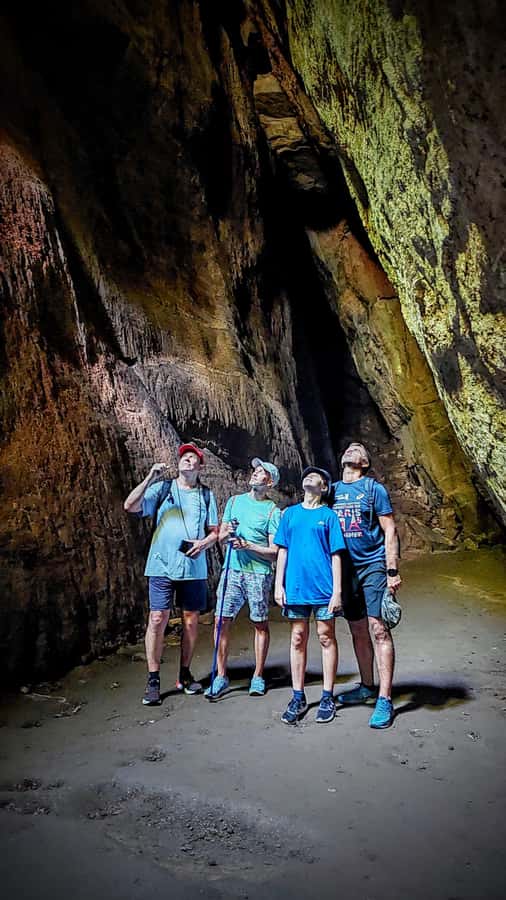
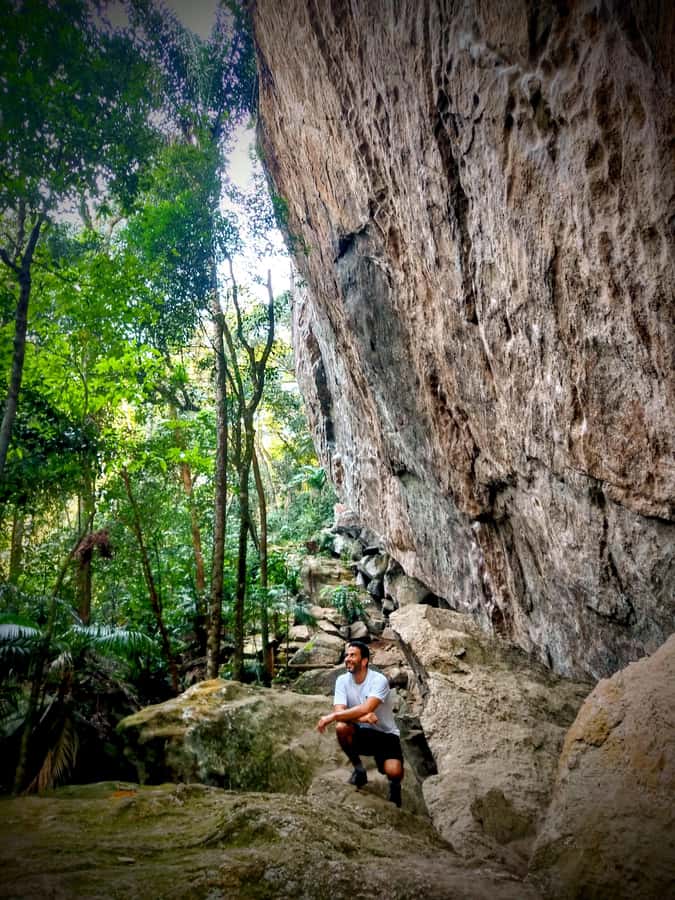
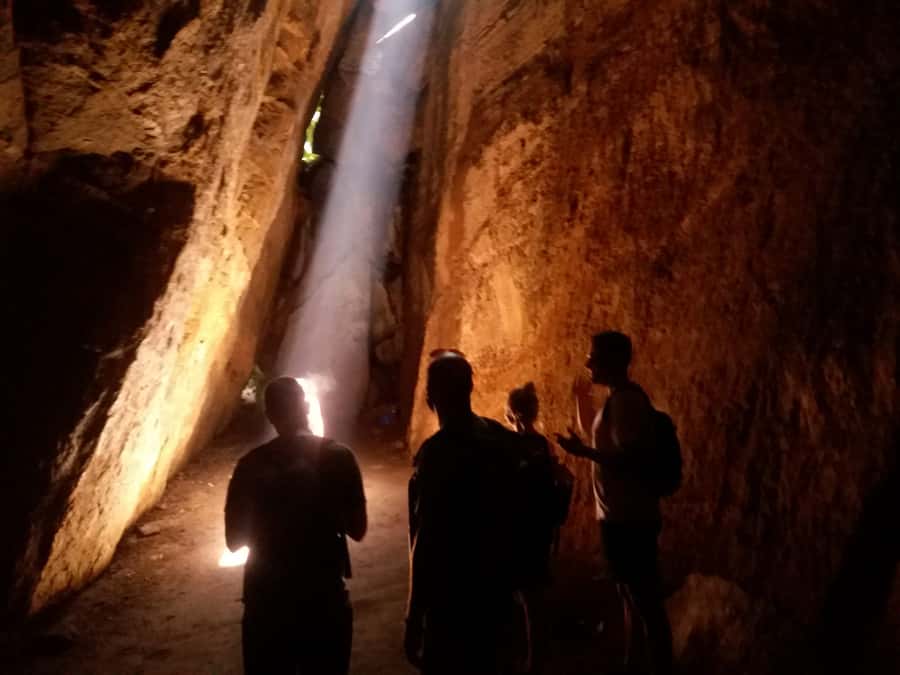
Morcego’s Grotto, also called the Bat Cave, is one of the route’s most unusual stops. It is described as the largest gneiss cave in Brazil, and the 15-minute visit combines walking, a guided explanation and time to look around.
Gneiss is a hard metamorphic rock, so the cave also adds a geology lesson to the tour. The experience is not just about entering a dark opening. The guide can help you understand how the rock fits into the wider structure of Rio’s mountains.
Do not count on seeing bats. One outing found bats hibernating, and the group wisely left them undisturbed. Other groups may find the cave empty of animals. That is part of visiting a living forest: wildlife does not follow a timetable for photographs.
You should also wear proper sports shoes. Bare feet are not allowed, and the trail can be uneven, damp or steep in places. Large bags and luggage are not suitable for this outing, so bring a small daypack only.
Baronesa Cascade and the waterfall shower
Baronesa Cascade is the payoff for the physical part of the walk. The stop lasts about 20 minutes and gives you a chance to cool off under the falling water.
Bring a swimsuit or quick-drying clothes if you want to use the waterfall, although this is not listed as required. A towel, if you have room in your daypack, would also be sensible. The tour specifically asks you to bring food, snacks, water, sunscreen and insect repellent, and there is no food or drink included.
The waterfall shower is one of the most appealing features of the outing because it turns the hike into something more active than a series of viewpoints. It also comes at the right time, near the end of the main circuit, when the climb and humid forest air may have caught up with you.
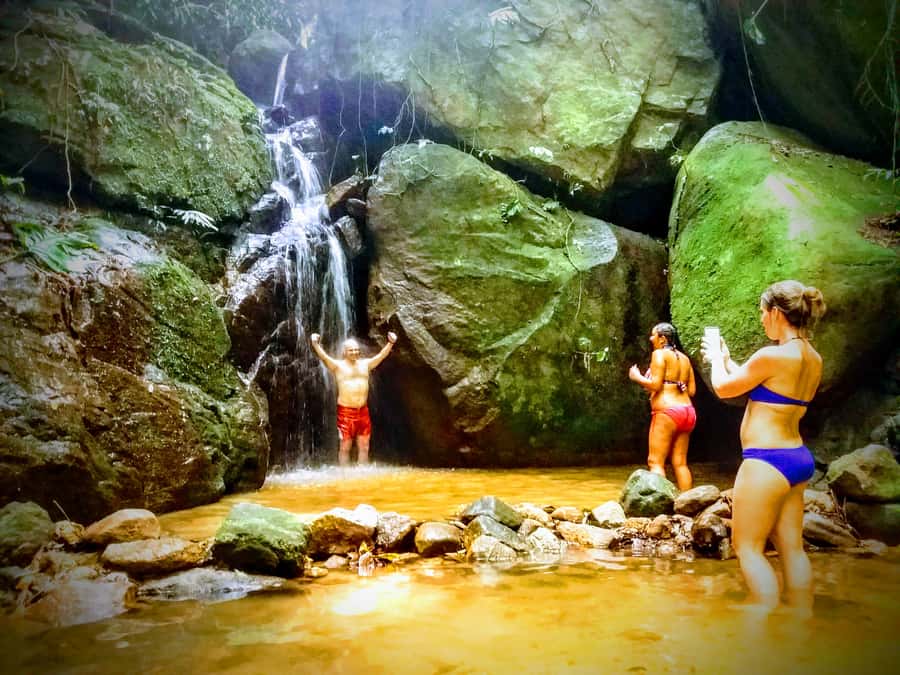
Conditions vary. Recent rain can make the trail feel harder and may change how comfortable the waterfall stop is. One guide carried ponchos during a rainy outing, but you should still check the forecast and pack for wet conditions rather than relying on borrowed gear.
Former residences, fountains and views
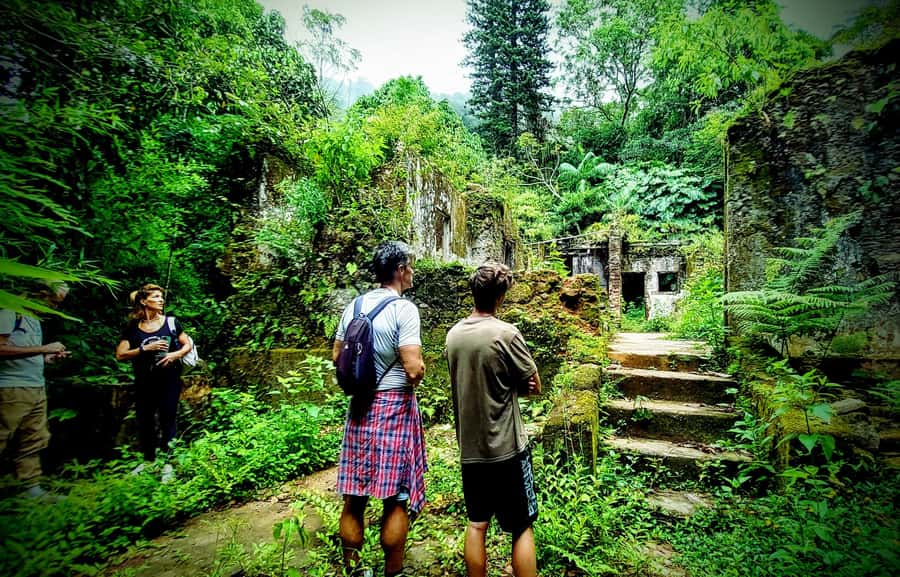
On the return route, you pass the former residence of Barão d’Escragnolle, once one of the park’s managers. The building is now associated with Esquilos restaurant, giving the site a link to the park’s more formal past.
The Wallace Fountain is another small but unusual feature. It has a sculpture representing goodness, charity, sobriety and simplicity. English philanthropist Richard Wallace gave the fountain to Brazil, and it was produced in France in 1870. This is the sort of detail you would likely miss without a guide.
Later viewpoints, including Mirante da Palmira and another scenic lookout, break up the return walk. The itinerary allows around five to 15 minutes at these stops. You may get attractive forest and city views, but the exact visibility depends on weather and cloud cover.
One report specifically mentions Vista Chinesa in connection with the hike and a steep section. The exact stop sequence can vary, but you should be prepared for a sharper uphill push than the word moderate might suggest.
How hard is the 6.2 km hike?
The operator classifies the hike as moderate, lasting around two and a half to three hours, with 448 meters of elevation gain. That description is fair, but personal fitness makes a big difference.
Some people find it closer to easy, especially if they regularly hike. Others find the steep uphill section demanding and need encouragement to keep going. Even hikers who manage the climb comfortably may feel tired by the end, particularly in warm, humid weather.
You need good fitness for rough terrain, uphill and downhill walking. The tour is not suitable for wheelchair users or people with heart problems. If you have bad knees, poor balance or little experience on uneven paths, this is a moment to choose honestly rather than optimistically.
The small-group format helps. Guides can keep an eye on the group, stop for explanations and adjust the pace within reason. Riccardo is praised for making people feel included, while Tito is noted for careful attention to the group and a good sense of humor. That kind of human touch matters when one person is climbing more slowly than the others.
Wildlife, weather and what you may actually see
Tijuca is a rainforest, but animals are not guaranteed. Several outings saw no wildlife, and that should not surprise you. The forest’s plants, rocks, streams and historic remains are the reliable features.
Luck can be excellent. One group saw a sloth from the vehicle while leaving the park. Another saw a Brazilian coati and capuchin monkeys. These sightings were memorable precisely because they were not scheduled attractions.
The forest is often cooler and shadier than Rio’s streets, which makes it a welcome break from the city. Still, you need water, snacks, sunscreen and insect repellent. Bring sportswear and shoes with good grip, and keep your belongings in a compact daypack.
Weather can change the feel of the outing. Rain may make the walk more authentic and atmospheric, but it can also make the rough sections harder. Ponchos were available on at least one rainy trip, but pack as if you may get wet.
Guide quality and group size
The strongest part of this experience is the guiding. Pietro is praised for his English and passion for the forest. Vini receives repeated praise for combining nature with Brazil’s political, social and cultural background. Riccardo is described as both entertaining and well prepared, while Renata is praised for her care, organization and photography.
The guides speak English and Portuguese. Their role goes well beyond leading the way. They explain plants, animals, geology, the history of the park and the relationship between Rio and its rainforest.
Private and small-group formats are available. Group size can be very small, sometimes only two people, while another outing had five. A smaller group usually means more room for questions and a better chance of walking at a comfortable pace.
If you want a silent solo hike, the steady commentary may feel like too much. If you want context and do not want to worry about getting lost on a confusing trail, the guide is worth paying for.
Is $69 good value?
At $69 per person, the tour includes bilingual guiding, insurance and hotel transport from designated South Zone locations. That is fair value for a six-hour outing that combines transport, a structured route and several attractions.
You are paying for more than access to trees and waterfalls. The price covers the convenience of getting to the park, the interpretation of the historical sites and the safety of having a guide on rough trails. A self-guided visit may cost less, but it would not provide the same explanation of the plantation ruins, cemetery, chapel and geology.
Food, drinks and water are not included. Pack your own supplies, since the six-hour schedule includes several hours of walking. Also factor in the time needed to get from an outlying neighborhood if pickup is unavailable there.
Free cancellation is available up to 24 hours before departure, and you can reserve while paying later. Those terms are useful if your Rio plans depend on weather or a changing schedule.
Who should book this Tijuca Forest hike?
I would choose this tour if you want a half-day nature outing with real historical content. It suits reasonably fit visitors who enjoy walking, do not mind uneven trails and want to see more than the city’s famous beaches and viewpoints.
It is also a good choice for first-time visitors who would rather not arrange transport into Tijuca alone. The guide gives you orientation, points out details you would miss and helps connect the forest to Rio’s past.
I would skip it if you want guaranteed animal sightings, a flat walk or long periods at each waterfall. I would also think twice if heat, steep climbs or rough ground cause problems. The route is manageable for many people, but moderate does not mean effortless.
FAQ
How long is the hike?
The hiking circuit is 6.2 km, or about 3.8 miles, and the walking portion takes roughly two and a half to three hours.
How much elevation gain is involved?
The route gains about 448 meters, or 1,469 feet, with uphill and downhill sections.
Is the hike difficult?
It is rated moderate and requires good fitness for rough rainforest terrain. Some people find it fairly easy, while others find the steep section challenging.
Is hotel pickup included?
Yes. Pickup and drop-off are provided from designated hotels and hostels in parts of Rio’s South Zone.
Which areas have pickup service?
The listed areas include Copacabana, Ipanema, Leblon, Leme, Flamengo, Santa Teresa, Gloria, Catete, Urca and Praia de Botafogo.
What happens if my hotel is not covered?
The supplier may provide a nearby meeting point. You should confirm whether pickup is possible from your exact address.
Is the tour offered in English?
Yes. The live guide service is available in English and Portuguese.
Are food and drinks included?
No. You need to bring your own food, snacks, water and other drinks.
Can I swim or shower at a waterfall?
The tour includes time to cool off at Baronesa Cascade, including a waterfall shower. Bring suitable clothing if you plan to get wet.
Is wildlife guaranteed?
No. You might see animals such as sloths, coatis or capuchin monkeys, but some outings see no animals.
What should I wear?
Wear sportswear and sports shoes. Bring sunscreen, insect repellent and a daypack. Bare feet are not allowed.
Is the tour suitable for wheelchair users?
No. The rough, uphill and downhill trail is not suitable for wheelchair users, and the activity is also not suitable for people with heart problems.
Should you book it?
Book it if you want Rio’s rainforest explained rather than simply photographed. The caves, waterfalls, chapel, bridge, cemetery and plantation remains give the hike a satisfying range, while the guides add the history and nature details that make the places meaningful.
At $69, the transport and small-group guidance make this a strong choice for an active morning or afternoon. Go prepared for a real climb, bring your own water and snacks, and keep your expectations realistic about wildlife. If you do, this is one of the better ways to meet the forested side of Rio without giving up half your day.
Just added in Rio De Janeiro
- Full Day Tour in Rio de Janeiro★ 5.0 · 8 reviews
- Garganta do Ceu Cave Hiking Private Tour on Pedra da Gavea★ 4.5 · 3 reviews
- Gastronomic Tour at the Municipal Market in Rio de Janeiro★ 5.0 · 4 reviews
- GIG Airport Transfer x Rio de Janeiro Hotels★ 4.5 · 11 reviews
- Rio de Janeiro private Full day Custom Tours★ 5.0 · 35 reviews
- Christ the Redeemer – Complete Morning Tour with Ticket and Transport at the Hotel★ 3.5 · 4 reviews
- AquaRio, Museum, Boulevard Olimpico, Ferris Wheel, Transport and Tourism Guide.★ 4.0 · 6 reviews
- Personalized and Private Full-Day Tour in Rio de Janeiro★ 5.0 · 6 reviews
Tijuca and Pedra Hiking Tours, compared.
Rio de Janeiro Tijuca Rainforest Hike with Waterfalls and Caves
Read our review →
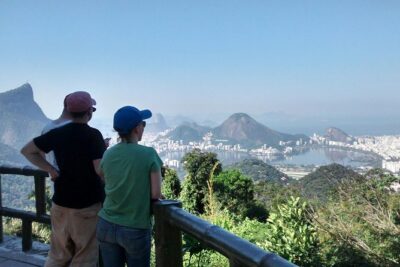
Explore the Best of Tijuca Forest – Hike to Peaks, Caves & Falls
Read our review →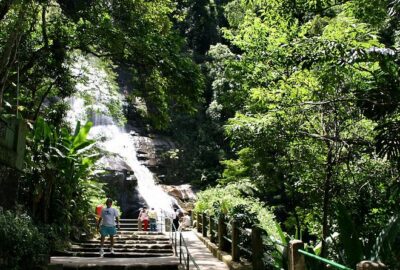
Jeep Adventure: Guided Tour through Tijuca Rain Forest
Read our review →
Pedra da Gávea hike, your best experience in Rio
Read our review →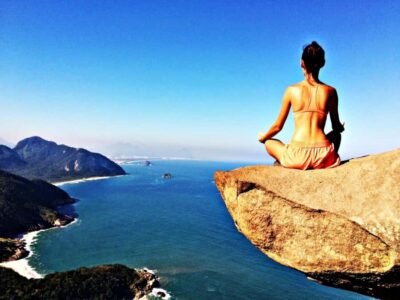
Pedra do Telégrafo Hike and Beach Full-Day Tour
Read our review →
Browse the lists this tour appears in