
Reviewed · RIO DE JANEIRO CITY TOURS
Santa Teresa – Bohemia and Art
Rio’s old hilltop quarter has plenty of character. This three-hour Santa Teresa tour mixes yellow trams, cobblestone lanes, colonial mansions, street murals, and the restored Parque das Ruinas. I especially like the stop for açaí and pão de queijo, plus the chance to see Rio from above with Christ the Redeemer in view. The guide-led walk also gives the neighborhood more meaning than a quick photo stop.
The main caution is the tram. If the line stretches beyond an hour, the group will not ride it and will use taxis to reach Santa Teresa instead. One recent experience also felt too tied to the main road, with a souvenir-style gallery and a café taking time away from the art and quieter corners people may expect for $60.
In This Review
- Key Points
- Why Santa Teresa Makes a Good Three-Hour Outing
- Starting at the Santa Teresa Tram Station
- Cobblestones, Colonial Houses, and Yellow Tram Views
- The Christ the Redeemer Viewpoint
- Parque das Ruinas and Laurinda Santos Lobo’s Mansion
- Açaí and Pão de Queijo Along the Way
- Art Stops: Worth Expecting, But Keep Your Expectations Realistic
- Is $60 a Fair Price?
- Who Should Book This Walking Tour?
- Should You Book Santa Teresa: Bohemia and Art?
- FAQ
- How long does the Santa Teresa tour last?
- Where does the tour meet?
- Is hotel pickup included?
- Will the tour always ride the yellow tram?
- What food is included?
- Which languages are available?
- What should I bring?
- Does the tour operate in the rain?
Key Points
- The yellow tram is part of the plan, not a guarantee: A long queue can replace the tram ride with taxis.
- Parque das Ruinas is the visual high point: The restored mansion offers broad views over Rio and a look at belle époque life.
- Food is simple but well chosen: You stop for two Brazilian staples, açaí and pão de queijo.
- Santa Teresa is explored on foot: Expect cobblestones, hills, colonial buildings, murals, and uneven walking.
- The guides earn strong praise: Rafael is noted for interesting anecdotes, while Fernanda is described as attentive and well informed.
- The tour is best for active walkers: High heels, large bags, and mobility impairments are not suitable here.
Why Santa Teresa Makes a Good Three-Hour Outing

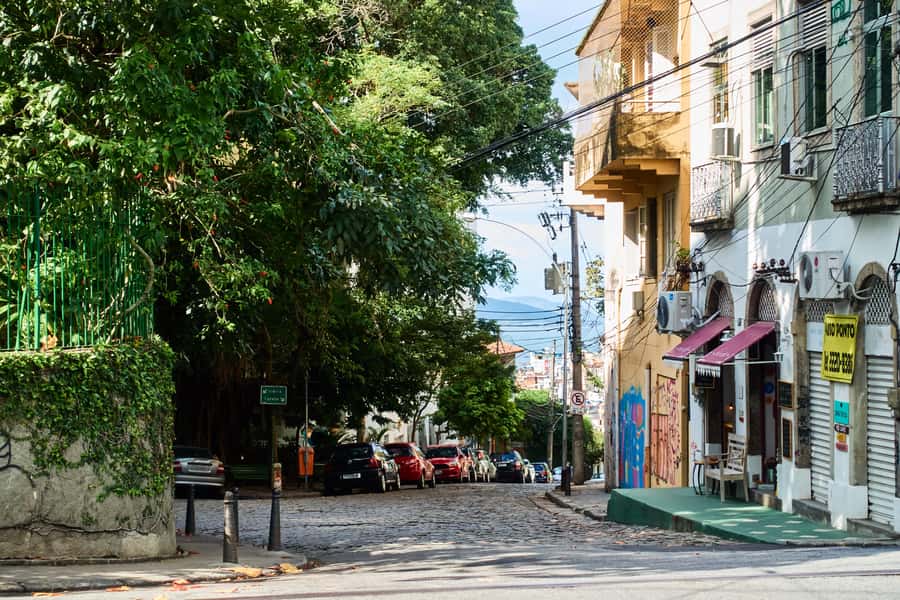
Santa Teresa feels different from the broad avenues and beach districts that usually define a first visit to Rio. It is an old hillside neighborhood with a slower rhythm, colorful public art, handsome houses, and the famous yellow trams that climb through its streets.
This tour works because it links several sides of Santa Teresa. You get the transport history of the tram, the architecture of old Rio, the creative side of local artists, and a viewpoint that puts the city’s scale into perspective. The guide fills in the story as you walk, which matters in a neighborhood where many of the best details are easy to miss.
I would not book this simply as a tram ride. The tram is subject to the queue, and the walking portion is the heart of the experience. Think of it as a guided introduction to Santa Teresa, with a tram ride included when conditions allow.
The tour lasts three hours and is offered in English, Portuguese, and Spanish. It meets in front of the Santa Teresa tram station. There is no hotel pickup or drop-off, so you need to arrange your own way to the meeting point.
More Rio city tours:
- Rio’s City Tour – Tickets for Christ, Sugar Loaf & Lunch included
★ 5.0 · 4,389 reviews - Full Day: Christ Redeemer, Sugarloaf, City Tour & Barbecue Lunch
★ 4.5 · 3,142 reviews - Rio: Christ the Redeemer, Sugarloaf, Selaron & BBQ Lunch
★ 4.5 · 2,428 reviews
Starting at the Santa Teresa Tram Station
The tour begins at the front of the Santa Teresa tram station, a sensible meeting point for an outing built around the neighborhood’s most recognizable transport. From there, the stated journey to Santa Teresa takes about 15 minutes.
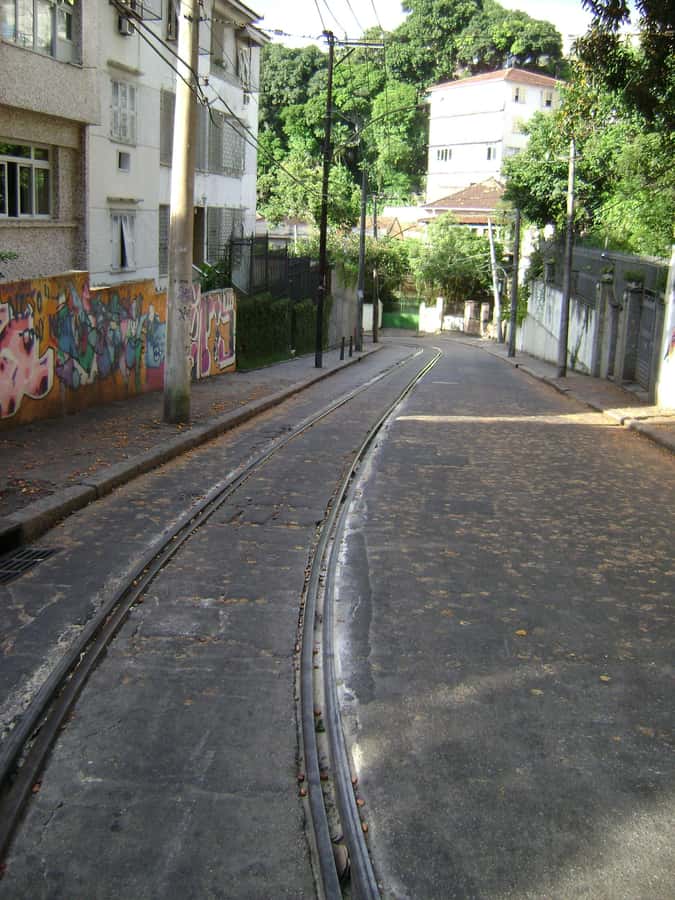
The tram is one of Rio’s most memorable forms of public transport. Its bright yellow cars pass through a historic neighborhood rather than simply carrying you from one modern district to another. That makes the ride part of the scenery and part of the story.
There is a practical catch. If the line is longer than one hour, the guide will not keep the group waiting. Taxis will be used to reach Santa Teresa so the tour can continue within its three-hour schedule.
That policy is reasonable for a short tour, but it changes the experience. If riding the tram is your main reason for booking, check the queue before you commit to the tour. A taxi transfer gets you to the walking route, but it cannot replace the character of the tram ride.
The switch also appears to have caused disappointment for at least one person who expected a more carefully planned alternative. The tour description is clear that the tram is not guaranteed, so I would treat it as a welcome extra rather than the central promise.
Cobblestones, Colonial Houses, and Yellow Tram Views

Once in Santa Teresa, the tour continues on foot through cobblestone streets. Your guide talks about the neighborhood as you pass colonial houses, old mansions, palaces, and urban art murals.
This is where comfortable shoes matter. Santa Teresa is not a flat, polished shopping district. The route includes cobblestones and hills, and the activity is specifically unsuitable for people with mobility impairments. High heels are not allowed, and large bags or luggage are also off the list.
The architecture gives the walk its strongest sense of place. You may see the contrast between carefully preserved facades and buildings with a more weathered look. The tour’s focus on mansions and palaces connects the neighborhood to the wealth and social life of the Brazilian Empire and the later belle époque.
The yellow trams add movement to the scene. Even when you are walking, their passage helps explain why Santa Teresa has kept such a distinct identity. You are not just looking at old buildings in isolation. You are seeing a neighborhood shaped by a historic route, hillside streets, and creative residents.
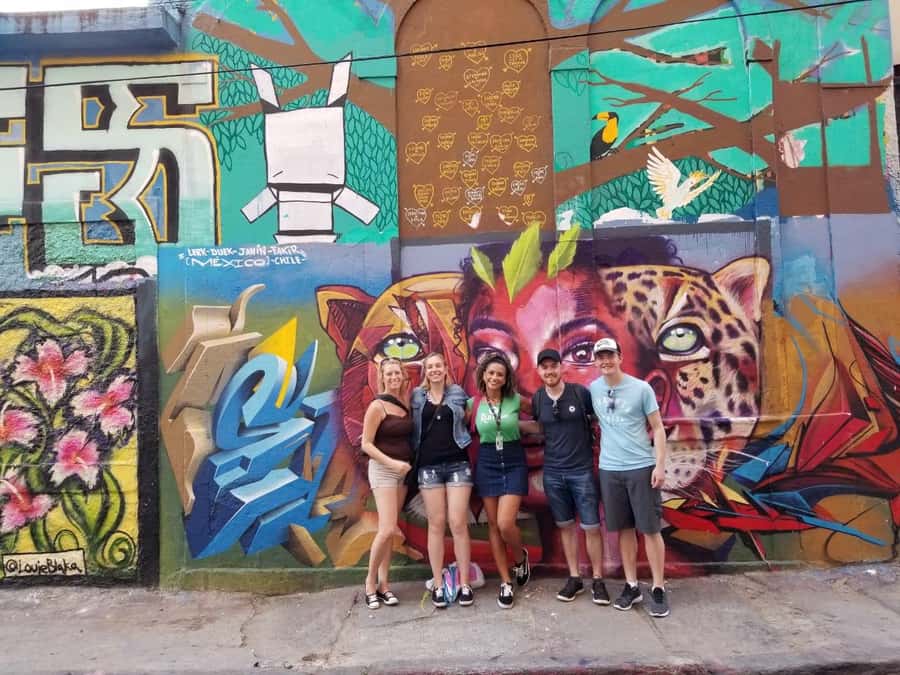
There is also urban art along the way. The tour promises a look at murals and local artistic work, though the exact artists and stops can vary. If you want a serious studio visit or a meeting with working artists, keep your expectations measured. This is an art-focused neighborhood walk, not a guaranteed artist-interview tour.
One point deserves attention: the quality of the guide will shape this part of the experience. Rafael has been praised for sharing many interesting anecdotes, and Fernanda for explaining details while remaining pleasant and attentive. Those comments suggest the tour is strongest when the guide brings the buildings and streets to life rather than simply naming them.
The Christ the Redeemer Viewpoint
The walk includes privileged views of Christ the Redeemer. That detail adds real value because the statue is often seen from crowded city streets or distant beach viewpoints. In Santa Teresa, the sight appears as part of a broader view over Rio.
The experience is not presented as a dedicated Christ the Redeemer visit, and you will not be going up to the statue itself. Instead, you get a different angle while exploring a neighborhood with its own personality.
I like this kind of viewpoint because it connects the city’s famous image to its older residential quarters. You see the landmark, but you also see the hills, rooftops, and urban spread around it. Bring a phone or camera, but do not expect a carefully timed sunset stop. The tour description promises the views, not a specific light or weather condition.
Rain does not cancel the tour. That makes the outing more flexible, but it also means you should dress for wet streets and changing conditions. An umbrella or rain protection is a sensible addition, even though only comfortable shoes are specifically required.
More things to do in Rio de Janeiro:
- Rio de Janeiro: 6-Stop Highlights of Rio with Lunch
★ 4.4 · 5,157 reviews - Christ the Redeemer Entry Ticket by Corcovado Train
★ 4.4 · 4,476 reviews - Rio de Janeiro: Rocinha Favela Walking Tour with Local Guide
★ 4.8 · 3,052 reviews - Rio’s Full Day: Selarón Steps, Christ & Sugarloaf – Tickets & Lunch Included
★ 5.0 · 2,724 reviews
Parque das Ruinas and Laurinda Santos Lobo’s Mansion

The most distinctive stop is Parque das Ruinas, where the tour enters the former home of Laurinda Santos Lobo. The mansion had been abandoned for more than 50 years before being rehabilitated as a public cultural space.
This is more than an old house with a view. The building once represented the polish and social life of Brazil’s belle époque. The tour uses the property to explain what life was like during the Brazilian Empire and to show how a grand residence can reflect an earlier period of Rio’s history.
The ruined and restored elements give the stop its appeal. You can see the remains of an important mansion while also using the rehabilitated space as a viewpoint over the city. It is a strong match for the tour’s theme because architecture, history, art, and scenery come together in one place.
Allow yourself time to look beyond the panorama. The view is likely to be the instant highlight, but the house’s story is what gives it weight. This is the part of the route where a good guide can make a real difference by explaining Laurinda Santos Lobo, the building’s former role, and the social world it represented.
One practical point: access to the house is included in the described route, but this is still a walking tour rather than a formal museum visit. If you want extensive interior displays or a long, structured museum lecture, this may feel brief. If you want an atmospheric historic stop with a city view, it fits well.
Açaí and Pão de Queijo Along the Way

The food stop is modest but useful. You receive açaí and pão de queijo, two familiar Brazilian favorites that make sense on a neighborhood walk.
Açaí is served as a cold, thick berry-based snack, while pão de queijo is a small cheese bread with a springy texture. Together, they offer a quick taste of everyday Brazilian food without turning the tour into a full meal.
The stop also gives your feet a rest. Three hours of hills and cobblestones can feel longer than three hours on a flat avenue, so a snack break is welcome. It is not a substitute for lunch or dinner, and the information does not promise a broad tasting menu.
One person found the café stop too ordinary, noting that the food was available all over Rio. That is a fair criticism if you expect a special culinary discovery. I see the snack differently: its value is convenience and context, not rarity. You get a local staple during the walk, but you are not paying $60 for an elaborate food experience.
If you have dietary concerns, ask the operator before booking. The tour specifies the two snacks but does not provide ingredient or allergy details.
Art Stops: Worth Expecting, But Keep Your Expectations Realistic
Santa Teresa is known for its artistic feel, and this tour includes murals and a look at what local artists create. That makes the neighborhood a good choice if you want more than monuments and formal museums.
Still, the art portion needs a careful reading. The tour does not promise a private studio visit, a workshop, or a chance to meet a particular artist. One disappointing experience included too much time in a gallery that felt more like a souvenir shop, with less attention to lesser-known corners of Santa Teresa.
That does not mean the art theme is pointless. It means you should book this for a broad introduction to the neighborhood’s visual character. You might see murals, gallery spaces, and creative details along the main route. The exact balance depends on the guide, the day, and what is open.
A closed museum was another avoidable frustration on one outing. If a planned cultural stop is not open, the tour can lose momentum. You can reduce the risk by asking at the meeting point which sites are confirmed for that day.
The best guides appear to be those who add stories and observations rather than relying on a fixed list of stops. Rafael’s anecdotes and Fernanda’s attention to detail are good signs for the human side of the tour. The quality may vary, so I would ask for a guide who can explain the art and architecture in depth if those are your main interests.
Is $60 a Fair Price?
At $60 per person, this is not the cheapest way to reach Santa Teresa. A taxi or rideshare can get you to the neighborhood for far less, and a self-guided walk costs only your time.
The price makes more sense if you value a live guide, the tram ticket when the line permits, the historical explanation, the Parque das Ruinas stop, and the included snack. You are paying for structure and interpretation, not just transport.
The value weakens if the tram is replaced by taxis, the route stays on the main road, or a gallery and café take too much of the three hours. A person who already knows Rio’s history and is comfortable navigating alone could probably see the central sights independently for much less.
For a first introduction, the tour can be worthwhile. You do not have to work out the route, identify the important mansions, or understand why Parque das Ruinas matters. You also get a chance to ask questions in your preferred language, with English, Portuguese, and Spanish available.
The overall rating is 4.6 from 23 ratings, with especially strong praise for the guides. That points to a good experience when the guide is engaged and the itinerary stays focused. It also suggests you should judge the tour by what you want from it, rather than assuming every departure will feel identical.
Who Should Book This Walking Tour?

I would recommend it to first-time visitors who want a guided introduction to one of Rio’s most distinctive neighborhoods. It suits people who enjoy architecture, old transport, street art, city views, and short historical stories more than those looking for a formal art lecture.
It is also a good choice if you want to combine several small experiences in one outing: a tram journey, açaí, cheese bread, mansions, murals, and a viewpoint. You can cover a lot without spending a full day away from other Rio sights.
I would be more cautious if you have limited mobility, dislike uneven streets, or need a completely predictable route. The tour continues in the rain, uses cobblestone streets, and may change its transport plan when the tram queue is too long.
Bring comfortable walking shoes and a small bag. Leave luggage and large bags behind. Since there is no hotel pickup, plan your route to the station carefully and arrive ready to begin.
The tour includes free cancellation up to 24 hours before the start, and you can reserve now and pay later. Those terms help if your Rio schedule is still changing, but they do not solve the central question: how much do you want a guide to add to Santa Teresa?
Should You Book Santa Teresa: Bohemia and Art?
Book it if you want context, a planned walking route, and a guide who can turn old houses and murals into a coherent story. The strongest version of the tour includes a tram ride, good explanations, the Laurinda Santos Lobo mansion, and those broad Rio views.
Skip it if the tram is your only goal, if you want a private artist visit, or if you are happy using a map and taxi on your own. Before paying $60, confirm the day’s tram situation and ask what art or museum stops are actually open.
My call: this is a worthwhile introduction to Santa Teresa for active walkers, especially when guided by someone like Rafael or Fernanda. Just treat the tram as a bonus, not a guarantee, and the snack as a pleasant pause rather than a major food tour.
FAQ
How long does the Santa Teresa tour last?
The tour lasts three hours.
Where does the tour meet?
You meet in front of the Santa Teresa tram station.
Is hotel pickup included?
No. Hotel pickup and drop-off are not included.
Will the tour always ride the yellow tram?
No. If the tram line is longer than one hour, the group will use taxis to reach Santa Teresa instead.
What food is included?
The tour includes a snack stop with açaí and pão de queijo.
Which languages are available?
The live guide is available in English, Portuguese, and Spanish.
What should I bring?
Bring comfortable shoes. High heels and luggage or large bags are not allowed.
Does the tour operate in the rain?
Yes. The tour takes place even when it is raining.
Just added in Rio De Janeiro
- Full Day Tour in Rio de Janeiro★ 5.0 · 8 reviews
- Garganta do Ceu Cave Hiking Private Tour on Pedra da Gavea★ 4.5 · 3 reviews
- Gastronomic Tour at the Municipal Market in Rio de Janeiro★ 5.0 · 4 reviews
- GIG Airport Transfer x Rio de Janeiro Hotels★ 4.5 · 11 reviews
- Rio de Janeiro private Full day Custom Tours★ 5.0 · 35 reviews
- Christ the Redeemer – Complete Morning Tour with Ticket and Transport at the Hotel★ 3.5 · 4 reviews
- AquaRio, Museum, Boulevard Olimpico, Ferris Wheel, Transport and Tourism Guide.★ 4.0 · 6 reviews
- Personalized and Private Full-Day Tour in Rio de Janeiro★ 5.0 · 6 reviews
Rio de Janeiro City Tours, compared.

Rio’s City Tour – Tickets for Christ, Sugar Loaf & Lunch included
Read our review →
Full Day: Christ Redeemer, Sugarloaf, City Tour & Barbecue Lunch
Read our review →
Christ the Redeemer, Sugarloaf, Selaron & BBQ Lunch
Read our review →
São Paulo’s Full Day City Tour: Main City Sights in 7 Hours – (Shared Group)
Read our review →


Pub Crawl in Lapa with Cachaça Tasting and Live Samba
Read our review →
Rio’s Best_Corcovado, Sugar Loaf, Selaron, Cathedral and more
Read our review →Browse the lists this tour appears in