
Reviewed · SOUTHERN BRAZIL TOURS
Ticket MAI – Museum of Indigenous Art – Curitiba
Look beyond Brazil’s usual sights. The MAI Museum of Indigenous Art gives you a focused, sensory look at Indigenous Brazil through featherwork, ceramics, baskets, masks, music, and daily-use objects. I especially like the three-floor layout and the way videos, sounds, aromas, and tastes add context to the collection. At $6.40, the visit is also easy to fit into a Curitiba day. The main consideration is that a spoken guide in Portuguese may not be part of the standard visit, so you should not assume you are booking a traditional guided tour.
The museum takes about 90 minutes, making it a good choice before or after another Curitiba sight. I also like that the displays cover both ceremonial pieces and ordinary objects, helping you see Indigenous culture as a living part of Brazil rather than something confined to the past. On the other hand, one reported visit found dirty bathrooms and a moldy smell, though the museum explained that preservation products may have caused the odor and invited the visitor back for a better experience.
In This Review
- Key points to know before you go
- Entering Curitiba’s Indigenous Art Museum
- Eight collection themes worth your attention
- What the sensory displays add
- Reading the museum without a spoken guide
- A 90-minute visit that fits Curitiba well
- Is $6.40 good value?
- Who will get the most from MAI?
- Small concerns to keep in mind
- Should you book the MAI Museum of Indigenous Art?
- FAQ
- Where is the MAI Museum of Indigenous Art located?
- How much does admission cost?
- How long does the visit take?
- When is the museum open?
- What types of objects are displayed?
- Does the experience include sensory elements?
- Is a spoken guide included?
- Can I cancel for a full refund?
Key points to know before you go
- Three floors of Indigenous art: The collection is spread through several levels, with rooms devoted to different types of objects and displays.
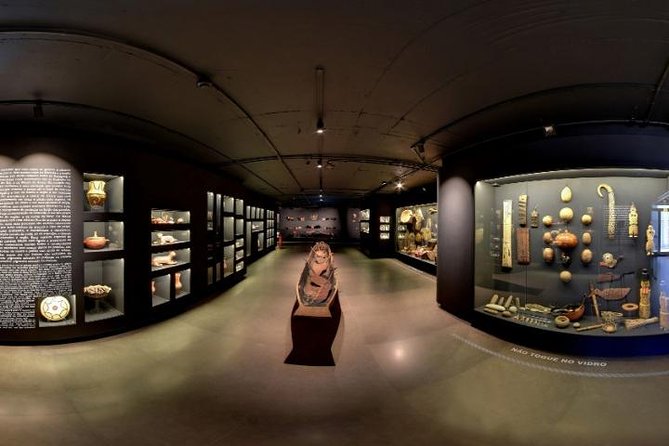
- Eight collection themes: Expect feather art, ceramics, basketry, musical instruments, ritual masks, benches, adornments, and utility objects.
- More than visual displays: Sounds, aromas, and tastes are used to connect the objects with everyday and ceremonial life.
- Allow about 90 minutes: The visit is long enough for a thoughtful look without taking over your entire Curitiba schedule.
- Written interpretation is central: Wall texts, printed material, object credits, and QR codes provide information during the standard visit.
- Strong value at $6.40: The low admission price makes this a useful cultural stop, especially on a weekday when the museum is open from 10 a.m. to 5:30 p.m.
Entering Curitiba’s Indigenous Art Museum
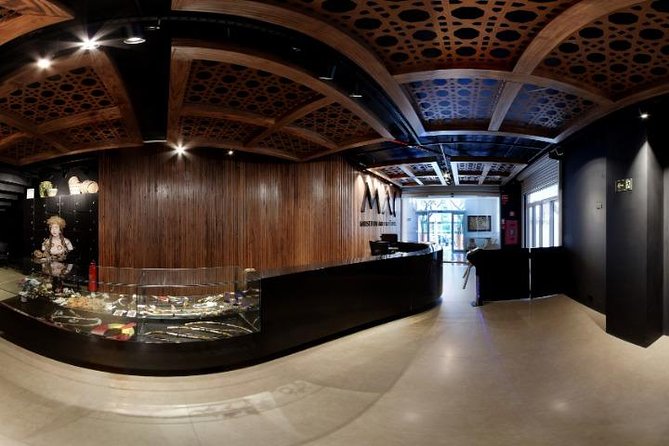
The MAI is not a quick room with a few display cases. You move through three floors containing different parts of its collection, with videos and interpretive material placed among the objects. That layout gives the visit a clear rhythm: you see an object, learn something about its use, and then move on to another part of Indigenous life.
I like this approach because it helps you connect art with purpose. A feather piece is not simply decorative. A mask may relate to ritual. A basket may reveal practical skill and local materials. A bench, adornment, instrument, or household object can tell you something about social customs and daily routines.
The museum’s focus is Brazilian Indigenous culture, and that gives the experience a useful place in a Curitiba itinerary. The city has plenty of parks, civic buildings, and European-influenced attractions. MAI offers a different window into Brazil, one that reaches back to cultures that are central to the country’s identity.
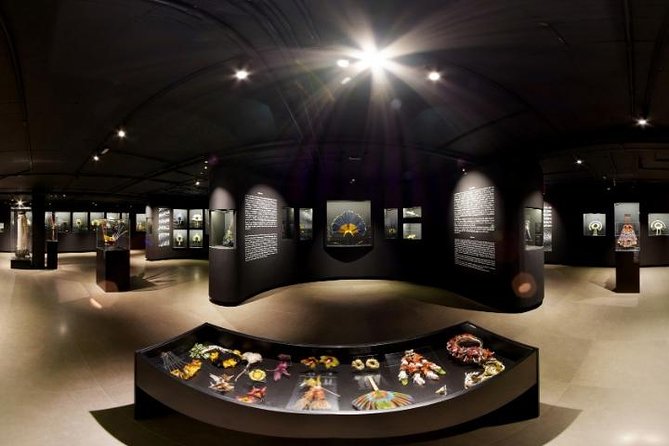
The collection is designed to be more than a silent display of beautiful objects. You may encounter sound, scent, and flavor as part of the presentation. These elements are meant to connect the collection with the broader sensory world of Brazilian Indigenous communities.
That is important because objects can feel distant when they are separated from use. A musical instrument makes more sense when you consider sound. A ritual object gains weight when you understand that it belongs to a particular practice. An everyday vessel becomes more meaningful when you picture the work it was made to do.
More trips in southern Brazil:
- Bar-hopping and Food Tour in Curitiba
★ 5.0 · 295 reviews - Full-day tour in Curitiba
★ 5.0 · 50 reviews - Morretes: Full Day Colonial Town Tour from Curitiba
★ 4.4 · 36 reviews
Eight collection themes worth your attention
MAI divides its collection into eight broad areas. The exact balance between them may vary as displays change, but the categories give you a useful way to read the museum.
Feather art is likely to catch your eye first. Featherwork can be delicate, colorful, and technically demanding, but the museum’s purpose is not simply to present attractive craft. Look for the connection between material, design, identity, and ceremonial use.
Ceramics brings you closer to objects shaped for both practical and cultural purposes. The forms may seem familiar at first, but the details of construction and decoration can show how different communities express their own traditions.
Basketry is a reminder that useful objects can also be works of art. Pay attention to patterns, structure, and the relationship between flexibility and strength. This section can be especially rewarding if you enjoy traditional craft.
Musical instruments add an important sense of movement and sound. The museum’s use of audio helps you imagine these objects in a setting where music supports ritual, celebration, or community life.
Ritual masks may be among the most visually striking pieces. Their meaning depends on context, so take time with the written explanations and QR codes rather than treating them as theatrical decoration.
Benches offer a less expected subject. They show that the museum is interested in furniture and social objects, not only items that fit a narrow idea of ceremonial art.
Adornments can reveal how objects communicate status, belonging, ceremony, or personal identity. Their small size does not make them minor. You may find that the details are easier to appreciate when you slow down.
Utility objects complete the picture. They keep the museum from presenting Indigenous culture only through special or sacred pieces. Daily life matters here too, and practical objects show the skill and thought behind ordinary routines.
What the sensory displays add
The museum’s sounds, aromas, and tastes are a useful part of the visit, but they also deserve a little patience. Sensory elements can make a display more memorable, yet they do not replace context. Use them as an opening, then read the information beside the objects.
I like the fact that MAI attempts to show culture as something lived through the senses. Music, food, smell, touch, and visual design are all part of how people understand their surroundings. A purely visual gallery can flatten that experience.
The sensory approach may not affect every visitor in the same way. If you prefer a quiet, traditional museum, these additions could feel unusual. If you want a presentation that moves beyond labels and glass cases, they make the visit more distinctive.
The museum has also explained that it maintains an active collection and uses preservation products to protect the works. That may account for a noticeable odor during some visits. If you are sensitive to smells, keep this possibility in mind, though it should not be treated as a normal feature of every visit.
Reading the museum without a spoken guide
This is the most important practical point. The regular experience appears to rely on written guidance, including texts on the walls, printed explanations, object credits, and QR codes with further information.
That can work well if you like to set your own pace. You can spend longer with an object that catches your attention, skip a section that interests you less, and use your phone to access additional details. You are not tied to a guide’s timing.
It is different from booking a standard tour with a person speaking to the group in Portuguese. A visitor who expected that service did not receive it, and the museum clarified that its normal offering includes written guides. If a spoken guided visit matters to you, arrange it in advance rather than relying on the ticket alone.
The museum’s coordinator, Samantha Donner, specifically offered a return visit with a pre-arranged guide after one poor experience. That response suggests the museum is open to correcting problems, but you should still confirm the arrangement before arriving.
For English-speaking visitors, the available language support is not specified in the information provided. The safest plan is to expect the listed written material and QR codes, then confirm language options directly if that affects your decision.
More museums in Curitiba:
- Combo: Platform Entrance, Abusado Adventure, Ferro Passar Museum
★ 3.5 · 314 reviews - Platform Entrance, Including Iron Museum
★ 3.5 · 226 reviews - Petrópolis Day Trip from Rio de Janeiro including Imperial Museum and Crystal Palace
★ 4.0 · 101 reviews - Museum of Tomorrow, AquaRio & Olympic Boulevard in Rio de Janeiro
★ 4.5 · 69 reviews
A 90-minute visit that fits Curitiba well
The stated duration is about one hour and 30 minutes. That is enough time to move through the three floors, read key labels, watch some videos, and pause with the main categories without rushing every room.
I would treat 90 minutes as a useful average rather than a strict schedule. You might move faster if you mainly want to see the collection, or take longer if you read all the texts and use the QR codes.
The museum is open Monday through Friday from 10 a.m. to 5:30 p.m., according to the published schedule. That makes it most useful as a daytime stop. Since the hours provided do not include weekends, check the current schedule before building your plans around a Saturday or Sunday visit.
A weekday morning could give you the calmest start, while a late afternoon visit leaves less margin before closing. Because the experience is short, you can pair it with another Curitiba activity, but avoid placing it at the very end of a tight day. A delayed bus or a long lunch can quickly eat into a 90-minute museum window.
The museum is near public transportation, which helps if you are exploring Curitiba without a car. No special transfer is listed, so plan to make your own way to the museum using the city’s transport network or another local option.
Is $6.40 good value?
At $6.40 per person, MAI is priced as an affordable cultural stop rather than a major half-day expense. Admission is included, and the visit offers several rooms, three floors, multiple collection areas, videos, and sensory material.
The value is strongest if you want context rather than a quick photo stop. You are paying for a compact museum experience that brings together art, ritual, music, craft, and daily life. That is a reasonable use of 90 minutes, particularly if Brazilian Indigenous culture is new to you.
The price does not guarantee a personal guide. This matters because guided interpretation can change how much you get from a museum. If the ticket includes only the standard written experience, $6.40 remains fair, but you should adjust your expectations.
The museum has a 5 out of 5 rating based on 385 ratings, with 99 percent of people recommending it. Those numbers point to a consistently well-liked attraction, though the reported problems with bathroom cleanliness, odor, and guide expectations show why it pays to understand exactly what is included.
Who will get the most from MAI?
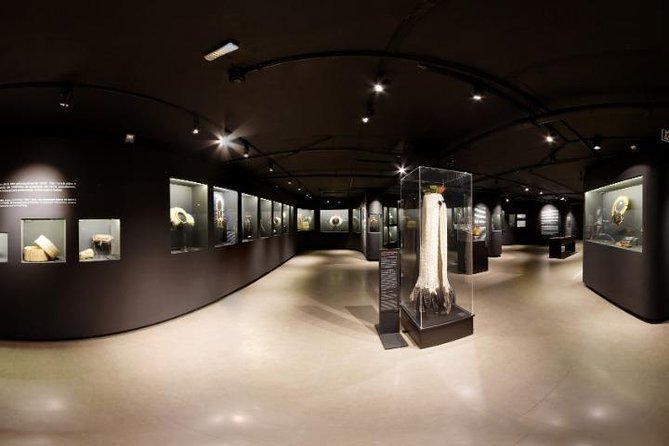
I would recommend MAI to anyone who wants a serious cultural stop in Curitiba without committing half a day. It suits adults, families, students, and people who enjoy craft, design, anthropology, or Brazilian history.
It is also a good choice for visitors who have already seen the city’s more familiar sights and want something different. The collection provides a direct way to think about Brazil’s Indigenous roots and continuing cultural presence.
Families may appreciate the visual variety, videos, sounds, and sensory elements. Younger children may not read every label, but the range of objects gives you plenty to point out and discuss.
Independent visitors who prefer to move quietly will probably enjoy the format. You can take your time and use the QR codes when a particular piece interests you. If you need a guide to explain every section aloud, arrange that beforehand.
People with mobility needs should note only that most visitors can participate and that service animals are allowed. The supplied information does not specify elevator access, stair details, or full accessibility facilities, so contact the museum directly if those points are important for your visit.
Small concerns to keep in mind
The strongest caution is expectation management. The phrase mediated visit can sound like a live guided tour, but the standard format appears to center on written explanations and QR codes. Confirm the details before paying if a Portuguese-speaking guide is essential.
Conditions can also vary. One poor visit included dirty bathrooms and a moldy odor, while the museum described these problems as unusual and apologized. The preservation work may explain some smells, but basic cleanliness still matters, and it is fair to keep that concern in mind.
The weekday-only hours listed here may limit your options. If you have only a weekend in Curitiba, do not assume you can walk in. Check the current opening days and times before you make the trip.
You can cancel for a full refund if you do so at least 24 hours before the experience begins. Cancellations made inside that window are not refunded, and late changes are not accepted. The cut-off follows Curitiba local time.
Should you book the MAI Museum of Indigenous Art?
I would book this experience if you want an affordable, compact, and culturally focused museum visit in Curitiba. The strongest reasons are the broad collection, the three-floor presentation, and the attempt to connect objects with sound, scent, taste, ritual, and ordinary life.
I would pause only if you require a live spoken guide, weekend access, or fully documented accessibility features. In those cases, confirm the details first and arrange a guide in advance if possible.
For most people, $6.40 is a modest price for 90 minutes of thoughtful cultural context. Make room for it on a weekday, arrive with time to read, and treat the museum as a place to understand Brazil through its Indigenous traditions, not simply as another gallery of attractive objects.
FAQ
Where is the MAI Museum of Indigenous Art located?
The museum is located in Curitiba, Brazil.
How much does admission cost?
The listed price is $6.40 per person, with admission included.
How long does the visit take?
The visit takes approximately one hour and 30 minutes.
When is the museum open?
The published hours are Monday through Friday, from 10 a.m. to 5:30 p.m., for the stated operating period.
What types of objects are displayed?
The collection includes feather art, ceramics, basketry, musical instruments, ritual masks, benches, adornments, and utility objects.
Does the experience include sensory elements?
Yes. The museum presentation includes sounds, aromas, and tastes connected with the Brazilian Indigenous universe.
Is a spoken guide included?
The standard visit provides written guides, wall texts, object credits, and QR codes. A guided visit may be arranged in advance, so confirm this before booking if you need a spoken guide.
Can I cancel for a full refund?
Yes. You can receive a full refund by canceling at least 24 hours before the scheduled start time. Cancellations or changes made less than 24 hours in advance are not accepted for a refund.
Just added in Curitiba
- Tour to the State Park of Vila Velha★ 5.0 · 2 reviews
- Private Cycling Tour to Morretes – via Estrada da Graciosa / including transfer from Curitiba★ 5.0 · 2 reviews
- 8h full city tour in Curitiba★ 5.0 · 9 reviews
- Guided tour to the Canyon of Guartelá★ 5.0 · 1 review
- Piece of Holland Full-Day Tour in the Interior of Paraná★ 5.0 · 5 reviews
- Interparks Cycling Tour Curitiba for small groups★ 4.0 · 10 reviews
- Half Day Curitiba Sightseeing Tour★ 4.5 · 6 reviews
- Historic Lapa★ 5.0 · 1 review
Southern Brazil Tours, compared.




Guided Tour with Wine Tasting at Casa Seganfredo – Gramado
Read our review →

Sailing in Guaíba with White Swan Boat – Porto Alegre
Read our review →

Transfer back and forth to Gramado/Canela de Porto Alegre/Caxias
Read our review →Browse the lists this tour appears in