
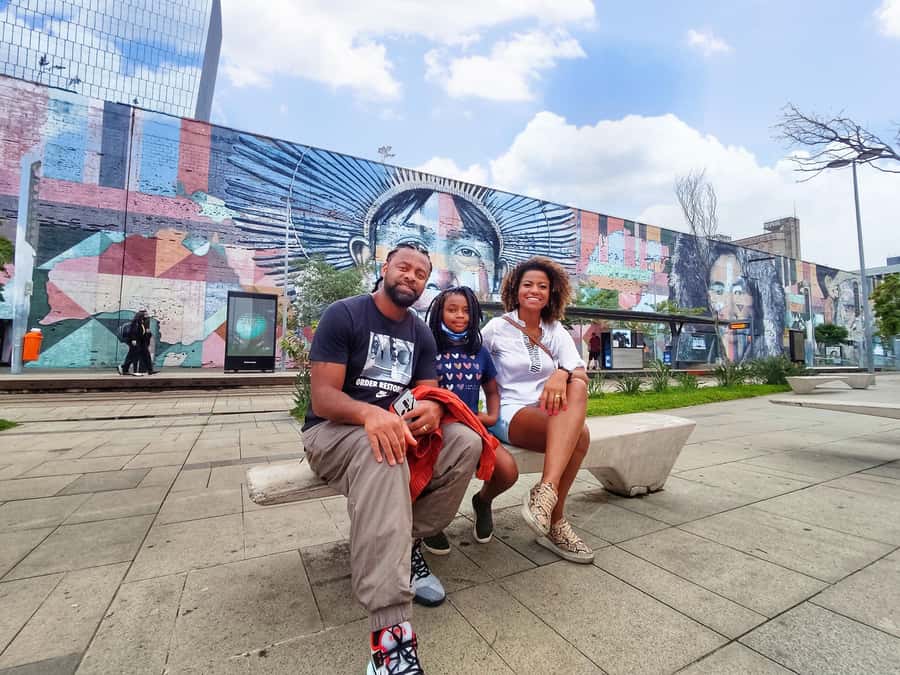
Reviewed · BRAZIL FOOD AND SAMBA NIGHTS
African Culture Tour: Samba and Resistance
Samba has a story behind the beat. This 210-minute private walking tour traces Afro-Rio de Janeiro through historic places, stories of Black resistance, samba street parties, and Carnival traditions. I like the focus on Afro-Brazilian culture and the visit to samba school warehouses, two features that give the tour more substance than a quick photo stop. The main consideration is that it is a walking tour and is not suitable for people with mobility impairments.
The meeting point is in front of MAR, the Museu de Arte do Rio, and the tour ends in the samba school area after transportation from the final walking stop. I also like the language choice, with guides available in English, Portuguese, and Spanish. One verified booking praised Gabriella for her clear and interesting explanations, so if she is your guide, you can expect a strong focus on storytelling and context.
In This Review
- Key points to know before you book
- Why this tour offers more than a samba photo
- Starting at MAR and entering Afro-Rio
- Meeting the people behind the resistance
- Following samba from resistance to celebration
- Understanding samba schools and Carnival
- Ending with a caipirinha
- What the $70 price means
- Timing, language, and practical comfort
- Who should book this experience
- Should you book African Culture Tour: Samba and Resistance?
- FAQ
- Where does the tour meet?
- How long does the tour last?
- What languages are available?
- Is this a private tour?
- What is included in the price?
- Is hotel pickup included?
- Are food and drinks included?
- Is the tour suitable for people with mobility impairments?
Key points to know before you book
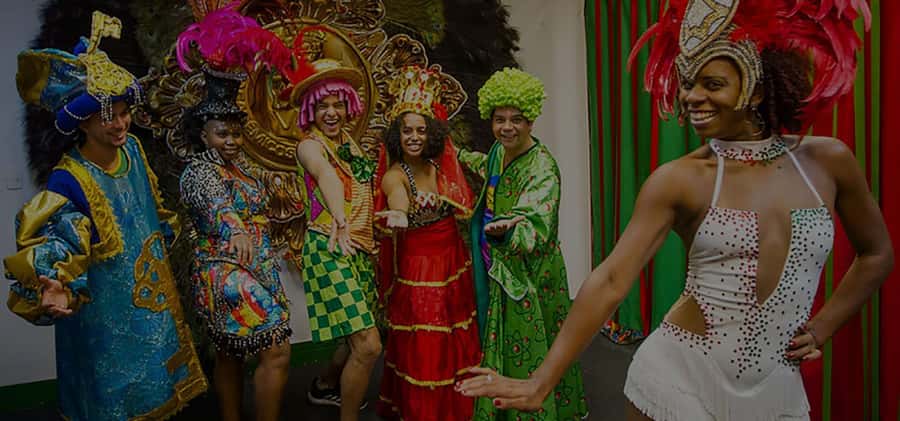
- Afro-Rio is the central subject: The tour connects places of resistance, Black historical figures, gastronomy, traditions, samba, and Carnival.
- Samba is treated as culture, not just entertainment: You learn how samba developed through resistance and community life.
- Samba school warehouses are included: Entry tickets let you see a working side of Carnival culture beyond the parade route.
- The tour lasts 210 minutes: Set aside about three and a half hours, with walking as the main form of transport.
- It is a private group experience: Your group has a guide in English, Portuguese, or Spanish.
- A caipirinha finishes the experience: Food and drinks are not included, but the tour is planned to end with this Brazilian classic.
Why this tour offers more than a samba photo
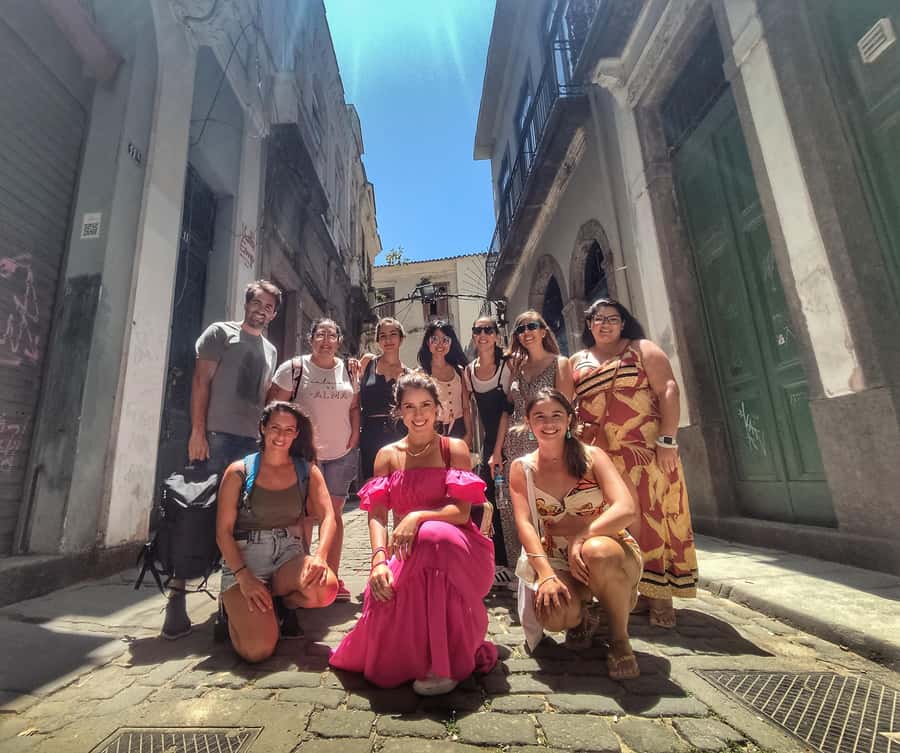
Rio is often sold through beaches, mountains, and Carnival costumes. Those are real parts of the city, but they do not explain how Afro-Brazilian culture shaped Rio’s music, public celebrations, food, and political life.
This tour takes a different route. It focuses on Afro-Rio de Janeiro and the places connected with Black resistance. You hear about important Black personalities who fought to end slavery in Brazil, then connect those stories to the samba traditions that grew from community life and cultural survival.
That link matters. Samba is not presented as a colorful background for a holiday photograph. You learn about the struggle and creativity behind it, including the role of samba schools and the street parties held each week. The result should leave you with a better sense of why Carnival means so much in Brazil.
The experience is also private, which makes the format more personal than a large walking group. You can ask questions as the route unfolds, and your guide can explain the subjects in English, Portuguese, or Spanish. A verified booking from Switzerland specifically praised Gabriella’s clear and interesting explanations. If Gabriella leads your tour, her teaching style is one useful reason to book.
More Food and Samba Nights in Rio De Janeiro:
- Rio de Janeiro: Beginner Samba Lesson in Ipanema
★ 4.9 · 1,071 reviews - Rio: Pub Crawl in Lapa with Cachaça Tasting and Live Samba
★ 4.7 · 881 reviews - Rio: Carnival Backstage Tour at Samba City with Cocktail
★ 4.6 · 520 reviews
Starting at MAR and entering Afro-Rio
The meeting point is in front of MAR, the Museu de Arte do Rio. This gives you a clear landmark for the beginning of the walk, but hotel pickup is not provided, so you need to make your own way there.
From MAR, the tour moves through some of the most important historical places associated with Afro-Rio de Janeiro. The supplied details do not name every stop, so you should not expect a fixed list of monuments or museums beyond the stated route. Instead, the value comes from how the guide links the locations together.
At each place, the focus is on Afro-Brazilian culture, resistance, and the people who fought against slavery. That makes the opening part of the tour more serious than a standard sightseeing walk. You are not simply being shown attractive buildings. You are being asked to consider who lived, worked, resisted, and created culture in these parts of the city.
I would give this section your full attention. The guide’s explanations are the heart of the tour, and the route will make more sense if you listen for the connections between place, identity, and music.
Meeting the people behind the resistance
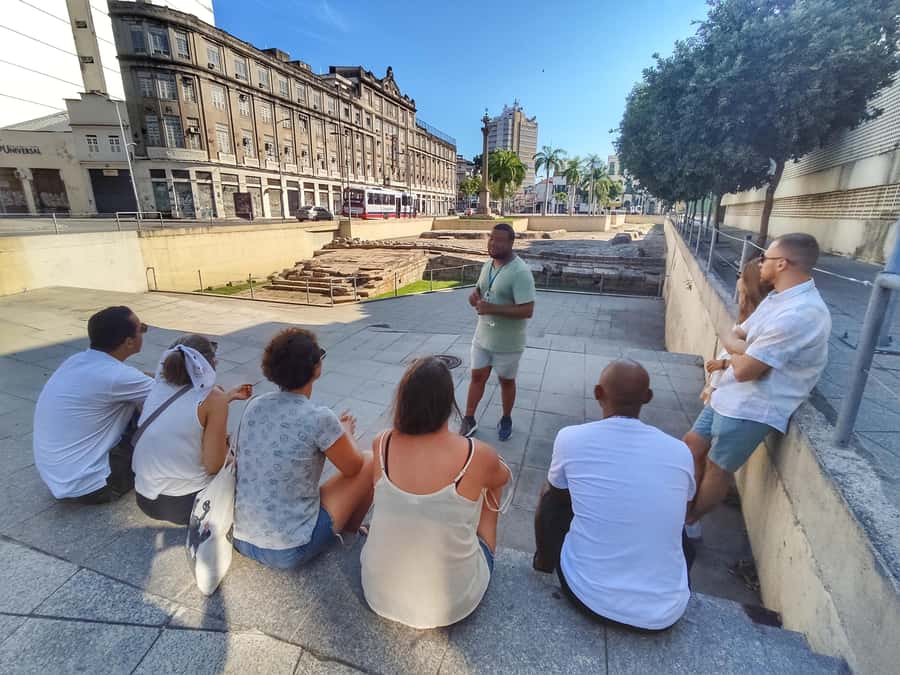
A major part of the walk concerns Black personalities who fought with determination to end slavery in Brazil. The tour does not provide a complete list of names, so the exact figures you hear about depend on the guide and the route that day.
That flexibility can be useful. A private guide can spend more time on the stories that interest your group. If you want more detail about a particular person, period, or place, ask during the walk rather than waiting until the end.
This section also gives the tour moral and political weight. You are learning that Afro-Brazilian culture did not develop in a vacuum. It grew through hardship, resistance, shared traditions, and the work of people who challenged slavery and racial oppression.
The pace is likely to be conversational, but remember that this is still a walking experience. Comfortable shoes are essential. High heels are not allowed, and large bags or luggage are also not permitted. Pack lightly so you can concentrate on the stories rather than managing your belongings.
Following samba from resistance to celebration
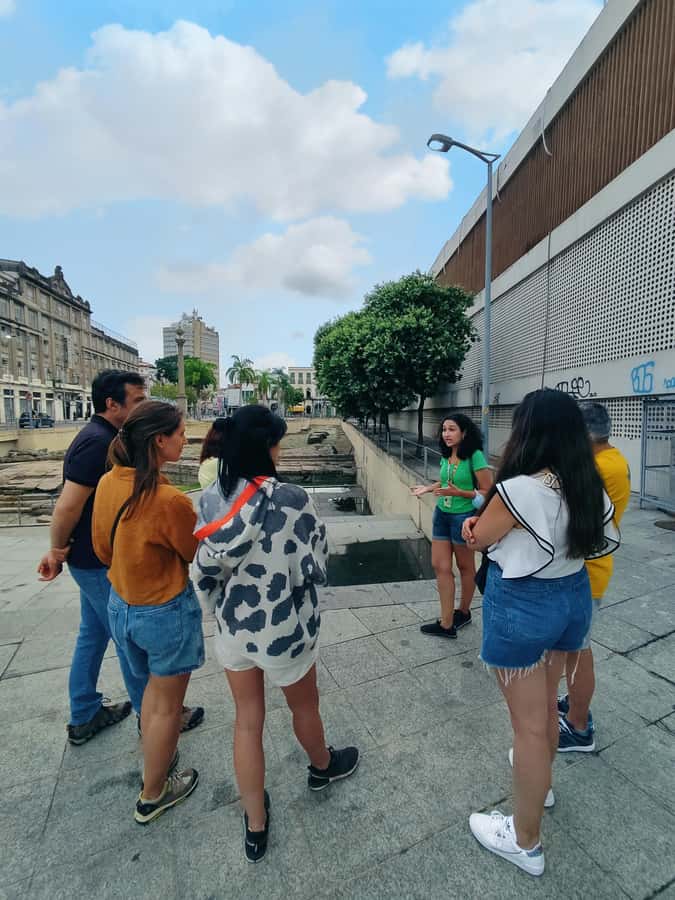
The tour’s strongest idea is the connection between resistance and samba. Samba is often reduced to drums, dancing, and Carnival costumes. Here, you learn about the cultural history behind the music and the communities that kept these traditions alive.
You visit the area where samba street parties take place every week. That detail gives the tour a useful present-day connection. You are not only hearing about samba as something that appears once a year during Carnival. You are learning about a living tradition with regular public celebrations.
The weekly street-party setting also helps explain why samba belongs to the city’s neighborhoods and communities. The tour links music to public space, local identity, and Afro-Brazilian traditions. You might find the streets quieter than they are during an actual party, since the tour is not advertised as a live street-party experience, but the setting still gives the explanation a physical anchor.
This is a good part of the tour for anyone who wants more than Carnival spectacle. You gain context for the music before seeing the samba school facilities later in the day.
More things to do in Rio de Janeiro:
- Rio de Janeiro: 6-Stop Highlights of Rio with Lunch
★ 4.4 · 5,157 reviews - Christ the Redeemer Entry Ticket by Corcovado Train
★ 4.4 · 4,476 reviews - Rio’s City Tour – Tickets for Christ, Sugar Loaf & Lunch included
★ 5.0 · 4,389 reviews - Full Day: Christ Redeemer, Sugarloaf, City Tour & Barbecue Lunch
★ 4.5 · 3,142 reviews
Understanding samba schools and Carnival
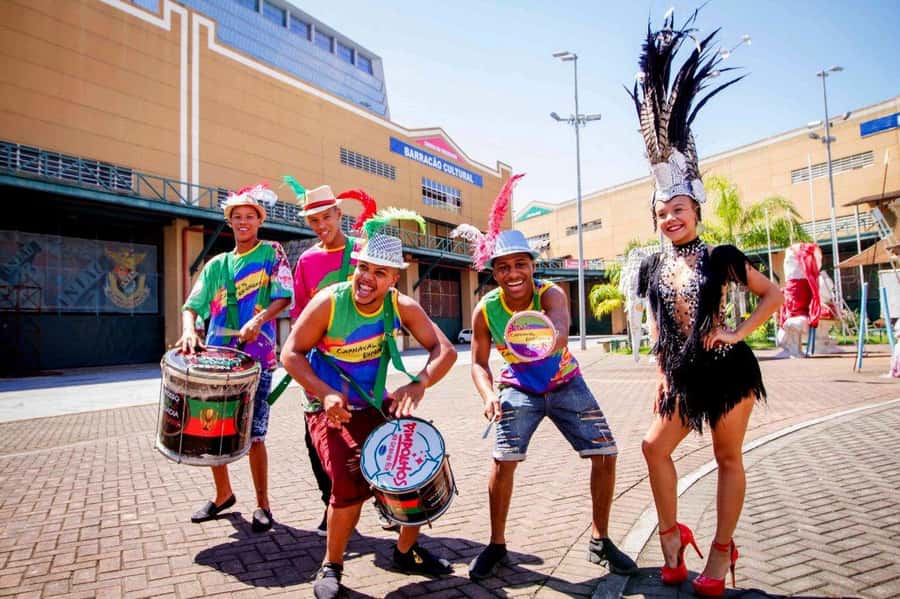
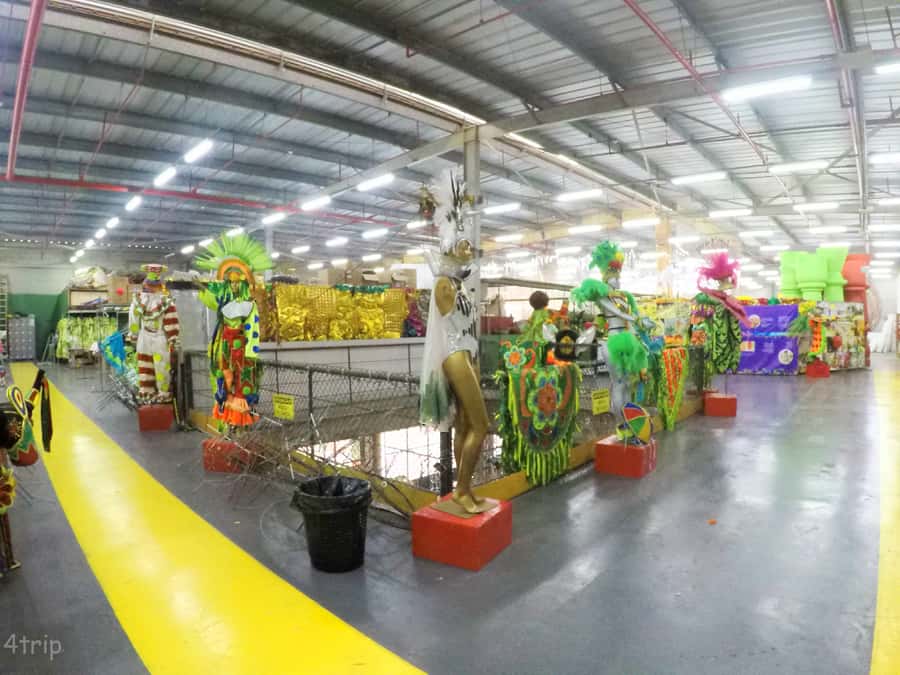
The final major feature is a visit to samba school warehouses. Entry tickets are included, and transportation from the end of the walking route to the samba school area is also covered.
The warehouses offer a different view of Carnival. Instead of seeing only the finished parade, you can learn more about the samba schools and the work connected with their presentations. The available information does not promise a particular costume display, rehearsal, or backstage activity, so keep your expectations practical. The confirmed feature is entry to the warehouses, along with an explanation of samba schools and Carnival.
This stop gives the tour a strong ending because it brings the earlier discussion into a recognizable form. You have heard about resistance, tradition, and community culture. At the warehouse, you can connect those ideas with the organized world of samba schools.
Transportation between the walking route and the samba school area is included. That is a small but useful benefit, especially after several hours on foot. It means you do not need to plan that part of the journey yourself.
Ending with a caipirinha
The experience ends with a tasty caipirinha. Food and drinks are not included in the tour price, so this should be understood as a planned finish rather than a full meal or drinks package.
A caipirinha is a fitting way to close a tour centered on Brazilian culture. Still, you should plan separately if you need lunch, a snack, or additional drinks. The supplied details do not state that gastronomy stops include a meal, so do not book this as a food tour.
The mention of gastronomy is best understood as part of the broader cultural theme. Food and drink help place samba and Afro-Brazilian traditions in everyday life, but the main activity remains the walking route and the guide’s explanations.
What the $70 price means
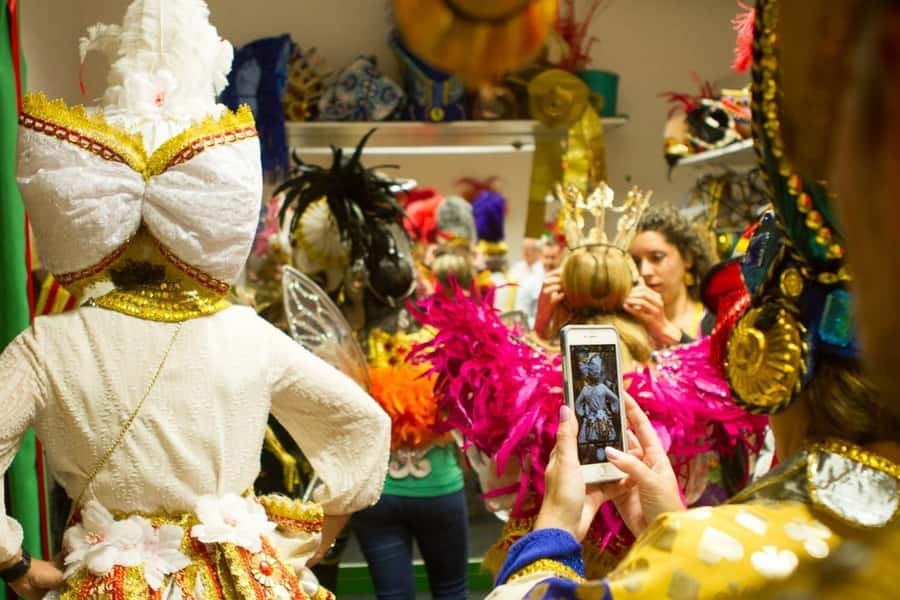
At $70 per person, this is not the cheapest way to spend three and a half hours in Rio. Its value depends on what you want from a city tour.
The price includes a private group, a live guide, entry tickets to the samba school warehouses, and transportation from the walking route to the samba school area. Those inclusions make the cost easier to justify than a simple guided stroll, especially if your group wants a focused cultural subject and the chance to ask questions privately.
You are paying for interpretation as much as transportation or admission. The history of Afro-Rio, the explanation of Black resistance, and the connection between samba and Carnival are not things you get automatically by walking through the area alone.
The value is strongest for someone who already plans to visit Rio’s famous sights and wants a more focused cultural experience. If you only want a quick introduction to samba or a Carnival photo opportunity, $70 may feel high. If you want a guided explanation of how Afro-Brazilian culture shaped the city, the price is more reasonable.
Because the group is private, the total experience may make better financial sense when shared by several people booking together. The price is listed per person, but the private format gives your group a more direct relationship with the guide.
Timing, language, and practical comfort
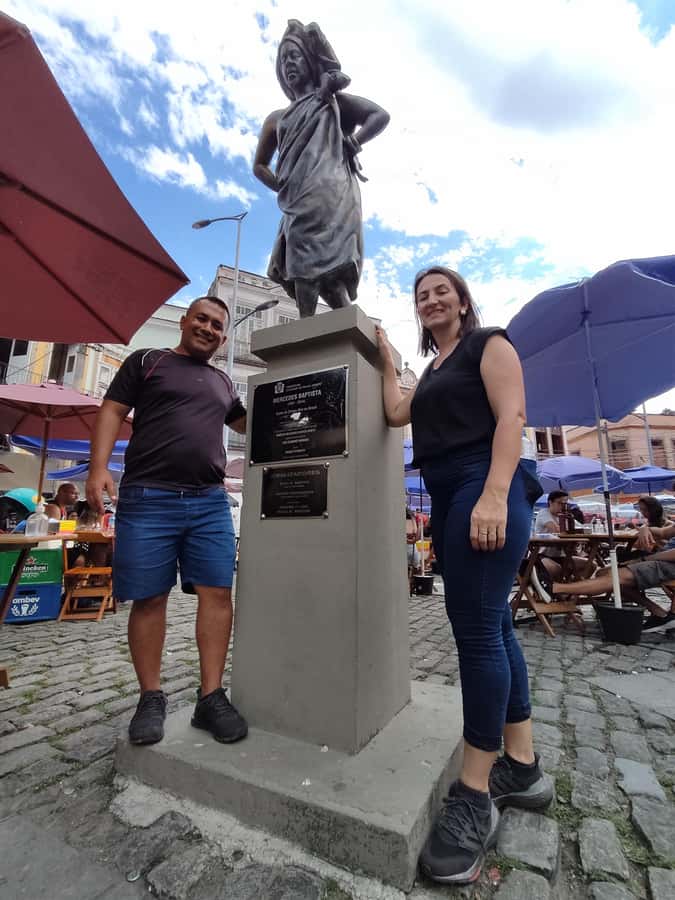
The full duration is 210 minutes, or three and a half hours. That is long enough for a serious walking route, a cultural explanation, the warehouse visit, transportation, and the final caipirinha without turning into a full-day commitment.
You should arrive ready to walk for much of that time. The tour is specifically described as a walking tour, and it is not suitable for people with mobility impairments. Wear low, comfortable shoes and leave large luggage behind.
Guides are available in English, Portuguese, and Spanish. That is helpful for mixed-language groups, though you should select your preferred language when checking availability.
The tour is offered as a private group experience. That can suit couples, families, or friends who want to discuss sensitive historical subjects at their own pace. It also means the experience may feel more direct than a large group tour, where questions and conversation are harder to manage.
Free cancellation is available up to 24 hours before the start time for a full refund. You can also reserve now and pay later, which helps if your Rio schedule is still changing.
Who should book this experience
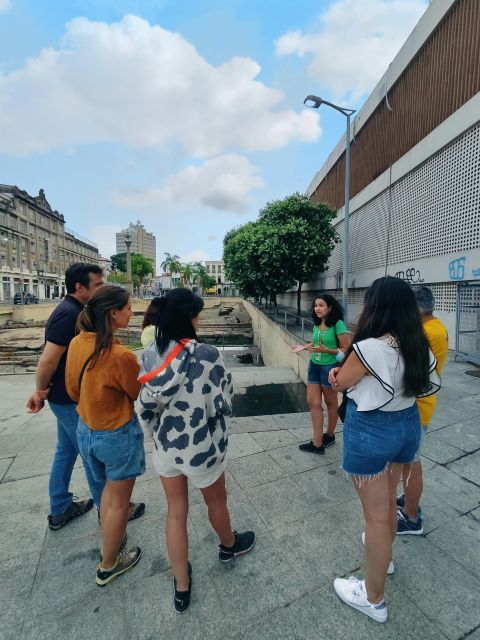
I would recommend this tour to you if you want to understand Rio through Black history and cultural resistance, rather than seeing only its famous postcard sights.
It is especially well suited to:
- First-time visitors who want a cultural introduction to samba
- Returning visitors looking for a different side of Rio
- People interested in Afro-Brazilian traditions and Brazilian history
- Music lovers who want to understand samba schools and Carnival
- Private groups that prefer a guide who can answer questions directly
- Visitors comfortable walking for three and a half hours
You may want to skip it if you have limited mobility, need a fully vehicle-based tour, or are looking mainly for a meal and nightlife. It is also not the right choice if you expect a full Carnival performance or a live samba party as the main event. The focus is education, place, history, and cultural context.
Should you book African Culture Tour: Samba and Resistance?
Book it if you want samba explained as part of Afro-Brazilian history and resistance, not merely as entertainment. The combination of historic places, stories of Black figures, weekly samba-party areas, and samba school warehouses gives the tour a clear purpose.
The main caution is physical. You will be walking, high heels and large bags are not allowed, and the tour is not suitable for people with mobility impairments. You should also budget separately for food and drinks beyond the planned caipirinha.
For the right visitor, $70 buys a focused private experience with a live guide, warehouse admission, and transportation at the end of the route. Gabriella’s praised clarity is an encouraging sign, though guide assignment should be confirmed when booking. If Afro-Rio, samba, and Carnival are central to your interests, this is a thoughtful way to spend an afternoon in Rio.
FAQ
Where does the tour meet?
The meeting point is in front of MAR, the Museu de Arte do Rio.
How long does the tour last?
The tour lasts 210 minutes, or about three and a half hours.
What languages are available?
The live tour guide can provide the experience in English, Portuguese, or Spanish.
Is this a private tour?
Yes. The experience is offered for a private group.
What is included in the price?
The price includes entry tickets to the samba school warehouses and transportation from the end of the walking tour to the samba school area.
Is hotel pickup included?
No. Hotel pickup and drop-off are not included.
Are food and drinks included?
No. Food and drinks are not included. The experience does end with a caipirinha.
Is the tour suitable for people with mobility impairments?
No. It is a walking tour and is not suitable for people with mobility impairments. High-heeled shoes and luggage or large bags are also not allowed.
Just added in Rio De Janeiro
- Full Day Tour in Rio de Janeiro★ 5.0 · 8 reviews
- Garganta do Ceu Cave Hiking Private Tour on Pedra da Gavea★ 4.5 · 3 reviews
- Gastronomic Tour at the Municipal Market in Rio de Janeiro★ 5.0 · 4 reviews
- GIG Airport Transfer x Rio de Janeiro Hotels★ 4.5 · 11 reviews
- Rio de Janeiro private Full day Custom Tours★ 5.0 · 35 reviews
- Personalized and Private Full-Day Tour in Rio de Janeiro★ 5.0 · 6 reviews
- Christ the Redeemer – Complete Morning Tour with Ticket and Transport at the Hotel★ 3.5 · 4 reviews
- AquaRio, Museum, Boulevard Olimpico, Ferris Wheel, Transport and Tourism Guide.★ 4.0 · 6 reviews
Brazil Food and Samba Nights, compared.


Pub Crawl in Lapa with Cachaça Tasting and Live Samba
Read our review →
Carnival Backstage Tour at Samba City with Cocktail
Read our review →
Hop-ON Hop-OFF Sightseeing Bus in Rio de Janeiro – Rio Samba Bus
Read our review →

Carnaval Experience: Backstage Tour at Samba City with Cocktail
Read our review →
Browse the lists this tour appears in