
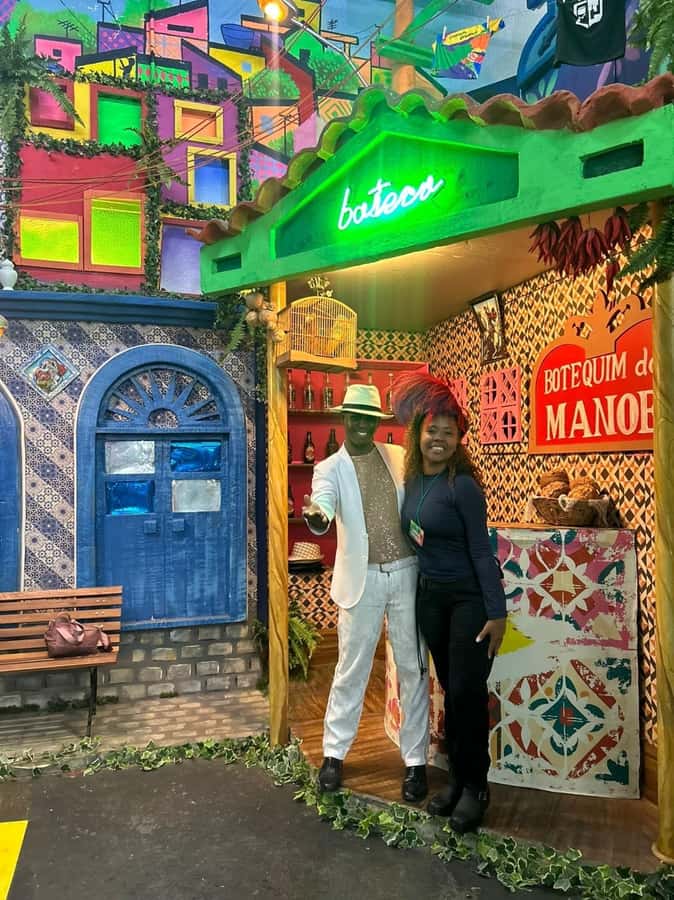
Reviewed · BRAZIL FOOD AND SAMBA NIGHTS
Carnival Experience: Behind the Scenes of Carnival Magic
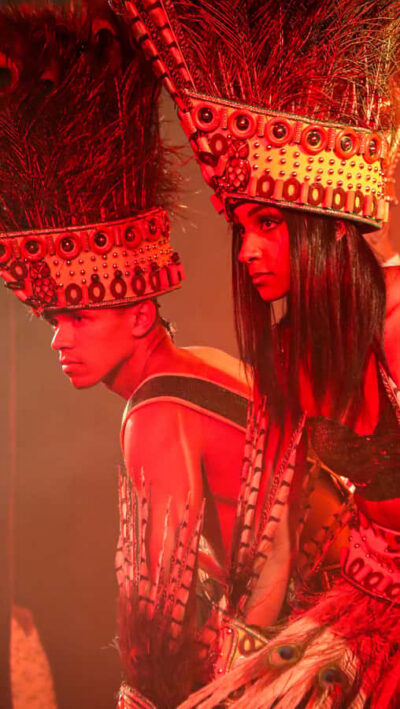
Carnival has a serious workshop behind the feathers. This three-hour tour gives you a close look at Rio’s City of Samba and the working world of Grande Rio, one of the schools preparing year-round for the parade at the Sapucaí Sambadrome. I like the way it joins Carnival history with the physical work behind the show, and I like the small-group format, limited to seven people. The main consideration is that this is an active visit, so it is not a good fit if you have a low level of fitness.
You will learn how samba developed, why it matters to Rio, and how a parade takes shape from an idea into costumes, floats, music, and movement. The tour also includes access to Grande Rio’s social project for local children, a caipirinha tasting, return transportation, and photos and videos taken with an iPhone 14.
In This Review
- Key points to know before booking
- Starting at the City of Samba
- Inside Grande Rio’s year-round workshop
- Why the parade is more than a party
- Grande Rio’s project for community children
- A small group makes the difference
- What the three hours feel like
- Is the $80 price fair?
- Who will enjoy this Carnival visit?
- Practical details that matter
- Should you book Behind the Scenes of Carnival Magic?
- FAQ
- How long does the Carnival experience last?
- How much does the tour cost?
- What languages are available?
- Is transportation included?
- What places are visited?
- Is the tour private?
- What is included besides the visits?
- Can I cancel the booking?
Key points to know before booking
- City of Samba access: Begin with a guided look at the place where Carnival artistry and production come together.
- Grande Rio backstage visit: See how plots, costumes, and floats are prepared throughout the year for competition at the Sambadrome.
- A story beyond the parade: Learn how samba shaped Rio de Janeiro’s identity and became the center of its most famous celebration.
- Community work included: Visit Grande Rio’s social project, which introduces local children to samba and backstage Carnival skills.
- Small-group attention: With no more than seven participants, you should have a better chance to ask questions and follow the explanations.
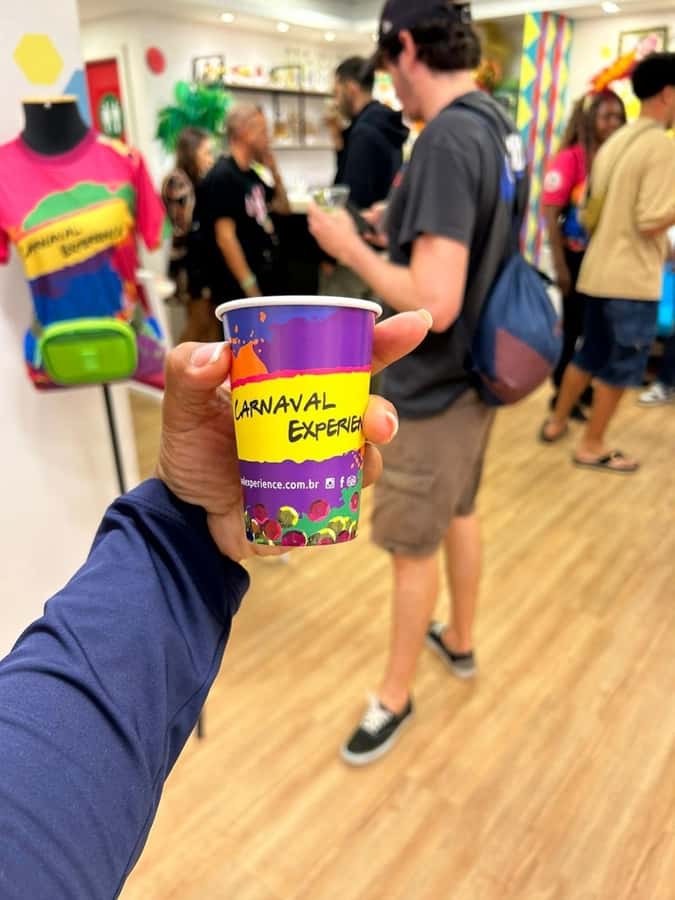
- Useful extras: Return transportation, a caipirinha tasting, and iPhone 14 photos and videos are included in the $80 price.
Starting at the City of Samba

The experience begins with transportation to the City of Samba. Since return transport is included, you do not have to arrange your own way back after the visit. That is a practical benefit in Rio, especially when you are trying to fit a short activity into a packed sightseeing day.
Your guide then lays out a timeline of Carnival. The aim is not simply to show you colorful objects. You learn how samba came to be, how it developed into a major cultural expression, and why Carnival became so closely tied to Rio’s identity.
I find this opening especially useful because it gives the backstage work a reason. Without that context, a float can look like a large decorated structure and a costume can seem like a flashy piece of clothing. With the story in place, you begin to see them as parts of a school’s artistic argument, built for a parade where each detail has a job.
The tour is offered in English and Portuguese. Some content is shown in its original language, so you may hear the culture explained through Portuguese terms and expressions that do not translate neatly. That can add something genuine to the visit, though you should not expect every moment to be presented only in English.
More Food and Samba Nights in Rio De Janeiro:
- Rio de Janeiro: Beginner Samba Lesson in Ipanema
★ 4.9 · 1,071 reviews - Rio: Pub Crawl in Lapa with Cachaça Tasting and Live Samba
★ 4.7 · 881 reviews - Rio: Carnival Backstage Tour at Samba City with Cocktail
★ 4.6 · 520 reviews
Inside Grande Rio’s year-round workshop
The Grande Rio portion is the heart of the experience. You get behind the public show and see the work that continues long after the parade disappears from television screens.
The tour explains how the school plans its plot, then turns that idea into physical pieces. You will learn about the creation of costumes and floats, along with the effort required to prepare an entry that can compete for first place at the Sapucaí Sambadrome.
The key point is timing. Carnival may look like a brief burst of music and color, but the work is carried out throughout the year. Planning, construction, fitting, rehearsal, and presentation all form part of the process. This makes the tour valuable for anyone who wants to understand the labor behind the spectacle rather than simply watch the final parade.
I especially like that the visit focuses on the how. You are not only told that costumes are made or that floats are built. You are shown the creative process as part of a larger operation, where artistic choices and competition meet.
The details available here are broad rather than technical. You should expect an explanation of the work and access to the backstage setting, but not assume that you will build a costume, ride a float, or see every production area. This is a guided visit, not a hands-on workshop.
Why the parade is more than a party
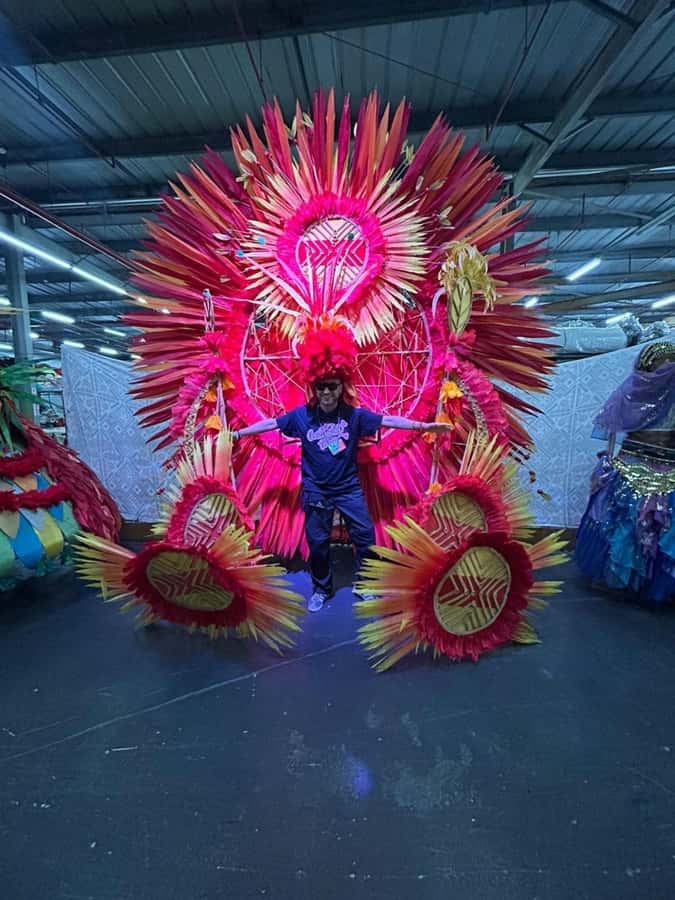
A Rio Carnival parade has plenty of sparkle, but the experience makes clear that samba is not just decoration. It is linked to the city’s culture and identity, and the schools give that culture a structured public stage.
The tour’s historical section helps you place the parade inside a longer story. You learn about the origins of samba and its cultural importance, then see how that tradition became the center of a world-famous event. That connection matters. It keeps the visit from becoming a quick photo stop filled with sequins and bright colors.
I would recommend paying attention to the language used around the schools, plots, and parade competition. These are not casual neighborhood performances. Grande Rio is preparing an entry judged against other schools, and the aim is to create something memorable, unified, and strong enough to compete for the top position.
That competitive element also explains the level of year-round effort. A costume, float, or visual idea must serve the wider parade. The experience gives you a clearer sense of how many decisions are needed before performers ever reach the Sambadrome.
Grande Rio’s project for community children
One of the most meaningful parts of the visit is access to Grande Rio’s social project. The project works with children from the community, teaching them the essence of samba and opening paths toward careers as performers or professionals working behind the scenes.
This changes the way you see a samba school. It is not only a group that appears during Carnival. It can also be a place where children learn artistic skills, connect with their community, and begin to picture a future in the creative work surrounding the parade.
The description does not promise a specific class, performance, or child-led activity during your visit. Instead, you see the structure of the project and learn what it is designed to do. That distinction is worth keeping in mind. The value lies in understanding the school’s wider role, not in expecting a staged encounter.
I like this part because it gives the tour social depth without taking away from the fun. You still see costumes, floats, and Carnival production, but you also learn how the institution can support the next generation of samba talent.
More things to do in Rio de Janeiro:
- Rio de Janeiro: 6-Stop Highlights of Rio with Lunch
★ 4.4 · 5,157 reviews - Christ the Redeemer Entry Ticket by Corcovado Train
★ 4.4 · 4,476 reviews - Rio’s City Tour – Tickets for Christ, Sugar Loaf & Lunch included
★ 5.0 · 4,389 reviews - Full Day: Christ Redeemer, Sugarloaf, City Tour & Barbecue Lunch
★ 4.5 · 3,142 reviews
A small group makes the difference
The group is limited to seven participants. That is a useful size for a behind-the-scenes visit because the setting can involve explanation, movement, and questions rather than a single big presentation.
With fewer people, you should have a better chance to hear the guide clearly and ask about the parts that catch your attention. If you want to know how a plot is planned, how a costume fits into a larger design, or how children become involved with the school, a small group gives those questions room.
The guide service is available in English and Portuguese. No guide names are provided, so you should not book expecting a particular host. What is promised is a specialized guide who leads the history, backstage, and social-project portions of the visit.
A small group does not guarantee a private tour. It simply keeps the maximum at seven people. That is still a meaningful advantage over a large coach group, particularly when you are visiting a working cultural space rather than a standard museum.
What the three hours feel like
Three hours is long enough to cover several layers of Carnival without turning the outing into a full-day commitment. You receive transportation, historical explanation, the City of Samba visit, Grande Rio access, the social-project visit, a tasting, and recorded memories from the day.
The pace should be active. You move through different parts of the experience, listen to explanations, and take in the production setting. The tour is not suitable for people with a low level of fitness, and baby strollers are not allowed. You also need to wear something on your feet, since bare feet are not permitted.
The exact order and timing of each part can vary, so I would check the available starting times before booking. If you have a flight, dinner reservation, or another timed activity afterward, leave a buffer rather than planning a tight connection.
The included photos and videos are a nice touch. They are taken with an iPhone 14 and are meant to capture special moments during the tour. I would still treat them as a bonus, not the main reason to book. The real value comes from seeing the work behind Grande Rio and understanding the place samba holds in Rio.
Is the $80 price fair?
At $80 per person, this is not the cheapest way to spend three hours in Rio. The price makes more sense when you count what is included: return transportation, a specialized guide, entry to the City of Samba, the Grande Rio backstage visit, the historical explanation, access to the social project, a caipirinha tasting, and photos and videos.
If you only want a quick Carnival photo, the cost may feel high. You are paying for access and interpretation, not simply a costume display. The guide connects the objects and spaces to samba’s origins, Rio’s identity, the school’s competition, and its community work.
The maximum group size also adds value. A group of seven should offer a more personal experience than a large sightseeing outing. That matters when you are visiting a place where much of the interest comes from asking questions and understanding what you are seeing.
Food and drinks beyond the caipirinha are not included. Souvenirs such as shirts, accessories, and Carnival items also cost extra. I would budget for those separately if you want to take home something physical.
Who will enjoy this Carnival visit?
I would choose this experience if you want culture with your spectacle. It suits you especially well if you are curious about how samba developed, how Carnival schools operate, and what happens before the parade reaches the Sambadrome.
It is also a strong choice for anyone who has already seen a Carnival parade and wants to understand the machinery behind it. Instead of watching the finished product from the stands, you see the planning and production that make the finished product possible.
The visit should appeal to people interested in community arts programs, too. Grande Rio’s project shows how samba can connect children with training and possible work as artists or production professionals.
You may want to skip it if you dislike guided visits, have limited mobility or fitness, or want a relaxed tasting-focused outing. The tour includes a caipirinha, but food and additional drinks are not part of the package. It is also not designed as a full costume party or parade performance.
Practical details that matter
You can book for $80 per person and reserve now while paying later, which gives you some flexibility as you shape your Rio plans. Free cancellation is available up to 24 hours in advance for a full refund.
The activity lasts three hours, with starting times depending on availability. Transportation is included both ways, but the supplied details do not specify the pickup point, so check that information carefully before confirming.
English and Portuguese are available, though some material remains in its original language. The group is small, with up to seven participants.
For comfort, avoid bringing a baby stroller, and do not plan to go barefoot. Since the activity is not suitable for people with a low level of fitness, wear sensible footwear and be ready to spend the visit moving through the City of Samba and Grande Rio facilities.
Should you book Behind the Scenes of Carnival Magic?
I would book this tour if you want the story behind Rio Carnival, not just the glitter in front of it. Its best features are the real backstage focus, the clear look at Grande Rio’s year-round work, and the visit to a project that helps local children build samba and production skills.
The $80 price is reasonable when you value transport, a small group, guided context, and access to several parts of the Carnival operation. I would pass if you want a cheap photo opportunity, a meal, or a sit-down show.
For an active three-hour introduction to samba culture and Grande Rio’s creative work, this is a focused and worthwhile choice.
FAQ
How long does the Carnival experience last?
The experience lasts three hours.
How much does the tour cost?
The price is $80 per person.
What languages are available?
The live tour guide is available in English and Portuguese. Some content is shown in its original language.
Is transportation included?
Yes. Return transportation is included.
What places are visited?
The tour includes the City of Samba and a behind-the-scenes visit to the Grande Rio samba school. It also includes access to Grande Rio’s social project.
Is the tour private?
No. It is a small-group experience limited to seven participants.
What is included besides the visits?
The experience includes a specialized guide, a caipirinha tasting, and photos and videos taken with an iPhone 14.
Can I cancel the booking?
Yes. You can cancel up to 24 hours in advance for a full refund. You can also reserve now and pay later.
Just added in Rio De Janeiro
- Full Day Tour in Rio de Janeiro★ 5.0 · 8 reviews
- Garganta do Ceu Cave Hiking Private Tour on Pedra da Gavea★ 4.5 · 3 reviews
- Gastronomic Tour at the Municipal Market in Rio de Janeiro★ 5.0 · 4 reviews
- Rio de Janeiro private Full day Custom Tours★ 5.0 · 35 reviews
- GIG Airport Transfer x Rio de Janeiro Hotels★ 4.5 · 11 reviews
- Christ the Redeemer – Complete Morning Tour with Ticket and Transport at the Hotel★ 3.5 · 4 reviews
- AquaRio, Museum, Boulevard Olimpico, Ferris Wheel, Transport and Tourism Guide.★ 4.0 · 6 reviews
- Personalized and Private Full-Day Tour in Rio de Janeiro★ 5.0 · 6 reviews
Brazil Food and Samba Nights, compared.

Pub Crawl in Lapa with Cachaça Tasting and Live Samba
Read our review →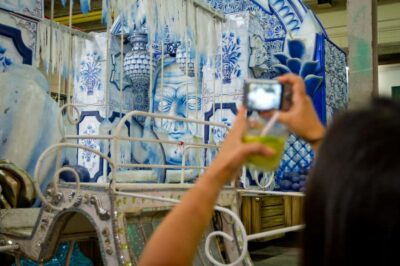
Carnival Backstage Tour at Samba City with Cocktail
Read our review →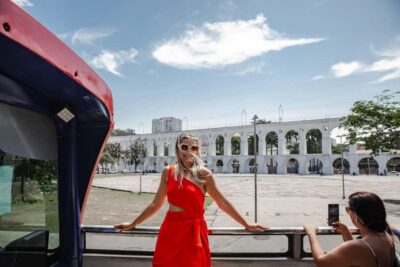
Hop-ON Hop-OFF Sightseeing Bus in Rio de Janeiro – Rio Samba Bus
Read our review →
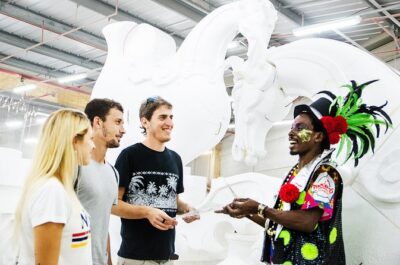
Carnaval Experience: Backstage Tour at Samba City with Cocktail
Read our review →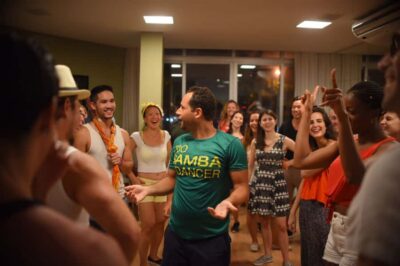
Browse the lists this tour appears in