
Reviewed · AMAZON JUNGLE TOURS
Manaus: Food Tour
Manaus tastes better one market stall at a time. This three-hour food walk brings you to the Adolpho Lisboa Market, where you can sample Amazonian fruits, regional dishes, tapioca, cupuaçu juice, açaí, and guaraná. I like the mix of guided market time and actual eating, and I also like the small-group limit of 10 people, which should make it easier to ask questions and follow the guide through the market.
The hotel pickup is useful in a sprawling city, and the bilingual guides can add real value when they explain unfamiliar foods. I would keep one caution in mind, though: the quality of the experience may depend heavily on the guide assigned to your group, especially if you need detailed English explanations. One guest had serious trouble understanding the guide and also reported cramped transportation, while other guests praised guides named Josi and Felix for their food knowledge and clear communication.
In This Review
- Key points to know before booking
- Why a Manaus market tour makes sense
- Starting with tapioca and cupuaçu
- Exploring the Adolpho Lisboa Market
- Amazon fruits, chestnut, and unfamiliar flavors
- Açaí and guaraná finish the tasting
- Fish, local eating, and the route’s limits
- Guide quality can shape the whole experience
- Pickup, group size, and three-hour timing
- Is $60 a fair price?
- Who should book this food walk?
- FAQ
- How long does the Manaus food tour last?
- What market does the tour visit?
- What foods and drinks are included?
- Is hotel pickup included?
- What languages are available?
- How many people are in the group?
- Can I request vegetarian or gluten-free food?
- Is the tour suitable for someone with a nut allergy?
- What should I bring?
- Should you book it?
Key points to know before booking
- Adolpho Lisboa Market is the heart of the visit: You walk through one of Manaus’s main food markets rather than simply eating at a restaurant.
- The tasting menu reaches beyond familiar Brazilian food: Expect tapioca with cupuaçu juice, Amazon fruits, chestnut, açaí, guaraná, and other regional delicacies.
- Felix and Josi received especially strong praise: Their names are worth noting when you assess how much explanation you want from your guide.
- The three-hour format includes hotel transfers: That leaves a useful amount of time for food without taking up an entire day.
- Nut allergies are a serious concern: Peanuts and other nut products are part of the food culture presented here, and the experience is listed as unsuitable for people with nut allergies.
- The transport arrangement deserves attention: Confirm the vehicle and language support if those details matter to you.
Why a Manaus market tour makes sense
Manaus can feel like a difficult city to read at first. A food market gives you an easy way in. Instead of trying to understand every street and building, you begin with smells, produce, snacks, drinks, and the daily trade that connects the city with the Amazon region.
The Adolpho Lisboa Municipal Market is the main setting. The walk takes you through its premises while the guide points out local fruits and other foods. That matters because many Amazonian ingredients are not obvious to someone seeing them for the first time. A short explanation can turn a strange-looking fruit or drink into a memorable part of your trip.
I like this format more than a fixed tasting menu served in one dining room. At the market, you can see the ingredients before tasting them. You also get a better sense of which foods are sold to local shoppers and which are prepared for visitors.
The tour is not only about eating. It is also a compact introduction to Manaus’s food habits, with the market providing the setting and the guide providing context. Keep your expectations realistic, though. Three hours is enough for an appealing introduction, not a full study of Amazonian cuisine.
More Amazon jungle trips:
- From Manaus: One-Day Amazon Jungle Experience
★ 4.8 · 408 reviews - Manaus: Full-Day Tour on the Amazon River
★ 4.2 · 362 reviews - Indian Village and Meeting of the Waters Tour
★ 4.5 · 241 reviews
Starting with tapioca and cupuaçu
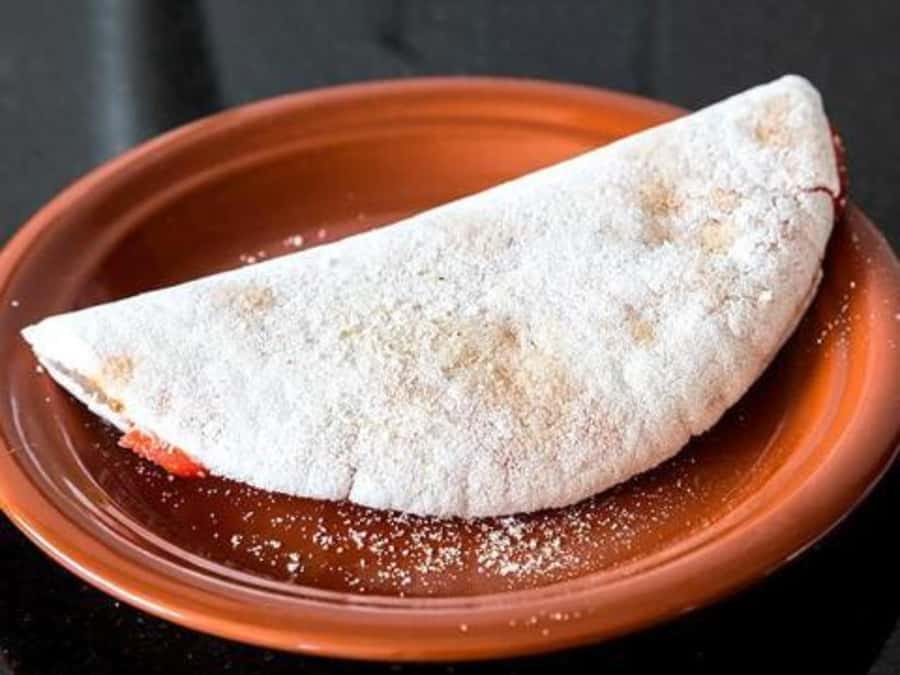
The tasting begins with a family restaurant, where you are scheduled to try tapioca with cupuaçu juice. This pairing gives you two useful introductions at once.
Tapioca is made from cassava starch and is a familiar part of Brazilian food culture, but its texture and preparation can vary. Here, it is presented as a manauara specialty within the tasting. Cupuaçu, meanwhile, is a fruit associated with the Amazon region. Its juice gives you a direct taste of a product you may not often find outside northern Brazil.
This first stop also gives the tour a more personal feel. A family restaurant is different from a large commercial dining room. The information provided does not promise an elaborate meal, so think of this as a focused tasting rather than lunch with many courses.
If you arrive hungry, you may want to plan another meal later. The tour includes a selection of typical dishes, but the amount of food is not specified. A three-hour food walk can fill in the gaps between meals without replacing a full lunch.
For anyone concerned about dietary restrictions, vegetarian and gluten-free choices can be requested in advance. That request needs to be made before the tour, not at the market. People with nut allergies should not book this activity, since nuts and peanuts are connected with the tastings and the experience is specifically listed as unsuitable for them.
Exploring the Adolpho Lisboa Market
After the first tasting, the guide takes you through the market itself. This is where the tour earns much of its value. You are not simply handed a plate and sent on your way. You get time to look at the market stalls and learn about regional fruits and other foods sold there.
The market visit may be especially useful if you have limited time in Manaus. You can see several parts of the local food scene in one guided walk, with someone helping you identify products and decide what is worth tasting.
The exact route can vary. The advertised experience focuses on the market premises, but one guest reported seeing only a small part of the fish market. That is an important detail if fish and seafood are your main reason for booking. You should ask at the start how much of the fish section is included, rather than assume the tour covers every corner.
The market can also be a better place to ask practical questions than a formal restaurant. You can ask what a fruit is called, how it is eaten, or whether a drink contains peanuts. Since the guide speaks English or Portuguese, communication should be possible, but the amount of detail may vary from one guide to another.
Amazon fruits, chestnut, and unfamiliar flavors
The fruit tasting is one of the strongest parts of the experience. The guide introduces you to fruits from the Amazon region, then gives you the chance to taste them. That simple sequence is helpful: you first learn what you are looking at, then form your own opinion.
The tour specifically includes a taste of chestnut, described as a popular and tasty fruit in the region. The supplied details do not give a full list of fruits, so you should not expect a fixed menu of named varieties. What you do taste may depend on market availability and the day’s route.
That uncertainty is not necessarily a weakness. Markets change, and a food walk can feel more connected to local life when it responds to what is available. It does mean you should treat the tasting list as a guide rather than a guarantee of every individual item.
A good guide can make this part far more rewarding. Felix was praised for speaking very good English, knowing the local foods well, and taking the group to different markets used mainly by local people. Josi was also praised for explaining and showing a great deal, with the food receiving strong approval. Those examples suggest that the right guide can turn a basic tasting into a useful food lesson.
More Food and Samba Nights in Manaus:
- Rio de Janeiro: Beginner Samba Lesson in Ipanema
★ 4.9 · 1,071 reviews - Rio: Pub Crawl in Lapa with Cachaça Tasting and Live Samba
★ 4.7 · 881 reviews - Rio: Carnival Backstage Tour at Samba City with Cocktail
★ 4.6 · 520 reviews - Hop-ON Hop-OFF Sightseeing Bus in Rio de Janeiro – Rio Samba Bus
★ 3.5 · 457 reviews
Açaí and guaraná finish the tasting
Açaí and guaraná are both included, giving the tour a recognizable Amazonian finish. Açaí is now familiar around the world, but tasting it in the region still gives it a stronger sense of place than ordering a generic açaí bowl elsewhere.
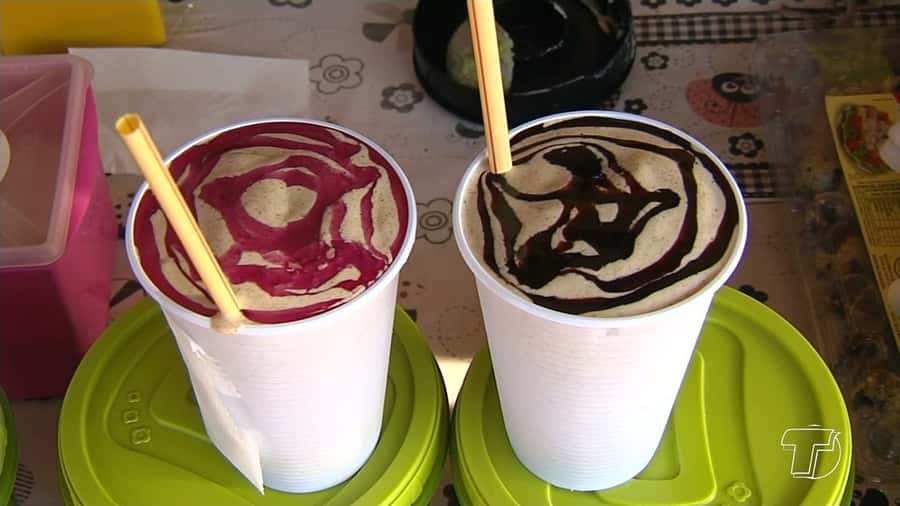
The guaraná tasting is more distinctive. Guaraná is made from the guaraná fruit, which is typical of the region. It may be mixed with other fruits and with peanuts, creating a sweet drink that is also described as an energizing stimulant.
This is where the allergy warning matters most. Do not assume a guaraná mixture is nut-free. If you have a peanut or other nut allergy, this tour is not a safe choice according to the activity information.
The drink is also a nice reminder that food traditions are not always divided into neat categories. You are tasting fruit, a prepared beverage, and local energy culture in one small glass. The tour does not present guaraná as a museum object. You get to taste how it is enjoyed.
Fish, local eating, and the route’s limits
The official description focuses on market foods, fruits, and typical manauara dishes. One especially positive account described a guide stopping for two regional fish after the market visits. The fish were praised as delicious, and the stop added a more substantial meal to the fruit and drink tastings.
You should not count on those exact fish being part of every departure. The experience description does not name the fish or promise two fish dishes for every group. Consider that account a sign of what a flexible guide may add, not a guaranteed menu.
This distinction is important when you compare the tour with a dedicated seafood meal. The activity is designed as a food walk with several tastes, not as a formal fish dinner. If you want a broad introduction to regional flavors, that variety is a plus. If you want a large meal or a precise menu, you may find the format less satisfying.
The fish market itself may also receive less attention than expected. One poor experience involved missing most of that section and later seeing more of it on another market visit. I would ask clearly about the route, particularly if market seafood is high on your list.
Guide quality can shape the whole experience
A market food tour depends on communication. You need to understand the food names, the ingredients, and the local context. A guide who speaks clear English can make each tasting useful. A guide with only basic English may leave you with a tray of unfamiliar foods and little sense of what you are eating.
The available guide feedback is mixed but specific. Josi was praised as very capable and informative. Felix was praised for excellent English, strong knowledge of the region and its foods, and a friendly manner that helped the group relax. Those are exactly the qualities I would want on a market tour.
Another experience had the opposite problem. The guest found the guide’s basic English difficult to understand and felt that too little information was provided about the places visited. That is not a small issue here, because explanation is part of what you are paying for.
You cannot select Felix or Josi from the information provided, and guide assignments can change. If detailed English commentary is important, contact the provider before booking and ask about the expected guide language and level of fluency.
Pickup, group size, and three-hour timing
Hotel pickup and drop-off are included. You are asked to wait in the hotel lobby 10 minutes before the scheduled pickup, with the driver holding a sign showing your last name. That is simple, but you should be ready early and keep your phone available in case the meeting point needs clarification.
The tour is limited to 10 participants. A small group is useful in a market, where a large cluster can block stalls and make it hard to hear. It also gives you a better chance to ask about a fruit or ingredient without turning every question into a group announcement.
Transportation is the main practical concern. One guest reported being placed in a personal car that was too small for the driver and four adults, despite promises that a larger vehicle was coming. That account does not prove every departure uses the same arrangement, but it gives you a reason to confirm the vehicle plan if comfort is important.
The tour runs for three hours and takes place rain or shine. Comfortable shoes are a must because the experience combines transportation, walking, market browsing, and food stops. The information says wheelchair access is available, but it also lists the activity as unsuitable for people with mobility impairments. Because those statements do not fully agree, anyone with mobility needs should confirm the exact route and vehicle before paying.
Is $60 a fair price?
At $60 per person, the cost is not simply the price of a few snacks. It includes a bilingual local guide, a selection of typical dishes, açaí and guaraná tastings, a guided market visit, and hotel pickup and drop-off.
That package can offer fair value if you want convenience and interpretation. Organizing market visits, finding the right places to taste, and arranging transport on your own may take more time than expected. The guide also helps you approach foods you might otherwise pass by.
The value drops if the English is hard to follow, the vehicle is cramped, or the route skips major parts of the market. A poor experience reported that the tour was not worth half the amount paid, while other accounts described excellent guides and enjoyable food. The wide difference points to service consistency as the key question.
I would book this for the access and explanation, not because $60 guarantees a large meal. If your guide is strong, the price covers a useful slice of Manaus in a short period. If you mainly want to eat a lot, a restaurant meal may give you more food for less money.
Free cancellation up to 24 hours before the start and the option to reserve now and pay later reduce some of the booking risk. The tour is offered in English and Portuguese, and it is designed for a small group.
Who should book this food walk?
I would recommend it to you if you have only a short stay in Manaus and want a guided introduction to local foods. It also suits people who enjoy trying unfamiliar fruit, prefer small groups, and want hotel transfers included.
It is a good match for curious eaters who see a market as part of the meal. You will get more from it if you ask questions, try the drinks, and remain open to foods that may not look familiar.
I would be cautious if you have a nut allergy, need guaranteed vehicle comfort, or want a detailed fish-market visit above all else. I would also check the guide’s English ability before booking if you are not comfortable using Portuguese.
FAQ
How long does the Manaus food tour last?
The tour lasts three hours.
What market does the tour visit?
It visits the Mercado Municipal Adolpho Lisboa, also called the Adolpho Lisboa Municipal Market.
What foods and drinks are included?
The experience includes a selection of typical manauara dishes, tapioca with cupuaçu juice, açaí, guaraná, regional fruits, and a taste of chestnut. The exact full tasting list is not specified.
Is hotel pickup included?
Yes. Hotel pickup and drop-off are included. You should wait in the hotel lobby 10 minutes before the scheduled pickup, and the driver will hold a sign with your last name.
What languages are available?
The tour is offered in English and Portuguese with a live bilingual guide.
How many people are in the group?
The group is limited to 10 participants.
Can I request vegetarian or gluten-free food?
Yes. Vegetarian and gluten-free options can be requested with prior notice.
Is the tour suitable for someone with a nut allergy?
No. The activity is listed as unsuitable for people with nut allergies, and some guaraná mixtures may include peanuts.
What should I bring?
Bring a passport or ID card and comfortable shoes. The tour operates rain or shine, and weapons or sharp objects are not allowed.
Should you book it?
Book this tour if you want a compact, guided taste of Manaus with market access, regional fruit, tapioca, açaí, guaraná, and hotel transfers. The strongest possible version depends on a guide such as Felix or Josi, who can explain the food clearly and add local context.
Before paying, confirm the guide language, vehicle size, and how much time the route gives to the fish market. For most curious eaters, the $60 price is reasonable when the guide and transport work well. For anyone with a nut allergy, mobility concerns, or a strict seafood itinerary, choose a different experience.
More Food Tours in Manaus
- Bar-hopping and Food Tour in Curitiba
★ 5.0 · 295 reviews - Guided Tour with Wine Tasting at Casa Seganfredo – Gramado
★ 5.0 · 254 reviews - Sunset Boat Tour with Beer, Water, Soda and Snacks included
★ 5.0 · 227 reviews - 3-Hour Tasting Session in Rio with 33 Foods Brazilians Love
★ 5.0 · 220 reviews
Just added in Manaus
- Tree Climbing in the Amazon★ 4.5 · 6 reviews
- Tucandeira Ants Indigenous Ritual★ 4.5 · 4 reviews
- 4-day Amazon River Boat Tour From Manaus★ 5.0 · 10 reviews
- Walking Tours in Manaus★ 3.5 · 16 reviews
- Transfer service from Porto to Manaus Airport★ 5.0 · 2 reviews
- Amazon Safari Tour in Manaus (Shared)★ 5.0 · 3 reviews
- Transfer service from Iberostar (Port) to Manaus Airport★ 5.0 · 1 review
- Private Tour Waterfalls Iracema & Asframa President Figueiredo★ 5.0 · 3 reviews
Amazon Jungle Tours, compared.

Rio de Janeiro Tijuca Rainforest Hike with Waterfalls and Caves
Read our review →

Jungle Waterfalls and Cachaça Distillery Jeep Tour
Read our review →


Browse the lists this tour appears in