Reviewed · RIO DE JANEIRO TOURS
Pantanal of Rio de Janeiro
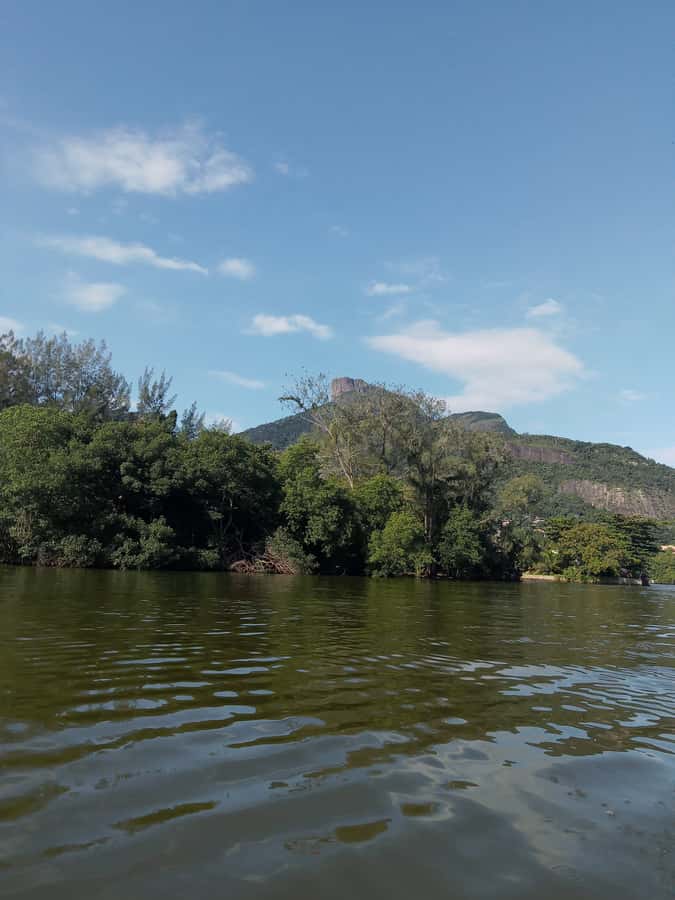
Nature is closer than you think. This three-hour outing takes you by boat through the island waterways of Barra da Tijuca, where caimans and capybaras share the scene with mangroves, river channels, and the huge granite face of Pedra da Gávea. It feels far removed from Rio’s usual beaches and viewpoints.
I like the unusual setting and the chance to see a quieter side of Rio without leaving the city. I also like the trilingual guiding, especially when your guide can explain the area’s culture and daily life rather than simply point at animals. The main caution is cost: the advertised price is $32, but the boat adds R$60 per person, with a 5 percent surcharge for card payment.
The meeting point, in front of Jardim Oceanico subway station, Exit A, is practical. Once you arrive, expect a boat outing through the archipelago, time on Gigóia Island, and an optional visit to Barra da Tijuca beach. This is not a grand Amazon expedition. It is a compact urban nature trip with a local feel.
In This Review
- Key points to know before you go
- Why Rio has its own urban Pantanal
- Meeting at Jardim Oceanico subway station
- The boat ride through Rio’s island waterways
- Gigóia Island and its everyday rhythm
- Optional Barra da Tijuca beach visit
- What the $32 price really covers
- Who will enjoy this outing most
- Timing, communication, and practical planning
- Should you book the Pantanal of Rio de Janeiro?
- FAQ
- How long does the Pantanal of Rio de Janeiro tour last?
- Where is the meeting point?
- Is the boat ride included in the listed price?
- What animals might I see?
- Which languages are available?
- Is a visit to Barra da Tijuca beach included?
- Can I cancel the booking?
Key points to know before you go

- The boat fee is separate: Pay the captain R$60 in cash, or pay by card with an added 5 percent charge.
- Gigóia Island is the main stop: It is the largest island in the archipelago and offers a look at local island life, restaurants, and water transport.
- Wildlife is the star: Caimans, capybaras, and other animals may be seen along the waterways.
- Pedra da Gávea frames the outing: The famous rock gives the natural setting a distinctly Rio backdrop.
- The guide matters: English, Portuguese, and Spanish are offered, and guide Ione has earned praise for clear explanations and fluent Spanish and English.
- Barra da Tijuca beach is optional: It adds a coastal stop, but the wildlife and island boat ride are the main reasons to book.
Why Rio has its own urban Pantanal

The name Pantanal may bring Brazil’s vast western wetlands to mind. This experience is smaller and more urban, but the comparison comes from its watery setting, plant life, and animal sightings. You are not heading into a remote wilderness. You are exploring an island network inside Rio’s Barra da Tijuca district.
That contrast is the appeal. Rio is often presented through Sugarloaf Mountain, Christ the Redeemer, Copacabana, and Ipanema. Those sights deserve their fame, but this tour shows you a less familiar part of the city. Here, the view is made of narrow waterways, mangrove areas, small islands, boats, and steep rock formations.
I like the way the setting brings together things that seem unlikely to share one frame: river channels, wildlife, local restaurants, a famous mountain, and a major beach district. You get nature without committing to a full-day trip far from Rio.
The word Pantanal should not set expectations for an enormous wildlife safari. Animal sightings are part of the experience, but nature does not follow a timetable. The outing is best understood as a boat tour through a wetland-like urban area, with a good chance to see caimans and capybaras and a chance to observe island life.
More things to do in Rio de Janeiro:
- Rio de Janeiro: 6-Stop Highlights of Rio with Lunch
★ 4.4 · 5,157 reviews - Christ the Redeemer Entry Ticket by Corcovado Train
★ 4.4 · 4,476 reviews - Rio’s City Tour – Tickets for Christ, Sugar Loaf & Lunch included
★ 5.0 · 4,389 reviews
Meeting at Jardim Oceanico subway station
The tour begins in front of Jardim Oceanico subway station at Exit A. That is useful for visitors staying in different parts of Rio because the meeting point is tied to a clear public transport landmark rather than an obscure street corner.
Give yourself enough time to find the correct exit. The meeting instructions are specific, but large stations can still cause confusion, especially if you are watching the clock. A past scheduling problem involved the activity appearing to have started before the guide arrived, which caused unnecessary worry. If the guide is delayed, clear communication is important, so keep your phone available before the meeting.
From the station, the experience shifts quickly from city transport to waterways and islands. The details of the transfer to the boat are not specified, so you should follow the guide’s directions rather than assume the boarding point. The captain collects the boat payment directly, which means you should plan for that extra charge before you arrive.
The boat ride through Rio’s island waterways
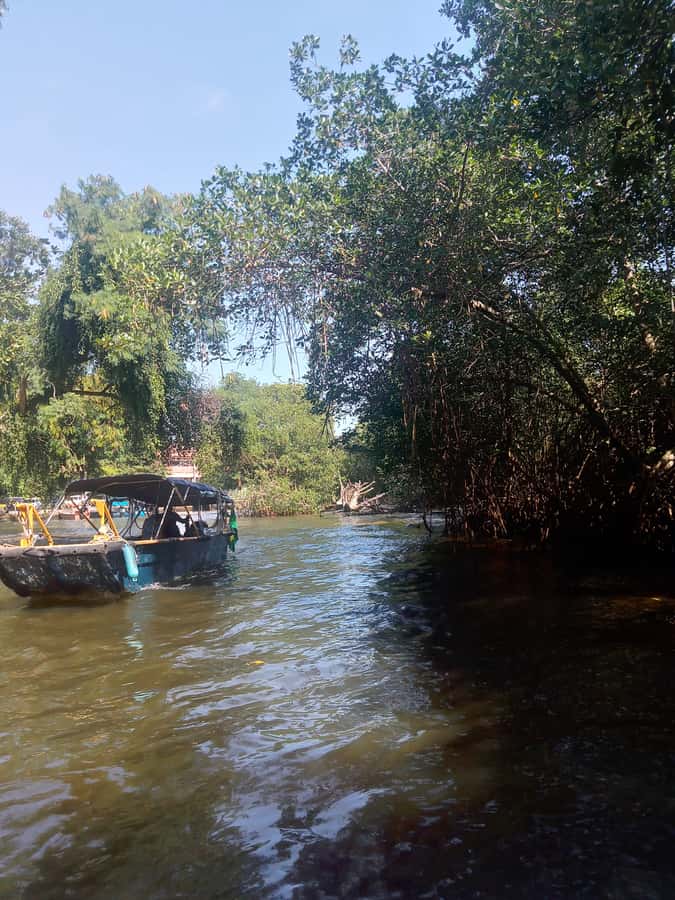
The boat is the heart of the tour. You move through the archipelago around Gigóia Island, looking for animals along the banks and channels. The route offers a different sense of Rio than a standard sightseeing cruise because the focus is not on grand buildings or a skyline. It is on water, vegetation, wildlife, and the way people live around the islands.
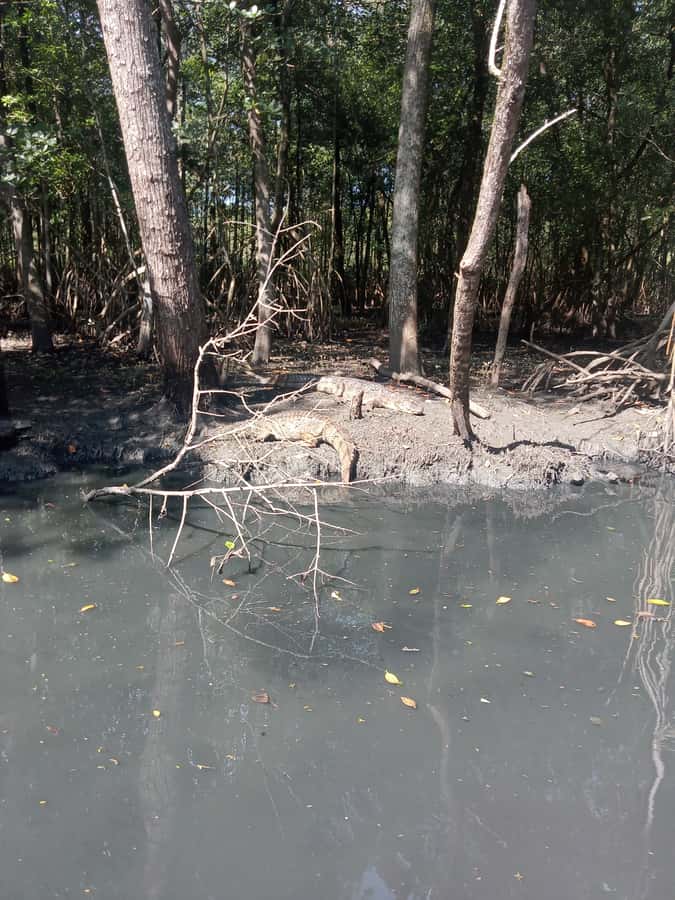
Caimans and capybaras are the headline animals. A caiman sighting gives the ride a little drama, while capybaras bring the comic relief. You may also see other animals from the area, though no fixed list or guaranteed sightings is provided. That matters: book this for the setting and the chance to see wildlife, not for a guaranteed animal checklist.
The boat ride also gives you the best views of Pedra da Gávea. The enormous rock formations help you understand Rio’s unusual geography. The city is not simply a flat coastal spread. Waterways, forested hills, beaches, and giant granite outcrops sit close together.
I would pay attention to the guide’s explanations during this section. The most praised part of the guiding is not only identifying animals, but explaining Brazil, local culture, history, and current affairs. Guide Ione was especially appreciated for speaking excellent English and Spanish and for answering questions at length without rushing the group.
That kind of conversation can make a short boat ride feel more substantial. If you want only photos, you may find the tour fairly simple. If you enjoy asking how a neighborhood developed or what life is like around the islands, the guide can add real value.
Gigóia Island and its everyday rhythm
Gigóia Island is the largest island in the archipelago and the main land-based stop. The walk gives you a closer look at a place that many Rio itineraries skip. It is not a museum or a polished attraction. Its value is in the setting and the glimpse of ordinary island life.
You may find the walk more interesting if you approach it with the right expectations. This is not a long trek or a carefully staged cultural show. It is a chance to see the island, understand its connection to the waterways, and spend time in a part of Rio that feels separate from the standard tourist route.
One practical benefit is the choice of restaurants on the island after the tour. Guide Ione recommended a restaurant with a pleasing view to one visitor, who then returned to the metro by water taxi for an additional R$6. That detail is useful because you may want to allow extra time and money for lunch or for the return journey if you decide to eat before leaving.
The restaurant stop is not presented as part of the fixed tour cost, so treat it as optional spending. The same goes for the water taxi. Ask your guide what return option makes sense before settling in for a meal, especially if you have another appointment later in the day.
This part of the outing may be the least exciting for visitors focused only on wildlife. One person felt that seeing the island and the rest of the route added little beyond the caimans and capybaras. I think that criticism is fair for a visitor with limited time who wants a concentrated nature tour. For someone interested in local life, the island is a useful part of the experience.
A completely different kind of day:
- Full Day: Christ Redeemer, Sugarloaf, City Tour & Barbecue Lunch
★ 4.5 · 3,142 reviews - Rio de Janeiro: Rocinha Favela Walking Tour with Local Guide
★ 4.8 · 3,052 reviews - Rio’s Full Day: Selarón Steps, Christ & Sugarloaf – Tickets & Lunch Included
★ 5.0 · 2,724 reviews - Rio: Christ the Redeemer, Sugarloaf, Selaron & BBQ Lunch
★ 4.5 · 2,428 reviews
Optional Barra da Tijuca beach visit
Barra da Tijuca beach can be included as an optional part of the outing. It gives you a coastal finish and shows a side of Rio that is often left off short city itineraries.
The beach is not the main reason to book this tour, but it helps complete the picture. You get waterways and animals first, then a broad coastal setting. That combination makes sense for visitors who want to see how Rio’s natural spaces connect rather than spend the entire day moving between famous landmarks.
The optional nature of this stop means you should clarify the plan with the guide. The available information does not specify how long the beach visit lasts or exactly where the tour ends. If you need to be somewhere at a fixed time, keep that uncertainty in mind.
One useful point from the feedback is that Barra da Tijuca was considered worthwhile precisely because it is not always high on a visitor’s standard list. You may enjoy it most as an added look at the city, not as a substitute for Rio’s better-known beaches.
What the $32 price really covers
The listed price is $32 per person, but it does not cover the boat ride. The captain collects R$60 directly. Card or debit payment is possible, but it carries a 5 percent surcharge, so cash is the simplest way to avoid the extra charge.
That changes the value calculation. At the headline price, the tour sounds like a low-cost way to see an unusual part of Rio. Once the boat fee is added, the total is higher, though still reasonable if you value the guide, the wildlife setting, and the convenience of a planned three-hour outing.
I would compare it with what you want from a Rio day. If your priority is a famous landmark, the money may be better spent elsewhere. If you have already seen the major sights and want something different, the extra boat payment buys access to a setting that is difficult to understand from the metro or road alone.
The strongest value comes from the guide. A basic boat ride may show you animals, but a trilingual guide can explain the islands, local culture, and the city’s development. That was particularly clear with Ione, whose answers encouraged longer conversations instead of a rushed list of facts.
Bring cash for the R$60 boat fee. Even though card payment is allowed, cash avoids the 5 percent charge and makes the handoff to the captain simple. Keep a little extra for food or a possible R$6 water taxi ride, based on the return arrangement described by one participant.
Who will enjoy this outing most
I would recommend the tour to you if you have already visited Rio’s central sights and want a less familiar experience. It suits people who like short nature excursions, photography, animals, and local conversations.
It is also a good fit if you want to stay within Rio rather than spend a full day traveling to a distant wildlife area. The three-hour duration leaves room for other plans, though an island meal or optional beach visit could extend your time.
Families may enjoy the caimans and capybaras, but the information provided does not specify age limits, child pricing, or boat conditions. Ask the provider if those details matter for your group.
The tour may disappoint you if you expect a major safari, a long hike, or constant wildlife action. One direct assessment called it overpriced for what was included and felt that only the animals were essential. That is the central tradeoff: the tour offers a distinctive setting, but it is compact and dependent on what nature chooses to show you.
Language is another reason to consider it. The tour operates in English, Portuguese, and Spanish. If you want to ask questions about Brazil beyond the immediate scenery, this is more useful than a silent boat trip.
Timing, communication, and practical planning
The stated duration is three hours, and starting times depend on availability. Check the exact departure time when booking, then arrive at Jardim Oceanico subway station, Exit A, with a little margin.
Communication has generally been clear, but there has been at least one reported concern when a late guide caused the booking system to show the activity as already underway. If you do not see the guide at the expected time, use the contact details from your booking rather than assuming you have missed the tour.
The outing includes an accredited trilingual guide, but the boat itself is paid separately. Keep those two parts distinct when planning your budget.
Free cancellation is available up to 24 hours in advance for a full refund, and you can reserve now and pay later for the main booking. The boat fee remains a direct payment to the captain, so confirm how that separate charge applies if you change your plans.
Should you book the Pantanal of Rio de Janeiro?
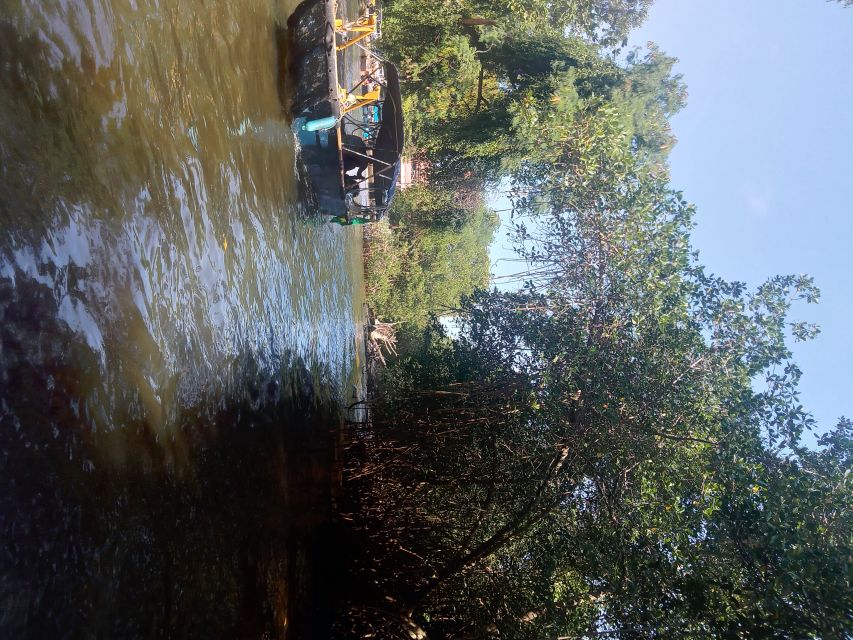
Book it if you want wildlife, waterways, and a local side of Rio rather than another famous viewpoint. The caimans, capybaras, Gigóia Island, and Pedra da Gávea views give the outing a clear identity, while the guide can add much more than simple animal spotting.
Think twice if you are counting every dollar or expecting a full-scale wetland expedition. The separate R$60 boat fee makes the total less modest, and the island walk or beach stop may feel secondary if your only goal is wildlife.
My practical call: book this after you have covered Rio’s classic sights, especially if you enjoy asking questions and seeing how nature and city life meet. Bring cash, allow time for the guide to arrive, and treat the animal sightings as a welcome possibility rather than a promise. That is the fairest way to judge this short, unusual outing.
FAQ
How long does the Pantanal of Rio de Janeiro tour last?
The tour lasts three hours. Starting times vary, so check availability when booking.
Where is the meeting point?
The meeting point is in front of Jardim Oceanico subway station at Exit A.
Is the boat ride included in the listed price?
No. The boat ride costs R$60, paid directly to the captain. Card or debit payment is accepted with a 5 percent surcharge.
What animals might I see?
The tour is designed to look for caimans, capybaras, and other animals in the area. Sightings are part of the experience but are not stated as guaranteed.
Which languages are available?
The live guide service is offered in English, Portuguese, and Spanish.
Is a visit to Barra da Tijuca beach included?
A visit to Barra da Tijuca beach is optional. The tour also includes a visit to Gigóia Island.
Can I cancel the booking?
You can cancel up to 24 hours in advance for a full refund. Reserve now and pay later is also available for flexible planning.
Just added in Rio De Janeiro
- Little Africa: Historical & Heritage Tour of Rio de Janeiro★ 4.5 · 7 reviews
- Petrópolis Historical Tour – Museum Ticket and Lunch!★ 3.0 · 9 reviews
- Centro Historico and Lapa – Santa Teresa Walking, Historical and Bohemian Tour★ 5.0 · 44 reviews
- Historical Rio Walking Tour★ 5.0 · 19 reviews
- Best Private Historic Day Tour of Rio de Janeiro★ 5.0 · 3 reviews
- Petrópolis, the Imperial City★ 4.5 · 8 reviews
- Hiking to Christ the Redeemer A Journey to Rio’s Iconic Landmark★ 5.0 · 20 reviews
- Hire Photographer, Professional Photo Shoot – Rio de Janeiro★ 3.5 · 3 reviews
Rio de Janeiro Tours, compared.


Christ the Redeemer Entry Ticket by Corcovado Train
Read our review →
Rio’s City Tour – Tickets for Christ, Sugar Loaf & Lunch included
Read our review →
Full Day: Christ Redeemer, Sugarloaf, City Tour & Barbecue Lunch
Read our review →

Rio’s Full Day: Selarón Steps, Christ & Sugarloaf – Tickets & Lunch Included
Read our review →
Christ the Redeemer, Sugarloaf, Selaron & BBQ Lunch
Read our review →