
Reviewed · BRAZIL FOOD AND SAMBA NIGHTS
São Paulo: Liberdade Street Food Tour
Food tells Liberdade’s story. This two-hour walk brings together Japanese, Brazilian, Korean, and Argentinian bites in one of São Paulo’s most distinctive neighborhoods. I like the mix of street food and local history, and I also like the small group size, capped at 10 people. The main consideration is that the food choices can change by day, and one person found the final stop less appealing than the others.
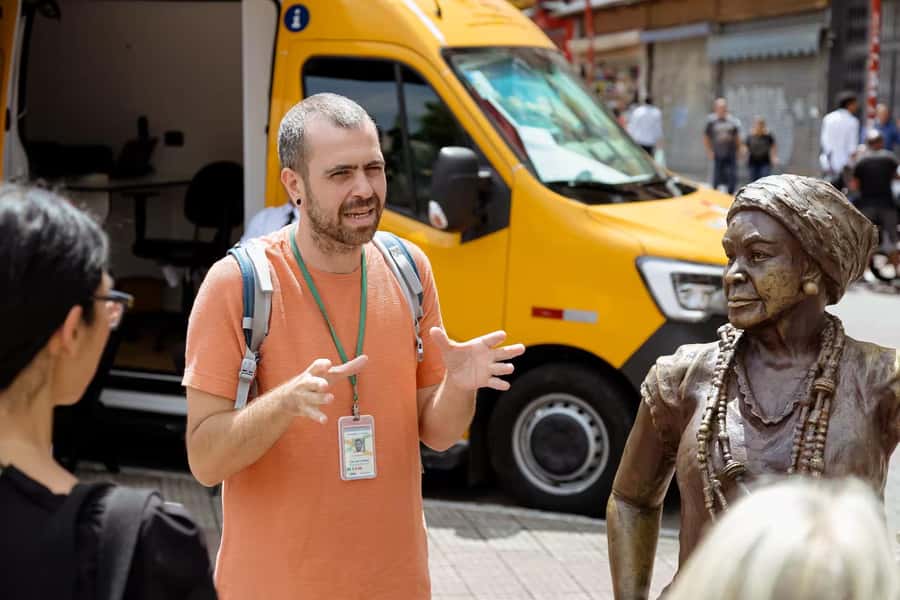
The guide, Giuliano, receives especially warm praise for his English, energy, and grasp of São Paulo’s past. You should arrive hungry, wear comfortable shoes, and reach the red Bradesco Bank in Liberdade Square before the exact start time. This tour does not wait for late arrivals.
In This Review
- Key Points At A Glance
- Why Liberdade Makes Such A Good Food Tour
- Meeting At Liberdade Square
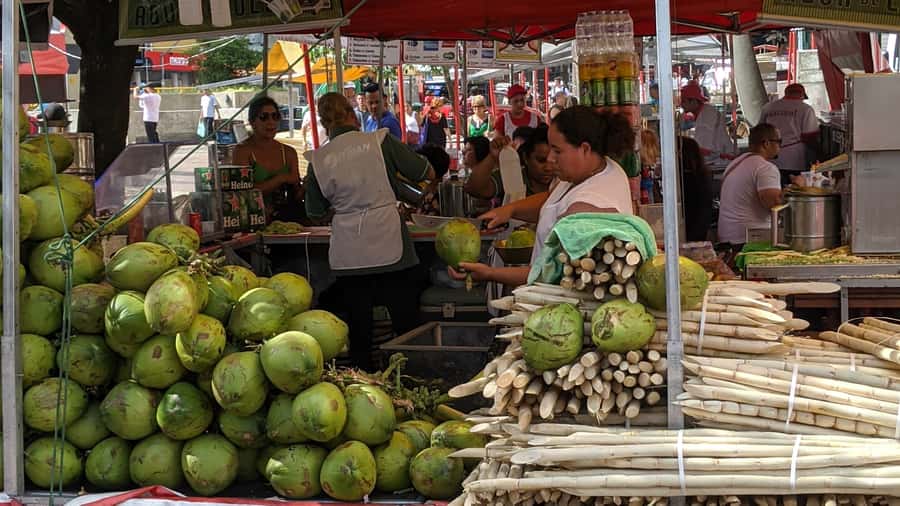
- Japanese Pastel, Onigiri, And Sugarcane Juice
- Takoyaki, Tempura, Or A Weekday Empanada
- Korean Choux Au Craquelin And The Final Stop
- The History Between The Food Stops
- Is $60 A Fair Price?
- What The Guide Adds
- Practical Advice For A Comfortable Walk
- Who Will Enjoy This Tour Most?
- Should You Book The Liberdade Street Food Tour?
- FAQ
- How long does the Liberdade Street Food Tour last?
- Where does the tour begin?
- Where does the tour finish?
- What language is the tour conducted in?
- How many people can join the tour?
- Is the tour wheelchair accessible?
- What food is included?
- What drinks are included?
- Are extra foods and drinks included?
- Can I cancel for a full refund?
Key Points At A Glance
- Four food traditions in one neighborhood: Try Japanese pastel and onigiri, Brazilian-style takoyaki or tempura, Korean choux au craquelin, and possibly Argentinian empanadas.
- Liberdade beyond the lanterns: Learn how the area changed from a military district into a center for Japanese immigrants and later migrants from China, Korea, Congo, and Haiti.
- A guide-led tasting walk: Giuliano brings history and food together instead of treating the neighborhood as a collection of photo stops.
- A filling two-hour outing: Three main snacks, sugarcane juice, water, and a final soft drink or coffee are included.
- Small and accessible: The group is limited to 10 people, the tour is in English, and the route is wheelchair accessible.
- Good value at $60: The price makes more sense if you want both a guided neighborhood walk and several tastings, not just a quick snack crawl.
Why Liberdade Makes Such A Good Food Tour
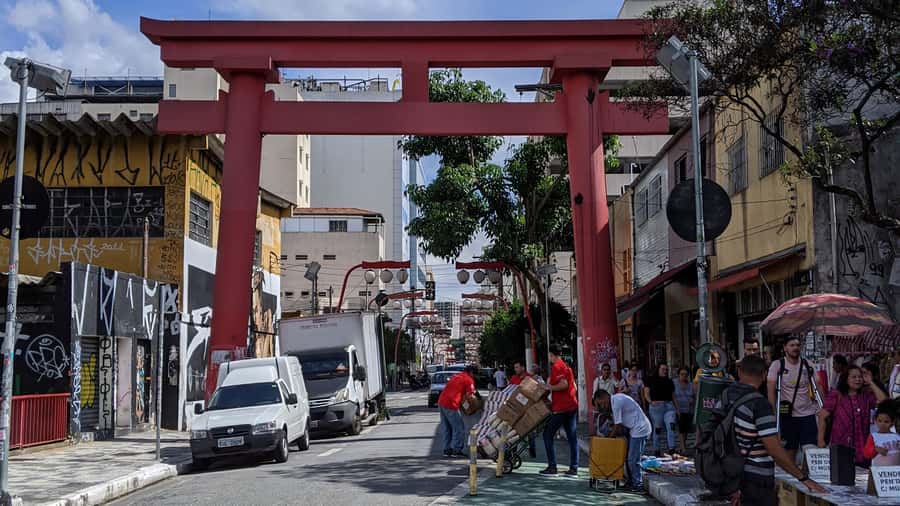
Liberdade is often introduced through its Japanese identity, and that is an important part of the neighborhood’s story. São Paulo is home to the largest Japanese community outside Japan, and Liberdade became the city’s main home for Japanese immigrants about a century ago.
But the area is not only Japanese. Its streets also reflect Chinese, Korean, Congolese, Haitian, and Afro-Brazilian influences. That mixture gives the food tour its point. You are not simply eating dishes from different countries in random order. You are seeing how migration shaped one São Paulo neighborhood and how food carries those connections forward.
I like that the tour uses snacks as a way into the city’s past. A Japanese pastel with sugarcane juice sounds playful, but it also shows how a familiar Brazilian drink and an immigrant food tradition can sit comfortably together. The experience is at its best when your guide explains those links while you are eating, rather than saving all the facts for a long speech at the end.
The neighborhood walk also adds useful context. You will not spend the entire two hours sitting in restaurants. After the tastings, the guide points out architectural details and talks about the people who live in the area today. That gives Liberdade more depth than a quick stop for pictures under its famous red lanterns.
More Food and Samba Nights in Sao Paulo
- São Paulo: 2 Hours – Liberdade “Street Food” Tour – In English
★ 5.0 · 26 reviews - São Paulo Carnival Parade From A Prime Box: With Shuttle, Guide, Food & Drink
★ 5.0 · 18 reviews - São Paulo Food Tour: The Flavors of Brazil
★ 4.9 · 3 reviews
Meeting At Liberdade Square
The meeting point is outside the large red Banco Bradesco Prime building in the middle of Liberdade Square. This is a practical landmark, but you should still plan your route carefully. The tour starts strictly on time, and once the group leaves, the guide will not be checking the phone or returning to the meeting point.
That rule matters in São Paulo, where getting across the city can take longer than expected. I would aim to arrive early enough to identify the bank, settle in, and find the guide without a last-minute dash. You are responsible for reaching the starting point before the group moves on.
The activity lasts two hours, with the main guided walk and food tasting listed as 105 minutes. It ends at Restaurante Kazu. Because the walk combines several food stops with neighborhood sightseeing, you should expect a steady outing rather than a slow restaurant meal.
The tour is offered in English and is limited to 10 people. That is a useful size for a food walk. You can usually hear the guide without fighting a crowd, and the group can move through busy streets more easily than a large coach party. The experience is also wheelchair accessible.
Japanese Pastel, Onigiri, And Sugarcane Juice
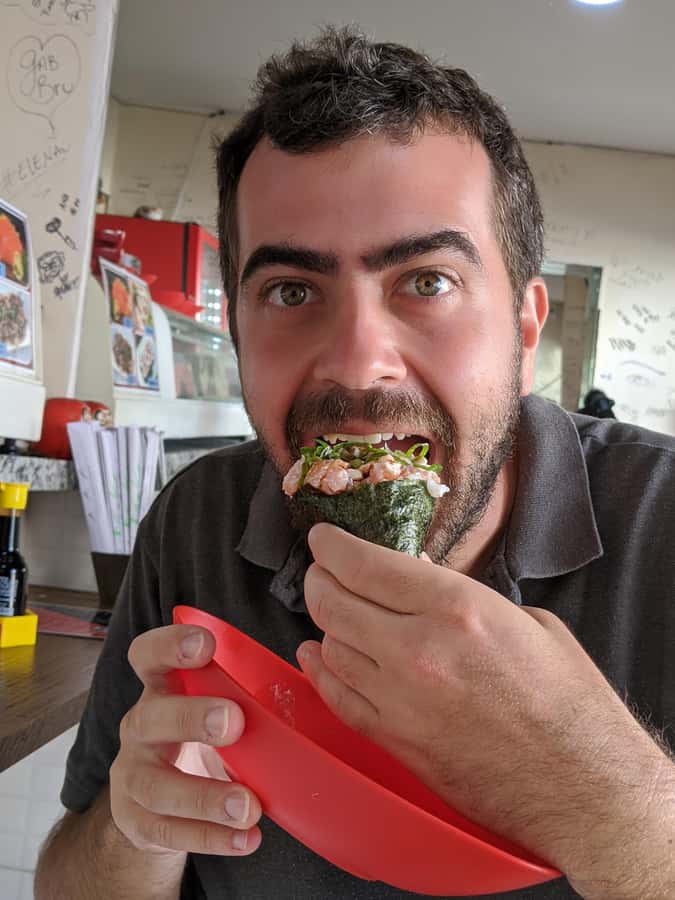
The first food pairing gives you a clear sense of what makes this tour different. You try Japanese pastel and onigiri, along with a bottle of water and a fresh sugarcane juice.
Pastel is a familiar Brazilian snack, but the Japanese version brings the neighborhood’s immigrant influence into view. Onigiri gives you another Japanese staple in a compact, easy-to-eat form. Rather than presenting Japanese food as something separate from Brazil, the stop shows how local eating habits and immigrant traditions can meet.
Sugarcane juice adds a very Brazilian note. It is sweet, tropical, and a natural match for salty snacks. If you have never tried it, this is one of the more memorable parts of the tasting because it is both simple and strongly tied to everyday Brazilian food culture.
This is also where Giuliano’s role matters. The strongest feedback about him focuses on his ability to explain the food while keeping the walk lively. He has lived in Brazil for many years and is described as fluent in English, energetic, and easy to follow. That combination suits a short tour, since you need clear explanations without losing too much time between stops.
Takoyaki, Tempura, Or A Weekday Empanada
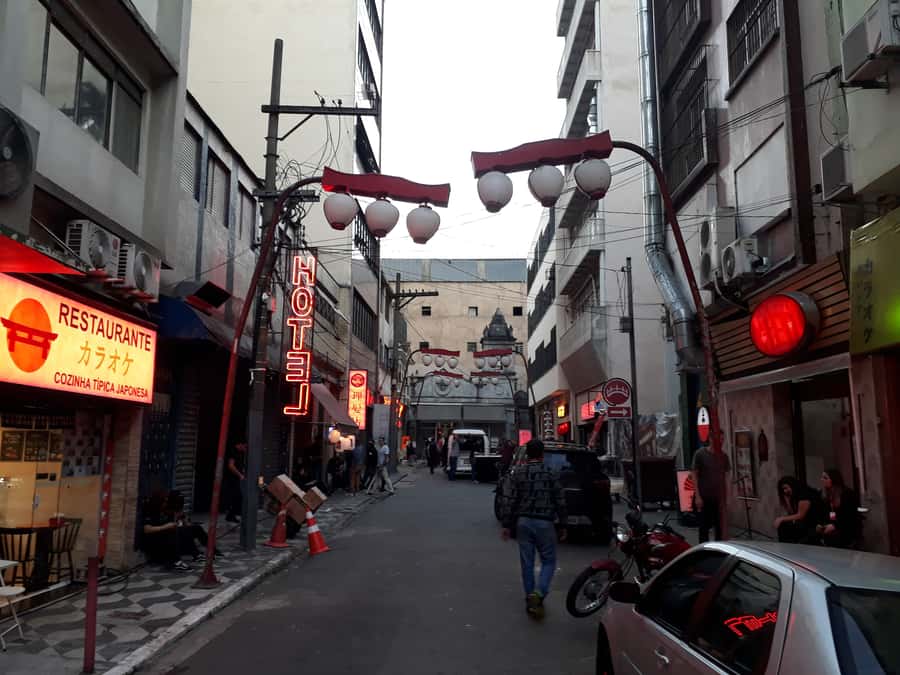
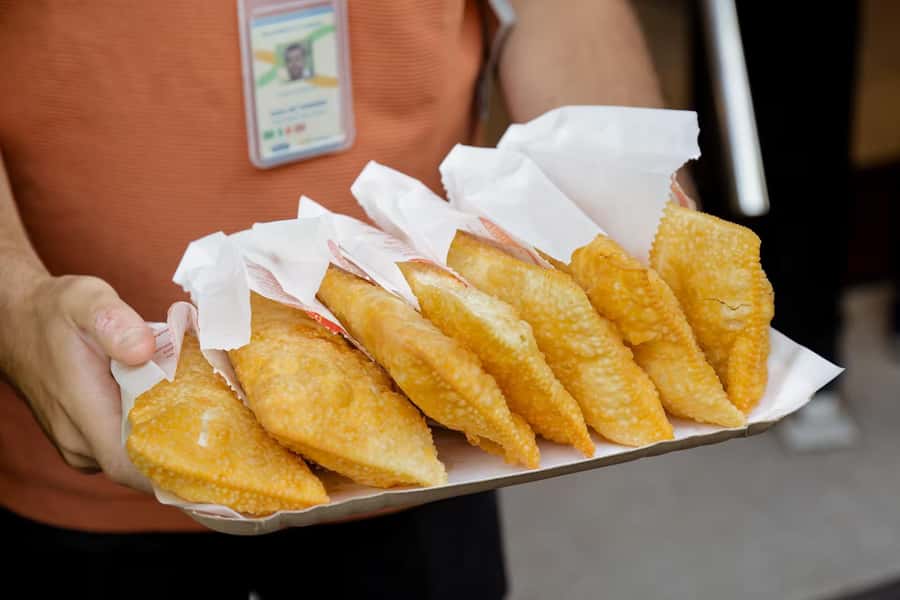
The next included tasting is listed as traditional takoyaki or tempura. On weekdays, it may be replaced by Argentinian empanadas.
That change is worth noting before you book. If you have your heart set on takoyaki, a Japanese street snack usually associated with octopus, you should ask about the schedule in advance. The substitution is not a bad thing, especially if you enjoy South American food, but it does mean the exact menu is not fixed.
The mention of Brazilian takoyaki is one of the tour’s more curious details. The phrase points to the way foods travel and get adapted. A dish may keep a familiar name or shape while taking on local ingredients, habits, or expectations. You will get more from this stop if you pay attention to those changes rather than judging each bite against an original version from another country.
The weekday empanada option brings Argentina into the route. One person singled out the empanadas as a favorite, while other food comments called the provided snacks very good overall. Since food taste is personal, it is fair to expect some variation in what you enjoy most. The menu gives you several chances to find a favorite instead of relying on one signature dish.
More Sao Paulo city tours:
- Skydive Tandem – São Paulo – Brazil
★ 5.0 · 1,840 reviews - São Paulo’s Full Day City Tour: Main City Sights in 7 Hours – (Shared Group)
★ 5.0 · 1,691 reviews - 5-hour Private Tour Of São Paulo With Its Main Sights – Optional Airport Pickup
★ 5.0 · 643 reviews - São Paulo: Main City Sights in 7 Hours – Shared Group Tour
★ 4.9 · 587 reviews
Korean Choux Au Craquelin And The Final Stop
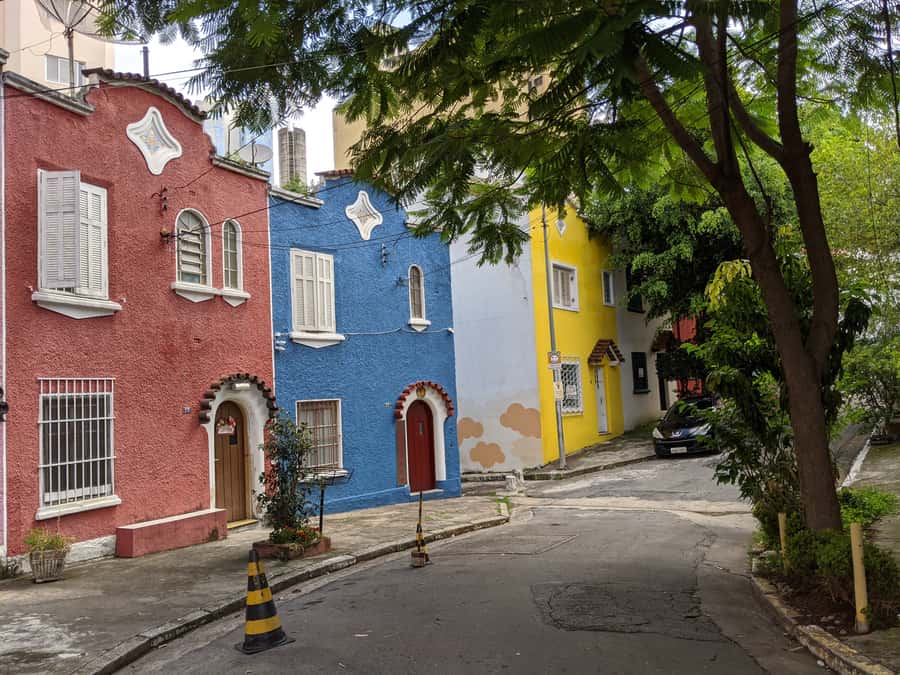
The included Korean choux au craquelin provides a sweeter turn. Choux pastry with a crisp topping is not the first food most people associate with a neighborhood street walk, which makes this a fun surprise. It also keeps the tour from becoming a sequence of similar fried and savory snacks.
The final refreshment is either a soft drink or coffee at Restaurante Kazu, where the tour finishes. You also receive one bottle of water during the outing. These drinks help round out the food, especially if the day is warm and you have been walking between stops.
One person found the last stop less satisfying than the rest of the food. I would treat that as a useful warning rather than a reason to reject the tour. Menus and personal taste can vary, and the larger strength of the experience is the combination of tastings, stories, and neighborhood context. Still, if you are booking mainly for a particular final dish, this may not be the best match.
The tour includes three main snacks, but the route offers a wide range of flavors. Several food-focused comments describe the experience as filling, and one person advised arriving hungry. I agree with that practical tip. Do not plan a large meal immediately before the walk.
The History Between The Food Stops
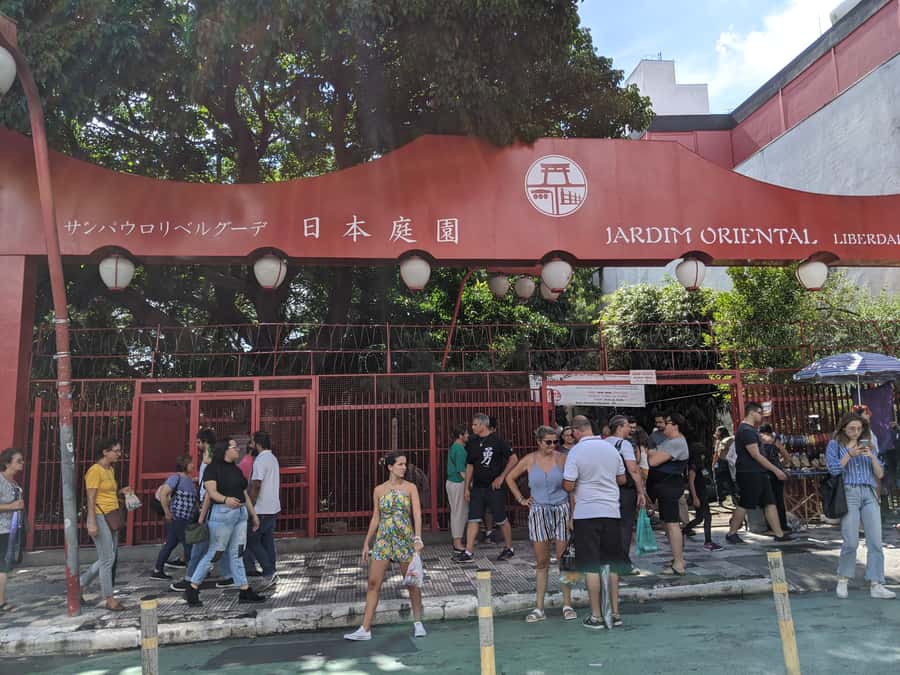
Liberdade’s story gives the tasting its shape. The area was once a military district before becoming a home for Japanese immigrants roughly 100 years ago. Today, the neighborhood reflects several waves of migration and a strong Afro-Brazilian heritage.
The guide’s job is not simply to name these communities. The useful part is seeing how the history appears in the streets, buildings, markets, and food businesses around you. The walk includes architectural points of interest and discussion of the people who live in the neighborhood now.
I especially like this approach because it helps you avoid reducing Liberdade to a single national identity. Japanese signs and decorations are part of the visual character, but the neighborhood’s present-day culture is broader. The food selections make that clear without requiring a long lecture.
The history is delivered while you move and eat, which works well for people who prefer stories with a practical connection. If you want a formal historical tour with long stops at monuments, this may feel light. If you want enough background to understand what you are seeing while keeping the pace social, the format is a good fit.
Is $60 A Fair Price?
The tour costs $60 per person. That is not the cheapest way to eat in Liberdade, since you could buy individual snacks on your own for less. The price includes more than food, though: you are paying for an English-speaking guide, three main tastings, sugarcane juice, water, a final soft drink or coffee, and a guided neighborhood walk.
I see the value in the structure. You do not need to guess which vendors or dishes make sense for a first visit, and you get explanations about why the food matters. The small group limit also gives the experience a more personal feel than a large commercial walk.
The price is strongest for a first-time visitor to São Paulo who wants an introduction to Liberdade without spending half a day planning stops. It is less compelling for someone who already knows the neighborhood, speaks Portuguese, and prefers choosing food independently.
Additional food and drinks are not included. You may want to budget for extras if you discover a market item or snack that you cannot resist. The included portions are intended to make the tour filling, but they do not cover every possible purchase in the neighborhood.
What The Guide Adds
The repeated praise for Giuliano centers on three things: clear English, strong knowledge of São Paulo’s past, and an engaging manner. One account describes him as an Italian who has lived in Brazil for many years. That background may help explain the cross-cultural angle of the tour, since he can speak about Brazil with both local experience and an outsider’s curiosity.
His energy seems particularly useful here. A food walk can become dull if the guide talks too long at every stop, or shallow if there is no explanation at all. The best comments describe a balance between eating and learning, with food choices tied to the area’s history.
You should still keep your expectations realistic. This is a two-hour introduction, not an academic course on Japanese immigration, Afro-Brazilian culture, or São Paulo architecture. You will get a clear overview and selected stories, then have the rest of your visit to explore further.
Practical Advice For A Comfortable Walk
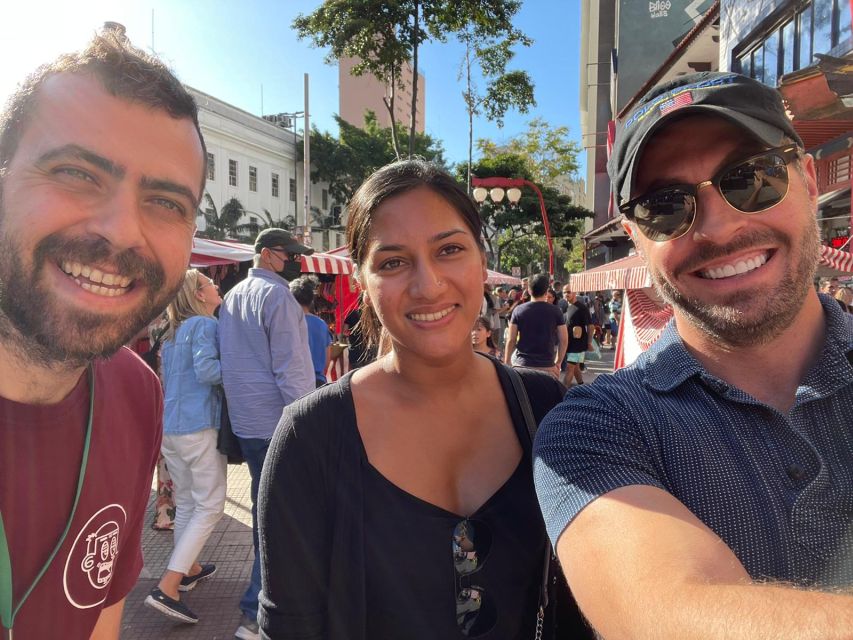
Wear comfortable shoes and bring sunscreen. An umbrella is also recommended, which tells you to prepare for changing weather rather than assume the forecast will hold.
Arrive early at the Bradesco Bank meeting point. The strict start time is one of the few real logistical drawbacks. A late arrival can mean missing the entire activity, since the guide will be focused on the group once the walk begins.
Bring an appetite, but do not arrive dehydrated. Water is included, along with sugarcane juice and a final drink. Since the tour includes several snacks in a short period, a light meal beforehand makes more sense than a full breakfast or lunch.
The route is wheelchair accessible, but the supplied information does not describe the exact street surfaces, slopes, or restroom arrangements. If you need specific access details, contact the provider before booking. The same applies if you have food restrictions, since the included menu contains several distinct preparations and may change on weekdays.
Free cancellation is available up to 24 hours before the start for a full refund. You can also reserve now and pay later, which helps if your São Paulo plans are still shifting.
Who Will Enjoy This Tour Most?
I would recommend this walk to a first-time São Paulo visitor who wants a compact introduction to Liberdade. It suits people who like learning through food, enjoy trying several small portions, and prefer an English-speaking guide to navigating the neighborhood alone.
It is also a good choice for couples, families, and small groups who want a social activity without committing to a full-day food program. The 10-person limit keeps it intimate without making it private.
You may want to skip it if you are looking for a cheap, self-guided snack stop, or if you need a fully fixed menu. It is also not ideal for someone who wants a long sit-down meal at each location. The appeal is movement, variety, and explanation.
Should You Book The Liberdade Street Food Tour?
Yes, if you want food and context in equal measure. The Japanese pastel, onigiri, sugarcane juice, takoyaki or tempura, possible empanadas, and Korean choux au craquelin create a broad tasting menu for a short walk. The history of Japanese immigration and the neighborhood’s wider mix of cultures gives the outing a purpose beyond eating.
Book it early in your São Paulo stay if possible. The tour can help you understand Liberdade before returning on your own for a longer market visit or another meal. Arrive on time, come hungry, and confirm the weekday food substitution if a specific snack matters to you.
At $60, this is a guided introduction rather than a bargain food crawl. For the right person, Giuliano’s clear English, strong local background, and lively style make the extra cost worthwhile.
FAQ
How long does the Liberdade Street Food Tour last?
The activity lasts two hours. The guided tour and food tasting portion is listed as 105 minutes, with the experience ending at Restaurante Kazu.
Where does the tour begin?
It begins outside the large red Banco Bradesco Prime bank in the middle of Liberdade Square in São Paulo.
Where does the tour finish?
The tour finishes at Restaurante Kazu.
What language is the tour conducted in?
The tour is conducted in English with a live guide.
How many people can join the tour?
The group is limited to 10 participants.
Is the tour wheelchair accessible?
Yes, the activity is listed as wheelchair accessible.
What food is included?
The included food consists of three main snacks: Japanese pastel and onigiri, traditional takoyaki or tempura, and Korean choux au craquelin. On weekdays, the takoyaki or tempura may be replaced with Argentinian empanadas.
What drinks are included?
You receive one bottle of water, one sugarcane juice, and one final soft drink or coffee.
Are extra foods and drinks included?
No. Additional food and beverages are not included in the $60 price.
Can I cancel for a full refund?
Yes. You can cancel up to 24 hours before the tour for a full refund. You can also reserve now and pay later.
More Food Tours in Sao Paulo
- São Paulo 5 Hour Private Tour With Fruit Tasting
★ 5.0 · 93 reviews - From São Paulo: São Roque Wineries Route and Tasting of Wine
★ 4.9 · 22 reviews - São Paulo: 5hr City Tour With Fruit Tasting
★ 4.7 · 20 reviews - São Paulo: Food, Culture & History Private Tour
★ 5.0 · 6 reviews
Just added in Sao Paulo
- Private Transfer: GRU Airport to Sao Paulo City up to 15 People★ 5.0 · 12 reviews
- Private Transportation to Campos do Jordão – Premium Experience★ 5.0 · 1 review
- São Paulo Layover Tour from GRU AIRPORT | 06 hours of private tour★ 5.0 · 1 review
- Translate Airports SP★ 5.0 · 1 review
- 5-hour tour in the main points of São Paulo.★ 5.0 · 12 reviews
- Private Transfer from Sao Paulo (GRU) Airport to Aparecida Do Norte★ 5.0 · 1 review
- Private Transfer from Sao Paulo (GRU) Airport to Campos do Jordão★ 5.0 · 1 review
- (Sedan VIP Class) Transfer GRU Airport • São Paulo★ 5.0 · 6 reviews
Brazil Food and Samba Nights, compared.


Pub Crawl in Lapa with Cachaça Tasting and Live Samba
Read our review →
Carnival Backstage Tour at Samba City with Cocktail
Read our review →
Hop-ON Hop-OFF Sightseeing Bus in Rio de Janeiro – Rio Samba Bus
Read our review →

Carnaval Experience: Backstage Tour at Samba City with Cocktail
Read our review →
Browse the lists this tour appears in