
Reviewed · COOKING CLASSES
Rio de Janeiro: Brazilian Cooking Class in Rio de Janeiro
Brazilian food is best learned around a table. This Copacabana cooking class gives you hands-on practice with seven local recipes, then lets you eat the meal you helped prepare. I especially like the small private group, capped at seven, and the chance to choose seafood moqueca or feijoada based on the day. The class also includes two drinks, so you get a taste of Brazil’s food and social customs in one sitting.
I also like that Chef Simone brings more than recipes to the lesson. Her stories about Brazilian food and culture were a major highlight for Joy, while Michael found her friendly, attentive, and entertaining. The main point to check before booking is the timing: the experience is described as three hours in one place and four hours in another, so confirm the exact schedule before you pay.
In This Review
- Key points to know before booking
- A Brazilian cooking class in Copacabana
- Meet Chef Simone and learn beyond the recipe
- Your opening tastes: cheese, guava, and sausage
- Mixing a lime caipirinha and batida de coco
- Moqueca days: seafood with a regional flavor
- Saturday feijoada: Brazil’s hearty classic
- Rice, banana farofa, and cassava sticks
- Dessert changes with the available ingredients
- What the three or four hours really provide
- Is the $220 price good value?
- Who will enjoy this class most?
- Final verdict: book for food, conversation, and personal guidance
- FAQ
- Where does the cooking class take place?
- How long does the experience last?
- Which main dish is served on each day?
- How many people can join the class?
- Is cooking experience required?
- Which languages does the instructor speak?
- What is included in the price?
Key points to know before booking
- Choose your main dish by day: Seafood moqueca is offered on Mondays, Wednesdays, and Fridays; feijoada is served on Saturdays.
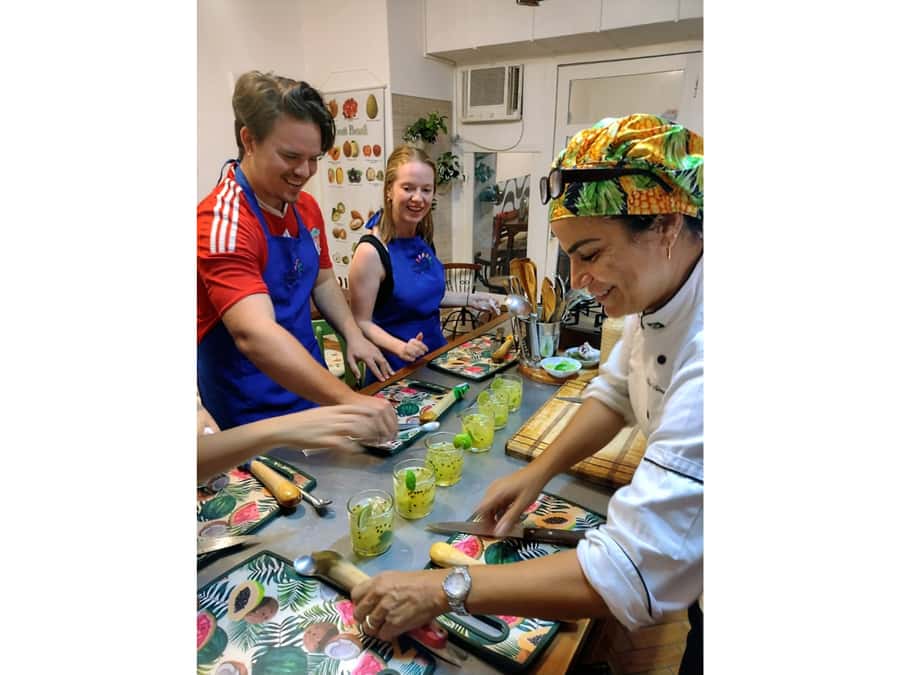
- Cook, do not just watch: You help prepare the dishes, drinks, and meal with guidance from the chef.
- Expect a compact class: The private group has a maximum of seven people, allowing time for questions and personal help.
- Try Brazilian drinks with your food: The menu includes a lime caipirinha and a batida de coco.
- The meal covers several courses: Fried cheese, sausage, a main dish, rice, banana farofa, cassava sticks, and dessert are part of the food experience.
- Plan your own way to the studio: Transportation, including pickup and drop-off, is not included.
A Brazilian cooking class in Copacabana
Copacabana is a practical setting for a food class. Instead of spending another afternoon moving from one major sight to the next, you get a closer look at daily Brazilian flavors and cooking habits in a studio led by a native chef.
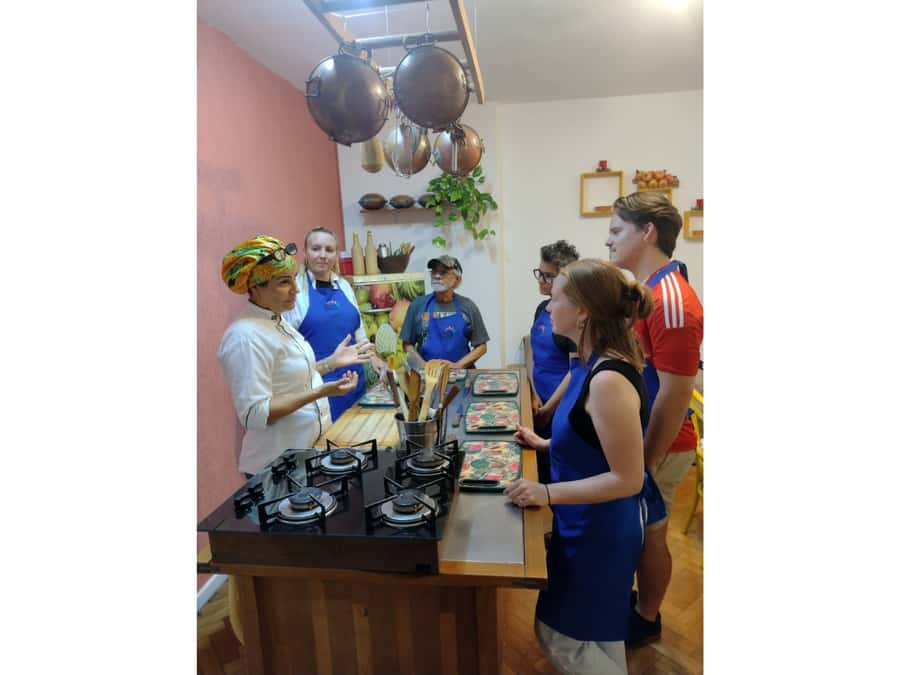
The format is social and hands-on. You meet the instructor, learn about the ingredients, and work through the recipes with the group. You are not simply seated while somebody else cooks. That matters because Brazilian food can look easy on a menu, yet small choices in seasoning, texture, and timing make a big difference.
The class is offered in Portuguese, English, and Spanish. That makes it easier to ask about ingredients and techniques as you work. No cooking background is required, so you can join with basic skills and still have a useful afternoon or evening.
The group limit of seven is one of the strongest parts of the setup. A large class can turn a cooking lesson into a demonstration with a few token tasks. Here, you have a better chance to handle the ingredients, ask why a step matters, and get help when your knife work or timing needs attention.
More cooking classes in Rio De Janeiro:
- Family Cooking Class in Rio Make 9 Brazilian Dishes Together
★ 5.0 · 32 reviews - 3-Hour Brazilian Cooking Class in Rio de Janeiro
★ 5.0 · 30 reviews - Hands-On Cooking Class in Rio: Iconic Street Foods & Caipirinhas
★ 5.0 · 11 reviews
Meet Chef Simone and learn beyond the recipe
The chef is a major part of the appeal. The strongest praise from the available feedback centers on Simone, who was described as informative, entertaining, friendly, and attentive. Joy also appreciated her knowledge of Rio and Brazil, along with the welcoming atmosphere she created during the class.
That tells you something useful. This is not only a food workshop. It also works as a cultural conversation, with the recipes acting as a way into Brazilian customs, ingredients, and regional cooking.
One class attended by a parent and son included Simone’s daughter as an assistant. The family atmosphere made the evening feel more like socializing with friends than attending a formal lesson. You should not expect the same staffing arrangement every time, but it gives a sense of the warm, personal tone associated with the experience.
Simone’s connection to food also reaches beyond the studio. The dessert may include sweets produced on her farm, such as brigadeiro or doce de leite, depending on what is available. That detail gives the final course a personal touch, though the exact dessert cannot be guaranteed.
Your opening tastes: cheese, guava, and sausage
The meal begins with small bites that introduce contrasting Brazilian flavors. Fried cheese is served with spicy guava jam, combining salt, crisp edges, sweetness, and heat in one bite.
This is a good first lesson because the pairing is easy to understand but not bland. You get a quick example of how Brazilian cooking can put sweet and savory flavors together without making the dish feel like dessert.
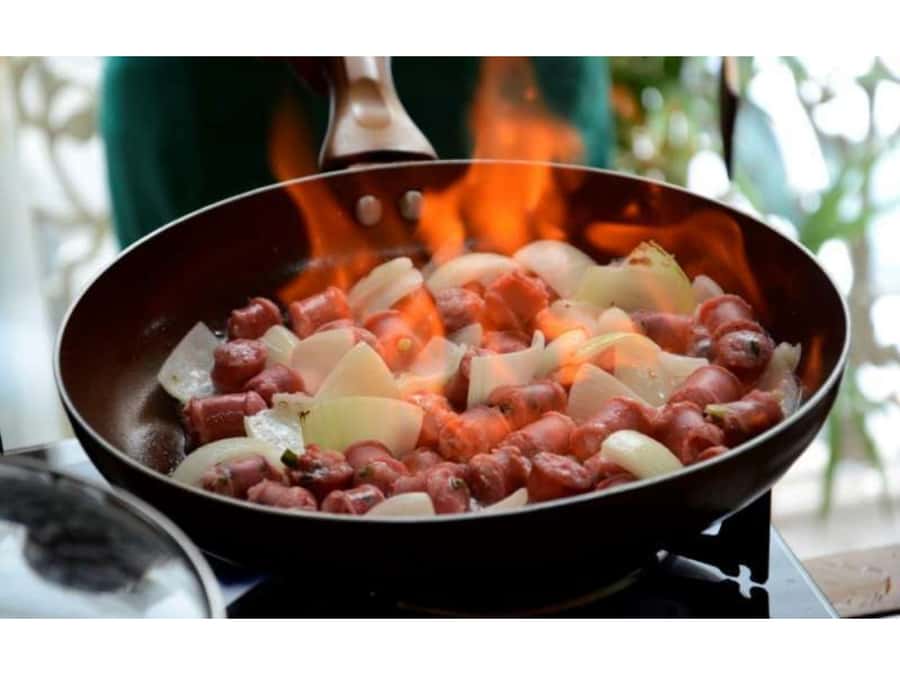
The next item is fried sausage in thin slivers. It is a simple preparation, but it gives you a chance to see how a familiar ingredient can work as a shared starter. These first courses also help set the pace before the main cooking begins.
Because the menu is prepared as a full meal, you should expect a steady sequence rather than a single recipe lesson. That is useful if you want a broad introduction to Brazilian food, though it may leave less time for detailed training on each individual dish.
Mixing a lime caipirinha and batida de coco
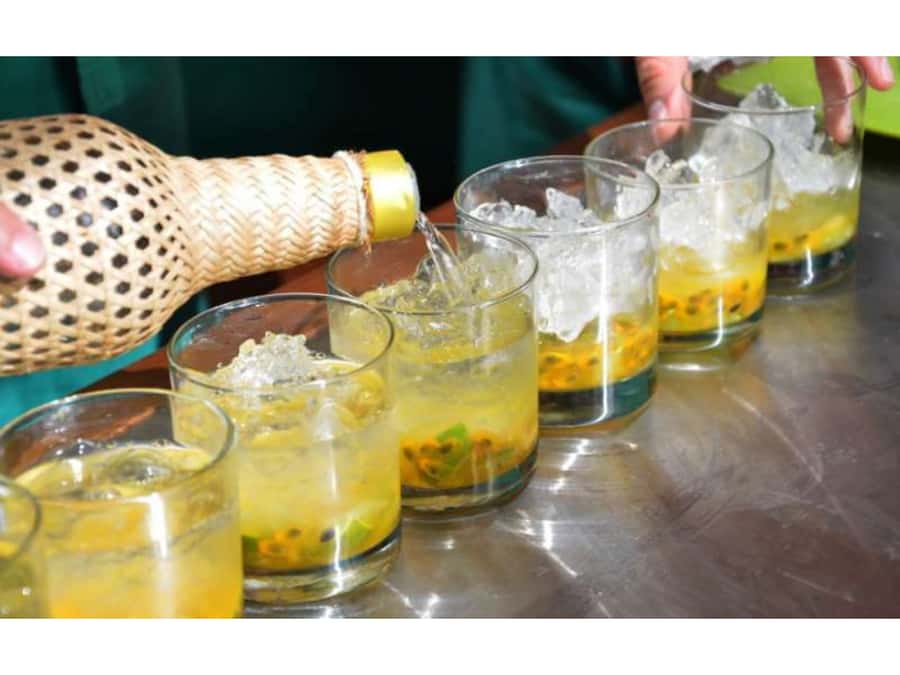
Two drinks are included with the meal. The first is a lime caipirinha, Brazil’s famous cachaça-based cocktail. The second is a batida de coco, a sweet coconut drink.
Making the drinks yourself adds another practical part to the lesson. You learn that Brazilian food culture is not limited to what goes on the plate. Drinks play a social role, especially when people sit together after preparing food.
The class includes two alcoholic drinks, so this is worth considering if you do not drink alcohol. The supplied information does not mention nonalcoholic substitutes, so ask the provider before booking if that matters to you.
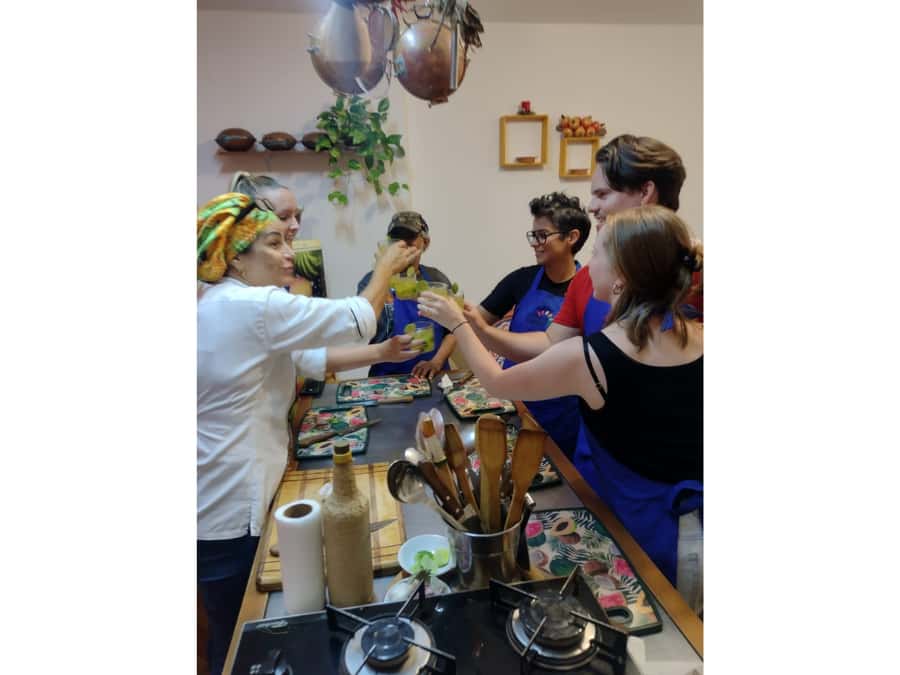
The drinks are served with the meal rather than treated as a separate bar stop. That keeps the experience focused and gives you a chance to toast the work once the cooking is finished.
More things to do in Rio de Janeiro:
- Rio de Janeiro: 6-Stop Highlights of Rio with Lunch
★ 4.4 · 5,157 reviews - Christ the Redeemer Entry Ticket by Corcovado Train
★ 4.4 · 4,476 reviews - Rio’s City Tour – Tickets for Christ, Sugar Loaf & Lunch included
★ 5.0 · 4,389 reviews - Full Day: Christ Redeemer, Sugarloaf, City Tour & Barbecue Lunch
★ 4.5 · 3,142 reviews
Moqueca days: seafood with a regional flavor
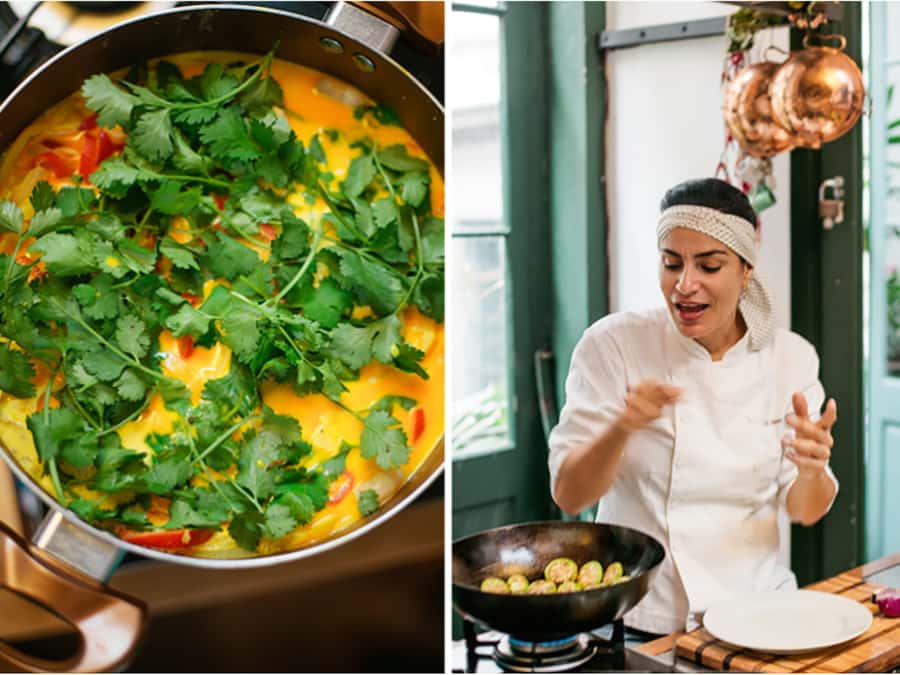
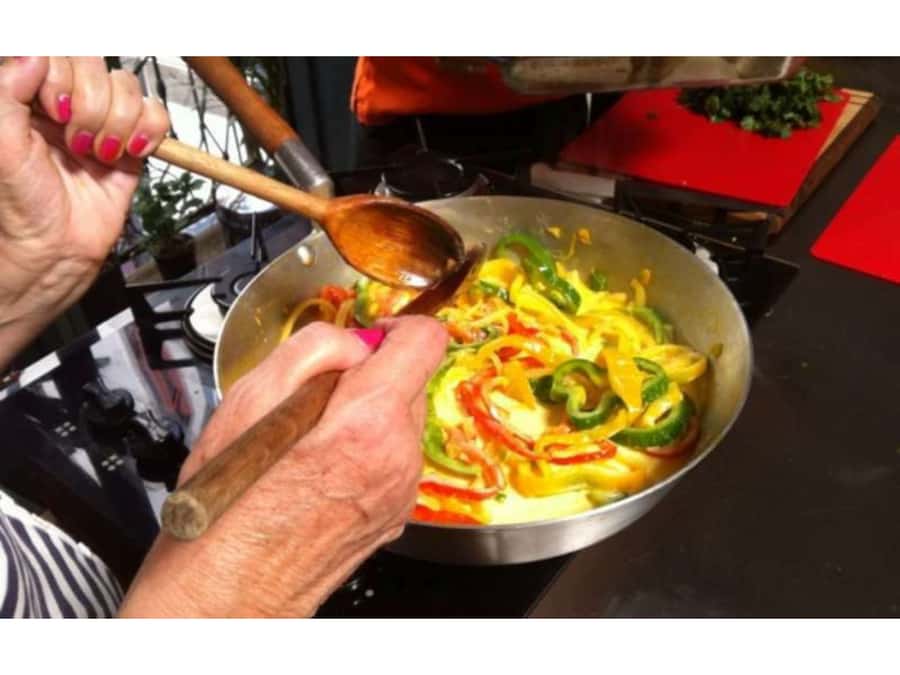
On Mondays, Wednesdays, and Fridays, the main course is seafood moqueca. This is the best choice if you want a fish-based introduction to Brazilian cooking.
Moqueca is known for its fragrant, saucy character and use of ingredients associated with Brazil’s coastal food traditions. The class description does not specify every ingredient or the exact regional version, so you should ask the chef about the preparation if you want to compare styles.
One parent and son particularly enjoyed the fish dish and the chance to hear about the history of food in Brazil while cooking. That combination is important. You are not only learning how to assemble a recipe; you are getting context for why the dish matters.
If seafood is your priority, check the calendar carefully. Arriving on Saturday means you will get feijoada instead. The schedule is clear, but it is easy to book based on the general title and overlook the day-specific menu.
Saturday feijoada: Brazil’s hearty classic
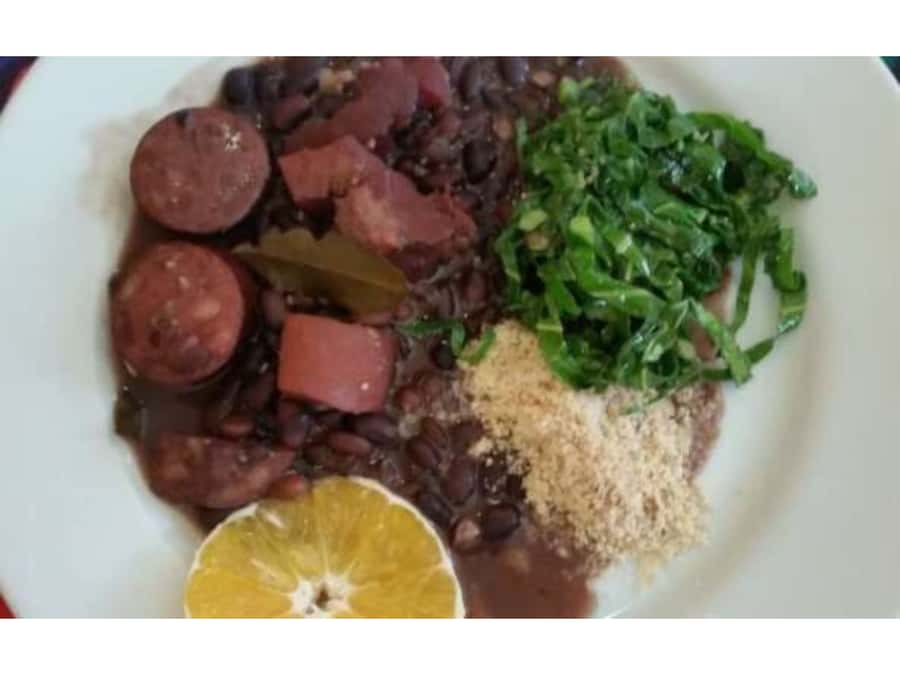
Saturday is feijoada day. This pork and black bean dish is one of Brazil’s best-known comfort foods, and it offers a very different experience from moqueca.
Feijoada is hearty, slow-cooked, and built around beans and pork. It is a good fit if you want a substantial meal and a dish with a strong place in Brazilian food culture. Joy specifically recommended the feijoada and rated the overall experience extremely highly.
The class gives you the chance to prepare the dish rather than just order it in a restaurant. That makes the meal more memorable and gives you a recipe you can attempt at home. Still, the exact process and cooking time are not detailed, so the class may focus on preparation and finishing steps rather than teaching every stage from raw ingredients to a long simmer.
If you are choosing between days, think about the kind of meal you want. Pick a moqueca day for seafood and a lighter coastal direction. Pick Saturday for beans, pork, and a heavier traditional plate.
Rice, banana farofa, and cassava sticks
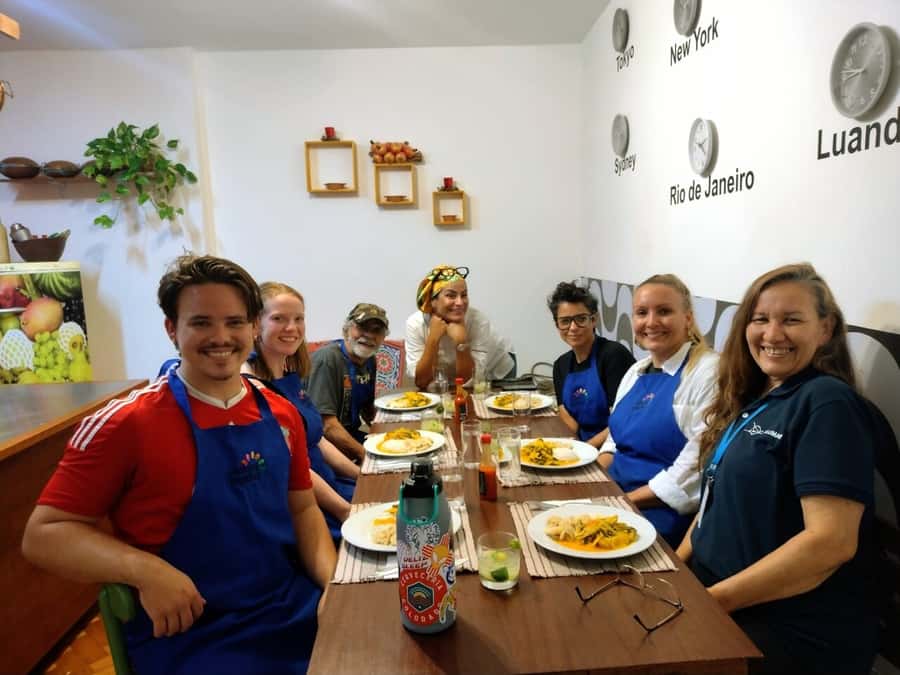
The main dish comes with several sides that make the meal feel complete. Cassava sticks are included with both the moqueca and feijoada options.
You also prepare flavored rice and banana farofa. Farofa is made from toasted cassava flour, and the banana version adds a sweet note to a side dish that often brings texture and richness to Brazilian meals.
These accompaniments are especially useful for home cooks. A main dish can seem difficult to reproduce, but sides such as rice and farofa may become the most practical souvenirs from the class. The ingredients are described as widely available around the world, so you should be able to find what you need outside Brazil.
The menu is advertised as five courses plus two drinks, while the sample menu lists seven food and drink elements. The difference appears to come from how the courses are counted. Either way, you should expect several separate tastes rather than one large entrée.
Dessert changes with the available ingredients
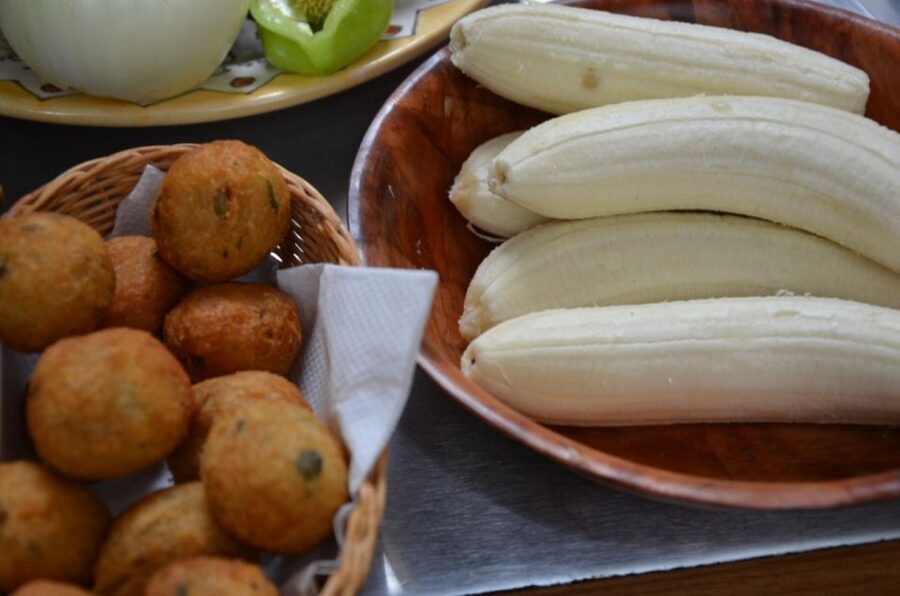
Dessert is a surprise, and it can change according to the exotic fruits available or the sweets produced on the chef’s farm. Possible examples include brigadeiro or doce de leite.
This flexible ending is appealing if you like food that reflects the season and the cook’s own style. It also means you should not book expecting one exact dessert.
Brigadeiro is a Brazilian chocolate sweet, while doce de leite is a caramel-like milk confection. Both are familiar enough to enjoy immediately, yet distinct enough to give you another small window into Brazilian treats.
The surprise format has one tradeoff: anyone with strict dietary needs will want to ask about the dessert and the full menu in advance. The available information does not list allergy handling, vegetarian substitutions, or other special-diet options.
What the three or four hours really provide
The experience is described as lasting three hours in the activity details and four hours in the class highlights. That is a meaningful difference, especially if you have a tight Rio schedule.
The class includes introductions, instruction, hands-on preparation, cooking, drinks, and a sit-down meal. A four-hour session makes sense for that amount of food and conversation. A three-hour session would feel more compact, with less time for leisurely eating or extended questions.
I would confirm the exact start and end time with Gregtur Tourism before booking. Do not schedule a major attraction immediately afterward until you know which duration applies.
The time is still reasonable for what you receive. You get a private small-group lesson, a full meal, two drinks, and instruction from a chef. This is not a quick tasting. It takes a solid part of your day, but it also replaces a restaurant dinner with an activity you can remember and repeat at home.
Is the $220 price good value?
At $220 per person, this is not a budget meal. The price needs to be judged as a cooking lesson and cultural experience, not as the cost of dinner alone.
The fee includes the class, ingredients, equipment, five dishes, two drinks, taxes, and handling charges. You also receive direct guidance in a group of no more than seven people. For a private-style lesson with a native chef, that can make sense for people who value personal attention.
The value is strongest for couples, families, and small groups who want to cook together. You are paying for the instruction, the food, the social setting, and the chance to take the recipes home. If you only want to sample Brazilian cuisine, a restaurant will cost less and require less time.
Transportation is not included. You must arrange your own way to and from the Copacabana studio, so add that cost and planning to your budget. The location may be convenient if you are already staying in the Copacabana region, but the provided details do not specify a pickup service.
The booking terms are helpful for uncertain plans. You can reserve now and pay later, and cancellation is free up to 24 hours before the experience for a full refund. Still, confirm the class duration and menu day before finalizing your schedule.
Who will enjoy this class most?
I would recommend this experience to you if food is one of your main ways of understanding a place. It works particularly well for:
- Couples seeking a shared activity instead of another restaurant meal
- Families with older children who can take part in preparation
- First-time cooks who want clear guidance
- Experienced cooks curious about Brazilian ingredients and methods
- Small private groups who prefer conversation over a crowded class
- Visitors who want recipes they can make after returning home
It may be less suitable if you dislike seafood and are visiting on a moqueca day, or if you do not eat pork and are visiting on Saturday. The menu includes alcoholic drinks, and no substitutions are specified.
You should also consider how much you enjoy group conversation. The small class is designed to be social. That is a strength for many people, but it may not suit someone who wants a quiet, strictly technical cooking lesson.
Final verdict: book for food, conversation, and personal guidance
Book this class if you want more than a plate of Brazilian food. Chef Simone’s warmth, the small group, and the cultural stories give the experience its real value. The strongest praise focuses on her ability to make the class informative, friendly, and comfortable, and that is exactly what you want in a hands-on lesson.
Choose your date with care. Monday, Wednesday, and Friday bring seafood moqueca. Saturday brings feijoada. Confirm whether your session runs for three or four hours, arrange your own transportation, and ask about dietary needs if necessary.
At $220, this is a splurge. For a private group that wants to cook, drink, talk, and sit down to a full Brazilian meal, it is a worthwhile one. If you only want an inexpensive dinner, spend your money elsewhere. If you want to carry a piece of Rio’s food culture into your own kitchen, this class is a strong choice.
FAQ
Where does the cooking class take place?
The cooking studio is located in the Copacabana region of Rio de Janeiro.
How long does the experience last?
The activity details state three hours, while the class description refers to four hours. Confirm the exact duration and start time before booking.
Which main dish is served on each day?
Seafood moqueca is offered on Mondays, Wednesdays, and Fridays. Pork and black bean feijoada is offered on Saturdays.
How many people can join the class?
The private group has a maximum of seven participants.
Is cooking experience required?
No. The class is suitable for beginners as well as experienced cooks.
Which languages does the instructor speak?
Instruction is available in Portuguese, English, and Spanish.
What is included in the price?
The price includes the cooking class, five dishes, two drinks, ingredients, cooking equipment, VAT, taxes, and handling charges. Transportation is not included.
Just added in Rio De Janeiro
- Full Day Tour in Rio de Janeiro★ 5.0 · 8 reviews
- Garganta do Ceu Cave Hiking Private Tour on Pedra da Gavea★ 4.5 · 3 reviews
- Gastronomic Tour at the Municipal Market in Rio de Janeiro★ 5.0 · 4 reviews
- GIG Airport Transfer x Rio de Janeiro Hotels★ 4.5 · 11 reviews
- Rio de Janeiro private Full day Custom Tours★ 5.0 · 35 reviews
- Christ the Redeemer – Complete Morning Tour with Ticket and Transport at the Hotel★ 3.5 · 4 reviews
- AquaRio, Museum, Boulevard Olimpico, Ferris Wheel, Transport and Tourism Guide.★ 4.0 · 6 reviews
- Personalized and Private Full-Day Tour in Rio de Janeiro★ 5.0 · 6 reviews
Cooking Classes, compared.
Cooking class in Salvador, an authentic dinning experience
Read our review →
4h Cooking Class in Salvador with 9 Recipes & Bottomless Drinks
Read our review →
Family Cooking Class in Rio Make 9 Brazilian Dishes Together
Read our review →
3-Hour Brazilian Cooking Class in Rio de Janeiro
Read our review →
Hands-On Cooking Class in Rio: Iconic Street Foods & Caipirinhas
Read our review →
4h Cooking Class in Florianópolis: 8 Recipes & Bottomless Drinks
Read our review →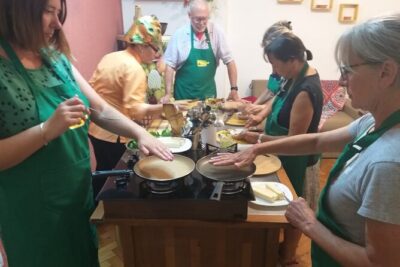
Brazilian Cooking Class in Copacabana with Hotel Pickup
Read our review →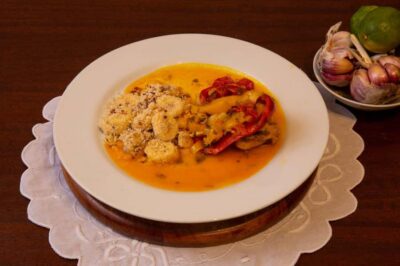
Browse the lists this tour appears in