
Reviewed · SALVADOR AND BAHIA TOURS
From Salvador: Cachoeira Colonial Town Daytrip
Salvador is only part of Bahia. This full-day trip takes you into the Bahian Recôncavo, a region shaped by sugar, faith, resistance, and Afro-Brazilian culture. You will visit Santo Amaro, Cachoeira, and São Félix, with a guide, private transport, lunch, and entrance fees included.
I like the strong mix of history and daily life. You are not simply led from one pretty church to another. You see a public market, walk old streets, cross a historic bridge, visit a cigar factory, and eat at a rural property with valley views. I also like the human side of the guiding. Wilson, a professor of history who speaks excellent English, and Jean Luis, who speaks fluent French and has a good sense of humor, received especially high praise.
The main drawback is the amount of road time. This is an eight-hour outing, and the schedule gives about one hour in Santo Amaro and two hours in Cachoeira, so neither town gets a leisurely, independent exploration. Also, the information about wheelchair access is inconsistent, so you should confirm this directly before booking if mobility is a concern.
In This Review
- Key points to know before booking
- Why the Recôncavo makes a worthwhile day trip
- Santo Amaro: A quick look at sugar-country Bahia
- Cachoeira: Colonial streets and Afro-Brazilian identity
- Crossing into São Félix on the 1830 British bridge
- A Bahian buffet with a valley view
- The Dannemann Cigar Factory and hand-rolled tradition
- Guides can make or break this history lesson
- Timing, comfort, and what to expect on the road
- Who will get the most from this day?
- Should you book the Cachoeira day trip?
- FAQ
- How long does the Cachoeira day trip from Salvador last?
- What places are visited during the tour?
- Is lunch included?
- Is hotel pickup provided?
- What languages are available for the live guide?
- Is the tour private?
- Is the tour suitable for wheelchair users?
Key points to know before booking
- Santo Amaro opens the day with sugar-era history, a local market, and colonial buildings.
- Cachoeira is the main cultural stop, with cobbled streets, baroque churches, and Afro-Catholic traditions.
- The 1830 British bridge connects Cachoeira with São Félix and gives the day a memorable sense of place.
- Lunch is a Bahian buffet served at a rural farm with views over the valley. Drinks cost extra.
- The Dannemann Cigar Factory shows the careful work behind hand-rolled cigars.
- Private transport, hotel pickup, a professional guide, lunch, and attraction fees are included in the $220 price.
Why the Recôncavo makes a worthwhile day trip
The Recôncavo is not just a pleasant change from Salvador. It helps explain how Bahia was formed. The towns around the Bay of All Saints grew through sugar production, trade, slavery, religious practice, and resistance to outside control. That mix remains visible in the churches, markets, streets, and local traditions.
I like this trip for that reason. It gives you a broader view of Bahia instead of keeping you inside Salvador’s best-known neighborhoods. You spend the day seeing how Portuguese colonial architecture, African religious traditions, rural production, and Brazilian independence all meet in one small region.
The experience is also private, which matters at this price. You are not being moved around as part of a large coach crowd. The exact vehicle is described as an air-conditioned coach, with hotel lobby pickup and drop-off in Salvador. An eight-hour day in Bahia’s heat is much easier when you can retreat into air conditioning between stops.
The $220 per-person price is not cheap, especially for two people booking privately. Still, it covers round-trip transport, a guide, lunch, and all listed entrance fees. You are paying for a full day outside Salvador without having to arrange a car, plan the route, or manage visits in Portuguese. For a couple or small private group, the convenience may justify the cost. Solo visitors should note that a minimum of two people is required.
More of Salvador and Bahia:
- Round trip transfer, Salvador, Bahia, Brazil
★ 5.0 · 228 reviews - Salvador City Tour – Discover Brazil’s First Capital En, It, Es
★ 5.0 · 217 reviews - Cooking class in Salvador, an authentic dinning experience
★ 5.0 · 132 reviews
Santo Amaro: A quick look at sugar-country Bahia
The first stop is Santo Amaro, where you spend about an hour walking, taking photographs, and seeing the local market. The town is linked to the old sugar economy, so this is a useful place to begin. The colonial buildings and market offer a view of ordinary town life rather than a polished historic center built only for sightseeing.
The market is likely to be the most grounded part of the stop. You can expect a working public space, local goods, and a chance to see the town as part of the surrounding region. Your guide can connect what you see to the area’s plantation economy and resistance to colonization.
The limitation is time. One hour is enough for a guided orientation and a short walk, but not for a slow market visit or an extended look at every building. I would treat Santo Amaro as an introduction, not the main event. Keep your attention on the guide’s explanation, and use the stop to get a sense of how the Recôncavo differs from central Salvador.
The route between towns is part of the experience. You pass through rural scenery and plantation country, trading Salvador’s dense streets for open views and smaller settlements. The trip description presents this as a chance to encounter a 19th-century way of life, but you should keep expectations sensible. This is a guided day trip, not a long working plantation stay or a full reconstruction of rural life.
Cachoeira: Colonial streets and Afro-Brazilian identity
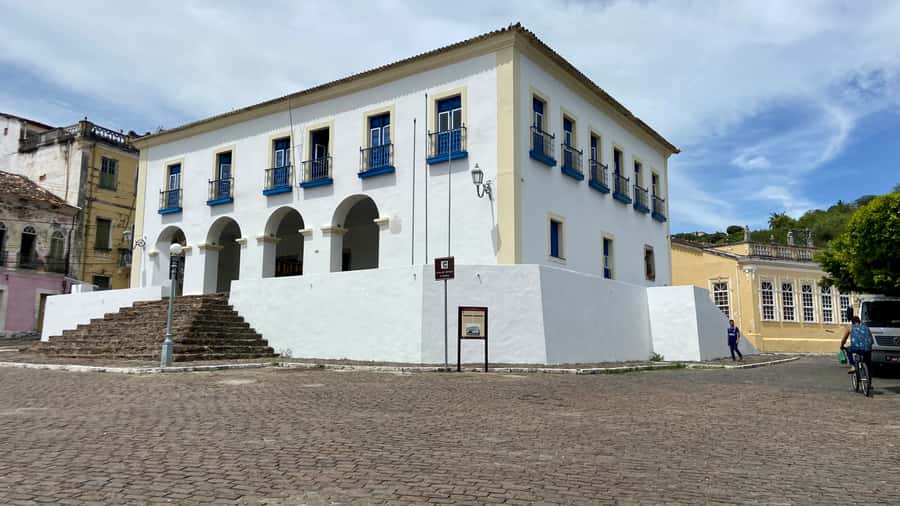
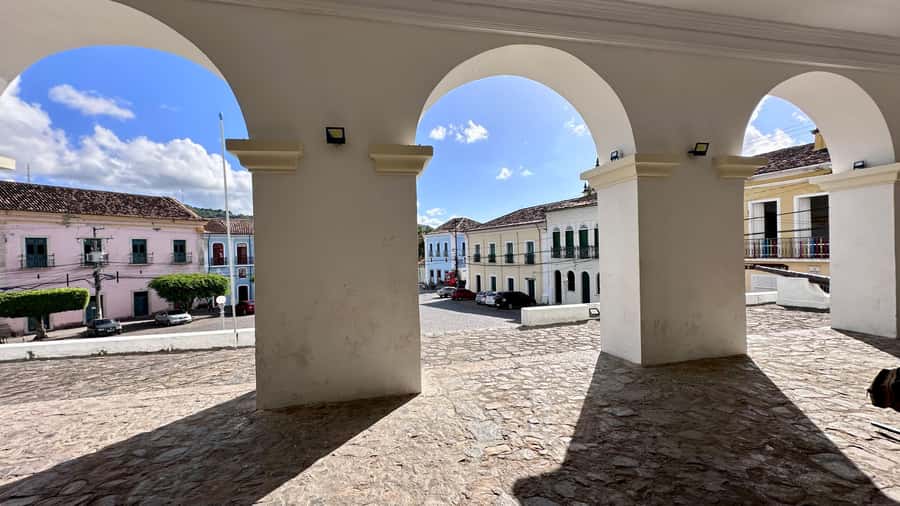
Cachoeira receives about two hours, making it the central stop. It is described as a UNESCO World Heritage Site, with cobbled streets, baroque architecture, old churches, and a major role in the cultural life of the Recôncavo.
This is where the tour’s themes come together most clearly. You will walk through the old center, stop for photographs, see historic religious buildings, and learn how the town figured in Brazil’s struggle for independence. The architecture gives you plenty to look at, but the guide is important because the meaning of the buildings is not always obvious from the outside.
A particularly important subject is the Sisterhood of Our Lady of the Good Death. The tour presents this Afro-Catholic sisterhood as a symbol of cultural strength and continuity. That is a valuable part of the visit because it moves beyond the familiar colonial story. You are not only hearing about Portuguese churches and imperial buildings. You are also learning how African religious practices and Catholic forms came together in Bahia.
The two-hour visit should provide enough time for a useful walking tour, some shopping, and sightseeing. It will not feel like a full day in Cachoeira. You may have to choose between lingering inside a church, browsing shops, and simply enjoying the old streets. Follow your guide’s timing, since the bridge crossing and lunch schedule come next.
I would wear comfortable shoes here. The route includes walking on cobbled streets, and the tour is built around seeing the town on foot. The supplied information does not specify how many churches you enter, so do not assume that every interior will be open or included. Entrance fees to the listed attractions are included, but the exact sequence can depend on local conditions.
Crossing into São Félix on the 1830 British bridge
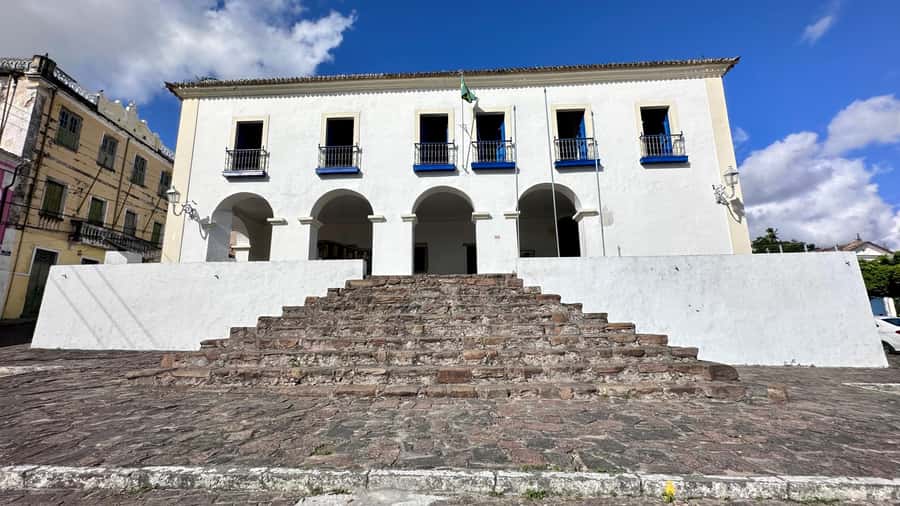
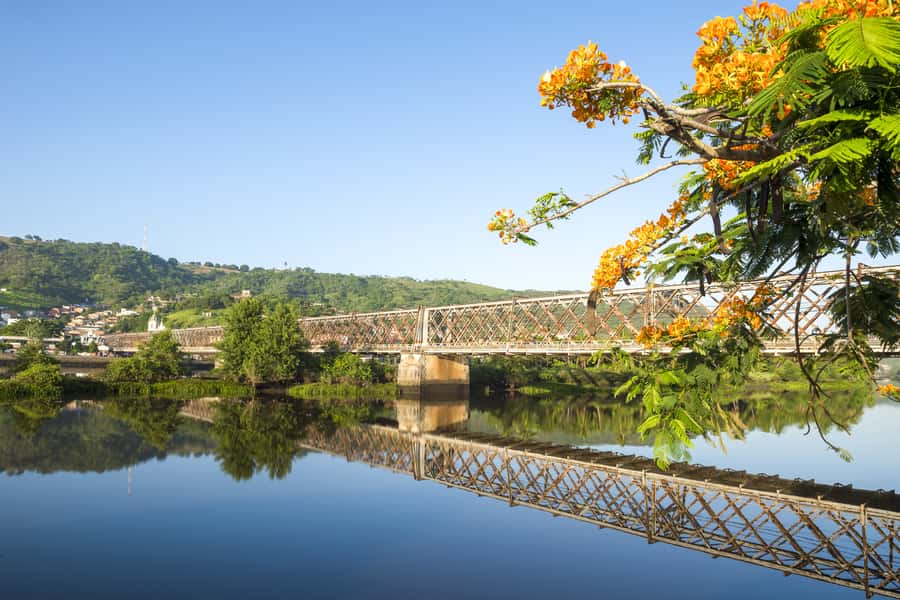
The short move into São Félix has more character than a routine transfer. You cross the historic British bridge dating from 1830, linking the two towns across the river. It is a striking reminder that the Recôncavo was once a major center for commerce and transport.
The bridge also helps you understand the connection between Cachoeira and São Félix. These are not isolated photo stops. They form part of one historic town area, shaped by the river and by trade. The crossing gives you a clear physical link between the places you have just been learning about.
The schedule lists about an hour in São Félix for a break and lunch. That means lunch is the main reason for the stop, rather than a separate extended town tour. Still, the bridge and the views make this a good point to pause before the final visit.
More things to do in Salvador:
- Tour to the Frades Islands and Itaparica, from Salvador – Ba
★ 4.0 · 130 reviews - Transfer Salvador Airport / Hotel Litoral Norte
★ 5.0 · 111 reviews - Private City Tour in Salvador
★ 5.0 · 110 reviews - From Salvador: Schooner Tour to Frades Islands and Itaparica
★ 3.9 · 98 reviews
A Bahian buffet with a valley view
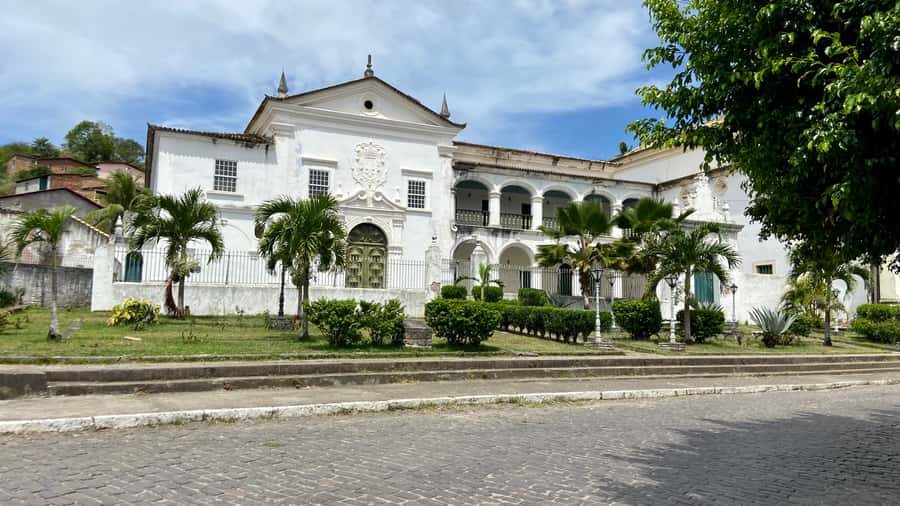
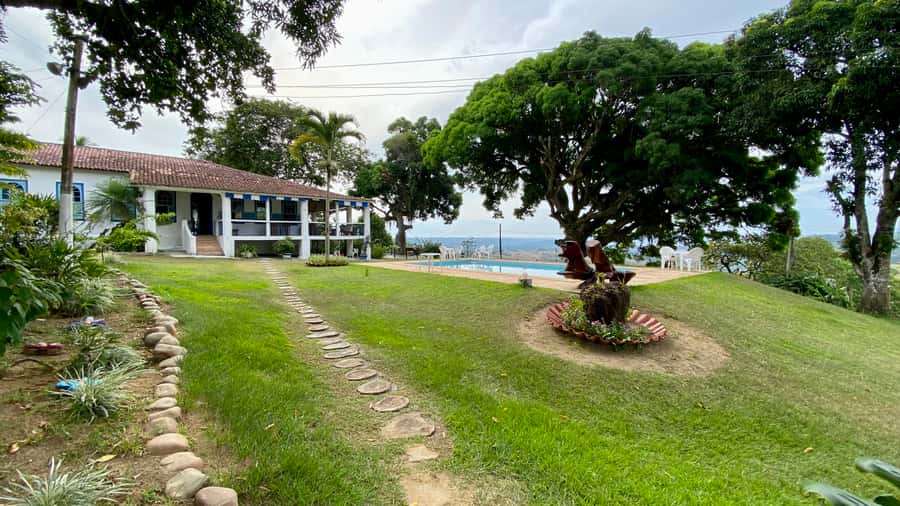
Lunch is included and served as a buffet at a farm or rural property with panoramic views over the valley. This is a welcome feature after a morning of walking. It also gives the meal a stronger sense of place than a standard restaurant stop beside a highway.
The food is described as traditional Bahian cuisine, though the supplied details do not specify the dishes. You should expect local cooking rather than a menu chosen in advance, but the exact selection may vary. Drinks are not included, so budget separately for them.
I see the lunch as part of the cultural program, not just a practical refueling stop. The rural setting helps connect the grand colonial towns with the agricultural economy that supported them. It is one of the quieter moments of the day, when you can take in the valley and process the morning’s history.
At the same time, an included buffet is less flexible than ordering from a menu. If you have strong dietary needs, ask the provider before booking. No special dietary arrangements are specified in the information provided.
The Dannemann Cigar Factory and hand-rolled tradition
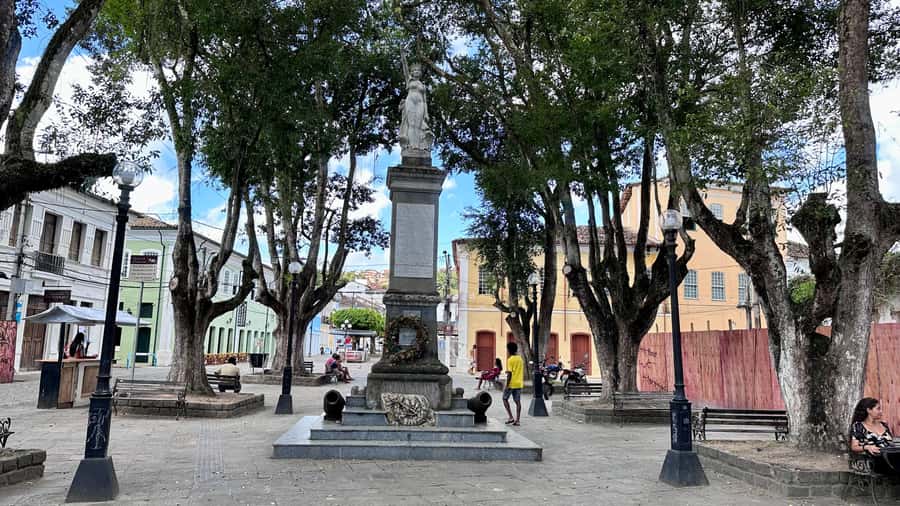
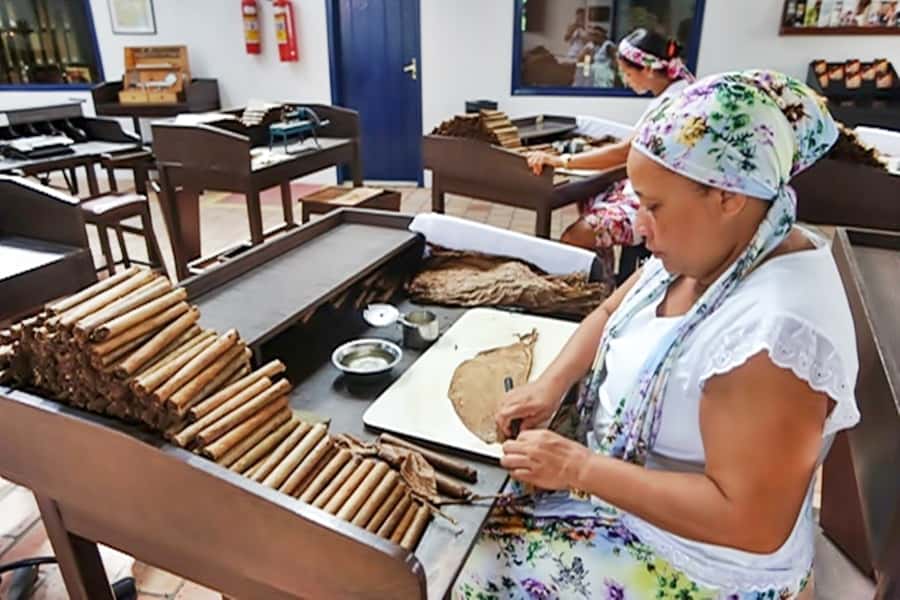
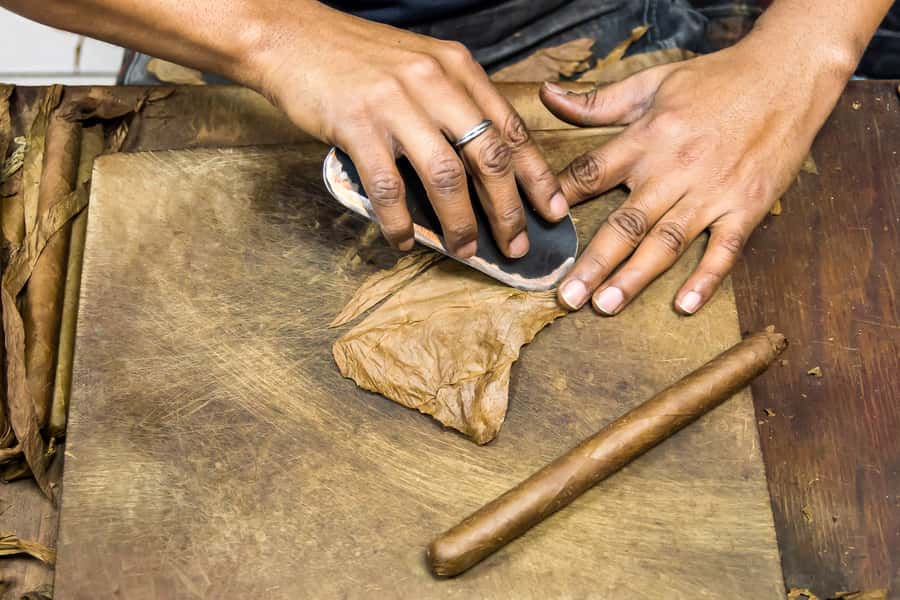
The final major visit is to the Dannemann Cigar Factory. Here, you see cigars being made by hand and learn about the craft behind a product closely linked with the region.
This stop adds a working-production element to the day. After churches, markets, bridges, and old streets, you see a living tradition rather than only preserved architecture. The hand-rolling process also gives you a close look at the patience and precision involved in cigar production.
You do not need to be a cigar smoker to find the visit useful. The interest is in the method, the role of skilled labor, and the way a regional product is presented to visitors. If you dislike tobacco or have no interest in cigar making, this may be the least appealing stop. The experience does not say that buying cigars is required, so you can treat it as a demonstration.
The factory visit also helps balance the day. Cachoeira tells the story through buildings and religious traditions. The cigar factory shows how craft and commerce continue to shape the Recôncavo.
Guides can make or break this history lesson
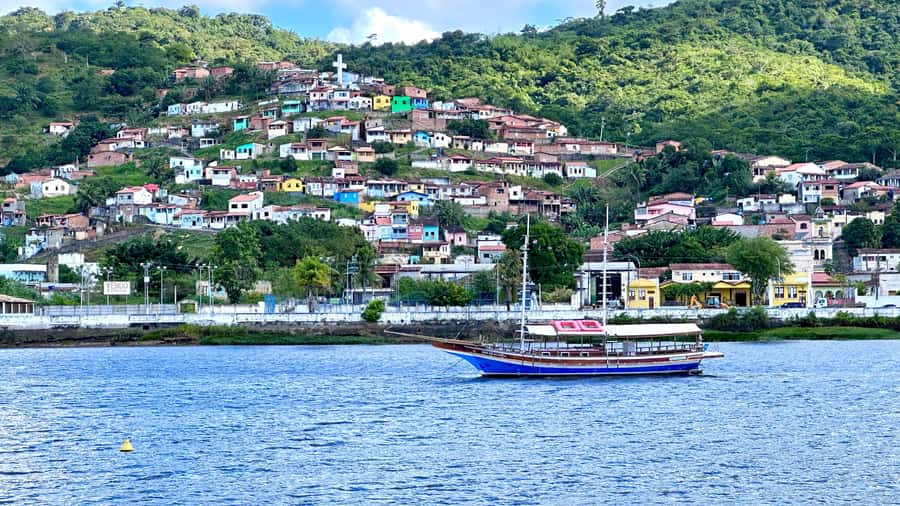
The guide is one of the most important parts of this experience. Much of the value lies in context: why Santo Amaro mattered, how Cachoeira relates to independence, what the Sisterhood of Our Lady of the Good Death represents, and why the bridge and factory belong in the same day.
The tour offers live guiding in Spanish, English, French, Portuguese, and Italian. That is a useful range for international visitors, but you should select your language carefully when booking.
Two guides received particularly strong praise. Wilson is described as a history professor with excellent English, broad knowledge, and a warm sense of humor. Jean Luis has lived in France, speaks French fluently, and was praised for his explanations, humor, and smooth driving. Those details matter because a long day on the road feels much better with a guide who can explain difficult subjects clearly without turning the outing into a lecture.
A separate mention also praised Adriana for safe driving through Salvador’s heavy traffic and along the longer route. Driver quality matters here. You spend much of the day moving between towns, and a calm, careful driver is a real advantage.
The overall rating is 4.8 out of 5 from 18 ratings. That is a strong result, and the most consistent praise focuses on the guides, organization, language ability, and smooth operation of the day. I would place more weight on those practical strengths than on the rating alone, since the schedule and price will still determine if the trip suits you.
Timing, comfort, and what to expect on the road
The advertised duration is eight hours, while the fuller description allows for roughly eight to nine hours. A sample day ran from 7:30 in the morning until 5:00 in the afternoon. Pickup is from your hotel lobby in Salvador, and return transport is included.
This is an early and fairly full day. You should be ready to leave Salvador in the morning and spend several hours moving between stops. The air-conditioned vehicle is a major comfort point, especially in warm weather, but you should still bring water, sun protection, and shoes suited to walking.
The tour is private, but the minimum booking is two people. Private operation gives you a more personal setting and may make it easier to ask questions or discuss the pace with your guide. It does not necessarily mean you can skip every scheduled stop, since lunch and the factory visit are part of the day’s structure.
Free cancellation is available up to 24 hours before departure, and you can reserve now while paying later. Confirmation is provided at booking, but minimum numbers apply. If the departure is canceled because too few people have booked, an alternative or full refund is offered.
There is a conflict in the accessibility information. One section says the activity is wheelchair accessible, while another says it is not wheelchair accessible and not suitable for wheelchair users. Because the route includes cobbled streets, historic buildings, and a bridge crossing, you should ask the provider for a clear answer before paying.
Who will get the most from this day?
I would recommend this trip to you if you want more than Salvador’s beaches, music, and historic center. It suits anyone interested in Brazilian independence, Afro-Brazilian religious history, colonial architecture, rural production, or traditional craft.
It is also a good choice if you prefer having transport and interpretation handled for you. The Recôncavo covers several destinations, and arranging the same route independently would require transport planning, timing, and local knowledge. Here, the guide keeps the day moving and explains the connections between places.
You may want another option if your priority is slow travel. Two hours in Cachoeira is useful but brisk. You will see the main sights, yet you will not have unlimited time for photography, shopping, or quiet exploration. The $220 cost may also feel high if you are comfortable renting a car or arranging a less structured day.
The tour is best for adults and older children who can handle a full day with walking and road time. The information does not specify a child age range, so families should ask the provider if they have questions about suitability.
Should you book the Cachoeira day trip?
Book it if you want a well-organized introduction to the Recôncavo and value a strong guide. The combination of Santo Amaro’s market, Cachoeira’s old center, Afro-Catholic history, the 1830 bridge, a Bahian buffet, and the Dannemann factory gives you a broad and worthwhile day outside Salvador.
Before booking, confirm three things: the exact pickup time, the language of your guide, and the accessibility arrangements. If you are traveling with at least one other person and want cultural context without handling transport yourself, the $220 price can be reasonable. If you want long, unhurried visits or the freedom to set your own pace, the fixed schedule may frustrate you.
FAQ
How long does the Cachoeira day trip from Salvador last?
The advertised duration is about eight hours. The detailed timing allows for approximately eight to nine hours, and one sample day ran from 7:30 in the morning until 5:00 in the afternoon.
What places are visited during the tour?
The tour visits Santo Amaro, Cachoeira, and São Félix. It also includes the Dannemann Cigar Factory and a rural farm setting for lunch.
Is lunch included?
Yes. A buffet lunch is included. Drinks are not included and must be paid for separately.
Is hotel pickup provided?
Yes. Pickup and drop-off are included, with collection from your hotel lobby in Salvador.
What languages are available for the live guide?
Guiding is available in Spanish, English, French, Portuguese, and Italian.
Is the tour private?
Yes. The experience is offered as a private group tour, with a minimum booking of two people.
Is the tour suitable for wheelchair users?
The supplied information gives conflicting details. One section describes it as wheelchair accessible, while another says it is not accessible and not suitable for wheelchair users. Contact the provider before booking to confirm the actual vehicle, walking route, bridge crossing, and site access.
Just added in Salvador
- Mãe Tereza Ecological Park | A peaceful paradise, perfect for relaxing!★ 4.5 · 19 reviews
- Full Day Tour in Trancoso with Chocolate Factory★ 4.5 · 35 reviews
- Horse back riding and Eco tourism food and fun.★ 5.0 · 1 review
- Salvador: Schooner Cruise with Pickup and Itaparica Stop★ 3.8 · 5 reviews
- Salvador: Traditional Drumming and Percussion Workshop★ 4.4 · 10 reviews
- PROMO Salvador: Interactive Art and Culture Private Tour★ 5.0 · 2 reviews
- Salvador: 3-Hour Percussion Class★ 4.9 · 10 reviews
- Salvador: Cultural Treasure – Samba de Roda.★ 4.9 · 51 reviews
Salvador and Bahia Tours, compared.
Salvador City Tour – Discover Brazil’s First Capital En, It, Es
Read our review →
Cooking class in Salvador, an authentic dinning experience
Read our review →
Tour to the Frades Islands and Itaparica, from Salvador – Ba
Read our review →
Tour Praia do Forte and Guarajuba, Leaving Salvador-Bahia.
Read our review →
Transfer to Iberostar Selection Praia do Forte or Waves Bahia
Read our review →
Transfer Iberostar Waves Bahia / Praia do Forte – Private
Read our review →Browse the lists this tour appears in