
Reviewed · SALVADOR AND BAHIA TOURS
Salvador: 4-Hour Candomblé Mysteries Tour
Salvador’s sacred side rewards a careful look. This four-hour tour connects the city’s African and Indigenous influences through museums, historic neighborhoods, a Candomblé terreiro, and striking photo stops. I like the way the experience addresses false ideas about African-origin religions instead of treating Candomblé as a spooky sideshow. I also like the small private group, capped at six people, which gives you room to ask questions and adjust the pace.
The strongest part is the guide-led interpretation. Guides such as Monia, Fernando, Maria Nunes, and Nilson have earned praise for clear explanations and personal attention, with Nilson especially noted for adapting the outing to individual interests. The main caution is that the four-hour schedule covers several locations, so some stops may feel brief, and one booking reported that not every entrance fee was covered despite the stated inclusions.
In This Review
- Key points to know before booking
- Why this Salvador tour is different
- Starting with the Afro-Brazilian Museum
- Pierre Verger’s photographs and records
- Seeing a maroon community in Salvador
- Entering a Candomblé terreiro
- Dique do Tororó and Salvador’s open-air symbols
- Pelourinho after the religious context
- What the four-hour format feels like
- Is $110 a fair price?
- Who should book this experience?
- Should you book the Candomblé Mysteries Tour?
- FAQ
- How long does the Candomblé Mysteries Tour last?
- Is hotel pickup included?
- What languages are available?
- How many people can join the tour?
- What should I wear?
- Is the sacred oracle consultation included?
Key points to know before booking
- A focused look at Candomblé: Visit a terreiro connected with the Ewe-Fon tradition and learn how African-origin faiths developed in Brazil.
- Afro-Brazilian Museum context: Begin with objects and displays linked to slavery, the transatlantic trade, African identities, and cultural life in Brazil.
- A maroon-community connection: See places tied to Black communities that offered refuge during the colonial and post-abolition periods.
- Small private group: The experience is designed for a private party, with a maximum of six people.
- Several Salvador photo stops: Dique do Tororó, Pelourinho, and other city locations add visual variety to the museum and community visits.
- Dress with care: Knees and shoulders must be covered at places of worship and selected museums, so leave shorts and sleeveless tops at the hotel.
Why this Salvador tour is different
Salvador is often introduced through its colonial churches, tiled streets, music, and food. Those are important, but this experience asks you to look at the city through another lens: the survival and development of African and Afro-Indigenous religious life.
Salvador has the largest Black population outside the African continent and is sometimes called the Black Rome. That label points to more than demographics. It reflects the way African beliefs, symbols, music, ceremonies, family traditions, and community structures became part of Bahia’s public and private life.
The tour’s purpose is not simply to show you a place of worship. It puts Candomblé into the setting that shaped it. Enslaved Africans arrived from different regions, brought distinct languages and religious traditions, and then built new forms of community under brutal conditions. The result was not one single African tradition, but a set of related practices that developed in Brazil.
I appreciate that the experience includes this background before taking you to a terreiro. Without that preparation, a visitor could easily misread what they see. With it, you can approach the subject with more respect and less of the usual colonial-era superstition.
The tour is private, but the maximum group size is six. That matters here. Religious subjects can prompt awkward or sensitive questions, and a small group lets you ask them without speaking over a busload of people. It also gives the guide a better chance to shape the discussion around your interests.
More of Salvador and Bahia:
- Round trip transfer, Salvador, Bahia, Brazil
★ 5.0 · 228 reviews - Salvador City Tour – Discover Brazil’s First Capital En, It, Es
★ 5.0 · 217 reviews - Cooking class in Salvador, an authentic dinning experience
★ 5.0 · 132 reviews
Starting with the Afro-Brazilian Museum
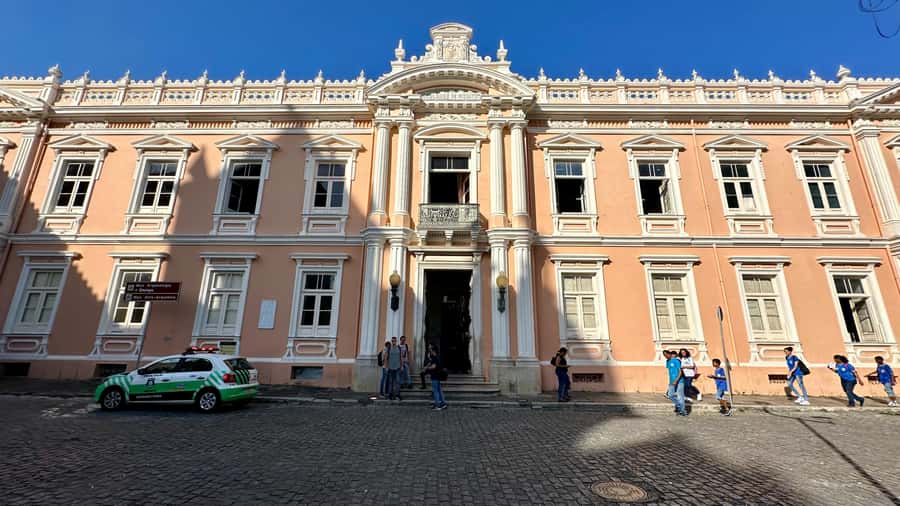
The route begins at the Afro-Brazilian Museum, where the displays cover enslaved Africans, the transatlantic trade, and the movement of people and identities between Africa and Brazil.
This is an important first stop because it gives you a framework for everything that follows. Objects from different parts of Africa point to the range of cultures brought across the Atlantic. You are not looking at a single African influence. You are seeing many traditions, artistic styles, religious ideas, and intellectual practices meeting under terrible circumstances and then changing over time.
The museum also helps explain why Candomblé should not be reduced to a collection of mysterious rituals. Its development is tied to memory, survival, identity, and community. A good guide can connect individual objects to those larger themes, and the tour’s strongest feedback centers on exactly that kind of explanation.
Allow about 30 minutes for this portion of the outing. That is enough time for a guided introduction, though it may feel short if you like to read every label or study each object at length. I would treat it as a foundation rather than a full museum visit.
The dress code applies to selected museums as well as religious sites. Wear clothing that covers your shoulders and knees from the start. It is a simple precaution, and it prevents an avoidable problem at the entrance.
Pierre Verger’s photographs and records
The route also includes the Pierre Verger Gallery. Verger was a French anthropologist who documented slavery, Afro-Brazilian life, and religious traditions through photographs, writing, and audiovisual material.
His work gives the tour another point of view. The museum introduces objects and historical movement; the gallery brings people, places, and visual records into the discussion. Photography can make the scale of those cultural connections easier to grasp, especially when you are trying to understand how African identities continued to shape Salvador.
This is also where the guide’s quality matters most. A short visit can either become a quick look at photographs or a useful explanation of what Verger recorded and why it matters. Several guides have received praise for turning the tour into a connected story rather than a series of unrelated stops.
You should not expect a long, leisurely gallery session. The entire experience lasts four hours and includes transport, a community visit, a terreiro, Dique do Tororó, and Pelourinho. If visual culture interests you, ask your guide at the beginning how much time can be given to the gallery.
Seeing a maroon community in Salvador
One of the more unusual parts of the tour is the visit to a maroon community. These communities served as havens for Black people and their African gods during the colonial and post-abolition periods.
The value of this stop is its connection between religious belief and physical place. Faith did not develop in isolation. People needed safe spaces, social networks, and ways to preserve identity when official institutions worked against them. A maroon community offers a concrete way to understand that process.
The walk also covers the urban and cultural development of a neighborhood that began from such a community. You are not just being shown an old site and given a date. You are being asked to notice how a community grew and how its origins still influence the streets and local culture.
A guide from the community accompanies this part of the experience. That is a real strength. The local guide is initiated in these traditions and familiar with the historical processes behind the neighborhood’s development. This kind of local explanation can provide details that a general city tour may skip.
The exact balance between walking and driving can vary, but you should expect to move through streets and spend time outside. Comfortable shoes are sensible. The tour also includes photo stops, so keep your camera ready without letting photography replace the explanation.
More things to do in Salvador:
- Tour to the Frades Islands and Itaparica, from Salvador – Ba
★ 4.0 · 130 reviews - Transfer Salvador Airport / Hotel Litoral Norte
★ 5.0 · 111 reviews - Private City Tour in Salvador
★ 5.0 · 110 reviews - From Salvador: Schooner Tour to Frades Islands and Itaparica
★ 3.9 · 98 reviews
Entering a Candomblé terreiro
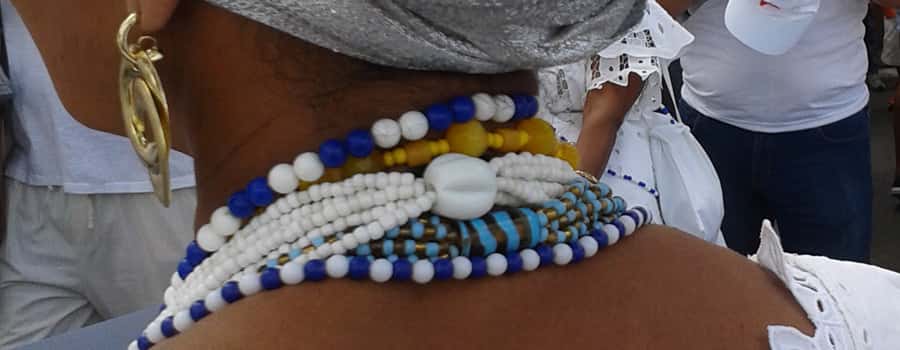
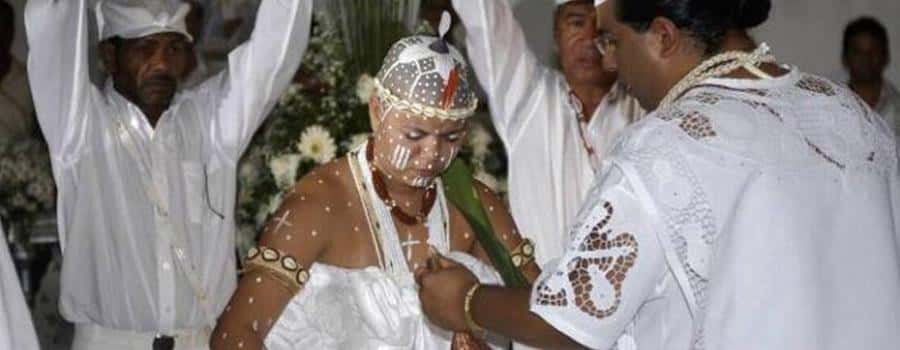
The visit to a Candomblé terreiro is the tour’s central experience. This terreiro belongs to the Ewe-Fon nation, with roots connected to the Daomenian tradition.
For many visitors, this will be their first direct introduction to a Candomblé religious space. The important thing is to enter with respect and listen carefully. The tour is designed to correct mistaken impressions that have been spread about African-origin religions over centuries, not to stage an exotic performance.
A terreiro is a place of worship and community. The information provided does not promise a ceremony, so you should not book this expecting a scheduled religious event or a theatrical display. Instead, expect an explanation of the tradition, its setting, and the beliefs connected with the place.
You may also choose to consult the sacred oracle. This is optional and costs extra. Since the price is not specified, ask about the current fee before agreeing. The oracle consultation may appeal to you if you want a more personal spiritual encounter, but it is not necessary to understand the main tour.
Dress rules are strict here. Both men and women must cover their knees and shoulders. Shorts and sleeveless shirts can lead to refused entry, so choose long trousers or a longer skirt and a top with sleeves. This is not the moment for beachwear, even if Salvador’s weather encourages it.
Dique do Tororó and Salvador’s open-air symbols
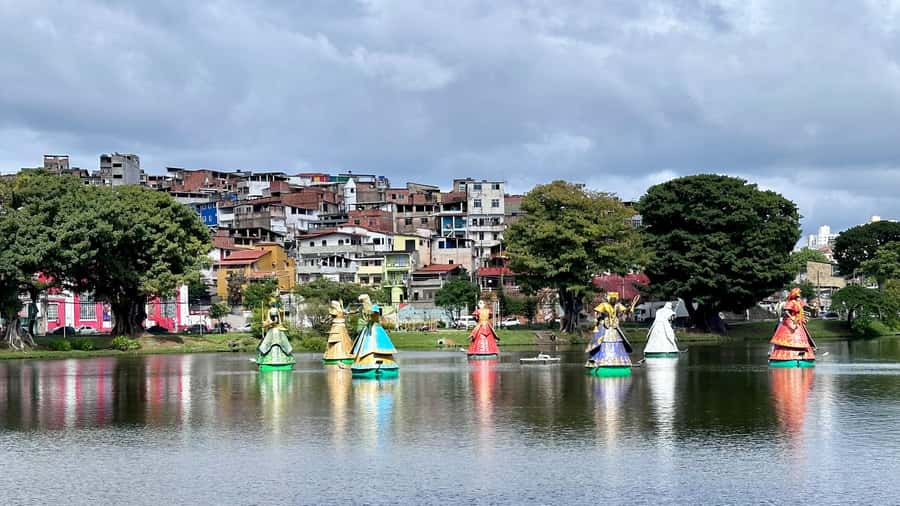
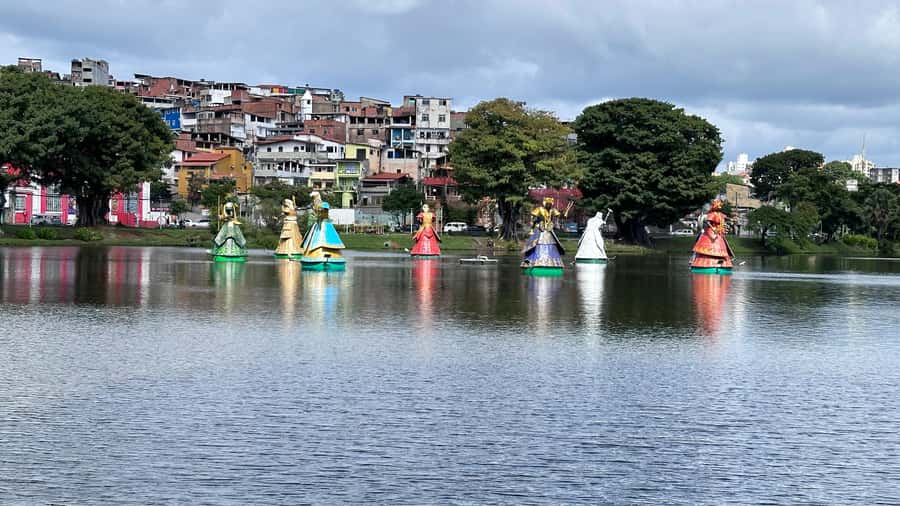
Dique do Tororó provides a change of pace. The stop includes time for photographs and a guided explanation, with about 20 minutes set aside.
The lagoon is known for its large Candomblé orixá sculptures, which give you a visual connection to the religious themes discussed indoors. Even if you have limited time, the setting helps show how Afro-Brazilian culture appears in Salvador’s public spaces.
This is a short stop, so think of it as a view and orientation point rather than a full visit. You will have time to photograph the site and hear the guide’s interpretation, but you should not expect a long walk around the water.
I like this kind of break in the schedule. After museums and community streets, an open setting gives you a chance to absorb the symbols without standing in a crowded interior. It also adds some of the city views promised by the experience.
Pelourinho after the religious context
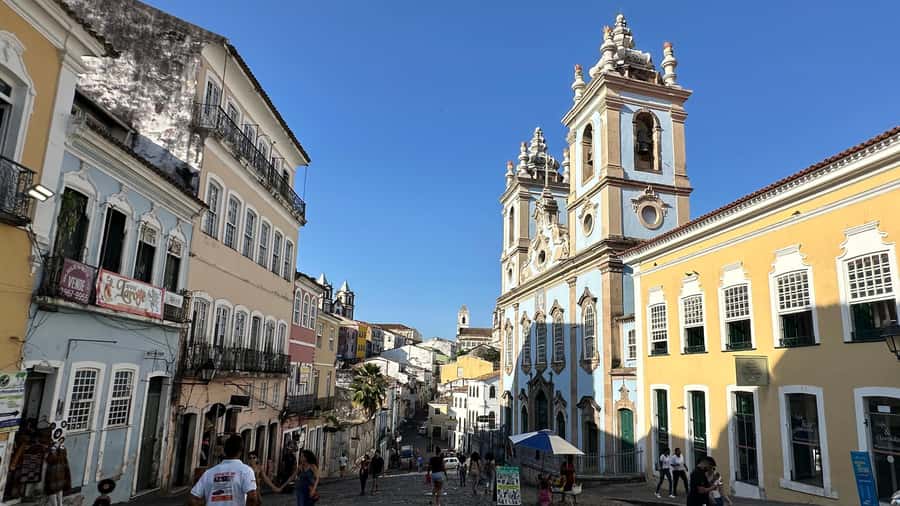
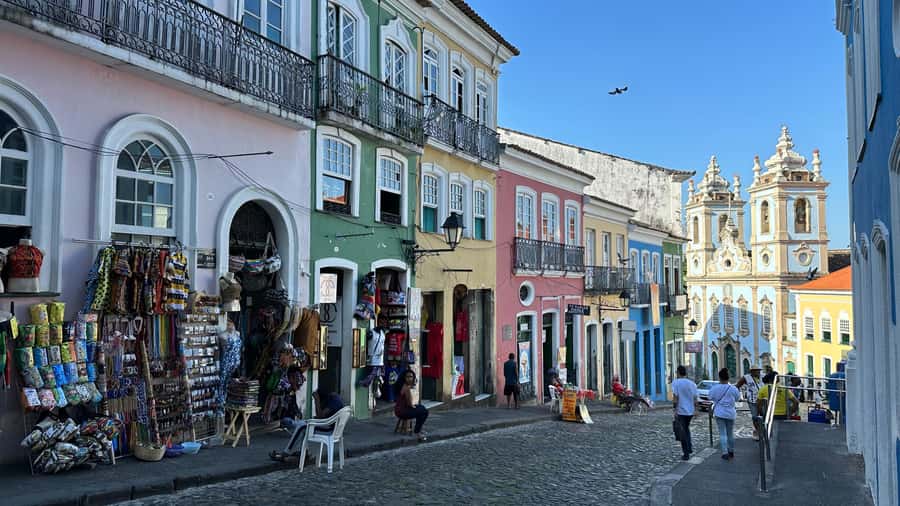
The tour finishes its main sightseeing with Pelourinho, Salvador’s famous historic center. The stop lasts about 45 minutes and combines photographs, a visit, and guided commentary.
Pelourinho is often treated as a quick postcard stop, with colorful facades and steep streets doing most of the work. Here, the neighborhood can be read as part of the larger story of African-Brazilian identity, colonial power, and urban change.
The historical center can be visually rewarding, but it is also the part of this experience most likely to overlap with a standard Salvador city tour. The difference is the theme. Your guide can connect what you see in the streets to the communities, beliefs, and social history discussed earlier.
Nilson was particularly praised for pointing out places that were easy to miss and for offering ideas for what to do later in Salvador. That is useful at Pelourinho, where a local guide can help you notice more than the best-known facades.
The stop is still fairly short. If you want extensive time for churches, shops, museums, or independent photography in Pelourinho, plan a separate visit. This tour gives you an informed introduction, not an entire afternoon in the historic center.
What the four-hour format feels like
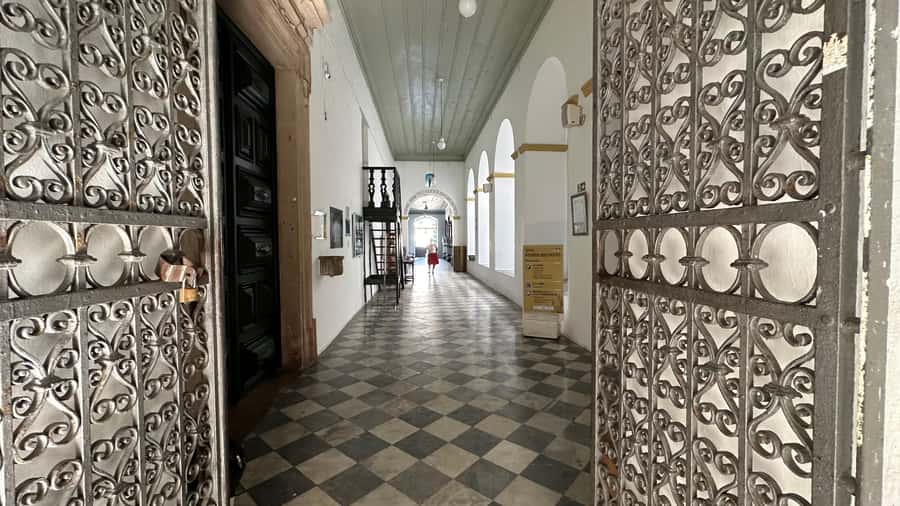
Four hours is a useful length for a focused cultural outing. You get hotel or port pickup, air-conditioned transport, several guided stops, and a return to Salvador without giving up a full day.
The trade-off is pace. The schedule includes a museum, gallery, maroon-community area, terreiro, Dique do Tororó, and Pelourinho. Some of those stops are listed at roughly 20 to 50 minutes, so you will be moving along rather than lingering.
I would book this early in your Salvador stay if possible. Guides can offer suggestions for other places to visit, and one especially praised guide adjusted the experience around personal interests and provided useful ideas for the rest of the visit.
The experience is offered in English, Spanish, French, Italian, and Portuguese. That range is helpful, but language availability can depend on the selected starting time, so confirm your preferred language when booking.
Hotel lobby pickup in Salvador City is included, as is transport in an air-conditioned vehicle. Food and drinks are not included, and the tour lasts only four hours, so plan a meal before or after rather than expecting a refreshment stop.
Is $110 a fair price?
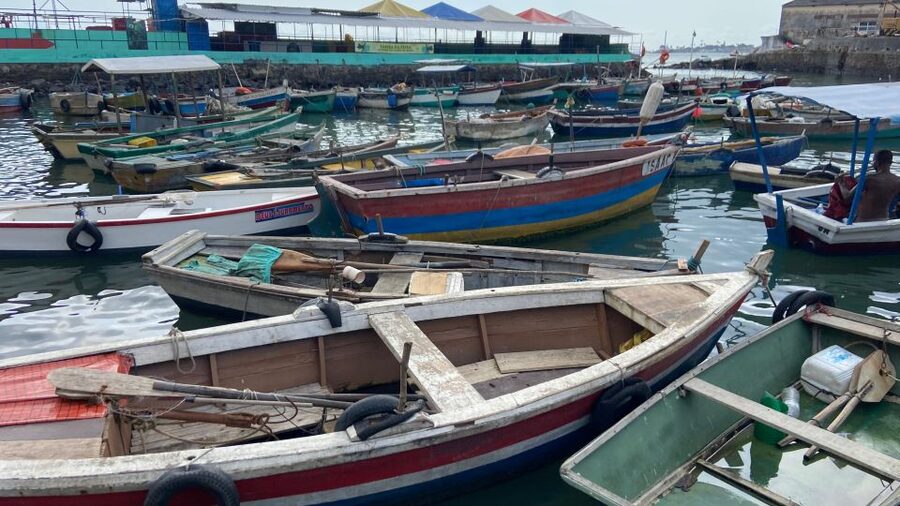
At $110 per person, the price is not cheap for four hours, but the value depends on what you want from Salvador.
You are paying for private transport, pickup and drop-off, entrance fees as stated, a private group of no more than six, and a guide who can interpret a subject that is difficult to understand through casual sightseeing. If you are traveling alone or with a small party and want a focused introduction to Candomblé and Afro-Brazilian culture, the price can make sense.
The value is weaker if you mainly want panoramic views or a general introduction to Pelourinho. You could find less specialized city outings for that purpose. This experience earns its price through its subject, local access, and personal explanation.
There is one practical concern. One booking reported paying an additional 20 Brazilian reais per person because not every entrance fee appeared to be included as expected. That amount is modest, but the mismatch is worth clarifying before the tour begins. Ask which sites are covered and whether the oracle consultation is separate, since that activity is specifically listed as an extra cost.
The tour has a 4.3 rating from 34 bookings. The praise is strongest for the guides, with Monia, Fernando, Maria Nunes, and Nilson all receiving warm comments for their explanations, friendliness, and ability to shape the experience around the individual. One poor experience involved a traffic accident involving the taxi and a complaint that the tour did not match what had been paid for. That appears to be a serious exception, but it is a reminder that transport problems can affect a short tour heavily.
Free cancellation is available up to 24 hours before the start time, and you can reserve now and pay later. Those terms give you some flexibility if your Salvador plans are still shifting.
Who should book this experience?
I would recommend it if you want more than colonial architecture and beach time. It suits you especially well if you are interested in religion, slavery and its aftermath, photography, local communities, or the African roots of Brazilian culture.
It is also a good choice for a first visit because the guide can help you see connections between separate parts of Salvador. The small group gives you a better chance to ask direct questions, and the mix of driving, short walks, museums, public spaces, and a terreiro keeps the four hours varied.
You may want to skip it if you dislike structured schedules, have difficulty covering your knees and shoulders, or want a long, unhurried museum visit. It is also not the right booking if you expect a full Candomblé ceremony or a guaranteed oracle reading. The oracle is optional and costs extra, while the main focus is cultural and historical explanation.
Should you book the Candomblé Mysteries Tour?
Book this tour if you want Salvador explained through its African-Brazilian religious traditions, not just photographed from the outside. The combination of the Afro-Brazilian Museum, Pierre Verger Gallery, maroon-community history, Dique do Tororó, Pelourinho, and a terreiro gives the outing a clear purpose.
Before you go, dress conservatively, confirm exactly which entrance fees are included, and ask how much time will be available at the museum or gallery if those matter most to you. If those details suit your plans, $110 buys a personal and unusually focused introduction to one of Salvador’s most important cultural subjects.
FAQ
How long does the Candomblé Mysteries Tour last?
The tour lasts four hours, including the guided visits, photo stops, transport, and return to Salvador.
Is hotel pickup included?
Yes. Pickup and drop-off are included from your hotel lobby in Salvador City. Port pickup is also listed as included.
What languages are available?
The live guide may be available in English, Spanish, French, Italian, or Portuguese. Confirm the language offered for your selected departure.
How many people can join the tour?
It is a private group experience with a maximum of six people.
What should I wear?
Knees and shoulders must be covered for both men and women at places of worship and selected museums. Shorts and sleeveless tops are not allowed and may result in refused entry.
Is the sacred oracle consultation included?
No. The oracle consultation is optional and costs extra. Food and drinks are also not included.
Just added in Salvador
- Mãe Tereza Ecological Park | A peaceful paradise, perfect for relaxing!★ 4.5 · 19 reviews
- Full Day Tour in Trancoso with Chocolate Factory★ 4.5 · 35 reviews
- Horse back riding and Eco tourism food and fun.★ 5.0 · 1 review
- Salvador: Schooner Cruise with Pickup and Itaparica Stop★ 3.8 · 5 reviews
- Salvador: Traditional Drumming and Percussion Workshop★ 4.4 · 10 reviews
- PROMO Salvador: Interactive Art and Culture Private Tour★ 5.0 · 2 reviews
- Salvador: 3-Hour Percussion Class★ 4.9 · 10 reviews
- Salvador: Cultural Treasure – Samba de Roda.★ 4.9 · 51 reviews
Salvador and Bahia Tours, compared.
Salvador City Tour – Discover Brazil’s First Capital En, It, Es
Read our review →
Cooking class in Salvador, an authentic dinning experience
Read our review →
Tour to the Frades Islands and Itaparica, from Salvador – Ba
Read our review →

Tour Praia do Forte and Guarajuba, Leaving Salvador-Bahia.
Read our review →
Transfer to Iberostar Selection Praia do Forte or Waves Bahia
Read our review →
Transfer Iberostar Waves Bahia / Praia do Forte – Private
Read our review →Browse the lists this tour appears in