
Reviewed · SALVADOR AND BAHIA TOURS
Salvador: CAPOEIRA CLASS – CULTURAL
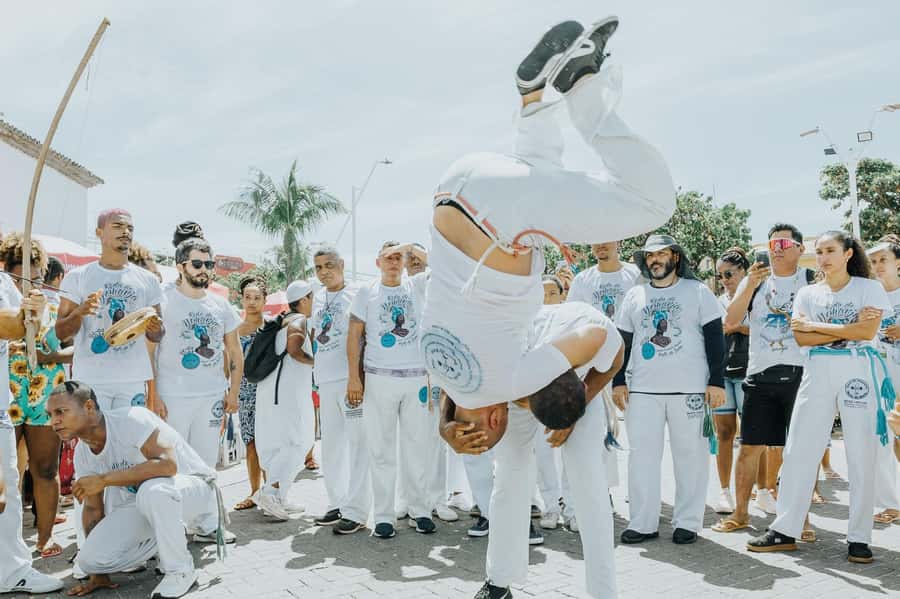
Capoeira turns movement into music. This 90-minute class at Hostel Nomads gives you a lively introduction to Brazilian capoeira, blending kicks, spins, conditioning, songs, and instruments. I like the small limit of eight people, which should make it easier to follow the instructor, and I like that the class explains capoeira as more than a martial art. It connects physical movement with resistance, community, and personal expression.
The main point to consider is language. Instruction is in Portuguese, so you may need to learn by watching closely and copying the movements. That has not stopped beginners from enjoying the session, but you should not expect a bilingual lesson or a slow, purely sightseeing-style activity.
In This Review
- Key points before you book
- Why this Salvador class is more than a workout
- Arriving at Hostel Nomads at 7:30 PM
- The opening warm-up: agility before acrobatics
- Learning kicks, spins, and controlled movement
- When capoeira becomes music
- The instructor and the Portuguese-only format
- What the 90 minutes give you for $17
- Who will enjoy this class most
- Practical tips for a smoother session
- Should you book the Salvador capoeira class?
- FAQ
- Where does the capoeira class meet?
- How long does the class last?
- What time is the class held?
- How much does the experience cost?
- Is the class taught in English?
- Can I join if I do not speak Portuguese?
- How many people can join the class?
- What is included in the price?
- Can I cancel the booking?
Key points before you book
- A 90-minute introduction to capoeira: Expect a workout, basic technique, music, and cultural context in one compact evening session.
- Held Mondays and Wednesdays at 7:30 PM: The fixed schedule works well after a day in Salvador, but it gives you fewer date choices.
- Portuguese instruction only: You can follow demonstrations without speaking Portuguese, though language skills may help with technique and rhythm.
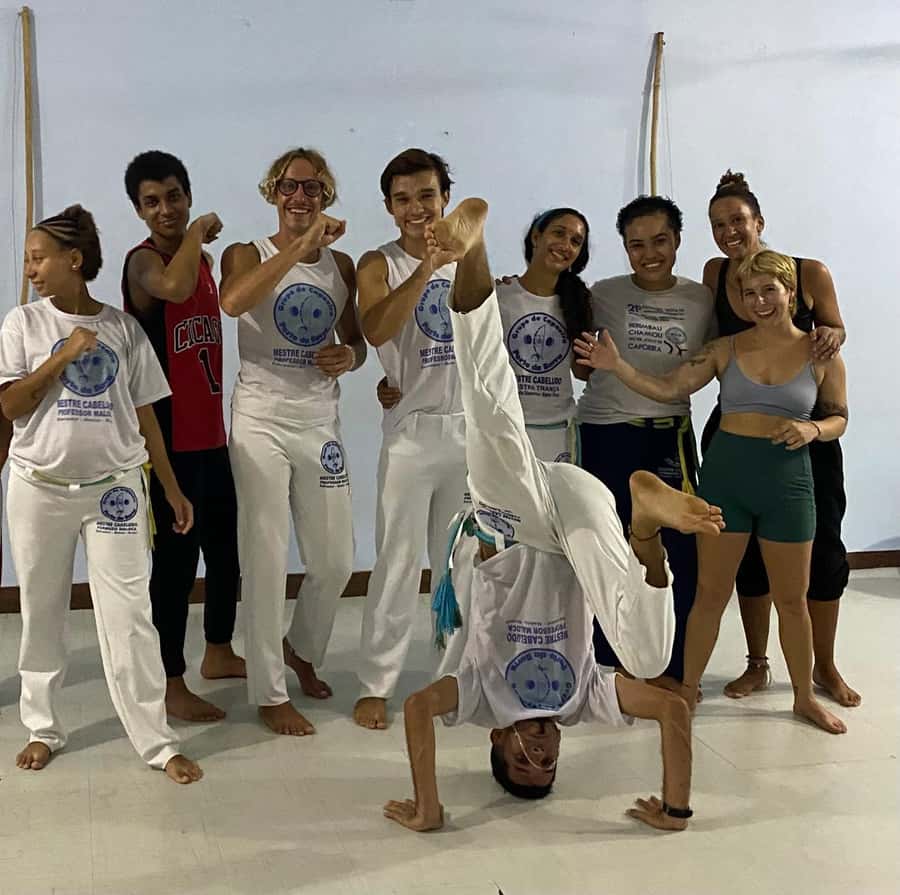
- Limited to eight participants: The small group should give the master in capoeira more room to watch and guide each person.
- Music is part of the lesson: You may learn songs and try the instruments, not just practice kicks and acrobatics.
- $17 includes the basics: Your fee covers the class, instructor, workout tools, and water, making it a low-cost way to try a major Brazilian art form.
Why this Salvador class is more than a workout
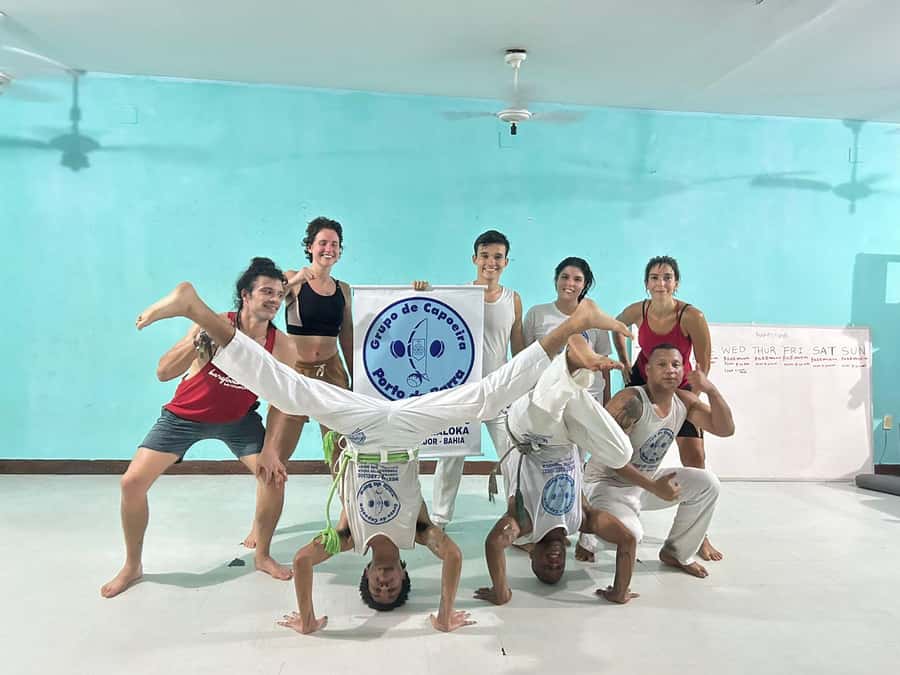
Capoeira is often described as both fight and dance, and this class is built around that tension. You learn physical movements, but the point is not simply to punch, kick, or build muscle. The art uses timing, balance, rhythm, eye contact, and controlled motion.
That combination makes the activity a good fit if you want a cultural experience that keeps you moving. You are not sitting through a talk about Brazilian traditions. You are using your body to understand one.
The class also presents capoeira as part of a long story of resistance and empowerment. The session connects its older roots with capoeira as it appears in modern urban culture. That context matters because it helps you see why the movements, music, and group setting belong together.
I especially like this approach for first-time participants. You do not need to arrive already knowing the difference between a kick and a spin. The class starts with basic preparation and builds from there.
More of Salvador and Bahia:
- Round trip transfer, Salvador, Bahia, Brazil
★ 5.0 · 228 reviews - Salvador City Tour – Discover Brazil’s First Capital En, It, Es
★ 5.0 · 217 reviews - Cooking class in Salvador, an authentic dinning experience
★ 5.0 · 132 reviews
Arriving at Hostel Nomads at 7:30 PM
The meeting point is Hostel Nomads, and classes take place every Monday and Wednesday at 7:30 PM. That evening time is practical. You can spend the daytime seeing Salvador, then use the class as an active change of pace rather than adding another passive attraction to your schedule.
The fixed time also requires a little planning. If you are in Salvador for only a short stay, check that your plans line up with Monday or Wednesday. Availability and exact starting details should be checked before booking.
The group is limited to eight participants. That is a useful number for an activity based on demonstration and correction. In a large class, a beginner can easily end up copying the wrong angle or missing the next sequence. With fewer people, you have a better chance of seeing the instructor clearly and getting help when a movement feels awkward.
The setting at a hostel also suggests a social, informal start to the evening. The supplied information does not promise a particular room setup, changing area, or floor surface, so wear clothing that allows free movement and arrive ready for physical activity. Water is included, which is a small but welcome detail during a workout.
The opening warm-up: agility before acrobatics
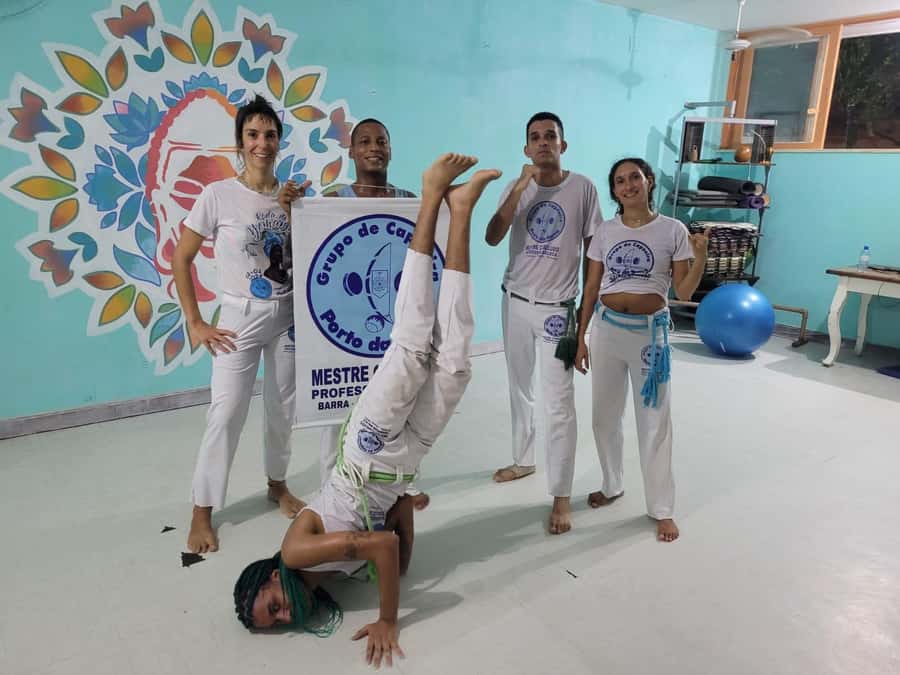
The class begins with a lively warm-up. Its focus is agility, flexibility, and coordination, the three skills you need before capoeira starts to look smooth.
This part may seem basic, but it does useful work. Capoeira movements ask you to shift weight quickly, bend low, turn your hips, and keep your balance while moving in unusual directions. A warm-up helps prepare your body for that pattern instead of sending you straight into showy kicks.
You can expect the instructor to use the opening section to get the group moving together. For a beginner, this is where you begin to understand the class rhythm. You may not know every Portuguese instruction, but you can watch the sequence, repeat it, and adjust as the group moves.
The workout is described as intensive by one participant, so do not treat this as a gentle cultural demonstration. The pace may challenge your legs, core, flexibility, and coordination. At the same time, the session is designed as an introduction, not an advanced training course.
Learning kicks, spins, and controlled movement
After the warm-up, the instructor leads you through sequences of kicks, spins, and acrobatic movements. Technique comes first. The goal is not to throw your body around as quickly as possible.
Capoeira looks relaxed when performed well, but that ease comes from control. You need to place your feet carefully, keep your weight ready to shift, and understand where your body will go next. The instructor also emphasizes expression, so the movement is not meant to look stiff or mechanical.
You may find the first attempts slightly confusing. Capoeira does not always follow the straight lines familiar from a standard fitness class. You move low, sideways, and around another person, often with a steady rocking motion. That is part of the appeal, but it can also make the class feel demanding during the first half hour.
The instructor is described as attentive, professional, and good at explaining the basics. Those qualities matter here. A strong teacher can show the same movement several ways, slow it down, and help you understand its purpose without turning the lesson into a technical lecture.
Because the instruction is in Portuguese, the demonstration carries much of the teaching. If you do not speak Portuguese, focus on the instructor’s feet, shoulders, and direction of travel. Watch the full movement once before trying to copy it. You will likely get more from the class by accepting a few imperfect attempts than by worrying about every detail.
More things to do in Salvador:
- Tour to the Frades Islands and Itaparica, from Salvador – Ba
★ 4.0 · 130 reviews - Transfer Salvador Airport / Hotel Litoral Norte
★ 5.0 · 111 reviews - Private City Tour in Salvador
★ 5.0 · 110 reviews - From Salvador: Schooner Tour to Frades Islands and Itaparica
★ 3.9 · 98 reviews
When capoeira becomes music
One of the best features of this experience is that the class includes songs and instruments. You are not only learning the physical side of capoeira. You may also get the chance to play the instruments and join in with the music.
This changes the mood of the class. Rhythm helps explain why capoeira is not simply a sequence of martial arts exercises. Movement and sound work together, and the group becomes part of the activity.
The music also gives you another way to take part if the acrobatics feel difficult. You can listen to the beat, follow the songs, and understand how the class builds a shared sense of timing. That social element is important. Capoeira is learned with other people, not as a solitary workout in front of a mirror.
The information does not identify the instruments used, so you should not book this expecting a specific music lesson. Still, the chance to handle the instruments and learn songs adds real value to a $17 experience. Many low-cost activity classes give you a short physical routine and send you home. This one includes a second doorway into the culture.
The instructor and the Portuguese-only format
The class is led by a master in capoeira, and the strongest praise focuses on the teacher’s attention, energy, professionalism, and ability to introduce beginners to the basics. One participant described learning a great deal in 90 minutes and leaving hooked on capoeira. Another highlighted the instructor’s care and clear teaching.
That is encouraging if you are new to the art. A first lesson can easily become a blur of fast movement, especially when the teacher assumes prior experience. Here, the available feedback points to a patient introduction rather than a performance designed only for people who already know what they are doing.
Still, you should be realistic about Portuguese. The class does not include a Portuguese-English language option. A participant specifically noted that it was in Portuguese, but also found the session enjoyable without speaking the language.
You can manage without Portuguese because physical instruction is visible. Basic words, gestures, repetition, and the movement of the group will help. But language can affect how quickly you understand a correction or the historical explanation. If cultural background is your main reason for booking, you may get less detail than a Portuguese speaker.
This is not a deal breaker for most people who want to try capoeira. It is simply part of the experience. You will be taking part in a local class, not a lesson redesigned entirely for international visitors.
What the 90 minutes give you for $17
At $17 per person, this is an inexpensive way to try a culturally important activity in Salvador. The fee includes the capoeira class, the master instructor, workout tools, and water.
The value comes from the mix. You receive physical training, an introduction to capoeira technique, cultural and historical explanation, plus music and instruments. If you attended only for a gym-style workout, you might find the cultural parts unexpected. If you wanted a cultural talk, you might find the physical parts more intense than planned. For most people, that blend is exactly why the price works.
The short duration is another advantage. Ninety minutes is long enough to learn basic sequences and get a proper workout, but not so long that a first attempt becomes exhausting beyond reason. One participant called the class intensive and fun, which is a useful description of the balance.
You should not expect to master capoeira in one evening. The class gives you an introduction and a taste of the discipline. It may leave you curious about taking more classes, but it cannot replace regular practice.
Compared with a standard sightseeing activity, the class also gives you a different memory of Salvador. You are not only looking at local culture from the outside. You are trying its movement, listening to its songs, and working with a group.
Who will enjoy this class most
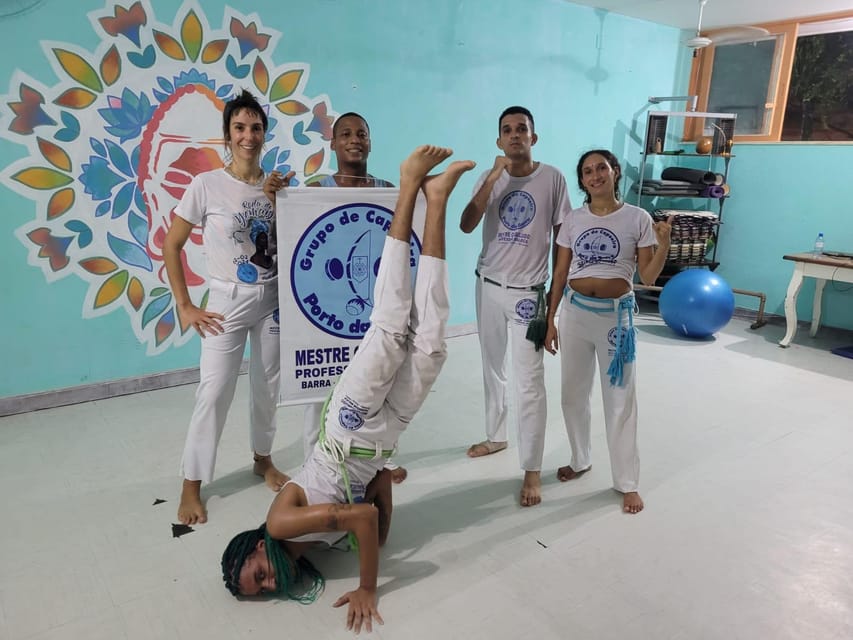
I would recommend this activity to you if you like learning through movement. It suits people who want a workout with cultural meaning, beginners who enjoy trying something unfamiliar, and visitors who prefer a small group over a large staged show.
It is also a good choice if your Salvador schedule already includes museums, churches, markets, or walking tours and you want something active in the evening. The 7:30 PM start gives your day a clear change of rhythm.
You do not need previous capoeira experience according to the way the class is presented. The session teaches basics and guides you through movements step by step. Still, you should be comfortable with a physical class that includes kicks, spins, agility work, and some acrobatics.
If you dislike group exercise, worry about looking uncoordinated, or want a quiet cultural activity, this may not be your best pick. Capoeira asks you to participate, make mistakes, and keep moving. It is more rewarding when you can laugh at your first attempts and try again.
The Portuguese-only format may also steer some people away. If you need detailed English instruction for safety or confidence, check with the provider before booking. The available information confirms Portuguese instruction only.
Practical tips for a smoother session
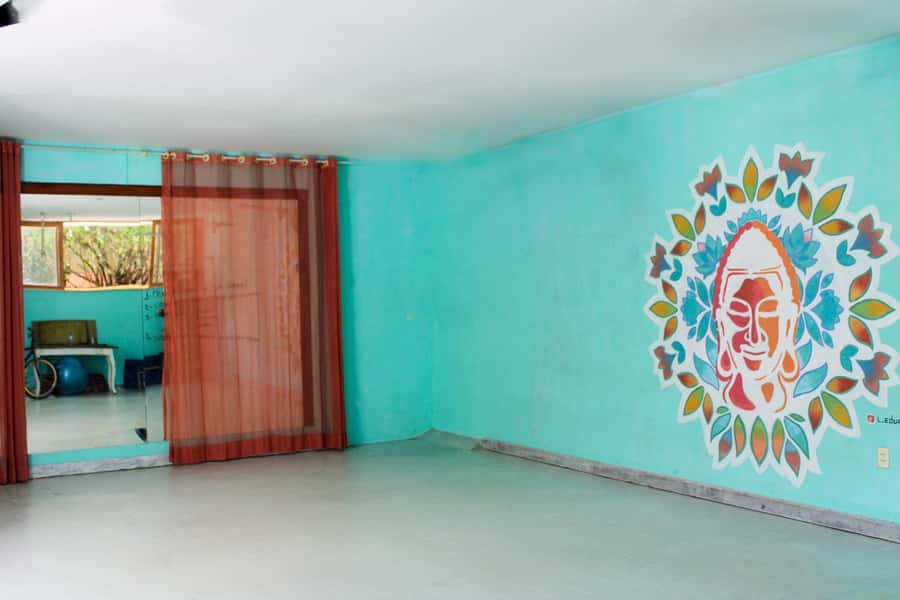
Plan to arrive at Hostel Nomads with enough time to find the meeting point. The exact room and preparation arrangements are not specified, so do not assume that you can count on a full changing facility.
Wear clothing that lets you bend, turn, and lift your legs. Choose footwear and clothing suitable for exercise, since the class includes conditioning and movement rather than a seated demonstration.
Keep your expectations sensible. The class can introduce you to capoeira, but it will not make you an accomplished performer in one session. Treat each new movement as a first step, not a test.
Pay close attention during demonstrations. Since the instruction is in Portuguese, watching carefully is more useful than trying to translate every word. Copy the shape and pace first, then work on polish.
Finally, remember that the schedule is limited to Mondays and Wednesdays at 7:30 PM. This is easy to fit into a longer visit, but less flexible if your stay is short. The provider offers free cancellation up to 24 hours before the class and allows you to reserve now and pay later, which can help if your plans are still shifting.
Should you book the Salvador capoeira class?
Book it if you want a low-cost, active introduction to Brazilian culture and you are willing to learn by watching, moving, and listening. The small group, attentive instruction, music, instruments, and $17 price make this a strong value for curious beginners.
Skip it if you want a fully English-speaking lesson, a relaxed performance, or a detailed course in capoeira technique. For everyone else, this is a lively way to spend 90 minutes in Salvador, with enough history and music to give the workout a real sense of place.
FAQ
Where does the capoeira class meet?
The meeting point is Hostel Nomads.
How long does the class last?
The class lasts 90 minutes.
What time is the class held?
Classes are held every Monday and Wednesday at 7:30 PM.
How much does the experience cost?
The price is $17 per person.
Is the class taught in English?
No. The listed instruction language is Portuguese.
Can I join if I do not speak Portuguese?
Yes, you may still be able to follow the class through demonstrations and group movement. The class is conducted in Portuguese, so detailed verbal explanations may be harder to follow.
How many people can join the class?
The group is limited to eight participants.
What is included in the price?
The price includes the capoeira class, a master in capoeira instructor, tools to work out, and water.
Can I cancel the booking?
Yes. You can cancel up to 24 hours in advance for a full refund. You can also reserve now and pay later.
Just added in Salvador
- Mãe Tereza Ecological Park | A peaceful paradise, perfect for relaxing!★ 4.5 · 19 reviews
- Full Day Tour in Trancoso with Chocolate Factory★ 4.5 · 35 reviews
- Horse back riding and Eco tourism food and fun.★ 5.0 · 1 review
- Salvador: Schooner Cruise with Pickup and Itaparica Stop★ 3.8 · 5 reviews
- Salvador: Traditional Drumming and Percussion Workshop★ 4.4 · 10 reviews
- PROMO Salvador: Interactive Art and Culture Private Tour★ 5.0 · 2 reviews
- Salvador: 3-Hour Percussion Class★ 4.9 · 10 reviews
- Salvador: Cultural Treasure – Samba de Roda.★ 4.9 · 51 reviews
Salvador and Bahia Tours, compared.
Salvador City Tour – Discover Brazil’s First Capital En, It, Es
Read our review →
Cooking class in Salvador, an authentic dinning experience
Read our review →
Tour to the Frades Islands and Itaparica, from Salvador – Ba
Read our review →


Tour Praia do Forte and Guarajuba, Leaving Salvador-Bahia.
Read our review →
Transfer to Iberostar Selection Praia do Forte or Waves Bahia
Read our review →
Transfer Iberostar Waves Bahia / Praia do Forte – Private
Read our review →Browse the lists this tour appears in