
Reviewed · RIO DE JANEIRO CITY TOURS
Salvador: Anthropological City Tour with Lunch IN 6 HOURS
Salvador’s African roots are not confined to museums. This six-hour tour connects Pelourinho, São Joaquim Market, Candomblé, historic ports, and a family meal in a Black community, giving you a broader view of Bahia than a standard sightseeing loop. I like the way it joins major landmarks with places tied to living traditions, and I especially like the homemade feijoada lunch, which is the sort of meal you would be unlikely to arrange alone.
The small group, limited to four people, is another strong point. Guides such as Mônia, D. Maria, and Fernando have earned especially warm praise for their personal approach and wide knowledge. The main consideration is that the schedule is full, and the tour is not wheelchair accessible, so it suits you best if you are comfortable with a busy day of walking, driving, and cultural discussion.
In This Review
- Key points to know before booking
- Why this six-hour route feels different
- Starting with Salvador’s historic center
- Dique do Tororó and the city’s changing view
- Railway suburbs and communities shaped by forced migration
- São Joaquim Market, founded by enslaved Africans
- The old port and the memory of enslavement
- Ilê Iyá Axé Nassô Oká and living Candomblé
- Homemade feijoada in Garcia
- Rio Vermelho and the Queen of the Sea
- Guides, group size, and languages
- Who should book this tour?
- Should you book the Salvador Anthropological City Tour?
- FAQ
- How long does the tour last?
- Is hotel pickup included?
- What languages are available?
- How many people are in the group?
- Is lunch included?
- Are drinks included with lunch?
- Is a vegetarian meal available?
- Is the tour wheelchair accessible?
- Are entrance fees included?
Key points to know before booking
- A six-hour route through Afro-Brazilian Salvador: You move from the UNESCO-listed historic center to railway suburbs, markets, religious sites, and the coast.
- Lunch is part of the cultural experience: A family with more than 50 years of tradition serves homemade feijoada in the Garcia neighborhood.
- The group is very small: With a limit of four participants, you can ask questions and shape the conversation more easily.
- Candomblé receives serious attention: The tour visits Ilê Iyá Axé Nassô Oká, described as the first Yoruba-origin Candomblé terreiro founded in the New World.
- Iemanjá gives the day a seaside finish: At Rio Vermelho, you visit a fishermen’s community altar dedicated to the African orixá of the sea.
- Plan for practical limits: Drinks cost extra, vegetarian food must be requested in advance, and wheelchair access is not available.
Why this six-hour route feels different
Many first visits to Salvador focus on Pelourinho, with its colorful façades, churches, steep streets, and polished historic setting. Those sights matter, but they tell only part of the city’s story. This experience sets Pelourinho beside neighborhoods and institutions shaped by the descendants of enslaved Africans.
That change in setting is important. You are not only looking at preserved buildings. You are following how African traditions survived, adapted, and remained part of ordinary life in Bahia. The guide’s explanations connect religious practice, food, music, family history, migration, and resistance.
I would choose this tour if you want context rather than a quick checklist of photo stops. It is also a good fit if you have only one day in Salvador and want several different parts of the city handled in one outing. The small group makes a real difference here because the subject can be complex, personal, and easy to misunderstand without room for questions.
The tour includes hotel pickup and drop-off in Salvador, a driver and guide, entrance fees, and lunch. At $150 per person, it is not a budget city tour. Still, the price makes more sense when you count the private-style transportation, professional guiding in several languages, admission costs, and a meal that is arranged within a local community rather than at a typical restaurant.
More Rio city tours:
- Salvador City Tour – Discover Brazil’s First Capital En, It, Es
★ 5.0 · 217 reviews - Private City Tour in Salvador
★ 5.0 · 110 reviews - Afro-Brazilian Roots Private City Tour in Salvador
★ 4.7 · 88 reviews
Starting with Salvador’s historic center
The day begins with pickup at your hotel and a visit to Salvador’s historic area. Pelourinho is the obvious starting point, but it is more than a pretty square for photographs. Its streets carry the visible marks of Portugal’s colonial rule, the forced arrival of Africans, Catholic power, and the continued influence of African culture.
Expect a guided visit with time for photos and discussion. The historic center can be lively and crowded, and the uneven streets may make walking tiring, especially in heat. Wear firm, comfortable shoes and bring water. The tour does not include drinks, so you will need to pay for those separately.
One key stop here is the Afro-Brazilian Museum. Its collection helps explain the lives, beliefs, art, and social importance of Black people in Brazil. This is a valuable early stop because it gives you a framework for the rest of the day. Afterward, the market, religious sites, and coastal traditions will feel connected rather than random.
The historic center is also where a guide’s skill matters most. A basic walk can become a list of dates and façades. A good guide helps you see the tension between a celebrated heritage district and the painful history behind it. Mônia is praised for combining broad historical understanding with a friendly manner, while D. Maria is noted for answering detailed questions about Bahia, spirituality, and world history.
Dique do Tororó and the city’s changing view
The itinerary includes a stop at Dique do Tororó, a Salvador landmark used for photos and a guided explanation. The stop is brief, around 20 minutes, so think of it as a focused pause rather than a long visit.
Dique do Tororó is especially relevant to this tour because it brings African religious imagery into a public city setting. The famous sculptures of orixás in the water are a visible reminder that African-Brazilian beliefs are not confined to private ceremonies or distant historical accounts.
This is one of the places where the tour’s theme becomes easy to grasp. You can see how religion, art, public space, and identity meet in Salvador. The limited time may feel short if you want to linger for photographs, but it helps the guide keep the wider route moving.
Railway suburbs and communities shaped by forced migration
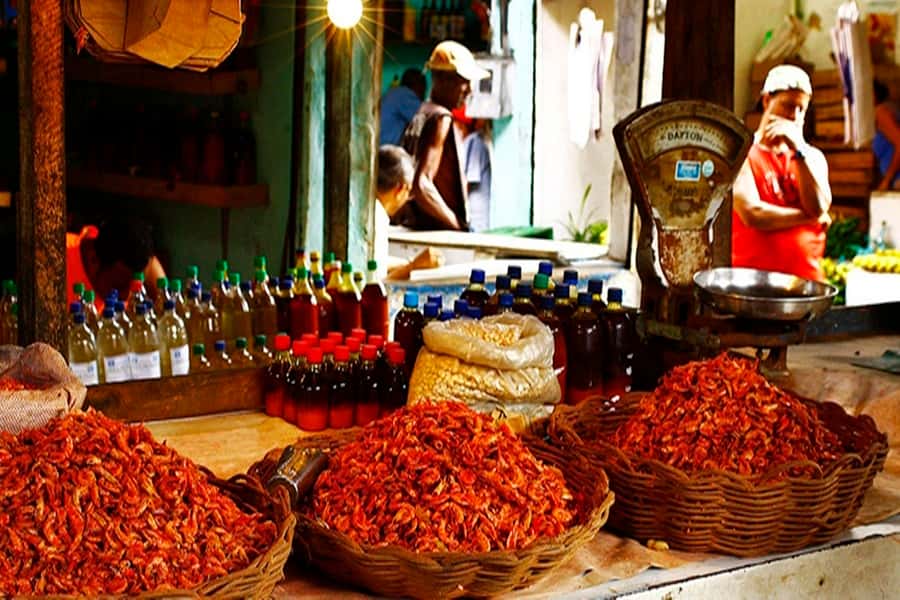
The route then moves away from the postcard center toward railway suburbs and areas connected with communities descended from enslaved people. This change matters because Salvador’s social geography becomes easier to understand when you leave the historic core.
You will see urban changes across different parts of the city and hear how territories connected with enslaved descendants developed over time. The information provided does not give a precise stop name or walking plan for every suburb, so the exact view will depend on the day’s route and traffic. Still, the purpose is clear: to show you a Salvador that many short city tours skip.
This part may be less visually tidy than Pelourinho. That is also its value. You are seeing daily urban life rather than a restored heritage district prepared for sightseeing. I would not book this experience expecting a string of perfect viewpoints. Book it because you want the city’s social and historical layers explained as you move through them.
More of Salvador and Bahia:
- Round trip transfer, Salvador, Bahia, Brazil
★ 5.0 · 228 reviews - Cooking class in Salvador, an authentic dinning experience
★ 5.0 · 132 reviews - Tour to the Frades Islands and Itaparica, from Salvador – Ba
★ 4.0 · 130 reviews - Transfer Salvador Airport / Hotel Litoral Norte
★ 5.0 · 111 reviews
São Joaquim Market, founded by enslaved Africans
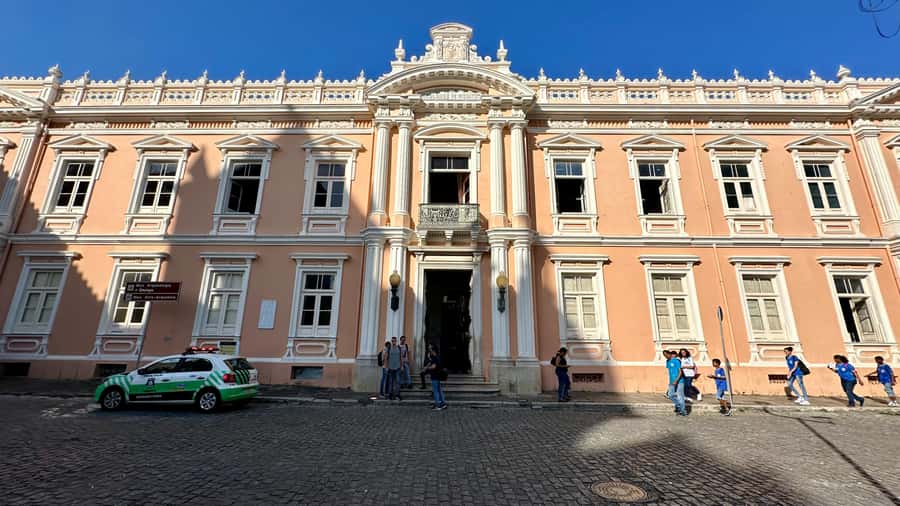
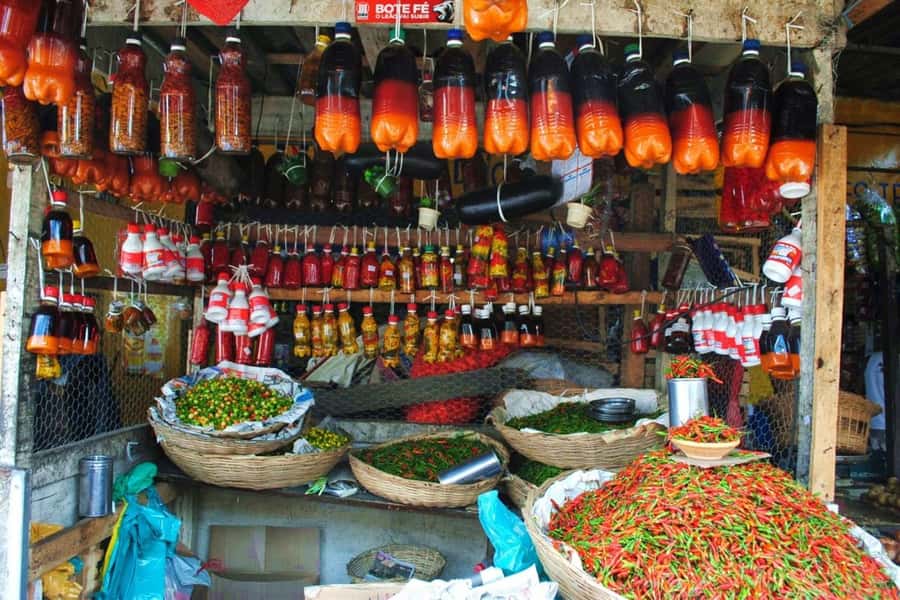
São Joaquim Market is one of the strongest stops for understanding Salvador through ordinary commerce. It is the city’s largest open market and has been recognized as part of Brazil’s intangible heritage. The market was founded by enslaved Africans in the 19th century, adding an important historical dimension to what might otherwise seem like a simple shopping stop.
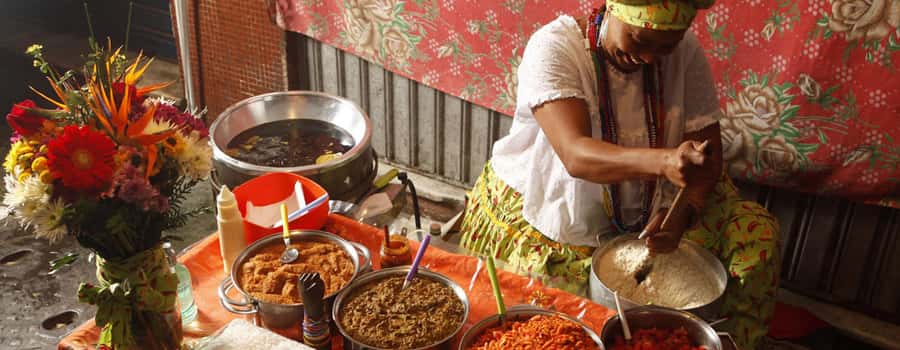
You can expect a sensory visit, with food, household goods, and items connected with religious practice. The market is not presented as a staged cultural display. It is a working place, and the guide helps you read its importance rather than simply walk through taking pictures.
This is a good place to ask questions. If you are curious about ingredients used in Bahian cooking, objects associated with Candomblé, or how African traditions appear in daily life, the small group gives you a chance to ask without holding up a large crowd.
The market can be busy and crowded, and that may be tiring for some people. Keep your belongings secure and stay close to your guide. Because the tour covers a lot in six hours, you may not have time for a long, independent shopping session. Treat São Joaquim as a cultural stop first and a shopping stop second.
The old port and the memory of enslavement
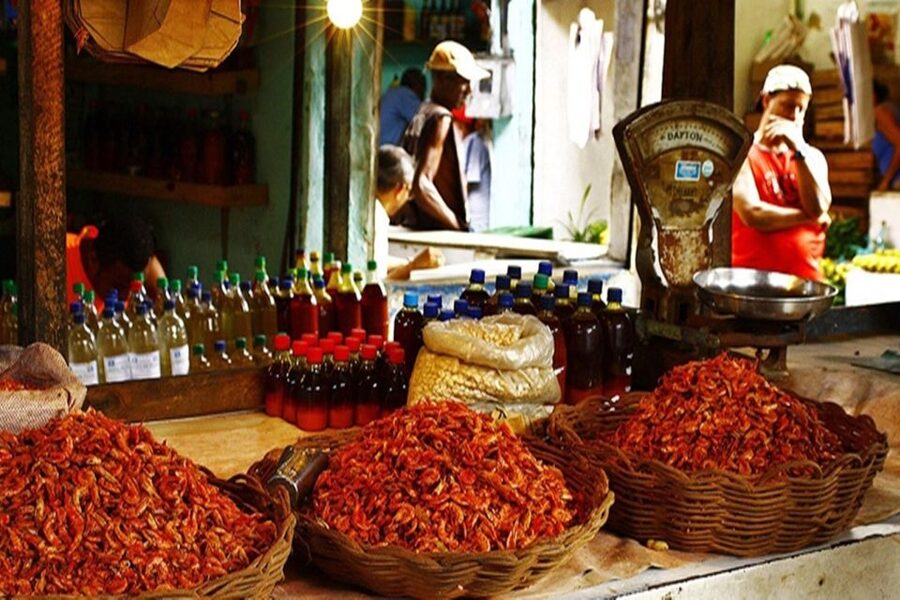
The route continues to the former port where Africans arrived and to a site associated with the slave market. This is one of the most serious portions of the tour. The subject is painful, and the value comes from facing it directly rather than treating Salvador’s colonial history as decorative background.
The visit helps explain how the city’s population, economy, religion, and culture were shaped by the forced movement of people across the Atlantic. It also gives meaning to the later stops. The food, faith, community structures, and cultural expressions you see elsewhere in Salvador cannot be separated from this history.
Do not expect a light sightseeing stop. You may find the subject emotionally difficult, particularly when it is placed beside the city’s beautiful buildings and ocean views. That contrast is part of the lesson. The tour presents African-Brazilian culture not as a colorful add-on to Salvador, but as a central force in the city’s identity.
Ilê Iyá Axé Nassô Oká and living Candomblé
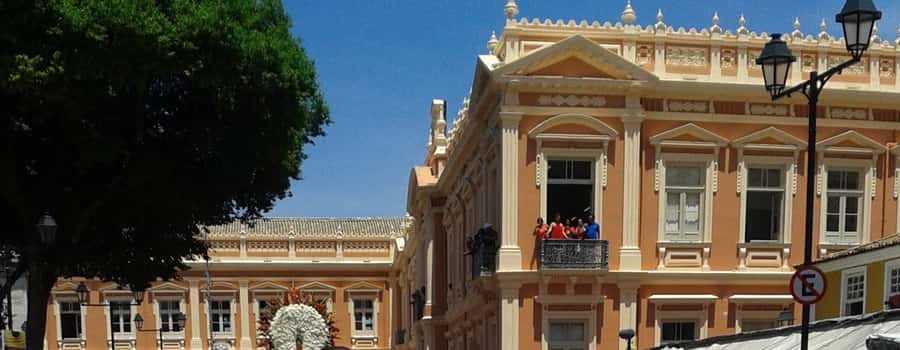
One of the most distinctive visits is to Ilê Iyá Axé Nassô Oká, described as the first Yoruba-origin Candomblé terreiro founded in the New World. It is also grounded in a matriarchal tradition, giving the stop a strong connection to women’s leadership and the preservation of religious practice.
This visit is valuable because Candomblé is often reduced to vague references in general city tours. Here, the focus is on a religious tradition that survived centuries of pressure and remains meaningful in Bahia. Your guide can help explain the role of the orixás, the Yoruba connection, and the way faith is preserved through community.
Approach this stop with respect and an open mind. It is not simply a photo opportunity or a theatrical performance. The information supplied does not promise a ceremony, ritual demonstration, or private access, so you should expect a guided cultural visit rather than a guaranteed religious event.
D. Maria’s ability to discuss spirituality is a major advantage here. Her approach is praised for combining historical detail with warmth and energy, which can help you ask honest questions without feeling that you are intruding. Still, listen carefully to your guide’s instructions and remember that sacred places require more care than ordinary sightseeing stops.
Homemade feijoada in Garcia
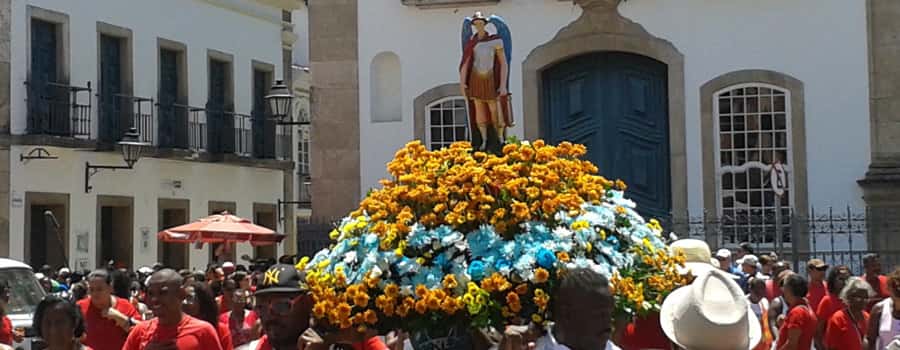
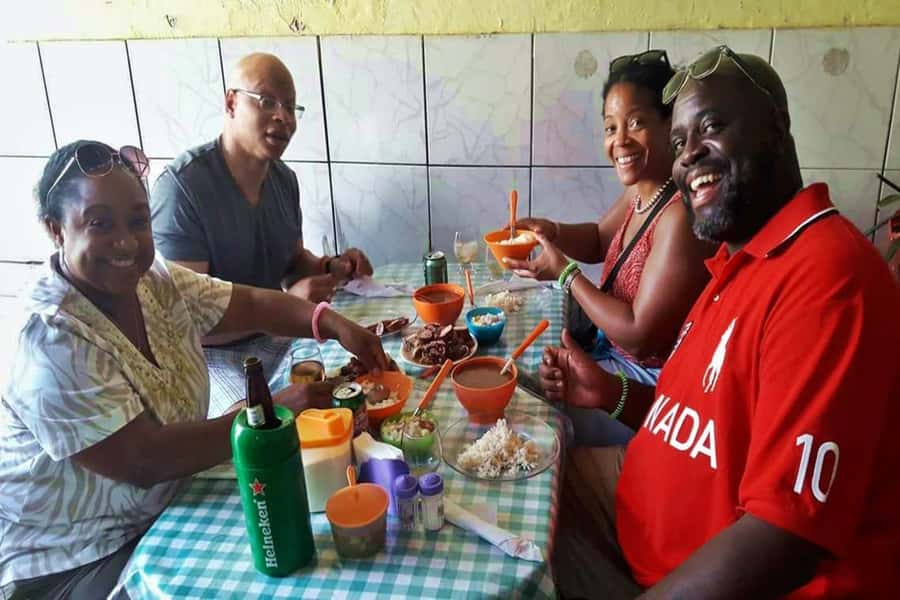
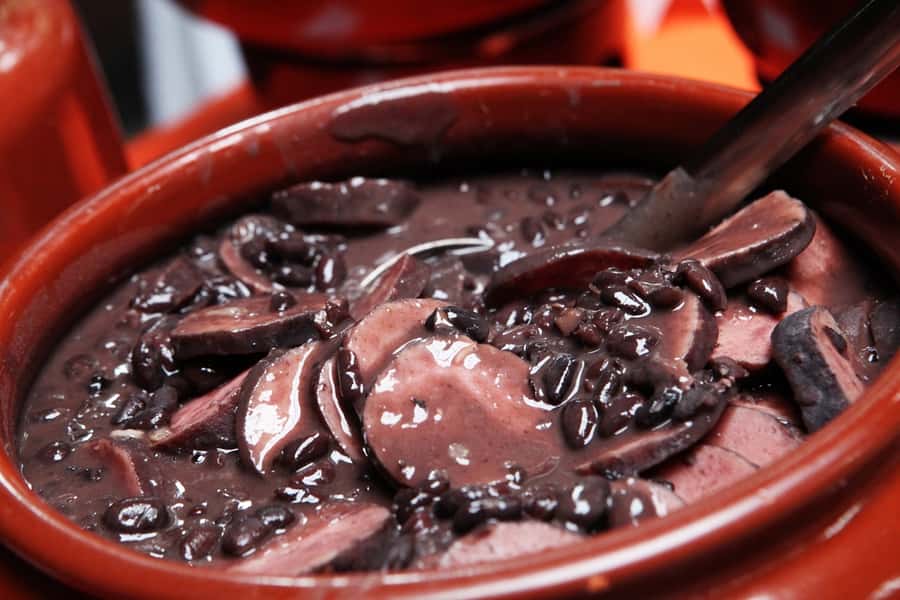
Lunch is one of the tour’s most personal features. In the Garcia neighborhood, you may share a homemade feijoada prepared by a Black family with more than 50 years of tradition. Feijoada is a bean stew commonly associated with Brazilian home cooking, and here it is presented as part of family and community life, not just as a menu item.
This is the kind of meal that gives the tour its strongest sense of place. You are not merely eating a famous Brazilian dish. You are hearing about a family tradition and spending time in a community setting that most independent visitors would be unlikely to find on their own.
The lunch lasts about an hour, which gives you a useful pause in a packed schedule. It is also a chance to talk with the guide in a less formal setting and make sense of the morning’s history and cultural stops.
Vegetarian food is available, but you must request it when booking. The same applies to other dietary needs. Drinks are not included, so budget extra for them. If food is a major reason you are considering the tour, confirm your requirements early rather than hoping they can be handled at the last minute.
Fernando receives particular credit for making this local lunch possible. That detail says a lot about the tour’s character: the meal is not an interchangeable restaurant reservation, but an experience that depends on local relationships.
Rio Vermelho and the Queen of the Sea
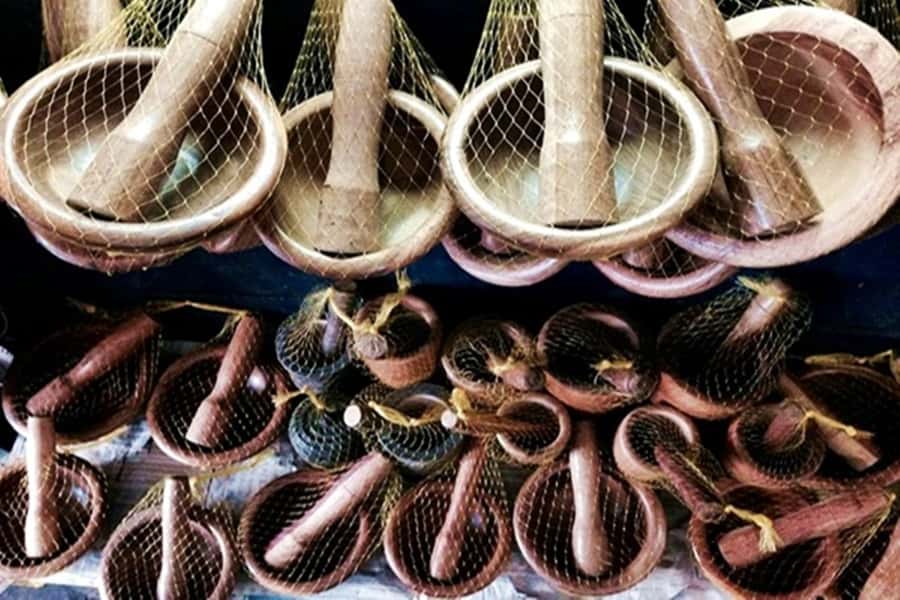
The final cultural stop takes you to Rio Vermelho, a coastal neighborhood with a fishermen’s community altar dedicated to Iemanjá, the African orixá associated with the sea. The site is known as the Queen of the Sea house, and it gives the tour a fitting finish beside the water.
Iemanjá is honored on February 2, when Salvador holds its largest ceremony for an African orixá. The celebration gathers more than 400,000 people, making the religious tradition a major public event rather than a small private observance.
The timing of your visit matters. Unless you go on February 2, you will not experience that huge ceremony, but the altar still gives you a clear connection to the belief and to the fishermen’s community that maintains it. The stop also shifts the mood after the difficult history of the port and slave market.
The coastal setting offers a welcome change of pace, though the tour does not promise extended beach time. Think of Rio Vermelho as a cultural and photographic stop, not a swimming break. If you want a relaxed afternoon by the sea, this six-hour route is too packed for that purpose.
Guides, group size, and languages
The tour is limited to four participants, which is a major practical advantage. You can ask about history, religion, food, or neighborhood life without waiting for a large group to catch up. A small vehicle also makes a long route through Salvador more manageable.
Guiding is available in Spanish, English, French, Italian, and Portuguese. The strongest praise goes to the guides’ ability to explain difficult subjects clearly and answer follow-up questions. Mônia is described as warm and exceptionally well informed, while D. Maria receives especially high marks for her understanding of Bahian history, spirituality, and cultural expression.
The driving support matters too. The experience covers several parts of Salvador, so hotel pickup and drop-off save time and reduce the trouble of arranging separate taxis between stops. The exact order may change, and traffic can affect the pace, but the overall route is designed to fit into six hours.
Who should book this tour?
I recommend it for first-time visitors who want more than Pelourinho, especially if you are interested in African-Brazilian history, religion, food, and community life. It also suits anyone with limited time who wants a guided introduction to several parts of Salvador in one day.
You will get the most from it if you enjoy asking questions and are willing to consider difficult history. The tour is not built around shopping, beaches, or nightlife. It is a cultural route with some serious subject matter and a full schedule.
I would think twice if you need a slow pace, extended time at each stop, or wheelchair access. The route includes historic streets, markets, several vehicle transfers, and a lot of information. Drinks are extra, and special dietary needs must be stated in advance.
At $150 per person, the value depends on what you would otherwise arrange yourself. If you hired transport, booked a professional multilingual guide, paid entrance fees, and found a family-based lunch independently, the total could easily become complicated. For a group of four or fewer, the convenience and access make the price reasonable, particularly if authentic cultural context matters more to you than a low-cost sightseeing circuit.
Should you book the Salvador Anthropological City Tour?
Book it if you want to understand how African traditions continue to shape Salvador, rather than simply photograph the city’s colonial center. The most memorable elements are likely to be the small group, the explanations at Ilê Iyá Axé Nassô Oká, the visit to São Joaquim Market, and the homemade feijoada in Garcia.
Skip it if your priority is a leisurely beach day or a short highlights tour. For the right visitor, this is a thoughtful, busy, and unusually personal introduction to Bahia. The guides, especially Mônia, D. Maria, and Fernando, appear to be central to its success, so a good guide match can turn a packed itinerary into a meaningful day.
FAQ
How long does the tour last?
The tour lasts six hours, including transportation, visits, guided explanations, and a one-hour lunch.
Is hotel pickup included?
Yes. Pickup and drop-off at your hotel lobby in Salvador are included.
What languages are available?
The live guide service is available in Spanish, English, French, Italian, and Portuguese.
How many people are in the group?
The experience is limited to four participants.
Is lunch included?
Yes. Lunch is included and features homemade feijoada in the Garcia neighborhood.
Are drinks included with lunch?
No. Drinks are not included and must be paid for separately.
Is a vegetarian meal available?
Yes. A vegetarian option is available, but you must request it when booking.
Is the tour wheelchair accessible?
No. The tour is not suitable for wheelchair users.
Are entrance fees included?
Yes. Entrance fees are included in the tour price.
Just added in Salvador
- Mãe Tereza Ecological Park | A peaceful paradise, perfect for relaxing!★ 4.5 · 19 reviews
- Full Day Tour in Trancoso with Chocolate Factory★ 4.5 · 35 reviews
- Horse back riding and Eco tourism food and fun.★ 5.0 · 1 review
- Salvador: Schooner Cruise with Pickup and Itaparica Stop★ 3.8 · 5 reviews
- Salvador: Traditional Drumming and Percussion Workshop★ 4.4 · 10 reviews
- PROMO Salvador: Interactive Art and Culture Private Tour★ 5.0 · 2 reviews
- Salvador: 3-Hour Percussion Class★ 4.9 · 10 reviews
- Salvador: Cultural Treasure – Samba de Roda.★ 4.9 · 51 reviews
Rio de Janeiro City Tours, compared.
Rio’s City Tour – Tickets for Christ, Sugar Loaf & Lunch included
Read our review →
Full Day: Christ Redeemer, Sugarloaf, City Tour & Barbecue Lunch
Read our review →
Christ the Redeemer, Sugarloaf, Selaron & BBQ Lunch
Read our review →
São Paulo’s Full Day City Tour: Main City Sights in 7 Hours – (Shared Group)
Read our review →
Pub Crawl in Lapa with Cachaça Tasting and Live Samba
Read our review →
Rio’s Best_Corcovado, Sugar Loaf, Selaron, Cathedral and more
Read our review →Browse the lists this tour appears in